Executive Summary:
Canada is evaluating a major expansion of its future combat air fleet, potentially combining Lockheed Martin F-35 stealth fighters with Saab Gripen aircraft. The review reflects Ottawa’s effort to balance military capability, Arctic security requirements, industrial benefits, and long-term defense autonomy.
Canada Fighter Fleet Review Signals Major Strategic Shift
Canada fighter fleet modernization plans are entering a critical phase as Ottawa examines options that could significantly expand the Royal Canadian Air Force’s future combat aviation inventory.
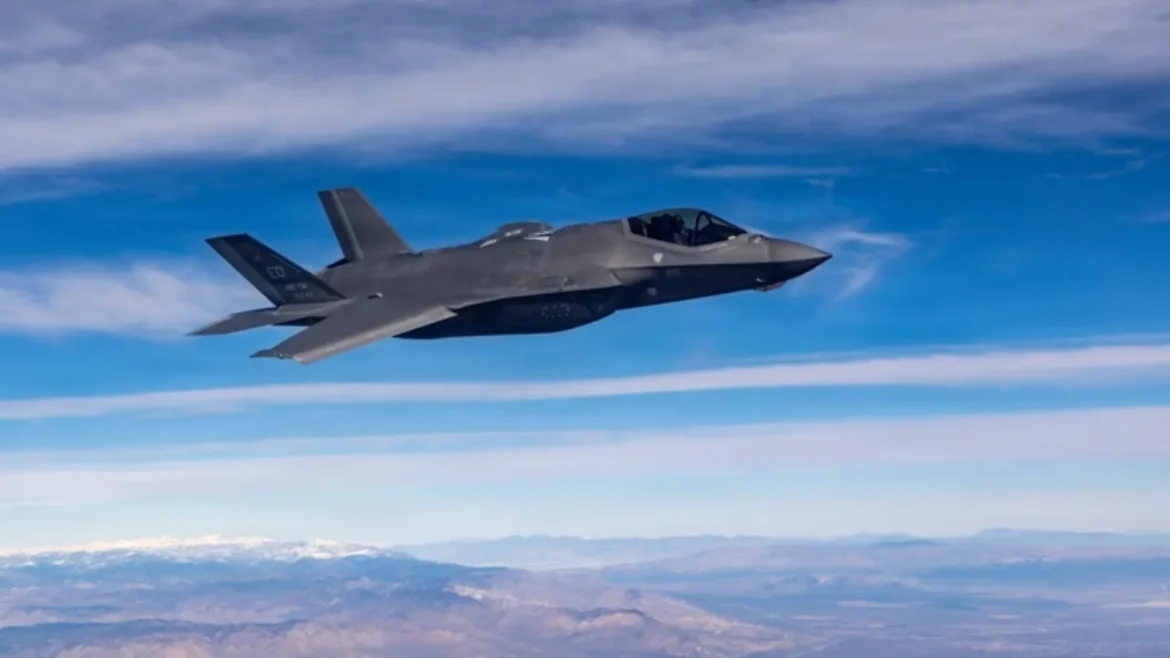
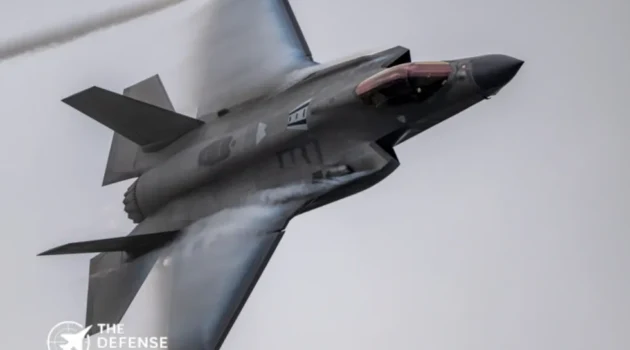
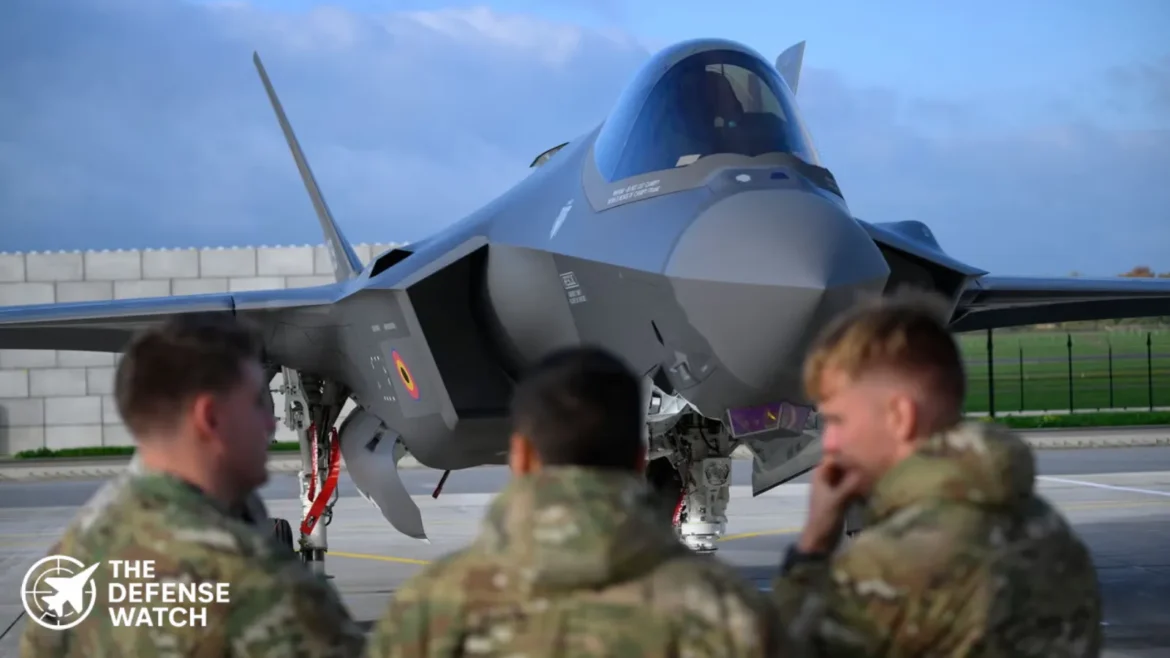
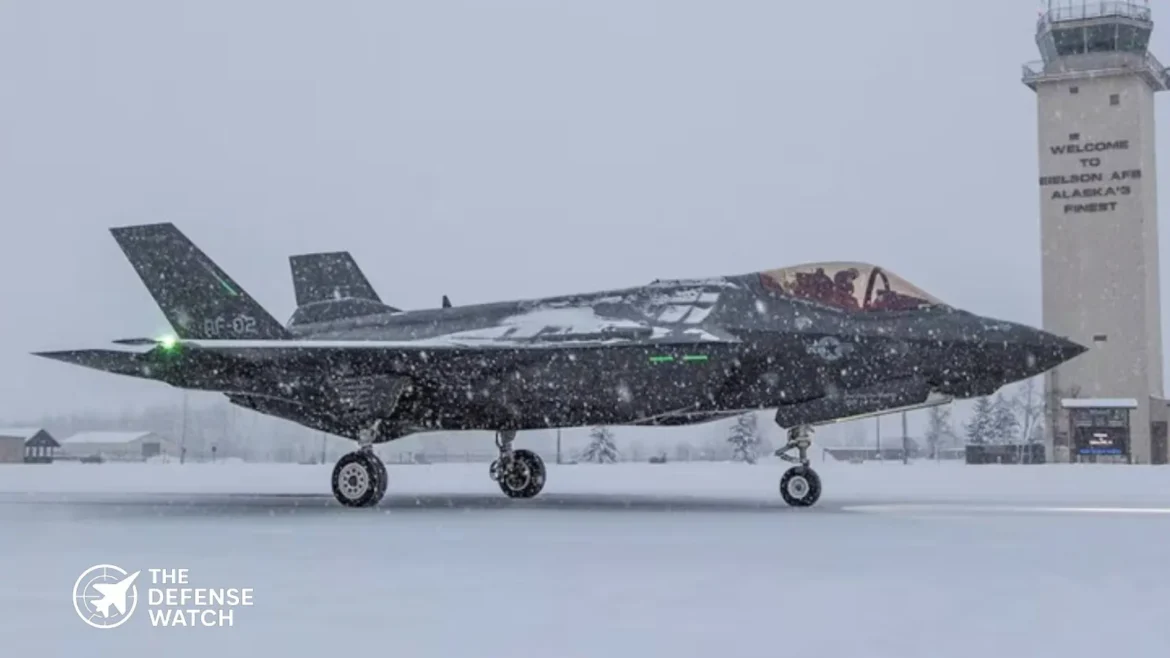
According to Canadian media sources, government officials are evaluating a mixed-fleet approach that could combine U.S.-built F-35A Lightning II stealth fighters with Swedish Saab Gripen E aircraft. The proposal would represent one of the most significant changes to Canadian airpower planning in decades.
The review comes as Canada seeks to replace its aging CF-18 Hornet fleet while strengthening its ability to support both North American Aerospace Defense Command (NORAD) and NATO operations. At the same time, policymakers are increasingly weighing industrial and supply-chain considerations alongside traditional military requirements.
Mixed Fleet Concept Could Expand Total Aircraft Numbers
Recent reports indicate that Canadian officials are studying options that could result in a force of approximately 140 fighter aircraft, substantially larger than the original plan centered on 88 F-35s. Under some scenarios being discussed, Canada could retain between 72 and 88 F-35 fighters while also adding as many as 72 Gripen aircraft assembled in Canada.
Other reports suggest Ottawa has also examined a smaller mixed fleet model involving roughly 30 F-35As and approximately 60 Gripen aircraft. No final government decision has been announced.
The expanded fleet concept would allow Canada to maintain advanced fifth-generation capabilities while increasing overall fighter numbers for homeland defense, Arctic patrols, and expeditionary missions.
Why Ottawa Is Reassessing Its Fighter Procurement Strategy
The review extends beyond aircraft performance.
Canadian policymakers are increasingly focused on defense industrial resilience, technology transfer opportunities, and reducing dependence on a single foreign supplier. Recent tensions in trade and defense relations between Ottawa and Washington have added political attention to the issue.
Prime Minister Mark Carney’s broader defense industrial strategy emphasizes greater domestic participation in major military programs. A Gripen acquisition could potentially include local assembly, maintenance, software development, and long-term industrial partnerships within Canada’s aerospace sector.
This trend became more visible following Canada’s decision to pursue Saab’s GlobalEye airborne early warning aircraft rather than Boeing’s E-7 Wedgetail. Analysts view that decision as evidence that industrial participation and sovereign capability are becoming increasingly important factors in Canadian defense procurement.
F-35 Versus Gripen: Different Strengths For Different Missions
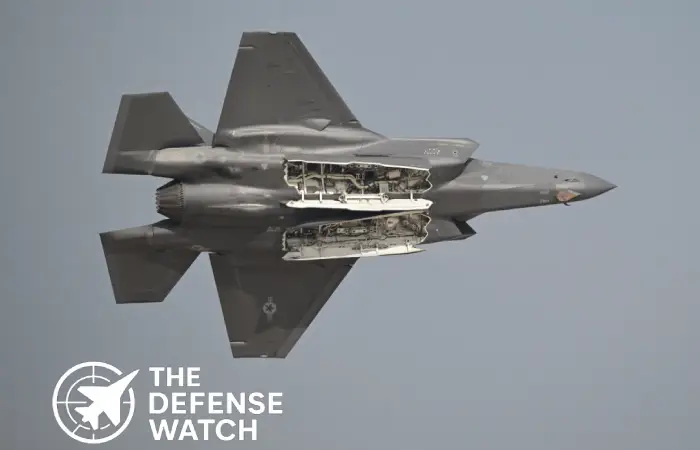
The Lockheed Martin F-35A remains one of the world’s most advanced combat aircraft, offering stealth characteristics, sensor fusion, network-centric warfare capabilities, and interoperability with key NATO allies.
For NORAD and coalition operations, the F-35 provides capabilities that many defense planners consider essential for future high-threat environments. Canada has participated in the Joint Strike Fighter program for years, and Canadian companies remain integrated into the broader F-35 industrial ecosystem.
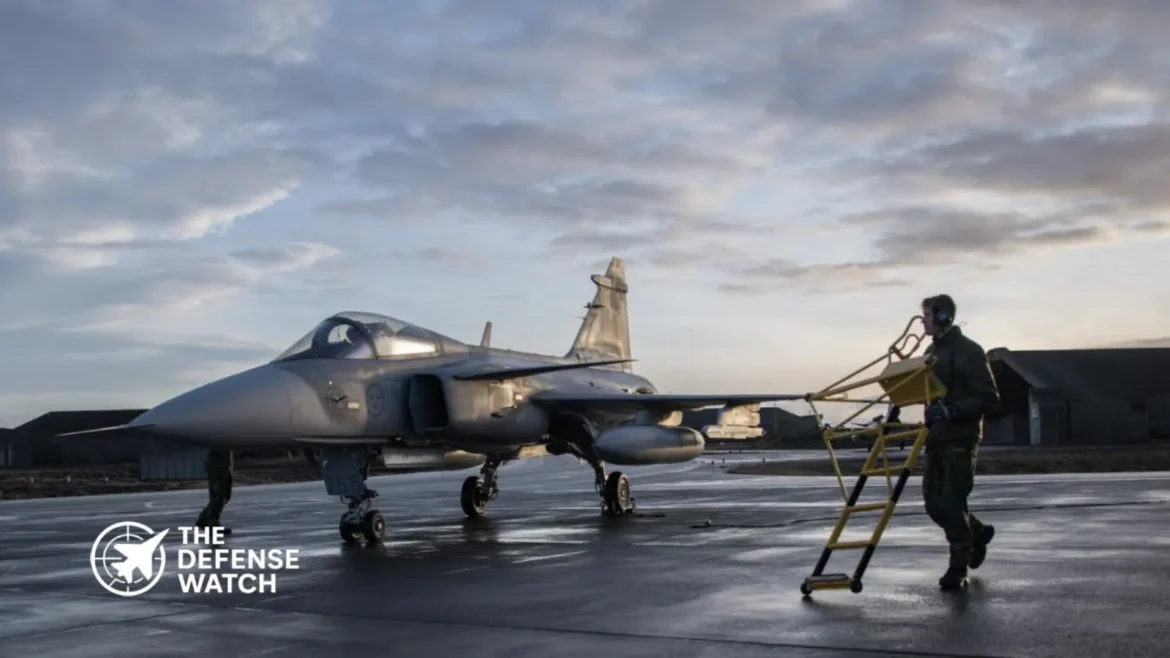
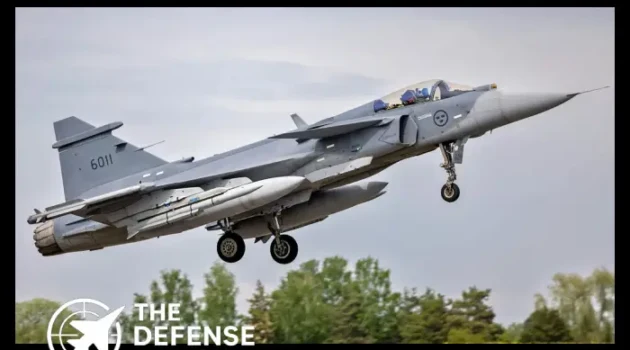
The Saab Gripen E, meanwhile, offers a different value proposition. The aircraft is designed for lower operating costs, rapid turnaround times, dispersed operations, and high availability. Saab has also emphasized extensive technology transfer and domestic production opportunities for Canada.
A mixed fleet would potentially allow Canada to combine the F-35’s advanced combat capabilities with the Gripen’s affordability and industrial advantages.
Analysis: What This Means For Canada’s Future Airpower
The fighter review highlights a broader evolution in defense procurement across many Western nations.
Military capability remains the primary requirement, but governments are increasingly evaluating whether major acquisitions can also strengthen domestic industries, create skilled jobs, and reduce supply-chain vulnerabilities.
For Canada, geography remains a defining factor. The country must defend vast Arctic and northern regions while contributing to NATO operations abroad. A larger fighter fleet could improve operational flexibility, increase aircraft availability, and provide greater resilience during extended crises.
However, operating two fighter types would also introduce additional training, maintenance, logistics, and sustainment costs. Historically, air forces often favor fleet commonality to simplify long-term operations.
The final decision will therefore reflect more than a simple aircraft competition. It will serve as a test of how Canada balances military effectiveness, alliance commitments, industrial policy, and national sovereignty in an increasingly complex security environment.
Looking Ahead
Canadian officials have not announced a final decision on the future composition of the Royal Canadian Air Force fighter fleet. However, ongoing discussions involving both the F-35 and Gripen indicate that Ottawa is considering options far beyond its original procurement framework.
Whatever path is chosen, the outcome will shape Canadian airpower, aerospace industry development, and defense partnerships for decades to come.
Executive Summary:
The Pentagon has intensified pressure on Canada over defense spending levels and delays surrounding Ottawa’s review of its planned F-35 fighter jet acquisition. The dispute follows Washington’s decision to pause participation in a long-standing bilateral defense forum, highlighting wider tensions over NATO commitments, Arctic security, and North American defense modernization.
Canada F-35 Review Draws Pentagon Scrutiny
Canada’s ongoing review of its planned acquisition of Lockheed Martin F-35 fighter jets has become a growing source of friction between Ottawa and Washington, according to U.S. defense officials. The issue escalated after the Pentagon suspended participation in the U.S.-Canada Permanent Joint Board on Defense (PJBD), a bilateral defense advisory body established in 1940.
A senior Pentagon official told Reuters that Canada has not yet made the “hard decisions and tradeoffs” required to become what Washington considers a “credible” security partner in North American defense. The criticism focused on two major concerns: Canada’s military spending trajectory and delays in completing its review of the F-35 fighter acquisition program.
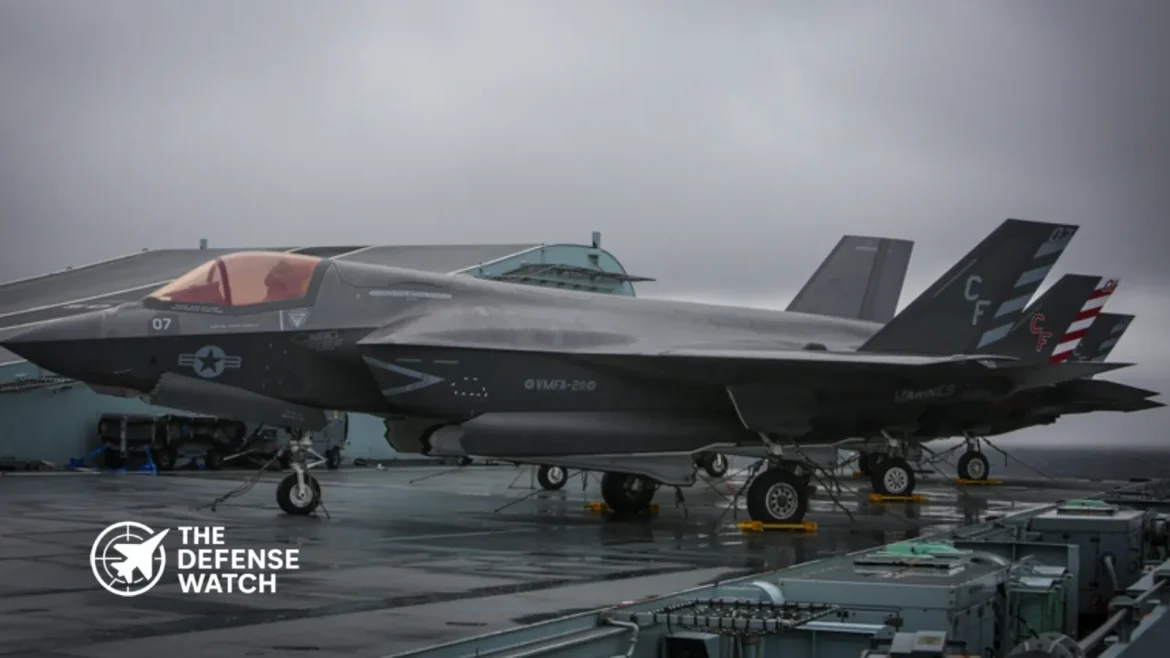
Ottawa signed an agreement in 2023 to acquire 88 F-35A fighters in a deal valued at roughly C$19 billion. However, the Canadian government has continued reviewing the broader procurement strategy amid political concerns over long-term dependence on U.S. defense systems.
Pentagon Pushes NATO Spending Targets
The dispute comes as the United States increases pressure on NATO allies to raise defense spending. Pentagon officials reportedly want Canada to outline a roadmap toward spending 3.5% of GDP on core defense by 2035, significantly above NATO’s current 2% benchmark.
Canada has argued that it is already making major investments in continental defense. Ottawa plans to spend approximately $87 billion over the next two decades on NORAD modernization, Arctic surveillance, infrastructure upgrades, and missile warning capabilities.
Prime Minister Mark Carney downplayed the Pentagon’s suspension of PJBD participation, saying broader defense cooperation between the two countries remains intact through NORAD operations and joint military coordination.
Still, the Pentagon’s decision signals frustration within Washington over what U.S. officials see as slow movement on Canadian defense commitments at a time of rising geopolitical competition in the Arctic and Indo-Pacific regions.
Arctic Security Increasingly Shapes U.S.-Canada Defense Relations
The Arctic has become a central strategic concern for both the United States and Canada. U.S. defense planners increasingly view the region as critical for missile defense, early warning systems, maritime routes, and strategic competition involving Russia and China.
This shift is influencing pressure on allies to modernize aging fleets and expand operational readiness. Canada’s CF-18 fighter fleet is approaching the end of its service life, making the F-35 review strategically important for future NORAD operations.
The Pentagon has emphasized that the pause in PJBD participation will not directly affect NORAD missions. However, officials warned that the effectiveness of continental defense depends on proportional contributions from both countries.
Canada Balances Sovereignty And Defense Procurement
The Canada F-35 review is also tied to broader political debates inside Ottawa regarding defense sovereignty and procurement diversification. Swedish-made Saab Gripen fighters remain under discussion as a possible alternative or supplementary option to the F-35 fleet.
Canadian officials have increasingly explored closer defense and economic partnerships with European and Indo-Pacific partners as concerns grow over reliance on U.S. systems and political unpredictability in Washington.
That debate has intensified online and among defense observers following the Pentagon’s decision to pause bilateral defense board participation. Community discussions across defense-focused forums have reflected rising Canadian concerns about procurement independence and long-term operational control of U.S.-built platforms.
At the same time, the F-35 remains the cornerstone of allied fifth-generation airpower across NATO. The aircraft’s stealth capabilities, sensor fusion, and interoperability continue to make it a leading platform for coalition operations.
Broader Defense Spending Debate Continues
The dispute arrives amid broader U.S. efforts to expand military modernization spending under President Donald Trump. Washington’s proposed defense budget includes major investments in fighter aircraft, naval expansion, missile defense, and autonomous systems.
For Canada, the pressure now centers on whether Ottawa can balance alliance obligations, domestic political concerns, industrial priorities, and Arctic security requirements while completing one of its largest military procurement programs in decades.
The outcome of the Canada F-35 review is likely to shape North American defense cooperation for years to come.
Executive Summary: Canada is actively pursuing a defense and industrial partnership with Turkey, with Ottawa’s Secretary of State for Defense Procurement Stephen Fuhr visiting Istanbul for the first time during SAHA Expo 2026. The initiative reflects Canada’s broader strategy to build self-reliant defense capacity through mid-power alliances as Washington recalibrates its global security commitments. The two NATO members are looking past a prior arms embargo period and toward co-development in drones, counter-drones, and ammunition production.
Canada Turns to Turkey as a Model for Defense Industrial Independence
ISTANBUL, Turkey — May 11, 2026 — Canada is accelerating efforts to forge a substantive defense industrial partnership with Turkey, framing the relationship as a cornerstone of a new middle-power security architecture that Ottawa believes is essential in today’s shifting geopolitical landscape.
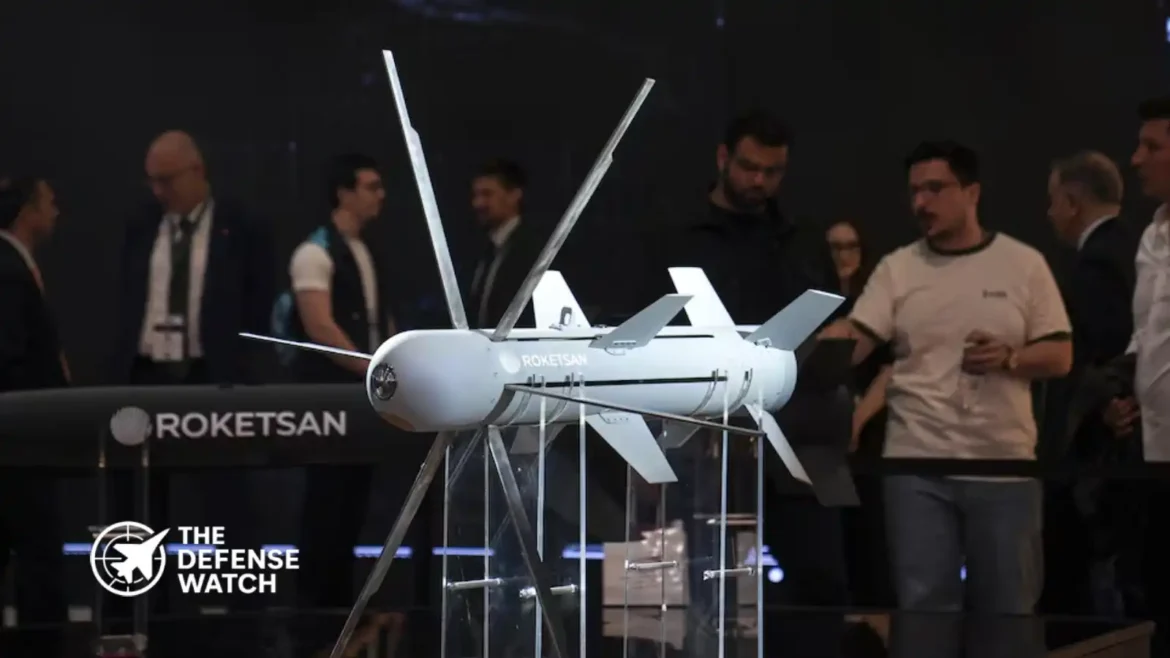
Canadian Secretary of State for Defense Procurement Stephen Fuhr made the overture during SAHA Expo 2026 in Istanbul, describing Ankara as a “trusted partner” and “valuable ally.” It was Fuhr’s first visit to Turkey in his current role.
The visit signals a deliberate and meaningful shift in Canadian defense posture — one driven less by traditional transatlantic reflexes and more by a pragmatic recognition that middle-tier powers must organize collectively if they are to maintain strategic relevance.
“Individually We’re Not Big Enough”
Fuhr articulated the rationale bluntly: “The middle powers have to come together in a way they didn’t before. Individually we’re just not big enough, but collectively we are.”
That framing captures a growing anxiety in Ottawa. With the United States recalibrating its commitments — from NATO burden-sharing pressure to a broader re-evaluation of forward security guarantees — Canada is finding that bilateral reliance on Washington is no longer a sufficient defense posture. Building alternative industrial and capability partnerships is now a strategic imperative, not merely an option.
Turkey, with its rapidly matured domestic defense sector, represents precisely the kind of partner Canada is looking for: a mid-sized NATO ally with demonstrated success in building sovereign defense production.
Turkey’s Industrial Model: A Blueprint for Ottawa
Fuhr pointed to Turkey’s success in developing an indigenous defense industrial base as offering concrete lessons for Canada, specifically in areas where Ankara has achieved rapid technological growth and supply-chain independence. He compared Turkey’s progress to that of South Korea and France.
This is a significant comparison. South Korea and France represent two of the most successful cases globally of countries that built world-class defense export industries from limited starting points. Placing Turkey in that company reflects how dramatically Ankara’s defense sector has matured over the past decade — and how seriously Canada is taking the lessons.
Key areas of interest identified by Fuhr include ammunition production, drones, counter-drone systems, and autonomous technologies. He noted these were “pretty obvious places” for near-term collaboration and suggested that future programs could take the form of co-development rather than simple off-the-shelf procurement.
Canada’s New Defense Industrial Strategy: Build, Partner, Buy
Ottawa’s ambitions are codified in its newly accepted Defence Industrial Strategy and the creation of a new Defence Investment Agency. Fuhr summarized the approach as: “If it’s urgent, we’ll probably have to go and buy it. If it’s something they can wait for, we’ll have to co-develop it.”
This “build, partner, buy” framework is a direct acknowledgment that Canada has fallen behind on domestic defense production — a gap that has become increasingly urgent as NATO allies face pressure to meet the alliance’s 2% GDP defense spending threshold and as global demand for munitions and platforms has surged in the wake of the Russia-Ukraine war.
The strategy also signals that Canada is not simply looking to be a buyer in foreign defense markets. Fuhr explicitly described Canada as a stable investment destination, pointing to the country’s financial system, investment climate, and policies designed to encourage foreign direct investment — positioning Canada as a partner of choice, not just a customer.
Past Tensions Set Aside
The Canada-Turkey defense relationship has not always been smooth. Between 2019 and January 2024, Canada imposed restrictions on arms sales to Turkey and cancelled a number of export permits, effectively creating a de-facto weapons embargo. The restrictions were tied to concerns over the use of Canadian-supplied optics on Turkish Bayraktar TB2 drones during the Nagorno-Karabakh conflict in 2020.
When asked about whether the embargo was politically worth it, Fuhr — who was elected in 2025 — deflected, saying Canada is focused on the future. “Nobody’s raised any past information or anything that’s happened in the past,” he said. “Everyone is focused on responding to the moment and how we can work together moving forward.”
That diplomatic posture is deliberate. Both sides appear to have concluded that the strategic value of the partnership outweighs the political costs of re-litigating past grievances — a pragmatism that reflects the urgency both governments feel about the current security environment.
First Concrete Step: Kraken Robotics and SISAM MoU
Cooperation between the two countries is already producing tangible results. During SAHA Expo 2026, Canada-based Kraken Robotics signed a Memorandum of Understanding with the Strategic and Unmanned Systems Research Center (SİSAM) of Turkey’s Sefine Shipyard. Under the agreement, Kraken will work to integrate its KATFISH towed synthetic aperture sonar system into SİSAM’s mission planning software and develop automatic target recognition capabilities. defensenews
This MoU is notable on multiple levels. It pairs a Canadian firm with a strong niche in underwater sensing technology with a Turkish shipyard research center focused on unmanned systems — a pairing that could yield operationally significant capabilities in mine countermeasures, submarine detection, and autonomous maritime operations.
It is also a signal that the partnership is not aspirational only. Concrete industrial linkages are being formed now, at the working level, even as high-level political engagement continues to develop.
High-Level Engagement on the Horizon
Fuhr also pointed to upcoming high-level political engagement, including planned visits by Prime Minister Mark Carney to Turkey and ongoing discussions surrounding a possible Canada-Turkey free trade agreement.
If a free trade agreement moves forward, it would dramatically lower barriers for two-way defense industrial investment — enabling joint ventures, technology transfer, and co-production arrangements that go well beyond individual procurement contracts.
Analysis: Why This Partnership Matters Now
The Canada-Turkey alignment is more than a bilateral defense story. It reflects a broader restructuring of the NATO security ecosystem below the level of the United States.
Middle powers like Canada, Turkey, South Korea, Australia, and select European states are increasingly recognizing that they need direct industrial and capability ties with one another — not just mediated through Washington. That logic has been reinforced by supply chain disruptions, surging global demand for munitions, and uncertainty about U.S. commitment to collective defense frameworks.
Turkey brings proven capacity: Bayraktar drones have demonstrated combat effectiveness across multiple theaters, and Ankara’s defense export revenues have grown sharply over the past five years. Canada brings capital, a stable investment environment, and a large industrial base seeking modernization.
Together, they represent the kind of complementary partnership that could accelerate both countries’ defense industrial timelines — and contribute meaningfully to NATO’s collective readiness at a moment when that readiness is under pressure.
- ► TKMS signed pan Canadian Indigenous agreements to support its bid under the Canadian Patrol Submarine Project.
- ► The agreements aim to ensure long term Indigenous participation in submarine construction and sustainment.
- ► Canada plans to replace its Victoria class submarines with a new fleet under a major modernization effort.
- ► The project is expected to be one of the largest defense procurements in Canadian history.
- ► Industrial and regional benefits are central to Ottawa’s submarine acquisition strategy.
Canadian Patrol Submarine Project Moves Into Industrial Partnership Phase
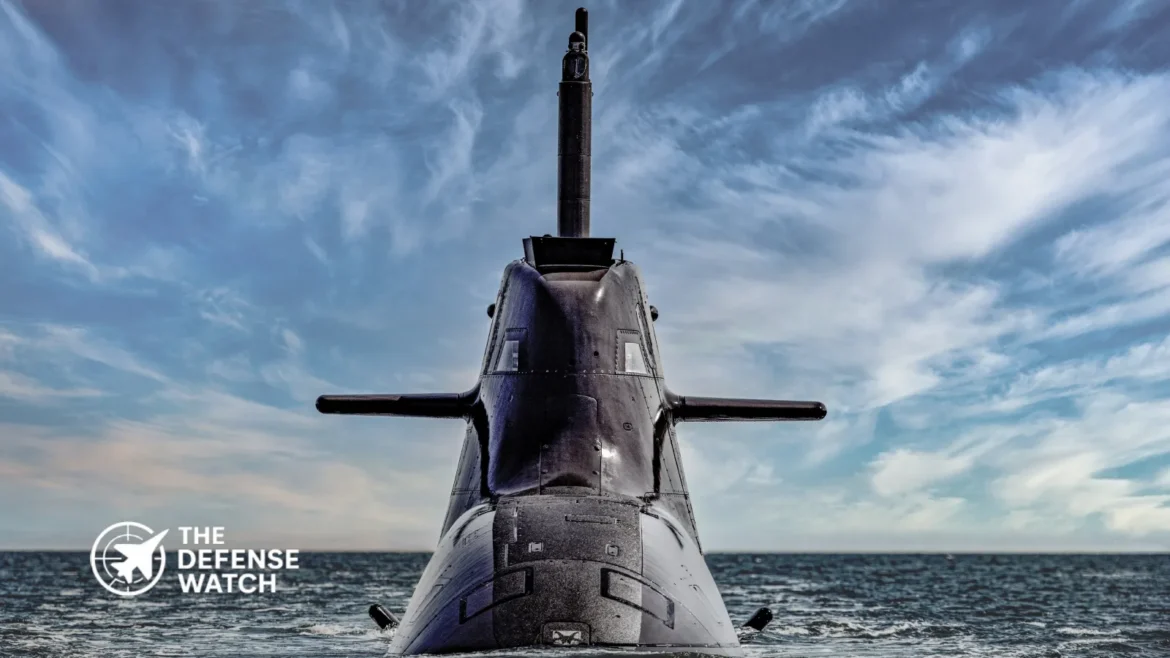
The Canadian Patrol Submarine Project is entering a critical industrial phase as Thyssenkrupp Marine Systems, known as TKMS, signed a series of pan Canadian Indigenous agreements to support its bid for Canada’s future submarine fleet.
The agreements are designed to ensure Indigenous communities and businesses have structured participation in construction, supply chain work, and long term sustainment activities if TKMS is selected.
The move aligns with Ottawa’s broader defense procurement framework, which emphasizes industrial and technological benefits alongside operational capability.
Strategic Context For Canada’s Submarine Replacement
Canada is seeking to replace the aging Victoria class submarines operated by the Royal Canadian Navy. The effort falls under the Canadian Patrol Submarine Project, a program widely viewed as one of the largest and most strategically significant defense procurements in the country’s history.
Ottawa has signaled that its next submarine fleet must provide greater endurance, under ice capability, and enhanced surveillance capacity, particularly in the Arctic and North Atlantic. The evolving security environment, including increased naval activity by Russia and growing Indo Pacific competition, has reinforced the urgency of a credible undersea deterrent.
In this context, bidders are not competing solely on platform performance. They must also demonstrate meaningful domestic industrial participation and long term economic impact.
Indigenous Participation As A Core Requirement
TKMS said the pan Canadian Indigenous agreements establish a framework for collaboration in workforce development, technology transfer, and supply chain integration. While financial details were not disclosed, the company framed the agreements as foundational rather than symbolic.
Canada’s federal procurement policy requires bidders to meet strict industrial and regional benefit obligations. Indigenous economic participation has become a growing priority within that framework.
For a submarine program expected to span decades, sustainment will likely account for a substantial portion of lifecycle costs. That creates space for long term partnerships in maintenance, repair, training, and logistics support.
From an industrial perspective, early agreements can strengthen a bidder’s credibility. They demonstrate local engagement before a contract is awarded and signal readiness to scale operations inside Canada.
Competitive Landscape And Capability Implications
TKMS is a major global submarine builder, known for conventional submarine designs exported to multiple navies. While the company has not publicly detailed its exact offer under the Canadian Patrol Submarine Project, analysts expect proposals to include advanced air independent propulsion systems and modular design features suited for extended deployments.
The Canadian requirement is unusually demanding. Submarines must operate across vast distances, in harsh climates, and potentially under Arctic ice. That raises technical questions about hull strength, sensor integration, and crew sustainability.
At the same time, political considerations carry weight. Ottawa has consistently tied large defense procurements to domestic job creation and skills development. The Indigenous agreements are therefore not peripheral. They address a key decision factor.
Industrial Strategy And Long Term Impact
The Canadian Patrol Submarine Project will shape Canada’s naval industrial base for decades. Beyond ship construction, the program could influence training pipelines, digital engineering capacity, and advanced manufacturing sectors.
For TKMS, securing structured Indigenous partnerships early in the process may improve its standing with policymakers focused on reconciliation and inclusive economic growth.
For Canada, the challenge is balancing capability, cost, and sovereign control. Submarines are among the most complex defense systems a nation can operate. They require sustained funding, technical depth, and political continuity.
The Indigenous agreements underscore that the competition is as much about long term national strategy as it is about platform selection.
As the Canadian Patrol Submarine Project advances, further clarity on timelines, budget envelopes, and shortlisted bidders will determine how quickly Ottawa can transition from legacy submarines to a modern undersea fleet.
US Warns It Could Send Fighter Jets Into Canadian Airspace if F-35 Deal Collapses
The United States has warned Canada that it could deploy US fighter jets into Canadian airspace if Ottawa reduces or abandons its planned purchase of F-35 fighter aircraft, a move that could reshape how North American air defense is carried out under NORAD.
The warning was delivered publicly by the US ambassador to Canada and reflects growing concern in Washington that a scaled-back Canadian fighter fleet would leave gaps in continental air defense coverage that the United States would need to fill.
The issue centers on Canada’s commitment to buy 88 F-35A stealth fighters to replace its aging CF-18 Hornet fleet. That purchase is a cornerstone of Canada’s role in the North American Aerospace Defense Command, the joint US-Canada command responsible for monitoring and defending the continent’s airspace.
US Message Tied to NORAD Obligations
US Ambassador to Canada Pete Hoekstra said that if Canada does not follow through on the full F-35 purchase, the United States would need to reconsider how NORAD missions are carried out.
Hoekstra stated that a reduced Canadian fighter capability would force the US to step in more often to meet shared air defense responsibilities, including flying US aircraft in Canadian airspace when required.
Under NORAD, both countries already operate across national boundaries during air defense missions, but the ambassador’s comments point to a more routine and expanded US role if Canada lacks sufficient modern fighters.
US officials stressed that the issue is not sovereignty, but capability. NORAD relies on both partners fielding compatible, high-readiness aircraft that can respond quickly to long-range threats approaching North America.
Canada’s F-35 Review Raises Concerns in Washington
Canada signed an agreement in 2023 to acquire 88 F-35A fighters, joining a large group of US allies operating the aircraft. However, rising program costs and long-term sustainment expenses have prompted Ottawa to reexamine the scale of the purchase.
Canadian officials have confirmed they are reviewing whether the full number of aircraft is affordable, though no final decision has been announced.
According to Canadian government estimates cited in public reporting, the lifetime cost of the F-35 program has increased significantly compared to earlier projections, driven by inflation, sustainment, and infrastructure requirements.
The US view is that cutting the fleet size would directly affect Canada’s ability to meet its NORAD commitments, particularly in the Arctic, where distances are vast and response times are critical.
Why the F-35 Matters to NORAD
The F-35 is not just a replacement fighter. It is a networked sensor platform designed to share data seamlessly with US forces, ground-based radars, and command centers.
US officials argue that alternative aircraft would not offer the same level of interoperability, especially for detecting and tracking modern threats such as cruise missiles and advanced bombers operating at long range.
NORAD’s mission has grown more demanding in recent years as Russian military aircraft have increased activity near North American airspace, particularly in the Arctic and near Alaska. Chinese aircraft have also conducted joint patrols with Russia in the region.
US defense officials have repeatedly emphasized that future air defense depends on integrated sensors, stealth aircraft, and rapid data sharing, areas where the F-35 is seen as central.
What Increased US Fighter Presence Would Mean
If Canada reduces its F-35 purchase, US officials say the likely outcome would be more frequent US fighter deployments to cover Canadian airspace as part of NORAD operations.
That could include US aircraft launching from American bases to intercept unidentified or hostile aircraft approaching Canada, as well as increased joint patrols where US fighters take the lead role.
Such operations would remain under the NORAD framework, but they would shift the operational balance toward the United States.
The ambassador made clear that the US preference is for Canada to maintain a strong, independent fighter capability rather than rely more heavily on American aircraft.
Political and Strategic Implications
The warning highlights the pressure the United States is placing on allies to maintain high-end military capabilities as threat environments evolve.
For Canada, the issue is politically sensitive. Fighter procurement has long been controversial, with debates over cost, industrial benefits, and defense priorities.
For Washington, the concern is strategic. A weakened Canadian air combat capability would affect the defense of the entire continent, not just one country.
US officials have framed the issue as a practical reality of shared defense rather than a political dispute, but the message is clear. If Canada cannot field enough modern fighters, the United States will act to ensure airspace security.
NORAD at a Turning Point
NORAD is undergoing its most significant modernization in decades, with major investments planned in Arctic sensors, over-the-horizon radar, and command systems.
Fighter aircraft remain a critical last line of defense. US officials argue that modernization efforts depend on both partners contributing advanced aircraft in sufficient numbers.
The ambassador’s warning underscores that Canada’s fighter decision will have direct operational consequences, not just budgetary ones.
As Canada continues its review, US officials are signaling that the outcome will shape how North American air defense is carried out for years to come.
Canadian Air Defense Commander Lieutenant General Jamie Speiser Blanchet has described the F 35 as vital to Canada’s future air defense mission, tying the fighter directly to NORAD operations and continental security. Speaking in recent remarks reported by Military Watch Magazine, the commander emphasized that the aircraft is not just a replacement fighter, but a core sensor and command node for joint US Canadian defense.
The statement comes as Canada moves forward with its planned purchase of 88 F 35 aircraft to replace the aging CF 18 fleet, with initial deliveries expected later this decade.
Background: Why the F 35 Matters to Canada
Canada’s air defense mission is closely linked to the North American Aerospace Defense Command, the binational US Canada framework responsible for detecting and responding to air and missile threats. Much of this mission focuses on long range surveillance of the Arctic, where geography, distance, and harsh weather place unique demands on aircraft and sensors.
The CF 18 fleet has performed this role for decades, but officials have warned that it is reaching the limits of its service life and combat relevance. New threats, including long range cruise missiles, hypersonic weapons, and advanced Russian bomber patrols, have pushed Canada to seek a platform with stronger sensors, data fusion, and survivability.
In this context, the Canadian Air Force selected the F 35 as its next generation fighter, citing interoperability with the United States, advanced stealth features, and its ability to operate as part of a wider air defense network.
Details: What the Commander Said
According to Military Watch Magazine, Lieutenant General Speiser Blanchet stated that the F 35 is essential to how Canada will defend its airspace alongside the United States. She highlighted that modern air defense is no longer just about intercepting aircraft, but about detecting, tracking, and sharing data across domains.

The F 35’s sensor suite, including its active electronically scanned array radar and distributed infrared sensors, allows it to detect threats at long range and pass that information to other aircraft, ships, and ground based systems. For NORAD, this means faster warning times and a clearer picture of potential threats approaching North America.
Canadian officials have also stressed that the F 35’s secure data links allow it to integrate seamlessly with US Air Force and US Navy assets, a key requirement for joint operations under NORAD and NATO.
Arctic Operations and Long Range Defense
One of the most demanding aspects of Canada’s air defense mission is the Arctic. Vast distances, limited basing, and extreme weather conditions challenge both aircraft and crews. Canadian defense planners argue that the F 35’s advanced sensors help offset these challenges by reducing reliance on forward deployed radar and increasing situational awareness.
While the F 35 is often discussed in terms of stealth strike missions, Canadian leaders have framed its role more broadly. In Arctic operations, the aircraft is expected to act as an early warning platform, cueing interceptors and supporting ground based air defense systems.
This aligns with broader NORAD modernization efforts, which include upgrades to radar networks and command systems across northern Canada.
Expert and Policy Perspective
Defense analysts note that Canada’s emphasis on the F 35 as an air defense asset reflects a shift in how fighter aircraft are viewed. Rather than operating alone, modern fighters increasingly function as part of a sensor network.
Justin Bronk of the Royal United Services Institute has previously argued that the F 35’s value lies as much in its data fusion as in its weapons load. For Canada, this makes the aircraft particularly relevant to NORAD, where shared awareness between partners is critical.
At the policy level, the F 35 program also reinforces defense ties with the United States. Canada is a long standing industrial partner in the F 35 program, with Canadian firms contributing components to the global supply chain.
Costs, Criticism, and Political Debate
Despite strong support from military leadership, the F 35 purchase has faced political scrutiny in Canada. Critics have raised concerns about acquisition and sustainment costs, as well as the aircraft’s suitability for Canada’s climate and basing infrastructure.
The Canadian government has responded by stating that the F 35 was selected after a competitive evaluation and that long term interoperability and capability outweighed cost concerns. Officials have also pointed to planned investments in infrastructure upgrades to support Arctic and northern operations.
Closing: What to Watch Next
As Canada prepares for the arrival of its first F 35 aircraft, attention will turn to how quickly the Royal Canadian Air Force can integrate the platform into NORAD operations. Training, basing decisions, and data sharing arrangements with the United States will shape how effectively the aircraft supports continental defense.
For Canadian air defense leaders, the message is clear. The F 35 is seen not as an optional upgrade, but as a central element of how Canada plans to defend its airspace in an era of evolving threats.
Canada Reviews Gripen Fighter Jets as Alternative to U.S. F-35 Program
Canada is reassessing its long-term combat aircraft modernization path, with government sources indicating renewed interest in the Swedish-built Gripen fighter jets as an alternative to the U.S.-made F-35. The development surfaced this week following reporting from Newsweek, suggesting growing discussions within Ottawa regarding potential procurement diversification amid cost, operational suitability, and industrial partnership considerations.
The review comes as Canada continues to modernize its air capabilities under national defense commitments, including participation in NORAD and NATO missions. While Ottawa previously committed to acquiring F-35 aircraft to replace aging CF-18 Hornets, the emergence of Sweden’s Gripen fighter jets as a serious option marks a notable shift in the procurement narrative.
Background: Canada’s Search for a Next-Generation Fighter
Canada’s effort to replace its legacy fleet has spanned more than a decade, with multiple governments debating cost, industrial benefits, and strategic alignment. The F-35 program, led by the United States, attracted Canadian participation through interoperability advantages and alliance standardization.
However, Gripen fighter jets have continued to feature in comparative evaluations due to lower lifecycle costs, simplified maintenance, and suitability for harsh climate operations—attributes of interest for Royal Canadian Air Force basing in Arctic regions.
Saab, the Swedish manufacturer, has positioned Gripen as a flexible and cost-efficient platform for nations seeking advanced capability without the financial scale of fifth-generation fighter procurement.
Details and Emerging Policy Signals
According to Newsweek’s reporting, unnamed officials referenced renewed evaluation discussions, suggesting the government is examining procurement structures and defense industry implications. No formal announcement has been made, and Canadian defense authorities have not issued confirmation or public comment on the extent of the review.
The Gripen fighter jets offer several features relevant to Canada’s operational landscape, including:
- Short runway requirements
- Ease of serviceability in remote regions
- Modular avionics architecture
- Potential domestic industrial participation
In contrast, the F-35 remains the standard platform within key Western defense alliances, offering stealth characteristics, integrated sensor fusion, and deep interoperability—factors particularly relevant to NATO joint operations.
Economic considerations also continue to influence deliberations. The cost of the F-35 program, including maintenance and sustainment pathways, has been a recurring topic in parliamentary discussions. Gripen fighter jets, by comparison, carry lower estimated lifecycle expenditures, making them a point of interest in national budget planning.
Expert and Policy Perspectives
Defense analysts note that a shift toward Gripen fighter jets would represent a geopolitical and strategic signal, potentially affecting U.S.–Canada defense alignment. Interoperability within NORAD, a core bilateral defense structure, remains a critical factor in aircraft selection.
Industry experts have also referenced potential domestic production offsets—a long-standing priority in Canadian defense procurement policy. Sweden has historically offered industrial cooperation packages as part of international Gripen proposals, a model attractive to nations seeking domestic aerospace development.
However, specialists emphasize that any transition away from the F-35 would require extensive evaluation, coordination across alliance frameworks, and renegotiation of existing procurement alignments.
What Comes Next
While no immediate policy shift has been announced, the emergence of Gripen fighter jets in Canada’s ongoing defense discussions suggests a period of continued evaluation. The government is expected to review cost analyses, capability assessments, and strategic partnership implications before issuing formal direction.
Future updates may align with upcoming defense budget cycles, NORAD modernization milestones, or parliamentary defense committee hearings. Observers expect increased attention on procurement transparency, industrial participation models, and operational suitability of aircraft platforms for Arctic sovereignty missions.