Executive Summary:
India has confirmed it is not pursuing the procurement of Russia’s Su-57E fifth-generation fighter in the near term. Instead, New Delhi is prioritizing upgrades for its Su-30MKI fleet, additional Rafale fighters, and development of the indigenous Advanced Medium Combat Aircraft (AMCA), reflecting a long-term strategy focused on capability enhancement and domestic defense production.
India Prioritizes Su-30MKI Modernization Over Su-57E Fighter Purchase
India’s decision to postpone any potential acquisition of Russia’s Su-57E fighter jet signals a significant shift in its fighter modernization roadmap. Rather than introducing another foreign combat aircraft into its inventory, New Delhi is concentrating on upgrading its existing fleet while accelerating indigenous aerospace development.
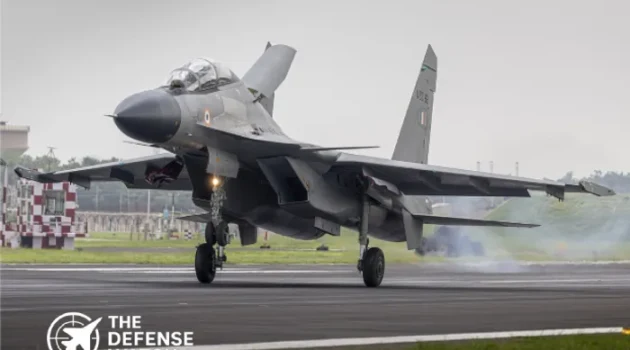
The announcement came from India’s Defense Ministry Secretary Rajesh Kumar Singh, who confirmed that the government is not considering the purchase of a new Sukhoi model at this stage. Instead, the Ministry’s immediate focus is on modernizing approximately 260 Su-30MKI multirole fighters currently serving with the Indian Air Force (IAF).
The move aligns with India’s broader modernization strategy, which emphasizes extending the operational life of proven platforms while investing in domestic defense manufacturing.
India Focuses On Upgrading Its Largest Fighter Fleet
The Su-30MKI remains the backbone of the Indian Air Force, accounting for a substantial portion of its frontline combat capability. Originally developed jointly by Russia and India, the aircraft has undergone continuous upgrades since entering service.
The planned modernization program is expected to introduce improvements across multiple areas, including:
- Advanced mission computers
- Modern active electronically scanned array (AESA) radar technology
- Enhanced electronic warfare systems
- Improved long-range weapons integration
- Updated cockpit avionics
- Expanded network-centric warfare capabilities
By upgrading the existing fleet instead of purchasing an entirely new fighter platform, India can improve operational capability while reducing logistical complexity and controlling long-term sustainment costs.
Defense planners have increasingly emphasized maximizing the effectiveness of aircraft already in service, particularly as regional security dynamics continue to evolve.
Su-57E Purchase Not Under Consideration
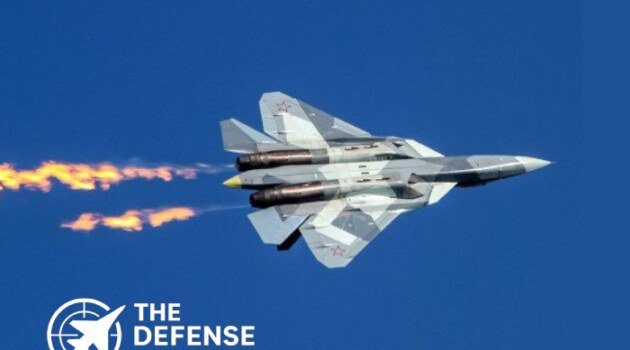
Russia has actively promoted the export version of its fifth-generation Su-57E fighter to international customers, with India frequently mentioned as a potential buyer because of its longstanding defense relationship with Moscow.
However, Rajesh Kumar Singh stated that India is not evaluating a new Sukhoi aircraft at present.
The statement effectively removes the Su-57E from India’s near-term procurement agenda, although it does not necessarily rule out future discussions should operational requirements change.
The announcement also reflects India’s preference to balance foreign acquisitions with indigenous defense development rather than expanding dependence on another imported combat aircraft.
Rafale Fleet Expansion Remains A Priority
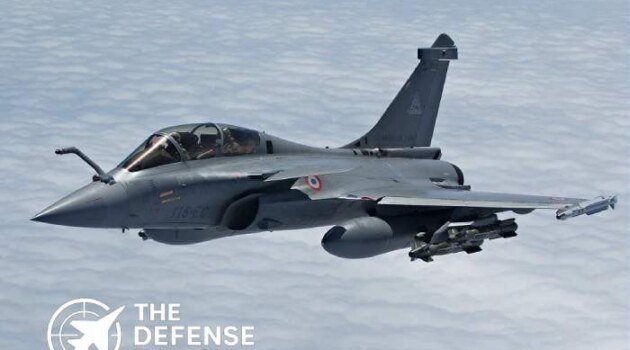
While ruling out the Su-57E for now, India continues to strengthen its fighter inventory through additional procurement of the French-built Rafale.
The Indian Air Force already operates Rafale fighters, and New Delhi has approved further acquisitions to expand advanced combat capabilities while addressing squadron strength requirements.
The Rafale offers modern sensors, advanced electronic warfare capabilities, precision strike weapons, and interoperability with India’s existing Western-origin systems.
Combined with upgraded Su-30MKIs, additional Rafales provide the IAF with a capable mix of heavy and multirole fighters during the transition toward future indigenous platforms.
AMCA Represents India’s Long-Term Vision
India’s long-term fighter modernization strategy increasingly centers on the Advanced Medium Combat Aircraft (AMCA) program.
The AMCA is India’s indigenous fifth-generation fighter project, designed to incorporate low observable characteristics, advanced sensors, internal weapons carriage, and modern network-centric capabilities.
Unlike purchasing another foreign fifth-generation aircraft, investing in AMCA supports India’s broader objectives under its domestic defense manufacturing initiatives by strengthening the national aerospace industry and reducing future dependence on overseas suppliers.
Although the AMCA remains under development, it represents the centerpiece of India’s next-generation combat aviation plans.
Analysis: Modernization Over Fleet Expansion
India’s latest position highlights an increasingly pragmatic procurement strategy.
Rather than introducing another complex fighter type into service, the government appears focused on maximizing existing investments while preparing for domestically produced next-generation aircraft.
Upgrading approximately 260 Su-30MKIs provides a substantial capability increase across the Air Force without requiring the infrastructure, training, maintenance, and supply chain associated with operating an entirely new fleet.
At the same time, additional Rafales help address immediate operational needs while the AMCA progresses through development.
This balanced approach allows India to maintain combat readiness in the near term while supporting longer-term industrial and technological goals.
From a force planning perspective, the decision also simplifies logistics by concentrating resources on aircraft already integrated into the Indian Air Force rather than introducing another high-end platform.
As regional air forces continue to modernize, India’s strategy suggests that enhancing existing capabilities and accelerating indigenous aerospace development remain higher priorities than pursuing a near-term purchase of the Russian Su-57E.

(adsbygoogle = window.adsbygoogle || []).push({});Executive Summary:
Russia fields one of the most diverse fighter inventories on earth — spanning a Mach 2.83 interceptor that predates the Berlin Wall’s fall to a fifth-generation stealth jet currently receiving AI-assisted upgrades. Understanding which platforms matter operationally in 2026 requires cutting through marketing claims and reading what actually flies, what actually kills, and what the Ukraine war has quietly validated.
Russia lost the propaganda war for its air force the moment its jets failed to establish early air superiority over Ukraine. But that narrative obscures something important: the specific aircraft doing the most damage in that conflict are not the ones struggling. They are performing exactly as designed — and they are worth understanding precisely because of it.
Here are the five Russian fighter jets that genuinely matter in 2026, ranked by operational impact and technical capability.
#1 — Sukhoi Su-35S “Flanker-E”: The War’s Actual Air Supremacy Workhorse
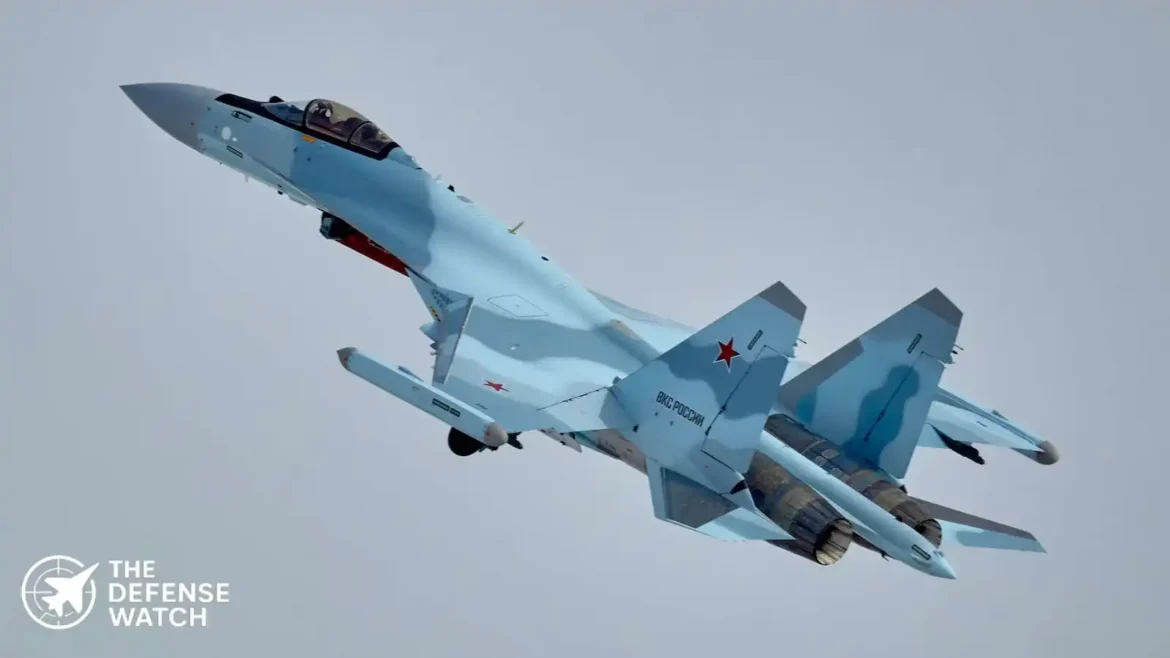
The Su-35S is Russia’s most combat-proven fighter of the current war. Classified as 4++ generation, it bridges the gap between Cold War Flanker doctrine and fifth-generation sensor integration — and it has delivered results.
⚡ Key Facts at a Glance — Su-35SatOptions = { ‘key’ : ‘e7d18db8b7513fb2a224cf4c3f18bbf0’, ‘format’ : ‘iframe’, ‘height’ : 90, ‘width’ : 728, ‘params’ : {} };- Max Speed: Mach 2.25 (~2,700 km/h)
- Combat Radius: ~1,600 km (unrefueled)
- Primary Radar: Irbis-E passive phased array, 400 km detection range
- Engines: 2× Saturn AL-41F1S with 3D thrust vectoring
- Payload: 8,000 kg across 12 hardpoints
- Unit Cost: ~$85 million (export estimate)
- Fleet Size (Russia): 130+ airframes, deliveries ongoing through 2026
According to Rostec, by early 2026 the Su-35S had downed more Ukrainian aircraft in air-to-air combat than any other Russian platform — a claimed total that includes Su-27s, MiG-29s, Su-24s, and Su-25s. In May 2026, reports emerged of a Ukrainian F-16 lost in a long-range engagement, though specific weapon details remain unconfirmed.
The Su-35S accomplishes this without stealth. Its edge is kinematic: twin AL-41F1S turbofans with full 3D thrust vectoring, generating roughly 64,000 lbf combined, make it arguably the most maneuverable production fighter in the world at high angles of attack. Paired with the Irbis-E radar — capable of detecting targets at 400 km — it holds BVR engagement range that most 4th-gen adversaries cannot match.
The strategic gaming parallel: Think of the Su-35S as a macro-dominant player in a real-time strategy game who wins not through a specific tech advantage but through raw mechanical execution and vision control. It does not need stealth if no adversary radar in its theater is good enough to matter at range.
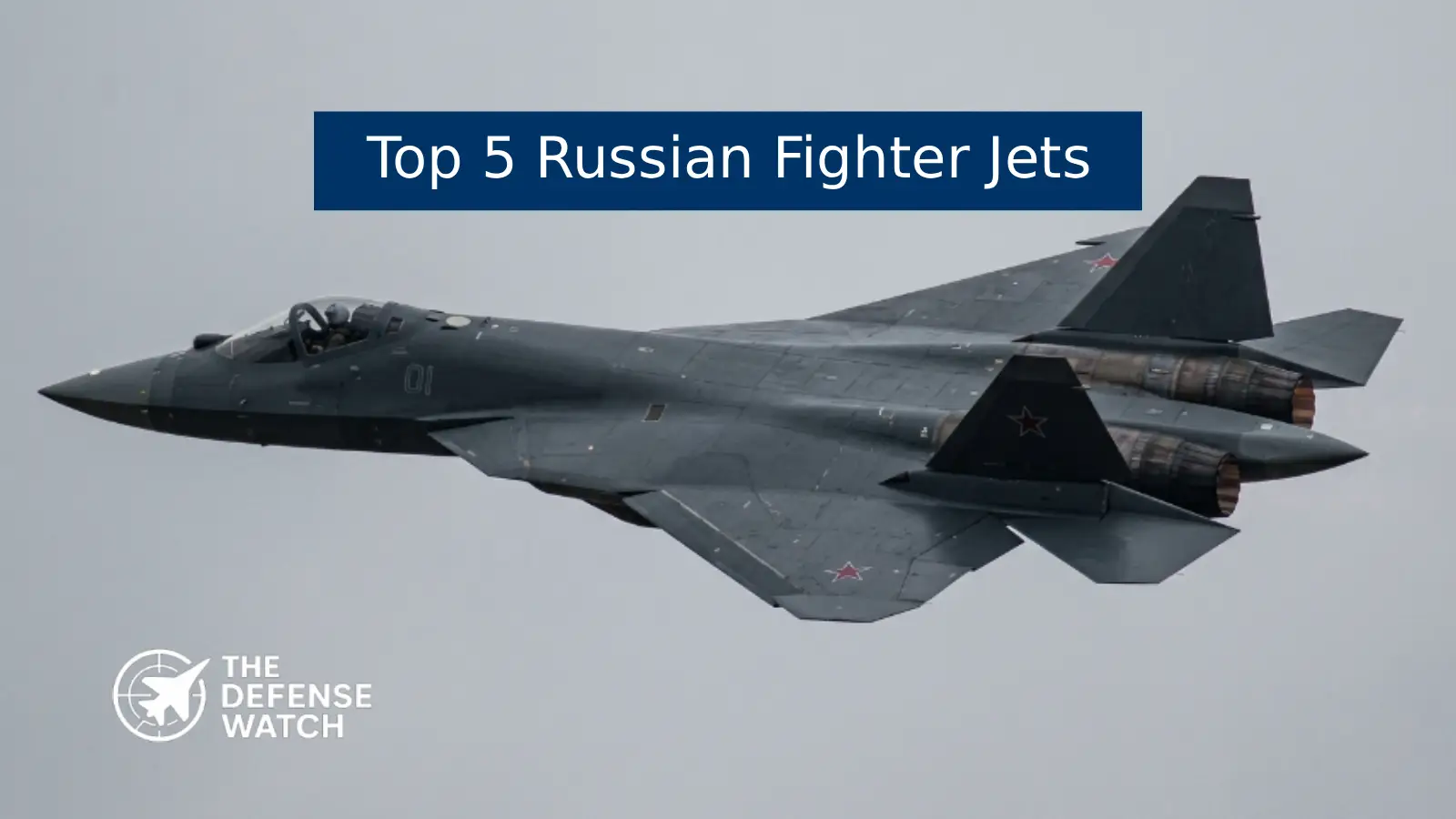
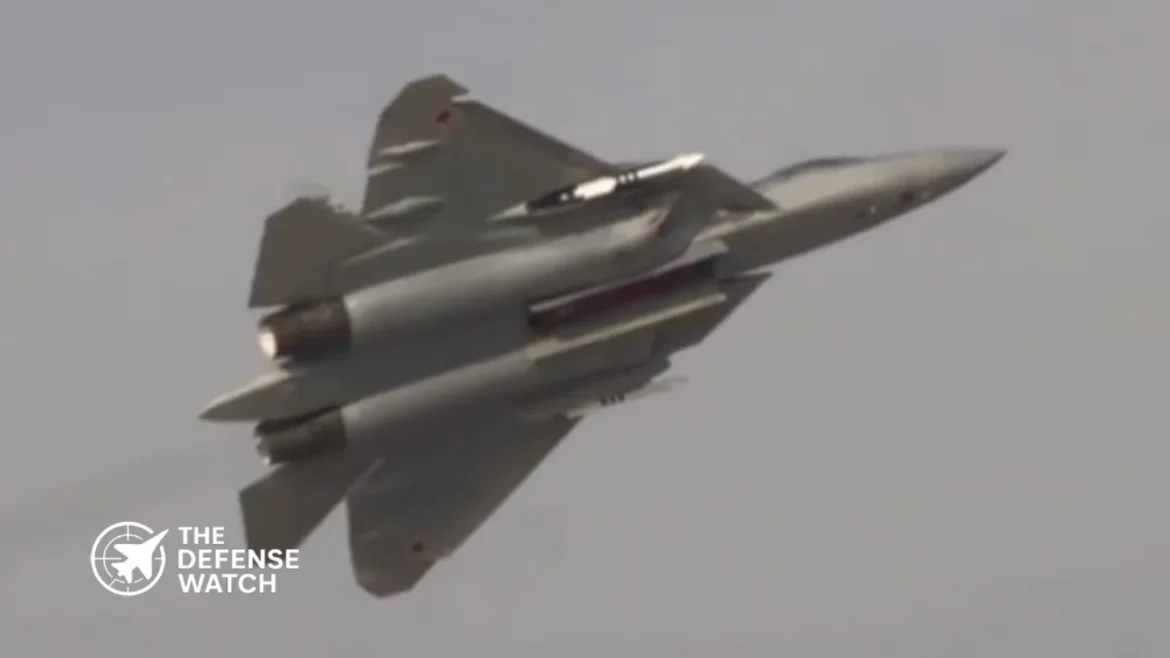
#2 — Sukhoi Su-57 “Felon”: Russia’s Fifth-Gen Bet, Finally Paying Off
Russia’s only operational fifth-generation fighter spent years being dismissed for its production numbers. That critique is thinning. The Russian Aerospace Forces received a new batch in a “upgraded technical configuration” in early 2026, with the Su-57M1 variant expected to enter production before year-end.
⚡ Key Facts at a Glance — Su-57- Max Speed: Mach 2.0 (supercruise at Mach 1.3 without afterburner)
- Combat Radius: ~3,500 km
- Radar: N036 Byelka AESA + N036B-1-01 cheek arrays
- Engines: 2× AL-41F1 (pending full transition to AL-51F-1 / Izdeliye 30)
- Length / Wingspan: 20.1 m / 14.1 m
- Unit Cost: ~$35–50 million (domestic); ~$50–70 million (export)
- Fleet Size (Russia): ~30 airframes in service as of mid-2026
The Su-57’s defining feature is sensor architecture, not stealth alone. Its N036 Byelka AESA radar is supplemented by cheek-mounted arrays providing angular coverage that forward-facing radars cannot achieve — a design priority that reflects Russian doctrine: see broadly, engage first.
(adsbygoogle = window.adsbygoogle || []).push({});In May 2026, the Su-57 conducted at least ten cruise missile launches over Kursk Oblast, the Sea of Azov, and Crimea — its most significant confirmed combat deployment since the war began. Russia appears to be using it as a long-range strike platform from safe standoff positions, preserving airframes while extracting operational value.
The Su-57M1 upgrade cycle adds AI-assisted pilot aids, enlarged airframe sections for improved supersonic lift, and the long-delayed AL-51F-1 engine — the first clean-sheet Russian fighter engine in over 40 years. Algeria has already taken delivery of export units. Vietnam is in discussions.
The cost disruption angle is real. At $50 million per unit versus the F-35’s $110 million, the Su-57 is the rare fifth-generation platform that mid-tier air forces can actually budget for — even if the capability gap versus the F-35 in stealth fidelity and software integration remains significant.
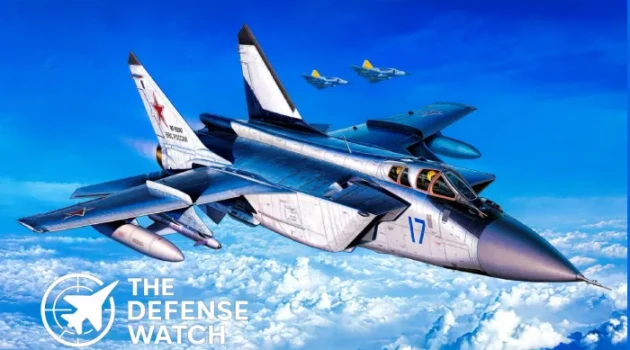
#3 — MiG-31BM “Foxhound”: The Fastest Operational Fighter on Earth
No aircraft in active global service flies faster than the MiG-31. The BM variant, an extensive avionics-focused upgrade of the original 1981 design, remains a unique tool with no Western equivalent.
⚡ Key Facts at a Glance — MiG-31BM- Max Speed: Mach 2.83 (~3,000 km/h)
- Service Ceiling: 20,600 m
- Radar: Zaslon-AM passive phased array, 320 km detection range
- Primary Weapon (BM): R-37M ultra-long-range AAM (400 km range)
- Hypersonic Carrier: Kh-47M2 Kinzhal in MiG-31K variant
- Crew: 2 (pilot + weapons system officer)
- Russia Plans: Extend service life to mid-2030s
The MiG-31BM is not a dogfighter. It is an area denial platform — a tool for intercepting high-altitude threats across Russia’s vast northern territory, where geography demands something that can sprint 1,000 km in under 20 minutes. The R-37M missile it carries has a reported engagement range exceeding 400 km, meaning the MiG-31 can attack AWACS, tankers, and standoff aircraft before they come anywhere near Russian airspace.
The MiG-31K variant introduced a second role: hypersonic delivery. Carrying the Kh-47M2 Kinzhal — essentially an air-launched Iskander-M ballistic missile — the MiG-31K has been used operationally in Ukraine. The platform’s extreme speed and high-altitude cruise profile give Kinzhal an energy head-start that dramatically extends its own speed and penetration capability.
Russia has no replacement for this mission set. The MiG-31 will remain in service into the 2030s by necessity.
#4 — Sukhoi Su-30SM “Flanker-H”: The Export Champion That Fights at Home
The Su-30SM is the aircraft that funded Russian aerospace’s post-Cold War survival. It became the backbone of India’s Air Force, Algeria’s, and Vietnam’s — and then came home as a serious multirole platform for the Russian Aerospace Forces themselves.
⚡ Key Facts at a Glance — Su-30SM- Max Speed: Mach 2.0
- Combat Radius: ~1,500 km
- Crew: 2 (tandem cockpit)
- Engines: 2× AL-31FP with 2D thrust vectoring
- Hardpoints: 12, carrying up to 8,000 kg
- Radar: N011M Bars passive phased array
- Unit Cost: ~$50 million (domestic estimate)
The twin-seat configuration is the Su-30SM’s operational signature. The weapons system officer in the rear cockpit significantly enhances sensor management and weapons employment — particularly relevant during complex multi-target BVR engagements or strike profiles requiring precision targeting coordination.
Its 12 hardpoints accommodate an exceptionally diverse weapon load: R-77 and R-73 for air-to-air, Kh-59 and Kh-31 for ground attack, and P-800 Oniks for anti-ship. That cross-domain flexibility has made it the preferred export option for air forces that cannot afford separate airframes for each mission type.
Russia has operated it extensively in Syria, refining crew tactics for strike-coordination in contested environments.
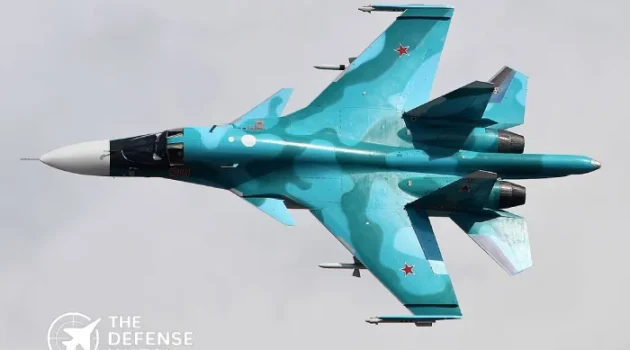
#5 — Sukhoi Su-34 “Fullback”: The Strike Fighter That Rewrote the Mission Profile
The Su-34 looks like a fighter. It carries weapons like a fighter. But inside, it is configured like a light bomber — with a side-by-side cockpit, a galley for crew meals, and a relief tube for multi-hour missions. That unusual design reflects a precise operational requirement.
⚡ Key Facts at a Glance — Su-34- Max Speed: Mach 1.8
- Combat Radius: ~1,100 km (up to 4,000 km ferry range)
- Empty Weight: 22,500 kg (heaviest Russian fighter)
- Hardpoints: 12, up to 8,000 kg weapons load
- Engines: 2× AL-31FM1, ~30,000 lbf thrust each
- Key Weapons: Kh-59, Kh-35, P-800 Oniks, Kh-31 anti-radiation missiles
- Unit Cost: ~$36–50 million (domestic estimate)
Russia has used the Su-34 more than any other aircraft in Ukraine for deep strike missions. Its capacity to carry anti-radiation missiles (suppression of enemy air defenses) while retaining air-to-air missiles for self-defense makes it a critical SEAD/DEAD platform. The Su-34M modernization adds improved targeting systems and expanded guided munitions compatibility.
Its dual-engine redundancy and hardened cockpit give crews survivability margins that single-engine platforms cannot offer on deep penetration routes. In a conflict characterized by dense ground-based air defense systems, that margin matters.
Comparative Specifications Table
Platform Generation Max Speed Combat Radius Unit Cost (Est.) Key Strength Weakness Su-35S 4++ Mach 2.25 1,600 km ~$85M (export) Supermaneuverability, 400 km radar No stealth Su-57 5th Mach 2.0 3,500 km $35–70M Stealth, multi-sensor fusion Low fleet numbers, engine gap MiG-31BM 4th (interceptor) Mach 2.83 720 km ~$50M Speed, 400+ km AAM range, Kinzhal carriage No dogfight role, aging airframe Su-30SM 4+ Mach 2.0 1,500 km ~$50M Crew endurance, cross-domain payload Older radar vs. AESA peers Su-34 4+ strike Mach 1.8 1,100 km ~$36–50M Strike endurance, SEAD, crew comfort Not an air superiority platform The Real Lesson Ukraine Taught About Russian Air Power
“The aircraft that has killed the most Ukrainian jets is not Russia’s most advanced — it is Russia’s most ready.”
The Su-35S, not the Su-57, defined Russian air-to-air performance in this war. That is not a failure of Russian aerospace ambition. It is a confirmation of a doctrine that Western air planners have sometimes underestimated: mass, readiness, and kinematic performance at scale outperform limited quantities of technically superior hardware — at least in a prolonged attritional conflict.
The MiG-31BM reinforces the same point from a different angle. A 1981 airframe, properly upgraded and purpose-matched to a genuine mission need, has remained operationally relevant through multiple conflicts across four decades. Russia kept it because no available replacement does what it does. That is a product management decision as much as a military one.
The Su-57’s restricted deployment — used primarily as a missile truck firing from within Russian airspace — tells a parallel story familiar to competitive gaming: you do not commit your highest-value asset to a contested engagement when standoff range lets you achieve the same effect safely. The Su-57 is being preserved. Whether that reflects operational caution or genuine capability concern is a question the AL-51F-1 engine program and the Su-57M1 production ramp will eventually answer.
Why This Fleet Still Matters Globally in 2026
Russia’s fighter fleet — despite attrition, sanctions, and production constraints — remains a relevant force multiplier for any nation that aligns with or purchases from Moscow. Algeria now operates Su-57s. India is in active discussions for additional Flanker-family aircraft. Vietnam, Belarus, and several Gulf-adjacent states maintain Russian platforms as core air defense infrastructure.
The fleet’s export reach means that Western air forces — and F-35 operators in particular — will train and plan against these platforms for decades. Understanding what the Su-35S actually does in combat, what the MiG-31BM’s R-37M actually threatens, and what the Su-57’s real capability ceiling is matters not just for Russian adversaries but for every defense planner watching the Indo-Pacific and European theaters simultaneously.
Russia’s air force is not winning the war in Ukraine. But Russia’s fighters, at the individual platform level, are performing specific missions with measurable effectiveness — and that is the analysis that actually informs future procurement, doctrine, and allied air combat planning.
Mexican Air Force Begins F-5 Replacement Push At Tulum Air Show 2026
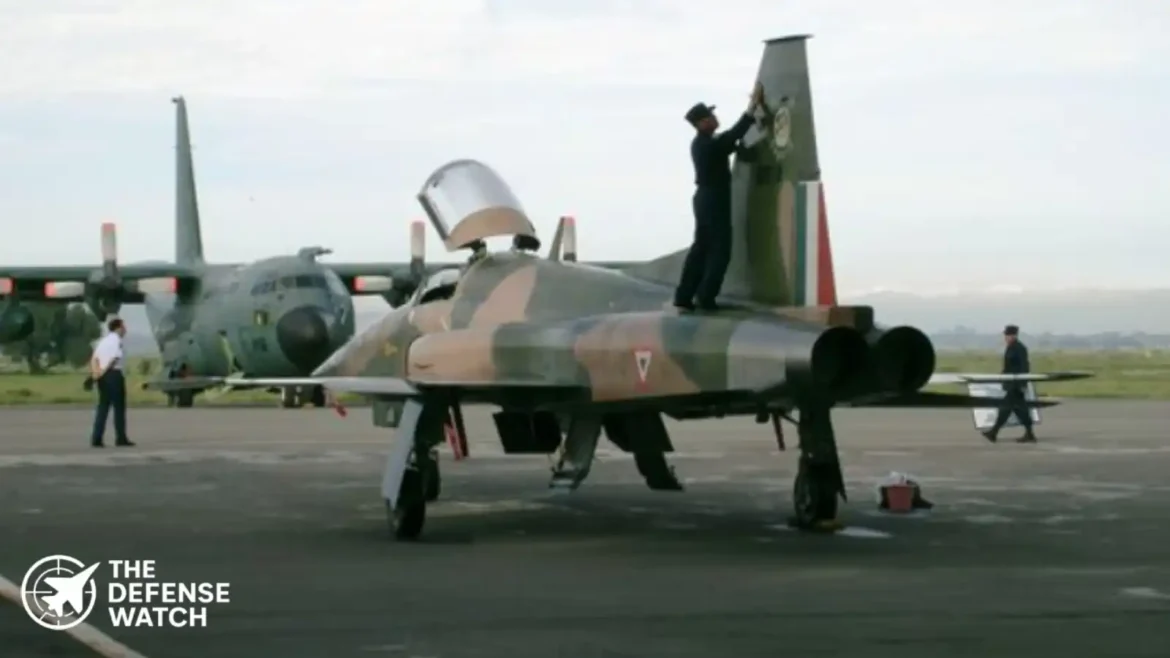
The Mexican Air Force (Fuerza Aérea Mexicana, FAM) has formally launched a plan to retire its legacy Northrop F-5E/F Tiger II fighters and acquire a new fleet of combat aircraft by 2028, officials said at the Tulum Air Show 2026.
FAM commander General Román Carmona Landa told Janes that the F-5s, long the service’s primary supersonic fighters, represent the air arm’s highest capability but are based on dated technology. In response, the service is pursuing 12 new fighters to restore and enhance its air defence, reconnaissance and ground attack capacity.
| KEY FACTS AT A GLANCE- The Mexican Air Force has begun replacing its Northrop F-5E/F Tiger II fighters and is seeking 12 new combat aircraft by 2028.
- FAM commander Gen Roman Carmona Landa said the F-5 is outdated and replacements must handle air defence, reconnaissance and ground attack missions.
- Aircraft under review include the F-16, Gripen, FA-50 and M-346.
- Mexico is also acquiring C-130J-30 transports, UH-60M helicopters and King Air 360 aircraft as part of wider modernization.
- The Tulum Air Show 2026 highlighted Mexico growing aerospace and defence engagement.
Short, aging platforms such as the F-5 have limited sensor and weapons capacity compared with fourth-generation and advanced light combat jets in production today. The planned replacement is a key step in modernising Mexico’s air combat force and aligning its capabilities with regional defence demands.
Options Under Consideration
At Tulum Air Show 2026, FAM officials outlined a broad set of candidates under review for the new fighter fleet. These include established fourth-generation types such as the Lockheed Martin F-16 and Saab Gripen and lighter combat aircraft like Korea Aerospace Industries FA-50 and the Italian Leonardo M-346 fighter-attack variant.
The F-16 is widely operated globally and features modern avionics and weapons systems. The Gripen offers networked sensor fusion and multi-role capability tailored to versatile missions. Light multirole jets such as the FA-50 and M-346 combine pilot training tasks with combat roles, though typically with more constrained performance.
FAM has not publicly detailed selection criteria or a preferred platform, but emphasised the need for a balanced mix of air defence and strike capability. Procurement decisions are expected in the coming months as Mexico advances its modernisation roadmap.
Broader Modernisation Plans
Alongside the fighter initiative, Mexico is progressing other key defence acquisitions. FAM is acquiring two Lockheed Martin C-130J-30 transport aircraft, which will bolster strategic airlift capacity, and 11 Sikorsky UH-60M utility helicopters to enhance mobility and support operations. The service also plans to field three Beechcraft King Air 360 platforms and new remotely piloted aircraft systems alongside ground-based air surveillance radars.
These moves follow a series of recapitalisation efforts since 2013, including Beechcraft T-6C+ Texan II tactical support aircraft and UH-60M helicopters to replace older support assets.
Strategic And Regional Context
The Tulum Air Show 2026 has drawn attention as both a public aerospace showcase and a defence policy forum, bringing civilian and military stakeholders together to discuss technology trends and procurement strategies. Organisers emphasised the event’s role in growing Mexico’s aerospace sector and strengthening engagement with industry and international partners ahead of the next major aerospace fair in 2027.
Analysts note that modern multi-role fighters could improve Mexico’s ability to coordinate airspace defence with regional partners, including the United States and Canada, and provide more credible deterrence against evolving threats. While Mexico’s defence budget remains constrained relative to larger air forces, targeted purchases of capable, widely supported platforms could deliver measurable improvements.
Russia Receives New Su-35S Fighters To Sustain Combat Air Power
Russia Su-35S fighters are entering service again as Moscow accepts a fresh batch of aircraft intended to reinforce tactical aviation forces. The latest delivery involves newly built Su-35S fighters transferred from Russian industry under the national defense procurement program.
The handover signals that Russia continues to prioritize fighter aircraft production despite wartime attrition, sanctions pressure, and heavy demand across multiple defense sectors. In practical terms, keeping fighter assembly lines active may matter as much as battlefield use, because replacing losses and rotating worn aircraft are now central to long-duration force planning.
¦ KEY FACTS AT A GLANCE- Russia has reportedly received a new batch of Su-35S multirole fighter aircraft from domestic industry.
- The aircraft were produced by United Aircraft Corporation under the state defense order.
- Su-35S fighters are designed for air superiority, long-range interception, and precision strike missions.
- Deliveries suggest Russia is prioritizing tactical aviation fleet replacement and sustainment.
- Continued fighter production remains strategically important amid ongoing operational pressure.
The Su-35S is one of Russia’s most capable non-stealth combat aircraft. Developed as an advanced derivative of the Su-27 family, it combines long range, high maneuverability, powerful radar systems, and a large weapons payload.
Why The New Su-35S Delivery Matters
New Su-35S delivery announcements often carry political and industrial messaging beyond the aircraft themselves. They show domestic production continuity, signal confidence in the aerospace sector, and reassure military planners that replenishment pipelines remain open.
That matters because modern fighter fleets consume readiness quickly during sustained operations. Airframes require maintenance cycles, engines need overhaul periods, and avionics support becomes increasingly important over time. Even if aircraft losses are limited, operational wear can reduce available combat numbers.
For Russia, adding new Su-35S fighters can help in several ways:
- Replace damaged or retired aircraft
- Support homeland air defense patrols
- Escort strike packages
- Extend long-range air presence
- Preserve readiness of other fighter types
Su-35S Capabilities And Operational Role
The Su-35S is generally categorized as a 4++ generation fighter, bridging older fourth-generation designs and fifth-generation stealth platforms. It uses thrust-vectoring engines, advanced sensors, and can carry air-to-air missiles, guided bombs, and anti-ship weapons.
Its strongest advantage is range and payload. Compared with lighter fighters, the aircraft can remain on station longer and carry more weapons. That makes it useful for large-area patrols or stand-off strike missions.
However, modern air combat increasingly favors stealth, networked targeting, and survivability against dense air defenses. While powerful, the Su-35S still reflects a design philosophy centered on kinematics and weapons load rather than low observability.
Industrial And Strategic Context
The latest Russia Su-35S fighters delivery also reflects the resilience of the country’s defense-industrial base. Western sanctions aimed to restrict access to components, finance, and aerospace technology. Continued aircraft output suggests Moscow has either adapted supply chains, substituted parts, or prioritized resources for key programs.
Still, sustaining production is different from expanding it. Analysts often watch delivery tempo, fleet modernization rates, and maintenance quality more closely than headline announcements.
If deliveries remain steady, Russia can preserve a credible tactical aviation force. If output slows, pressure on existing fleets could increase sharply.
Outlook
The arrival of additional Su-35S fighters indicates Russia intends to maintain airpower depth while broader modernization efforts continue. Though stealth aircraft attract most attention globally, proven multirole fighters still form the backbone of many air forces.
For now, the Su-35S remains a central pillar of Russia’s combat aviation inventory.
U.S. Air Force Fighter Procurement Gap Raises Alarm
The U.S. Air Force fighter procurement requirement has emerged as a critical concern, with senior Air National Guard leaders telling Congress that the service needs at least 100 new fighters annually to maintain readiness and global operational capacity.
Testifying before lawmakers, Guard officials emphasized that current acquisition rates fall well below this benchmark, creating a widening gap between force structure requirements and available aircraft. According to reporting by Air & Space Forces Magazine, this shortfall risks undermining the Air Force’s ability to sustain combat operations across multiple theaters.
¦ KEY FACTS AT A GLANCE- U.S. Air Force leaders say 100 new fighter jets per year are needed to sustain force structure and readiness.
- Current procurement rates fall significantly below this threshold, raising concerns over capability gaps.
- Aging aircraft fleets, particularly in the Air National Guard, are becoming increasingly difficult to maintain.
- Lawmakers were told that modernization delays could impact U.S. global deterrence posture.
- The issue comes amid rising strategic competition with near-peer adversaries.
At the core of the issue is an aging fleet. Many aircraft in service today, particularly within the Air National Guard, are decades old and increasingly expensive to maintain. As maintenance costs rise and availability rates decline, the operational burden on newer platforms continues to grow.
Aging Fleet Pressures Force Structure
A significant portion of the Air National Guard’s inventory includes legacy fighters such as F-15s and F-16s that have exceeded their intended service lives. While upgrades have extended their usability, officials noted that these aircraft are approaching the limits of cost-effective sustainment.
This creates a dual challenge. On one hand, the Air Force must invest in maintaining legacy systems to ensure near-term readiness. On the other, it must accelerate procurement of next-generation fighters to remain competitive against advanced adversaries.
Guard leaders highlighted that without consistent procurement of around 100 aircraft per year, the service risks a gradual erosion of its combat capacity. This is not just a numbers issue. It directly affects pilot training, sortie generation rates, and the ability to surge forces during crises.
Strategic Context: Rising Global Competition
The push for increased fighter procurement comes amid intensifying strategic competition, particularly with China and Russia. Both nations have invested heavily in modern air combat capabilities, including fifth-generation fighters, integrated air defense systems, and long-range strike assets.
In this context, maintaining a robust and modern fighter fleet is central to U.S. deterrence strategy. Air superiority remains a foundational element of joint operations, enabling freedom of movement across land, sea, and air domains.
Guard officials stressed that the Air National Guard plays a critical role in this mission. It provides a substantial portion of the Air Force’s combat-coded units while also supporting homeland defense missions. Any degradation in Guard capabilities would therefore have both domestic and global implications.
Budget Constraints and Procurement Realities
Despite the clear requirement, achieving a steady procurement rate of 100 fighters annually faces significant budgetary and industrial challenges. Defense budgets must balance competing priorities, including nuclear modernization, space capabilities, and emerging technologies.
Additionally, production capacity within the defense industrial base is not easily scalable in the short term. Aircraft manufacturing involves complex supply chains and long lead times, limiting how quickly output can be increased.
Recent procurement trends reflect these constraints. Annual fighter purchases have fluctuated, often falling short of the levels needed to offset retirements and maintain fleet size. This mismatch contributes to a gradual decline in overall fighter inventory.
Analysis: A Structural Readiness Challenge
The call for 100 fighters per year highlights a deeper structural issue within U.S. airpower planning. For years, the Air Force has operated below its desired force size, relying on aging platforms to fill capability gaps.
This approach carries increasing risk. As aircraft age, maintenance demands rise exponentially, reducing availability and increasing costs. At the same time, adversaries are fielding more advanced systems, narrowing the qualitative edge historically held by the U.S.
Sustaining readiness under these conditions requires a consistent and predictable procurement strategy. Sporadic increases in funding or short-term programs are unlikely to address the underlying imbalance between force structure and acquisition rates.
Moreover, the integration of next-generation platforms such as the F-35 must be aligned with retirements to avoid capability gaps during the transition period. This requires long-term planning and stable funding commitments.
Outlook
As Congress considers future defense budgets, the Air Force’s requirement for 100 new fighters annually is likely to remain a central issue. The debate will hinge on balancing fiscal constraints with the need to maintain credible airpower in an increasingly contested global environment.
Failure to address this gap could have long-term consequences for U.S. military effectiveness, particularly in high-end conflicts where air superiority is contested.
Saab Canada Fighter Partnership Targets Future Airpower Strategy
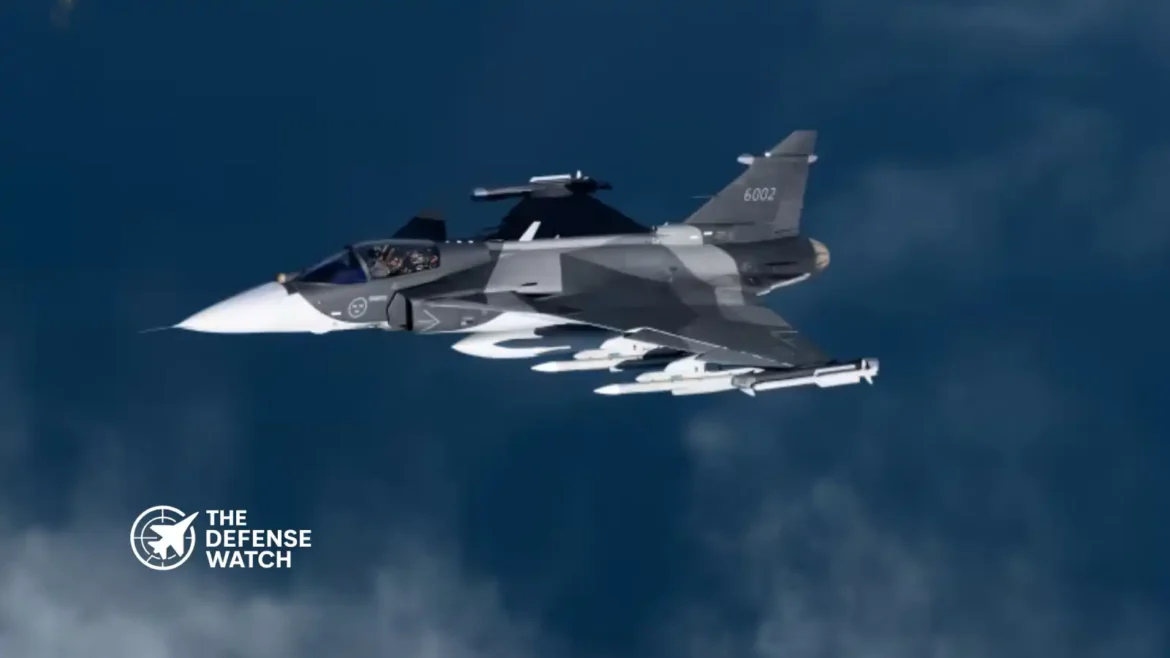
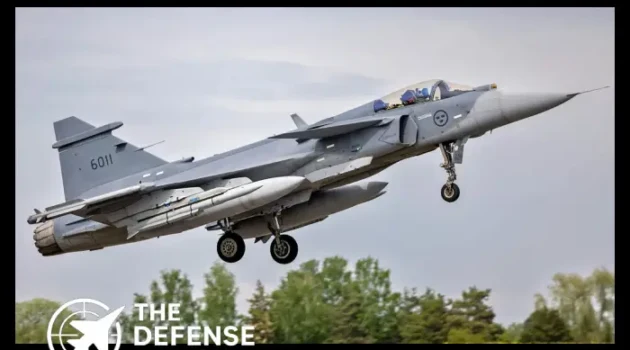
Sweden’s Saab is actively pursuing a Saab Canada fighter partnership aimed at supporting Ottawa’s long-term next-generation fighter development, signaling a strategic push to remain relevant in Canada’s evolving airpower landscape.
Saab is positioning itself as a partner not only for aircraft platforms but also for broader defense industrial collaboration, including technology transfer and domestic production capabilities. The effort comes even as Canada proceeds with its acquisition of the F-35, underscoring Saab’s focus on future opportunities rather than past procurement outcomes.
¦ KEY FACTS AT A GLANCE- Saab is seeking a long-term partnership with Canada on next-generation fighter development and industrial cooperation.
- The move comes despite Canada’s selection of the F-35, signaling Saab’s continued interest in future programs.
- Saab is offering technology collaboration, domestic industry participation, and sovereign capability development.
- Canada is expected to evaluate long-term airpower needs beyond current fifth-generation platforms.
- The proposal reflects growing competition among Western defense firms for future fighter ecosystems.
This approach reflects a broader shift in the global fighter market, where competition increasingly centers on ecosystem partnerships rather than standalone aircraft sales.
Saab’s Strategy: Beyond Aircraft Sales
Saab’s proposal emphasizes industrial cooperation, sovereignty, and long-term capability development. Rather than offering a traditional off-the-shelf fighter solution, the company is promoting a collaborative framework that could allow Canada to shape future systems alongside international partners.
This aligns with Saab’s established export strategy seen in previous campaigns, where it has highlighted technology sharing and local industry participation as key differentiators. The company’s pitch to Canada includes:
- Joint development of next-generation fighter technologies
- Integration of Canadian defense firms into global supply chains
- Support for sovereign maintenance and upgrade capabilities
From an operational standpoint, this model appeals to countries seeking greater control over their defense assets, particularly in an era where supply chain resilience and strategic autonomy are gaining importance.
Canada’s Long-Term Fighter Considerations
While Canada has committed to acquiring the F-35, defense planners continue to assess future requirements beyond fifth-generation platforms. Air forces across NATO and allied nations are already exploring sixth-generation fighter concepts, often involving multinational collaboration.
In this context, Saab’s outreach can be seen as a forward-looking move. By engaging early, the company aims to position itself within any future Canadian-led or multinational fighter initiative.
Canada’s geographic and strategic environment also plays a role. With vast Arctic territories and increasing attention to northern defense, future fighter capabilities may require:
- Extended range and endurance
- Advanced sensor integration
- Interoperability with allied systems
- Adaptability to extreme operating conditions
Saab’s experience in designing aircraft for dispersed operations and austere environments could factor into its pitch, particularly if Canada prioritizes flexibility alongside advanced stealth and sensor capabilities.
Competitive Landscape: A Crowded Field
The Saab Canada fighter partnership initiative enters a highly competitive environment dominated by major defense primes. The F-35 program, led by the United States, already integrates multiple partner nations into a shared development and sustainment framework.
At the same time, emerging sixth-generation programs such as the Global Combat Air Programme (GCAP) and the Future Combat Air System (FCAS) are reshaping the market. These initiatives emphasize networked warfare, artificial intelligence integration, and manned-unmanned teaming.
Saab’s challenge lies in carving out a role within this evolving ecosystem. Unlike larger consortiums backed by multiple governments, Saab may need to leverage niche strengths such as cost efficiency, modular design, and flexible partnership models.
Industrial and Strategic Implications
For Canada, engaging with Saab could offer several potential advantages, even outside a formal aircraft procurement:
- Diversification of defense partnerships
- Increased domestic industrial participation
- Access to alternative technology pathways
However, such collaboration would need to align with Canada’s existing commitments, particularly within the F-35 program and NATO interoperability requirements.
From a geopolitical perspective, Saab’s outreach highlights the intensifying competition among Western defense firms to secure long-term partnerships with allied nations. As military modernization accelerates, early collaboration on future systems is becoming a key battleground.
Analysis: Positioning For The Next Cycle
Saab’s move is less about immediate procurement and more about shaping the next phase of fighter development. By targeting Canada now, the company is attempting to establish relationships that could influence decisions a decade or more into the future.
This reflects a broader industry trend where defense companies seek to embed themselves within national industrial ecosystems early, ensuring relevance as new programs emerge.
For Canada, the decision will ultimately hinge on balancing operational requirements, alliance commitments, and domestic industrial priorities. While the F-35 addresses current needs, future airpower strategies remain open to influence.
RAF Dogfight Exercise Over Britain Demonstrates Modern Air Combat Readiness
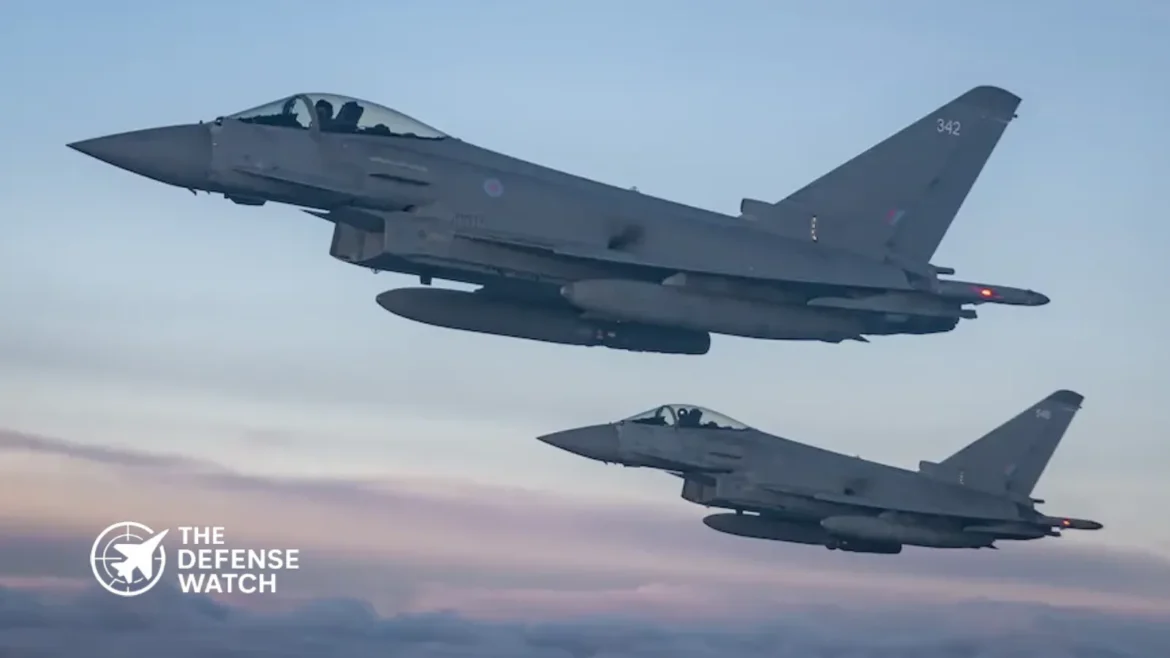
The RAF dogfight exercise over Britain has underscored the United Kingdom’s commitment to maintaining high-end air combat readiness in an increasingly contested security environment. The large-scale aerial engagement brought together multiple fighter aircraft in complex, high-tempo combat scenarios designed to replicate modern peer conflict.
The exercise featured coordinated engagements involving frontline fighter jets, with a particular focus on beyond-visual-range and within-visual-range combat. Such drills are critical as air forces adapt to evolving threats, including advanced enemy aircraft, integrated air defense systems, and electronic warfare environments.
Short, intense dogfighting scenarios were combined with broader mission sets, reflecting how modern air combat is no longer limited to isolated engagements but integrated into networked, multi-domain operations.
¦ KEY FACTS AT A GLANCE- The Royal Air Force conducted a large-scale dogfight exercise over the United Kingdom involving multiple fighter aircraft.
- The drill included complex air combat scenarios simulating high-intensity peer conflict environments.
- Allied aircraft participation highlighted NATO interoperability and joint operational capability.
- Advanced platforms such as Typhoon fighters played a central role in the exercise.
- The exercise reflects growing emphasis on air superiority amid evolving global threats.
High-Intensity Training Reflects Shifting Threat Environment
The scale and complexity of the RAF dogfight exercise over Britain point to a broader strategic shift. Western air forces are increasingly preparing for potential high-end conflict against near-peer adversaries, where air superiority is neither guaranteed nor uncontested.
Exercises of this nature simulate dense threat environments, including contested airspace, electronic jamming, and multi-axis attacks. These conditions mirror operational realities seen in recent conflicts and ongoing geopolitical tensions.
The Royal Air Force’s use of advanced fighter platforms enables pilots to train against both traditional and emerging threats. The Eurofighter Typhoon, for example, continues to receive upgrades in radar, weapons integration, and electronic warfare systems, ensuring its relevance in modern combat scenarios.
From an operational perspective, such exercises help refine tactics, improve pilot decision-making under pressure, and validate command and control structures.
NATO Interoperability and Allied Coordination
A key dimension of the RAF dogfight exercise over Britain was its emphasis on allied integration. Participation or coordination with NATO partners highlights the alliance’s continued focus on collective defense and interoperability.
Modern air operations depend heavily on seamless data sharing, coordinated targeting, and unified command structures. Exercises like this allow participating forces to test communication systems, joint tactics, and interoperability between different aircraft and national doctrines.
This is particularly important in Europe, where NATO air forces must be capable of rapidly integrating in response to emerging crises. The ability to operate as a cohesive unit enhances deterrence by demonstrating readiness and unity.
Operational Lessons and Capability Development
Beyond immediate training value, the RAF dogfight exercise over Britain contributes to long-term capability development. Data collected during these exercises is used to refine tactics, improve training programs, and inform future procurement decisions.
Air combat is becoming increasingly data-driven, with sensor fusion, real-time intelligence, and networked platforms shaping engagement outcomes. Exercises provide a controlled environment to test these systems under realistic conditions.
Additionally, lessons learned feed into broader defense planning, including force structure, readiness cycles, and integration of next-generation technologies such as artificial intelligence and autonomous systems.
Strategic Significance for UK Airpower
The timing of the RAF dogfight exercise over Britain aligns with a period of heightened global security concerns. From Eastern Europe to the Indo-Pacific, airpower remains a critical عنصر in deterrence and rapid response.
For the United Kingdom, maintaining a credible and capable air force is central to both national defense and its role within NATO. Large-scale exercises signal not only preparedness but also resolve, reinforcing the UK’s position as a key contributor to allied airpower.
Moreover, these drills serve as a visible demonstration of capability, sending a clear message to potential adversaries about the readiness and professionalism of Western air forces.
Türkiye Edges Closer to Eurofighter Typhoon Delivery
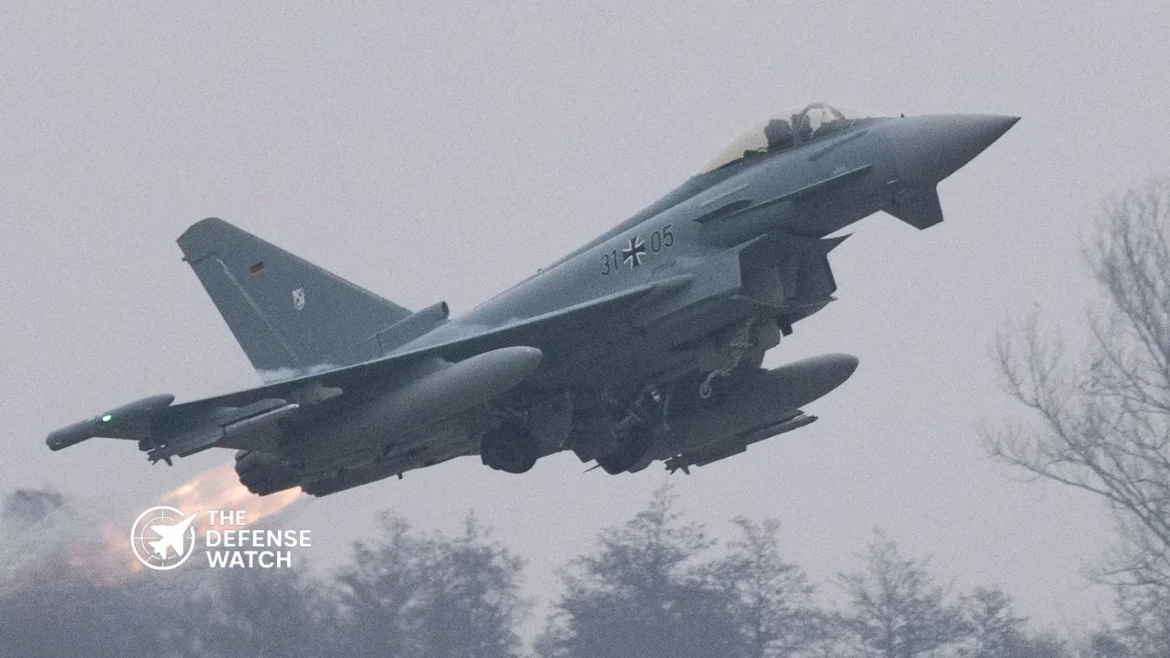
Türkiye is advancing toward receiving its first Eurofighter Typhoon jets following trilateral defense talks in Doha with Qatar and the United Kingdom, according to the Turkish Defense Ministry.
Air Force Commander Gen. Ziya Cemal Kadıoğlu led discussions with Qatari and UK counterparts focused on the Eurofighter procurement process. The meetings follow an agreement signed in October valued at roughly 8 billion pounds (10.7 billion USD) for 20 Eurofighter Typhoons from the UK.
In addition to the UK order, Ankara plans to acquire 12 secondhand Typhoons from Qatar and 12 more from Oman. Private broadcaster NTV reports the first delivery is expected by the end of February, with pilot training already underway.
Defense Minister Yaşar Güler indicated that the initial aircraft from Qatar could arrive in early 2026, while UK-supplied jets are projected for 2030. The agreement also provides options for further purchases.
The Eurofighter Typhoon is built by a consortium spanning the UK, Germany, Italy, and Spain, represented by BAE Systems, Airbus, and Leonardo. Türkiye’s interest in the platform dates back to 2022, amid stalled negotiations with the United States over F-16 acquisitions.
Türkiye finalized a $7 billion deal with Washington in late 2024 for 40 F-16s. Negotiations have been complicated by cost concerns and Ankara’s renewed interest in rejoining the F-35 program, from which it was excluded in 2019 following the S-400 purchase from Russia.
President Recep Tayyip Erdoğan raised the F-35 issue during a September White House meeting with former U.S. President Donald Trump, who recently stated the sale was being considered.
Despite NATO’s second-largest military, Türkiye has faced repeated arms embargoes, prompting investments in domestic production. The country now manufactures drones, missiles, and naval platforms and is developing its own fifth-generation stealth fighter, Kaan, intended to replace F-16s in the 2030s.
China Confirms J‑10CE Fighter’s First Combat Success
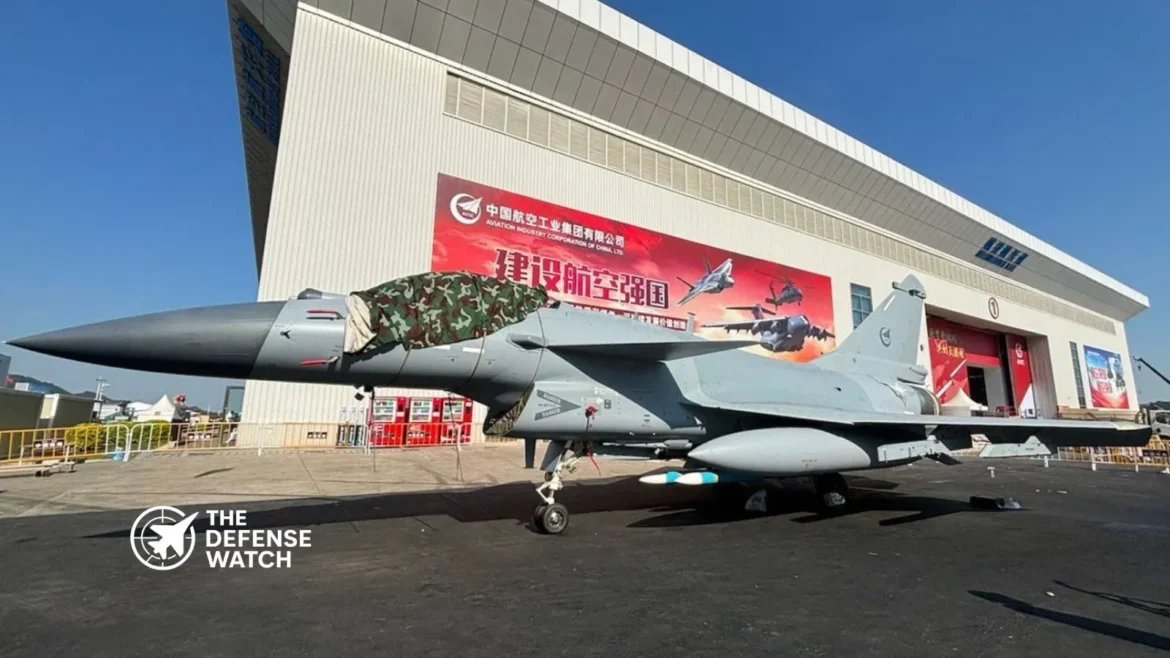
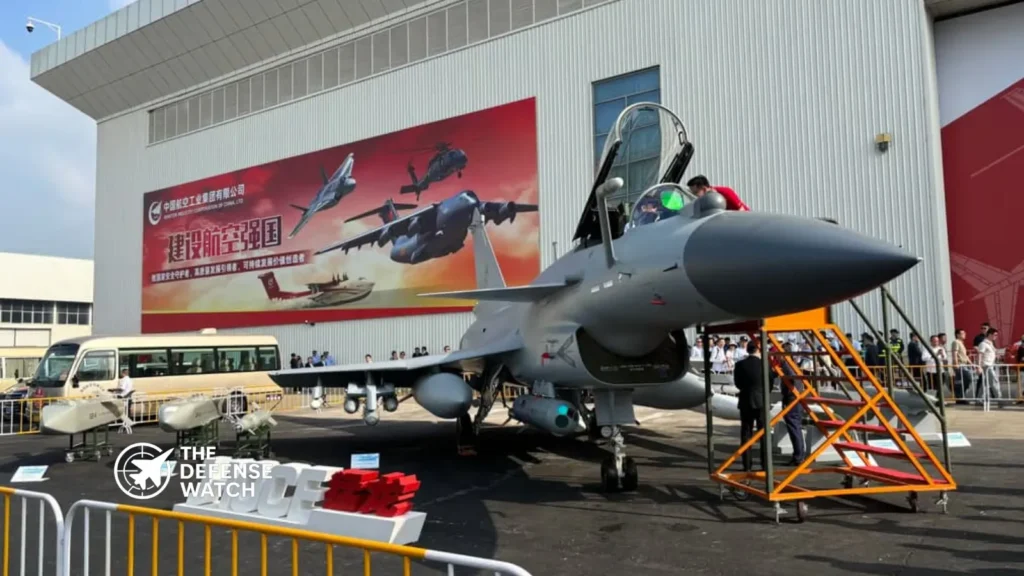
China’s State Administration of Science, Technology and Industry for National Defense (SASTIND) has publicly confirmed that the Chengdu J‑10CE fighter jet achieved its first combat victories during the 2025 India‑Pakistan conflict. The announcement on January 9, 2026 marks Beijing’s first official acknowledgement of real combat results involving one of its exported combat aircraft.
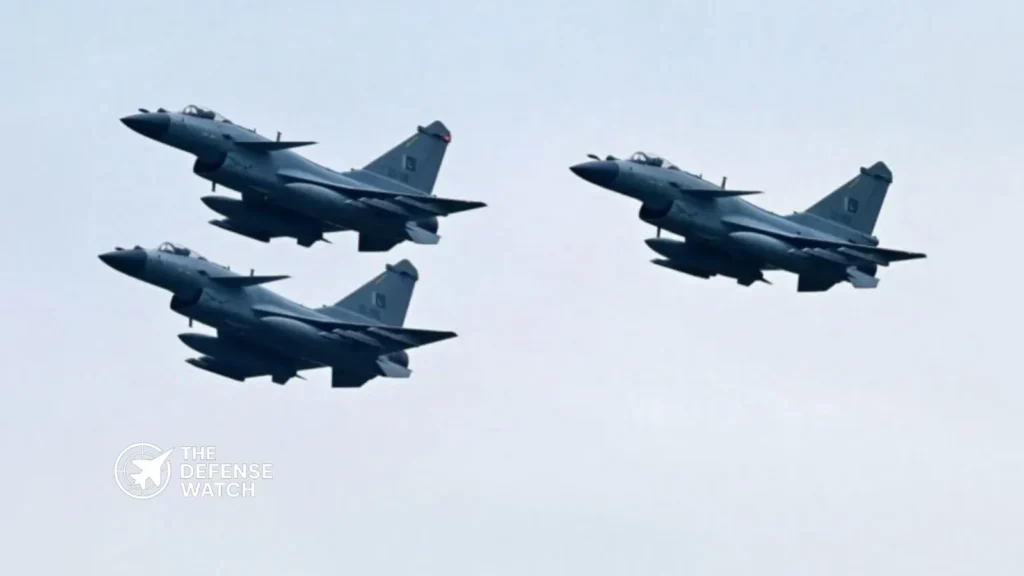
The statement did not specify exact dates, locations, or the identities of opposing aircraft. Analysts, however, tie the announcement to aerial engagements in May 2025 between the Pakistan Air Force (PAF) and the Indian Air Force (IAF). During those clashes, Pakistani J‑10CE fighters were used in air defence and interception missions.
Background on the 2025 India‑Pakistan Conflict
The 2025 India‑Pakistan conflict saw a significant escalation of hostilities along the contested border regions of Kashmir and surrounding areas. Aerial engagements were a major feature of the fighting, drawing in fighter jets, beyond‑visual‑range missiles, drones and ground‑based systems from both sides. Independent assessments of class‑wide losses vary, but at least four Indian fighters were reported lost in aerial battles. Pakistan claimed five losses.

Before China’s confirmation, reports and claims about J‑10CE combat use circulated through open sources and official statements from Pakistan. These included assertions that J‑10CE jets armed with long‑range PL‑15E missiles downed multiple Indian aircraft, potentially including Dassault Rafale fighters, though India has not acknowledged these losses.
J‑10CE: Export Variant and Capabilities
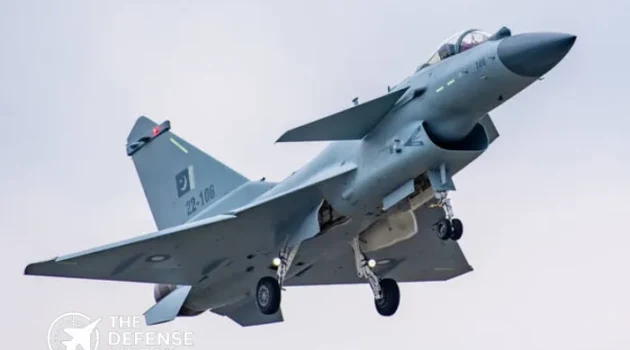
The Chengdu J‑10 series represents China’s 4.5‑generation multirole fighter family. The J‑10C is a domestic variant fielded by the People’s Liberation Army Air Force (PLAAF), with advanced avionics, active electronically scanned array (AESA) radar and compatibility with modern air‑to‑air and air‑to‑surface weapons. The J‑10CE is an export‑oriented derivative tailored for customers like Pakistan.
The jet is configured for all‑weather operations, with a delta canard layout and a modern digital flight control system. It has a combat radius beyond 1,000 kilometres and can carry weapons and mission equipment on 11 external hardpoints. Payload options include beyond‑visual‑range missiles such as the PL‑15E, short‑range missiles, external fuel tanks and electronic warfare pods.
Pakistan became the first export customer for the J‑10CE, receiving an initial tranche of fighters in 2022. The type was integrated alongside Pakistan’s existing fleet of F‑16s and JF‑17s. Pakistani statements before and after the 2025 conflict highlighted the J‑10CE’s radar performance and its compatibility with long‑range missiles as key strengths.
Details of China’s Official Acknowledgement
SASTIND’s public statement confirms that the J‑10CE recorded combat results in 2025 but omits specifics. It does not detail how many aircraft were engaged or shot down, nor does it name the adversary. Analysts and defence observers widely interpret this as referencing the May 2025 aerial battles with India, where Pakistan deployed the fighters in defensive and interception roles.
Pakistani and some open‑source accounts allege several Indian fighters were downed by J‑10CEs during the engagements, including Rafale jets and other types. These claims remain contested, as India has consistently withheld public confirmation of aircraft losses. Independent verification of combat kills and engagements remains limited due to the contested nature of reports emerging from both sides.
Observers note that the announcement by China comes amid wider efforts to promote domestic defence products in global markets. Combat use is a factor in export sales, and acknowledgement of battlefield results for the J‑10CE may affect how potential customers view the aircraft’s operational pedigree.
Technical and Strategic Implications
The J‑10CE’s reported combat performance highlights the role of modern sensor fusion and long‑range missiles in contemporary aerial warfare. With an AESA radar and datalink systems, the aircraft can detect, track and engage targets at significant distances, especially when paired with PL‑15E missiles designed for ranges in excess of 140 kilometres.
For Pakistan, the confirmed combat results add to a broader drive to modernise its air force amid regional rivalries. The integration of Chinese fighters and weapons systems reflects Islamabad’s diversification of suppliers and efforts to field platforms capable of challenging advanced air forces in dense electronic environments.
What’s Next
China’s confirmation of the J‑10CE’s first combat success is likely to reverberate in defence circles. The aircraft’s real‑world use, even without detailed public data, could influence future export decisions by other nations seeking cost‑competitive multirole fighters. It also adds a new dimension to how advanced Chinese aerospace products are viewed on the global stage.
As the debate over exact aircraft losses and engagement details continues, independent verification remains limited. Analysts will watch how Beijing and Islamabad leverage this confirmation in diplomatic and defence markets.
NATO Scrambles Fighter Jets After Russian Aircraft Breach Baltic Flight Rules
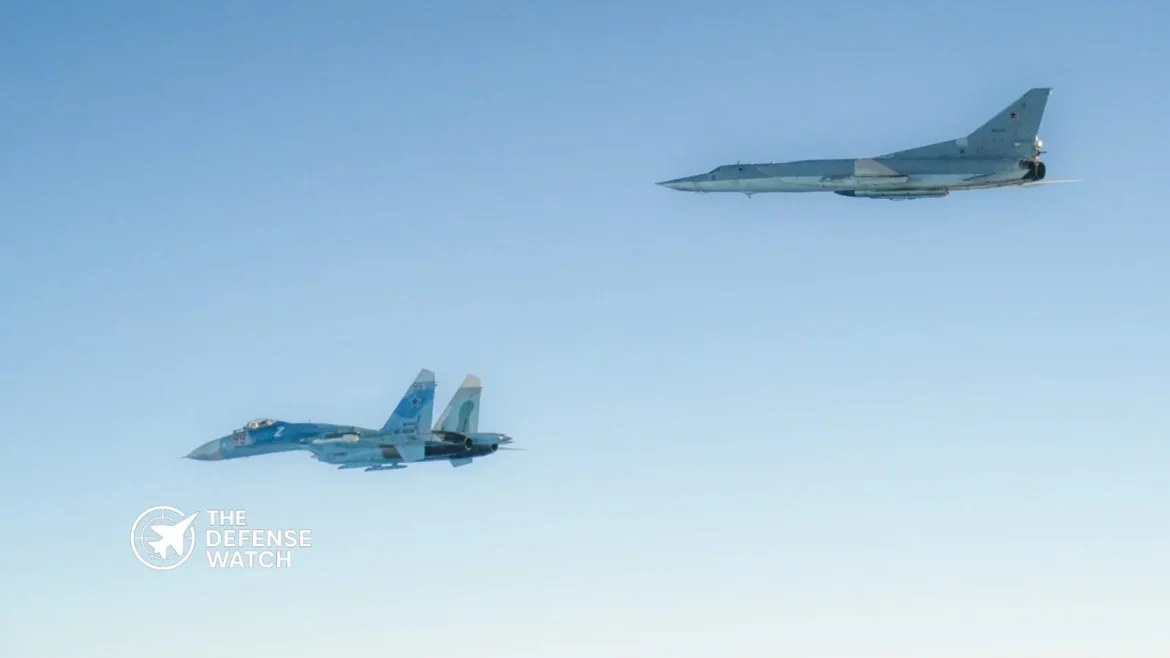
Last week NATO fighter jets scrambled as part of the Baltic Air Policing mission after Russian aircraft violated international flight rules. The incident involved a Russian Su-30 fighter and an Antonov An-26 transport aircraft flying without radar transponders or filed flight plans over international airspace.
Lithuania’s Defence Ministry said jets on patrol identified and escorted the Russian aircraft to monitor the situation and ensure safety in the region. Both aircraft maintained radio contact with regional air control.
Details on the Interception
NATO aircraft took off from Baltic bases. The mission is part of the Alliance’s routine air policing to monitor and protect Baltic airspace in Estonia, Latvia, and Lithuania. The Russian Su-30 was tracked flying from Kaliningrad Oblast toward mainland Russia. The An-26 moved in the opposite direction.
Both aircraft lacked active transponders and had not filed flight plans, but did maintain radio contact with air traffic controllers. Nato procedures require identification and escort in such cases to prevent miscommunication and protect civilian traffic.
Context and NATO Plans
In December NATO jets were scrambled three times under similar circumstances while patrolling Baltic airspace. Bloomberg reported that NATO has asked Türkiye to deploy F-16 fighters to bolster the Baltic Air Policing mission earlier than planned.
The Baltic mission involves rotating NATO assets to deter potential violations and reassure allies in northeastern Europe. See also: related coverage of regional air security and NATO posture in Eastern Europe.
Newer Posts