Executive Summary:
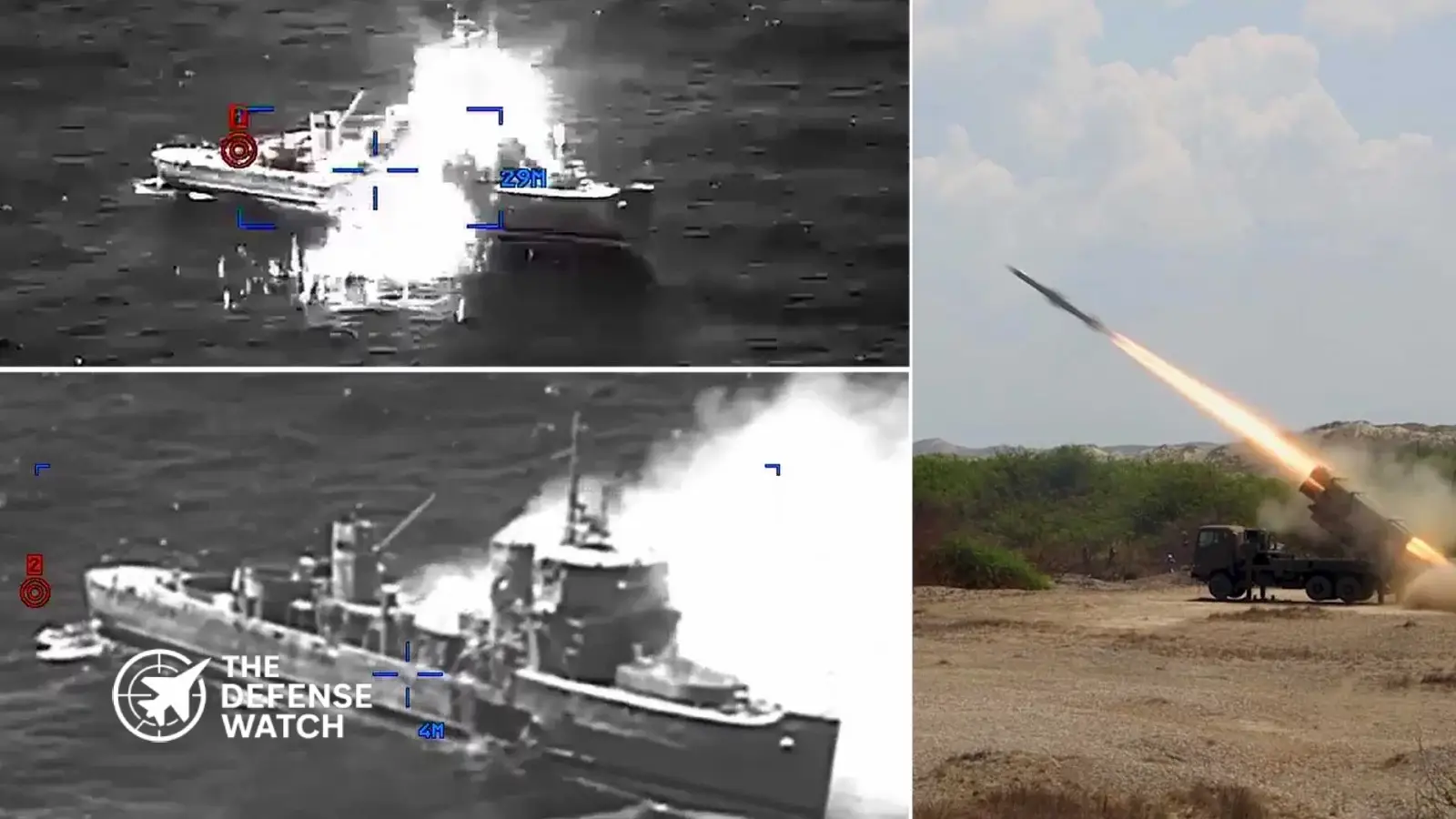
Japan fired Type 88 anti ship missiles overseas for the first time during Balikatan 2026 in the Philippines. The live fire event highlighted growing Japan Philippines military cooperation and reflected Tokyo’s expanding role in Indo Pacific regional security operations.
Japan Type 88 Missile Debuts Overseas During Balikatan 2026
Japan Type 88 anti ship missile operations reached a historic milestone during the Balikatan 2026 military exercise in the Philippines, where Japanese forces conducted the system’s first overseas live fire deployment. The event marked a significant expansion of Japan’s operational military posture beyond its territory and underscored increasing trilateral security coordination among Japan, the Philippines, and the United States.
The launch was conducted by the Japan Ground Self Defense Force during the annual Balikatan exercise, one of the Indo Pacific region’s largest multinational military drills.
The deployment reflects Tokyo’s broader effort to strengthen maritime deterrence capabilities amid rising security tensions in the South China Sea and wider Western Pacific region.
First Overseas Launch Signals Strategic Shift
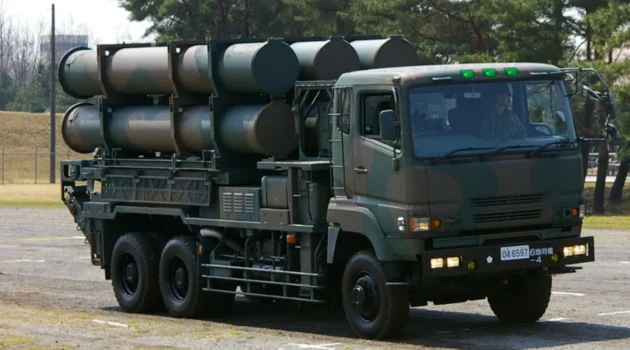
The Type 88 surface to ship missile system has long served as a core coastal defense weapon for Japan. Developed by Mitsubishi Heavy Industries, the truck mounted missile is designed to engage hostile naval vessels at extended ranges while supporting distributed coastal defense operations.
Balikatan 2026 marked the first time Japan fired the missile system outside Japanese territory. The move carries substantial geopolitical significance because Japan historically maintained strict limits on overseas military activities under its post World War II defense framework.
Over the last several years, however, Tokyo has gradually expanded defense cooperation with regional allies and partners. Japan has increased joint exercises, intelligence sharing, and interoperability initiatives with the United States, Australia, and the Philippines as concerns over regional maritime security continue to grow.
Defense analysts view the overseas missile firing as evidence that Japan is transitioning from a homeland focused defense posture toward a more expeditionary regional deterrence role.
Balikatan 2026 Highlights Regional Maritime Security
Balikatan 2026 involved thousands of personnel from allied and partner nations across multiple operational domains, including maritime security, amphibious warfare, air defense, and coastal strike operations.
The Philippines has increasingly become a central geographic node in Indo Pacific security planning due to its proximity to contested waters in the South China Sea and its strategic location near Taiwan’s southern approaches.
The inclusion of Japanese anti ship missile systems in the exercise demonstrated a growing emphasis on coastal denial strategies designed to complicate hostile naval movements in critical maritime corridors.
Military planners across the Indo Pacific have increasingly focused on mobile land based anti ship missile systems because they offer relatively survivable and flexible maritime strike capabilities compared to fixed installations.
The Type 88 missile system supports that concept through mobile launch vehicles capable of rapid deployment across dispersed islands and coastal terrain.
Japan And Philippines Expand Defense Cooperation
Defense ties between Japan and Philippines have accelerated significantly in recent years.
Tokyo has supported Manila through defense equipment transfers, maritime surveillance assistance, and expanded joint training activities. The two countries also signed a Reciprocal Access Agreement aimed at simplifying military cooperation and troop deployments during joint operations and exercises.
For the Philippines, deeper cooperation with Japan provides additional maritime security support as Manila continues to modernize its armed forces and strengthen deterrence capabilities in disputed waters.
For Japan, expanded defense engagement in Southeast Asia helps reinforce regional stability while supporting freedom of navigation and open sea lane security.
The Type 88 live fire event also demonstrated growing interoperability between allied forces operating across shared maritime theaters.
Type 88 Missile Remains Relevant Despite Newer Systems
Although Japan is fielding more advanced anti ship missiles such as the Type 12 upgraded variants, the Type 88 remains operationally relevant for coastal defense missions.
The missile uses active radar homing guidance and was specifically designed for anti ship warfare in Japan’s island defense environment. Mounted on mobile transporter erector launchers, the system can rapidly reposition to avoid detection and counterattack.
Its participation in Balikatan 2026 suggests Japan continues to view layered anti ship missile capabilities as essential for regional deterrence.
The deployment also highlighted how legacy missile systems can still contribute meaningfully to modern distributed maritime defense concepts when integrated into multinational operational frameworks.
Growing Focus On Indo Pacific Deterrence
The overseas launch comes amid broader regional military modernization efforts across the Indo Pacific.
China’s expanding naval activity, increased gray zone operations, and frequent military exercises around contested maritime areas have prompted regional governments to strengthen defense readiness and alliance coordination.
Japan’s latest missile deployment demonstrates how regional security partnerships are evolving from symbolic exercises toward more operationally integrated deterrence activities.
The use of live anti ship missile firing during a multinational exercise sends a visible message regarding allied readiness and collective maritime defense coordination in the region.
While Tokyo continues to describe its defense posture as defensive in nature, the expanding scope of overseas military activities indicates a clear shift toward proactive regional security engagement.