Executive Summary:
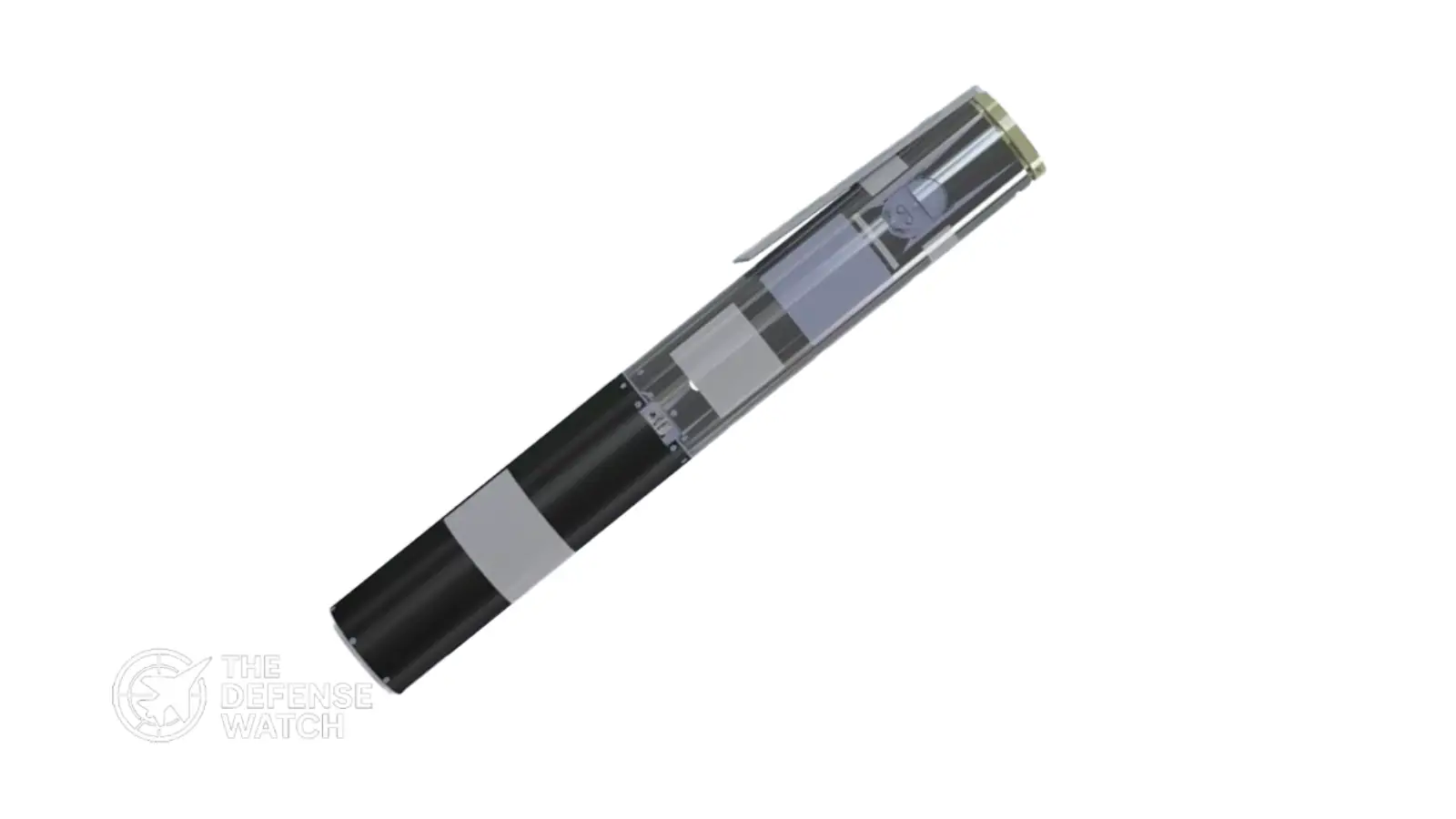
BAE Systems has secured a $12.56 million U.S. Navy contract to develop an advanced sonobuoy system under the UnderSea Advantage Block Upgrade program. The effort combines BAE’s new sonar technology with sonobuoy components from Sparton to enhance anti-submarine warfare capabilities while retaining compatibility with standard deployment systems.
BAE Systems Advances U.S. Navy Undersea Warfare Capability
BAE Systems has received a cost-plus-fixed-fee contract from the Office of Naval Research to develop and demonstrate an advanced sonar-equipped sonobuoy for the U.S. Navy’s UnderSea Advantage Block Upgrade (USABU) Future Naval Capability program.
The contract, valued at approximately $12.56 million, covers a 40-month base period along with optional extension periods. Work is scheduled to continue through September 2029.
The program focuses on integrating BAE Systems’ next-generation sonar technology into existing sonobuoy hardware supplied by Sparton. The goal is to create a more capable anti-submarine warfare sensor while preserving compatibility with the Navy’s standard A-size sonobuoy deployment format.
The work will primarily take place in Merrimack, New Hampshire, where BAE Systems Information & Electronic Systems Integration Inc. is based, alongside operations in DeLeon Springs, Florida.
Why The Sonobuoy Upgrade Matters
The new USABU-related effort reflects the growing importance of undersea warfare as global naval competition intensifies. Modern submarines are becoming quieter, more difficult to detect, and increasingly capable of operating in contested maritime regions.
Sonobuoys remain a critical component of the U.S. Navy’s anti-submarine warfare network. Deployed from maritime patrol aircraft, helicopters, and other platforms, these expendable sensors detect and track underwater acoustic signatures.
By maintaining compatibility with the standard A-size launch package, the Navy avoids the need for major aircraft or launcher modifications. This approach could accelerate operational integration while reducing logistics and sustainment costs.
The contract also highlights the Pentagon’s broader emphasis on incremental modernization. Instead of replacing entire systems, the Navy continues to pursue upgrades that improve sensing capability while leveraging existing infrastructure and deployment methods.
Focus On Advanced Acoustic Detection
According to the contract announcement, the project will culminate in an at-sea demonstration in which the prototype sonobuoy collects acoustic data under operational conditions.
That test phase will be especially important because undersea sensing performance is heavily influenced by environmental variables such as water temperature, salinity, ocean depth, and background noise.
The integration of improved sonar processing technology into a compact sonobuoy package suggests the Navy is seeking higher sensitivity and more effective target discrimination against increasingly sophisticated submarine threats.
While specific technical details remain undisclosed, the effort aligns with wider U.S. defense priorities centered on distributed maritime sensing and enhanced undersea domain awareness.
Navy Continues Investment In Undersea Superiority
The U.S. Navy has consistently prioritized anti-submarine warfare modernization amid growing submarine activity from near-peer competitors, particularly in the Indo-Pacific and North Atlantic regions.
Programs such as the UnderSea Advantage Block Upgrade initiative are designed to ensure the Navy maintains an edge in underwater detection and tracking. Enhanced sonobuoys can support maritime patrol aircraft fleets including the Boeing P-8 Poseidon and shipborne helicopter operations across multiple theaters.
The latest contract also demonstrates continued collaboration between prime defense contractors and specialized electronics firms to accelerate technology insertion into operational naval systems.
Fiscal Year 2025 and 2026 Navy research, development, test, and evaluation funds totaling more than $2.25 million were obligated at the time of award.
The contract was competitively procured through the Navy and Marine Corps Long Range Broad Agency Announcement process managed by the Office of Naval Research in Arlington, Virginia.
Strategic Analysis
The BAE Systems sonobuoy upgrade effort illustrates a broader shift toward scalable undersea sensing solutions rather than large standalone platforms alone.
As underwater threats diversify, the Navy increasingly requires distributed detection networks capable of covering wider maritime areas at lower operational cost. Advanced sonobuoys offer a relatively low-cost method to expand surveillance reach while complementing submarines, surface combatants, and maritime patrol aircraft.
The emphasis on fitting advanced technology into legacy deployment dimensions is also strategically significant. Maintaining compatibility with existing launch systems reduces transition risk and allows the Navy to field upgraded capability faster during a period of heightened maritime competition.
In operational terms, improvements in acoustic detection and processing can strengthen the Navy’s ability to track quiet submarines operating near critical sea lanes and carrier strike groups.