Executive Summary:
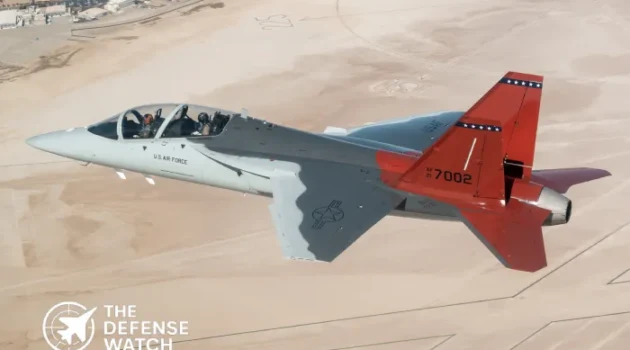
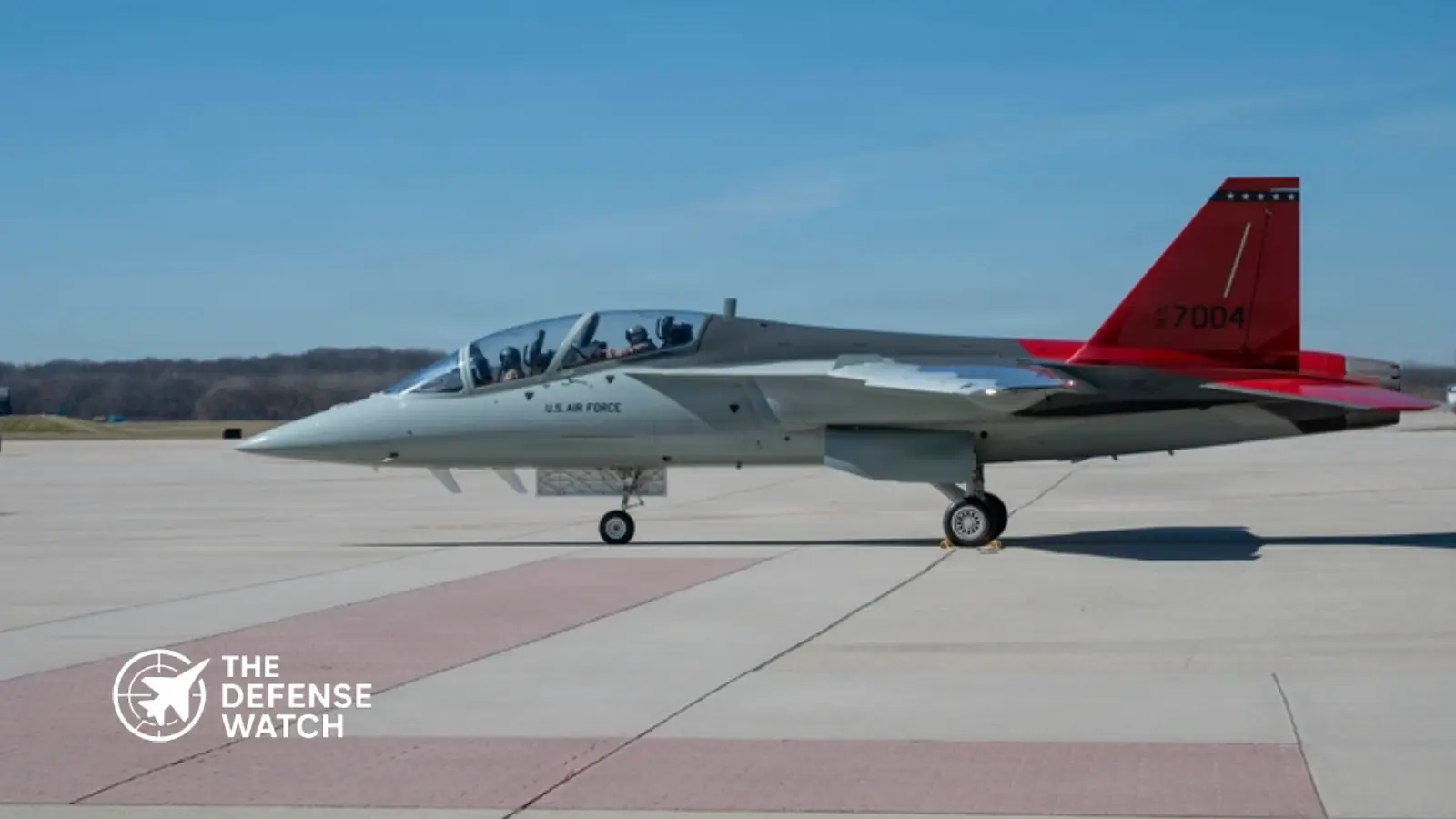
The U.S. Air Force has approved the T-7A Red Hawk for full-rate production, marking a critical milestone in its pilot training modernization program. Developed by Boeing, the aircraft will replace the aging T-38 Talon fleet. The move is intended to align pilot training with the demands of fifth-generation combat aircraft.
T-7A Red Hawk Cleared for Production
The T-7A Red Hawk program has reached a decisive stage, with the U.S. Air Force authorizing full-rate production following years of development and testing. The approval confirms that the aircraft meets operational requirements for advanced pilot training.
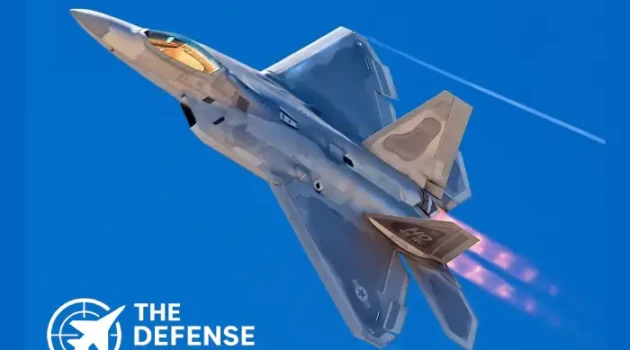
The T-7A is designed to prepare pilots for modern combat platforms such as the F-35 and F-22. It introduces a digital architecture, advanced avionics, and embedded simulation systems that reflect real-world combat environments.
This milestone follows extensive flight testing and system validation, ensuring the platform is ready for scaled manufacturing and operational deployment.
Replacing the Legacy T-38 Talon
The T-7A will replace the long-serving Northrop T-38 Talon, which has been in service since the 1960s.
Key limitations of the T-38:
- Aging airframes with rising maintenance costs
- Limited ability to simulate modern combat scenarios
- Outdated cockpit and avionics systems
The T-7A addresses these gaps with a modern, flexible training system designed for current and future air combat requirements.
Comparison: T-7A Red Hawk vs T-38 Talon
Feature T-7A Red Hawk T-38 Talon Range ~1,830 km ~1,800 km Payload Training systems, simulation suite Limited training payload Status Approved for full production (2026) Operational, nearing retirement Key Technology Digital engineering, embedded simulation Analog systems, legacy avionics Advanced Features and Training Capabilities
The T-7A introduces several technological improvements that redefine pilot training.
Key advantages:
- Digital engineering design, reducing development time and lifecycle costs
- Open architecture systems for rapid upgrades
- Embedded virtual simulation, allowing pilots to train for complex combat scenarios without additional aircraft
- Glass cockpit with large-area displays similar to fifth-generation fighters
- High-G performance envelope to better prepare pilots for frontline aircraft
These features allow the Air Force to compress training timelines while improving pilot readiness.
Industrial and Program Significance
The T-7A program is notable for its use of digital engineering from inception. Boeing and its partners leveraged model-based design to accelerate development and reduce production risks.
The aircraft is expected to be produced at scale, with dozens of units planned annually as the Air Force transitions away from legacy trainers.
The program also supports long-term sustainment efficiency, with maintainability and modular upgrades built into the design.
Strategic Context: Preparing for Future Air Warfare
The approval of the T-7A comes amid growing emphasis on peer competition and high-end warfare scenarios.
Modern air combat requires pilots trained to operate:
- Fifth-generation fighters like the F-35
- Network-centric warfare systems
- Multi-domain operations involving cyber and space assets
The legacy T-38 cannot replicate these conditions. The T-7A bridges that gap by integrating live, virtual, and constructive training environments.
This aligns with broader U.S. defense priorities focused on readiness against near-peer adversaries such as China and Russia.
Outlook
With full-rate production approved in 2026, the T-7A Red Hawk is set to become the backbone of U.S. Air Force pilot training for decades. Initial operational units are expected to expand as production ramps up.
The platform’s modular design also positions it for potential export opportunities, as allied nations seek modern training solutions compatible with advanced fighter fleets.
Overall, the T-7A represents a generational shift in how air forces prepare pilots for increasingly complex combat environments.
 previous post
British Army Tests Integrated Drone–Armor Combat Concept