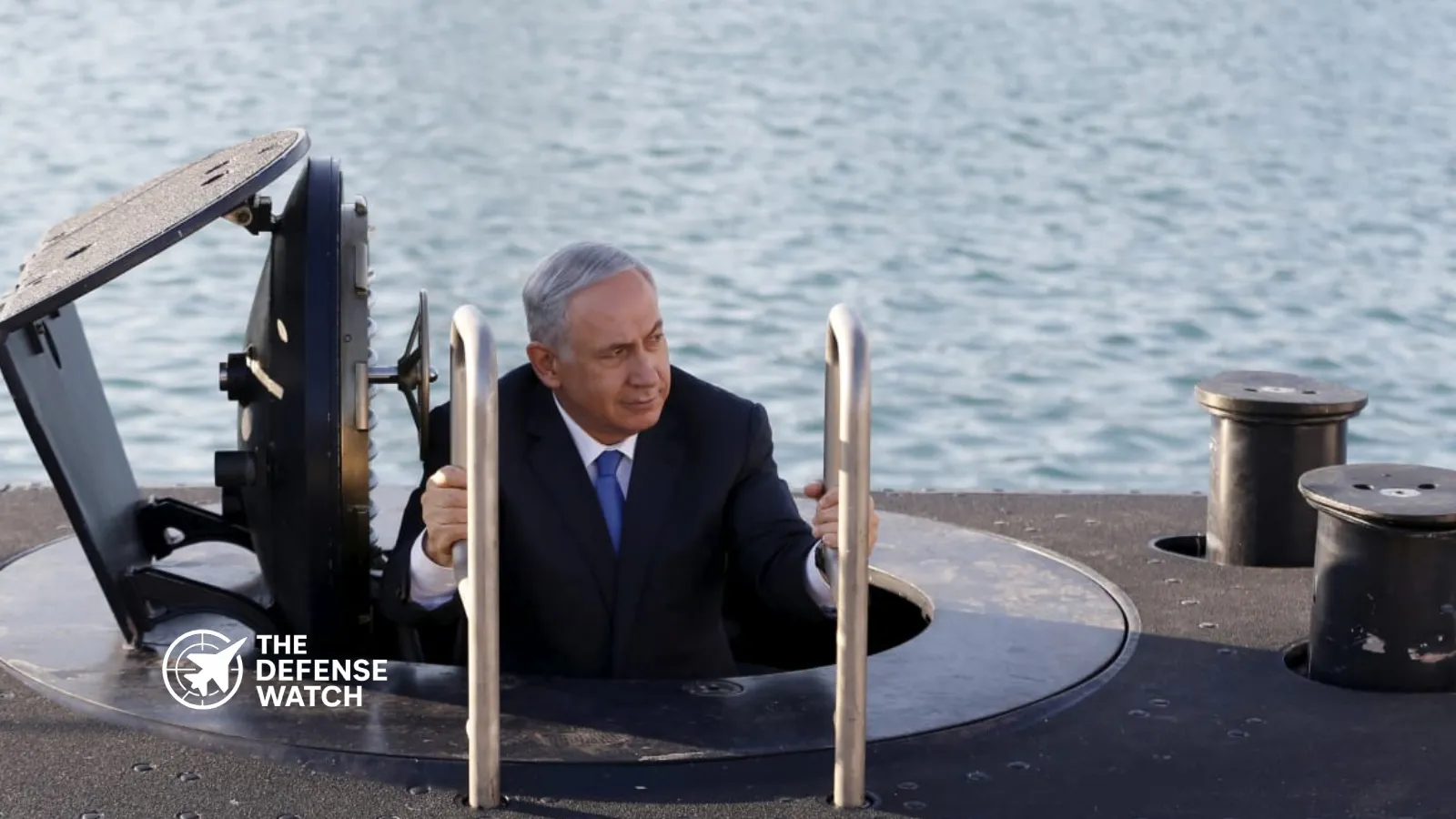
Israeli Defense Procurement Failures Detailed in State Probe
A state investigation into the so-called Submarine Affair has found systemic failures in Israeli defense procurement, concluding that political leaders made critical security decisions without clear strategic policy or proper oversight. The probe highlights risks in defense dealings and calls for major reforms to procurement and force planning.
Findings From the Grunis Committee
The five-member committee, led by retired Supreme Court President Asher Grunis, released its findings January 25 after examining defense acquisition decisions made between 2009 and 2017, including the purchase of Dolphin-class submarines from Germany.
The report said successive governments avoided setting a clear, long-term security policy. Instead leaders made ad hoc decisions that failed to address broader strategic needs, undermining coherent defense planning.
Cabinet members reportedly described their role in shaping force structure as limited, functioning largely as a rubber stamp for defense establishment proposals, the committee noted.
Strategic and Procedural Weaknesses
The investigation cited several areas of concern:
- Lack of documented procedures for handling sensitive weapons sales by allied nations to third parties. Contacts and outcomes with foreign entities often went undocumented.
- National Security Council gaps in its advisory role, at times overstepping authority and blurring implementation responsibilities.
- Israeli Navy conduct issues, including ties with commercial entities, presentation of misleading data to decision-makers, and unauthorized political engagement.
The committee recommended that the military’s chief of staff review naval culture and update regulations governing officer interactions with political leadership.
High-Profile Warnings and Allegations
Warning letters have been issued to key figures including Prime Minister Benjamin Netanyahu, Mossad chief and former National Security Council head Yossi Cohen, and former Defense Minister Moshe Ya’alon.
The probe also noted claims that Netanyahu and Cohen authorized a German submarine sale to Egypt without informing Israel’s defense establishment, a decision that could have significant security implications.
Recommendations for Reform
The committee issued thirteen recommendations aimed at preventing future procurement failures. These include:
- Requiring a structured process for force planning in which the government ranks threats and the military prepares multi-year capability plans.
- Creating a permanent professional advisory committee to guide political leaders on force structure and major acquisitions.
Officials have said past inquiries also identified similar weaknesses, but prior recommendations were not fully implemented. The committee emphasized that orderly defense decision-making is essential in the current security environment, especially after the October 7, 2023 Hamas attacks that reshaped Israeli defense priorities.
Strategic Context
The report comes amid ongoing tensions in the region and sustained focus on Israel’s defense posture following the prolonged conflict with Hamas and broader security pressures. Improvements to procurement and defense planning could affect future arms deals and interoperability with allied militaries.