Executive Summary:
Northrop Grumman has delivered its 1,000th APG-83 SABR AESA radar system for fourth-generation combat aircraft modernization programs. The milestone underscores accelerating global demand for advanced radar upgrades that extend the operational relevance of legacy fighter fleets such as the F-16.
Northrop Grumman Reaches Major SABR AESA Radar Production Milestone
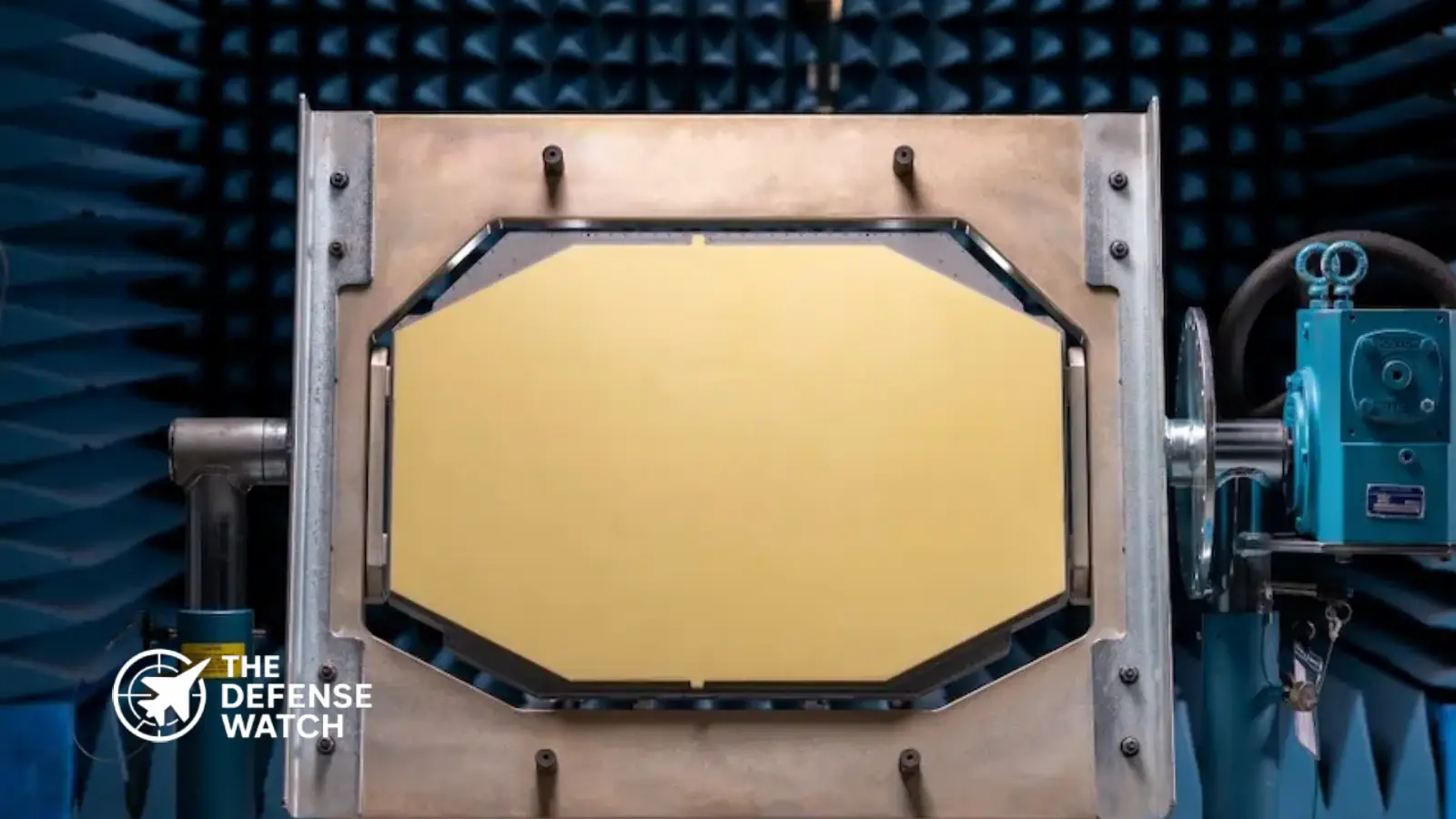
Northrop Grumman has delivered its 1,000th AN/APG-83 Scalable Agile Beam Radar (SABR), marking a significant production milestone for one of the most widely adopted active electronically scanned array (AESA) radar upgrades for fourth-generation combat aircraft.
The company announced the delivery as global air forces continue investing in fighter modernization programs rather than replacing entire fleets with fifth-generation aircraft. The APG-83 SABR radar is primarily associated with the F-16 Fighting Falcon, though its scalable architecture supports integration across multiple aircraft platforms.
According to Northrop Grumman, the radar incorporates technologies derived from advanced fifth-generation fighter systems used on aircraft such as the Lockheed Martin F-35 Lightning II and Lockheed Martin F-22 Raptor. The company says the system is designed to improve detection range, targeting precision, situational awareness, and electronic protection capabilities for legacy fighter aircraft.
Why The SABR Radar Matters
The APG-83 SABR represents a broader trend in military aviation, where air forces are extending the service life of existing combat aircraft through sensor and avionics modernization rather than relying solely on new aircraft procurement.
AESA radars are increasingly considered essential for modern air combat because they provide faster target tracking, improved resistance to jamming, simultaneous air-to-air and air-to-ground operations, and enhanced survivability in contested environments.
Northrop Grumman states that SABR combines several operational functions into a single system, including ground mapping, moving target indication, electronic signal detection, and multi-target tracking. The radar also supports software-driven capability upgrades without requiring major hardware modifications.
That flexibility is strategically important for operators managing large fleets of aging aircraft under budget constraints. Modern radar upgrades can significantly improve combat capability while avoiding the higher costs and longer timelines associated with acquiring new stealth fighters.
F-16 Modernization Remains A Global Priority
The SABR radar has become central to numerous F-16 modernization programs worldwide. Northrop Grumman describes the APG-83 as the baseline radar for the F-16 Block 70 and F-16V upgrade configuration.
The F-16 remains one of the world’s most widely operated fighter aircraft, serving with dozens of air forces across Europe, the Middle East, and Asia. Many operators are now upgrading aircraft with AESA radars, electronic warfare suites, and advanced mission systems to maintain operational effectiveness against newer threats.
Northrop Grumman has also emphasized interoperability between SABR and the company’s Integrated Viper Electronic Warfare Suite (IVEWS), allowing aircraft to conduct simultaneous detection and protection missions.
The pairing reflects a broader shift toward integrated electronic warfare and sensor fusion capabilities previously associated mainly with fifth-generation platforms.
Production Scale Signals Strong International Demand
Delivering 1,000 radar systems demonstrates sustained international demand for fighter modernization technologies, particularly as geopolitical tensions continue driving defense spending increases across NATO, the Indo-Pacific, and the Middle East.
Northrop Grumman says digital engineering and manufacturing methods have helped accelerate radar production while supporting rapid delivery timelines.
The milestone also highlights how legacy fighter aircraft continue to play a major operational role despite growing attention on next-generation combat aviation programs. While stealth aircraft remain critical for high-end operations, many air forces still require upgraded fourth-generation fighters for routine deterrence missions, air policing, strike operations, and regional security tasks.
From an industrial perspective, the SABR program reinforces Northrop Grumman’s long-standing position in airborne radar systems. The company notes it has more than 50 years of radar development experience and has produced fire control radars for multiple U.S. and allied combat aircraft programs.
Strategic Analysis
The 1,000th SABR delivery reflects more than a production achievement. It illustrates how military modernization strategies are evolving in response to rising procurement costs and expanding operational demands.
For many air forces, upgrading existing fighters offers a faster and more affordable path to improved combat capability than waiting for large-scale fifth-generation acquisitions. AESA radar integration, combined with modern electronic warfare systems, can substantially narrow capability gaps between legacy aircraft and newer platforms in several operational areas.
At the same time, the growing adoption of systems like SABR underscores how electronic warfare, sensing, and information dominance are becoming increasingly decisive in modern air combat. Aircraft survivability now depends as much on sensor performance and electronic protection as on aerodynamic performance alone.
As defense planners balance readiness requirements with budget pressures, radar modernization programs are likely to remain a central component of global fighter fleet sustainment strategies through the next decade.