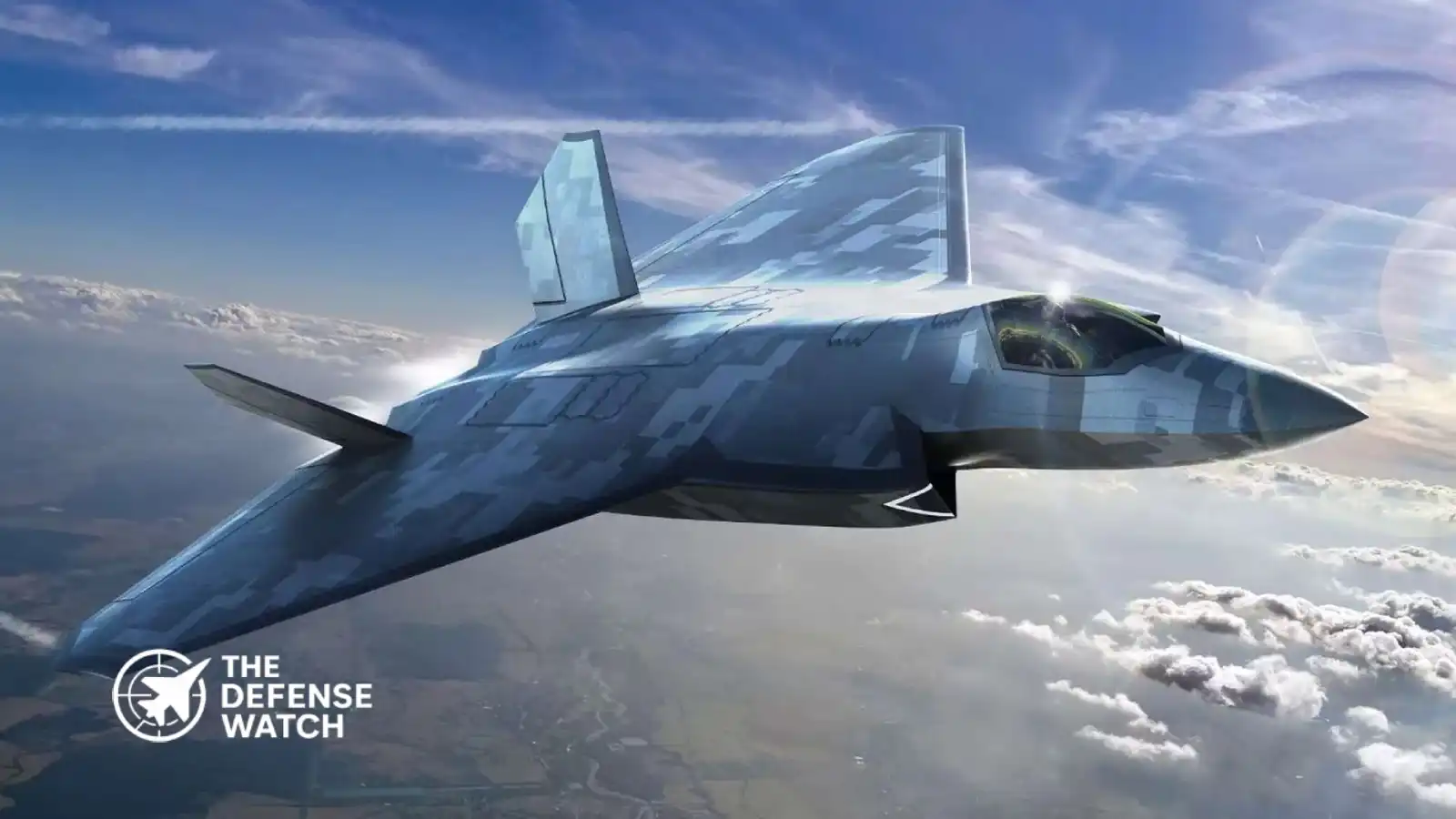
The UK is accelerating investment in its future combat air system as competition over sixth-generation air dominance intensifies globally.
Executive Summary:
The United Kingdom is advancing a multi-billion-dollar funding effort for the Global Combat Air Programme (GCAP), a trilateral sixth-generation fighter initiative with Japan and Italy. The move is aimed at sustaining development momentum and ensuring the next-generation combat aircraft enters service by 2035 amid growing global competition in advanced airpower.
UK GCAP Fighter Funding Gains Momentum
The UK GCAP fighter funding effort is emerging as a central pillar of Britain’s long-term air combat modernization strategy. London is preparing to allocate roughly £4.7 billion, about $6 billion, to support continued development of the Global Combat Air Programme.
GCAP is a joint initiative involving the United Kingdom, Japan, and Italy to develop a sixth-generation fighter aircraft intended to replace existing fleets such as the RAF’s Eurofighter Typhoon beginning in the mid-2030s.
The program combines the UK-led Tempest project with Japan’s F-X next-generation fighter effort. Industry partners include BAE Systems, Rolls-Royce, Leonardo, and Mitsubishi Heavy Industries.
British officials view the program as strategically important not only for national defense, but also for sustaining domestic aerospace manufacturing and sovereign combat aviation expertise.
Sixth-Generation Competition Intensifies
The UK GCAP fighter funding decision comes as several major powers accelerate sixth-generation aircraft programs. The United States continues development efforts under the Next Generation Air Dominance initiative, while European states are separately pursuing the Future Combat Air System (FCAS).
For London, maintaining schedule discipline has become increasingly important. Delays in advanced combat aviation programs often result in higher costs, industrial disruption, and capability gaps between retiring and replacement aircraft.
GCAP aims to deliver capabilities beyond current fifth-generation fighters, including advanced stealth, AI-assisted decision support, optionally crewed operations, sensor fusion, long-range networking, and integration with autonomous collaborative combat aircraft.
The 2035 target date is particularly significant because many allied air forces are planning force structure transitions during the same period. Missing that window could affect export opportunities and reduce interoperability advantages among partner nations.
Strategic Importance For Britain
The UK government has consistently emphasized combat aviation as a core strategic industry. Continued investment in GCAP supports thousands of highly skilled engineering and manufacturing jobs across the British aerospace sector.
The funding push also reflects broader concerns about maintaining operational relevance against rapidly modernizing competitors. Russia and China continue investing heavily in integrated air defense systems, electronic warfare, and long-range strike capabilities, forcing NATO air forces to pursue more survivable and networked platforms.
British defense planners increasingly see future air combat as dependent on data dominance, machine-assisted targeting, and distributed operations rather than traditional fighter performance alone.
GCAP’s architecture is expected to support these requirements through open systems integration, high-capacity computing, and close coordination with unmanned systems operating alongside crewed aircraft.
Industrial And Alliance Implications
The trilateral structure of GCAP has become one of the program’s defining features. Unlike some multinational defense projects that face governance complications, officials from the UK, Japan, and Italy have repeatedly stressed alignment on operational requirements and development timelines.
Japan’s participation is especially important. Tokyo has rapidly expanded defense spending and military modernization initiatives amid rising regional tensions in the Indo-Pacific. Cooperation with the UK and Italy gives Japan access to broader industrial expertise while diversifying defense partnerships beyond the United States.
For the UK, the partnership strengthens political and defense ties with Indo-Pacific allies while reinforcing Britain’s role in advanced aerospace development after Brexit.
The industrial model could also influence future export markets. If successful, GCAP may compete globally against American and European alternatives for allied nations seeking advanced combat aircraft in the 2040 timeframe.
Funding Signals Long-Term Commitment
Although major defense programs routinely face budget scrutiny, the scale of the proposed UK GCAP fighter funding package sends a strong signal that London intends to remain fully committed to the program.
Defense analysts note that early and sustained investment is critical in sixth-generation development because of the technological complexity involved. Engine systems, adaptive power generation, advanced sensors, electronic warfare suites, and secure cloud-based mission architectures all require extensive long-term testing and integration.
The UK Ministry of Defence has repeatedly described GCAP as a cornerstone of future national security planning. Maintaining the 2035 timeline will likely require continued coordination among governments and industry partners over the next decade.
At the same time, the program highlights how allied nations are increasingly pooling resources to manage the rising costs of advanced combat aviation development.
Broader Defense Policy Context
The funding push aligns with wider NATO modernization trends and growing European concern over long-term deterrence capacity. Many Western governments are increasing defense spending in response to evolving geopolitical threats and lessons drawn from recent conflicts.
Air superiority remains a foundational element of military power projection, particularly in contested environments where electronic warfare and integrated missile defenses are becoming more sophisticated.
Britain’s investment in GCAP therefore represents more than an aircraft procurement effort. It reflects a broader strategy focused on sustaining technological competitiveness, strengthening alliances, and preserving operational freedom in future high-intensity conflicts.