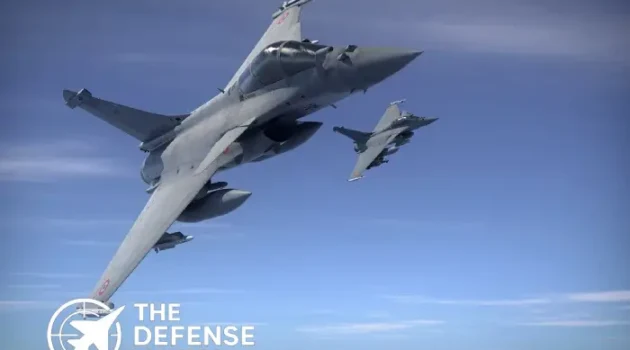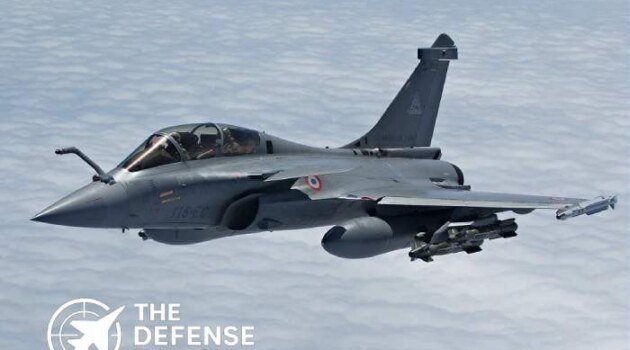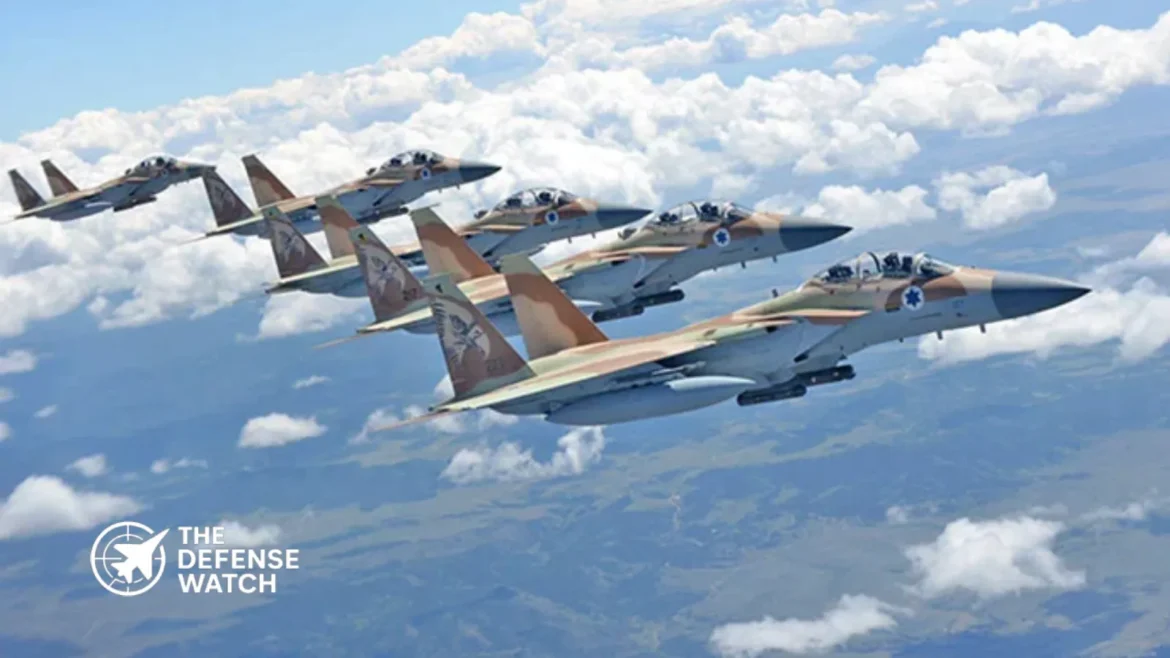
- Defense analysts have identified at least four distinct air corridors Israeli fighter jets could use to reach targets in Iran.
- Syria and Iraq present the most operationally permissive routes due to degraded or absent air defense networks following years of conflict.
- Jordan’s cooperation with Israel — reinforced during Iran’s April 2024 drone and missile barrage — makes its airspace a plausible transit zone.
- The southern Saudi Arabia route is assessed as high-risk due to modern air defenses near Tabuk air base and Riyadh’s strategic ambiguity toward Israel.
- A Red Sea–Yemen–Oman circumnavigation route covering approximately 4,700 kilometers is considered operationally unlikely by most analysts.
Israeli Fighter Jets Face a Complex Airspace Chess Match En Route to Iran
Israeli fighter jets targeting Iran must navigate one of the most geopolitically sensitive airspace environments on earth. Analysts and international defense media have identified more than three potential air corridors — each carrying distinct military risks, diplomatic costs, and operational tradeoffs. The route Israel chooses in any future strike scenario will reveal as much about its regional partnerships as it does about its operational planning.
The Big Picture
Israel and Iran have maintained a state of undeclared conflict for decades, fought largely through proxies, cyberspace, and covert operations. That posture shifted significantly in April 2024, when Iran launched a direct barrage of more than 300 drones and ballistic missiles at Israeli territory — the first such direct attack in the two countries’ modern rivalry.
Israel’s retaliatory strikes, which reportedly targeted air defense radar systems near Isfahan, confirmed that the Israeli Air Force possesses both the intent and the capability to reach deep into Iranian territory. What remains operationally sensitive — and strategically revealing — is precisely how Israeli aircraft get there.
The answer depends heavily on which neighboring states grant overflight access, whether explicitly or tacitly, and which air defense networks can be suppressed, avoided, or simply outpaced.
What’s Happening
Defense analysts and international media outlets have outlined at least four routes that Israeli fighter jets could use to strike targets in Iran.
Route One: Syria and Iraq. The primary corridor identified by analysts runs northeast through Syrian airspace and into Iraq before reaching Iranian territory. Both countries present minimal integrated air defense threats. Syria’s air defense network, already weakened by years of civil war and repeated Israeli strikes, has been further degraded following the political upheaval of late 2024. Iraq operates no credible intercept capability against fast-moving tactical aircraft operating at high altitude.
Israeli refueling aircraft and drones are already using southern Syrian airspace, according to analysts — a signal that this corridor is not theoretical but actively exercised.
Route Two: Jordan. Jordan’s airspace represents a shorter and more diplomatically complex option. The two countries normalized relations under the Abraham Accords framework in 2020, which included provisions facilitating overflight cooperation. Critically, Jordanian air defense assets actively engaged Iranian drones and ballistic missiles during the April 2024 attack on Israel, demonstrating both capability and alignment. Whether Amman would formally or informally permit Israeli strike aircraft to transit its airspace remains a politically sensitive question — one with significant consequences for Jordan’s standing in the Arab world.
Route Three: Northern Saudi Arabia and the Persian Gulf. A southern corridor running over northern Saudi Arabia and into the Persian Gulf toward Iran’s southwest is theoretically viable in terms of distance. However, analysts assess this route as operationally risky. Saudi Arabia maintains advanced air defenses, including Patriot batteries and modern interceptor aircraft based near Tabuk — a major air base in the northwest of the country positioned directly along this flight path. Riyadh has not normalized relations with Israel and has not publicly endorsed any Israeli military action against Iran, making tacit overflight permission unlikely without significant behind-the-scenes diplomacy.
Route Four: Red Sea Circumnavigation. The longest option would route Israeli aircraft south through the Red Sea, around Yemen and Oman, and into the Persian Gulf or Gulf of Oman for strikes on Iran’s southern or eastern flanks. The round-trip distance is estimated at approximately 4,700 kilometers — well beyond the unrefueled combat radius of Israeli F-15I and F-35I aircraft without multiple aerial refueling events. Analysts broadly assess this route as low-probability given its logistical complexity, extended exposure time, and the operational risks posed by Houthi air defense activity over the Red Sea.
Why It Matters
The airspace corridor question is not merely academic. It directly determines how much warning time Iran receives, how many refueling assets Israel must commit, and what diplomatic exposure Israel and its regional partners accept.
A route through Syria and Iraq minimizes diplomatic risk to third parties but requires Israel to maintain persistent suppression of what remains of Syrian air defense capability. Israel has conducted hundreds of strikes in Syria over the past decade, systematically degrading radar and surface-to-air missile sites — a campaign that now reads, in retrospect, as deliberate corridor preparation.
The Jordanian route shortens flight time and reduces aerial refueling demands, but places Amman in an extraordinarily difficult position. Jordan’s government faces domestic pressure from a population largely sympathetic to Palestinian and broader Arab causes. Publicly acknowledged overflight cooperation with an Israeli strike on Iran could carry severe political costs for the Hashemite monarchy.
Strategic Implications
The use of Syrian airspace as a primary Israeli air corridor carries consequences beyond the immediate strike mission. It signals that post-Assad Syria — or whatever governing structure emerges — may lack the sovereign capacity or political will to deny Israeli access. That reality reshapes the regional balance in ways that extend well beyond the Israel-Iran bilateral.
For Iraq, the situation is equally complex. Baghdad officially opposes Israeli military action and hosts Iran-aligned militia groups that have repeatedly struck U.S. forces. Yet Iraq’s inability to enforce its own airspace creates a de facto permissive environment. Iraqi leaders face an impossible choice: protest Israeli overflights they cannot prevent, or remain silent and absorb the domestic political fallout.
Jordan’s position is perhaps the most strategically delicate. Amman walked a careful line during Iran’s April 2024 attack — shooting down Iranian projectiles while framing its actions as defensive rather than pro-Israel. Permitting transit of Israeli strike aircraft would represent a qualitatively different level of involvement, one that Jordan’s leadership has strong incentives to avoid making public.
Competitor View
Iran has observed Israeli strike behavior closely. Tehran is acutely aware of its own vulnerability to air attack from the west — a vulnerability that decades of investment in ballistic missiles, drone forces, and proxy networks has not fully offset. Iranian military planners have likely war-gamed Israeli approach vectors and positioned air defense assets, including Bavar-373 and S-300 batteries, to cover the most probable ingress corridors from the west and northwest.
Iran’s response to Israeli airspace use by third parties has historically been restrained — Tehran cannot easily retaliate against Jordan or Saudi Arabia without triggering broader regional escalation. However, Iranian-aligned militia groups in Iraq and Syria retain the ability to threaten Israeli aircraft through man-portable air defense systems and short-range missiles, complicating low-altitude ingress and egress profiles.
Russia, which maintains military assets in Syria, has so far tolerated Israeli air operations in Syrian airspace — a tacit arrangement that serves Moscow’s interest in keeping Israel out of the Ukraine conflict. That arrangement is not guaranteed to hold indefinitely, particularly if Israeli operations in Syria expand in scope or begin affecting Russian equities.
What To Watch Next
Several indicators will clarify how Israel’s air corridor strategy is evolving. Watch for continued Israeli strikes on Syrian air defense infrastructure, which would suggest active preparation of the northern corridor. Diplomatic signaling between Jerusalem and Amman — particularly at the security cooperation level — will indicate whether the Jordanian route remains viable. Any movement of Israeli tanker aircraft, such as Boeing 707 aerial refueling variants or newly acquired KC-46 equivalents, toward forward positions would also signal operational preparation.
Saudi-Israeli normalization talks, which were advancing before October 2023 and have continued at a lower profile since, remain a long-term variable. A formal agreement could, over time, open the northern Saudi corridor — transforming the regional strategic geometry significantly.
Capability Gap
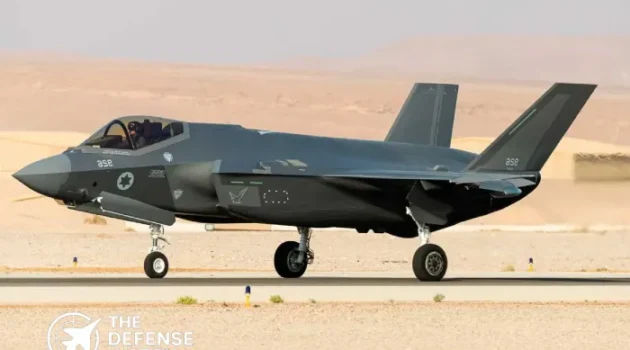
Israel’s core challenge is not strike capability — the F-35I Adir and F-15I Ra’am provide highly capable precision strike platforms — but reach and survivability across 1,500 to 2,000 kilometers of contested or diplomatically sensitive airspace. Aerial refueling assets are the operational constraint, not airframes or munitions.
Israel’s air force operates a limited tanker fleet. Any multi-wave strike package against hardened Iranian nuclear or military sites would require multiple refueling events per aircraft, significantly increasing the logistical footprint and the probability of detection. This constraint makes the Syrian-Iraqi corridor, which offers the shortest viable distance, the operationally preferred option — regardless of its diplomatic complications.
Stealth characteristics of the F-35I partially offset detection risk, but Iran’s air defense network, while not NATO-grade, has been upgraded with Russian and domestically produced systems capable of tracking fourth-generation aircraft.
The Bottom Line
Israel’s ability to strike Iran depends less on its aircraft and munitions than on which neighbors quietly look the other way — and the Syrian-Iraqi corridor, hollowed out by years of conflict and Israeli attrition strikes, currently offers the most operationally permissive path to Tehran.
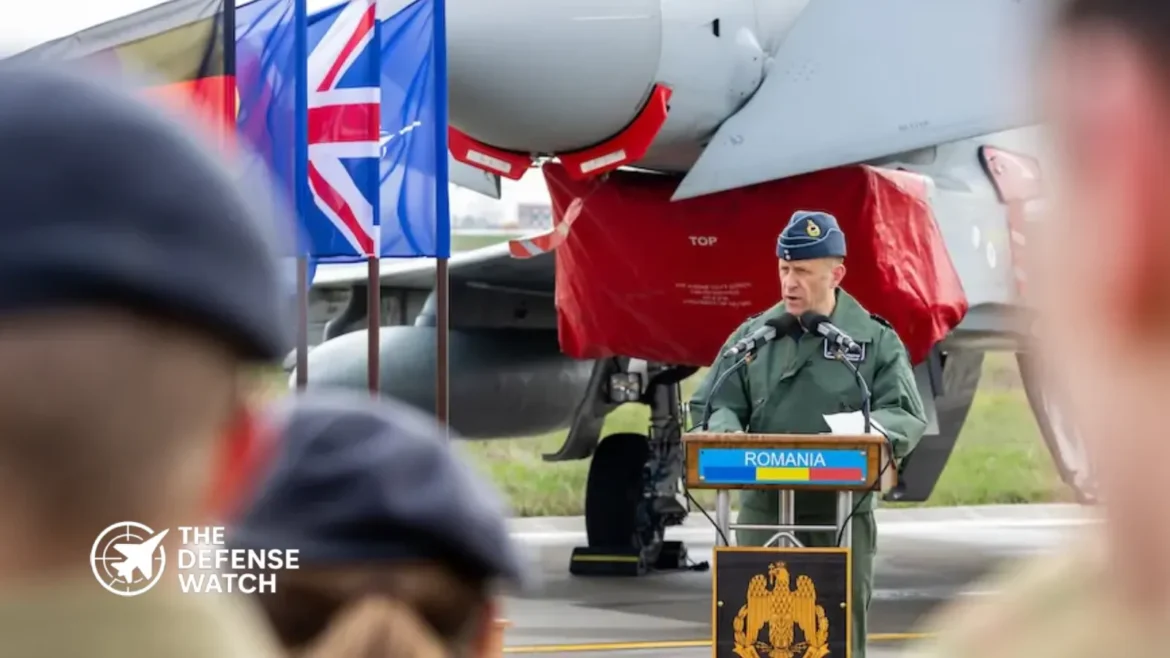
- The Royal Air Force has taken over NATO’s enhanced Air Policing mission in Romania.
- RAF Typhoon fighter jets are deployed to secure NATO airspace along the eastern flank.
- The mission operates from Mihail Kogălniceanu Air Base near the Black Sea.
- The deployment aims to deter potential airspace violations and reassure NATO allies.
- The rotation underscores NATO’s sustained focus on eastern Europe amid ongoing regional tensions.
RAF NATO Air Policing Romania Mission Strengthens Eastern Flank Defense
The RAF NATO air policing Romania mission has officially transitioned to the United Kingdom, reinforcing NATO’s eastern flank as alliance members continue to respond to heightened security pressures near the Black Sea.
The deployment, led by the Royal Air Force, involves advanced Eurofighter Typhoon jets operating under NATO command to secure Romanian airspace and deter potential incursions.
Operating from Mihail Kogălniceanu Air Base, the RAF contingent replaces previous allied rotations as part of NATO’s enhanced Air Policing framework. The mission ensures rapid response capability to unidentified or non-compliant aircraft approaching alliance airspace.
Strategic Context: NATO’s Eastern Flank Under Pressure
The RAF NATO air policing Romania mission reflects a broader strategic shift by NATO to maintain persistent air defense coverage along its eastern perimeter.
Since Russia’s invasion of Ukraine in 2022, NATO has significantly expanded its forward presence across Eastern Europe. Romania, located on the Black Sea and bordering Ukraine, has emerged as a critical node in the alliance’s defensive architecture.
Air policing missions, while not new, have taken on increased operational importance. These deployments now serve not only as deterrence but also as a visible signal of alliance unity and readiness.
From an operational standpoint, RAF Typhoons provide quick reaction alert capabilities, meaning aircraft can be scrambled within minutes to intercept potential threats. This includes unidentified aircraft, military probes, or civilian planes deviating from flight plans.
RAF Typhoon Capability and Mission Role
The RAF NATO air policing Romania mission leverages the Typhoon’s multirole capabilities, particularly its air superiority and interception strengths.
Equipped with advanced radar systems and beyond-visual-range missiles, the Typhoon is optimized for quick interception missions. Its ability to operate in contested environments makes it suitable for NATO’s current threat landscape.
In Romania, the aircraft operate under strict NATO rules of engagement. Missions typically include:
- Airspace surveillance and patrol
- Identification of unknown aircraft
- Interception and escort operations
- Coordination with Romanian and NATO air defense networks
This layered approach ensures that NATO maintains a continuous and credible air defense posture in the region.
Operational Impact on Regional Security
The RAF NATO air policing Romania mission contributes directly to regional stability, particularly in the Black Sea area, where air and naval activity has increased in recent years.
Romania’s geographic position places it at the intersection of several strategic concerns, including proximity to Crimea and key maritime routes. As a result, maintaining secure and monitored airspace is critical.
From a deterrence perspective, the presence of RAF fighters complicates any adversary’s operational planning. It raises the cost and risk of airspace violations while ensuring rapid NATO response.
At the same time, these missions provide reassurance to frontline NATO states. For countries like Romania, visible allied deployments reinforce collective defense commitments under Article 5.
Alliance Integration and Interoperability
Another key dimension of the RAF NATO air policing Romania mission is interoperability. RAF personnel work closely with Romanian forces and other NATO allies to ensure seamless coordination.
This includes joint training, shared command structures, and integrated air defense systems. Such cooperation enhances overall readiness and reduces response times during real-world incidents.
Rotational deployments also allow NATO members to distribute operational burden while maintaining a continuous presence. The UK’s participation highlights its ongoing commitment to European security despite evolving geopolitical dynamics.
Analysis: A Persistent Mission With Growing Importance
While air policing missions have long been part of NATO’s toolkit, their role has evolved significantly. The RAF NATO air policing Romania mission is no longer a routine rotation but a frontline deterrence measure.
Three key trends stand out:
First, frequency and scale have increased. NATO is sustaining more continuous deployments across multiple eastern locations, including the Baltic states and southeastern Europe.
Second, missions are becoming more integrated with broader defense strategies. Air policing is now linked with ground forces, missile defense systems, and intelligence networks.
Third, the geopolitical signaling value has grown. Deployments like this send a clear message to both allies and adversaries about NATO’s readiness to defend its airspace.
In this context, the RAF’s role in Romania is part of a larger pattern of sustained vigilance rather than a temporary response.
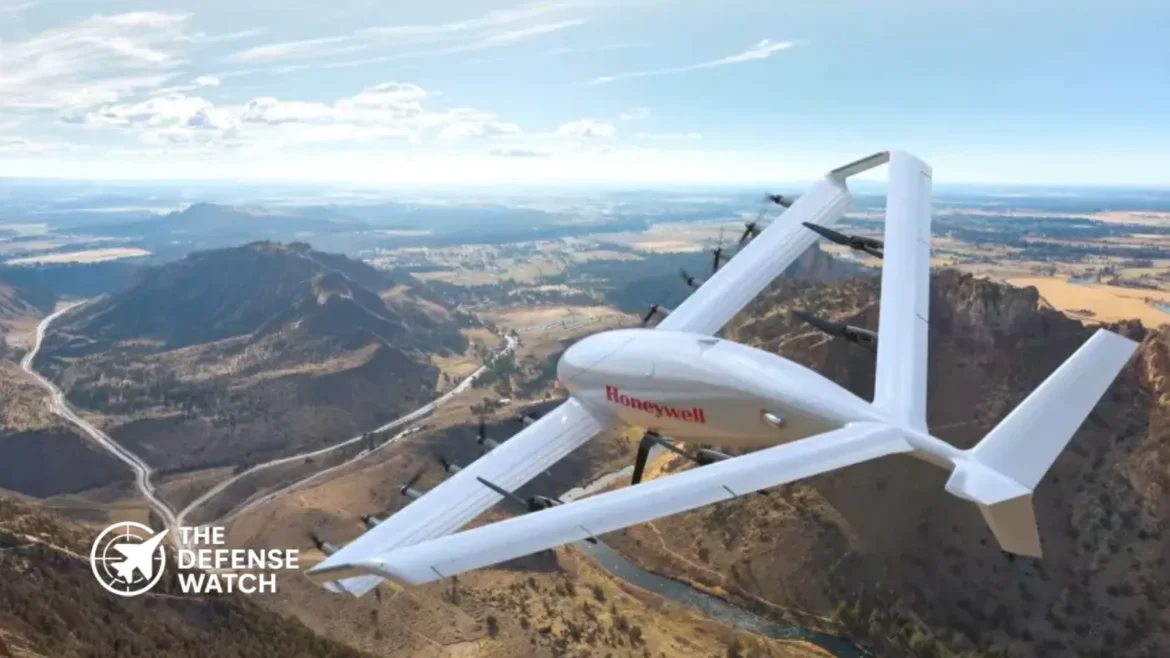
- Honeywell Aerospace and Odys Aviation are jointly developing an airborne counter-UAS system.
- The system is designed to detect, track, and neutralize drones from an airborne platform.
- Integration will focus on Odys Aviation hybrid-electric aircraft concepts.
- The solution aims to extend counter-drone coverage beyond ground-based systems.
- Development reflects growing demand for layered air defense against small UAS threats.
Honeywell Airborne Counter-UAS System Targets Expanding Drone Threat
The Honeywell airborne counter UAS system is at the center of a new collaboration between Honeywell Aerospace and Odys Aviation, aimed at addressing the rapid proliferation of unmanned aerial systems across modern battlefields.
Announced via industry sources, the partnership focuses on integrating advanced counter-drone capabilities into an airborne platform, marking a shift away from traditional ground-based defenses. The move comes as military forces increasingly face low-cost, highly maneuverable drone threats in contested environments.
Unlike static counter-UAS systems, the airborne approach is designed to provide extended range, improved detection angles, and greater operational flexibility.
Expanding Counter-Drone Coverage Into The Air Domain
The Honeywell airborne counter UAS system is expected to combine detection, tracking, and mitigation technologies into a single airborne architecture. While detailed specifications remain limited, Honeywell’s expertise in avionics, sensors, and electronic warfare systems is likely to form the backbone of the solution.
Odys Aviation, known for its hybrid-electric vertical takeoff and landing concepts, will provide the aircraft integration platform. This suggests a system designed for endurance, lower acoustic signatures, and flexible deployment.
From an operational standpoint, airborne counter-UAS platforms offer several advantages:
- Wider surveillance coverage compared to ground systems
- Ability to track low-flying drones in complex terrain
- Faster response times against dynamic threats
- Reduced dependence on fixed infrastructure
This aligns with evolving military requirements, particularly in environments where drones are used for reconnaissance, targeting, and strike missions.
Strategic Context: Rising Demand For Counter-UAS Capabilities
The development of the Honeywell airborne counter UAS system reflects a broader shift in defense priorities. Conflicts in Eastern Europe and the Middle East have highlighted how small drones can overwhelm traditional air defenses.
According to multiple defense analyses, including reports from organizations such as the Center for Strategic and International Studies (CSIS), layered counter-UAS strategies are becoming essential. These typically combine:
- Electronic warfare systems
- Kinetic interceptors
- Directed energy solutions
- Airborne surveillance platforms
The Honeywell-Odys effort appears to address a key gap in this layered approach, namely persistent airborne coverage against low-altitude threats.
Integration With Hybrid-Electric Aviation Concepts
A notable aspect of the program is its integration with hybrid-electric aircraft technology. Odys Aviation’s platform is designed to support long-endurance missions while reducing fuel consumption and operational costs.
This could have several implications for military users:
- Extended loiter time for counter-drone patrols
- Lower thermal and acoustic signatures
- Reduced logistics footprint in forward areas
While hybrid-electric propulsion is still emerging in defense applications, its pairing with counter-UAS missions suggests a focus on sustainability and operational efficiency alongside combat capability.
Operational Impact And Future Use Cases
If successfully developed, the Honeywell airborne counter UAS system could support a wide range of missions, including:
- Protection of forward operating bases
- Maritime security and fleet defense
- Border surveillance and homeland security
- Urban counter-drone operations
The airborne nature of the system also makes it suitable for expeditionary forces, where rapid deployment and mobility are critical.
From a U.S. perspective, such capabilities could complement existing counter-UAS programs across the Department of Defense, particularly in scenarios involving near-peer adversaries or asymmetric threats.
Analysis: Closing A Critical Capability Gap
The Honeywell airborne counter UAS system highlights a growing recognition that ground-based defenses alone are insufficient against modern drone threats.
Airborne systems can bridge coverage gaps, especially in complex terrain or urban environments where line-of-sight limitations hinder traditional radars and jammers. By elevating sensors and effectors, these platforms can detect and engage threats earlier.
However, challenges remain. Integrating counter-UAS payloads onto airborne platforms requires balancing power, weight, and endurance constraints. Additionally, rules of engagement and airspace deconfliction will play a critical role in operational deployment.
Despite these hurdles, the direction is clear. Defense forces are moving toward multi-domain counter-drone architectures, and airborne systems are becoming a key component of that strategy.
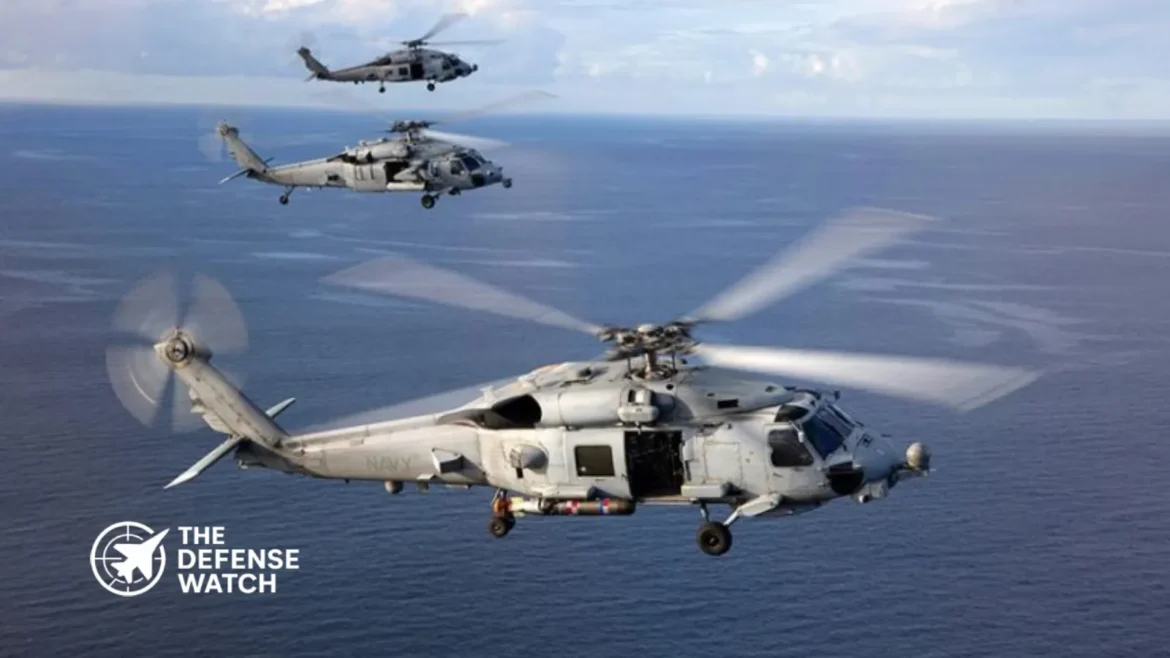
- South Korea has begun deploying MH-60R Seahawk helicopters to strengthen anti-submarine warfare operations.
- The helicopters are designed to detect, track, and engage submarines using advanced sensors and weapons.
- The move targets growing concerns over North Korea’s expanding submarine and underwater capabilities.
- MH-60R platforms integrate sonar systems, radar, and torpedoes for multi-mission maritime operations.
- Deployment reflects deeper interoperability with U.S. naval forces and regional deterrence efforts.
South Korea MH-60R Seahawk Deployment Strengthens Anti-Submarine Warfare
South Korea MH-60R Seahawk deployment marks a significant step in enhancing the Republic of Korea Navy’s anti-submarine warfare capability amid rising undersea threats from North Korea.
According to reporting by Army Recognition, Seoul has begun fielding its first batch of MH-60R Seahawk maritime helicopters, a U.S.-built platform widely regarded as one of the most advanced naval helicopters for anti-submarine and anti-surface warfare missions. The deployment comes as North Korea continues to invest in submarine-launched ballistic missile programs and quieter diesel-electric submarines.
The introduction of the MH-60R provides South Korea with a modern, networked system capable of detecting, tracking, and engaging hostile submarines across complex maritime environments.
Advanced Sensors And Weapons Enhance Maritime Awareness
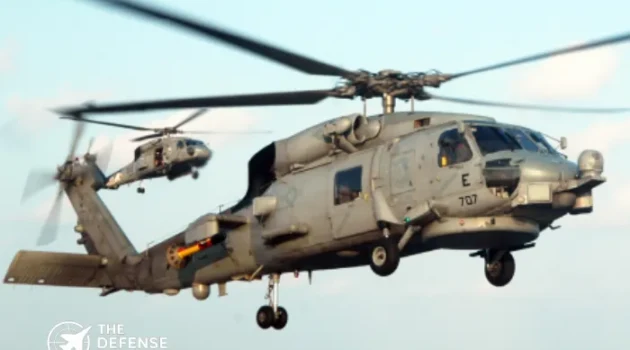
The MH-60R Seahawk is equipped with a suite of advanced sensors that significantly improve situational awareness in contested waters. These include dipping sonar systems, sonobuoys, maritime surveillance radar, and electro-optical targeting systems.
This combination allows operators to detect submerged threats at extended ranges while maintaining real-time data links with surface combatants. The helicopter can deploy Mk 54 lightweight torpedoes and anti-ship missiles, giving it both defensive and offensive capabilities.
From an operational standpoint, the platform enables layered anti-submarine warfare. Surface ships can rely on airborne assets to extend their detection range, reducing response time against fast-moving or stealthy underwater threats.
This capability is particularly relevant in the Korean Peninsula, where shallow waters and dense maritime traffic complicate submarine detection.
Strategic Context: Rising North Korean Submarine Threat
The South Korea MH-60R Seahawk deployment is closely tied to evolving threats from North Korea’s naval forces. Pyongyang has prioritized the development of submarine-based deterrents, including experimental ballistic missile submarines and new classes of conventional attack submarines.
While North Korea’s submarine fleet is not as technologically advanced as those of major naval powers, its focus on asymmetrical warfare poses persistent risks. Smaller, quieter submarines operating in coastal environments can challenge traditional detection methods.
By integrating the MH-60R into its fleet, South Korea is addressing a critical capability gap in airborne anti-submarine warfare. The helicopter’s ability to operate from destroyers and frigates adds flexibility, allowing rapid deployment across multiple maritime zones.
This shift reflects a broader trend in regional naval modernization, where airborne assets are increasingly central to undersea warfare.
Interoperability With U.S. Forces And Regional Allies
Another key aspect of the MH-60R Seahawk deployment is interoperability. The platform is already widely used by the U.S. Navy and several allied nations, including Australia and India.
For South Korea, this means seamless integration into joint operations, particularly in scenarios involving combined maritime task forces. Shared systems, communication protocols, and training frameworks allow for coordinated anti-submarine operations.
This interoperability enhances deterrence by signaling a unified response capability to potential adversaries. It also improves operational efficiency during joint exercises and real-world contingencies.
In practical terms, South Korean MH-60R units can operate alongside U.S. naval forces with minimal adaptation, strengthening alliance-based maritime security in Northeast Asia.
Operational Impact On Korean Peninsula Maritime Security
The deployment of MH-60R helicopters is expected to significantly expand South Korea’s maritime surveillance and response capabilities. By extending the detection range of surface fleets, the helicopters provide early warning against submarine incursions.
They also improve response speed. Instead of relying solely on ship-based sensors, commanders can deploy helicopters to investigate contacts, track targets, and engage if necessary.
This layered approach reduces vulnerabilities in coastal defense and strengthens protection of key sea lines of communication. Given the strategic importance of maritime trade routes to South Korea’s economy, enhanced naval aviation capability plays a critical role in national security.
From a broader perspective, the deployment underscores the increasing importance of anti-submarine warfare in modern naval strategy. As submarine technologies evolve, so too must the tools used to counter them.
Analysis: A Targeted Capability Upgrade With Strategic Implications
The South Korea MH-60R Seahawk deployment is not just a platform upgrade, it represents a focused investment in undersea warfare dominance.
While surface ships and submarines remain central to naval power, airborne assets like the MH-60R are becoming indispensable in detecting and neutralizing underwater threats. The ability to rapidly deploy sensors and weapons from the air adds a critical dimension to maritime operations.
In the context of the Korean Peninsula, where geographic and operational constraints complicate traditional naval engagements, this capability is especially valuable. It allows South Korea to counter North Korea’s submarine strategy more effectively without relying solely on expensive or time-intensive ship deployments.
At the same time, the move aligns with broader U.S.-allied efforts to strengthen maritime security across the Indo-Pacific. By adopting a widely used platform, South Korea enhances both its independent defense posture and its role within allied frameworks.
- U.S. Army is adding 20 M1074 Joint Assault Bridge systems to support M1 Abrams operations.
- The system is based on the M1 Abrams chassis and designed for rapid obstacle crossing.
- Bridges can span gaps of up to 18 meters and support heavy armored vehicles.
- The upgrade strengthens breaching and maneuver capabilities in contested environments.
- The move aligns with U.S. Army modernization priorities focused on mobility and survivability.
U.S. Army Expands M1 Abrams Breach Capability With M1074 Joint Assault Bridges
The U.S. Army is expanding M1 Abrams breach capability through the acquisition of 20 additional M1074 Joint Assault Bridge systems, reinforcing its ability to maneuver armored forces across complex battlefield obstacles.
The move is part of a broader effort to enhance combat engineering support for armored units, ensuring that main battle tanks can maintain operational momentum in high-intensity conflict environments.
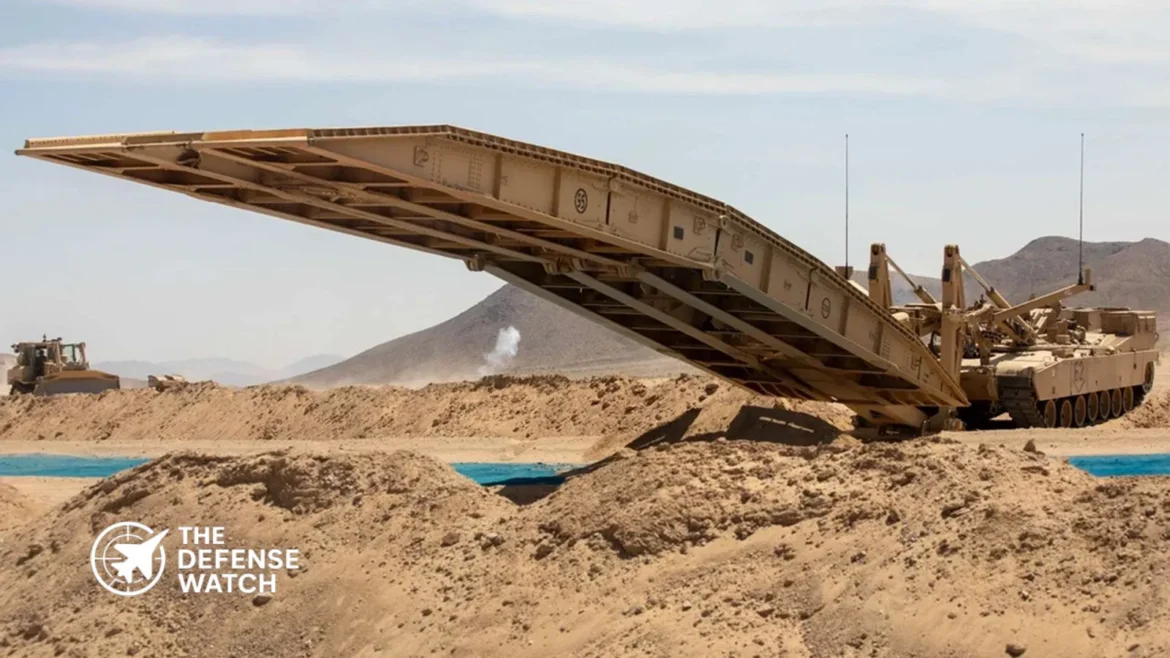
The M1074 Joint Assault Bridge, built on the same chassis as the M1 Abrams, enables rapid deployment of armored bridges under combat conditions. This allows heavy vehicles to cross gaps, trenches, and other obstacles without delaying advancing forces.
Enhancing Armored Mobility In Contested Terrain
The expansion of M1 Abrams breach capability reflects a core operational requirement: maintaining mobility under fire. Modern battlefields, particularly in Europe and other potential theaters, are expected to feature extensive obstacles, including anti-tank ditches, destroyed infrastructure, and engineered defensive barriers.
The M1074 system addresses these challenges by deploying a scissor-type bridge capable of spanning gaps up to approximately 18 meters. Importantly, the bridge is designed to support the weight of heavy armored vehicles, including the Abrams itself.
Because the system shares the Abrams platform, it benefits from similar levels of armor protection and mobility. This reduces vulnerability during forward operations, where engineering units often operate close to enemy contact.
From an operational perspective, this significantly reduces the time required to breach obstacles, limiting exposure to enemy fires and preserving the tempo of armored advances.
Integration With M1 Abrams Formations
The decision to expand M1 Abrams breach capability is closely tied to how armored brigade combat teams are structured. Engineering assets such as the M1074 are integral to combined arms operations, enabling tanks and mechanized infantry to operate without interruption.
In practice, Joint Assault Bridges are deployed alongside Abrams units, allowing commanders to quickly respond to terrain challenges without waiting for follow-on engineering support.
This integration is especially relevant in large-scale maneuver warfare scenarios, where delays at obstacles can create bottlenecks and increase vulnerability to precision fires, drones, and artillery.
The additional 20 systems will likely be distributed across multiple units, improving redundancy and ensuring that breaching capability is available across a wider operational footprint.
Strategic Context: Lessons From Recent Conflicts
The emphasis on M1 Abrams breach capability aligns with lessons observed in recent conflicts, particularly in Eastern Europe. Combat operations have highlighted the critical importance of mobility, especially when facing layered defenses that combine mines, trenches, and anti-armor systems.
In Ukraine, for example, both Russian and Ukrainian forces have encountered significant challenges breaching fortified positions. These conditions have underscored the need for protected, rapid-deployment bridging systems that can operate under fire.
The U.S. Army’s investment in additional M1074 systems suggests a recognition that future conflicts will require not just firepower, but sustained maneuver capability in heavily contested environments.
Engineering Support As A Combat Multiplier
While often less visible than frontline platforms, combat engineering systems play a decisive role in determining battlefield outcomes. Expanding M1 Abrams breach capability effectively enhances the combat power of armored units without modifying the tank itself.
The ability to cross obstacles quickly can dictate whether a force maintains initiative or becomes stalled. In high-intensity warfare, even short delays can expose units to surveillance and targeting by advanced sensors and long-range fires.
By increasing the number of Joint Assault Bridges, the Army is strengthening a key enabler of maneuver warfare, ensuring that armored formations can adapt to terrain challenges in real time.
Industrial And Programmatic Considerations
The M1074 Joint Assault Bridge program builds on existing Abrams-based manufacturing and support infrastructure, which simplifies logistics and lifecycle management.
This commonality reduces training requirements and streamlines maintenance, as crews and support personnel are already familiar with the Abrams platform. It also ensures interoperability within armored formations.
While specific contract details were not disclosed in the report, the acquisition reflects ongoing investment in proven systems rather than entirely new platforms, a trend seen across several U.S. Army modernization efforts.
Operational Impact And Future Outlook
The expansion of M1 Abrams breach capability is likely to have immediate operational benefits, particularly for units preparing for deployment in regions where terrain and infrastructure present significant challenges.
Looking ahead, the integration of engineering systems with emerging technologies, such as autonomous breaching and remote bridge deployment, may further enhance capability. However, for now, the focus remains on fielding reliable, combat-proven systems at scale.
In the near term, the additional M1074 systems will improve the Army’s ability to sustain momentum in offensive operations, reinforcing the central role of mobility in modern warfare.
- A Russian Antonov AN-26 military transport aircraft crashed in Crimea on March 31, 2026, killing all 29 people aboard — 23 passengers and 6 crew members.
- Contact with the aircraft was lost at approximately 6:00 PM Moscow time during a scheduled flight over the Crimean Peninsula, according to Russia’s Defense Ministry via TASS.
- Rescue teams located the wreckage after the aircraft struck a cliff in Crimea’s mountainous terrain near the Black Sea coast.
- Russian officials stated there was no evidence of external damage — ruling out missile, drone, or bird strike — with technical malfunction cited as the preliminary cause.
- The Russian Air Force operates approximately 150 AN-26 aircraft. The type has been involved in multiple fatal crashes over the past decade due to age and maintenance concerns.
Russian AN-26 Military Transport Crashes In Crimea, Killing All 29 — No Signs Of External Attack
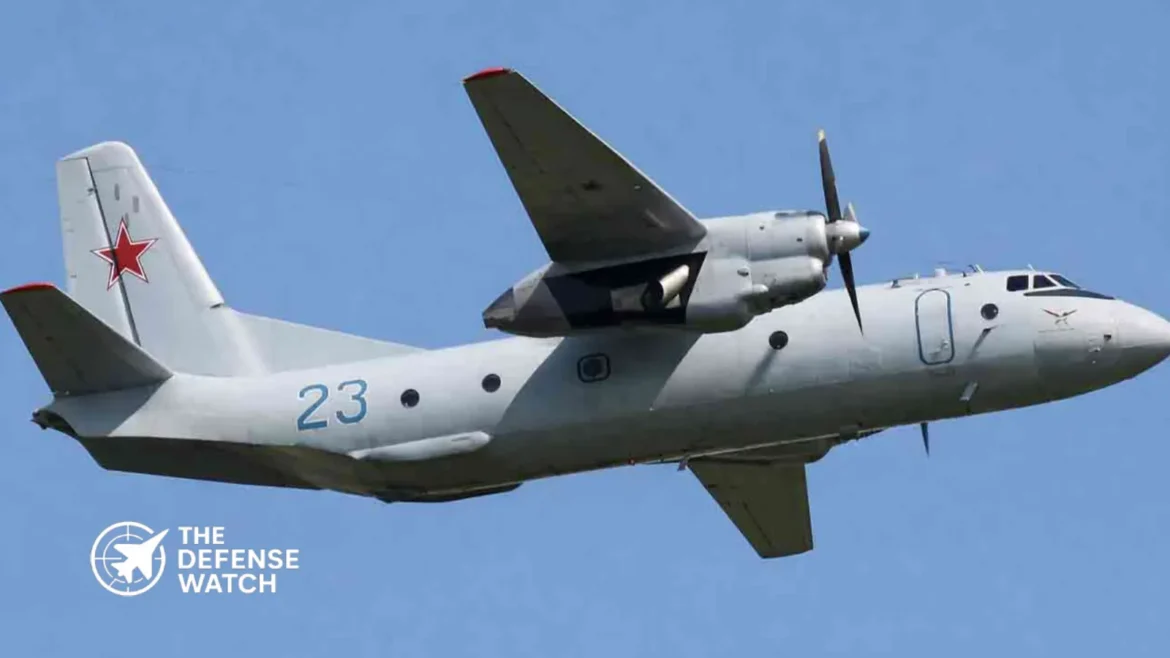
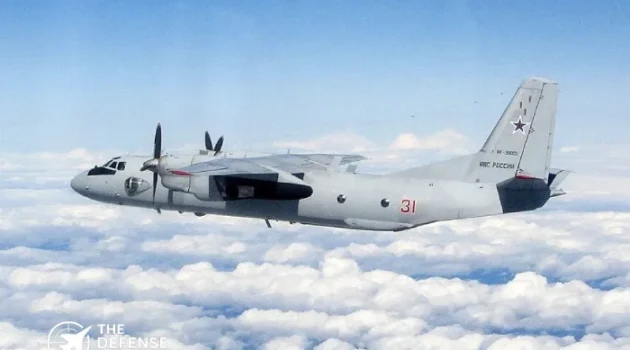
A Russian AN-26 military transport aircraft crashed in Crimea on March 31, 2026, killing all 29 people on board, in what Russian defense officials are calling a probable technical failure. The loss represents one of the deadliest single aviation accidents involving Russian military personnel in recent years, drawing renewed attention to the aging Soviet-era airframes still operating within the Russian Air Force.
Contact Lost, Cliff Strike Confirmed
Contact with the AN-26 was lost at approximately 6:00 PM Moscow time on March 31 while the aircraft was conducting a scheduled flight over the Crimean Peninsula, according to Russia’s Defense Ministry as quoted by TASS.
Search and rescue teams were dispatched and later located the crash site, confirming that none of the passengers or crew survived. A source at the scene reported that the aircraft struck a cliff.
The Russian Defense Ministry confirmed six crew members and 23 passengers perished in the crash, adding that preliminary information indicates a technical malfunction caused the accident, with no hostile fire targeting the aircraft.
The crash site is located in the mountainous interior of the Crimean Peninsula, a terrain that complicates both search operations and the recovery of flight data recorders. Russian authorities have indicated that investigators are working to recover the aircraft’s black box to determine the definitive cause of the disaster.
The AN-26: A Workhorse Well Past Its Prime
The AN-26 is an Antonov tactical transport that has served as a mainstay of the Russian Air Force for decades. According to Cirium, an aviation analytics firm, approximately 360 AN-26s remain in service globally with 105 in storage — the vast majority operated within Russia. The Russian Air Force alone holds roughly 150 of these aircraft in its inventory.
The AN-26 is a light tactical military transport capable of carrying cargo and up to 40 passengers over short and medium distances. First introduced in the late 1960s, the aircraft is now over five decades old in design and has accumulated a troubled safety record in recent years.
The type has been involved in a number of deadly crashes over the last decade. A Ukrainian AN-26 crashed during a technical flight in Zaporizhzhia in 2022. Another went down on a training flight in northeastern Ukraine in 2020, killing all but one of 27 people aboard. Eight individuals — including five Russians — were killed when an AN-26 crashed in South Sudan in 2020.
The recurring pattern of AN-26 losses raises important questions about the Russian Air Force’s fleet maintenance standards, parts availability under ongoing international sanctions, and the broader sustainability of operating Soviet-era platforms under wartime operational tempo.
Crimea: A Strategically Sensitive Crash Zone
Crimea was annexed by Russia from Ukraine in 2014. The peninsula is characterized by sweeping mountains leading down to the Black Sea coast — terrain that played a direct role in this accident, with the aircraft apparently colliding with elevated terrain after losing altitude or navigational control.
The crash comes in a broader context of ongoing conflict over the peninsula. Ukraine’s military intelligence directorate (HUR) previously destroyed two Russian AN-26 transport aircraft in a drone attack on occupied Crimea in September 2025 as part of ongoing efforts to eliminate high-value Russian assets on the peninsula.
As recently as March 24, Ukrainian forces destroyed a Zircon hypersonic missile launcher in occupied Crimea during an overnight strike, according to Ukraine’s military intelligence agency.
Despite the active threat environment, Russian officials were unambiguous in their preliminary assessment: the Russian state news agency TASS quoted the Defense Ministry as stating there was no impact on the aircraft, implying that objects such as missiles, drones, or birds were not involved. The conclusion — at least officially — is one of mechanical failure, not enemy action.
Analysis: Sanctions, Age, and Operational Stress
The loss of this AN-26 in Crimea cannot be viewed in isolation. Russia’s military aviation sector has faced compounding pressures since the February 2022 invasion of Ukraine: international sanctions have severely restricted access to Western avionics, spare parts, and maintenance technology. Russian operators have been forced to cannibalize aircraft, extend service intervals, and rely increasingly on domestic or limited third-party supply chains.
For a platform like the AN-26 — originally designed in the Soviet era and never intended for sustained high-tempo operations across a contested theater — these pressures are particularly acute. The aircraft type has no modern replacement currently in widespread Russian service for the tactical transport mission it fulfills. The Ilyushin Il-112V, intended as a successor, has faced years of development delays and its own crash during a test flight in 2021.
The operational context in Crimea further amplifies risk. The peninsula has been an active theater for Ukrainian strike operations, requiring Russian military air traffic to operate with increased urgency and reduced predictability in scheduling and routing. Whether such pressures contributed to maintenance shortcuts or crew fatigue in this specific incident remains to be established through the formal investigation.
What is clear is that the Russian Air Force’s continued reliance on aging Soviet-designed transports carries real and measurable human cost — and that each loss of an AN-26 further degrades Russia’s intra-theater logistics and troop movement capacity at a time when those capabilities are under significant strain.
Investigation Status
Russian authorities have launched a formal investigation into the crash. Recovery of the flight data recorder and cockpit voice recorder will be critical to establishing whether the loss was caused by mechanical failure, crew error, adverse weather, or some combination of factors. No timeline has been provided for the completion of the inquiry.
- Dassault Aviation CEO Eric Trappier says a two-to-three-week window remains to find a deal between France and Germany on the Future Combat Air System (FCAS) Next Generation Fighter program.
- FCAS Phase 1B — covering fighter and drone demonstrator design — is funded at approximately €3.2 billion and was expected to transition into full development (Phase 2) by late 2025, a deadline already missed multiple times.
- French President Emmanuel Macron and German Chancellor Friedrich Merz have jointly authorized a mediation mission to close the gap between Dassault and Airbus, with Germany setting a mid-April budget deadline for resolution.
- FCAS, valued at approximately €100 billion over its lifetime, is designed to replace the Rafale and Eurofighter Typhoon fleets starting around 2040, combining a crewed sixth-generation fighter with drone swarms and a combat cloud network.
- If FCAS collapses, the most likely outcome is two separate national programs — one led by France’s Dassault, another by Germany and Spain with Airbus — or deeper European reliance on U.S. platforms such as the F-35.
Dassault Aviation CEO Gives FCAS Two-to-Three Weeks To Survive as Franco-German Mediation Begins
The Future Combat Air System (FCAS) program — Europe’s flagship €100 billion sixth-generation fighter effort — has entered what may be its final weeks as a unified Franco-German project. Dassault Aviation CEO Eric Trappier stated publicly on April 1 that the company is giving itself two to three weeks to find a deal with German partner Airbus, framing the window as a last realistic opportunity before the program fractures.
Trappier’s statement aligns with a mid-April political deadline set by Berlin, driven by Germany’s upcoming federal budget decisions. French President Emmanuel Macron and Chancellor Friedrich Merz have jointly launched a mediation initiative, tasking intermediaries with closing the governance gap between Dassault and Airbus that has paralyzed the program’s transition from its current design phase into full-scale development.
The Big Picture: European Air Power at a Crossroads
Europe’s defense posture is undergoing its most significant transformation since the Cold War. NATO allies are dramatically increasing defense spending amid the protracted war in Ukraine and growing uncertainty over U.S. security commitments. Against this backdrop, the FCAS program was conceived as the cornerstone of European air power sovereignty — a demonstration that the continent could field a cutting-edge sixth-generation combat aircraft without dependence on American industry.
FCAS, known in French as SCAF, was announced in 2017 by Macron and then-Chancellor Angela Merkel. It envisions a “system of systems” combining a crewed Next Generation Fighter (NGF) with loyal wingman drones, advanced sensors, and a combat data cloud. France’s Dassault Aviation leads the NGF pillar; Airbus leads the Remote Carriers and Combat Cloud; Spain’s Indra heads sensor development. The program’s ambition was clear: replace both the Rafale and Eurofighter Typhoon from around 2040.
That ambition now hangs by a thread.
What’s Happening: A Program in the Final Hours
Dassault Aviation CEO Eric Trappier issued his two-to-three-week ultimatum as France and Germany work through a joint mediation effort endorsed at the highest political levels. Trappier has been consistent in his diagnosis: the dispute is not about capability or technical feasibility, but governance. Specifically, who holds final authority over the Next Generation Fighter’s design, subcontractor selection, and flight trial leadership.
Trappier argues that France was designated the lead nation from the program’s inception, with Dassault assigned leadership of the NGF pillar. He has accused Airbus of refusing to respect that arrangement, instead pushing for what Trappier derides as a “co-co-co” leadership structure — a model in which multiple partners share authority equally over key design decisions.
“If Airbus maintains its position of not wanting to work with Dassault, the matter is dead,” Trappier said at Dassault’s annual results briefing in early March 2026.
Airbus has publicly supported a “two-fighter” alternative in which Germany, Spain, and potentially other partners develop one aircraft while France builds another separately. Macron has firmly rejected this option. Trappier likewise called the two-aircraft concept unnecessary duplication, arguing that the operational requirements of France and Germany remain fundamentally compatible.
The program is currently in Phase 1B, which covers the design of the NGF and Remote Carrier airframes, demonstrators, and integration strategies. Phase 1B was budgeted at roughly €3.2 billion and was expected to conclude with the NGF demonstrator’s first flight in the summer of 2026 — a milestone that has since slipped to 2029 under a yet-to-be-signed Phase 2 agreement.
Germany’s federal government set mid-April as a hard deadline, citing its budget cycle. The German Aerospace Industries Association stated it was “optimistic that clarity will finally be achieved by mid-April.”
Why It Matters: More Than an Industrial Dispute
The FCAS collapse risk matters well beyond a corporate workshare argument. At its core, the dispute exposes the structural difficulty of sustaining multinational defense programs where participating nations hold divergent strategic interests, export policies, and operational requirements.
Trappier himself drew a stark historical lesson. When asked whether Dassault risked obsolescence by resisting the FCAS governance structure, he pointed out that of the four nations that built the Eurofighter Typhoon, three ultimately purchased the F-35. His implication was direct: governance-by-committee produces compromised aircraft that fail to satisfy national requirements, pushing customers back to U.S. platforms regardless of original intent.
This is not an abstract risk. Germany has already ordered 35 F-35A jets to carry U.S. B61-12 nuclear gravity bombs under NATO nuclear sharing arrangements, with an option for 15 more. Berlin’s investment in an American platform it operates separately from the FCAS requirement creates a practical question: does Germany genuinely need a sixth-generation fighter on the FCAS timeline, or has its near-term nuclear deterrence gap already been filled?
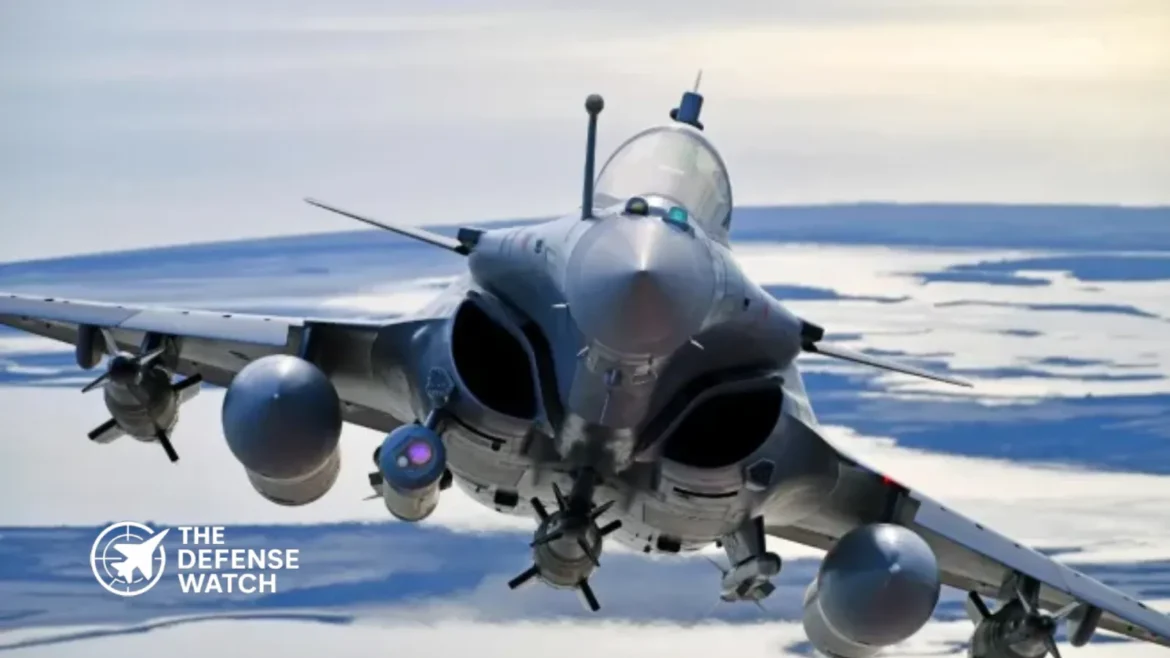
The French position is structurally different. The Rafale carries France’s airborne nuclear deterrent and must operate from Charles de Gaulle-class aircraft carriers. Paris requires a next-generation aircraft capable of both missions. Dassault’s ability to develop such an aircraft is not in serious technical doubt — Trappier asserted his company could develop the NGF independently for “well below” €50 billion.
What France cannot easily replace is the political legitimacy and industrial cost-sharing that a Franco-German program provides.
Strategic Implications: European Autonomy or American Dependence
FCAS was always as much a geopolitical statement as a procurement program. Macron framed it as proof that Europe could produce hard power without relying on Washington. A collapse would undercut that narrative at the worst possible moment — when European governments are urgently debating defense autonomy in the face of perceived U.S. withdrawal from NATO commitments.
The strategic stakes extend beyond the fighter itself. Dassault has already invested in next-generation autonomous systems, recently leading a €200 million investment in AI drone developer Harmattan AI to advance embedded autonomy for future combat systems including the Rafale F5 and its drone wingman. Dassault is developing a loyal wingman drone for the Rafale F5 standard regardless of whether FCAS continues. France, in other words, retains a credible fallback that preserves its industrial base.
Germany does not. Airbus Defence and Space has built substantial expertise in military aircraft integration, but it does not possess the end-to-end fighter design capability that Dassault has refined over seven decades. If FCAS fractures and Germany pursues a separate aircraft, Berlin will face a longer and more expensive development path — one that may ultimately steer it back toward the American market for bridging solutions.
Competitor View: Moscow and Beijing Read the Signals
Russia and China will closely monitor the FCAS outcome. A program collapse that drives Germany further into the F-35 ecosystem and leaves France developing a fighter alone would signal that European defense industrial integration remains aspirational rather than operational. This perception plays directly into narratives both Moscow and Beijing have promoted — that NATO’s European members cannot sustain independent hard power without American industrial underpinning.
From Beijing’s perspective, a fragmented European fighter market also creates long-term procurement openings. European nations that cannot afford a sixth-generation aircraft from a domestic program may turn to interim capability purchases, sustaining American market dominance and limiting Europe’s ability to develop autonomous strategic options. For Russia, FCAS failure at this moment reinforces the message that European responses to Russian aggression remain dependent on U.S. will.
Neither Moscow nor Beijing needs to act. The FCAS industrial dispute is entirely self-inflicted.
What To Watch Next
The mid-April window is now the singular focal point. Macron said France and Germany have “jointly decided to launch an initiative to bring Airbus and Dassault closer together in the coming weeks.” The mediation’s success depends on whether Airbus accepts a governance structure that preserves Dassault’s authority over the NGF while granting German industry a meaningful and clearly defined share of the work.
If a deal is reached by mid-April, the next milestone is a formal government decision on Phase 2 funding — a commitment governments have deferred multiple times since the original August 2025 deadline. Phase 2 would govern NGF full development, with a first flight of the demonstrator now targeted for 2029.
If the mediation fails, the most credible near-term scenarios are a formal two-aircraft solution — opposed by France — or a French decision to proceed with a national or alternative multinational program. Trappier has indicated Dassault could find alternative partners, though he stressed that choice belongs to French political authorities, not his company.
Capability Gap: What Failure Would Leave Unfilled
FCAS was designed to replace aircraft that will reach the end of their service lives around 2040. The Rafale and Eurofighter Typhoon are both capable fourth-generation-plus platforms, but neither was designed to operate in the threat environment projected for the 2040s — one characterized by advanced integrated air defense systems, stealth-enabled adversaries, and drone swarms. A sixth-generation aircraft with embedded AI, reduced radar cross-section, and the ability to command autonomous wingmen addresses that gap directly.
Without FCAS, France has a viable path through an evolved Rafale F5 paired with loyal wingman drones — a credible if less ambitious solution. Germany’s path is less clear. Berlin faces a harder strategic choice about whether to invest in an independent next-generation capability, accept indefinite F-35 reliance, or eventually pursue a different European partnership, potentially through the British-Italian-Japanese GCAP program that has been openly discussed as a possible destination for German interest.
The realistic limitation of any two-to-three-week resolution is that it can only address industrial governance, not the deeper divergence in French and German operational requirements that German Chancellor Merz has publicly articulated. Even a deal that survives April will need sustained political will from both capitals through years of development — a harder problem than the immediate deadline suggests.
The Bottom Line
The two-to-three-week window Dassault Aviation has given itself to find a FCAS deal is not simply a corporate negotiating tactic — it reflects a genuine program crisis that will determine whether Europe’s most ambitious defense industrial project survives or becomes the most expensive symbol of Franco-German strategic divergence since the Eurofighter era.
 ¦ KEY FACTS AT A GLANCE
- DragonFire laser weapon is scheduled for Royal Navy deployment on a Type 45 destroyer in 2027.
- System developed by MBDA UK, Leonardo UK, QinetiQ, and DSTL under a national program.
- Designed to counter drones, mortar rounds, and other aerial threats using a high energy laser.
- Two major firing trials completed in 2025 support transition toward operational readiness.
- Represents one of Europe’s earliest naval directed energy weapon deployments.
Royal Navy DragonFire Laser Weapon Advances Toward 2027 Deployment
The Royal Navy DragonFire laser weapon is progressing toward operational deployment in 2027 aboard a Type 45 destroyer, marking a key milestone in the United Kingdom’s directed energy program. The system has completed multiple firing trials and is now transitioning from experimental validation to integration on a frontline warship.
The Ministry of Defence has reiterated that the program remains on track, with contracts awarded and system development continuing under an established timeline rather than a newly accelerated schedule.
The Big Picture
Naval forces worldwide are adapting to a changing threat environment shaped by the rapid growth of unmanned systems and low cost precision weapons. Drones, loitering munitions, and saturation attacks are increasingly challenging traditional shipborne defenses.
Directed energy weapons such as the DragonFire laser represent a shift toward scalable, cost efficient interception methods. Instead of relying solely on missile based defenses, navies are exploring layered systems that combine kinetic interceptors with high energy lasers.
For NATO members, this capability contributes to broader modernization goals focused on resilience, cost control, and sustained operations in contested maritime environments.
What’s Happening
The UK government confirmed that DragonFire remains on course for Royal Navy deployment in 2027 following a written parliamentary response from Defence Minister Lord Coaker. The statement emphasized continued commitment to development, testing, production, and integration of the system.
A contract for the first two DragonFire systems was awarded to MBDA UK in November 2025. The initial installation is planned for a Type 45 destroyer, a class already central to the Royal Navy’s air defense role.
Two major firing trials conducted in 2025 demonstrated the system’s ability to track and engage aerial targets. The trials took place at established UK test ranges, supporting confidence in the transition toward operational use.
DragonFire is developed by a consortium including MBDA UK, Leonardo UK, QinetiQ, and the Defence Science and Technology Laboratory, reflecting a multi industry approach to directed energy development.
Why It Matters
The DragonFire laser weapon introduces a fundamentally different engagement model compared to conventional naval interceptors. It uses a high energy laser in the 50 kilowatt class to engage targets at the speed of light, enabling rapid response against fast moving threats.
The system’s reported low cost per shot, estimated at around £10, significantly reduces the economic burden of defending against inexpensive threats such as drones or mortar rounds. This cost advantage is particularly relevant in scenarios involving repeated or massed attacks.
From an operational standpoint, the ability to engage multiple targets without expending physical munitions enhances a ship’s endurance during extended missions. This is especially important for deployed naval forces operating far from resupply lines.
The Royal Navy DragonFire laser also represents a step toward integrating directed energy into layered defense architectures, complementing existing missile and gun systems.
Strategic Implications
The introduction of the DragonFire system strengthens the Royal Navy’s defensive posture by adding a new engagement layer against aerial threats. It improves the survivability of high value naval assets such as destroyers and aircraft carriers.
As a directed energy system, it may reduce reliance on stored missile inventories during high tempo operations. This has implications for logistics planning and sustained naval presence in contested regions.
For NATO, the deployment supports collective defense objectives by contributing to shared technological advancement. It may also inform future allied programs focused on integrating laser weapons into multi domain operations.
At the strategic level, the system enhances deterrence by complicating adversary planning. Potential opponents must now account for an additional defensive layer capable of neutralizing certain classes of threats at low cost.
Competitor View
China has publicly demonstrated ship mounted laser technologies and continues to expand its directed energy research across naval and ground platforms. The United Kingdom’s deployment of DragonFire aligns with broader global competition in this domain.
Russia has also explored laser based systems, though operational deployment on naval platforms appears less mature. Both countries are likely monitoring Western progress in integrating such systems into frontline fleets.
Regional actors with access to low cost unmanned systems may reassess their tactics in light of the increasing availability of laser based defenses. Saturation strategies could evolve to account for both kinetic and directed energy intercept layers.
What To Watch Next
The next key milestone is the integration of DragonFire onto a Type 45 destroyer, scheduled for 2027. This will mark the system’s transition from testing environments to operational naval service.
Future developments may include expanded trials at sea, evaluation under varied environmental conditions, and potential upgrades in power output or tracking capabilities.
Additional procurement decisions could follow depending on performance outcomes, with possible expansion across multiple vessels in the Royal Navy fleet.
Capability Gap
The Royal Navy DragonFire laser addresses a growing gap in defending against low cost, high volume aerial threats. Conventional missile systems remain effective but are not optimized for sustained engagements against swarms or repeated attacks.
Laser weapons provide a complementary solution, but they are not without limitations. Their effectiveness depends on line of sight and can be reduced by adverse weather conditions such as fog, rain, or atmospheric distortion.
Power generation and thermal management also impose constraints on sustained firing rates. These factors require careful integration with ship systems to ensure consistent performance during operations.
The Bottom Line
The DragonFire laser weapon’s planned deployment marks a measured but significant step in integrating directed energy into Royal Navy surface combatant operations.
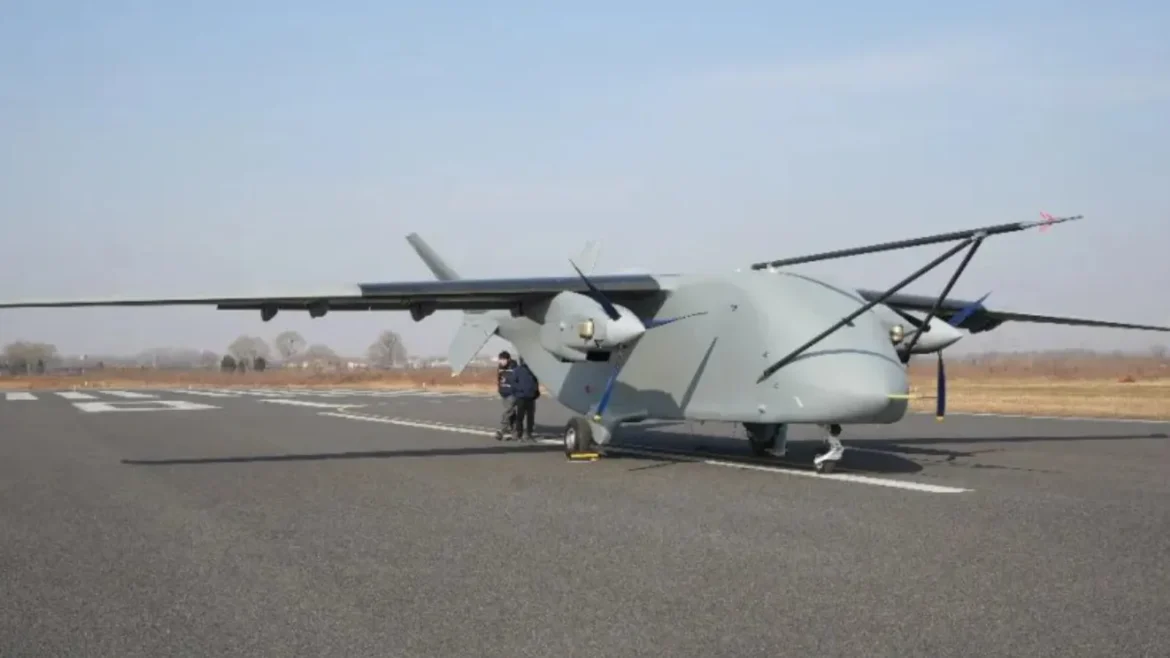
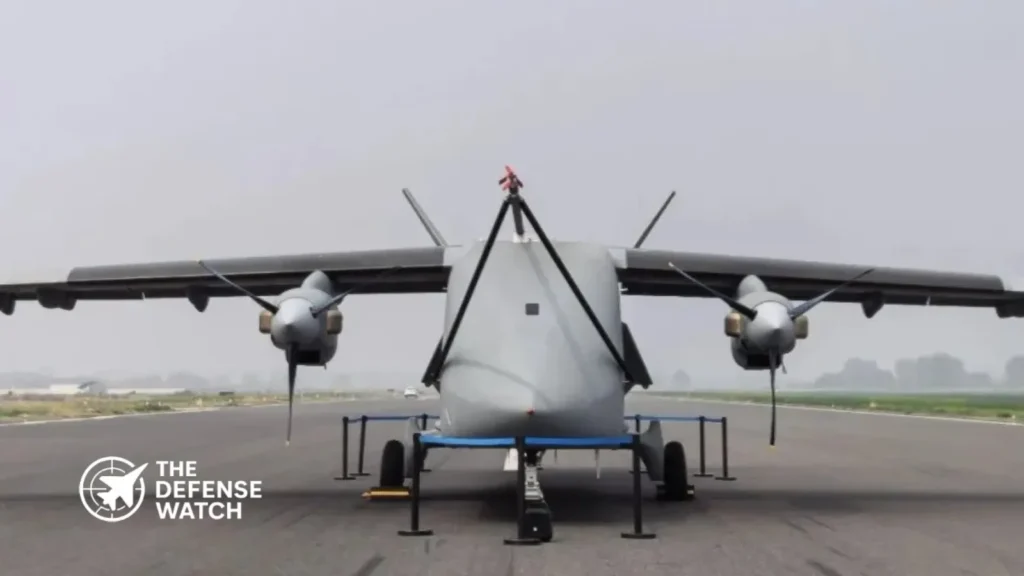
¦ KEY FACTS AT A GLANCE- China’s Changying-8 cargo UAV completed its maiden flight in Zhengzhou, Henan Province.
- The UAV has a maximum takeoff weight of 7 tonnes and a payload capacity of 3.5 tonnes.
- It features a large cargo bay with a volume of 18 cubic meters.
- The aircraft offers a range exceeding 3,000 kilometers for long-distance logistics missions.
- Designed for logistics, emergency response, and operations in remote or complex terrain.
China Changying-8 Cargo UAV Completes Maiden Flight
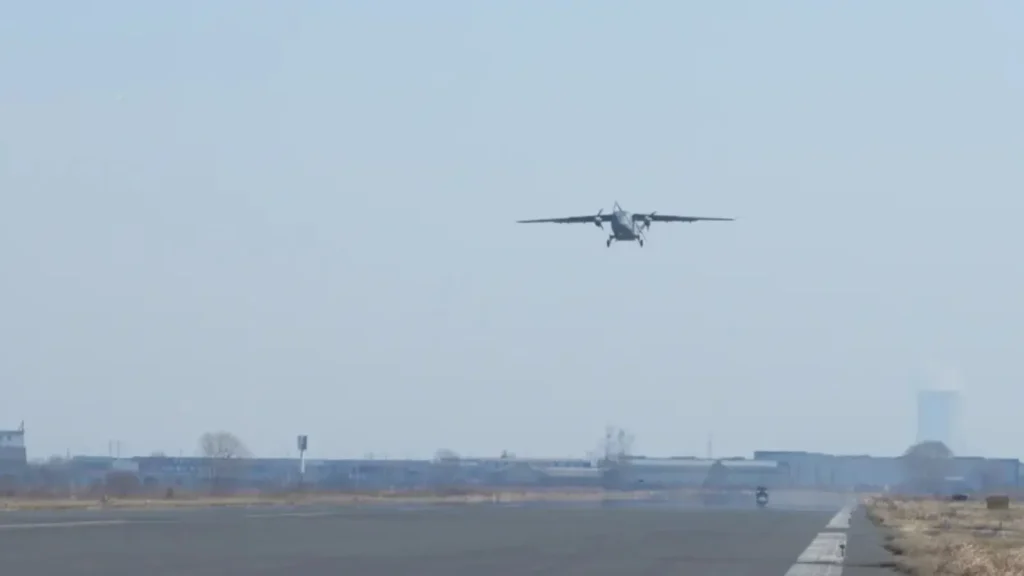
China’s Changying-8 cargo UAV has successfully completed its maiden flight, marking a notable step in the country’s push to expand unmanned logistics capabilities. The flight took place at an airport in Zhengzhou, located in central China’s Henan Province, according to official Chinese media reports.
The Changying-8 cargo UAV is classified as a 7-ton-class fixed-wing unmanned aircraft, designed primarily for heavy cargo transport across long distances. With a maximum takeoff weight of 7 tonnes and a payload capacity of 3.5 tonnes, the platform is positioned to fill a niche between smaller tactical drones and manned transport aircraft.
Designed for Long-Range, High-Volume Logistics
A key feature of the Changying-8 cargo UAV is its large internal cargo compartment, offering a volume of 18 cubic meters. This capacity enables the transport of bulky or high-volume payloads, including humanitarian supplies, military equipment, and critical logistics packages.
The UAV’s operational range exceeds 3,000 kilometers, allowing it to conduct extended missions without the need for intermediate stops. This range places it in a competitive category for regional logistics operations, particularly in areas where traditional infrastructure is limited or contested.

Chinese developers have highlighted multiple use cases for the aircraft, including long-distance logistics transport, emergency rescue delivery, and supply missions to border or remote regions. Its ability to operate in complex terrain suggests a design emphasis on flexibility and resilience.
Expanding Role of Unmanned Logistics in Military Operations
The introduction of the Changying-8 cargo UAV reflects a broader trend in military and dual-use aviation, where unmanned systems are increasingly tasked with logistics roles traditionally handled by manned aircraft.
Unmanned cargo platforms offer several operational advantages. They reduce risk to personnel, enable operations in high-threat environments, and can sustain supply chains in contested or denied areas. For military planners, this capability is especially relevant in scenarios involving dispersed forces or austere operating conditions.
China has been steadily investing in unmanned aerial systems across multiple categories, from surveillance drones to combat UAVs and now heavy-lift logistics platforms. The Changying-8 cargo UAV represents a move toward integrating unmanned systems into core logistics frameworks rather than limiting them to support roles.
Strategic Implications for Regional and Global UAV Development
The development of the Changying-8 cargo UAV highlights China’s intent to compete in the emerging market for large unmanned cargo aircraft. While several countries are exploring similar concepts, few have demonstrated operational platforms in the 7-ton-class category.
In comparison to smaller logistics drones used for last-mile delivery, systems like the Changying-8 are aimed at theater-level transport, bridging the gap between strategic airlift and tactical resupply. This could have implications for both military operations and commercial logistics, particularly in regions with challenging geography.
From a defense perspective, the ability to deliver 3.5 tonnes of cargo over 3,000 kilometers without a crew could enhance operational endurance and reduce logistical vulnerabilities. It also aligns with broader trends in autonomous systems and distributed operations.
Outlook
The successful maiden flight of the Changying-8 cargo UAV is an early milestone, and further testing will likely focus on payload integration, operational reliability, and mission flexibility. As development progresses, the platform could play a role in both civilian and military logistics networks.
Given the increasing importance of rapid and resilient supply chains, heavy-lift unmanned cargo aircraft are expected to become a key component of future aerospace and defense strategies.
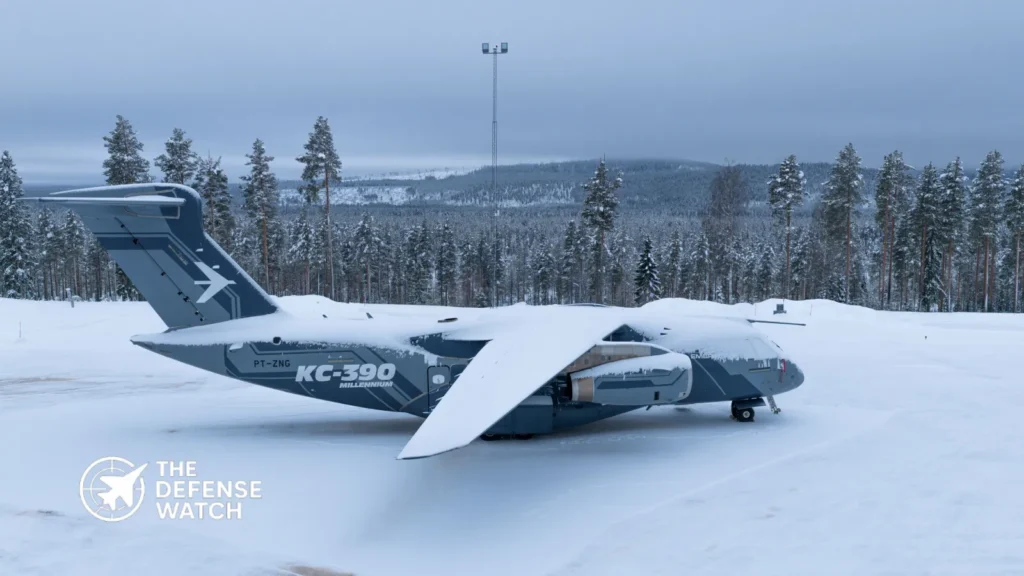
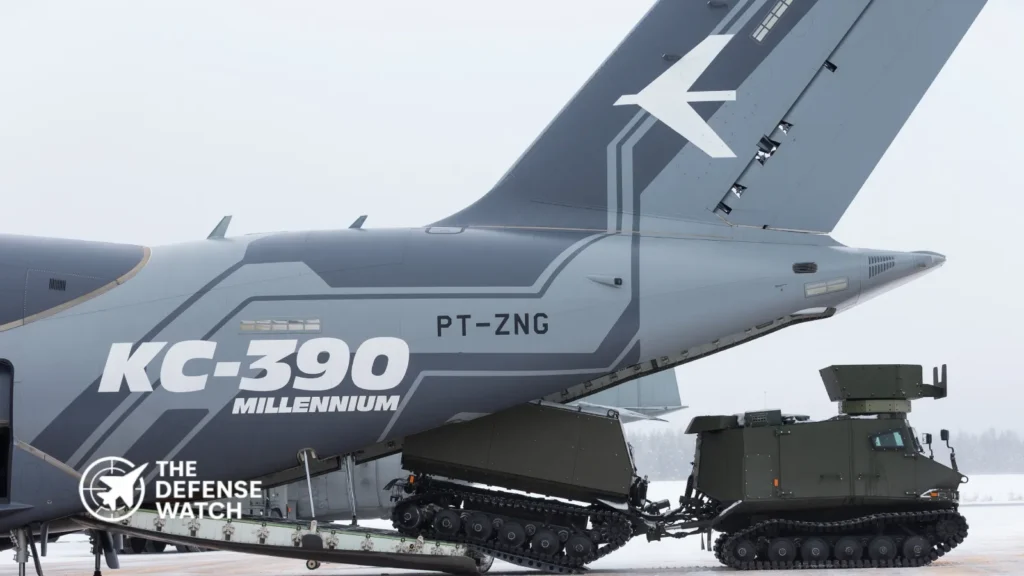
¦ KEY FACTS AT A GLANCE- Embraer KC-390 Millennium completed extreme cold weather operations in Sweden.
- Aircraft validated performance in sub-zero temperatures, including logistics and ground operations.
- Demonstration supports NATO Arctic readiness and northern European defense posture.
- Exercise conducted in partnership with Swedish Armed Forces and operational units.
- KC-390 strengthens its position against legacy tactical airlifters in extreme environments.
Embraer KC-390 Millennium Demonstrates Arctic Readiness
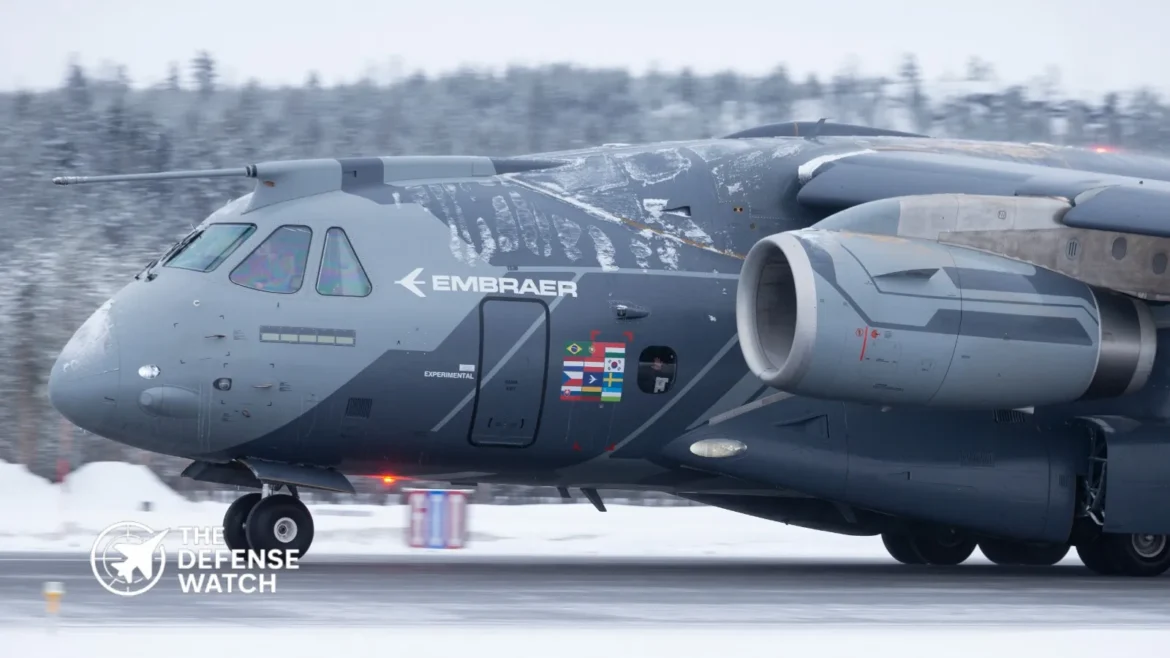
The Embraer KC-390 Millennium has successfully completed an extreme cold weather exercise in Sweden, validating its ability to operate in harsh Arctic conditions and reinforcing its role as a next-generation tactical airlifter for NATO-aligned forces.
The demonstration, confirmed by Embraer, focused on testing the aircraft’s operational performance, ground handling, and mission readiness in sub-zero environments.
The Big Picture
Arctic operations have become a central focus for NATO as northern Europe gains strategic importance amid rising tensions with Russia. Harsh climates, limited infrastructure, and extended distances demand highly capable airlift platforms.
Modern military logistics increasingly depend on aircraft that can operate without extensive ground support. This includes rapid deployment, austere airfield operations, and resilience in extreme weather.
The KC-390 Millennium enters this environment as a competitor to legacy platforms such as the C-130, offering jet-powered speed, modern avionics, and multi-mission flexibility.
What’s Happening
The exercise took place in Sweden in coordination with the Swedish Armed Forces, where the KC-390 Millennium conducted operations under extreme cold conditions.
Embraer confirmed that the aircraft performed a range of tasks, including:
- Ground operations in freezing temperatures
- Engine start and system checks in cold weather
- Logistics and transport missions under Arctic conditions
The trials validated the aircraft’s ability to maintain operational readiness without degradation in performance, a critical requirement for northern deployments..
Image : Embraer Sweden, which has moved closer to NATO integration, offers a relevant operational environment for testing due to its Arctic climate and strategic geography.
Why It Matters
Cold weather performance directly impacts operational reliability in northern theaters. Aircraft that fail to start, sustain systems, or maintain sortie rates in freezing conditions can disrupt entire logistics chains.
The KC-390 Millennium’s success demonstrates:
- Reliable engine performance in sub-zero temperatures
- Effective onboard systems under environmental stress
- Reduced dependency on specialized ground infrastructure
These factors translate into higher sortie generation rates and improved mission availability during winter operations.
For NATO-aligned air forces, this reduces logistical risk in high-latitude deployments and strengthens rapid response capability.
Strategic Implications
The Arctic is becoming a contested operational domain. NATO’s northern flank requires platforms capable of sustaining operations across Norway, Sweden, Finland, and the Baltic region.
The KC-390’s performance supports:
- Enhanced mobility across dispersed bases
- Rapid reinforcement of forward units
- Sustained logistics under extreme weather
The aircraft’s jet propulsion provides faster response times compared to turboprop alternatives, which can be decisive in time-sensitive missions such as troop deployment or humanitarian relief.
This capability aligns with broader NATO efforts to improve readiness and mobility across Europe’s northern corridor.
Competitor View
Russia has long maintained Arctic operational experience, with established infrastructure and specialized equipment designed for cold environments.
A proven Western airlifter capable of matching these conditions signals a narrowing capability gap.
Image : Embraer China, while less directly involved in Arctic operations, has declared itself a “near-Arctic state” and continues to monitor developments in polar logistics and access routes.
For both competitors, improved NATO airlift capability in extreme climates reinforces alliance resilience and complicates operational planning.
What To Watch Next
Future developments to monitor include:
- Additional cold weather certifications for the KC-390
- Expanded deployments with European operators
- Integration into NATO logistics frameworks
- Procurement decisions by additional countries seeking Arctic-capable airlift
Countries in northern and eastern Europe are likely to assess performance data from these trials as they modernize their air transport fleets.
Capability Gap
Legacy tactical airlifters often face limitations in speed, payload efficiency, and system resilience under extreme conditions.
The KC-390 Millennium aims to address:
- Slower deployment times associated with turboprop aircraft
- Maintenance challenges in freezing environments
- Limited interoperability with modern digital logistics systems
However, limitations remain. The KC-390’s operational footprint, support ecosystem, and long-term sustainment costs will influence adoption rates compared to established platforms.
Air forces must balance performance gains with logistics, training, and infrastructure considerations.
The Bottom Line
The KC-390 Millennium’s successful Arctic exercise in Sweden confirms its growing role as a high-performance airlifter capable of strengthening NATO readiness in extreme environments.