Executive Summary:
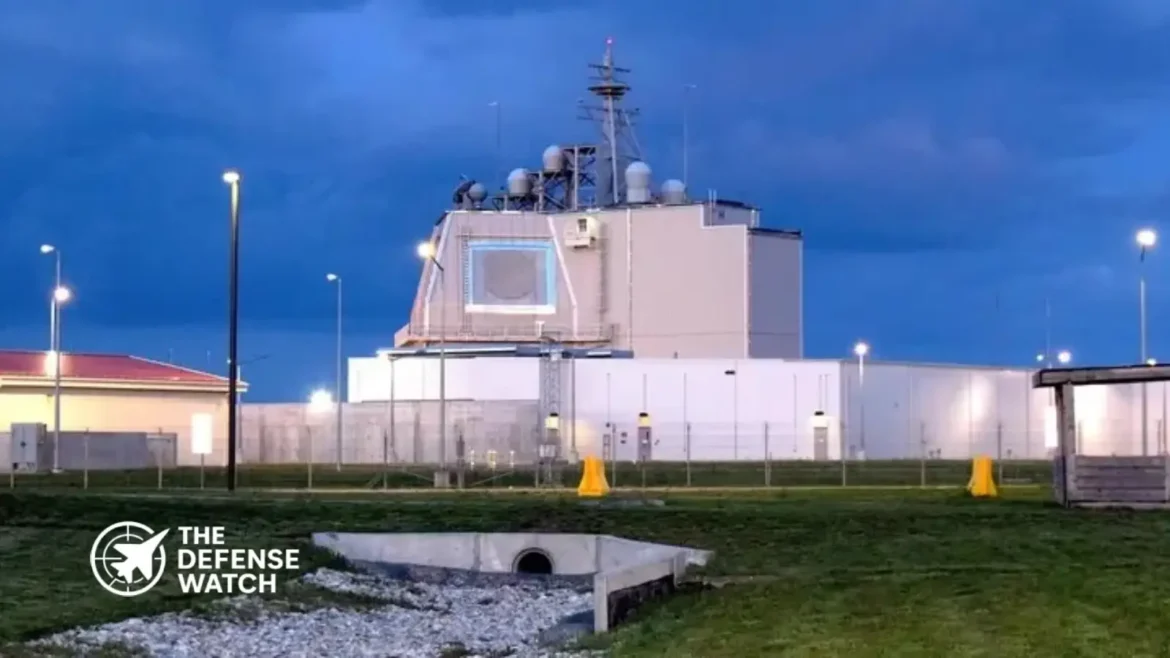
The U.S. Department of Defense has extended Lockheed Martin’s contract supporting the Guam Aegis Ashore missile defense system, reinforcing Washington’s broader Indo-Pacific defense posture. The effort is aimed at strengthening protection for critical U.S. military infrastructure on Guam against evolving regional missile threats.
Lockheed Martin Contract Reinforces Guam Missile Defense Network
The Guam Aegis Ashore missile defense system remains a central component of the United States’ evolving missile defense architecture in the Indo-Pacific region. The U.S. Department of Defense has extended Lockheed Martin’s contract tied to the development and integration of the Guam Defense System, according to reporting from European defense industry sources.
The contract extension supports continued engineering, integration, and system development work associated with the island’s layered missile defense network. Guam is considered strategically vital due to its role as a forward-operating hub for U.S. military forces across the Pacific.
The project is managed through the U.S. Missile Defense Agency (MDA) in coordination with the U.S. Navy and other defense stakeholders.
Guam’s Strategic Importance Continues To Grow
Guam has become increasingly important in U.S. defense planning as tensions continue to shape the Indo-Pacific security environment. The island hosts major American military facilities, including Andersen Air Force Base and Naval Base Guam, both considered critical logistical and operational nodes.
The Guam Aegis Ashore missile defense system is designed to provide persistent defense against ballistic, hypersonic, and cruise missile threats. The system is expected to integrate sensors, interceptors, command-and-control networks, and vertical launch systems into a layered defensive shield.
U.S. defense officials have repeatedly identified Guam as a potential target in any future high-end regional conflict scenario. As a result, protecting the territory has become a priority under broader American force posture initiatives in the Pacific.
Lockheed Martin’s Role In The Program
Lockheed Martin is responsible for core combat system integration work linked to the Guam defense effort. The company’s expertise with the Aegis combat system architecture positions it as a key industry partner for the project.
The extension reportedly covers continued software integration, system engineering, and operational support tied to the evolving Guam defense architecture. While full financial details were not publicly disclosed in the original reporting, the contract demonstrates continued Pentagon investment in regional missile defense modernization.
The Guam system is expected to leverage technologies derived from the U.S. Navy’s Aegis Ballistic Missile Defense ecosystem already deployed aboard destroyers and cruisers.
Layered Missile Defense Becomes Pentagon Priority
The Guam Aegis Ashore missile defense system reflects a broader Pentagon shift toward integrated and layered regional defense concepts. U.S. military planners are increasingly focused on defending fixed bases and forward-deployed assets from multi-domain missile threats.
Unlike traditional silo-based missile defense systems, the Guam architecture is intended to operate as a distributed network capable of responding to different classes of incoming threats simultaneously.
The Pentagon has accelerated investment in missile warning systems, interceptor technologies, and integrated command-and-control platforms as part of this strategy.
Defense analysts note that Guam’s defense network could eventually serve as a model for future regional missile defense deployments across allied territories and forward operating locations.
Indo-Pacific Security Environment Driving Modernization
The continued expansion of missile capabilities across the Indo-Pacific has intensified U.S. efforts to harden regional military infrastructure. American defense officials have emphasized the need for resilient air and missile defense systems capable of operating in contested environments.
The Guam Aegis Ashore missile defense system is also aligned with broader U.S. efforts to improve joint interoperability between the Navy, Army, Air Force, and Missile Defense Agency.
In recent years, the United States has increased defense cooperation with regional allies while simultaneously modernizing its own Pacific force posture. Guam’s location allows rapid access to East Asia and the Western Pacific, making it one of the most strategically significant U.S. territories in the region.
Broader Implications For U.S. Defense Strategy
The Pentagon’s continued investment in Guam underscores Washington’s long-term focus on Indo-Pacific deterrence. Beyond protecting military infrastructure, the system contributes to maintaining operational continuity during potential regional crises.
The contract extension also highlights how large-scale missile defense projects are increasingly dependent on integrated partnerships between the Department of Defense and major defense contractors.
As missile threats evolve in speed, range, and maneuverability, U.S. defense planners are prioritizing systems capable of adapting to future operational demands. Guam’s layered defense architecture is expected to remain one of the Pentagon’s highest-profile missile defense initiatives over the coming decade.
Executive Summary:
Raytheon has secured a contract to provide SeaRAM missile defense systems for Australia’s future Improved Mogami-class frigates. The deal strengthens the Royal Australian Navy’s close-in defense capability as regional naval competition and missile threats continue to rise across the Indo-Pacific.
Raytheon SeaRAM Contract Strengthens Australia’s Future Frigate Fleet
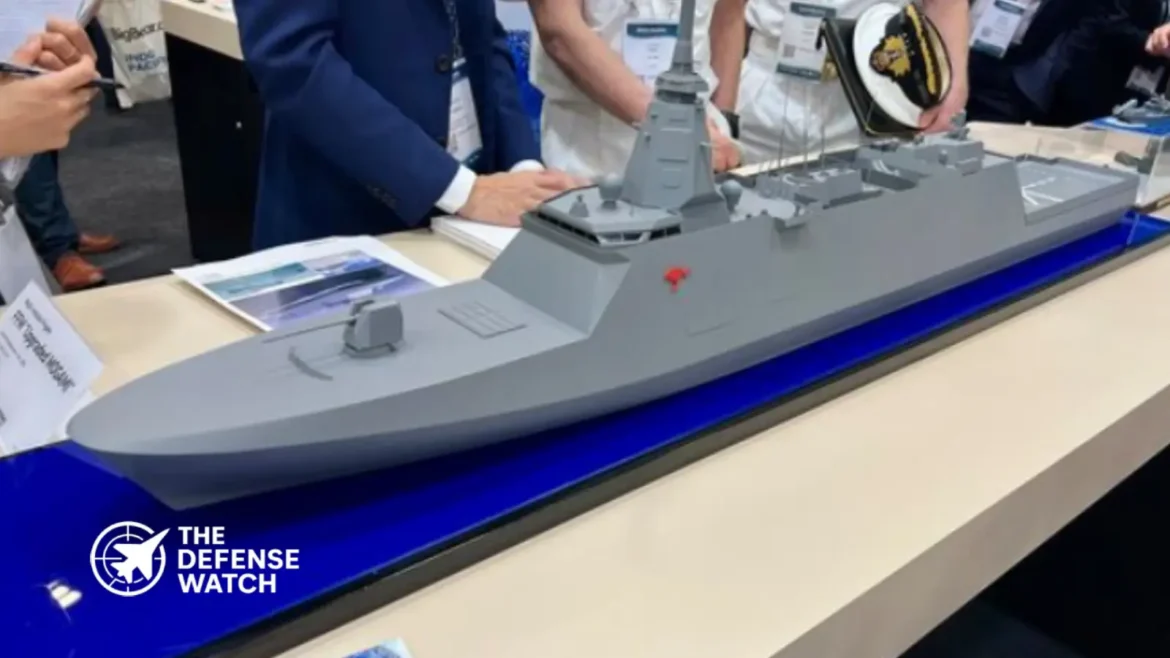
The Raytheon SeaRAM contract for Australia’s Improved Mogami frigates marks another major step in Canberra’s ongoing naval modernization strategy. The agreement will see the advanced close-in weapon system integrated onto Australia’s planned fleet of upgraded Mogami-class frigates, enhancing ship survivability against anti-ship missiles, drones, and other airborne threats.
The SeaRAM system will form part of the defensive suite for the vessels selected under Australia’s SEA 3000 General Purpose Frigate program.
The Improved Mogami-class design is based on the Japanese frigate developed by Mitsubishi Heavy Industries for the Japan Maritime Self-Defense Force. Australia selected the upgraded Japanese design in 2025 as part of efforts to rapidly expand and modernize the surface combatant fleet.
SeaRAM Expands Layered Naval Missile Defense
The RTX Corporation SeaRAM system combines the sensor and tracking architecture of the Phalanx Close-In Weapon System with the Rolling Airframe Missile interceptor. The system is designed to provide a final defensive layer against incoming anti-ship missiles and low-flying aerial threats.
SeaRAM has seen growing adoption among allied navies due to the increasing prevalence of precision-guided weapons, loitering munitions, and unmanned systems in modern naval warfare.
The system offers several operational advantages for Australia’s future frigates:
- Rapid autonomous threat detection and engagement
- Reduced crew workload through automated targeting
- Compatibility with modern combat management systems
- Capability against saturation missile attacks and drones
The Royal Australian Navy is seeking greater layered air defense capability as regional maritime threats become more complex. The Indo-Pacific theater has witnessed rapid expansion in long-range missile inventories, particularly among major regional powers.
Australia Accelerates Naval Modernization Efforts
Australia’s selection of the Improved Mogami frigate reflects a broader defense strategy focused on distributed lethality, fleet survivability, and rapid force expansion.
Canberra has placed increased emphasis on maritime security following growing geopolitical competition across the Indo-Pacific. The Royal Australian Navy is expected to operate the new frigates alongside Hobart-class destroyers and future nuclear-powered submarines under the AUKUS security partnership.
The Improved Mogami-class frigates are expected to feature:
- Advanced radar and sensor suites
- Anti-submarine warfare capabilities
- Vertical launch missile systems
- Reduced radar signature design features
- Enhanced interoperability with allied forces
The addition of SeaRAM strengthens close-range ship defense, particularly against high-speed anti-ship missiles that can evade longer-range interceptors.
Defense analysts note that recent naval conflicts and Red Sea maritime attacks have reinforced the importance of layered ship protection systems. The widespread use of drones and anti-ship cruise missiles has forced many navies to reassess close-in defensive capabilities.
Strategic Importance In The Indo-Pacific
The SeaRAM contract also highlights expanding defense cooperation between Australia, Japan, and the United States.
Australia’s decision to adopt a Japanese frigate design represents a significant strategic development in regional defense industrial collaboration. It also aligns with efforts by allied nations to improve interoperability amid growing security concerns in the Pacific.
For Raytheon, the agreement further expands SeaRAM’s international customer base. The system is already deployed aboard U.S. Navy vessels and multiple allied warships worldwide.
The deal underscores how missile defense systems are becoming central to modern naval procurement strategies. Surface combatants increasingly require integrated protection against diverse threats ranging from supersonic missiles to low-cost unmanned aerial systems.
As Australia continues to reshape its maritime force structure, the Improved Mogami frigates are expected to play a key role in regional patrol, escort, and deterrence missions.
Growing Demand For Naval Defensive Systems
The Raytheon SeaRAM contract reflects broader global demand for shipborne missile defense systems amid evolving naval warfare trends.
Modern warships face increasingly compressed engagement timelines due to faster missiles, networked targeting systems, and swarm drone attacks. Close-in defense systems such as SeaRAM are now viewed as essential rather than optional capabilities for frontline naval platforms.
Australia’s frigate modernization effort comes at a time when Indo-Pacific navies are investing heavily in survivability upgrades, electronic warfare systems, and integrated air defense architectures.
The Improved Mogami program is expected to contribute significantly to Australia’s future maritime deterrence posture while reinforcing trilateral defense cooperation among key regional allies.
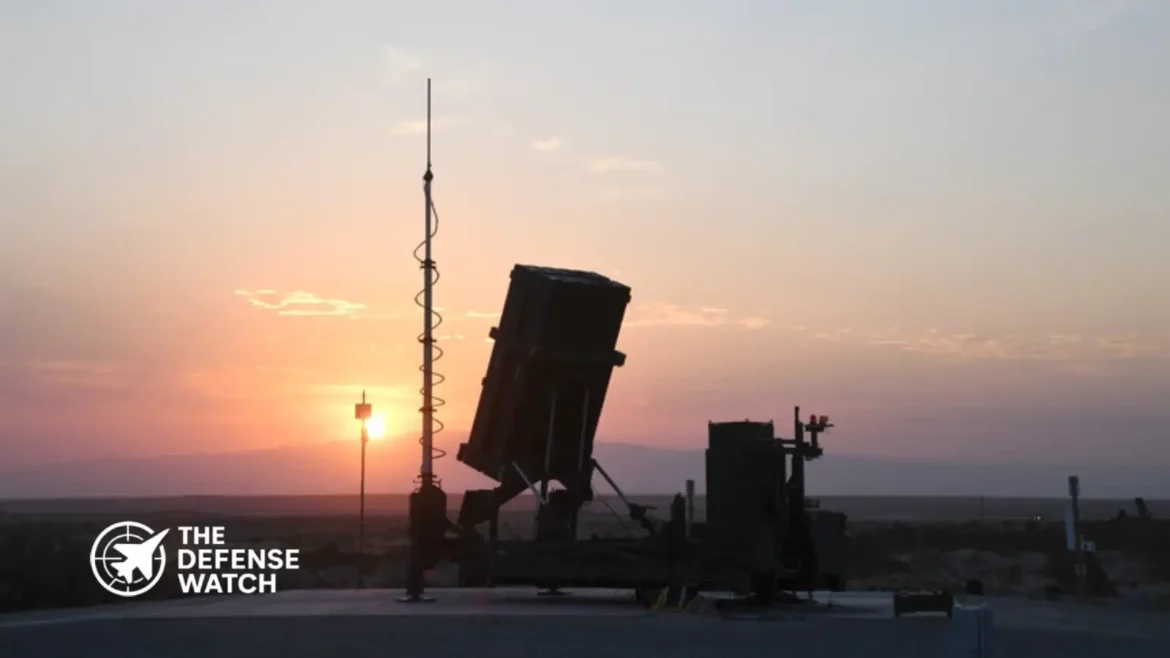
(adsbygoogle = window.adsbygoogle || []).push({});Executive Summary: On May 11, 2026, Rafael Advanced Defense Systems chairman Yuval Steinitz publicly confirmed that Israel’s Iron Dome missile defense system achieved an interception rate of approximately 98–99% against rockets fired by Hamas and Hezbollah since the October 2023 Hamas attack. Speaking at a Jerusalem security conference, Steinitz also disclosed that Iran fired roughly 1,500 ballistic missiles at Israel across two separate escalations since 2024, with only “several dozens” reaching their targets. The disclosure offers the most authoritative public accounting of Iron Dome’s wartime performance to date — and carries direct implications for U.S. defense planning and allied air defense procurement.
Iron Dome’s Near-Perfect Record: Rafael Chairman Puts Numbers on the System’s Wartime Performance
In the fog of an ongoing multi-front conflict, hard performance data from active defense systems is rare. On May 11, 2026, that changed. Yuval Steinitz, chairman of state-owned Israeli defense company Rafael Advanced Defense Systems — the manufacturer of the Iron Dome missile defense system — publicly disclosed a near-complete battlefield accounting of the system’s performance since October 2023.
Speaking at a conference hosted by the Jerusalem Center for Security and Foreign Affairs, Steinitz confirmed that since the Hamas raid of October 7, 2023, Hamas in Gaza and Hezbollah in Lebanon have collectively launched approximately 40,000 rockets toward Israel — and that Iron Dome intercepted the vast majority of them at a success rate of “around 98%, even 99%.
“It’s not perfect, but almost,” Steinitz said, according to Reuters.
That single figure — 99% — is not marketing language. Coming from the chairman of the system’s state-owned manufacturer, it represents the most authoritative public benchmark released on Iron Dome’s sustained combat performance across a multi-year, multi-front war.
What the Numbers Actually Mean
To understand the operational weight of a 99% intercept rate, consider the scale: 40,000 rockets fired by Hamas and Hezbollah since October 2023. A 1% failure rate across that volume still means roughly 400 projectiles were not intercepted. That number, while significant in human terms, represents an extraordinary outcome for any missile defense system operating under sustained, high-tempo saturation conditions.

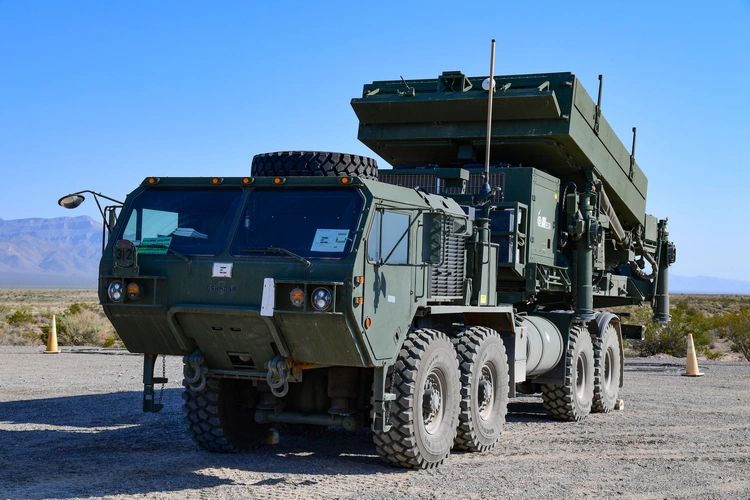
Iron Dome is optimized for short-range threats — including unguided rockets, artillery shells, mortars, drones, and low-flying aircraft — precisely the categories of weapons used most extensively by Hamas and Hezbollah. The system’s architecture is purpose-built for this threat environment, and the performance data now confirms it is delivering at or near its theoretical maximum.
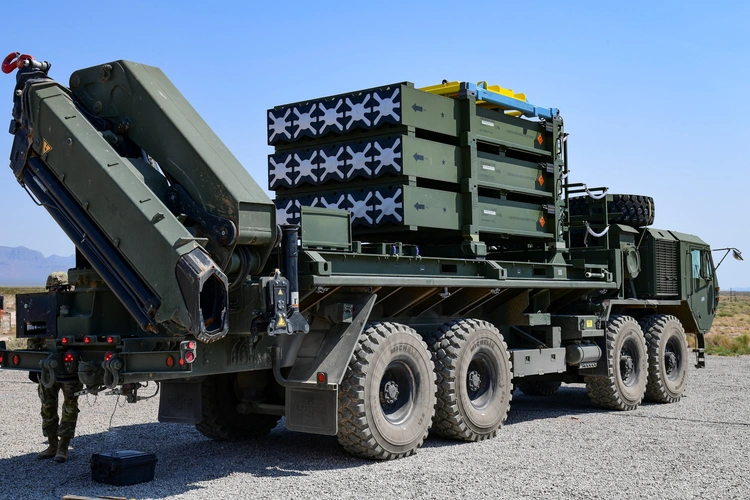
(adsbygoogle = window.adsbygoogle || []).push({});Rafael also confirmed there is no shortage of Tamir interceptor missiles — the munitions Iron Dome fires — despite a sustained high operational tempo across multiple active fronts. That supply-chain assurance is itself strategically significant, dispelling earlier concerns about interceptor depletion during extended conflict cycles.
Iran’s Ballistic Missile Campaigns: A Different Challenge
The Iran threat picture tells a more complex story. Steinitz disclosed that Iran has fired approximately 1,500 ballistic missiles at Israel across two rounds of direct military confrontation since 2024, with only “several dozens” not intercepted.
This outcome, however, was not Iron Dome’s achievement alone. Arrow — Israel’s highest-tier air defense layer, developed in cooperation with the U.S. Missile Defense Agency over more than four decades — is specifically designed to intercept ballistic threats at exo-atmospheric and upper-atmospheric altitudes, defending Israel against long-range strategic threats. Israel’s Ministry of Defense has separately confirmed that Arrow proved its capabilities by successfully intercepting numerous ballistic missiles launched from both Iran and Yemen.
Iron Dome, alongside David’s Sling, Arrow 3, and the newly operational Iron Beam laser system, forms a tiered national air defense architecture. During Iran’s direct ballistic missile campaigns, longer-range threats were primarily handled by Arrow 3 and David’s Sling, while Iron Dome focused on the short-range rocket threat from Hezbollah and Iranian proxies. AJC
Israel’s Layered Defense: Architecture Built for Volume
The layered structure of Israeli air defense is not incidental — it is the product of decades of iterative development shaped by real combat experience.
Iron Dome was developed by Rafael Advanced Defense Systems and the Israeli Ministry of Defense, with significant U.S. funding, and operates as part of Israel’s layered air defense network alongside Iron Beam (laser air defense), David’s Sling (medium-range threats), and Arrow (long-range ballistic missile defense).
Rafael Advanced Defense Systems produces both Iron Dome and David’s Sling, while Israel Aerospace Industries serves as the main contractor for the Arrow system. Israel’s multi-layered defenses now also include a laser air defense system, also produced by Rafael, which was supplied to the Israel Defense Forces in December 2025.
(adsbygoogle = window.adsbygoogle || []).push({});This integration is the key insight often lost in single-system performance discussions. No single platform accounts for the 99% figure Steinitz cited in isolation — the full architecture, functioning as a coordinated network, is what produces near-total coverage.
The U.S. Stake: Funding, Technology, and Strategic Interest
American policymakers and defense planners have a direct and material stake in these performance figures. Iron Dome was developed by Rafael Advanced Defense Systems and Israel Aerospace Industries with significant funding and technology sharing from the United States. The financial relationship between Washington and the Iron Dome program spans more than a decade of Congressional appropriations.
Systems such as Iron Dome, David’s Sling, and Arrow are jointly developed by Israel and the United States, with American companies working alongside Israeli firms to produce the interceptors. Even though the systems are Israeli, they incorporate substantial U.S. technology.
(adsbygoogle = window.adsbygoogle || []).push({});The FY2026 National Defense Authorization Act authorizes procurement of the Iron Dome short-range rocket defense system, the David’s Sling Weapon System, and the Arrow 3 Upper Tier Interceptor Program, reflecting continued Congressional commitment to the joint defense architecture.
For U.S. defense planners assessing homeland missile defense requirements — particularly as adversaries like China, Russia, North Korea, and Iran expand their long-range strike inventories — the Israeli experience offers the most relevant real-world data available on layered air defense performance under sustained combat conditions.
Analytical Context: What the 99% Figure Doesn’t Capture
Steinitz’s disclosure, while significant, does not exist in an analytical vacuum. Defense analysts have noted that saturation attack tactics — in which adversaries fire large simultaneous salvos to overwhelm defense systems — remain a persistent vulnerability that high intercept rates alone do not address.
Additionally, the 99% figure applies specifically to Iron Dome’s performance against short-range, unguided rockets — the system’s designed threat category. Precision-guided munitions, hypersonic glide vehicles, and multi-warhead ballistic missiles present fundamentally different interception challenges that require higher-tier systems and present greater difficulty even for advanced radar and fire-control architectures.
There is also the issue of physical vulnerability. Hezbollah drones have physically destroyed Iron Dome launchers on the ground, exposing a dimension of the system’s survivability that intercept rate statistics do not capture. Protecting the launchers themselves — not just the interceptors — is an operational requirement that the 99% figure does not address.
Global Implications: The Export Conversation
Iron Dome’s confirmed battlefield record at scale will accelerate existing international interest in the platform. The system has attracted international attention from countries including the United Kingdom, Romania, Turkey, South Korea, Canada, and the United States.
For allied nations facing short-range rocket threats — from state proxies in the Middle East to North Korean artillery systems in East Asia — the real-world performance data now available from Israel’s sustained multi-front conflict provides a procurement-grade evidence base that no test program could replicate.
Bottom Line
The Iron Dome missile defense system has now logged more sustained, high-tempo combat data against real adversaries than any comparable platform in history. Rafael chairman Yuval Steinitz’s May 11 disclosure puts the intercept rate at 98–99% against roughly 40,000 rockets, and confirms that interceptor supply constraints did not materialize despite years of active engagement.
For U.S. defense stakeholders — from Capitol Hill appropriators to Pacific Command planners — these are not merely Israeli numbers. They are the most current, credible benchmark available for what a layered, well-resourced air defense architecture can realistically achieve in sustained combat. The conversation about what that means for American missile defense investment has only begun.

Executive Summary:
RTX Corporation subsidiary Raytheon has been selected to provide SeaRAM self-defense missile systems for Australia’s future Mogami-class frigates. The deal strengthens the Royal Australian Navy’s close-in air defense capability amid rising regional maritime security challenges in the Indo-Pacific.
The RTX Corporation SeaRAM system is set to become a core defensive component aboard Australia’s future Mogami-class frigates, reinforcing the Royal Australian Navy’s layered naval air defense architecture. The selection reflects Canberra’s continued investment in survivable surface combatants capable of operating in increasingly contested maritime environments across the Indo-Pacific.
Raytheon will provide the SeaRAM close-in weapon systems for the new frigates being developed under Australia’s broader naval modernization effort. The move comes as regional navies place greater emphasis on defending ships against anti-ship cruise missiles, drones, and saturation attacks.
Australia Expands Naval Self-Defense Capabilities
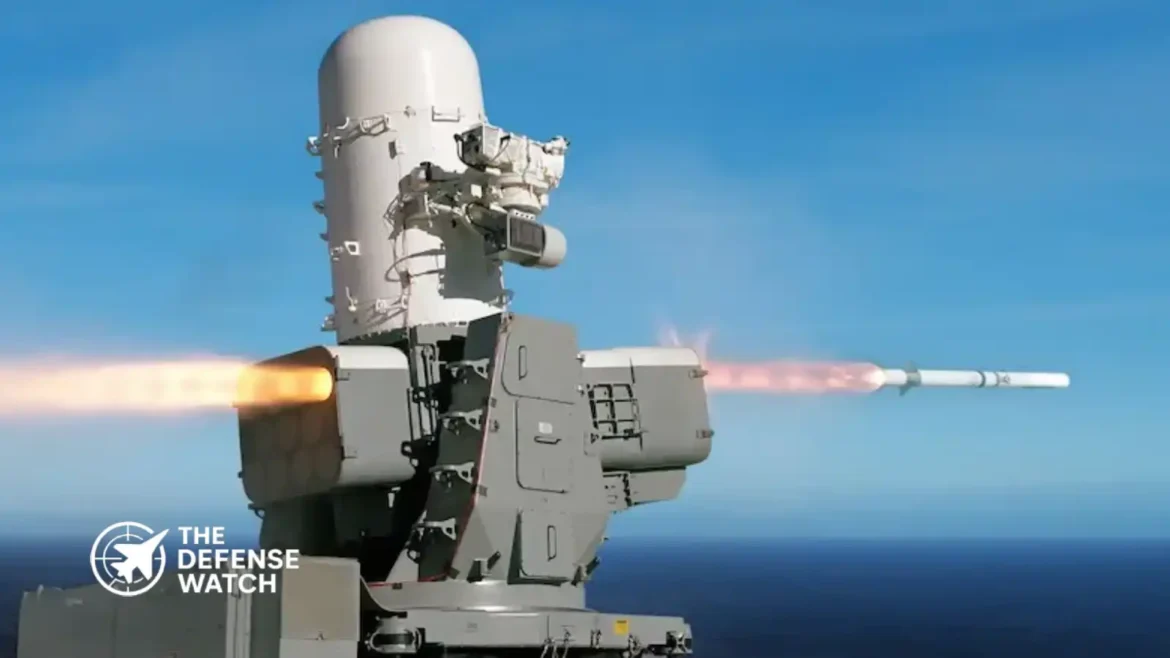
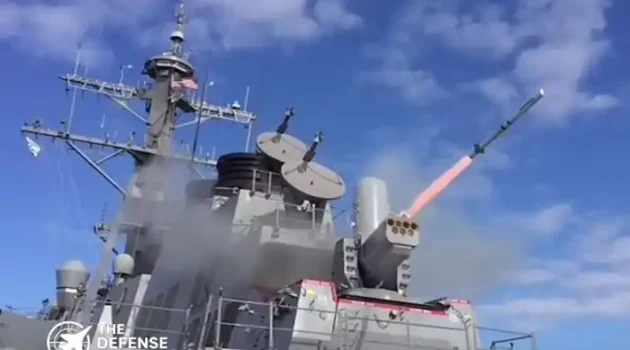
The SeaRAM system combines the combat-proven Phalanx radar and sensor suite with the Rolling Airframe Missile interceptor, creating an autonomous ship self-defense weapon designed to counter high-speed aerial threats at short range.
RTX Corporation has marketed SeaRAM as a rapid-response defensive solution capable of engaging anti-ship missiles, helicopters, unmanned aerial systems, and other airborne threats in complex naval combat environments.
Australia selected Japan’s Mogami-class frigate design in 2025 as part of its SEA 3000 general-purpose frigate program. The ships are expected to complement the Royal Australian Navy’s larger Hobart-class destroyers and Hunter-class frigates while providing enhanced operational flexibility and reduced crew requirements.
The integration of SeaRAM adds another layer to the vessels’ survivability profile, particularly in high-threat maritime regions where anti-ship missile proliferation continues to accelerate.
SeaRAM’s Operational Role
SeaRAM has become increasingly attractive for navies seeking compact, autonomous close-in defense systems with lower integration complexity than larger vertical launch systems.
The system uses an 11-missile launcher equipped with RIM-116 Rolling Airframe Missiles and leverages the Phalanx weapon system’s tracking and targeting sensors. Unlike gun-based close-in weapon systems alone, SeaRAM provides an extended engagement envelope against maneuvering threats.
The system is already deployed by the U.S. Navy aboard aircraft carriers, amphibious ships, and other surface combatants. Several allied navies, including those of Germany, South Korea, Qatar, and Egypt, also operate the platform.
For Australia, the addition of SeaRAM aligns with broader efforts to improve fleet survivability as regional military modernization accelerates across the Indo-Pacific theater.
Strategic Importance In The Indo-Pacific
Australia’s naval modernization strategy has increasingly focused on distributed lethality, fleet resilience, and interoperability with allied forces, particularly the United States and Japan.
The decision to equip the Mogami-class frigates with SeaRAM highlights Canberra’s emphasis on layered air and missile defense at a time when anti-ship missile threats are expanding in both sophistication and range.
Regional security concerns have intensified due to growing military competition in the South China Sea and broader Indo-Pacific maritime corridors. Modern naval operations now require warships to defend against simultaneous threats from missiles, drones, and electronic warfare systems.
SeaRAM’s autonomous targeting capability may provide Australian vessels with faster reaction times during saturation attacks, especially in contested electromagnetic environments where reaction windows are limited.
The system also strengthens interoperability with U.S. naval platforms, an increasingly important factor as Australia deepens defense cooperation under frameworks such as AUKUS and expanded regional maritime partnerships.
Raytheon’s Broader Naval Defense Portfolio
The SeaRAM selection further reinforces RTX Corporation position in the global naval missile defense market. The company continues to supply a range of naval air defense systems, including the Standard Missile family, ESSM interceptors, and the Phalanx Close-In Weapon System.
Demand for shipborne missile defense systems has risen sharply in recent years as naval forces adapt to lessons emerging from conflicts involving drone warfare and long-range precision strike capabilities.
Australia’s investment in modern frigates equipped with advanced self-defense systems reflects a wider trend among allied navies seeking improved survivability without significantly increasing ship size or crew burden.
Conclusion
Australia’s decision to equip its future Mogami-class frigates with SeaRAM systems marks another step in the Royal Australian Navy’s modernization strategy focused on survivability and regional deterrence. As Indo-Pacific maritime competition intensifies, close-in naval defense systems are becoming increasingly central to surface fleet operations.
The SeaRAM integration provides Australia with a proven, combat-tested capability designed to counter evolving airborne threats while strengthening interoperability with allied naval forces operating across the region.
Executive Summary:
Lithuania has officially unveiled its first HIMARS launchers, marking a major step in the country’s military modernization program and NATO’s regional deterrence posture. The acquisition strengthens Lithuania’s long-range precision strike capability amid continued security concerns along NATO’s eastern flank.
Lithuania HIMARS Launchers Mark Major Capability Upgrade
Lithuania HIMARS launchers have officially entered public view for the first time, signaling a significant enhancement of the Baltic nation’s long-range strike and deterrence capabilities.
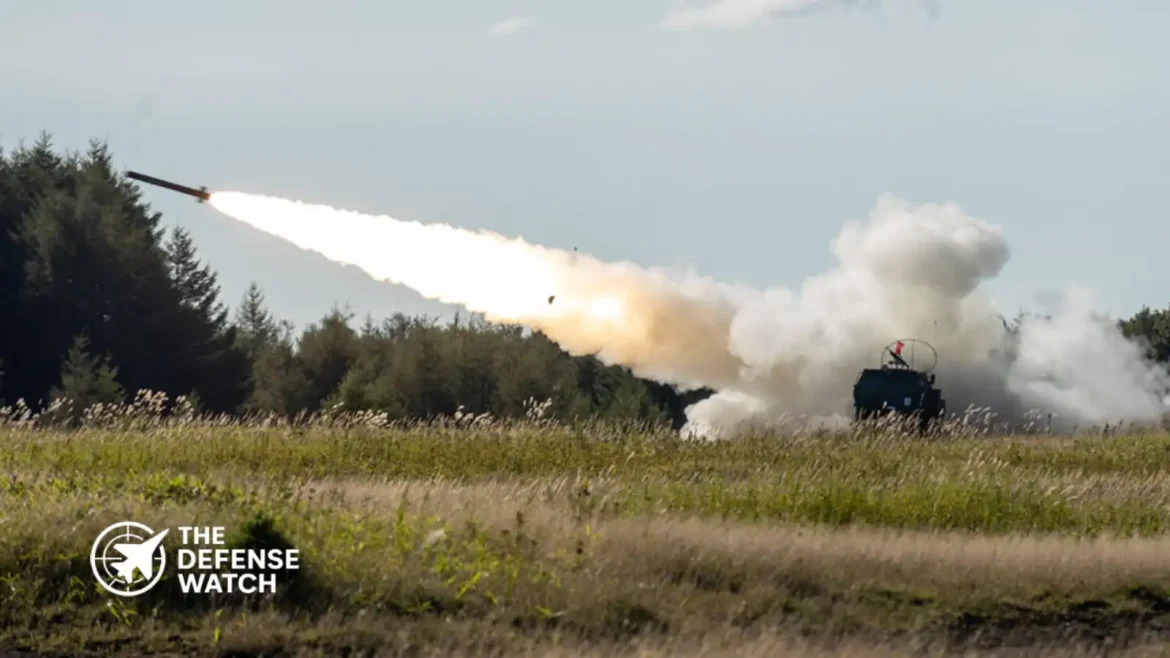
Lithuania presented its first M142 High Mobility Artillery Rocket Systems (HIMARS) as part of an ongoing defense modernization effort coordinated closely with the United States and NATO allies.
The systems were acquired through a Foreign Military Sales agreement approved by the United States in 2022. The package includes launchers, munitions, logistical support, and training. The procurement reflects Lithuania’s accelerated investment in advanced artillery and precision strike systems following heightened regional tensions in Eastern Europe.
The M142 HIMARS, produced by Lockheed Martin, is one of the most combat-proven mobile rocket artillery systems currently in service among NATO members. Mounted on a wheeled chassis, the platform provides rapid deployment capability while maintaining operational flexibility across dispersed battlefields.
Long-Range Strike Capability Expands
The arrival of Lithuania HIMARS launchers gives the Lithuanian Armed Forces a substantially expanded precision engagement range compared with legacy artillery systems.
HIMARS can fire Guided Multiple Launch Rocket System (GMLRS) munitions and, depending on configuration and authorization, longer-range missiles such as the Army Tactical Missile System (ATACMS). The launcher is designed for rapid shoot-and-scoot operations, reducing vulnerability to counterbattery fire.
Lithuania joins a growing list of European NATO states fielding HIMARS systems. Poland, Romania, and other alliance members have also expanded rocket artillery procurement programs in response to evolving regional security concerns.
The deployment reflects a wider NATO emphasis on distributed fires, rapid maneuver, and long-range precision strike capabilities. Military planners increasingly view these systems as critical for deterrence and operational flexibility on the alliance’s eastern flank.
NATO’s Eastern Flank Continues To Reinforce
Lithuania has steadily increased defense spending and modernization programs over the past several years. The country shares geographic proximity with Russia’s Kaliningrad enclave and neighboring Belarus, factors that continue to shape Baltic defense planning.
The introduction of HIMARS adds another layer to Lithuania’s broader force modernization strategy, which also includes air defense improvements, armored vehicle acquisitions, and expanded interoperability with NATO forces.
From an operational perspective, HIMARS provides Lithuania with the ability to rapidly engage targets at greater distances while integrating with allied command-and-control structures. The system’s compatibility with NATO networks and munitions inventory strengthens coalition readiness during multinational operations and exercises.
Defense analysts also note that HIMARS systems have gained increased global attention following their operational use in Ukraine, where precision rocket strikes demonstrated the value of mobile long-range artillery in modern high-intensity warfare.
Strategic Significance Beyond Lithuania
The unveiling of Lithuania HIMARS launchers carries importance beyond the country’s national defense posture.
For NATO, the expansion of precision fires capability across Eastern Europe supports the alliance’s deterrence-by-denial strategy. Rather than relying solely on reinforcement after a crisis begins, frontline states are increasingly investing in systems capable of imposing immediate operational costs on potential adversaries.
The mobility of HIMARS is particularly important in the Baltic region, where terrain, infrastructure, and proximity to potential flashpoints require highly survivable and rapidly deployable systems.
The acquisition also reflects growing defense industrial and military cooperation between the United States and Eastern European allies. Washington has continued supporting regional modernization programs through arms sales, joint training initiatives, and rotational deployments.
Lithuania’s HIMARS procurement aligns with broader allied trends emphasizing precision strike, integrated air and missile defense, and networked battlefield operations.
Training And Operational Integration Underway
Lithuanian personnel have already been conducting HIMARS-related training programs in coordination with U.S. forces and allied instructors. Operational integration is expected to continue over the coming months as crews develop readiness and doctrine for the new capability.
Military modernization efforts across the Baltic states remain focused on ensuring interoperability with NATO forces while improving national response capabilities. The introduction of HIMARS is expected to play a central role in future multinational exercises conducted in the region.
While the number of launchers remains relatively limited compared with larger NATO militaries, the system’s precision and mobility provide disproportionate operational value for smaller frontline states.
Broader European Rearmament Trend Continues
Lithuania’s HIMARS rollout comes amid continued European defense expansion following Russia’s invasion of Ukraine and rising concerns over long-term regional security stability.
Across Europe, governments are accelerating procurement of advanced artillery systems, missile defenses, armored platforms, and airpower assets. Precision fires systems in particular have become a major priority due to lessons observed in recent conflicts.
For Lithuania, the HIMARS acquisition represents both a national defense milestone and a visible demonstration of NATO integration.
As additional launchers, support equipment, and trained crews become operational, Lithuania’s role within the alliance’s regional deterrence architecture is expected to continue expanding.

Executive Summary
The United States has approved the integration of the Integrated Battle Command System (IBCS) into Kuwait’s air defense network. The upgrade will link existing Patriot systems into a unified architecture to improve response against missile and drone threats. The move reflects growing concern over complex, multi-vector attacks in the Gulf region.
U.S. Clears Kuwait for IBCS Air Defense Network Integration
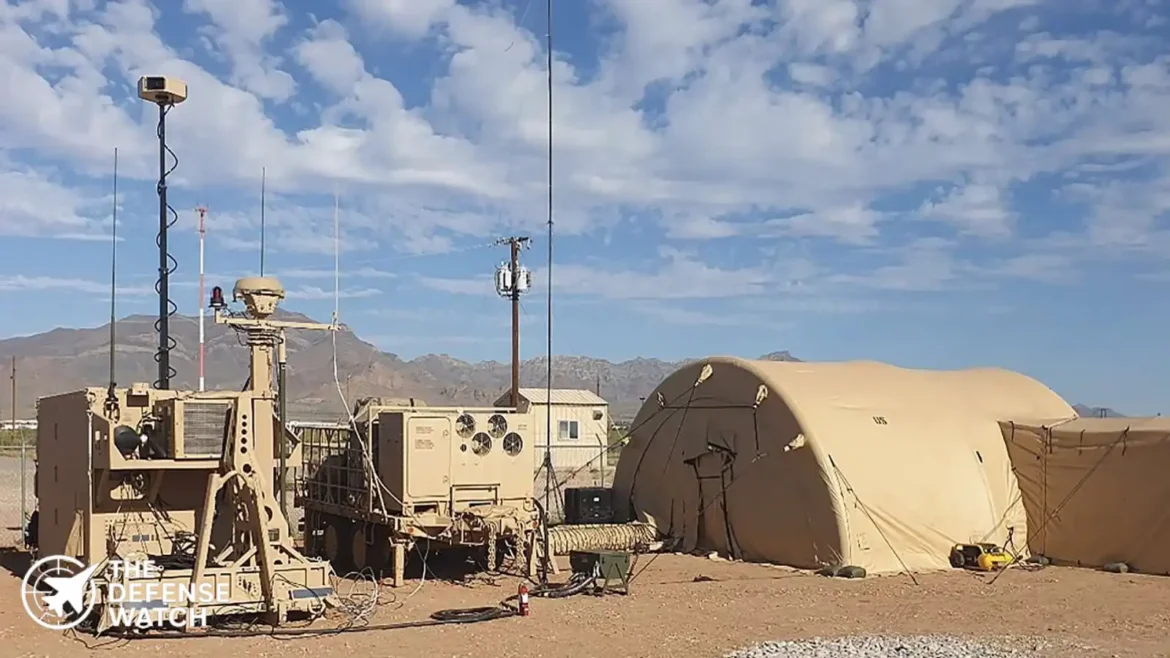
The U.S. government has approved Kuwait’s acquisition of the Integrated Battle Command System (IBCS), a next-generation command and control architecture developed by Northrop Grumman. The system will integrate Kuwait’s existing MIM-104 Patriot batteries into a unified, networked defense structure.
The approval, announced in 2026, is part of a broader U.S. effort to strengthen allied air and missile defense capabilities in the Gulf. Kuwait becomes one of the first regional operators to adopt IBCS, aligning its defenses with evolving U.S. Army doctrine.
What IBCS Brings to Kuwait’s Patriot Systems
IBCS replaces traditional, siloed air defense operations with a distributed network that connects sensors and shooters across the battlefield.
Key Technical Advantages
- Sensor fusion combines radar inputs into a single, real-time operational picture
- Any-sensor, any-shooter capability allows engagement using the most effective available interceptor
- Improved tracking of low-signature targets, including cruise missiles and drones
- Resilience against electronic warfare, with decentralized architecture
- Scalability, enabling integration with future systems beyond Patriot
This approach directly addresses emerging threats such as drone swarms and coordinated missile attacks, which can overwhelm traditional systems.
Comparison: IBCS-Enabled Patriot vs Legacy Patriot System
| Feature | IBCS-Enabled Patriot | Legacy Patriot System |
|---|---|---|
| Range | Extended via networked sensors | Limited to organic radar coverage |
| Payload | PAC-3 interceptors (network-optimized) | PAC-2/PAC-3 interceptors |
| Status | Approved for Kuwait, 2026 | Widely deployed globally |
| Key Technology | Networked command, sensor fusion, distributed targeting | Standalone battery operations |
Strategic Context: Countering Missile and Drone Threats in the Gulf
Kuwait’s adoption of IBCS reflects a wider shift in regional defense planning. Gulf states face increasing risks from:
- Ballistic missile proliferation, particularly from regional actors
- Low-cost drone swarms, which challenge traditional interception models
- Cruise missiles with low radar signatures, capable of evading legacy defenses
Recent conflicts have shown that isolated air defense systems struggle against layered attacks. IBCS addresses this by enabling coordinated, multi-layered responses.
The integration also enhances interoperability with U.S. and allied forces, a critical factor in coalition operations across the Middle East.
Program Significance and Future Outlook
The Kuwait IBCS program underscores the growing importance of network-centric warfare in air defense. By shifting from platform-based to system-of-systems architecture, the U.S. and its partners aim to maintain an edge against increasingly complex threats.
For Kuwait, the upgrade represents a significant modernization step. It strengthens national defense while aligning with U.S. regional security frameworks.
Further adoption of IBCS across allied nations is expected, particularly in regions facing high-density missile and drone threats.

Executive Summary:
Booz Allen Hamilton has been awarded a contract to develop a space-based interceptor prototype under the U.S. Golden Dome missile defense program. The effort aims to counter advanced missile threats, including hypersonic systems, by enabling interception from orbit. The program reflects a shift toward layered, space-enabled missile defense architectures.
Booz Allen Advances Space-Based Missile Interception
Booz Allen Hamilton has secured a contract to design and develop a prototype space-based interceptor as part of the U.S. Golden Dome missile defense program. The initiative seeks to establish a next-generation missile defense layer capable of intercepting threats directly from orbit.
The contract supports ongoing U.S. efforts to address increasingly complex missile threats, including hypersonic glide vehicles and maneuverable ballistic missiles that challenge traditional ground-based systems.
The Golden Dome concept envisions a persistent orbital defense layer, allowing interceptors to engage missiles during their boost or midcourse phases, significantly improving interception probabilities.
Golden Dome Program: Expanding Missile Defense into Space
A Shift Toward Orbital Defense Architecture
The Golden Dome program represents a major evolution in U.S. missile defense strategy. Unlike legacy systems that rely on ground- or sea-based interceptors, the new architecture focuses on space-based sensors and interceptors to provide global coverage.
Key objectives include:
- Early interception capability, targeting missiles shortly after launch
- Global reach, eliminating geographic limitations of ground systems
- Reduced reaction time, enabled by orbital positioning
- Integration with existing missile defense networks
This approach is designed to counter emerging threats from near-peer adversaries deploying high-speed, maneuverable weapons.
Technical Advantages of Space-Based Interceptors
The prototype under development is expected to incorporate advanced technologies that enhance interception effectiveness:
- Orbital positioning, enabling rapid response to launches worldwide
- High-velocity interceptors for engaging hypersonic targets
- Advanced tracking and targeting systems linked to space-based sensors
- Autonomous guidance and control, reducing reliance on ground commands
- Layered integration with terrestrial missile defense systems
These capabilities aim to overcome limitations of current systems, particularly against low-observable and high-speed threats.
Comparison: Space-Based Interceptor vs Legacy Ground-Based Systems
| Feature | Space-Based Interceptor (Golden Dome) | Ground-Based Interceptor (GBI) |
|---|---|---|
| Range | Global (orbital coverage) | Regional to intercontinental |
| Payload | Kinetic kill vehicle (advanced guidance) | Kinetic kill vehicle |
| Status | Prototype development (2026) | Operational |
| Key Technology | Orbital deployment, autonomous targeting | Ground-based radar guidance |
Strategic Context: Countering Hypersonic and Advanced Threats
The development of space-based interceptors comes amid growing concerns over hypersonic weapons, which can travel at speeds exceeding Mach 5 and follow unpredictable trajectories.
Traditional missile defense systems face challenges in tracking and intercepting such threats due to:
- Reduced warning times
- Maneuverability during flight
- Lower-altitude flight paths
By placing interceptors in orbit, the U.S. aims to create a persistent defensive layer capable of engaging threats earlier in their trajectory.
The Golden Dome program also aligns with broader efforts to enhance space domain awareness and integrate space-based assets into national defense strategies.
Program Outlook and Industry Implications
The Booz Allen contract signals increasing involvement of private sector expertise in advanced defense programs. As development progresses, the prototype will likely inform future procurement decisions and potential deployment strategies.
If successful, the program could:
- Establish a new paradigm in missile defense
- Accelerate militarization of space-based systems
- Influence allied and adversary defense planning
The timeline for operational deployment remains unclear, but the prototype phase in 2026 marks a critical step toward realizing a fully integrated space-based missile defense network.
Conclusion
The award to Booz Allen Hamilton underscores the urgency of adapting missile defense systems to evolving threats. The Golden Dome program’s focus on space-based interception reflects a strategic shift toward global, layered defense architectures, with space playing a central role in future security frameworks.
Executive Summary:
RTX Corporation has been awarded a $441.6 million contract modification to procure PATRIOT GEM-T interceptors for Operation Epic Fury. The program strengthens U.S. Army air and missile defense capacity against evolving aerial threats. The award reflects continued reliance on upgraded legacy systems to meet near-term operational demands.
Contract Details and Program Scope
The U.S. Army has issued a $441,600,000 modification to an existing contract (W31P4Q-23-C-0036) awarded to RTX for the production of PATRIOT Guidance Enhanced Missile-Tactical (GEM-T) interceptors.
Key details include:
- Contract value: $441.6 million
- Award date: April 30, 2026
- Completion date: September 30, 2026
- Production location: Chambersburg, Pennsylvania
- Funding source: Fiscal 2026 special funds
- Contracting authority: Army Contracting Command, Redstone Arsenal
The modification brings the total cumulative contract value to $441.6 million, indicating this action represents the full funded scope under the current agreement.
PATRIOT GEM-T: Role and Capabilities
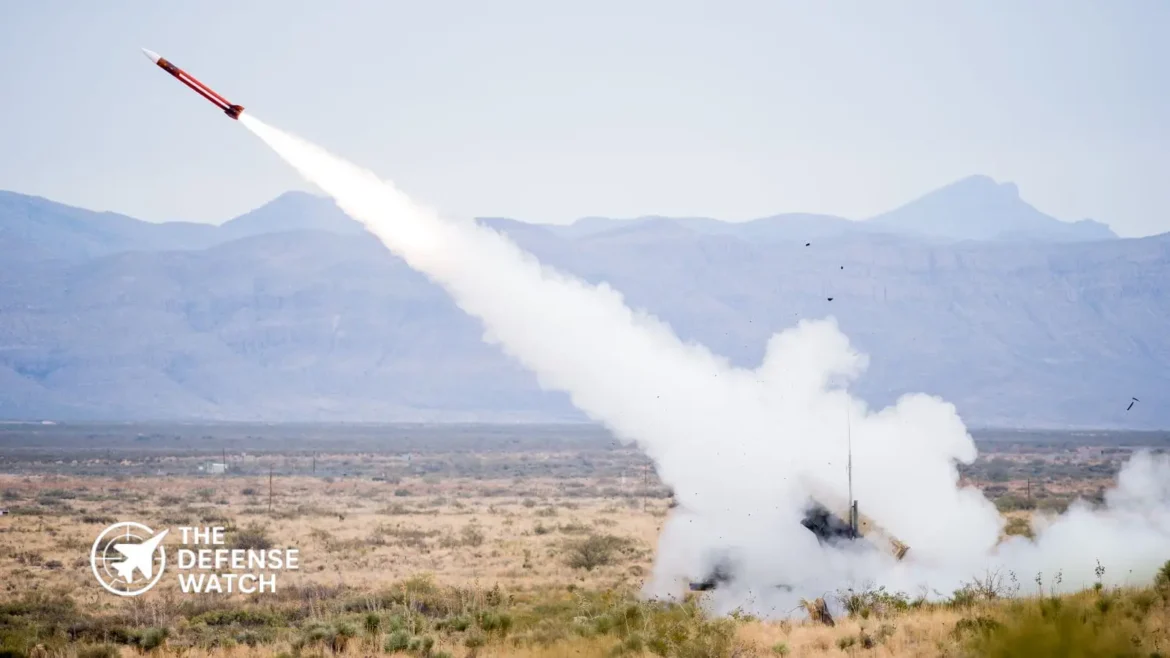
The GEM-T interceptor is an upgraded variant of the legacy PATRIOT PAC-2 missile, optimized for enhanced performance against aircraft and certain ballistic missile threats.
Key Technical Advantages
- Improved proximity fuze for better lethality against fast-moving targets
- Enhanced guidance system for increased interception accuracy
- Greater effectiveness against cruise missiles and tactical ballistic missiles
- Cost-effective upgrade compared to newer hit-to-kill interceptors
Unlike more modern kinetic interceptors, GEM-T uses a blast-fragmentation warhead, making it particularly effective against aircraft and drone swarms.
Comparison: GEM-T vs PAC-3 Interceptors
| Feature | PATRIOT GEM-T | PAC-3 MSE |
|---|---|---|
| Range | Medium (up to ~160 km vs aircraft) | Shorter but optimized for ballistic threats |
| Payload | Blast-fragmentation warhead | Hit-to-kill kinetic interceptor |
| Status | Operational, upgraded legacy | Advanced, currently deployed |
| Key Technology | Proximity fuze, guidance upgrade | Active radar seeker, direct impact |
Strategic Context: Responding to Modern Threats
The procurement aligns with growing demand for layered air defense systems amid increasingly complex threat environments.
Operation Epic Fury is understood to support contingency planning involving:
- Cruise missile proliferation
- Unmanned aerial system (UAS) saturation attacks
- Tactical ballistic missile threats from near-peer adversaries
Recent conflicts have demonstrated that mixed interceptor inventories, combining legacy and advanced systems, provide flexibility and cost efficiency.
Why GEM-T Still Matters
- Faster production timelines compared to newer interceptors
- Lower unit cost enables bulk procurement
- Proven performance in operational environments
The continued investment suggests the U.S. Army is prioritizing inventory depth and readiness alongside modernization.
Industrial and Operational Implications
Production in Pennsylvania reinforces the domestic defense industrial base, while the rapid funding obligation indicates urgency in delivery timelines.
For RTX, the award underscores its central role in sustaining the PATRIOT ecosystem, which remains one of the most widely deployed air defense systems globally.
Outlook
As air and missile threats evolve, the U.S. Army is expected to maintain a hybrid approach, balancing next-generation systems with upgraded legacy interceptors like GEM-T.
This contract signals that even as advanced systems expand, reliable and scalable solutions remain critical to immediate defense needs.

Executive Summary: Northrop Grumman and the Australian Government have finalized a strategic engagement to establish a sovereign Solid Rocket Motor (SRM) manufacturing capability. Supported by an initial $126.9 million investment, the partnership aims to bolster the Guided Weapons and Explosive Ordnance (GWEO) Enterprise by fast-tracking domestic production at the Mulwala munitions factory to secure critical missile supply chains.
Strategic Deepening of the GWEO Enterprise
The formalization of this agreement marks a pivotal shift in Australia’s defense industrial base. By integrating Northrop Grumman’s propulsion expertise with the Australian Government’s GWEO Enterprise, the Commonwealth seeks to mitigate supply chain vulnerabilities exposed by global strategic competition.
The initiative focuses on the domestic production of high-performance SRMs at the government-owned Mulwala munitions factory in New South Wales. This decision leverages recently completed facility upgrades to accelerate the timeline for Australian-produced components, with initial production of rocket motors for the Guided Multiple Launch Rocket System (GMLRS) scheduled to commence by 2030.
Technical Specifications: Transition to Sovereign Production
The following table outlines the projected advancements of localized SRM production compared to legacy imported systems.
| Feature | Legacy Imported SRMs | Australian Sovereign SRM (Projected) |
| Range | System Dependent (Fixed) | Extended via High-Energy Propellants |
| Payload | Standard HE/Fragmenting | Modular Warhead Integration |
| Status | Procurement-based / Vulnerable | Operational Readiness / Sovereign |
| Key Technology | Traditional Composite Propellant | Advanced Cast-Cure / Case-Bonding |
Operational Advantages and Technological Innovation
The shift toward domestic SRM production provides several technical and tactical advantages for the Australian Defence Force (ADF):
- Advanced Energetics: Utilization of high-energy propellants to increase specific impulse, allowing for extended engagement ranges—critical for the ADF’s long-range strike posture.
- Manufacturing Resilience: A dedicated Rocket Motor Manufacturing Complex is planned to be operational by 2033, designed for high-rate production of multiple SRM types.
- Allied Integration: Designed to meet AUKUS and NATO standards, ensuring Australian-made motors can supplement the United States’ overstretched industrial base for platforms like HIMARS.
- Local Innovation: The program builds on the successful static firing of the DRACO motor in early 2026, an Australian-designed propulsion system that proves domestic maturity in energetics.
Geopolitical Context and Regional Security
The Indo-Pacific region is currently witnessing an unprecedented missile modernization effort. Australia’s investment in sovereign SRM production is a direct response to the “Impactful Deterrence” mandate of the National Defence Strategy.
By establishing a “second line of supply” for the United States and other regional partners, Australia positions itself as a critical industrial hub. This move is vital as the U.S. defense industrial base faces capacity constraints due to the simultaneous demands of the Indo-Pacific, Eastern Europe, and the Middle East.
Industrial and Strategic Implications
The partnership signals a fundamental shift toward decentralized defense manufacturing among the “Quad” and AUKUS nations. For Northrop Grumman, the agreement strengthens its role as a primary supplier within the global allied missile ecosystem. For Australia, it represents a definitive step toward defense industrial autonomy, ensuring the ADF can maintain its Guided Weapons inventory independent of external logistics during high-intensity contingencies.
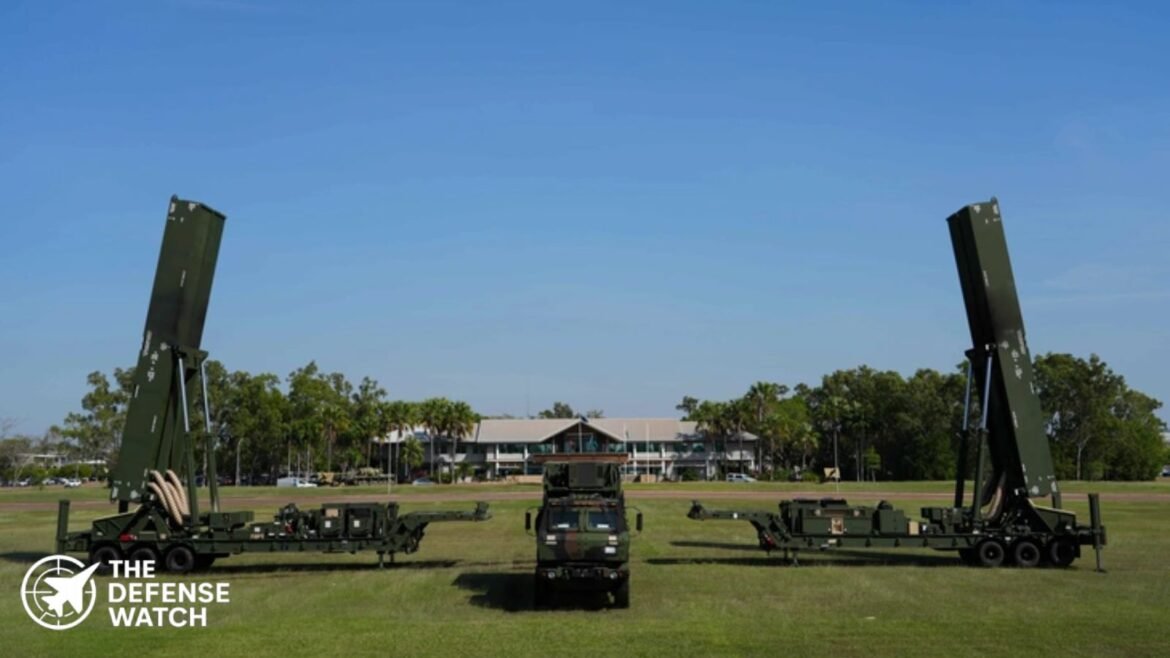
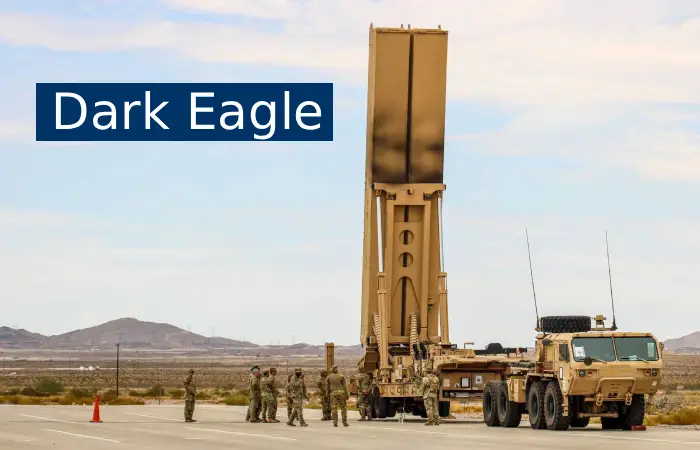
U.S. Evaluates Dark Eagle Hypersonic Missile Deployment Against Iranian Targets
The Dark Eagle hypersonic missile is under consideration by the United States as a potential tool to strike Iranian ballistic missile launchers, signaling a shift in how Washington may address rapidly evolving threats in the Middle East.
According to reporting by defense sources, U.S. planners are assessing whether the Dark Eagle system, officially known as the Long Range Hypersonic Weapon (LRHW), could provide a fast, survivable strike option against mobile and hardened missile assets operated by Iran.
- Iran and Russia reportedly signed a secret €500 million missile deal in December 2025, according to the Financial Times.
- The pact covers delivery of 500 Verba man portable air defense launch units and 2,500 9M336 missiles through 2027 to 2029.
- The Verba systems are infrared guided MANPADS designed to target low altitude threats including drones and cruise missiles.
- The deal follows damage to Iran’s air defense network during the 2025 conflict with Israel.
- The agreement reflects deepening military cooperation between Tehran and Moscow.
This comes as concerns grow over Iran’s expanding ballistic missile inventory and its ability to disperse launch systems across difficult terrain, complicating traditional targeting methods.
Why Dark Eagle Changes The Strike Equation
The Dark Eagle hypersonic missile offers a combination of speed, maneuverability, and precision that conventional strike systems struggle to match. Traveling at speeds above Mach 5, the system can penetrate advanced air defenses and reduce enemy reaction time.
Unlike ballistic missiles, hypersonic glide vehicles follow unpredictable flight paths, making interception far more difficult. For U.S. forces, this translates into a credible option to neutralize high-value targets such as transporter erector launchers before they can fire.
The operational value is clear. Iranian missile units often rely on mobility and concealment. A weapon like Dark Eagle compresses the decision window, allowing strikes within minutes rather than hours.
This capability is especially relevant in a scenario where early neutralization of missile threats could prevent escalation or limit damage to regional bases and allied infrastructure.
Strategic Context: Rising Tensions And Expanding Threats
The consideration of deploying the Dark Eagle hypersonic missile reflects broader geopolitical pressure. Iran continues to invest heavily in missile development, including solid-fuel systems that are quicker to launch and harder to detect.
Recent intelligence assessments have highlighted improvements in Iran’s dispersal tactics and hardened infrastructure. Combined with reported defense cooperation with Russia, this trend has raised concerns in Washington about the survivability of existing deterrence tools.

From a strategic standpoint, introducing hypersonic weapons into the region would send a clear signal. It demonstrates the ability to hold time-sensitive targets at risk, even in heavily defended environments.
However, such a move also carries escalation risks. Hypersonic systems are often viewed as strategic assets, and their deployment could be interpreted as a shift toward more aggressive posturing.
Operational Challenges And Deployment Considerations
While the Dark Eagle hypersonic missile offers clear advantages, its deployment is not without challenges.
First, the system is still progressing toward full operational capability within the U.S. Army. Fielding timelines, logistics, and integration with existing command structures remain critical factors.
Second, basing options in the Middle East would need careful evaluation. Forward deployment increases responsiveness but also exposes high-value assets to potential counterstrikes.
Third, targeting mobile launchers requires robust intelligence, surveillance, and reconnaissance support. Hypersonic speed alone does not guarantee success without accurate and timely target data.
These factors suggest that any deployment decision would likely be part of a broader integrated strategy rather than a standalone solution.
Analysis: A Shift Toward Rapid Precision Strike
The potential use of the Dark Eagle hypersonic missile highlights a larger shift in U.S. military thinking. The focus is moving toward rapid, precision strikes against fleeting targets in contested environments.
Traditional airpower and cruise missiles remain important, but they may face limitations against advanced air defenses and mobile threats. Hypersonic systems fill this gap by combining speed with survivability.
In the Middle East context, this capability could reshape deterrence dynamics. It introduces uncertainty for adversaries relying on mobility and concealment, potentially reducing their confidence in surviving a first strike.
At the same time, it raises questions about escalation control. Faster weapons compress decision timelines not only for the attacker but also for the defender.