

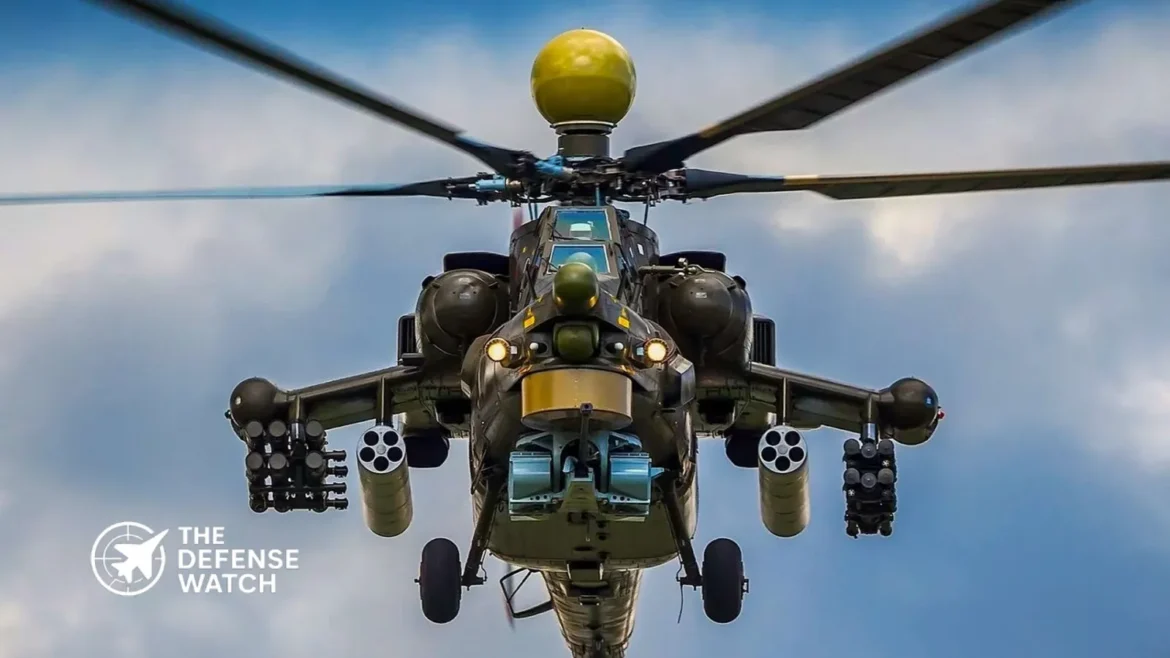
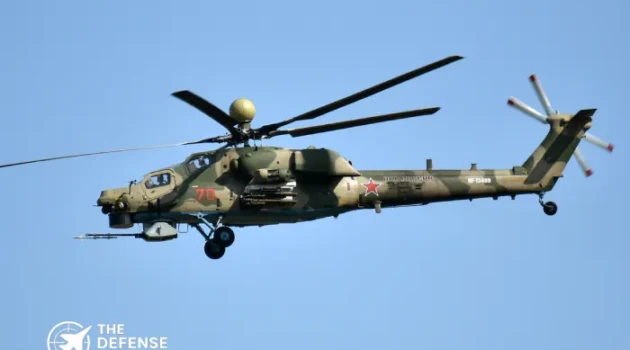
- ► Russia has reportedly delivered six Mi-28NE attack helicopters to Iran.
- ► The Mi-28NE is the export variant of the Mi-28 Night Hunter all weather attack helicopter.
- ► The platform is armed with a 30mm cannon, anti tank guided missiles, rockets, and air to air missiles.
- ► The acquisition enhances Iran close air support and anti armor capabilities.
- ► The move reflects deepening military cooperation between Tehran and Moscow.
Russian Delivery Of Six Mi-28NE Helicopters Expands Iran Attack Aviation Fleet
The Russian delivery of six Mi-28NE helicopters marks a notable step in strengthening Iran rotary strike capability and modernizing its aging attack aviation fleet.
(adsbygoogle = window.adsbygoogle || []).push({});Moscow has transferred six Mi-28NE attack helicopters to Tehran, expanding Iran inventory of modern rotary wing strike platforms. The Mi-28NE is the export version of the Mil Mi-28, known in Russian service as the Night Hunter.
Platform Capabilities And Combat Role
The Mi-28NE is designed as a dedicated anti armor and close air support helicopter. It features a chin mounted 30mm Shipunov 2A42 cannon, compatible with high explosive and armor piercing ammunition. The aircraft can carry anti tank guided missiles, typically the Ataka series, as well as unguided rockets and short range air to air missiles.
Powered by twin turboshaft engines, the helicopter is built for all weather, day and night operations. It incorporates radar, electro optical targeting systems, and defensive countermeasures intended to increase survivability in contested airspace.
Compared with older platforms in Iranian service such as the Bell AH-1J SeaCobra, the Mi-28NE provides improved sensor fusion, heavier payload capacity, and better crew protection. The cockpit is armored, and critical systems are designed with redundancy to withstand battle damage.
Operational Impact For Iran
The Russian delivery of six Mi-28NE helicopters enhances Iran ability to conduct close air support and anti armor missions across varied terrain, including mountainous and desert regions.
(adsbygoogle = window.adsbygoogle || []).push({});Iran rotary wing fleet has historically relied on legacy systems dating back to the pre 1979 era, supplemented by limited domestic upgrades. Introducing a modern attack helicopter like the Mi-28NE improves strike precision, stand off engagement range, and night fighting capability.
From a tactical standpoint, the aircraft can support ground forces, defend key infrastructure, and provide rapid response against mechanized threats. Its missile armament allows engagement of armored vehicles at several kilometers, reducing exposure to short range air defenses.
However, the small number, six aircraft, suggests a limited operational footprint unless followed by additional orders. Sustainment, pilot training, spare parts supply, and integration into existing command networks will shape the long term effectiveness of the fleet.
Broader Russia Iran Defense Ties
The transfer underscores expanding defense cooperation between Moscow and Tehran. In recent years, both countries have deepened military coordination amid shifting regional dynamics and Western sanctions pressure.
Russia has marketed advanced combat aircraft and air defense systems to Iran, while Tehran has pursued modernization to offset regional rivals equipped with Western platforms. The Mi-28NE delivery fits within this broader pattern of selective, high value acquisitions.
Authoritative defense analysis from institutions such as the International Institute for Strategic Studies has noted that Iran armed forces continue incremental modernization efforts, often focused on asymmetric capabilities. The addition of dedicated modern attack helicopters signals attention to conventional battlefield roles as well.
(adsbygoogle = window.adsbygoogle || []).push({});Regional Security Context
The arrival of the Mi-28NE comes amid persistent tensions in the Middle East, including periodic cross border strikes and ongoing competition among regional powers. Attack helicopters remain critical assets for rapid reaction, border security, and support to ground formations.
While six helicopters alone do not alter the regional balance of power, they do enhance Iran tactical flexibility and strike options. The operational readiness of the fleet will depend on training cycles and logistical support over time.
As more details emerge regarding basing locations, unit assignments, and future procurement plans, the Russian delivery of six Mi-28NE helicopters will remain a key data point in assessing Iran evolving air combat posture.
Saab And Ukrainian Defense Industry Sign MoU On Aviation And Airborne Surveillance Cooperation
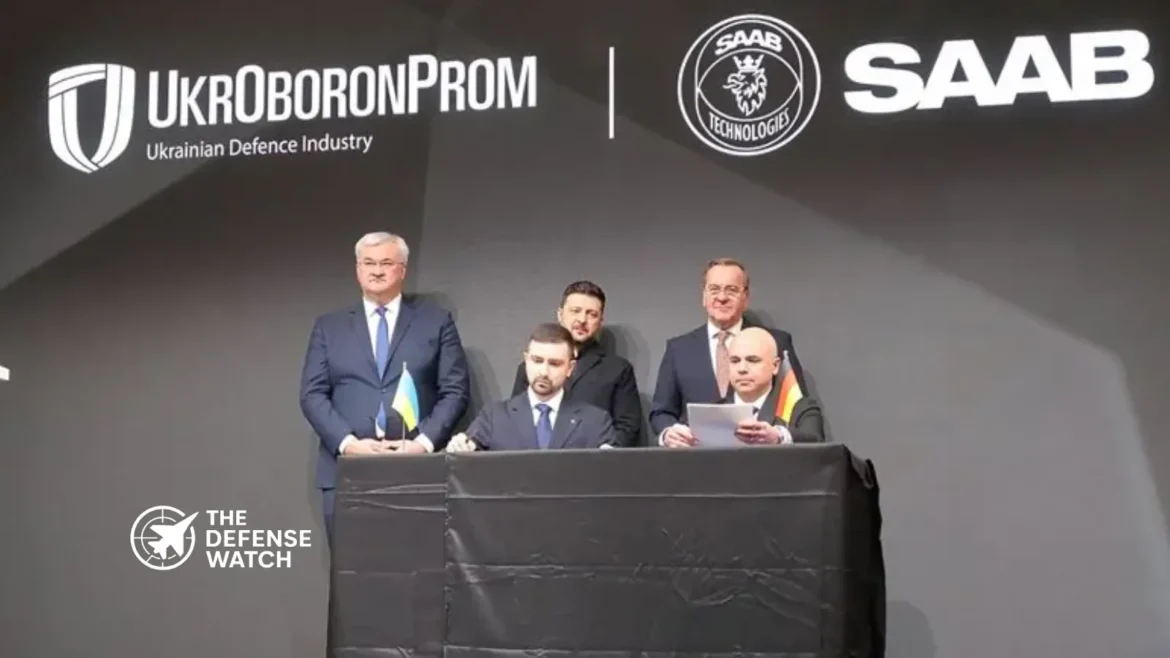
Saab and the Ukrainian Defense Industry have signed a memorandum of understanding aimed at expanding aviation and airborne surveillance cooperation, marking a new step in defense collaboration between Sweden and Ukraine.
The agreement, announced by Saab and Ukraine’s state-owned defense conglomerate Ukrainian Defense Industry, outlines plans to explore joint projects in military aviation, airborne early warning, and surveillance technologies.
The memorandum does not constitute a binding contract but establishes a framework for future cooperation, technology exchange, and potential industrial partnerships.
Expanding Aviation And Surveillance Ties
Under the MoU, Saab and Ukrainian Defense Industry will assess opportunities to collaborate in aviation systems and airborne surveillance platforms. This includes potential work related to airborne early warning and control capabilities, sensor integration, and support for existing and future aircraft.
Saab is internationally recognized for its advanced defense systems, including the Saab JAS 39 Gripen and the Saab GlobalEye airborne surveillance platform. The company has experience delivering integrated air defense and surveillance solutions to multiple European and international customers.
Ukraine, meanwhile, has prioritized strengthening its air defense and surveillance architecture amid ongoing conflict and sustained air and missile threats. Ukrainian defense officials have repeatedly emphasized the need for improved situational awareness, airborne radar coverage, and enhanced interoperability with Western systems.
The new Saab Ukrainian Defense Industry MoU reflects these evolving operational requirements.
Focus On Industrial Cooperation
According to official statements, the cooperation framework also aims to support Ukraine’s domestic defense industrial base. This could involve local production, maintenance, or integration activities, though specific projects were not disclosed.
Ukraine has actively pursued international partnerships to rebuild and modernize its defense sector. Agreements with Western firms are seen as a way to accelerate technology transfer and boost domestic manufacturing capacity.
Saab has previously expressed interest in establishing deeper industrial ties in Eastern Europe. The company’s approach often includes local industrial participation and long-term support arrangements.
The aviation and airborne surveillance cooperation outlined in the MoU may therefore extend beyond platform supply to include broader ecosystem development.
Strategic Context
The announcement comes as Ukraine continues to modernize its armed forces with Western equipment and technologies. Air domain awareness has become a central priority, especially in countering cruise missiles, drones, and manned aircraft.
Airborne early warning systems play a critical role in extending radar coverage, coordinating intercept missions, and enhancing command and control functions. Platforms like the Saab GlobalEye integrate advanced radar, electronic surveillance, and command systems into a single airborne node.
While the MoU does not specify a platform, analysts note that Saab’s portfolio includes scalable airborne surveillance solutions that could be adapted to Ukraine’s needs.
Sweden has been a consistent supporter of Ukraine’s defense efforts, providing military aid and advocating for stronger European security coordination. The cooperation between Saab and Ukrainian Defense Industry aligns with broader European defense integration trends.
No Immediate Procurement Announced
Importantly, the memorandum of understanding does not confirm any immediate procurement of aircraft or surveillance systems. Instead, it formalizes dialogue and technical discussions.
Such agreements are common first steps before detailed feasibility studies, industrial planning, or formal contracts.
Defense companies often use MoUs to outline shared objectives and explore regulatory, financial, and technical frameworks before committing to large-scale programs.
Still, the Saab Ukrainian Defense Industry MoU signals intent to deepen aviation and airborne surveillance cooperation at a time when Ukraine’s airspace remains heavily contested.
Strengthening Air Domain Awareness
Airborne surveillance systems can provide layered situational awareness alongside ground-based radars and satellite assets. They offer mobility, extended detection range, and flexibility in deployment.
For Ukraine, enhancing airborne radar coverage could improve coordination between fighter aircraft, ground-based air defense systems, and command centers.
Saab’s experience in sensor fusion, data links, and network-centric operations may become central to any future collaborative program.
The aviation and airborne surveillance cooperation framework may also address training, logistics support, and long-term sustainment planning.
Broader Defense Industry Trends
The MoU reflects a wider shift in European defense policy toward closer industrial integration and support for Ukraine’s domestic capabilities.
European defense firms have increasingly entered partnerships that emphasize co-production and local value creation rather than direct export alone.
Ukraine’s defense sector, restructured under Ukrainian Defense Industry, has sought to modernize governance and improve transparency to facilitate such partnerships.
By formalizing aviation and airborne surveillance cooperation, Saab positions itself as a potential long-term partner in Ukraine’s air domain modernization.
Outlook
While concrete programs have yet to be announced, the Saab Ukrainian Defense Industry MoU establishes a framework for structured cooperation in aviation and airborne surveillance technologies.
Future developments will depend on technical evaluations, funding mechanisms, and alignment with Ukraine’s operational priorities.
As air defense and airborne surveillance remain critical to Ukraine’s security environment, partnerships like this are likely to remain central to its modernization strategy.
For continued coverage of defense cooperation agreements and aviation modernization efforts, see also: Saab Expands European Defense Partnerships.
Raytheon Navy Contract Strengthens F A 18 Sustainment
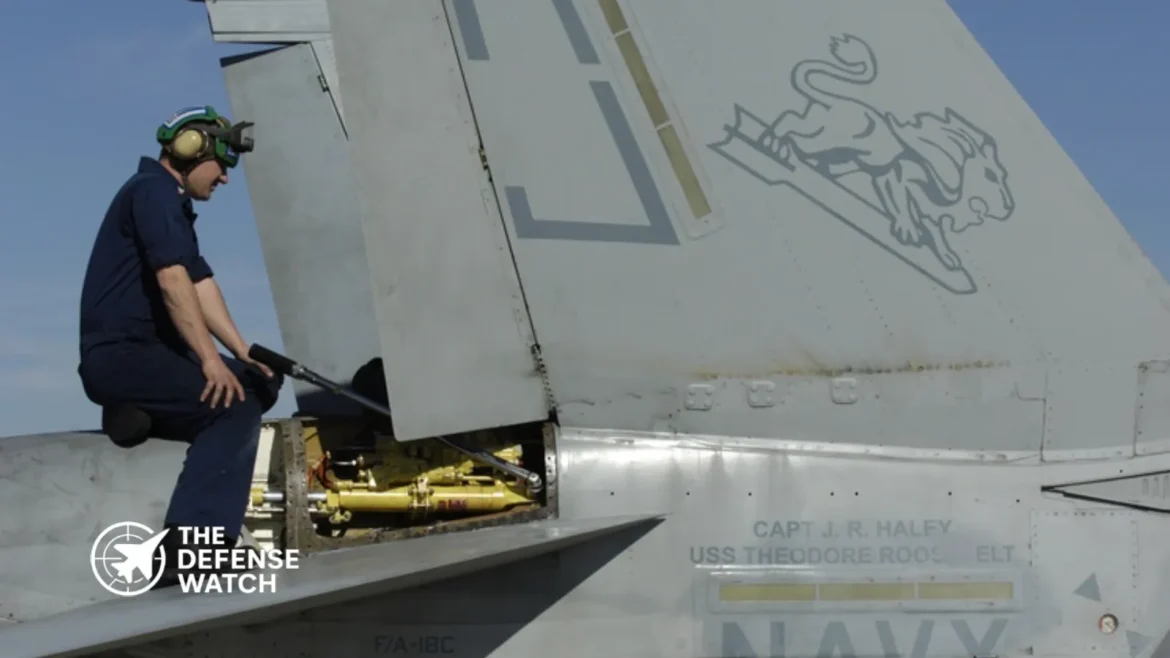
The Raytheon Navy contract worth 12,975,258 dollars will support repair work for the U.S. Navy F A 18 aircraft fleet through December 2028, according to a Department of Defense contract announcement.
(adsbygoogle = window.adsbygoogle || []).push({});The award was issued to Raytheon Co. of McKinney, Texas, under a ceiling price not to exceed delivery order tied to a previously awarded basic ordering agreement. The work covers the repair of six weapon repairable assemblies, totaling 87 individual repairs, in support of the F A 18 aircraft system.
The contract was awarded by Naval Supply Systems Command Weapon Systems Support, which manages sustainment and logistics for Navy aviation and maritime systems.
Scope Of The F A 18 Repair Support Contract
Under the delivery order, all work will be performed in McKinney, Texas. The effort focuses on weapon repairable assemblies, critical components that ensure the operational capability of the F A 18 aircraft system.
While the Department of Defense did not specify the exact assemblies involved, weapon repairable assemblies typically include electronic modules, guidance components, and other mission critical subsystems integrated into aircraft weapon systems.
The F A 18 platform, in both its legacy Hornet and Super Hornet variants, remains a core element of U.S. Navy carrier air wings. Sustainment contracts like this Raytheon Navy contract are central to maintaining readiness as the fleet continues operations worldwide.
(adsbygoogle = window.adsbygoogle || []).push({});Work under this award is expected to be completed by December 2028.
Funding And Contract Details
The Navy obligated 9,731,444 dollars in fiscal 2026 working capital funds at the time of award. According to the Department of Defense announcement, those funds will not expire at the end of the current fiscal year.
The delivery order does not include an option provision.
The award was issued on a sole source basis pursuant to 10 U.S. Code 3204 a 1, which permits contracting without full and open competition when only one responsible source is available. One source was solicited, and one offer was received.
Such sole source awards are common in cases where original equipment manufacturers maintain proprietary technical data and repair capabilities tied to specific subsystems.
Role Of Raytheon In Naval Aviation Sustainment
Raytheon, now operating as a major business unit within RTX Corporation, has long supplied advanced avionics, radar systems, precision weapons, and electronic warfare technologies to the U.S. military.
Its McKinney, Texas facility serves as a key hub for missile systems, advanced electronics, and sustainment services. The latest Raytheon Navy contract reinforces the company’s ongoing role in lifecycle support for front line aircraft.
The F A 18 fleet continues to deploy aboard U.S. Navy aircraft carriers, supporting strike missions, air superiority, maritime security, and close air support operations. Sustainment and repair programs are critical as aircraft age and operational tempo remains high.
(adsbygoogle = window.adsbygoogle || []).push({});According to U.S. Navy budget documents, sustainment funding has remained a priority as the service balances procurement of next generation platforms with maintenance of existing systems.
Sustainment As A Strategic Priority
The Raytheon Navy contract reflects a broader trend across the Department of Defense, where sustainment and modernization efforts are receiving increased attention.
The Navy’s aviation enterprise depends on timely repair and refurbishment of weapon system components to reduce downtime and improve mission capable rates. Weapon repairable assemblies often require specialized facilities, certified technicians, and access to proprietary data.
By issuing delivery orders under an established basic ordering agreement, the Navy can streamline contracting timelines while maintaining oversight and cost control.
The 12.9 million dollar award represents a targeted sustainment effort rather than a new production program, but such contracts are essential to fleet readiness.
Industrial Base And Fleet Readiness Impact
Although relatively modest in dollar value compared to major procurement programs, this Raytheon Navy contract contributes to the stability of the defense industrial base.
(adsbygoogle = window.adsbygoogle || []).push({});Repair and overhaul work supports skilled jobs in Texas and ensures that critical expertise remains available within the U.S. industrial ecosystem.
For the Navy, maintaining a reliable sustainment pipeline directly affects carrier air wing readiness. As geopolitical tensions persist in regions such as the Indo Pacific and the Middle East, aircraft availability remains a core operational metric.
The F A 18 continues to operate alongside newer platforms, and sustainment contracts ensure the aircraft can meet mission demands until future systems fully transition into service.

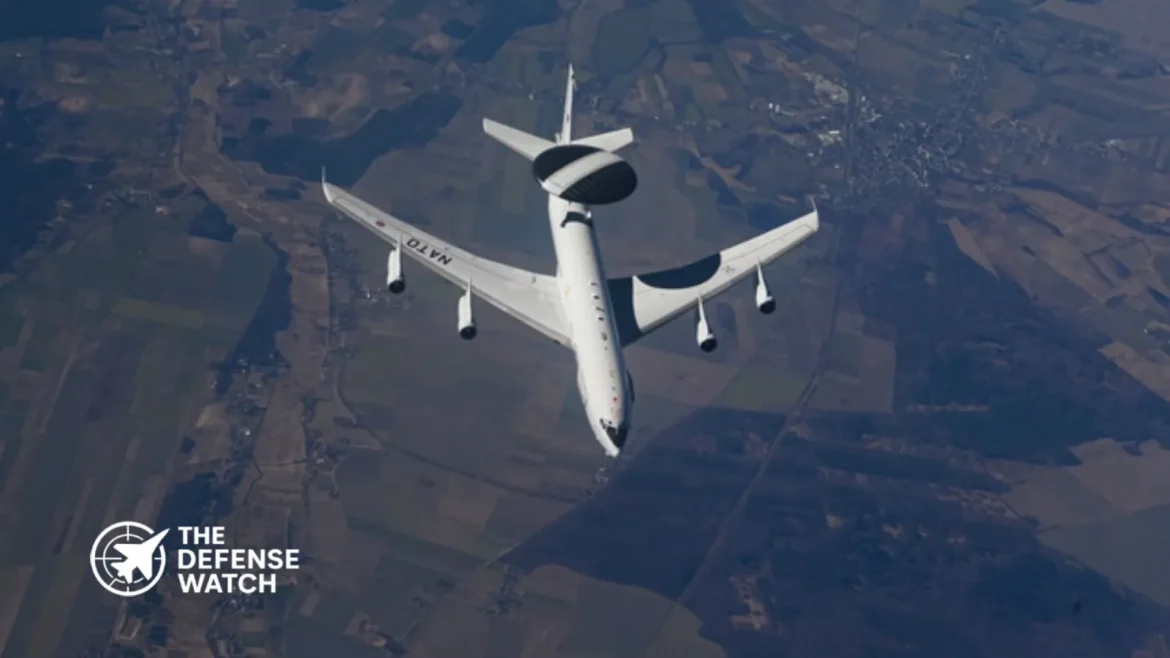
NATO And UK Surveillance Flights Over Black Sea
NATO and United Kingdom aircraft have carried out a series of visible intelligence gathering flights over the Black Sea, tracking Russian forces and military activity, according to flight tracking data and official reports. The missions involved allied airborne surveillance aircraft operating from both western and eastern approaches to the Black Sea region.
Routine allied surveillance flights come amid ongoing tensions between NATO and Russian military forces in Eastern Europe. These missions are intended to collect real-time data on Russian military signals and movements in international airspace while demonstrating alliance presence and deterrence.
Allied Aircraft Deployed
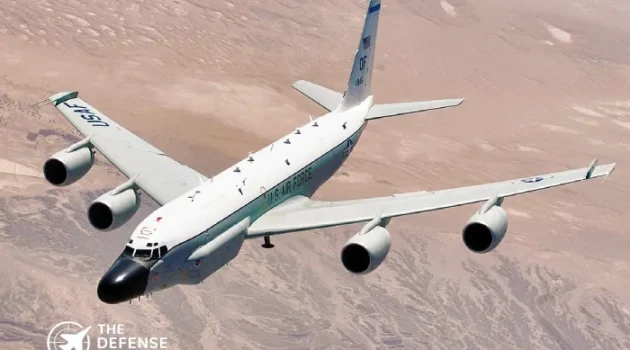
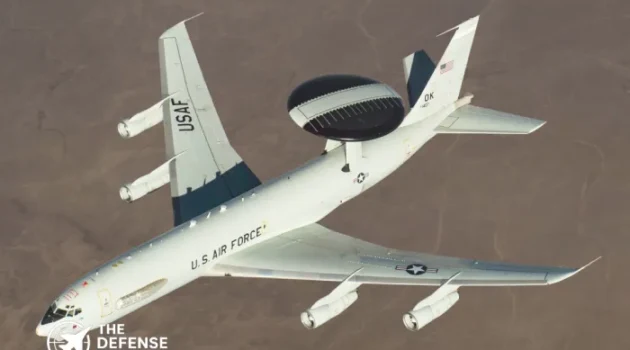
On February 9, 2026, open-source flight tracking showed a NATO Boeing E-3A Sentry airborne early warning aircraft on the western side of the Black Sea while a Royal Air Force RC-135W Rivet Joint operated on the eastern side.
The RAF RC-135W Rivet Joint is a specialized electronic surveillance aircraft designed to intercept and analyse radar, communications, and other electromagnetic emissions. It is crewed by specialist weapons systems officers and operators who can provide tactical and strategic intelligence to commanders.
The NATO E-3A Sentry provides airborne early warning, airspace surveillance, and command and control support across the alliance. Its role includes detection of aircraft and coordination of allied air assets. The E-3A fleet is supported by personnel from multiple NATO member states.
Context Of Surveillance Flights
NATO routinely conducts surveillance and intelligence flights near areas of heightened tension to monitor potential threats and reassure member states. Flights over the Black Sea have been a consistent element of allied air operations. Russian and NATO aircraft regularly operate in international airspace without entering sovereign territory, in line with international aviation law.
Similar allied missions have involved long-range patrols near Russia’s borders and Baltic region. For example, Royal Air Force reconnaissance aircraft and other NATO partners have flown extended monitoring flights around Kaliningrad and along NATO’s eastern flank in recent months.
NATO And Russian Airspace Interactions
The broader regional security environment has seen frequent air policing and intercept missions. British fighter jets deployed under NATO’s enhanced Air Policing mission have repeatedly scrambled to intercept Russian reconnaissance aircraft near alliance airspace, especially over the Baltic Sea.
NATO member air forces, such as German Eurofighters, have also intercepted Russian Il-20M and other surveillance aircraft close to alliance airspace in the Baltic region.
Purpose And Implications
NATO and UK surveillance flights serve to collect timely information on Russian military activity and electronic emissions. They also underscore allied readiness to monitor and respond to regional threats. Visible operations are intentionally unclassified to signal NATO presence while still respecting international airspace norms.
Allied officials describe these missions as standard practice in a period of sustained military tension and not a departure from normal surveillance operations. Continued intelligence flights reflect ongoing efforts by NATO to manage risks and maintain situational awareness across contested regions.
Su-57: From Fighter Jet to Tactical Aviation Complex
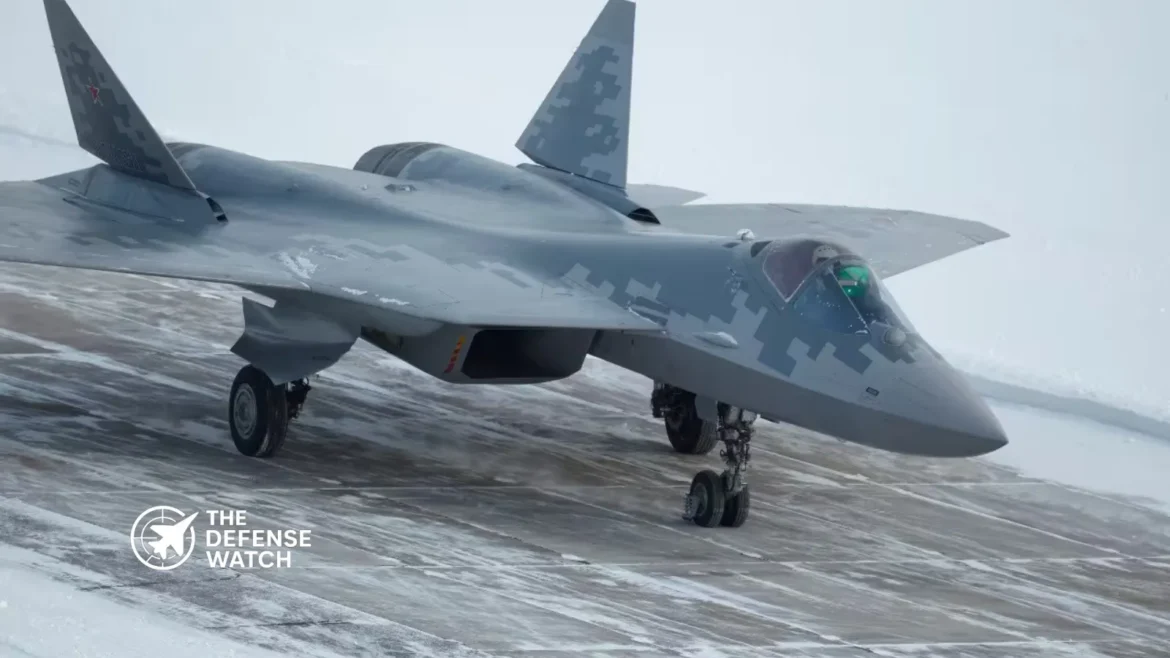
The Russian Su-57 has entered a new phase of operational capability, evolving from a traditional fighter aircraft into a comprehensive tactical aviation complex, according to Hero of Russia and Major General Sergey Lipovoy.
(adsbygoogle = window.adsbygoogle || []).push({});Lipovoy, head of the presidium of the All-Russian organization Officers of Russia, emphasized that the Su-57 now integrates advanced weaponry and onboard systems, making it capable of engaging land, air, and naval targets with unprecedented efficiency. He stated, “The Su-57 is no longer even classified as just an aircraft in official documents. It is an aviation tactical complex equipped with the most advanced and necessary weaponry.”
The Major General highlighted the Russian defense industry’s adaptability, noting that continuous upgrades and rapid modifications are applied to the Su-57 based on operational feedback. These enhancements ensure the platform remains flexible and highly responsive to evolving combat requirements.
Modernization and Operational Flexibility
The United Aircraft Corporation (UAC) recently delivered a batch of Su-57s featuring upgraded combat systems and weapon complexes. These updates reinforce the aircraft’s multi-role capabilities, improving both offensive and defensive performance. This modernization aligns with broader Russian military aviation objectives to maintain strategic air superiority.
Multi-Domain Combat Potential
With its new technical configuration, the Su-57 can perform precision strikes against ground installations, counter enemy aircraft, and engage surface vessels effectively. Lipovoy’s assessment underscores a shift in doctrine, positioning the Su-57 not just as a fighter but as an integrated combat tool capable of complex mission profiles.
(adsbygoogle = window.adsbygoogle || []).push({});The platform’s enhancements reflect lessons learned from testing and operational deployments, emphasizing the role of feedback-driven development in sustaining combat effectiveness.
Looking Ahead
The evolution of the Su-57 demonstrates Russia’s focus on producing aircraft that operate as full tactical complexes rather than standalone fighters. Analysts suggest this approach may influence future fifth-generation aircraft design globally, where multi-role adaptability and rapid system upgrades become increasingly important.

Japan Deploys F-35B Fighter Jets in First Operational Service
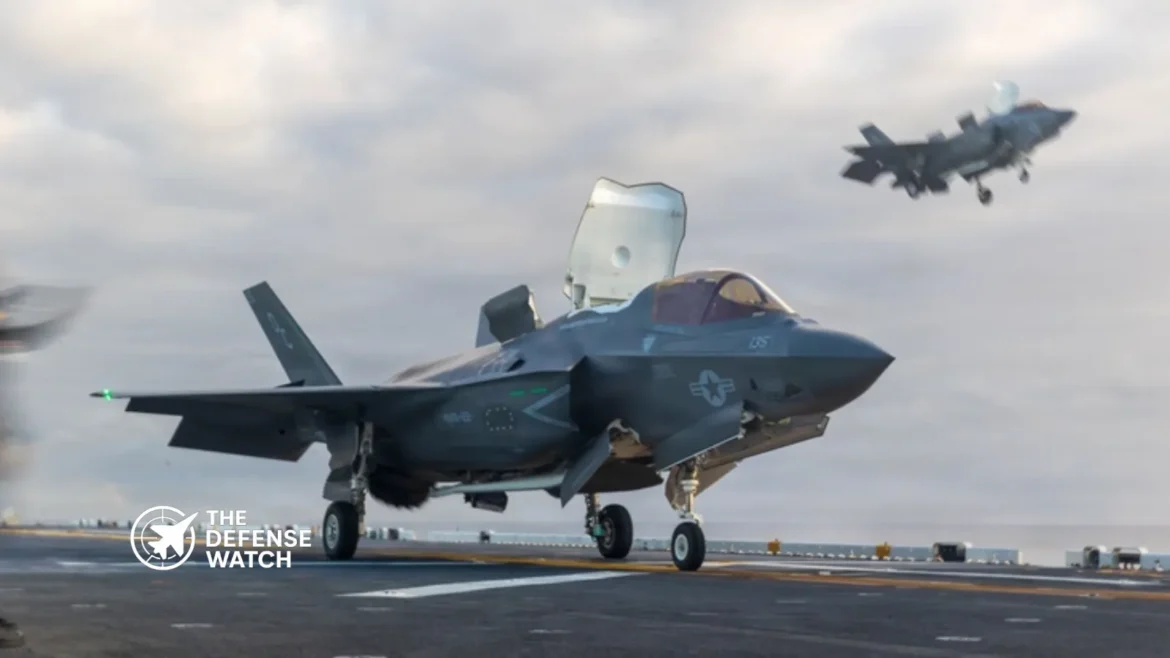
Japan has officially deployed U.S.-made F-35B fighter jets into operational service, marking a significant milestone in the country’s defense modernization and maritime airpower expansion. The deployment represents the first time Japan has placed the short takeoff and vertical landing variant of the F-35 Lightning II into frontline service, strengthening its ability to operate fixed-wing combat aircraft from short runways and modified naval platforms.
(adsbygoogle = window.adsbygoogle || []).push({});According to information released by Japan’s Ministry of Defense and reported by Army Recognition, the aircraft are now assigned to operational units under the Japan Air Self-Defense Force, or JASDF. The move reflects Tokyo’s growing emphasis on flexible power projection and rapid response capabilities in the Indo-Pacific region.
The F-35B deployment also underscores deepening defense integration between Japan and the United States, as both countries seek to enhance interoperability amid evolving regional security challenges.
A New Capability for Japan’s Air and Maritime Forces
The F-35B is uniquely suited for Japan’s operational needs due to its short takeoff and vertical landing capability. Unlike conventional fighters, the aircraft can operate from shorter runways and austere locations, reducing reliance on large, fixed air bases that could be vulnerable during a conflict.
Japan’s F-35B fleet is expected to support operations from land bases as well as from modified Izumo-class helicopter destroyers, which are being converted to support fixed-wing aircraft. These modifications include reinforced flight decks, heat-resistant coatings, and updated aviation support systems.
By integrating the F-35B into service, Japan gains a flexible air combat platform capable of operating closer to contested areas, particularly in the southwestern island chain.
Strengthening Deterrence in the Indo-Pacific
The operational deployment of the F-35B fighter jets aligns with Japan’s broader defense strategy aimed at strengthening deterrence and response capabilities in the Indo-Pacific. The region has seen increased military activity, including expanded naval operations and air patrols by regional powers.
Japanese defense planners have emphasized the need for distributed and resilient force structures. The F-35B supports this approach by enabling aircraft dispersal across multiple locations, complicating adversary targeting efforts.
U.S. defense officials have repeatedly highlighted the importance of Japan’s F-35 program to alliance readiness, noting that common platforms improve combined operations, logistics, and training.
Integration with U.S. and Allied Forces
Japan’s F-35B deployment further enhances interoperability with U.S. Marine Corps and U.S. Navy forces, both of which operate the same variant. Joint training, shared maintenance practices, and common mission systems allow allied forces to operate more seamlessly during exercises and real-world contingencies.
(adsbygoogle = window.adsbygoogle || []).push({});The aircraft’s advanced sensor fusion, stealth design, and networked warfare capabilities allow it to act as both a shooter and an information node. This is particularly valuable in joint and combined operations involving naval, air, and ground forces.
Industrial and Strategic Implications
Japan is one of the largest international customers for the F-35 program, with final assembly and maintenance activities conducted domestically at facilities operated by Mitsubishi Heavy Industries. The introduction of the F-35B adds a new layer of technical complexity and operational expertise to Japan’s aerospace sector.
From a strategic perspective, the deployment signals Tokyo’s willingness to invest in capabilities that extend beyond traditional homeland air defense. While Japan maintains a constitutionally defensive posture, the F-35B provides options for maritime air defense, island protection, and coalition operations.
Defense analysts note that the move reflects lessons learned from recent conflicts, where survivability, dispersion, and rapid response have proven critical.
Future Outlook for Japan’s F-35B Fleet
Japan plans to continue expanding and refining its F-35B operations through additional training, shipboard integration trials, and joint exercises with U.S. and allied forces. As modifications to the Izumo-class ships progress, operational concepts for sea-based air operations are expected to mature.
(adsbygoogle = window.adsbygoogle || []).push({});The deployment of the F-35B fighter jets represents a long-term shift in Japan’s defense posture, one focused on adaptability, alliance cooperation, and advanced aerospace capabilities.
As regional security dynamics continue to evolve, Japan’s investment in fifth-generation aircraft positions it as a central player in maintaining stability across the Indo-Pacific.
Danish F-35A Arctic Combat Capability Tested Under NORAD
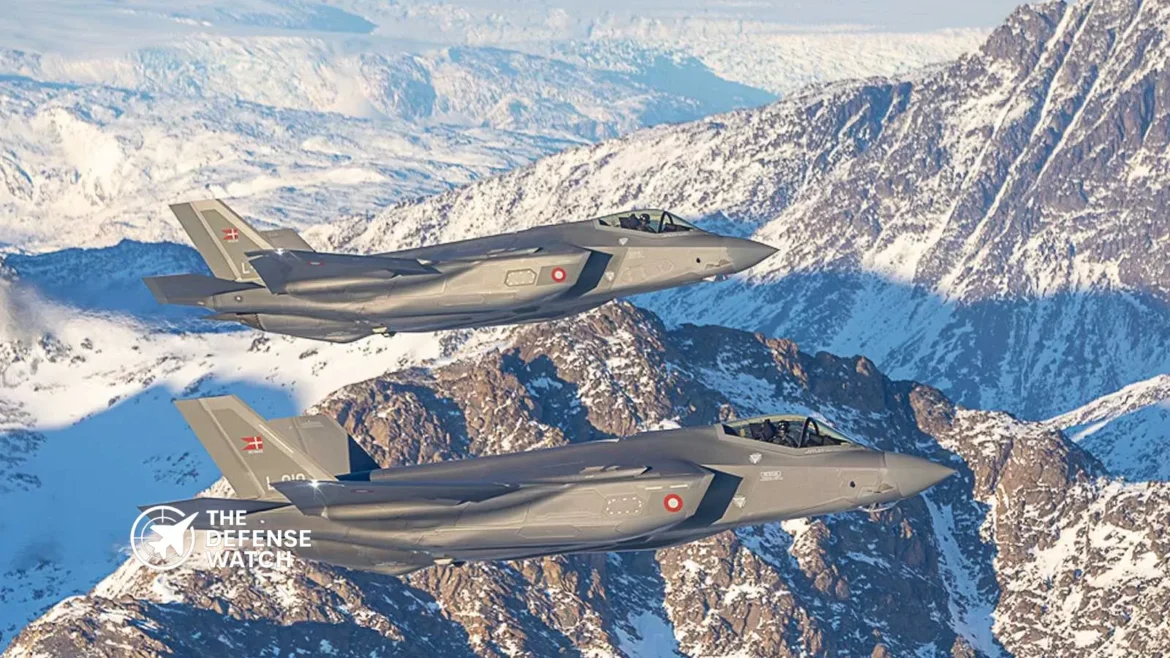
Royal Danish Air Force F-35A Lightning II fighters demonstrated Arctic combat capability in extreme cold during joint air defense missions under North American Aerospace Defense Command (NORAD) control, Danish officials said. The deployment pushed fifth-generation aircraft and support systems into demanding northern environments, validating interoperability and endurance with allied forces.
Nordic Jets in High-Latitude Defense Missions
During Operation Noble Defender, Danish F-35As flew alongside U.S. and Canadian fighters with support from a French Air and Space Force Airbus A330 Multi-Role Tanker Transport for aerial refueling. The missions spanned across Icelandic and southeastern Greenland airspace, where severe temperatures, limited infrastructure, and long-range sortie demands tested aircraft and crews alike.
Operating under NORAD’s integrated U.S.-Canada air defense structure, the Danish jets conducted air policing and surveillance sorties. Allied commanders emphasized real-time data sharing and secure communications between F-35s and partner aircraft as a key outcome of the exercise.
Environmental Challenges and Platform Performance
Arctic missions expose aircraft and support personnel to extreme cold, rapidly changing weather, and sparse ground support. During Operation Noble Defender, crews routinely operated in sub-zero temperatures, with wind chills well below freezing.
According to analysts, the F-35A’s integrated sensor suite, including its AESA radar and electro-optical systems, helps maintain situational awareness where weather and ice cover can reduce visibility. Sensor fusion was a highlight, providing shared threat pictures across the joint force.
The jet’s Pratt & Whitney F135 engine is reported to deliver reliable cold-start performance, while maintainers used onboard health monitoring tools to track stress and component performance at low temperatures. These data help refine sustainment practices for future Arctic deployments.
Sustained Operations With Allied Support
Supporting long-range sorties over the North Atlantic, aerial refueling was critical. The French MRTT tanker extended F-35A time on station, bridging the significant distances between bases and patrol zones. A Danish Challenger CL-604 transport also contributed to logistical flexibility, moving personnel in challenging conditions.
Search and rescue (SAR) assets were pre-positioned in Greenland to support allied aircraft should missions run into distress. This underlines the inherent risk of high-latitude flight operations where response times to emergencies are long and survival windows narrow.
Strategic and Operational Context
Danish involvement comes as NATO and partner forces increase focus on Arctic security. Greenland’s strategic location has drawn heightened military attention, including regular high-latitude exercises and deployments by allied air and maritime forces.
NORAD’s Operation Noble Defender is a recurring air defense exercise intended to enhance deterrence and readiness for the northern approaches to North America. The Danish F-35A contribution represents one of the most demanding uses of the type in Arctic conditions to date.
What Comes Next
As Denmark continues to integrate the F-35A into frontline roles, Arctic operations remain a priority. The Royal Danish Air Force is expanding its fleet under recent defense budgets and working with NATO partners to refine high-latitude tactics and sustainment practices.
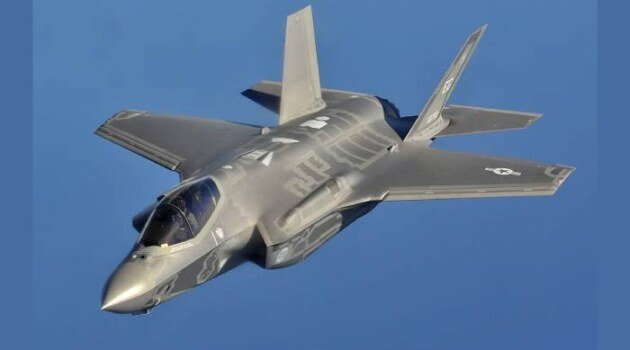

Israel Ministry of Defense Signs $130M CH-53K Integration Deal
The Israel Ministry of Defense has signed an approximately $130 million agreement with Elbit Systems to integrate Israeli-developed systems on the CH-53K Pereh heavy lift helicopters, marking a major milestone in the Israeli Air Force modernization effort.
The contract was signed by the Defense Procurement Directorate within the ministry as part of preparations for the delivery of 12 CH-53K helicopters, which will replace the Israeli Air Force aging CH-53D Yasur fleet that has been in service for decades.
According to the Ministry of Defense, the deal exceeds NIS 400 million and covers the integration of Israeli command and control systems, advanced avionics, electronic warfare suites, and an advanced directional infrared countermeasures system designed to protect the aircraft against missile threats.
Elbit Systems to Lead Israeli-Specific Integration
Under the agreement, Elbit Systems will serve as the prime contractor responsible for adapting the US-built CH-53K helicopters to Israeli operational requirements.
The integration package includes mission systems tailored to Israeli Air Force doctrine, with a focus on survivability, situational awareness, and all-weather operations. The upgraded cockpit environment is expected to improve crew workload management while enabling operations in complex terrain and contested environments.
Israeli officials say the systems will support improved obstacle detection, identification of safe landing zones, and enhanced coordination with other air and ground assets.
Elbit Systems has previously delivered avionics, electronic warfare, and self-protection suites for multiple Israeli and international helicopter platforms, including the UH-60 Black Hawk and CH-47 Chinook.
CH-53K Pereh Acquired Through US FMS Program
The CH-53K helicopters were acquired through a Foreign Military Sales agreement between Israel and the US government, signed several years ago. The aircraft are manufactured by Lockheed Martin Sikorsky and represent the latest evolution of the long serving CH-53 family.
Assembly of the Israeli aircraft is currently underway at Sikorsky primary production facility in Connecticut.
Once assembly is completed, the helicopters will be transferred to a dedicated installation and production line where Israeli systems will be integrated into the baseline American configuration. This approach allows Israel to retain commonality with US Marine Corps CH-53K aircraft while incorporating mission-specific technologies.
Enhancing Heavy Lift and Long-Range Operations
The CH-53K Pereh is expected to significantly enhance the Israeli Air Force heavy lift capability. Compared to the legacy Yasur helicopters, the new platform offers greater payload capacity, extended range, improved digital architecture, and enhanced survivability.

With the integration of Israeli electronic warfare and self-protection systems, the CH-53K fleet is intended to operate in high-threat environments, including scenarios involving advanced air defenses and man-portable missile systems.
The addition of a directional infrared countermeasures system is particularly relevant for low altitude operations, special forces insertion, and resupply missions.
Strategic Importance for Israeli Defense Planning
The CH-53K integration deal reflects Israel broader approach to defense procurement, combining US platforms with domestically developed systems to maintain operational independence and technological superiority.
Israeli defense officials have repeatedly emphasized the importance of tailoring foreign platforms to local requirements, especially in areas such as electronic warfare, communications, and networked operations.
The helicopter fleet is expected to play a key role in a wide range of missions, including long-range transport, special operations, combat search and rescue, and logistical support under fire.
Program Timeline and Next Steps
The Israeli Ministry of Defense has not publicly disclosed the full delivery timeline for the CH-53K Pereh fleet. However, initial aircraft are expected to arrive later this decade following completion of assembly, testing, and system integration.
Once delivered, the helicopters will undergo operational testing and evaluation with the Israeli Air Force before entering full operational service.
The Elbit Systems integration work will proceed in parallel with aircraft production, reducing the time required to achieve initial operational capability.


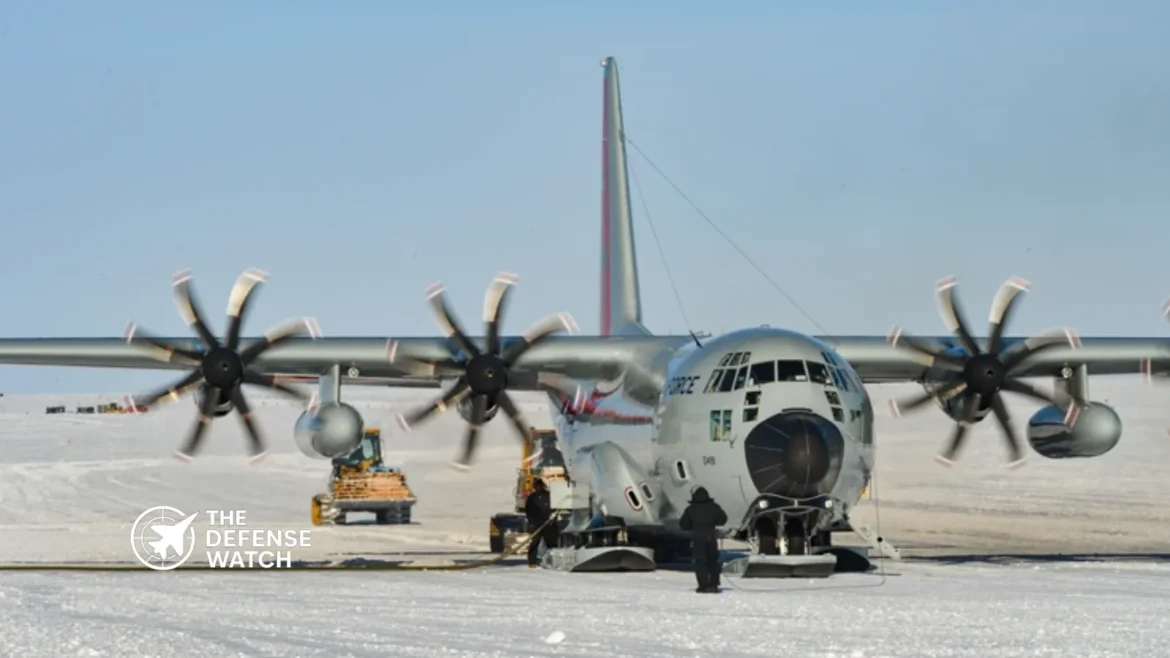
The RAF Antarctic mission has reinforced UK Chile cooperation by delivering personnel and equipment in support of operations on the southern continent. The flight, conducted by the Royal Air Force in coordination with Chilean partners, highlights the growing role of military aviation in sustaining Antarctic presence while strengthening defense relationships between London and Santiago.
According to reporting by UK Defence Journal and official statements from the UK Ministry of Defence, the mission focused on logistical support rather than combat activity, aligning with international agreements governing Antarctic operations.
Strategic Context of the RAF Antarctic Mission
The RAF Antarctic mission forms part of a wider UK effort to maintain reliable access to Antarctica, a region critical for scientific research, climate monitoring, and international cooperation. The United Kingdom has maintained a continuous Antarctic presence for decades, primarily through the British Antarctic Survey, with military aviation providing essential lift capability.
Chile plays a central role in Antarctic logistics due to its geographic proximity and established infrastructure. Cooperation between the RAF and the Chilean Air Force allows both nations to operate more efficiently in extreme environments where weather, distance, and limited infrastructure create persistent challenges.
Authoritative sources including the UK Ministry of Defence have emphasized that such missions are routine but strategically important, ensuring continuity of research and adherence to international obligations.
Aircraft and Capabilities Used
The mission was conducted using RAF transport aircraft optimized for long range and austere environment operations. While specific aircraft details were not fully disclosed, the RAF regularly employs platforms such as the A400M Atlas and C 130 variants for polar logistics.
These aircraft provide key advantages for Antarctic missions:
• Long range endurance suitable for intercontinental flights
• Ability to operate from semi prepared or icy runways
• High payload capacity for personnel, fuel, and scientific equipment
The operation also demonstrated interoperability with Chilean facilities, including shared planning, ground support, and coordination procedures.
UK Chile Defense and Aviation Cooperation
UK Chile cooperation in Antarctica reflects a broader defense relationship that includes training exchanges, professional military education, and joint exercises. Chile has extensive experience operating in polar conditions and maintains multiple Antarctic bases, making it a valuable partner for allied nations with research and logistical interests in the region.
For the UK, cooperation with Chile enhances operational resilience while reducing costs and risks associated with unilateral operations in extreme environments. For Chile, collaboration with a NATO member reinforces international partnerships and technical exchange.
Defense analysts note that these activities remain consistent with the Antarctic Treaty System, which promotes peaceful use, scientific cooperation, and transparency.
Importance of Antarctica for Defense and Security Planning
While Antarctica is governed by strict international agreements, defense planners increasingly view polar logistics as a test bed for operating in extreme conditions. Skills developed during Antarctic missions translate directly to humanitarian assistance, disaster response, and high latitude operations elsewhere.
The RAF Antarctic mission demonstrates the service’s ability to project air mobility across vast distances, coordinate with foreign partners, and sustain operations in some of the harshest conditions on Earth.
Official Statements and Sources
The UK Ministry of Defence confirmed that the mission supported cooperative Antarctic activity and reinforced bilateral ties with Chile. Chilean defense authorities echoed the emphasis on logistics and scientific support, noting the value of shared expertise in polar aviation.
UK Defence Journal reported that the mission represents a continuation of established cooperation rather than a new policy shift, underscoring stability and predictability in UK Antarctic engagement.
Outlook for Future Antarctic Cooperation
Looking ahead, UK Chile cooperation in Antarctica is expected to continue as both nations maintain commitments to scientific research and responsible presence on the continent. Military aviation will remain a key enabler, particularly as climate conditions place greater demands on logistics and infrastructure.
The RAF Antarctic mission serves as a practical example of how defense capabilities support broader national objectives without undermining the peaceful framework governing Antarctica.

Automatic Air-to-Air Refueling Now Fully Certified on A330 MRTT
Airbus and Singapore have achieved full certification for the automatic air-to-air refueling (A3R) capability on the Airbus A330 Multi Role Tanker Transport (MRTT), marking a world first in military aviation. Certification was granted by Spain’s National Institute for Aerospace Technology (INTA) after a thorough flight-test and qualification campaign with the Republic of Singapore Air Force (RSAF) and the Defence Science and Technology Agency (DSTA).
The A3R system automates the traditional aerial refueling boom operation, reducing manual workload for air refueling operators while enhancing precision and safety. The full certification covers both daytime and night operations, reflecting rigorous testing across a wide range of mission profiles and receiver aircraft types.
What This Certification Means
The certification confirms the maturity, reliability, and safety of Airbus’s Automatic Air-to-Air Refueling system on the A330 MRTT. It allows the RSAF to conduct automated refueling operations with its fleet of MRTTs operated by 112 Squadron without manual boom control.
Singapore is the first air force in the world to field a fully certified automatic refueling capability on a tanker aircraft. This milestone establishes a benchmark for aerial refuelling automation and may influence future tanker modernization efforts internationally.
How the A3R System Works
Developed under Airbus’s SMART MRTT initiative, the A3R system uses advanced sensors and computer vision to automatically detect and track receiver aircraft and guide the refueling boom into position. The process minimizes the need for direct human input during boom engagement, reducing operator fatigue and enabling more consistent contact with receiver aircraft.
The system is designed to be compatible with multiple receiver platforms. Certification testing included RSAF F-16 and F-15SG fighters alongside the MRTT fleet, validating the system across different aircraft types and operational conditions.
Development and Testing History
Airbus and the RSAF began collaborating on the A3R program in 2020, aiming to bring automated boom refueling into operational service. Earlier milestones included successful daytime certification in 2022 and extensive night operation flight tests, as well as trials that involved hundreds of automatic contacts between the MRTT and various receiver aircraft.
These efforts culminated in the recent certification announcement at the Singapore Airshow 2026, reinforcing Singapore’s role as a leading partner in A3R development and innovation.
Strategic Impact
Automatic aerial refueling offers several operational advantages for air forces:
- Reduced workload and improved safety for refueling operators.
- Greater consistency and precision in boom contact across mission profiles.
- Enhanced flexibility for tanker and receiver formations during sustained operations.
By automating complex refueling tasks, the A3R system can free crew attention for broader situational awareness and mission management.
What Comes Next
With full certification secured, Airbus plans to support A3R retrofit and integration for existing MRTT operators. The company is also exploring ways to incorporate the technology more seamlessly into future tanker variants, including the A330neo-based MRTT Plus platform.
Continued collaboration between Airbus and Singapore could extend the range of certified receiver aircraft and broaden the global adoption of automated refueling capabilities.