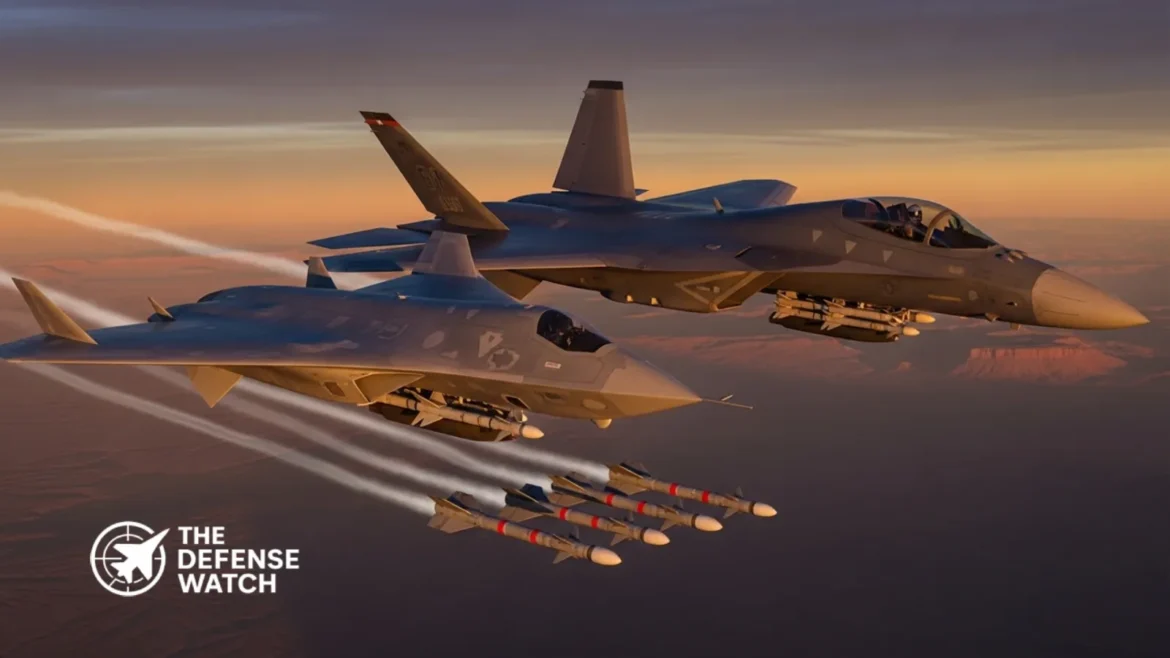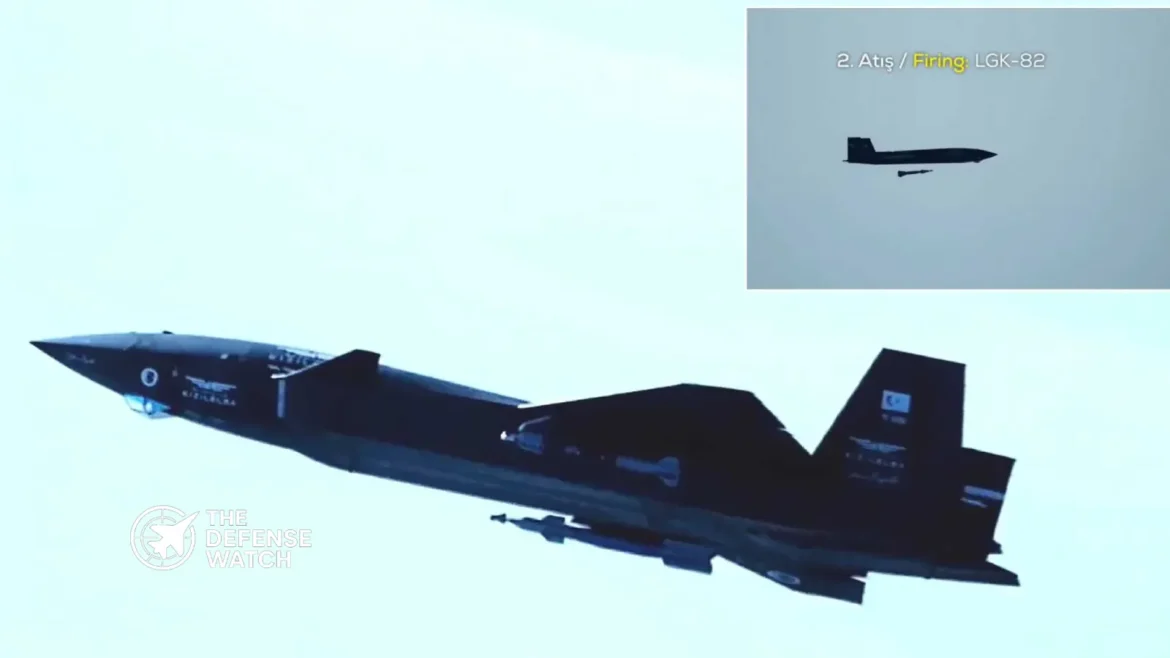
- Türkiye successfully tested the Bayraktar Kizilelma unmanned fighter jet with a precision guided bomb strike.
- The stealth oriented UCAV is designed for air to air and air to ground combat missions.
- Kizilelma forms part of Türkiye’s effort to build an independent next generation combat aviation ecosystem.
- The aircraft is expected to operate from short runway aircraft carriers such as the TCG Anadolu.
- The test highlights the rapid evolution of high performance unmanned combat aircraft globally.
Türkiye Advances Bayraktar Kizilelma Unmanned Fighter Jet Strike Capability
The Bayraktar Kizilelma unmanned fighter jet has completed a new test demonstrating precision guided bomb strike capability, marking a significant milestone in Türkiye’s effort to field a next generation unmanned combat aircraft. The test highlights the growing maturity of the Kizilelma program and signals Türkiye’s intent to integrate high performance combat drones into frontline operations.
Developed by Turkish defense company Baykar, the aircraft represents one of the most ambitious unmanned combat air vehicle (UCAV) programs currently under development. The latest flight test demonstrated the platform’s ability to conduct precision air to ground strikes, an essential step toward operational deployment.
The Big Picture
Unmanned combat aircraft are rapidly reshaping military aviation. Nations are increasingly investing in systems capable of performing missions traditionally handled by manned fighter jets, including precision strike, intelligence gathering, and even air to air combat.
Türkiye has become one of the most active developers in this sector. Over the past decade, Turkish industry has expanded its drone capabilities with systems such as the Bayraktar TB2 and the Akinci UCAV. These platforms have seen operational use in multiple conflict zones and have helped establish Türkiye as a major exporter of unmanned aerial systems.
The Bayraktar Kizilelma unmanned fighter jet represents the next stage of this evolution. Unlike earlier drones optimized primarily for surveillance and strike missions, Kizilelma is designed as a high performance combat aircraft capable of operating in contested airspace.
Its development also reflects Türkiye’s broader strategy to reduce dependence on foreign defense suppliers and build a domestically controlled aerospace ecosystem.
What Is Happening
The latest test flight involved the Bayraktar Kizilelma unmanned fighter jet conducting a precision guided bomb strike against a designated ground target. According to defense reporting, the aircraft successfully released and guided the munition during the flight test.
The demonstration verified the aircraft’s ability to perform precision strike missions using guided munitions, one of the key operational roles envisioned for the platform.
Kizilelma features several design characteristics intended to enhance survivability and combat performance. The aircraft incorporates a stealth influenced airframe with reduced radar signature, internal weapon carriage for certain configurations, and high subsonic or potentially supersonic flight performance depending on the engine configuration.
The aircraft is designed to carry a range of Turkish produced munitions, including precision guided bombs and air to air missiles.
A key design objective is compatibility with short runway and carrier operations. Turkish officials have previously indicated that the aircraft could operate from the amphibious assault ship TCG Anadolu, which Türkiye has positioned as a drone carrier after the removal of plans to operate the F 35B fighter aircraft.
Why It Matters
The successful precision strike test demonstrates that the Bayraktar Kizilelma unmanned fighter jet is moving beyond early flight testing and toward operational capability.
Strike capability is a core requirement for any UCAV intended to operate as a frontline combat aircraft. Precision guided bomb delivery confirms that the aircraft’s fire control, targeting systems, and weapons integration are progressing.
This capability is particularly important because unmanned systems can conduct high risk missions without exposing pilots to danger. They can also remain on station for longer periods than many manned aircraft.
For Türkiye, this test strengthens its position as a leading producer of combat drones and highlights the country’s ambition to compete in the emerging market for high performance UCAVs.
Suggested Internal Link
(Add link to related article on TheDefenseWatch)
Article about Turkish Bayraktar TB2 combat drone operationsStrategic Implications
The development of aircraft such as the Bayraktar Kizilelma unmanned fighter jet signals a broader shift in the future of air warfare.
Modern air forces increasingly view unmanned platforms as force multipliers capable of operating alongside manned aircraft. In some concepts of operation, unmanned aircraft can perform high risk strike missions, electronic warfare tasks, or reconnaissance roles while manned fighters focus on command and control.
The Kizilelma program may also help Türkiye fill capability gaps created by its removal from the F 35 Joint Strike Fighter program. By investing heavily in indigenous platforms, Türkiye aims to sustain advanced aerospace capabilities despite limitations on access to certain Western technologies.
Carrier capable drones represent another strategic dimension. Operating UCAVs from ships such as TCG Anadolu could provide Türkiye with flexible expeditionary air power without requiring a traditional aircraft carrier.
If successful, this model could influence how medium sized naval powers approach carrier aviation.
Competitor View
Regional and global competitors will closely monitor the progress of the Bayraktar Kizilelma unmanned fighter jet.
Russia and China are both investing heavily in advanced unmanned combat aircraft. China in particular has already demonstrated several stealth UAV designs, including systems intended to operate alongside manned fighters.
European nations and the United States are also pursuing collaborative combat aircraft concepts, often referred to as loyal wingman systems.
Türkiye’s program stands out because it combines relatively rapid development timelines with a focus on operational deployment rather than long term research programs.
The growing export success of Turkish drones could also raise concerns among regional rivals that such technologies may become widely available in global defense markets.
What To Watch Next
The next phase of development for the Bayraktar Kizilelma unmanned fighter jet will likely involve expanded weapons integration and operational testing.
Upcoming milestones could include:
Expanded flight envelope testing
Integration of additional air to air and air to ground weapons
Testing of autonomous mission capabilities
Carrier compatible launch and recovery trials
Potential operational evaluation with the Turkish Armed ForcesThese steps will determine how quickly the aircraft can transition from prototype testing to operational deployment.
Suggested Internal Link
(Add link to related article on TheDefenseWatch)
Article about Türkiye’s Akinci high altitude UCAV programCapability Gap
The Kizilelma program addresses a specific operational challenge faced by many air forces. Traditional manned fighters are expensive to operate and place pilots at risk during high threat missions.
Advanced unmanned combat aircraft can conduct dangerous operations such as deep strike or suppression of enemy air defenses with lower risk.
However, UCAVs still face limitations. Autonomous decision making, electronic warfare survivability, and integration with existing command networks remain complex technical challenges.
Operational doctrine for high performance combat drones is also still evolving in many militaries.
The Bottom Line
The Bayraktar Kizilelma unmanned fighter jet precision strike test marks a significant step toward operationalizing a new generation of high performance combat drones that could reshape future air warfare.
 ¦ KEY FACTS AT A GLANCE
- The U.S. Air Force will not approve a follow-on contract for 75 KC-46 tankers until Boeing resolves existing deficiencies.
- Key issues include problems with the aircraft’s refueling boom and remote vision system used by boom operators.
- More than 100 KC-46 aircraft have already been delivered under the current procurement program.
- A decision on the next tanker procurement contract is expected in roughly two years.
- The tanker program is central to replacing aging KC-135 aircraft built in the 1950s and 1960s.
USAF Delays New KC-46 Tanker Orders Until Boeing Fixes Ongoing Problems
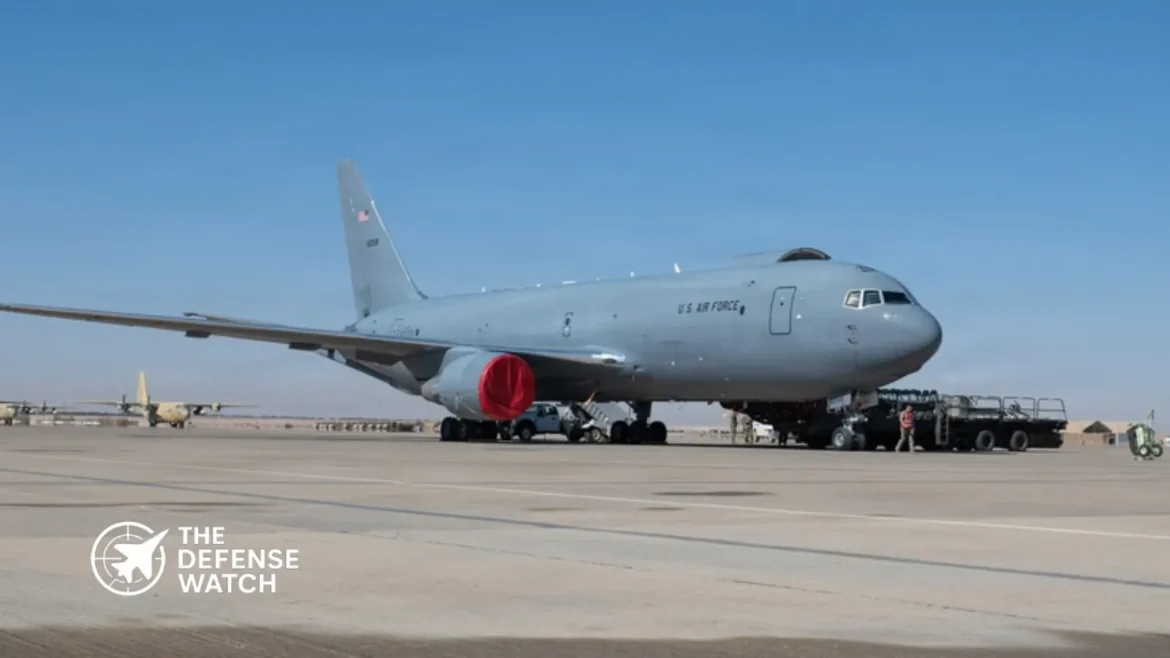
The KC-46 tanker program faces renewed scrutiny after U.S. Air Force leadership said Boeing must resolve persistent aircraft deficiencies before the service approves another major procurement order. Air Force officials told lawmakers that technical issues with the KC-46 Pegasus, particularly involving the refueling boom and remote vision system, must be fixed before the Pentagon moves forward with a potential purchase of 75 additional tankers. The warning highlights ongoing challenges in one of the Air Force’s most important modernization programs, which aims to replace aging KC-135 aircraft that have supported U.S. global air operations for decades.
The Big Picture
The KC-46 tanker program sits at the center of the U.S. Air Force’s long-term aerial refueling modernization effort.
Aerial refueling aircraft extend the operational range of fighters, bombers, and surveillance aircraft. They allow U.S. forces to project power across global theaters without relying heavily on forward bases. That capability has become increasingly critical as the Pentagon prepares for potential high-end conflicts, particularly in the Indo-Pacific.
The Air Force plans to replace large portions of its aging tanker fleet, including the KC-135 Stratotanker, many of which entered service more than six decades ago. The KC-46 Pegasus, built by Boeing and derived from the commercial 767 platform, represents the first step in that replacement strategy.
However, persistent technical issues have complicated the program and slowed the transition.
What’s Happening
A senior U.S. Air Force official recently told lawmakers that Boeing must resolve ongoing KC-46 tanker problems before the service approves a new order of 75 aircraft.
Speaking during a Senate Armed Services Committee hearing, Air Force Vice Chief of Staff Gen. John Lamontagne said the service is still working through several deficiencies with the contractor.
The Air Force has already ordered 183 KC-46 tankers, and more than 100 aircraft have been delivered so far.
Despite that progress, unresolved issues continue to affect the aircraft’s performance and operational reliability. The most notable problems involve:
- The refueling boom, which transfers fuel to receiving aircraft
- The remote vision system, a camera-based system used by the boom operator to guide refueling
Last year, the Air Force also temporarily paused tanker deliveries after cracks were discovered in several newly built aircraft awaiting delivery.
According to Lamontagne, a decision on a new procurement contract could come within the next two years, assuming the problems are successfully addressed.
Why It Matters
The KC-46 tanker program is one of the most important aviation modernization efforts within the U.S. Air Force.
Aerial refueling capability underpins nearly every U.S. military air operation. Fighters rely on tankers to conduct long-range strike missions. Strategic bombers require refueling to reach targets across continents. Surveillance aircraft depend on tankers to maintain persistent intelligence coverage.
Without reliable tanker aircraft, the operational reach of U.S. airpower would shrink dramatically.
That is why delays in the KC-46 program carry strategic consequences. Every year the new tanker remains constrained by technical issues, the Air Force must rely more heavily on its KC-135 fleet, many of which were built during the Cold War.
The Air Force originally expected the KC-46 to become the backbone of its tanker fleet by the mid-2020s. Continued technical fixes have pushed that timeline further out.
Strategic Implications
The KC-46 program affects the United States’ ability to sustain global air operations across multiple theaters simultaneously.
In the Indo-Pacific, aerial refueling aircraft are essential for operating fighters over vast ocean distances. U.S. bases in the region are limited and vulnerable, which means aircraft often need tanker support to operate effectively.
The same logic applies to NATO operations in Europe and U.S. missions in the Middle East.
Flight records show that KC-46 tankers have already supported U.S. strike operations against Iran, demonstrating the aircraft’s growing operational role despite its development challenges.
However, the Air Force remains cautious about expanding procurement until the platform achieves full reliability.
A delay in the next KC-46 order could slow the retirement of older tanker aircraft and complicate long-term force planning.
Competitor View
Strategic competitors closely watch U.S. tanker modernization programs because aerial refueling directly affects power projection.
China has invested heavily in developing its own tanker fleet, including variants of the Y-20 aerial refueling aircraft, to support long-range fighter operations in the Pacific.
Russia also relies heavily on tanker aircraft to support strategic bomber patrols and long-distance aviation missions.
If the United States experiences prolonged delays in replacing its Cold War-era tankers, competitors may view it as a temporary constraint on U.S. global air operations.
However, the broader scale and experience of the U.S. tanker fleet still far exceeds those of its rivals.
What To Watch Next
Several developments will determine how quickly the KC-46 program stabilizes.
Key milestones include:
- Completion of upgrades to the aircraft’s remote vision system, which improves visibility for boom operators
- Resolution of mechanical issues affecting the refueling boom
- Continued aircraft deliveries planned for 2026
Boeing delivered 14 tankers in 2025 and plans to deliver 19 in 2026 as the company works to stabilize production.
The contractor has also absorbed significant financial losses on the program due to its fixed-price contract structure. Boeing has reported more than $7 billion in losses tied to the KC-46 effort.
Future bids for additional tankers are likely to reflect revised pricing structures.
Capability Gap
The KC-46 program aims to address a major structural gap in U.S. air mobility.
The Air Force still operates hundreds of KC-135 Stratotankers, many built between the late 1950s and early 1960s. While these aircraft have undergone multiple upgrades, their age increases maintenance demands and limits long-term viability.
The Pegasus tanker introduces several modern capabilities:
- Advanced defensive systems
- Greater cargo and medical evacuation capacity
- Digital refueling systems and improved avionics
However, unresolved technical issues have slowed the full realization of those capabilities.
Until the KC-46 reaches full operational maturity, the Air Force must continue balancing modernization goals with the realities of sustaining older aircraft.
The Bottom Line
The U.S. Air Force will move forward with additional KC-46 tankers only after Boeing demonstrates that the aircraft’s long-standing technical issues are fully resolved.
¦ KEY FACTS AT A GLANCE- Bell completed the Critical Design Review for DARPA’s SPRINT X-Plane program and received the official X-76 designation.
- The experimental aircraft aims to combine helicopter-like vertical lift with jet-like cruise speeds exceeding 400 knots.
- The program is jointly funded by DARPA and U.S. Special Operations Command to enable runway independent military aviation.
- Phase 2 now moves into aircraft construction and ground testing before a planned flight test phase later in the program.
- The X-76 demonstrator could shape future U.S. military vertical lift aircraft capable of rapid deployment without traditional airfields.
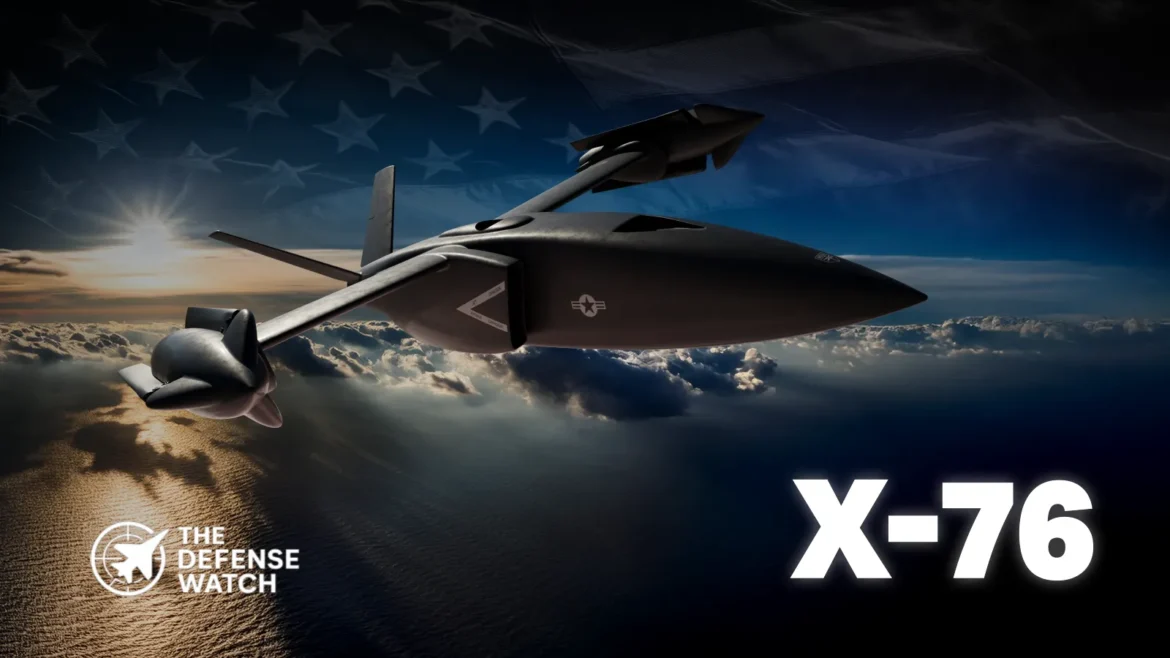
DARPA SPRINT X-76 X-Plane Advances Toward Flight Testing
The DARPA SPRINT X-76 X-Plane program has reached a major milestone after Bell Textron completed the aircraft’s Critical Design Review (CDR), clearing the project to move into the manufacturing phase. The aircraft demonstrator, officially designated X-76, is part of DARPA’s Speed and Runway Independent Technologies (SPRINT) initiative aimed at developing a new class of high speed vertical lift aircraft.
Bell will now begin constructing the experimental aircraft as part of Phase 2 of the program, which includes detailed design, manufacturing, integration, and ground testing ahead of a planned flight test campaign.
The program is jointly funded by DARPA and U.S. Special Operations Command and seeks to combine the vertical takeoff capability of helicopters with the speed and range typically associated with fixed wing aircraft.
The Big Picture
The DARPA SPRINT X-76 X-Plane reflects a broader U.S. effort to transform military air mobility through advanced vertical lift technologies. For decades, military planners have faced a fundamental trade off between aircraft that can take off vertically and those capable of high speed cruise.
Helicopters offer flexibility and can operate from small landing zones, but they typically cruise at speeds well below 200 knots. Fixed wing aircraft provide far greater speed and range but depend on runways, which can become vulnerable targets during high intensity conflict.
SPRINT aims to overcome that long standing limitation by developing aircraft that can operate without runways while cruising at speeds exceeding 400 knots.
Such capabilities align closely with emerging U.S. operational concepts such as distributed operations, rapid force projection, and expeditionary logistics in contested environments.
What’s Happening
Bell Textron announced on March 9, 2026, that it had successfully completed the Critical Design Review for the DARPA SPRINT program, enabling the company to begin building the aircraft demonstrator designated X-76.
The milestone follows Bell’s selection for Phase 2 of the program in 2025 after completing earlier conceptual and preliminary design phases.
The SPRINT program seeks to demonstrate an aircraft capable of:
- Cruising between 400 and 450 knots
- Hovering and landing in austere environments
- Operating from unprepared surfaces without traditional runways
Bell’s design uses an innovative stop and fold rotor system, allowing rotor blades to operate during vertical takeoff and landing but fold away during high speed forward flight to reduce aerodynamic drag.
Once the aircraft transitions to cruise mode, a separate propulsion system provides forward thrust, enabling speeds closer to jet powered aircraft.
Why It Matters
The DARPA SPRINT X-76 X-Plane directly addresses one of the most persistent operational constraints in military aviation, reliance on fixed runways.
Runways offer speed and payload advantages but represent a critical vulnerability during modern conflicts. Long range precision weapons and drone attacks have made airfields increasingly easy targets.
A high speed aircraft that can take off vertically and operate from small landing zones could allow U.S. forces to disperse aviation assets across many locations rather than concentrating them at a handful of major bases.
For special operations forces, the ability to insert or extract personnel rapidly without established infrastructure could significantly expand operational flexibility.
Strategic Implications
The technologies demonstrated by the X-76 could influence future U.S. military aircraft across multiple mission sets.
High speed VTOL aircraft could support:
- Special operations infiltration missions
- Rapid logistics and medical evacuation
- Forward resupply for distributed units
- Expeditionary basing in contested environments
In large scale conflict scenarios, these capabilities could improve survivability by reducing dependence on large fixed airfields.
The SPRINT concept also supports the Pentagon’s broader push toward distributed and resilient force structures, particularly in the Indo Pacific where dispersed island chains complicate traditional aviation operations.
Competitor View
Strategic competitors closely track U.S. experimental aviation programs, especially those related to vertical lift and operational mobility.
China has invested heavily in advanced rotorcraft and hybrid aircraft concepts aimed at extending operational reach across the Western Pacific. Russia has also explored high speed helicopter designs intended to increase battlefield mobility.
A successful demonstration of the DARPA SPRINT X-76 X-Plane would reinforce U.S. leadership in advanced vertical lift technology and may accelerate similar research efforts among competing powers.
Experimental X-plane programs have historically influenced global aviation trends. Technologies first demonstrated through such programs often appear later in operational aircraft.
What To Watch Next
With the design phase complete, the program now enters the aircraft construction stage.
Bell will focus on:
- Manufacturing the X-76 demonstrator
- Integrating propulsion and rotor systems
- Conducting ground testing and validation
Flight testing is expected during Phase 3 of the SPRINT program, which DARPA plans to begin around 2028.
Those tests will evaluate how effectively the aircraft can transition between vertical lift and high speed cruise while maintaining stability and efficiency.
Capability Gap
The DARPA SPRINT X-76 X-Plane targets a specific operational gap in military aviation.
Current tiltrotor aircraft such as the V-22 Osprey provide improved speed over helicopters but remain limited in top speed due to aerodynamic drag from their rotor systems.
The stop and fold rotor concept attempts to overcome that limitation by eliminating rotor drag once the aircraft transitions into forward flight.
However, the approach introduces technical challenges, particularly in flight transition, propulsion integration, and structural complexity. Demonstrating reliable transitions between rotor and cruise modes will be critical for the program’s success.
The Bottom Line
The DARPA SPRINT X-76 X-Plane represents a major step toward aircraft that combine helicopter flexibility with jet level speed, potentially redefining future military air mobility.
KEY FACTS AT A GLANCE- Rolls-Royce completed altitude and operability testing for the F130 engine designed for the U.S. Air Force B-52J bomber.
- Testing took place at the Arnold Engineering Development Complex in Tennessee to validate engine performance in high altitude mission conditions.
- The engines will replace aging TF33 powerplants under the B-52 Commercial Engine Replacement Program.
- Rolls-Royce could deliver more than 600 engines as part of a contract worth up to 2.6 billion dollars.
- The B-52J upgrade is expected to extend the bomber’s operational life into the 2050s.
B-52J Engine Upgrade Advances With Successful Altitude Testing
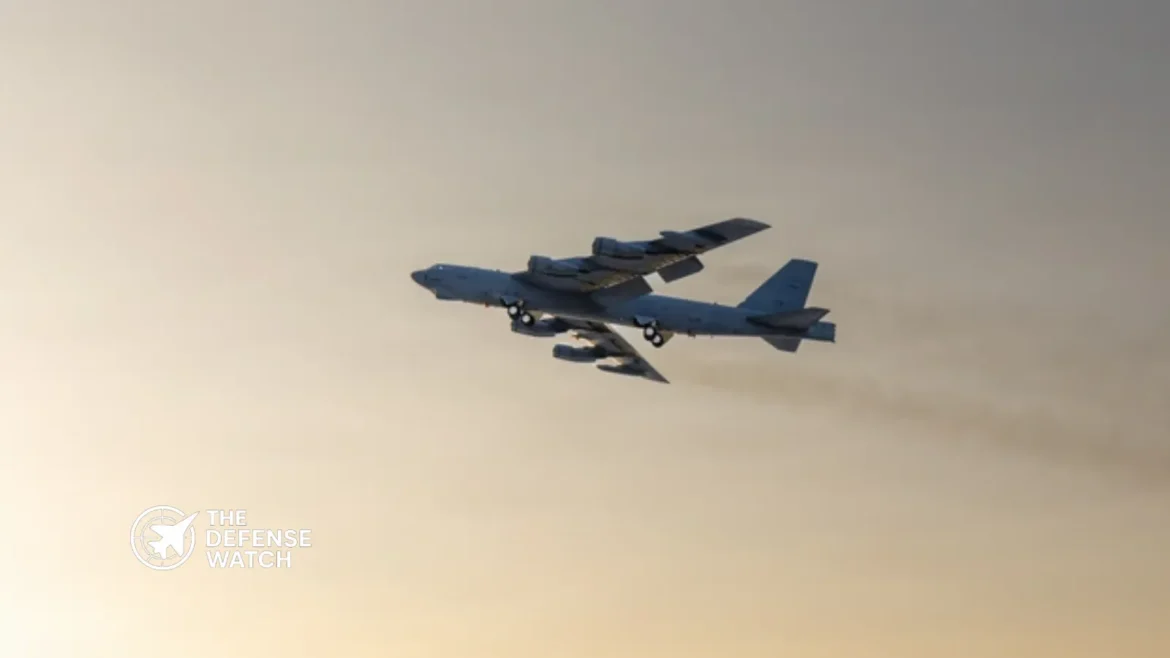
The B-52J engine upgrade program reached a major milestone after Rolls-Royce completed altitude and operability testing for the new F130 engine designed for the U.S. Air Force B-52 strategic bomber fleet. The tests confirmed that the engine can sustain reliable performance during long duration high altitude missions, a critical requirement for the future B-52J configuration.
(adsbygoogle = window.adsbygoogle || []).push({});Engine testing took place at the U.S. Air Force Arnold Engineering Development Complex in Tullahoma, Tennessee. Engineers conducted multiple evaluation phases including high altitude performance testing, airflow distortion simulations, and electrical power generation checks in coordination with Boeing and Air Force program officials.
The results represent another step forward in the B-52 Commercial Engine Replacement Program, a core modernization effort designed to keep the bomber fleet operational for decades.
The Big Picture
The B-52 modernization effort reflects a broader U.S. strategy to sustain long range strike capabilities while new platforms such as the B-21 Raider enter service.
Originally introduced in the early 1950s, the B-52 remains a central component of the United States strategic bomber force. Instead of replacing the aircraft entirely, the Air Force has chosen a cost effective modernization path that upgrades propulsion, radar, and digital systems.
The new engine program sits alongside other upgrades including the Radar Modernization Program, which will install an active electronically scanned array radar derived from the APG-79 family used on modern combat aircraft.
Together these upgrades will transform the current B-52H fleet into the B-52J configuration.
What Is Happening
Rolls-Royce engineers conducted altitude testing to verify the performance envelope of the F130 engine under realistic operational conditions.
The testing program evaluated several mission critical parameters:
• sustained thrust during high altitude flight
• engine stability under turbulent airflow using distortion screens
• integrated power generation using the aircraft’s electrical systemsThe tests also included Integrated Drive Generator evaluations to ensure the engine can provide stable electrical power for avionics and mission systems across all flight profiles.
Program officials said the testing generated critical performance data needed to validate system modeling and prepare the engine for integration with test aircraft.
Lt. Col. Timothy Cleaver, the Air Force program manager for the engine replacement effort, said the results provide confidence as the program transitions to aircraft modification and flight testing phases.
Why It Matters
The B-52J engine upgrade addresses one of the oldest components in the U.S. bomber inventory.
Current B-52H aircraft still rely on Pratt and Whitney TF33 engines, a design that dates back to the Cold War. Maintaining those engines has become increasingly costly due to aging parts, maintenance requirements, and supply chain limitations.
The F130 engine introduces several improvements:
Higher fuel efficiency
Lower maintenance requirements
Improved reliability
Reduced sustainment costsThe engine is derived from the BR725 commercial turbofan used on Gulfstream G650 aircraft and has accumulated more than 30 million flight hours across the broader engine family.
This commercial heritage allows the Air Force to benefit from an established global supply chain and mature engineering base.
Strategic Implications
The B-52J modernization ensures the aircraft remains a viable long range strike platform well into the mid twenty first century.
With the new engines and upgraded radar, the bomber will support missions including:
Nuclear deterrence
Long range conventional strike
Stand off missile operations
Maritime strike rolesStrategic bombers provide unique operational flexibility because they can remain airborne for extended periods and carry large payloads of cruise missiles or precision guided munitions.
Upgraded propulsion will also improve sortie generation rates by reducing maintenance downtime.
(adsbygoogle = window.adsbygoogle || []).push({});For U.S. military planners, this ensures the bomber fleet can maintain persistent global strike coverage even as new systems gradually enter service.
Competitor View
Strategic competitors such as China and Russia closely monitor U.S. bomber modernization programs.
China has expanded its long range bomber capabilities through the H-6K and is developing the next generation H-20 stealth bomber. Russia continues to operate the Tu-95 and Tu-160 fleets while pursuing the future PAK DA bomber program.
Modernizing the B-52 signals that the United States intends to maintain a layered bomber force composed of legacy aircraft, modernized platforms, and next generation stealth systems.
From a deterrence perspective, extending the life of the B-52 increases the survivability and operational availability of the U.S. strategic strike portfolio.
What To Watch Next
The B-52J engine program will now move into the next development stages.
Upcoming milestones include:
Test aircraft modifications
Flight testing of the F130 powered B-52
Further system integration testingOnce testing is complete, the Air Force will move toward production and fleet wide installation of the new engines.
The service expects the upgraded bombers to remain operational into the 2050s.Capability Gap
The engine replacement program directly addresses a sustainment challenge within the bomber fleet.
The TF33 engines currently powering the B-52 require intensive maintenance and have become increasingly difficult to support due to aging components and declining supplier networks.
Replacing them with modern turbofan engines improves reliability and reduces logistical burdens across the fleet.
However, the upgrade does not fundamentally change the B-52’s non stealth airframe. The aircraft will still rely on stand off weapons and electronic warfare support when operating near advanced air defense systems.
The Bottom Line
Successful F130 altitude testing marks a key milestone that keeps the B-52J modernization program on track to extend the operational life of America’s most enduring strategic bomber.
■ KEY FACTS AT A GLANCE- ► The TP400-D6 programme has surpassed one million engine flying hours as of March 2, 2026.
- ► The engine powers the Airbus A400M Atlas military transport aircraft.
- ► Certification was granted by EASA in 2011, with entry into service in 2013.
- ► Ten operating nations contribute to the total engine flight hours milestone.
- ► Engine support is managed under OCCAR’s Engine Support Step 2 contract.
TP400-D6 Programme Surpasses One Million Engine Flying Hours
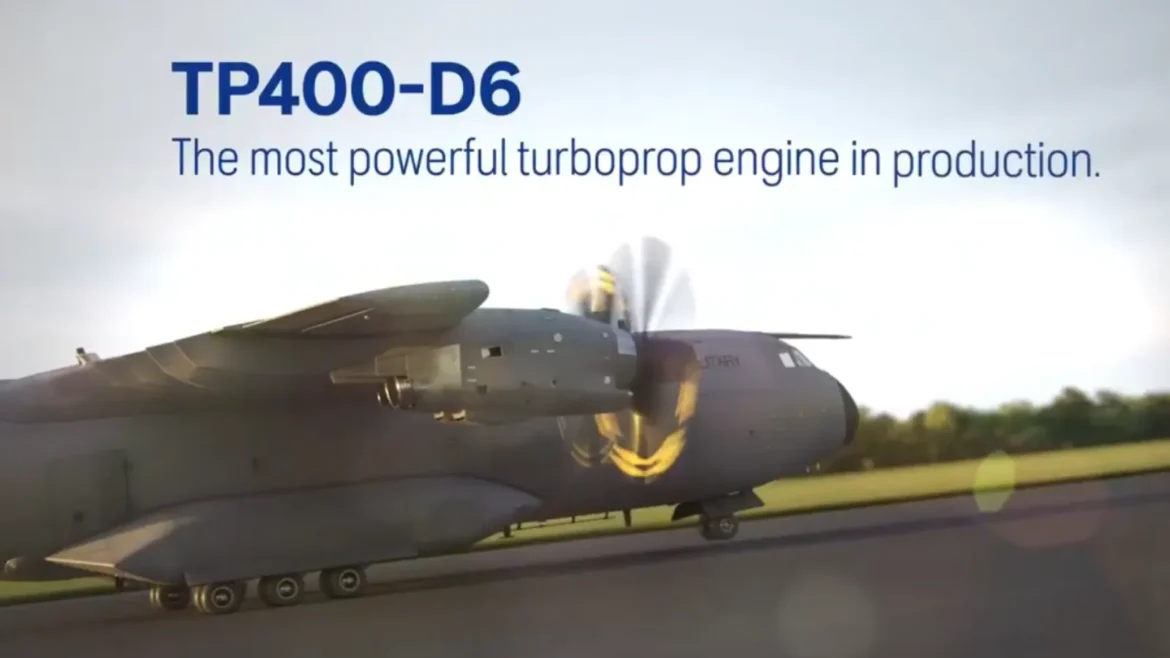
The TP400-D6 programme has officially surpassed one million engine flying hours, marking a major operational milestone for Europrop International GmbH and the fleet of Airbus A400M Atlas aircraft it powers.
The announcement, made March 2, 2026, underscores more than a numerical benchmark. It reflects over a decade of sustained multinational operations, deployments, and structured engine support across Europe, Asia, and beyond.
(adsbygoogle = window.adsbygoogle || []).push({});The TP400-D6 engine achieved certification from the European Union Aviation Safety Agency in 2011 and entered service in August 2013. That certification marked a critical step for Europe’s independent military propulsion capability, positioning the TP400-D6 as the most powerful turboprop engine currently in operational service on a Western military aircraft.
Built For The A400M Atlas
The TP400-D6 powers the A400M Atlas, a four engine tactical and strategic airlifter developed by Airbus Defence and Space. The aircraft bridges the capability gap between smaller tactical transports and larger strategic airlifters, supporting missions that range from humanitarian relief to special operations and aerial refueling.

Image : Europrop International Each A400M is equipped with four TP400-D6 engines. Reaching one million engine flying hours therefore reflects cumulative operational time across the global fleet rather than airframe flight hours alone.
From an operational perspective, this milestone signals fleet maturity. High cumulative engine hours typically correlate with stable maintenance cycles, improved reliability data, and optimized overhaul planning. For military operators, those metrics translate directly into availability rates and mission readiness.
Ten Operating Nations Contribute
The TP400-D6 operating nations now total ten. These include Belgium, France, Germany, Luxembourg, Malaysia, Spain, Türkiye, Kazakhstan, Indonesia, and the United Kingdom.
Initial deliveries began in 2013, with early aircraft entering service with France and Türkiye. The United Kingdom and Germany followed in 2014, with additional operators joining over subsequent years.
Collectively, these nations have flown the A400M in operational deployments across Africa, the Middle East, Europe, and Asia. Missions have included troop transport, heavy equipment airlift, medical evacuation, disaster response, and sustained overseas deployments.
The steady growth in engine flight hours reflects both routine training and real world operational demand. For defense planners, that level of use provides a substantial performance dataset for lifecycle cost modeling and long term sustainment planning.
Structured Support Under OCCAR
Engine sustainment is managed under the Engine Support Step 2 contract overseen by Organisation for Joint Armament Cooperation. The framework centralizes support for participating nations, standardizing maintenance and repair practices.
Over the past several years, Europrop International has expanded maintenance, repair, and overhaul capacity aligned with operator requirements. That includes technical support, logistics coordination, and supply chain stabilization.
(adsbygoogle = window.adsbygoogle || []).push({});The consortium behind the TP400-D6 includes Rolls-Royce, Safran Aircraft Engines, MTU Aero Engines, and ITP Aero, with additional industrial partners contributing to subsystems and components.
From a strategic standpoint, the programme represents one of Europe’s most significant collaborative military engine efforts. It reduces reliance on non European propulsion sources for a critical air mobility platform.
What One Million Engine Hours Means
Reaching one million engine flying hours does not eliminate technical challenges. The TP400-D6 has faced development and integration issues in its early years, particularly involving gearbox systems and software updates. However, sustained operational data since entry into service suggests that reliability metrics have stabilized as the fleet matured.
For operators, the milestone demonstrates that the TP400-D6 has transitioned from development phase risk into established service life performance. In military aviation, this shift is critical. It supports long term procurement confidence and reinforces export credibility for the A400M platform.
(adsbygoogle = window.adsbygoogle || []).push({});The TP400-D6 programme’s one million engine flying hours mark therefore stands as both an operational and industrial benchmark. It highlights multinational use, structured sustainment, and the maturation of a complex European military propulsion system.
As global air mobility requirements continue to evolve, sustained engine reliability will remain central to the A400M’s role in allied operations.
■ KEY FACTS AT A GLANCE- ► Reports claim a US Air Force F-15 crashed in northern Kuwait near the Iraqi border.
- ► The aircraft reportedly went down close to the Khor Abdullah waterway.
- ► Initial accounts suggest the pilot ejected safely before impact.
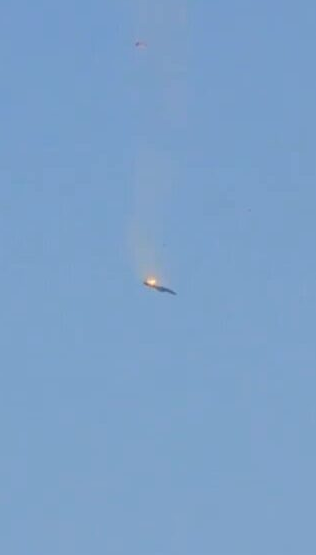
- ► Video circulating online appears to show an F-15 descending while trailing smoke.
- ► US officials have not confirmed the crash or identified the variant involved.
US Air Force F-15 Jet Reportedly Crashes In Kuwait
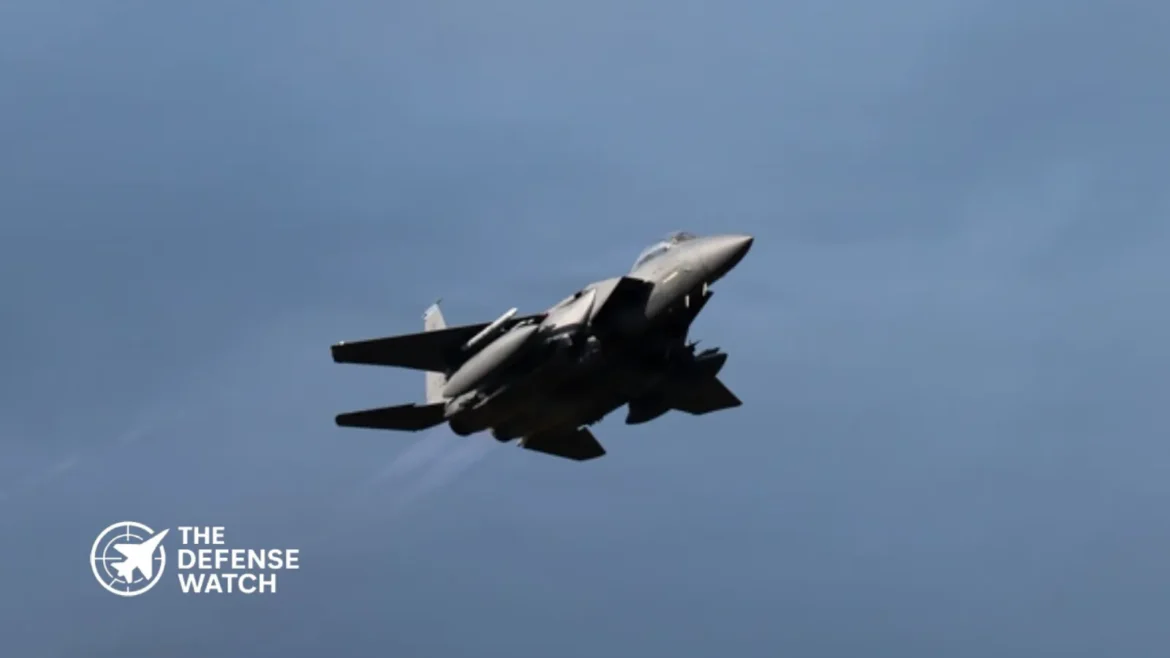
A US Air Force F-15 crash in Kuwait is being widely reported across regional media and social platforms, though American authorities have not yet confirmed the incident.
According to early accounts circulating online, a United States Air Force F-15 fighter jet went down in northern Kuwait near the Iraqi border, close to the Khor Abdullah waterway. The area is described as sparsely populated.
Initial reporting attributed to Iraqi and Kuwaiti sources claims the pilot ejected safely before impact. Some local accounts state residents assisted the pilot after landing. These reports remain unverified.
At the time of publication, neither the US Department of Defense nor the US Air Force has issued an official statement confirming the loss of an aircraft or detailing the circumstances.
Online Footage And Local Reports
Several short video clips circulating online appear to show what is described as an F-15E Strike Eagle descending rapidly while trailing smoke, with flames visible from one engine before the aircraft drops below the horizon.

The authenticity, timing, and exact location of the footage have not been independently verified. No official imagery or confirmation has been released.
Residents in parts of Kuwait reportedly described hearing explosions and air raid sirens around the same timeframe. Increased military activity was also reported in areas including Jahra and the Tenth District. These claims remain unconfirmed by official sources.
Given the current regional tensions, unverified footage and claims can spread rapidly. Defense analysts caution against drawing conclusions before formal confirmation from US or Kuwaiti authorities.
What Variant Could Be Involved?
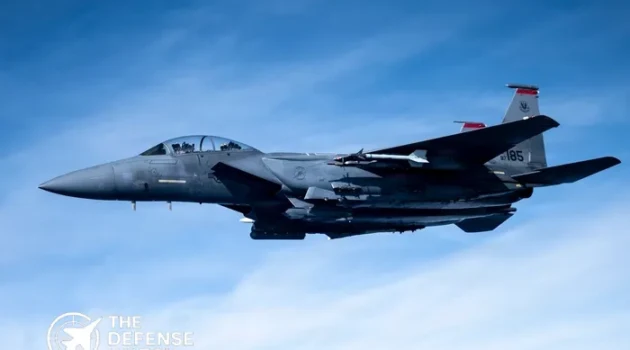
One widely cited report referred to an F-15 Eagle operated by the United States Air Force. Some social media posts specifically mentioned the F-15E Strike Eagle variant.
The F-15E Strike Eagle is a dual role platform capable of both air superiority and deep strike missions. According to the US Air Force, it is designed for long range interdiction missions and carries advanced targeting and avionics systems.
The broader F-15 Eagle family, first introduced in the 1970s, remains a key component of US tactical airpower. With a high thrust to weight ratio and twin engine configuration, the aircraft is known for strong performance and survivability.
However, without official confirmation, it remains unclear whether the reported US Air Force F-15 crash in Kuwait involved a single seat F-15C, a two seat F-15D, or the strike optimized F-15E.
Operational Context In Kuwait
Kuwait hosts US military forces and serves as a strategic logistics and operational hub in the Gulf region. The country has supported coalition operations for decades and provides basing access for US aircraft.
In periods of heightened regional tension, US fighter aircraft operate from forward deployed locations across the Gulf to support deterrence, air defense, and strike missions.
If confirmed, a US Air Force F-15 crash in Kuwait would likely trigger a formal safety investigation under established US Air Force procedures. Such investigations typically assess mechanical performance, flight data, maintenance history, weather conditions, and human factors.
Until official findings are released, attributing a cause would be premature.
No Official Confirmation Yet
As of this writing, there has been no public confirmation from the US Department of Defense, US Central Command, or the US Air Force regarding the reported F-15 crash in Kuwait.
In previous aviation incidents, official confirmation has sometimes followed several hours after initial reports, particularly when information is still being verified on the ground.
The absence of confirmation does not validate or dismiss the reports. It simply reflects the current information gap.
Why Verification Matters
In high tension environments, claims of aircraft losses can carry strategic implications. False or misinterpreted reports may influence public perception and regional narratives.
For that reason, professional military reporting relies on official statements, corroborated imagery, and multiple independent sources before confirming an aircraft loss.
At present, the reported US Air Force F-15 crash in Kuwait remains unverified.
TheDefenseWatch will update this story if and when US or Kuwaiti authorities release official information.
■ KEY FACTS AT A GLANCE- ► The UK awarded Leonardo a £1 billion contract for a new fleet of military helicopters.
- ► The deal supports the New Medium Helicopter program to replace aging rotary wing aircraft.
- ► Production and assembly will be centered at Leonardo’s Yeovil facility in southwest England.
- ► The program is part of broader UK Armed Forces modernization and capability upgrades.
- ► The contract reinforces the UK’s domestic helicopter manufacturing base.
UK Military Helicopter Contract Advances Fleet Modernization
The UK military helicopter contract awarded to Leonardo marks a significant step in the British government’s effort to modernize its rotary wing fleet under the New Medium Helicopter program.
According to reporting by Reuters, the contract is valued at £1 billion and will see Leonardo deliver a new generation of medium lift helicopters for the UK Armed Forces. The aircraft are intended to replace several aging platforms currently in service across multiple branches.
The award underscores London’s push to consolidate and streamline helicopter capabilities while sustaining domestic aerospace manufacturing capacity.
Replacing Legacy Platforms
The New Medium Helicopter program aims to rationalize a diverse fleet of older aircraft types that have served in transport, support, and utility roles. Many of these platforms entered service decades ago and require increasing maintenance resources.
While the Ministry of Defence has not publicly detailed full fleet numbers in the initial announcement, the program is designed to provide a common airframe capable of supporting troop transport, logistics, medical evacuation, and special operations support missions.
By consolidating roles under a single helicopter type, the UK expects to reduce long term sustainment costs, simplify training pipelines, and improve operational availability.
Industrial Impact At Yeovil
A central element of the UK military helicopter contract is its impact on domestic industry. Final assembly and production work will be carried out at Leonardo’s facility in Yeovil, a long standing hub for British helicopter manufacturing.
The Yeovil site has historically supported key rotary wing programs, including the AW101 Merlin fleet. Maintaining activity at the site is viewed as strategically important for preserving sovereign design and manufacturing expertise in vertical lift systems.
Government officials have repeatedly stressed the importance of sustaining critical aerospace skills within the UK. The Leonardo award aligns with broader industrial policy goals tied to defense spending and national security resilience.
Strategic Context
The UK military helicopter contract comes at a time of heightened emphasis on readiness and expeditionary capability across NATO allies.
Modern conflicts have reinforced the need for flexible, rapidly deployable air mobility assets. Medium lift helicopters remain essential for moving troops, equipment, and supplies in contested or austere environments where fixed wing aircraft cannot operate.
Recent operations in Eastern Europe and the Middle East have highlighted the continued relevance of rotary wing platforms in both conventional and hybrid warfare scenarios.
By investing in a modern, standardized helicopter fleet, the UK aims to enhance interoperability with allied forces while ensuring its own units can respond quickly to emerging crises.
Budget Discipline And Procurement Reform
The contract also reflects ongoing efforts within the UK Ministry of Defence to improve acquisition efficiency after years of scrutiny over program delays and cost growth.
The £1 billion agreement signals a move toward clearer procurement pathways, defined industrial commitments, and structured fleet replacement timelines.
Defense analysts note that aligning platform consolidation with domestic industrial participation can help mitigate supply chain vulnerabilities, particularly in a period of global geopolitical uncertainty.
What Comes Next
Detailed delivery schedules and initial operational capability milestones are expected to be clarified in subsequent Ministry of Defence briefings.
In the near term, attention will focus on production ramp up at Yeovil and integration planning within Army and Joint Aviation Command units.
The UK military helicopter contract with Leonardo represents more than a procurement milestone. It reflects a calculated effort to align modernization, industrial strategy, and operational readiness under a single program structure.
As NATO allies continue increasing defense investment, London’s approach may serve as a reference model for balancing capability renewal with domestic aerospace sustainment.
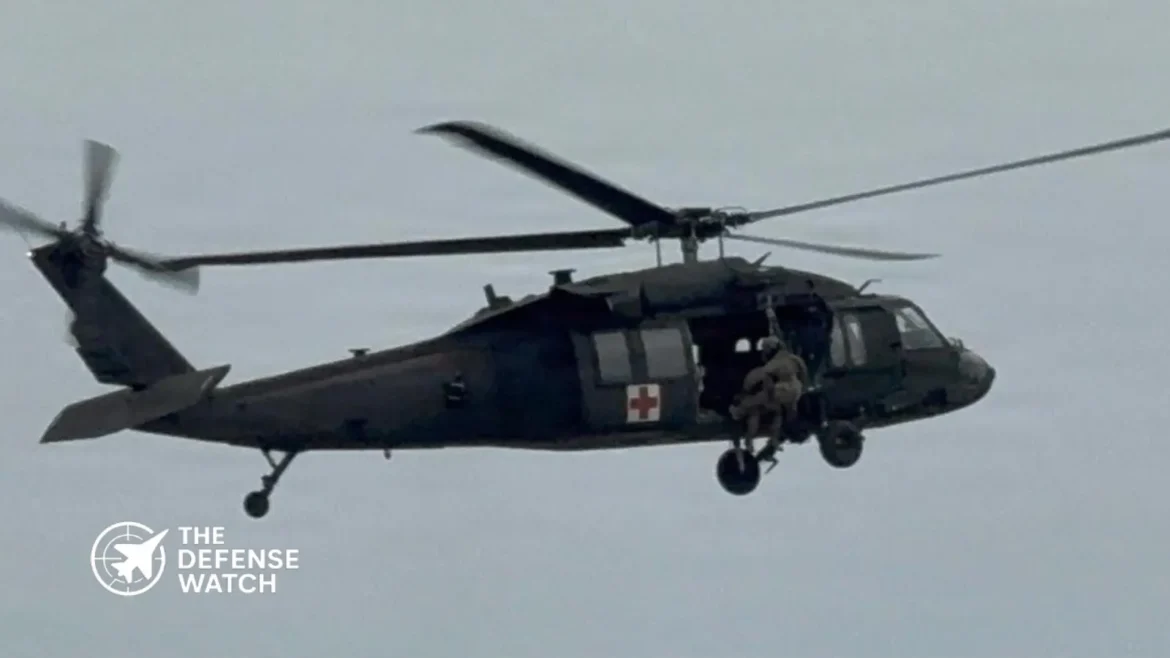
■ KEY FACTS AT A GLANCE- ► Rockwell Collins awarded $95,728,892 contract for UH-60M Black Hawk Multi-Functional Display Avionics Suite support.
- ► Contract type includes cost-plus-fixed-fee and firm-fixed-price elements.
- ► Work locations and funding will be determined with each individual order.
- ► Estimated completion date is February 24, 2031.
- ► Army Contracting Command – Redstone Arsenal is the contracting activity.
US Army Advances UH-60M Black Hawk Multi-Functional Display Avionics Suite Sustainment
The UH-60M Black Hawk Multi-Functional Display Avionics Suite is set to receive long-term sustainment support under a new $95.7 million US Army contract awarded to Rockwell Collins Inc., Cedar Rapids, Iowa.
(adsbygoogle = window.adsbygoogle || []).push({});The award, valued at $95,728,892, covers acquisition of support services and incidental materials tied to the avionics suite installed on the Army’s UH-60M Black Hawk helicopters. The contract structure combines cost-plus-fixed-fee and firm-fixed-price elements, reflecting both service-based and material procurement components.
According to the Department of Defense contract announcement, bids were solicited via the internet with one offer received. The estimated completion date is February 24, 2031. The Army Contracting Command at Redstone Arsenal, Alabama, is managing the contract under number W58RGZ-26-D-0027.
Sustainment Focus For A High-Demand Fleet
The UH-60M Black Hawk Multi-Functional Display Avionics Suite is central to cockpit operations in the Army’s modernized Black Hawk fleet. The system integrates flight data, navigation, engine performance, and mission information into digital displays, reducing pilot workload and improving situational awareness.
The UH-60M variant, built by Sikorsky, a Lockheed Martin company, represents the latest production configuration of the Black Hawk platform. It features upgraded engines, improved survivability systems, and a digital glass cockpit architecture. The Multi-Functional Display Avionics Suite is a core element of that architecture.
Sustainment contracts of this type are critical to fleet readiness. Unlike new production awards, these agreements ensure that fielded aircraft maintain operational availability over extended service lives. With thousands of flight hours logged annually across training, domestic operations, and overseas deployments, avionics reliability directly affects mission readiness rates.
(adsbygoogle = window.adsbygoogle || []).push({});Contract Structure And Execution
The hybrid contract model suggests flexibility. Cost-plus-fixed-fee arrangements are often used for services where scope can evolve, such as engineering support or troubleshooting. Firm-fixed-price components typically apply to defined material deliveries.
Work locations and funding will be determined with each order, indicating an indefinite-delivery structure rather than a single-site execution plan. This approach allows the Army to allocate funds incrementally based on operational demand and maintenance cycles.
Only one bid was received, a common outcome in highly specialized avionics sustainment efforts where the original equipment manufacturer or system integrator maintains proprietary knowledge and technical data.
Strategic Context: Modernization And Lifecycle Management
The UH-60M Black Hawk Multi-Functional Display Avionics Suite contract aligns with the Army’s broader aviation modernization strategy. While next-generation programs such as Future Vertical Lift advance, the Black Hawk remains a backbone platform for air assault, medical evacuation, command and control, and logistics missions.
According to US Army aviation planning documents and Congressional budget materials, the service intends to sustain and incrementally upgrade the Black Hawk fleet well into the 2030s. That makes avionics support agreements strategically significant.
(adsbygoogle = window.adsbygoogle || []).push({});Lifecycle sustainment now accounts for a substantial share of defense aviation spending. Maintaining existing fleets at high readiness levels often delivers more immediate operational impact than introducing limited numbers of new aircraft.
From an industrial base perspective, long-term contracts such as this one help stabilize supplier networks and preserve technical expertise in military avionics integration. Redstone Arsenal continues to serve as a central hub for Army aviation procurement and lifecycle management.
Why The Avionics Suite Matters
The Multi-Functional Display Avionics Suite supports:
- Real-time flight instrumentation
- Digital map integration
- System health monitoring
- Mission data presentation
In contested or complex operational environments, integrated digital displays enable faster decision-making and improved coordination between pilots and ground units. As threats evolve, software updates and hardware sustainment become essential to maintaining compatibility with emerging communication and navigation standards.
By extending support through 2031, the Army signals continued reliance
■ KEY FACTS AT A GLANCE- ► HÜRJET test flights will run from February 23, 2026, through March 16, 2026, over Antalya Bay.
- ► Flights will originate from Antalya Air Base Command and extend toward Gazipaşa.
- ► The aircraft may reach supersonic speeds during certain test profiles.
- ► Sonic booms may be heard in coastal areas as a natural result of high speed testing.
- ► Authorities emphasized there is no cause for public concern during the scheduled activities.
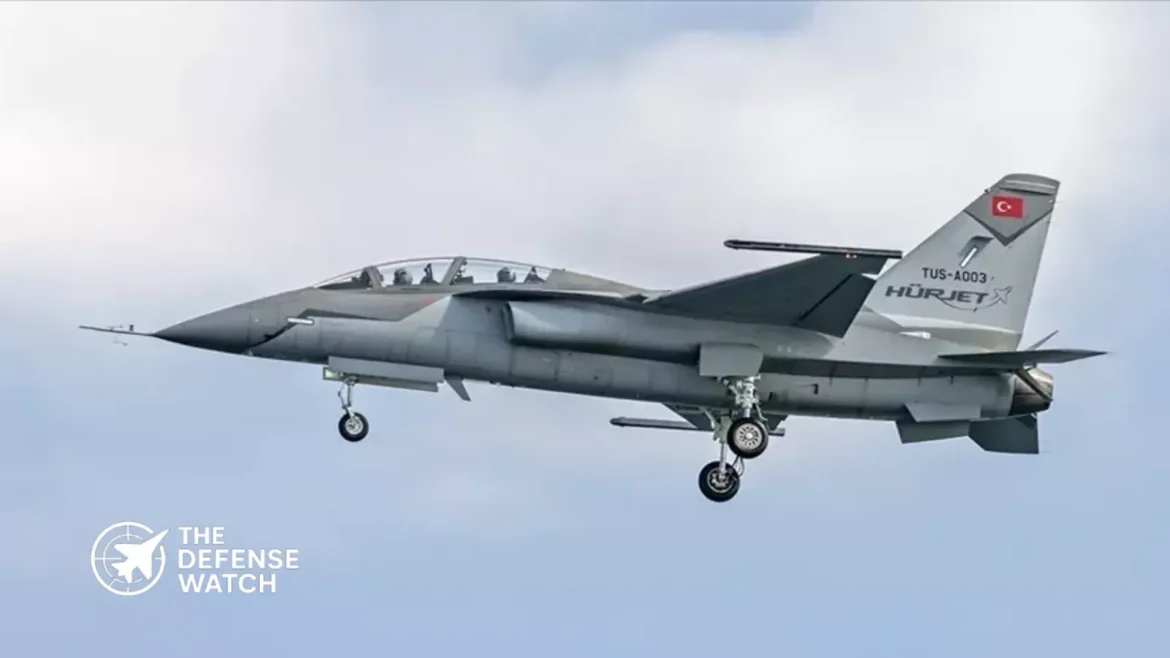
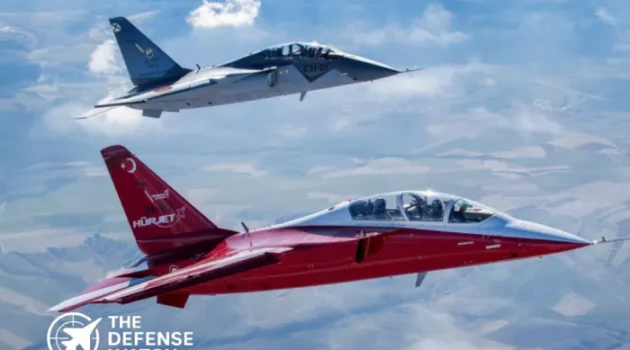
HÜRJET Test Flights Over Antalya Bay Enter Supersonic Phase
HÜRJET test flights over Antalya Bay are scheduled to continue through March 16, with Turkish authorities confirming that some sorties may include supersonic runs.
(adsbygoogle = window.adsbygoogle || []).push({});In a public notice, the Antalya Governor’s Office stated that flight tests under the HÜRJET Project will take place between February 23, 2026, and March 16, 2026. Operations will be conducted over the maritime area stretching from Antalya Bay to Gazipaşa, with aircraft departing from Antalya Air Base Command.
Officials warned that explosion like high intensity sounds could be heard along parts of the coastline. These sounds would result from the aircraft exceeding the speed of sound during specific test profiles.
Authorities stressed that such noise is a routine outcome of supersonic flight testing and urged residents not to be alarmed.
Advancing The HÜRJET Program
The HÜRJET advanced jet trainer is being developed by Turkish Aerospace Industries as part of Turkey’s broader effort to modernize pilot training and expand domestic aerospace capabilities.
Designed as a supersonic, single engine advanced trainer, HÜRJET is intended to replace aging jet trainers in Turkish service and support the transition of pilots to frontline platforms such as the F-16 Fighting Falcon and Turkey’s next generation combat aircraft programs.
According to Turkish defense officials and company disclosures in prior briefings, HÜRJET is expected to reach speeds above Mach 1, making controlled supersonic testing a key milestone in flight envelope expansion.
The Antalya maritime test zone offers a safer environment for high speed trials, minimizing risks to populated urban areas while allowing engineers to gather critical aerodynamic and structural data.
Why Supersonic Testing Matters
Supersonic trials are not symbolic. They are essential for validating airframe integrity, engine performance, flight control systems, and structural response under high stress conditions.
(adsbygoogle = window.adsbygoogle || []).push({});When an aircraft breaks the sound barrier, it generates a shock wave known as a sonic boom. Over water, these effects are easier to manage from both a safety and public relations standpoint.
For HÜRJET, expanding into supersonic regimes signals that the program is moving beyond basic flight validation toward full performance certification. This phase typically involves:
- Incremental speed increases
- Structural load assessments
- Avionics performance verification
- Stability and control evaluations
Defense aviation programs worldwide follow similar flight test methodologies before operational approval.
Strategic Implications For Turkey’s Aerospace Sector
The continued HÜRJET test flights over Antalya Bay highlight Ankara’s long term push for defense industrial autonomy.
Turkey has invested heavily in indigenous aerospace programs, seeking to reduce reliance on foreign suppliers. The HÜRJET program fits within a broader portfolio that includes unmanned systems, helicopters, and next generation fighter development.
From a policy perspective, a domestically produced supersonic trainer offers several advantages:
- Reduced foreign procurement exposure
- Export potential to allied and partner nations
- Greater control over training doctrine and upgrades
If successfully fielded, HÜRJET could position Turkey among a limited group of nations capable of designing and producing advanced jet trainers domestically.
(adsbygoogle = window.adsbygoogle || []).push({});However, sustained testing is critical. Flight envelope expansion, especially at supersonic speeds, often determines whether a program meets performance targets on schedule.
Public Communication And Transparency
The Antalya Governor’s Office decision to notify residents ahead of the HÜRJET test flights over Antalya Bay reflects standard aviation safety and civil coordination practices.
Sonic booms can cause concern among local communities unfamiliar with supersonic activity. Clear communication helps prevent misinformation and unnecessary alarm.
Similar public advisories are issued in the United States during military supersonic training over designated airspace corridors, particularly in coastal or desert regions.
(adsbygoogle = window.adsbygoogle || []).push({});By identifying the maritime corridor from Antalya Bay to Gazipaşa, authorities delineated a specific operational zone, reinforcing transparency in military flight activity.
What Comes Next
The March 16 end date does not necessarily mark the conclusion of the HÜRJET test campaign. Rather, it likely represents a defined test window for specific performance evaluations.
Future milestones may include:
- Expanded weapons integration trials
- Advanced avionics validation
- Export demonstration campaigns
For now, the focus remains on validating high speed performance and operational reliability.
The coming weeks will provide clearer insight into how rapidly the HÜRJET program progresses through its certification roadmap.
■ KEY FACTS AT A GLANCE- ► The U.S. Air Force is advancing the Collaborative Combat Aircraft program through a phased weapons integration strategy.
- ► CCA platforms are designed to operate alongside crewed fighters under the Next Generation Air Dominance framework.
- ► Initial integration focuses on existing U.S. munitions to reduce risk and accelerate operational capability.
- ► The effort supports broader Air Force modernization and distributed combat operations.
- ► Officials emphasize deliberate testing and integration to ensure safety, reliability, and combat effectiveness.
USAF Collaborative Combat Aircraft Program Moves Into Weapons Integration Phase
The Collaborative Combat Aircraft program is progressing through a deliberate weapons integration process as the U.S. Air Force refines how autonomous platforms will operate in future high-end conflicts.
(adsbygoogle = window.adsbygoogle || []).push({});According to the United States Air Force, the effort focuses on carefully integrating proven munitions onto emerging uncrewed aircraft designed to fly alongside crewed fighters. The goal is to reduce technical risk while accelerating operational capability.
The Collaborative Combat Aircraft program forms a central pillar of the Next Generation Air Dominance architecture. Under this concept, autonomous aircraft will support crewed platforms by carrying additional weapons, conducting sensing missions, and extending operational reach.
A Phased and Risk-Managed Approach
Air Force officials describe the weapons integration strategy as deliberate and incremental. Instead of developing entirely new weapons in parallel with new aircraft, the service is prioritizing compatibility with existing, combat-proven munitions already in the inventory.
This approach serves several purposes.
First, it reduces development timelines. Integrating established weapons avoids the long certification cycles associated with new munitions. Second, it supports logistical continuity across the force. Third, it strengthens interoperability within joint and allied operations.
From a force design perspective, the Collaborative Combat Aircraft program is intended to create mass at a lower cost than traditional fighters. By distributing weapons across multiple autonomous platforms, commanders can complicate enemy targeting and increase survivability in contested airspace.
Supporting NGAD and Future Air Dominance
The Collaborative Combat Aircraft program is closely aligned with NGAD objectives. While NGAD centers on a sixth-generation crewed fighter, CCA platforms provide scalable combat power around that core aircraft.
In practical terms, autonomous aircraft could carry additional air-to-air missiles, electronic warfare payloads, or intelligence, surveillance, and reconnaissance systems. This reduces the burden on crewed aircraft and enables greater tactical flexibility.
The Air Force has consistently emphasized that CCAs are not simply drones in the traditional sense. Instead, they are designed as collaborative systems that integrate into a broader combat network. That network includes advanced data links, distributed sensors, and secure communications that allow real-time coordination.
(adsbygoogle = window.adsbygoogle || []).push({});The deliberate weapons integration effort reflects lessons learned from past acquisition programs. Rushing integration can create cascading delays and cost overruns. A phased plan, by contrast, allows the service to validate software, hardware interfaces, and safety protocols step by step.
Operational Implications and Strategic Context
The Collaborative Combat Aircraft program arrives at a time when the United States faces pacing challenges in the Indo-Pacific and other theaters. Potential adversaries continue to expand integrated air defense systems, long-range missiles, and counter-air capabilities.
In that environment, survivability and distributed operations become critical.
Autonomous aircraft operating in coordination with crewed fighters can increase tactical options. They can absorb risk in high-threat areas, extend sensor coverage, and expand weapons capacity without placing additional pilots in harm’s way.
From an operational standpoint, integrating weapons early and methodically ensures these platforms are not limited to sensing roles alone. Arming CCAs provides credible combat utility from the outset.
(adsbygoogle = window.adsbygoogle || []).push({});The Air Force has underscored that testing remains central to the effort. Weapons separation trials, flight envelope validation, and software verification are essential before operational deployment. Safety, reliability, and predictable performance remain non-negotiable requirements.
Industrial and Modernization Impact
The Collaborative Combat Aircraft program also signals a shift in how the Air Force approaches acquisition. Modular architectures and open systems design are intended to allow faster upgrades over time.
By aligning weapons integration with existing inventories, the service reduces supply chain friction and enhances sustainment efficiency. This matters as the Air Force balances modernization priorities across fighters, bombers, tankers, and space-based assets.
As development continues, the deliberate weapons integration strategy positions the Collaborative Combat Aircraft program as a credible component of future U.S. airpower.
(adsbygoogle = window.adsbygoogle || []).push({});Rather than pursuing rapid but risky fielding, the Air Force is prioritizing structured integration, operational validation, and scalable growth. That methodical path may prove decisive as the service works to maintain air superiority in increasingly contested environments.