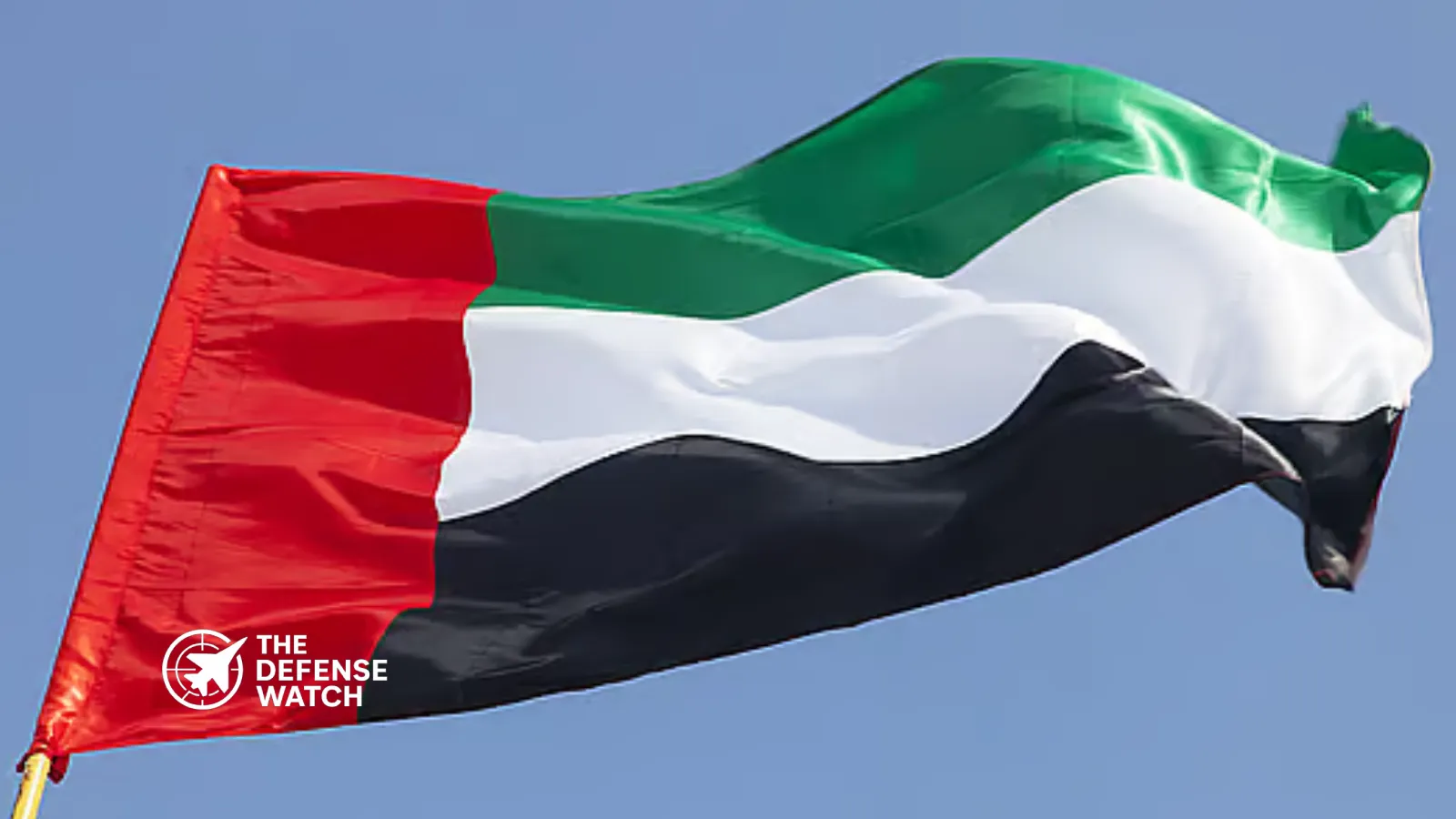
UAE Declares Neutrality in Potential Iran Conflict
The United Arab Emirates announced Monday it will not permit its airspace, territory, or territorial waters to be used for military operations against Iran, marking a significant diplomatic stance as tensions between Washington and Tehran continue to escalate in early 2026. The UAE airspace military operations ban represents the Gulf state’s effort to maintain regional stability while balancing strategic relationships with both the United States and Iran.
The Ministry of Foreign Affairs issued an official statement confirming the UAE’s position, emphasizing that the nation will not provide logistical support for hostile military actions against its neighbor across the Persian Gulf. This declaration comes at a critical juncture in Middle East security dynamics, with the UAE positioning itself as a neutral actor in potential regional conflicts.
Official Policy Statement and Diplomatic Approach
According to the UAE Ministry of Foreign Affairs, the nation is “committed to preventing the use of its airspace, land, or waters in any hostile military actions against Iran.” The ministry’s statement outlined the country’s preferred approach to regional crisis management, prioritizing dialogue, de-escalation, adherence to international law, and respect for state sovereignty.
This diplomatic positioning reflects the UAE’s evolving foreign policy strategy, which has increasingly emphasized pragmatic engagement over confrontation. The announcement was published by Khaleej Times, one of the region’s leading English-language newspapers, and represents an official government position on a sensitive security matter.
The UAE’s declaration specifically addresses three critical areas:
Airspace restrictions: No military aircraft conducting operations against Iran will be permitted to transit UAE airspace, which is strategically positioned along the southern coast of the Persian Gulf.
Territorial limitations: UAE land territory cannot be used as a staging ground, launch point, or support base for anti-Iran military operations.
Maritime boundaries: UAE territorial waters are off-limits for naval operations targeting Iranian interests.
Strategic Implications for Regional Defense
The UAE’s neutrality declaration carries significant implications for regional military planning and defense strategy. The United Arab Emirates hosts several important military installations, including Al Dhafra Air Base, which supports US Air Force operations in the Middle East. While the announcement doesn’t necessarily affect existing bilateral defense agreements, it sets clear boundaries on how UAE facilities and airspace can be utilized.
Defense analysts note that the UAE’s position could complicate potential military planning in scenarios involving Iran. The country’s strategic location makes its airspace valuable for regional air operations, and its ports serve as critical logistics hubs for naval forces operating in the Gulf region.
“The UAE is sending a clear message that it wants to avoid being drawn into direct conflict with Iran,” noted regional security experts monitoring Gulf state diplomacy. This approach mirrors similar neutrality stances taken by other Gulf Cooperation Council members who seek to maintain economic and diplomatic ties with Iran while preserving security partnerships with Western allies.
Regional Context and Current US-Iran Tensions
The timing of the UAE’s announcement in January 2026 reflects ongoing uncertainties in US-Iran relations during the early months of the Trump administration’s second term. While specific current developments continue to evolve, tensions between Washington and Tehran have periodically raised concerns about potential military confrontation in the Persian Gulf region.
The UAE has significant economic interests in maintaining stable relations with Iran, including substantial trade relationships and the presence of thousands of Iranian expatriates in the Emirates. Simultaneously, the country maintains close defense and security ties with the United States and other Western partners.
This balancing act has become increasingly complex as regional dynamics shift. The UAE has pursued diplomatic normalization with several neighbors in recent years, part of a broader strategy to reduce conflict risks and promote economic development throughout the Gulf region.
Implications for US Military Operations
For US defense planners, the UAE’s declaration adds another variable to regional contingency planning. While the United States maintains robust military partnerships throughout the Middle East, including in Qatar, Bahrain, Kuwait, and Saudi Arabia, the UAE’s strategic geography and modern military infrastructure make it a valuable regional partner.
The announcement doesn’t necessarily preclude continued US-UAE defense cooperation in other areas, including counterterrorism operations, maritime security, and defense technology partnerships. However, it does establish explicit limitations on how that cooperation can be applied regarding Iran.
US Central Command, which oversees military operations in the Middle East, has not issued an immediate response to the UAE’s announcement. The Pentagon typically maintains flexibility in regional basing and access arrangements, with multiple options for force projection across the Gulf region.
Gulf State Diplomatic Trends
The UAE’s position reflects broader trends in Gulf state diplomacy, where countries increasingly seek to avoid direct involvement in regional conflicts while maintaining necessary security partnerships. Several GCC members have pursued similar approaches in recent years:
Oman has long maintained official neutrality and serves as a diplomatic mediator between Western powers and Iran. Kuwait emphasizes non-intervention in regional disputes while hosting US forces. Qatar balances relationships with both Iran and Western allies despite hosting the largest US military installation in the region.
(adsbygoogle = window.adsbygoogle || []).push({});This diplomatic approach represents a departure from earlier Gulf state positions during periods of heightened Iran tensions, when some regional partners provided more explicit support for containment strategies.
Economic and Security Considerations
The UAE’s economy depends heavily on stability in the Persian Gulf region. Dubai serves as a major international business hub, while Abu Dhabi’s energy exports require secure maritime transit through the Strait of Hormuz. Any military conflict involving Iran could have devastating economic consequences for the Emirates.
From a security perspective, the UAE has invested billions in modernizing its military capabilities, including advanced fighter aircraft, air defense systems, and naval platforms. However, the country’s leadership appears to view diplomatic engagement as preferable to military confrontation when managing relations with Iran.
The announcement also reflects lessons learned from previous regional conflicts, where Gulf states have sometimes borne economic and security costs from conflicts in which they weren’t primary participants.
International Law and Sovereignty
The UAE’s statement specifically referenced international law and state sovereignty as guiding principles for its position. Under international aviation law, sovereign nations maintain control over their airspace and can establish restrictions on foreign military operations.
The UAE’s invocation of these principles aligns with broader international norms while asserting national sovereignty in matters of war and peace. This legal framework provides diplomatic cover for the neutrality position while emphasizing the UAE’s rights as an independent state to determine how its territory and airspace are utilized.
Looking Ahead: Regional Stability
As tensions between the United States and Iran continue to evolve in 2026, the UAE’s declaration may influence how other regional actors position themselves. The announcement signals that Gulf states are not automatically aligned with all aspects of Western policy toward Iran and are prepared to assert independent diplomatic positions.
For defense planners and policymakers, this development underscores the complexity of Middle East security arrangements and the importance of maintaining diverse partnerships and access points across the region. The UAE’s position doesn’t eliminate its value as a strategic partner but does define clearer boundaries for that partnership.
The emphasis on dialogue and de-escalation in the UAE’s statement also reflects growing regional fatigue with ongoing conflicts and a preference for diplomatic solutions to security challenges.