Executive Summary:
Germany is seeking to acquire 400 Tomahawk cruise missiles and three Typhon launcher systems from the United States following Washington’s decision to cancel a planned missile deployment in Germany. The move reflects Berlin’s growing focus on long-range strike capabilities and NATO deterrence in Europe.
Germany Pursues Tomahawk Missile Capability After US Policy Shift
Germany is moving to acquire 400 Tomahawk cruise missiles and three Typhon launcher systems from the United States after the Pentagon reportedly canceled plans to deploy long-range US missiles on German territory.
German Defence Minister Boris Pistorius is expected to raise the issue during meetings in Washington, where discussions could include US Defense Secretary Pete Hegseth. The proposed acquisition would mark one of Germany’s most significant efforts in decades to expand its long-range conventional strike capability.
The potential deal comes amid continued NATO concerns over Russia’s military posture in Europe and the growing importance of land-based precision strike systems in modern deterrence strategies.
Why Germany Wants Tomahawk Missiles
The Tomahawk is a long-range, precision-guided cruise missile developed for deep strike missions against high-value targets. The missile has been widely used by the US military and allied forces in multiple operational theaters over the past three decades.
Germany’s interest in the missile appears closely tied to uncertainty surrounding US forward deployments in Europe. Washington had previously discussed stationing long-range fires capabilities in Germany as part of broader NATO deterrence efforts. However, reports indicate those deployment plans have now been canceled or delayed.
Berlin is now seeking an independent capability rather than relying entirely on rotational US deployments.
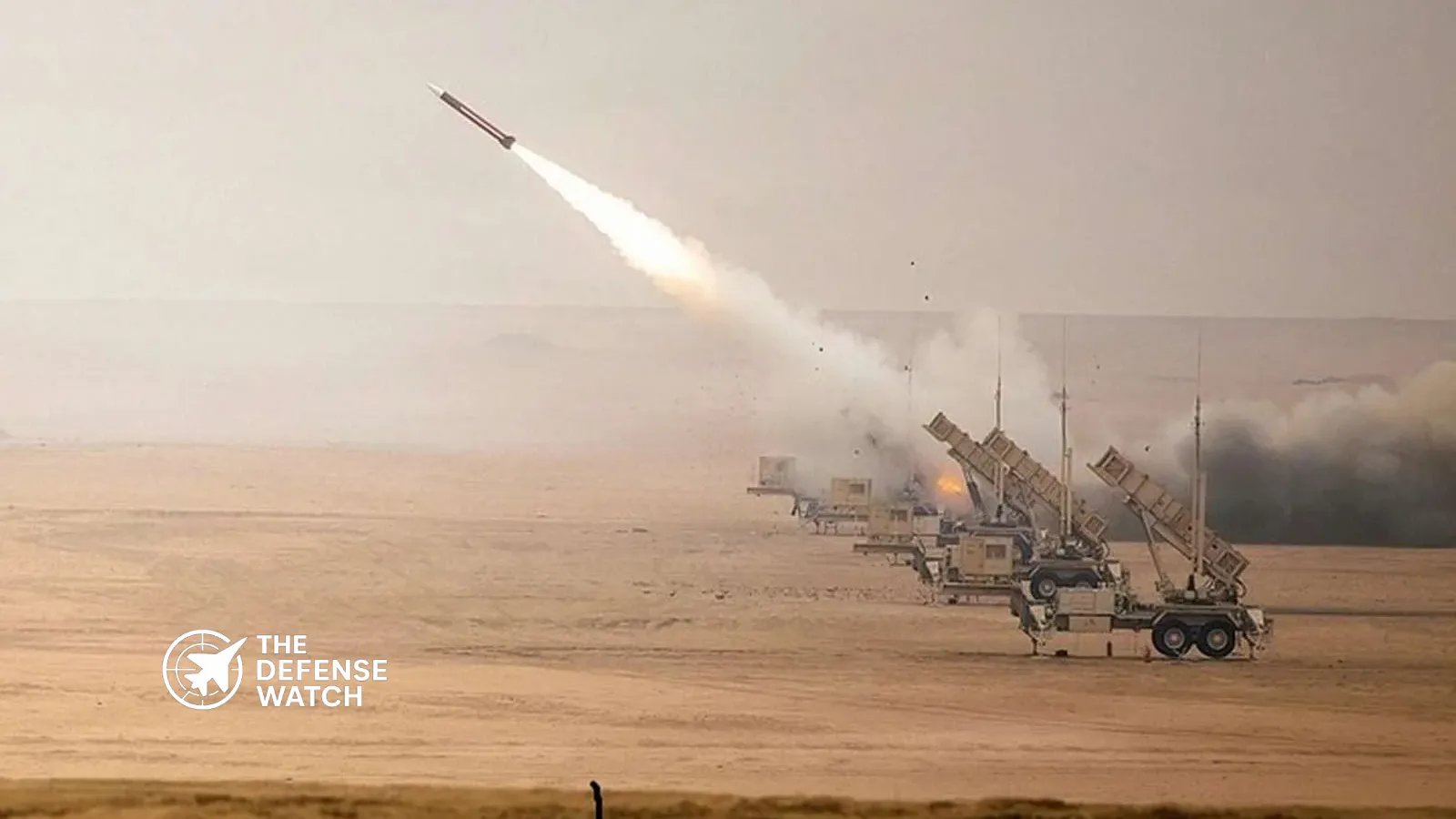
The proposed package also includes the Typhon Weapon System, a ground-based launcher developed by the US Army capable of firing both Tomahawk cruise missiles and SM-6 missiles. The system is part of the US Army’s Mid-Range Capability program designed to close long-range strike gaps in the Indo-Pacific and Europe.
Strategic Importance For NATO
The possible acquisition highlights a broader shift in European defense planning since Russia’s invasion of Ukraine. NATO members are increasingly investing in long-range strike systems, integrated air defense, and precision-guided munitions.
For Germany, acquiring Tomahawk missiles would represent a substantial expansion of conventional deterrence options. The country has historically maintained a more limited land-based strike profile compared with France or the United Kingdom.
The move could also strengthen NATO’s ability to hold critical targets at risk across extended ranges without relying exclusively on airpower.
Military analysts have noted that systems like Typhon provide operational flexibility because they can be rapidly relocated and integrated into alliance operations. The launcher’s compatibility with multiple missile types also offers future modernization potential.
Typhon System Expands Operational Reach
The Typhon system has gained increasing attention since the US Army began fielding the capability. Unlike traditional artillery systems, Typhon is designed to engage targets at significantly greater ranges using precision-guided missiles.
The launcher bridges the gap between short-range tactical fires and strategic strike systems.
The US Army previously deployed Typhon during exercises in the Indo-Pacific region, reflecting Washington’s emphasis on distributed long-range strike operations. Germany’s interest suggests European allies are now evaluating similar capabilities for continental defense.
If approved, the deal could deepen US-German defense industrial cooperation while accelerating NATO modernization efforts.
Political And Procurement Challenges Remain
Despite growing momentum, the proposed purchase would still require US government approval under the Foreign Military Sales process. Funding, delivery timelines, and industrial integration details also remain unclear.
The acquisition could generate debate within Germany over escalation risks and the role of long-range strike systems in European security policy. Berlin has traditionally approached missile deployments cautiously due to historical and political sensitivities.
However, the changing European security environment has already pushed Germany toward major defense modernization initiatives, including increased military spending and procurement of advanced US-made systems such as the F-35 Lightning II.
Broader European Missile Modernization Trend
Germany’s pursuit of Tomahawk missiles aligns with a wider European trend toward strengthening conventional deterrence capabilities. Several NATO states are expanding missile inventories, investing in integrated air and missile defense, and increasing defense spending targets.
The development also underscores the growing role of land-based strike systems in alliance planning after the collapse of the Intermediate-Range Nuclear Forces Treaty reshaped the strategic environment in Europe.
Should the deal proceed, Germany would become one of the few European operators of the Tomahawk system, significantly enhancing its long-range precision strike reach within NATO’s collective defense framework.
Executive Summary:
The United States has approved a $373 million sale of 1,500 JDAM-ER precision guidance kits to Ukraine. The package will significantly enhance Ukraine’s ability to conduct long-range, accurate strikes against Russian positions. The move reflects continued Western efforts to strengthen Kyiv’s stand-off strike capability in a protracted conflict.
U.S. Expands Ukraine’s Precision Strike Arsenal
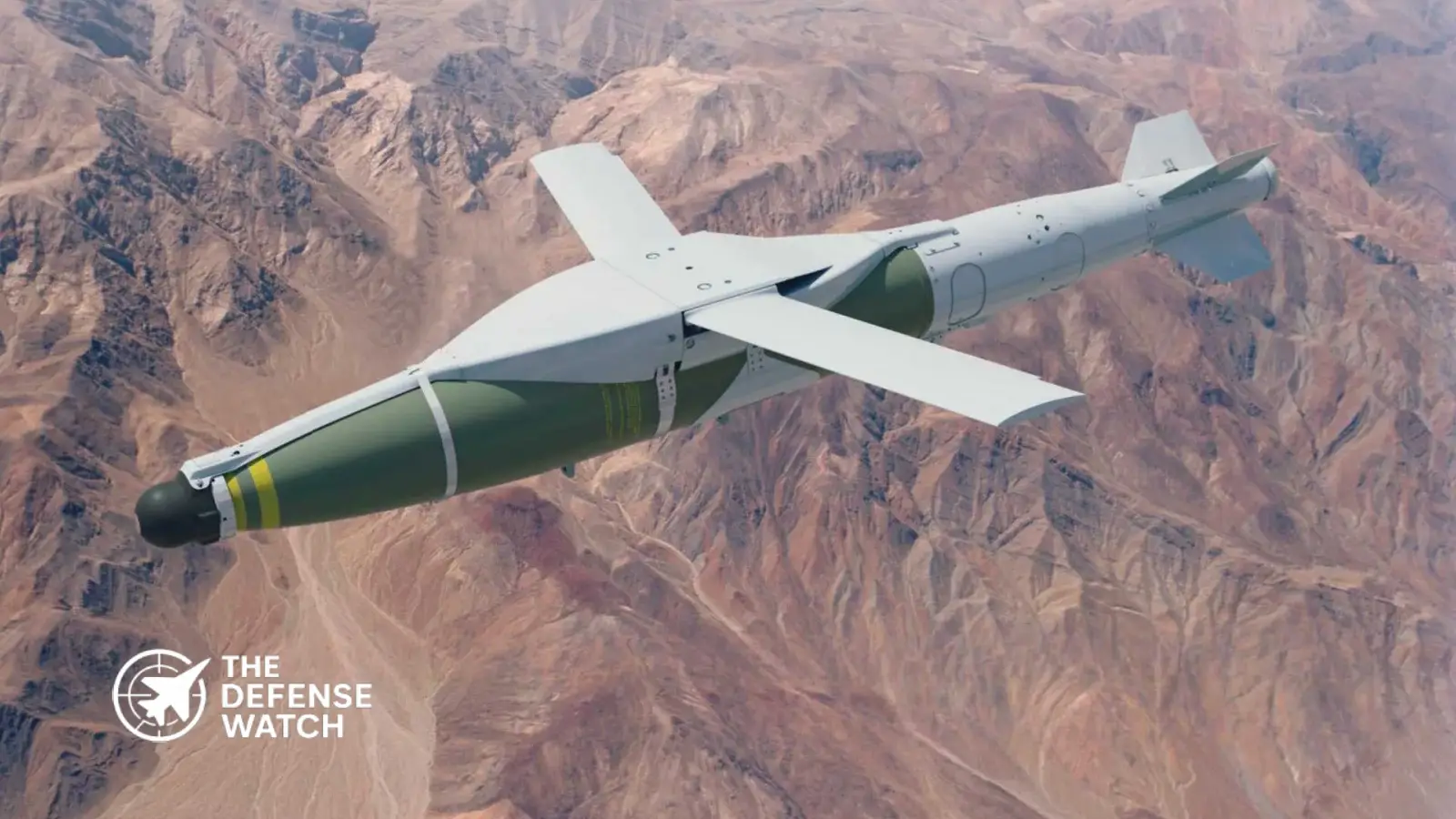
The United States has authorized the transfer of 1,500 Joint Direct Attack Munition-Extended Range (JDAM-ER) kits to Ukraine in a deal valued at $373 million. The systems, produced by Boeing, convert conventional unguided bombs into precision-guided munitions with extended range.
This latest package builds on earlier deliveries of standard JDAM kits and reflects a shift toward longer-range strike solutions. Ukrainian forces have increasingly relied on Western-supplied precision weapons to offset Russia’s numerical advantages in artillery and airpower.
What is JDAM-ER and Why It Matters
The JDAM-ER enhances legacy bombs by adding a GPS guidance system and deployable wings, extending their reach far beyond standard free-fall munitions.
Key Technical Advantages
- Extended Range: Up to 72 km, depending on launch conditions
- High Accuracy: GPS guidance enables strikes within a few meters of target
- Cost Efficiency: Converts existing bomb stockpiles into precision weapons
- All-Weather Capability: Operates in adverse weather conditions
- Stand-off Capability: Allows aircraft to strike without entering high-risk air defense zones
JDAM-ER vs Legacy Unguided Bombs
Feature JDAM-ER Unguided Bombs Range Up to 72 km Limited (free-fall only) Payload Standard bomb compatibility Standard bomb payload Status Operational in Ukraine Legacy systems Key Technology GPS guidance + glide wings None Operational Impact on the Battlefield
The integration of JDAM-ER kits will allow Ukraine to strike logistics hubs, command centers, and fortified positions at greater distances. This reduces exposure of Ukrainian aircraft to Russian air defense systems, a critical factor in contested airspace.
Ukrainian aircraft, including Soviet-era platforms adapted for Western munitions, have already demonstrated the ability to deploy JDAM systems effectively. The ER variant further enhances this capability by increasing stand-off range.
Strategic Context: Shifting Toward Stand-Off Warfare
The delivery comes amid continued fighting in the Russia-Ukraine War, where both sides are investing heavily in precision strike and counter-air defense capabilities.
For the United States, this package underscores a broader strategy:
- Strengthen Ukraine’s deep-strike capability
- Reduce reliance on short-range artillery duels
- Increase pressure on Russian rear-area infrastructure
JDAM-ER also fills a capability gap between traditional artillery and more advanced systems such as cruise missiles, offering a scalable and cost-effective strike option.
Broader Implications for Air Warfare
The deployment of JDAM-ER highlights a growing trend in modern warfare: adapting legacy platforms with precision technology. Instead of relying solely on expensive missiles, militaries are increasingly upgrading existing munitions for greater efficiency and reach.
As the conflict evolves, the emphasis on precision, range, and survivability is likely to intensify, making systems like JDAM-ER central to future air combat operations.
Executive Summary:
Booz Allen Hamilton has been awarded a contract to develop a space-based interceptor prototype under the U.S. Golden Dome missile defense program. The effort aims to counter advanced missile threats, including hypersonic systems, by enabling interception from orbit. The program reflects a shift toward layered, space-enabled missile defense architectures.
Booz Allen Advances Space-Based Missile Interception
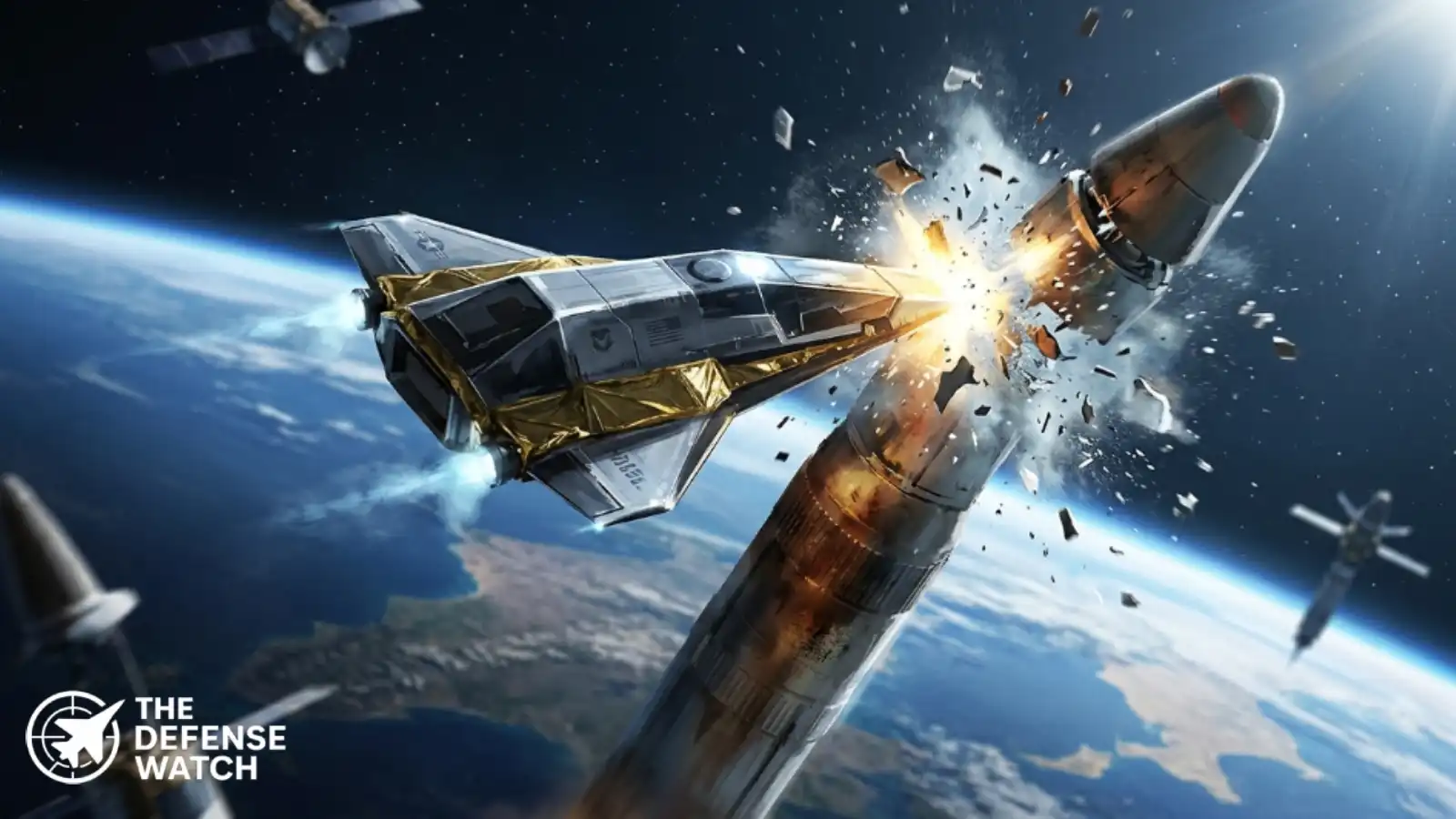
Booz Allen Hamilton has secured a contract to design and develop a prototype space-based interceptor as part of the U.S. Golden Dome missile defense program. The initiative seeks to establish a next-generation missile defense layer capable of intercepting threats directly from orbit.
The contract supports ongoing U.S. efforts to address increasingly complex missile threats, including hypersonic glide vehicles and maneuverable ballistic missiles that challenge traditional ground-based systems.
The Golden Dome concept envisions a persistent orbital defense layer, allowing interceptors to engage missiles during their boost or midcourse phases, significantly improving interception probabilities.
Golden Dome Program: Expanding Missile Defense into Space
A Shift Toward Orbital Defense Architecture
The Golden Dome program represents a major evolution in U.S. missile defense strategy. Unlike legacy systems that rely on ground- or sea-based interceptors, the new architecture focuses on space-based sensors and interceptors to provide global coverage.
Key objectives include:
- Early interception capability, targeting missiles shortly after launch
- Global reach, eliminating geographic limitations of ground systems
- Reduced reaction time, enabled by orbital positioning
- Integration with existing missile defense networks
This approach is designed to counter emerging threats from near-peer adversaries deploying high-speed, maneuverable weapons.
Technical Advantages of Space-Based Interceptors
The prototype under development is expected to incorporate advanced technologies that enhance interception effectiveness:
- Orbital positioning, enabling rapid response to launches worldwide
- High-velocity interceptors for engaging hypersonic targets
- Advanced tracking and targeting systems linked to space-based sensors
- Autonomous guidance and control, reducing reliance on ground commands
- Layered integration with terrestrial missile defense systems
These capabilities aim to overcome limitations of current systems, particularly against low-observable and high-speed threats.
Comparison: Space-Based Interceptor vs Legacy Ground-Based Systems
| Feature | Space-Based Interceptor (Golden Dome) | Ground-Based Interceptor (GBI) |
|---|---|---|
| Range | Global (orbital coverage) | Regional to intercontinental |
| Payload | Kinetic kill vehicle (advanced guidance) | Kinetic kill vehicle |
| Status | Prototype development (2026) | Operational |
| Key Technology | Orbital deployment, autonomous targeting | Ground-based radar guidance |
Strategic Context: Countering Hypersonic and Advanced Threats
The development of space-based interceptors comes amid growing concerns over hypersonic weapons, which can travel at speeds exceeding Mach 5 and follow unpredictable trajectories.
Traditional missile defense systems face challenges in tracking and intercepting such threats due to:
- Reduced warning times
- Maneuverability during flight
- Lower-altitude flight paths
By placing interceptors in orbit, the U.S. aims to create a persistent defensive layer capable of engaging threats earlier in their trajectory.
The Golden Dome program also aligns with broader efforts to enhance space domain awareness and integrate space-based assets into national defense strategies.
Program Outlook and Industry Implications
The Booz Allen contract signals increasing involvement of private sector expertise in advanced defense programs. As development progresses, the prototype will likely inform future procurement decisions and potential deployment strategies.
If successful, the program could:
- Establish a new paradigm in missile defense
- Accelerate militarization of space-based systems
- Influence allied and adversary defense planning
The timeline for operational deployment remains unclear, but the prototype phase in 2026 marks a critical step toward realizing a fully integrated space-based missile defense network.
Conclusion
The award to Booz Allen Hamilton underscores the urgency of adapting missile defense systems to evolving threats. The Golden Dome program’s focus on space-based interception reflects a strategic shift toward global, layered defense architectures, with space playing a central role in future security frameworks.
US Fighter Jet Shot Down Over Iran Triggers Search Operation
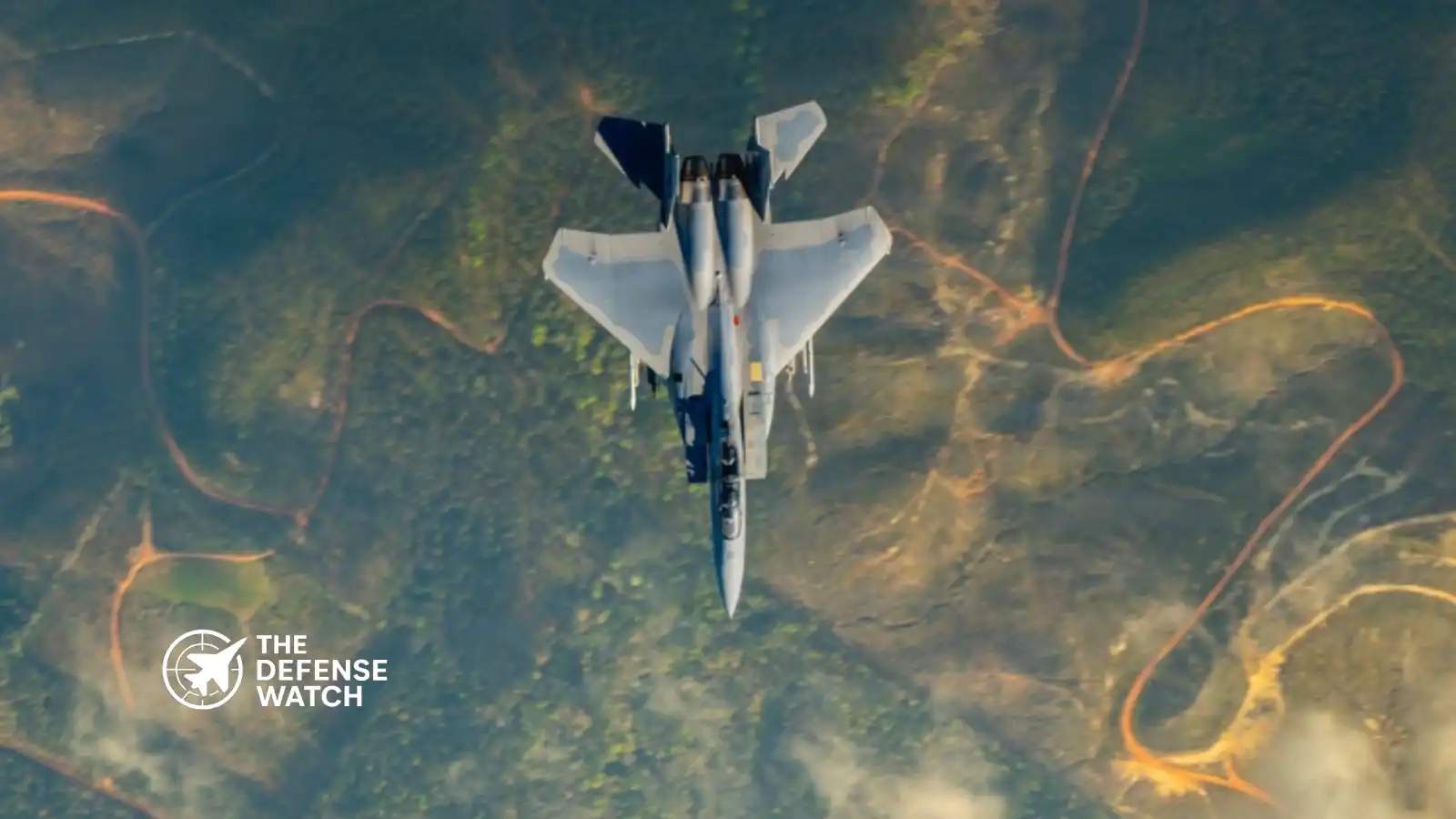
A US fighter jet shot down over Iran has prompted an urgent search and rescue mission, according to a US official cited by Reuters, marking a serious escalation in an already volatile regional environment.
The official confirmed that the aircraft went down inside Iranian territory, and efforts are ongoing to locate and recover the crew. No immediate details were released regarding the number of personnel on board, their condition, or the exact location of the crash site.
The US fighter jet shot down over Iran represents a rare and sensitive incident, particularly given the longstanding tensions between Washington and Tehran. While aerial incidents involving drones and surveillance platforms have occurred in recent years, the loss of a manned combat aircraft raises the stakes significantly.
- A US fighter jet was shot down over Iran, according to a US official cited by Reuters.
- Search and rescue operations are underway to locate the aircraft’s crew.
- The incident marks a rare direct loss of a US combat aircraft in Iranian territory.
- Details about the aircraft type and mission remain undisclosed.
- The event risks escalating already heightened tensions between Washington and Tehran.
Limited Details, High Strategic Impact
Authorities have not disclosed the type of aircraft involved, the mission profile, or whether the jet was operating in contested airspace. This lack of clarity reflects both operational security concerns and the political sensitivity surrounding the event.
Historically, incidents involving US aircraft near Iranian airspace have been tightly controlled in terms of public disclosure. The ambiguity surrounding this case suggests the Pentagon is still assessing the situation and coordinating a response.
From an operational perspective, a US fighter jet shot down over Iran could indicate either an engagement by Iranian air defenses or a technical failure under contested conditions. However, without official confirmation, attributing the cause remains premature.
Search and Rescue Challenges
Conducting a search and rescue operation inside or near Iranian territory presents significant logistical and political challenges. The US military typically relies on rapid response forces, aerial surveillance, and coordination with regional allies for personnel recovery.
In this case, the presence of Iranian forces and air defense systems complicates any recovery effort. If the crew survived ejection, their recovery becomes a time-sensitive priority, as survival windows in hostile environments are limited.
The US fighter jet shot down over Iran also raises concerns about the potential capture of personnel, which could further escalate tensions and trigger diplomatic or military responses.
Regional and Geopolitical Implications
The incident comes amid ongoing friction between the United States and Iran over regional security issues, including maritime activity in the Gulf, proxy conflicts, and military posturing.
A US fighter jet shot down over Iran could have several immediate consequences. First, it may prompt the United States to reassess its air operations in the region, including flight routes and engagement rules. Second, it could lead to increased military readiness or force posture adjustments in nearby theaters.
For Iran, the incident may serve as a demonstration of its air defense capabilities, whether intentional or incidental. Iranian systems have evolved in recent years, incorporating both domestically developed and imported technologies designed to counter advanced aircraft.
Risk of Escalation
The broader concern is escalation. Even in the absence of deliberate confrontation, incidents like a US fighter jet shot down over Iran can quickly spiral due to misinterpretation or retaliatory pressure.
Defense analysts note that the situation requires careful management to avoid unintended conflict. Both sides have historically used backchannel communications to prevent escalation following military incidents.
At the same time, domestic political pressures in both countries may influence how the event is publicly framed and responded to.
What Comes Next
In the near term, the focus remains on locating the crew and securing any sensitive equipment or materials from the crash site. The US military is likely conducting parallel intelligence assessments to determine the cause of the incident.
Further official statements are expected as more information becomes available. Until then, the US fighter jet shot down over Iran remains a developing story with significant operational and geopolitical implications.
US Defense Firms Boost Capital Spending After Trump Calls for Faster Arms Deliveries
Major US defense firms are increasing capital investment in 2026 after President Donald Trump linked executive pay and shareholder returns to faster weapons deliveries, industry data shows. The shift comes as defense companies adjust strategies to align with White House priorities for accelerated production.
Contractors Ramp Up Investment
Five major defense contractors are now projected to spend about 10.08 billion dollars on capital expenditures in 2026, up nearly 38 percent from the previous year, according to Melius Research.
The increase reflects a notable shift after a period of relatively low spending on new plants, equipment, and internal capacity since 2022. Analysts say the administration’s approach, which includes limiting stock buybacks and placing conditions on dividends, is a key driver of the change.
White House Policy and Industry Response
Trump’s administration has tied defense contractor executive pay and shareholder returns to performance in delivering weapons on schedule. That carrot-and-stick strategy includes multi-year missile production deals and restrictions on buybacks if companies lag on delivery goals, industry analysts report.
Industry firms are responding by reinvesting funds that might otherwise go to shareholder returns into capital projects such as manufacturing capacity, supply chain resilience, and workforce expansion. Some companies have also signaled changes to their buyback programs or paused them entirely.
Northrop Grumman said it will pause share buybacks beyond January, and L3Harris expects its share count to remain roughly the same in 2026, signaling limited repurchases.
Dividend Strategies and Market Position
Despite the capital spending increases, most major defense firms have reaffirmed dividend commitments. Lockheed Martin has not provided immediate details on buybacks, though analysts expect a tilt toward investment in research and development and capacity building.
The industry’s adjustment comes amid robust demand for defense products driven by global geopolitical tensions, defense budgets that remain elevated, and long-term production backlogs for key systems. See also Defense News: Lockheed Martin Lockheed Forecasts Rising Missile Production.
Broader Market and Geopolitical Context
Defense stocks broadly rallied earlier this year after Trump called for higher US defense budgets and tighter conditions on contractor payouts, even as global defense equities saw gains. Analysts have said expanded budgets and policy signals from Washington could support higher production volumes and longer order backlogs for major primes.
The policy shift also follows public warnings from the administration to some firms about slowing production or aggressive shareholder returns. For example, the president specifically flagged slower production progress and strong buybacks at some defense suppliers, saying more investment in plants and equipment was needed.
What This Means for the Defense Industry
Contractors may face greater pressure from both the White House and investors to show progress on capacity, delivery performance, and strategic production goals. Capital spending increases could help address bottlenecks in manufacturing, supply chain vulnerabilities, and workforce shortages in key defense sectors.
It also suggests a broader strategy from the administration to ensure the US defense industrial base can respond quickly to military and geopolitical needs without sacrificing long-term industrial health or competitiveness.
US Approves 800M Patriot Program Sustainment and Technical Support for Kuwait
The United States has approved a possible Foreign Military Sale of Patriot Program sustainment and follow-on technical support to Kuwait, valued at an estimated 800 million US dollars, the Defense Security Cooperation Agency said in a statement January 14, 2026. This package is aimed at keeping Kuwait’s Patriot air and missile defense system operational and ready.
The Government of Kuwait requested the support package, which includes spare and repair parts, storage and aging services, surveillance firing and stockpile reliability activities, and support for Patriot PAC-3 Missile Support Centers. The sale also covers operator and maintenance support, publications and technical documentation, personnel training and training equipment, and related logistics support.
Sustainment and Technical Scope
Under the proposed Foreign Military Sale, Kuwait would receive:
- Spare and repair parts for Patriot systems
- Stockpile management and surveillance firing support
- Shared and country-unique Patriot PAC-3 Missile Support Center assistance
- Operator and maintenance support and training
- U.S. government and contractor engineering, technical, and logistics services
- Test program set development and technical publications
The estimated total value of the package is 800 million US dollars. The sale will require assignment of six U.S. government and four contractor representatives to provide technical support and equipment familiarization in Kuwait.
Strategic Context
The official DSCA notification notes the sale would support the foreign policy and national security objectives of the United States by strengthening the defense capabilities of a major non-NATO ally in the Middle East. Kuwait’s ability to maintain high levels of operational readiness is highlighted as central to meeting current and future threats.
The principal contractors listed for the sustainment and support work include RTX Corporation, Lockheed Martin, LEIDOS and KBR.
The proposed sale does not include new weapons or changes to the region’s basic military balance. It is a logistics and support package designed to ensure Kuwait’s Patriot systems remain effective over the long term.
China Sanctions US Defense Firms Over Taiwan Arms Deal
China has imposed sanctions on 20 U.S. defense companies and 10 executives in response to Washington’s $11.1 billion arms sale to Taiwan, Beijing’s largest arms transaction with the island to date. The move freezes assets in China and bars domestic entities from doing business with the targeted firms, according to the Chinese foreign ministry.
Boeing’s St. Louis branch, Northrop Grumman Systems Corporation, L3Harris Maritime Services, and other leading defense contractors are included. Individuals sanctioned include the founder of Anduril Industries and nine senior executives. These individuals are also banned from entering China.
A Chinese foreign ministry spokesperson stated, The Taiwan issue is the core of China’s core interests and the first red line that cannot be crossed in China-U.S. relations. The statement emphasized any provocative actions crossing this line would receive a strong response.
The sanctions follow Washington’s announcement of the $11.1 billion package, which includes advanced aircraft, missile systems, and other defense equipment intended to strengthen Taiwan’s self-defense capabilities. U.S. law requires support for Taiwan’s defense, but these sales consistently provoke Beijing.
Analysts note the sanctions are largely symbolic, aimed at signaling Beijing’s opposition while limiting direct business interactions. Companies affected include some of the largest U.S. defense contractors with substantial global operations.