

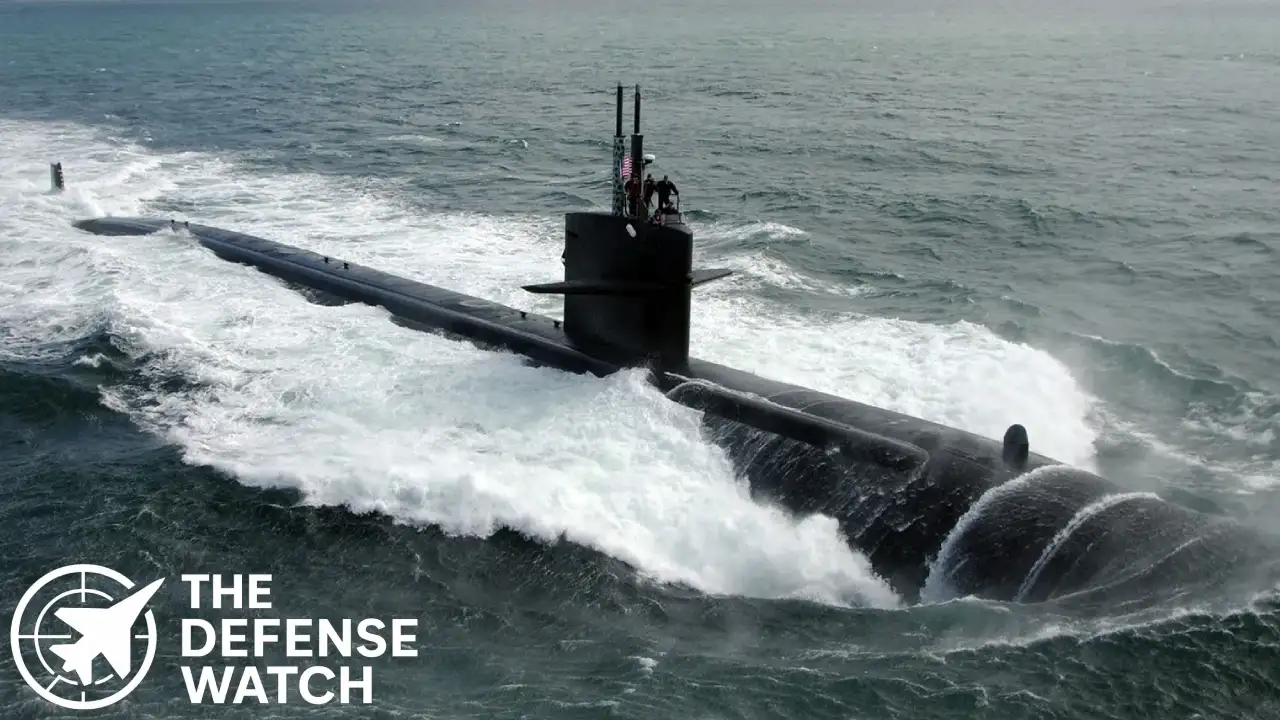
South Korea is formally advancing plans for nuclear-powered submarines, marking a major shift in the country’s long-term naval strategy.
Executive Summary:
South Korea has begun the formal process of pursuing nuclear-powered submarines as part of a broader naval modernization effort. The initiative reflects Seoul’s growing focus on long-range maritime deterrence, regional security competition, and expanded undersea operational capability in the Indo-Pacific.
South Korea Nuclear-Powered Submarine Program Signals Strategic Naval Shift
South Korea’s nuclear-powered submarine initiative has entered a formal government review phase, signaling one of the country’s most consequential naval modernization efforts in decades.
The South Korean government has launched an official process examining the feasibility, strategic rationale, and legal framework required to field nuclear-powered submarines for the Republic of Korea Navy.
The move comes as regional maritime competition intensifies across the Indo-Pacific, particularly amid North Korea’s continued missile development, China’s expanding naval presence, and growing undersea warfare activity in nearby waters.
If ultimately approved, the program would significantly expand South Korea’s blue-water naval reach and endurance compared to its current diesel-electric submarine fleet.
Why South Korea Wants Nuclear-Powered Submarines
Nuclear-powered submarines provide major operational advantages over conventional diesel-electric boats. Unlike traditional submarines, nuclear-powered vessels can remain submerged for extended periods without surfacing for air, enabling longer patrols, greater stealth, and faster sustained transit speeds.
For Seoul, those capabilities are increasingly relevant.
North Korea has continued to pursue submarine-launched ballistic missile programs and has publicly showcased ambitions for nuclear-capable undersea platforms. At the same time, China’s naval expansion and regional power projection efforts have transformed the broader Indo-Pacific security environment.
South Korea’s existing submarine fleet, including the KSS-III Dosan Ahn Changho-class submarines, already represents one of the most advanced conventional undersea forces in Asia. However, nuclear propulsion would provide a substantial leap in operational flexibility and strategic endurance.
Defense analysts have long argued that nuclear-powered submarines would allow South Korea to maintain persistent patrols farther from the Korean Peninsula while improving survivability during high-intensity conflict scenarios.
Legal And Political Challenges Remain
Despite the strategic logic behind the proposal, South Korea faces major political and regulatory hurdles before such a capability could become reality.
The country remains bound by international nuclear nonproliferation obligations, including agreements related to civilian nuclear material usage. Any future submarine propulsion effort would likely require extensive coordination with the United States, which remains Seoul’s primary security ally and a critical stakeholder in regional nuclear policy.
Washington has historically exercised caution regarding naval nuclear propulsion technology transfers outside a limited group of allied nations.
The issue has gained additional attention since the establishment of the AUKUS security partnership between Australia, United Kingdom, and the United States, which included plans to help Australia acquire nuclear-powered submarines.
That agreement triggered broader debate in Asia over whether other U.S. allies could eventually pursue similar capabilities.
South Korean officials have periodically raised the issue over the past decade, though previous discussions largely remained conceptual. The newly launched formal review process suggests the government is now treating the matter with greater institutional seriousness.
Regional Security Implications
The South Korea nuclear-powered submarine program could alter naval dynamics across Northeast Asia if it progresses beyond the planning phase.
Nuclear-powered attack submarines are widely viewed as among the most survivable and strategically valuable assets in modern naval warfare. Their ability to conduct intelligence gathering, anti-submarine warfare, long-range strike missions, and sea-denial operations makes them central to great-power maritime competition.
For Seoul, the capability could strengthen independent deterrence while enhancing interoperability with allied naval forces operating across the Pacific.
However, the move may also generate concerns among neighboring countries already navigating heightened regional tensions.
China has steadily expanded its naval fleet, including nuclear-powered submarines, while Japan continues investing heavily in anti-submarine warfare capabilities and maritime surveillance systems. North Korea, meanwhile, has repeatedly emphasized the development of strategic underwater weapons platforms.
As a result, South Korea’s pursuit of nuclear-powered submarines is likely to be closely watched across the region.
Domestic Defense Industry Could Benefit
A future nuclear-powered submarine effort could also create substantial opportunities for South Korea’s defense and shipbuilding sectors.
South Korean shipbuilders, including Hanwha Ocean and HD Hyundai Heavy Industries, already possess significant experience constructing advanced naval vessels and submarines.
The country has invested heavily in indigenous naval technologies over the past two decades, reducing reliance on foreign suppliers and expanding domestic defense manufacturing capabilities.
Although nuclear propulsion technology presents a much higher level of complexity, South Korea’s mature commercial nuclear sector and advanced shipbuilding infrastructure could provide a foundation for future development.
Still, experts note that designing, building, and operating nuclear-powered submarines would likely require years of technical preparation, political negotiations, regulatory adjustments, and major financial investment.
Strategic Outlook
The decision to formally examine nuclear-powered submarines reflects broader shifts in South Korea’s defense posture and long-term strategic planning.
Seoul is increasingly emphasizing advanced maritime capabilities, long-range deterrence, and indigenous defense technology development as regional security pressures evolve.
While the program remains in the early policy stage, the launch of a formal acquisition process marks a significant signal of intent from the South Korean government.
Whether the initiative advances into a fully funded procurement effort will depend on political consensus, alliance coordination, legal considerations, and the evolving regional threat environment.
For now, the move underscores how undersea warfare and naval modernization are becoming increasingly central to Indo-Pacific security competition.
