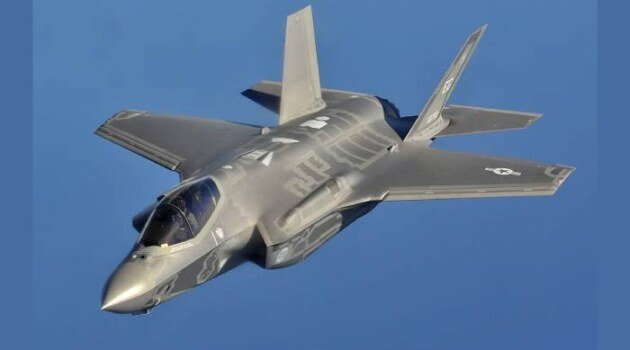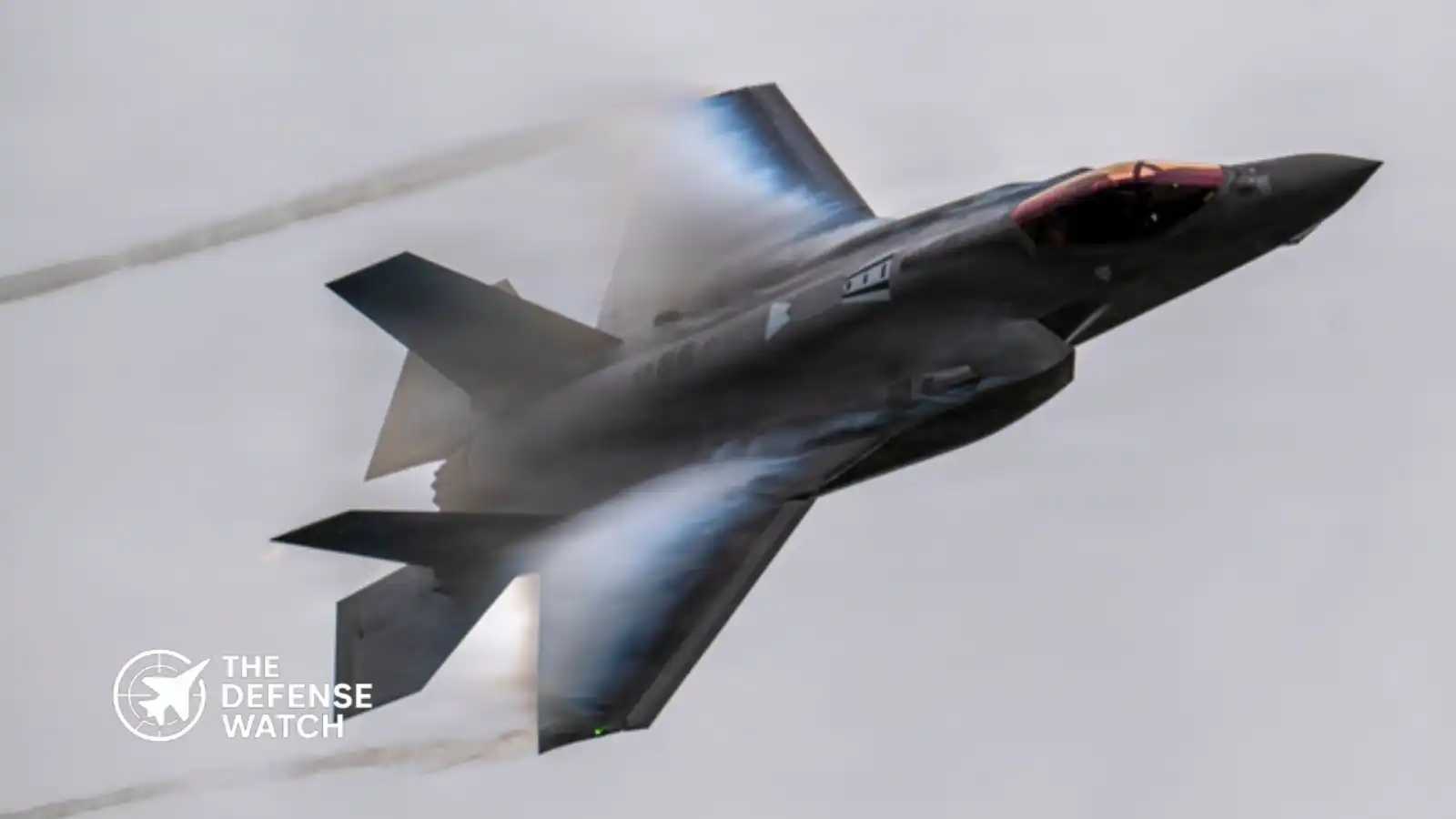
The U.S. Air Force is preparing to increase F-35A purchases in FY2027 as Washington pushes to strengthen tactical airpower against evolving global threats.
Executive Summary:
The U.S. Air Force plans to increase procurement of F-35A Lightning II fighters to 38 aircraft in the FY2027 defense budget. The move reflects renewed focus on tactical air superiority, fleet modernization, and long-term readiness amid rising global security challenges.
U.S. Air Force Expands F-35A Procurement Plans
The U.S. Air Force is preparing to increase F-35A fighter procurement to 38 aircraft in the FY2027 defense budget, signaling a renewed commitment to fifth-generation tactical aviation modernization.
The planned procurement increase follows earlier concerns about slowing fighter acquisition rates and growing operational demands across multiple theaters.
The F-35A, produced by Lockheed Martin, remains the cornerstone of the Air Force’s future tactical aviation strategy. The aircraft combines stealth characteristics, advanced sensors, networked warfare capabilities, and multirole mission flexibility designed for operations in highly contested environments.
The proposed FY2027 procurement target of 38 aircraft would represent an increase over previous annual acquisition plans and reflects broader Pentagon efforts to stabilize fighter inventories while retiring aging fourth-generation platforms.
Pressure To Modernize Tactical Airpower
The planned expansion comes as the Air Force faces mounting pressure to modernize its combat fleet amid accelerating military developments by near-peer competitors.
Senior U.S. defense leaders have repeatedly warned that maintaining air superiority will require sustained investment in advanced aircraft, weapons integration, and combat networking capabilities. The service continues to balance modernization priorities against budget pressures and readiness requirements.
The F-35A fighter procurement debate has become increasingly significant as legacy aircraft such as the F-15C and older F-16 variants approach the limits of their operational lifespan. Air Force planners have argued that delays in fifth-generation acquisitions could create capability gaps during a period of growing geopolitical competition.
The aircraft’s sensor fusion and data-sharing architecture are considered central to future joint operations involving allied air, naval, and ground forces. The platform is also expected to operate alongside emerging systems under the Air Force’s broader Next Generation Air Dominance initiative.
F-35A Remains Central To U.S. And Allied Operations
The F-35A continues to play a major role in both U.S. and allied force planning. Multiple NATO members and Indo-Pacific partners are expanding their own F-35 fleets as part of long-term modernization strategies.
The aircraft has become increasingly important for coalition interoperability, particularly in Europe and the Pacific, where integrated operations and shared situational awareness are viewed as critical operational advantages.
Beyond conventional strike missions, the F-35A provides intelligence gathering, electronic warfare support, and command-and-control functions through its advanced sensor suite. These capabilities have elevated the aircraft from a traditional fighter platform into a broader battlespace management asset.
The Air Force has also continued integrating new weapons systems and software upgrades into the platform. Ongoing modernization efforts include improvements under the Technology Refresh 3 configuration and future Block 4 upgrades aimed at expanding combat capability and processing power.
Budget Signals Long-Term Procurement Commitment
The proposed FY2027 procurement increase may also indicate that the Pentagon is seeking to maintain production stability within the broader F-35 industrial base.
The multinational F-35 program supports a large defense manufacturing network across the United States and partner nations. Sustained procurement levels are widely viewed as important for controlling long-term unit costs, preserving supplier capacity, and supporting future modernization pathways.
At the same time, the program continues to face scrutiny over sustainment costs, software delays, and logistics performance. Congressional oversight committees have consistently pushed for improvements in aircraft readiness rates and maintenance efficiency.
Despite these challenges, the F-35A remains one of the most heavily funded combat aviation programs within the U.S. defense budget structure. Pentagon planners continue to view the aircraft as a critical component of future deterrence and combat operations.
The FY2027 budget proposal is expected to face further review as lawmakers evaluate broader defense spending priorities, force structure requirements, and modernization timelines.
Strategic Analysis
The decision to increase F-35A fighter procurement reflects more than a simple fleet expansion. It highlights a broader strategic shift toward preparing for high-end conflict environments where stealth, sensor integration, and survivability are considered essential.
While the Air Force has explored concepts involving collaborative combat aircraft, autonomous systems, and sixth-generation technologies, the F-35A remains the only fifth-generation fighter currently being procured at scale for U.S. tactical aviation forces.
Increasing annual procurement also helps offset years of reduced fighter acquisition rates that contributed to declining fleet age and readiness concerns. Many Air Force combat aircraft now exceed decades of operational service, increasing maintenance demands and operational risk.
The move additionally reinforces Washington’s effort to maintain technological advantages against rapidly modernizing adversaries investing heavily in integrated air defenses, long-range missile systems, and advanced combat aircraft.
For allied nations operating the F-35 platform, sustained U.S. procurement provides long-term confidence in program continuity, upgrade development, and coalition interoperability planning.