Executive Summary:
L3Harris Technologies has highlighted its Skyraider II aircraft family as a low-cost solution for intelligence, surveillance, reconnaissance, and precision strike missions. The company says the platform is designed to support persistent operations in contested environments while reducing operational and sustainment costs for U.S. and allied forces.
L3Harris Pushes Skyraider II For Affordable Combat Operations
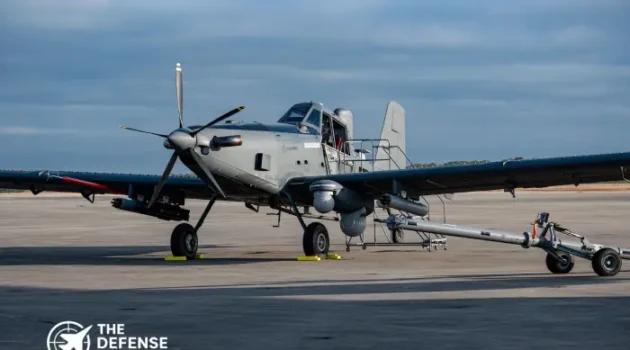
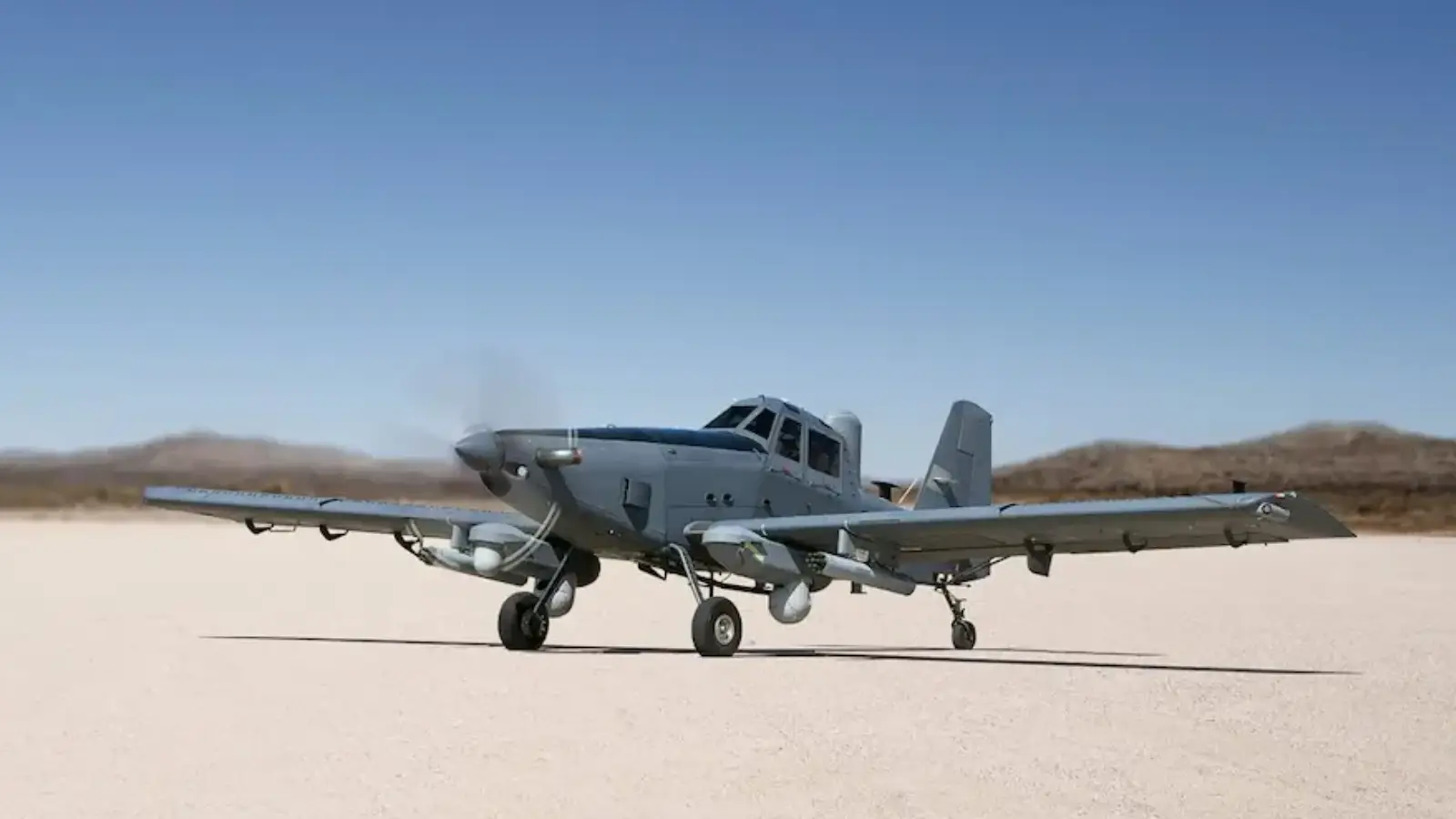
The Skyraider II aircraft family is emerging as a key part of L3Harris Technologies strategy to provide affordable airborne ISR and strike capabilities for modern military operations. According to the company, the platform is intended to deliver persistent surveillance, close air support, and precision strike capabilities while operating at significantly lower cost than advanced fighter aircraft.
The aircraft was highlighted during the Special Operations Forces Week conference, where L3Harris emphasized the growing demand for flexible and survivable platforms capable of operating in distributed and contested environments.
The Skyraider II name references the legacy Douglas A 1 Skyraider, a combat aircraft widely used by the United States during the Korean and Vietnam wars. The modern version, however, integrates advanced sensors, mission systems, and digital connectivity tailored for current operational requirements.
According to L3Harris, the aircraft is designed for long endurance missions and can support both crewed and autonomous operations depending on mission needs. The company also stressed the platform’s ability to integrate into joint all-domain command and control architectures.
Designed For ISR And Precision Strike Missions
The Skyraider II aircraft family is primarily aimed at intelligence, surveillance, and reconnaissance missions while retaining precision strike capability. L3Harris says the aircraft can carry a range of mission payloads, including electro-optical and infrared sensors, communications suites, and guided munitions.
The company argues that many current operational environments do not require expensive fifth-generation fighter aircraft for every mission set. Instead, lower-cost aircraft with extended endurance can provide persistent coverage over large operational areas while reducing logistical demands.
That approach reflects a broader trend within the U.S. defense sector toward “affordable mass,” where military planners seek to balance high-end capabilities with lower-cost systems that can be deployed in larger numbers.
The Skyraider II aircraft is also positioned as a potential solution for special operations missions. Its endurance and lower operating cost could make it suitable for border security, counterinsurgency operations, maritime surveillance, and irregular warfare environments.
Focus On Operational Flexibility
L3Harris highlighted modularity as a central feature of the Skyraider II aircraft family. The company says the platform can be configured for different mission profiles using interchangeable payloads and open systems architecture.
This flexibility is increasingly important as military operators seek platforms that can rapidly adapt to evolving threats. Open architecture systems also allow faster integration of new sensors, communications equipment, and weapons without requiring major redesigns.
Another major focus is survivability. While the aircraft is not intended to replace stealth fighters in heavily defended airspace, L3Harris says it is designed to operate effectively in medium-threat environments with enhanced situational awareness and networking capabilities.
The company also emphasized sustainment advantages. Lower maintenance requirements and reduced fuel consumption could provide long-term cost savings for operators compared with more advanced tactical aircraft.
Market Demand For Low-Cost Airpower Continues To Grow
The renewed focus on light attack and ISR aircraft comes as several nations reassess force structure requirements amid rising defense budgets and expanding operational commitments.
Over the past decade, militaries have increasingly examined whether every surveillance or strike mission requires the use of expensive fast jets. Persistent ISR coverage, particularly in remote regions, often depends more on endurance and affordability than speed or stealth.
That operational reality has driven interest in aircraft capable of remaining airborne for extended periods while carrying modern ISR payloads and precision-guided weapons.
The Skyraider II aircraft enters a competitive market that includes other light attack and ISR platforms designed for expeditionary and special operations missions. However, L3Harris appears to be positioning the aircraft around affordability, modularity, and integration with modern command-and-control systems.
The platform also reflects the growing overlap between crewed aircraft and autonomous mission technologies. Defense companies are increasingly designing aircraft that can support varying levels of autonomy to reduce pilot workload and improve operational flexibility.
Strategic Implications For U.S. And Allied Forces
The emphasis on affordable ISR and strike platforms aligns with broader Pentagon discussions surrounding distributed operations and force resilience. Military planners are increasingly focused on maintaining operational tempo while controlling sustainment costs.
Aircraft such as the Skyraider II could provide additional flexibility for missions that do not require advanced stealth platforms but still demand persistent surveillance and precision engagement capability.
For allied nations with limited defense budgets, lower-cost ISR and strike aircraft may also offer a practical pathway to expanding airpower capabilities without investing in expensive high-end fighter fleets.
L3Harris has not disclosed detailed procurement timelines or potential customer agreements linked to the Skyraider II program. However, the company’s decision to publicly promote the aircraft family signals confidence in future demand for affordable airborne ISR and strike systems.