

Executive Summary:
India has commissioned three new indigenous naval vessels, INS Dunagiri, INS Sanshodhak, and INS Agray, into the Indian Navy fleet in Kolkata. The move strengthens India’s maritime surveillance, coastal security, and fleet support capabilities while highlighting the country’s push toward defense self-reliance. The commissioning comes amid growing strategic competition across the Indian Ocean region.
India Commissions Three Indigenous Navy Warships
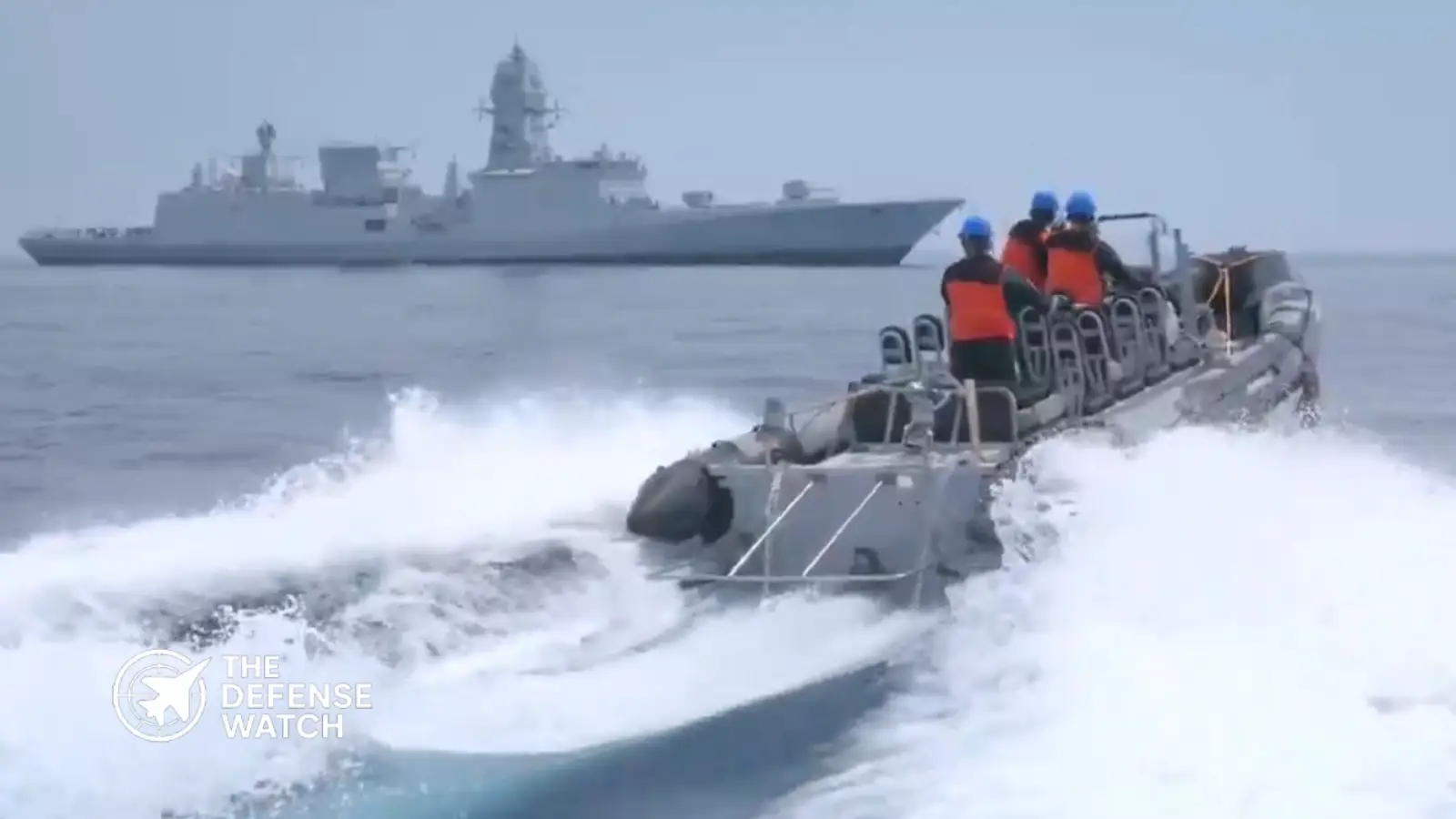
India has expanded its naval capabilities with the commissioning of three indigenous vessels, INS Dunagiri, INS Sanshodhak, and INS Agray, into the fleet of the Indian Navy.
The commissioning ceremony took place in Kolkata and was attended by Indian Defence Minister Rajnath Singh, who described the induction as a significant milestone in strengthening India’s maritime power and advancing indigenous defense manufacturing.
The addition of the three vessels reflects India’s broader effort to modernize its naval forces while reducing dependence on foreign suppliers through the government’s defense industrial initiatives.
Three Different Missions, One Strategic Objective
The newly commissioned vessels serve distinct operational roles within the Indian Navy.
INS Dunagiri is a modern frigate designed for multi-role naval operations. The vessel is intended to support anti-surface, anti-air, and anti-submarine warfare missions, providing the fleet with a versatile platform capable of operating across a wide range of maritime environments.
INS Sanshodhak is a survey vessel that will support hydrographic operations. Such ships are essential for charting sea lanes, improving navigational safety, supporting amphibious operations, and gathering data critical for naval planning and maritime domain awareness.
INS Agray joins the fleet as a fleet support and auxiliary vessel. These ships enhance operational endurance by providing logistical support to naval units operating far from home ports, allowing frontline combatants to remain deployed for extended periods.
Together, the three vessels contribute to a balanced force structure that combines combat capability, maritime intelligence gathering, and logistical sustainability.
Strengthening India’s Maritime Posture
The commissioning of these vessels comes as the Indian Ocean region grows increasingly important to global trade and strategic competition.
India’s maritime planners have emphasized the need for a larger and more capable fleet to secure critical sea lines of communication, monitor regional developments, and respond to both conventional and non-traditional security challenges.
The induction of INS Dunagiri, INS Sanshodhak, and INS Agray supports these objectives by improving fleet readiness and expanding operational flexibility.
From anti-submarine warfare to hydrographic surveying and fleet sustainment, the new ships address several capability requirements simultaneously, allowing the Indian Navy to conduct a broader range of missions across the region.
Indigenous Shipbuilding Continues To Advance
A key aspect of the commissioning is the emphasis on indigenous shipbuilding.
India has invested heavily in domestic naval construction programs over the past decade as part of its broader self-reliance strategy. The country’s shipyards have delivered aircraft carriers, destroyers, frigates, patrol vessels, and support ships while steadily increasing local industrial participation.
The arrival of these new vessels demonstrates continued progress in developing domestic naval design and construction expertise.
For policymakers, indigenous production offers several advantages, including reduced dependence on foreign supply chains, greater control over sustainment and upgrades, and long-term support for the national defense industrial base.
Why The New Ships Matter
While individual ship commissions are routine events for major navies, the simultaneous induction of three different vessel types carries broader strategic significance.
The Indian Navy warships and support vessels provide capabilities that extend beyond traditional combat operations. Modern naval forces increasingly rely on accurate maritime data, persistent presence, and robust logistics networks to sustain operations across large geographic areas.
INS Dunagiri enhances combat power. INS Sanshodhak improves maritime awareness and navigation support. INS Agray strengthens logistical resilience.
Together, they help create a more capable and sustainable naval force prepared for both peacetime and operational missions.
As competition and security challenges continue to evolve across the Indian Ocean, fleet expansion efforts such as these remain central to India’s maritime strategy.
Strategic Assessment
The commissioning of INS Dunagiri, INS Sanshodhak, and INS Agray illustrates a broader trend in naval modernization. Rather than focusing solely on frontline combatants, modern maritime forces increasingly invest in support and enabling capabilities that sustain long-term operations.
This balanced approach strengthens operational effectiveness while supporting national shipbuilding industries.
For India, the addition of these indigenous vessels reinforces maritime security objectives, expands fleet capacity, and demonstrates continued progress toward defense self-reliance. As regional naval competition intensifies, investments in combat, survey, and support vessels are likely to remain a key component of India’s long-term maritime strategy.
