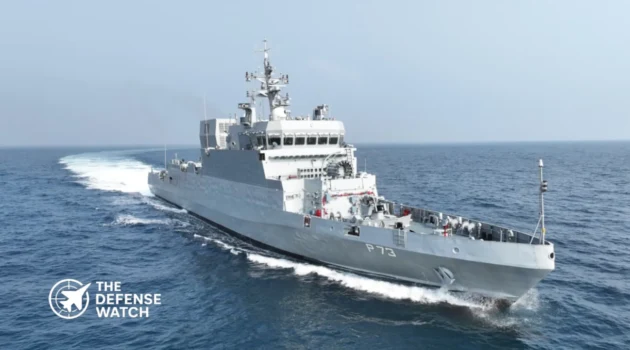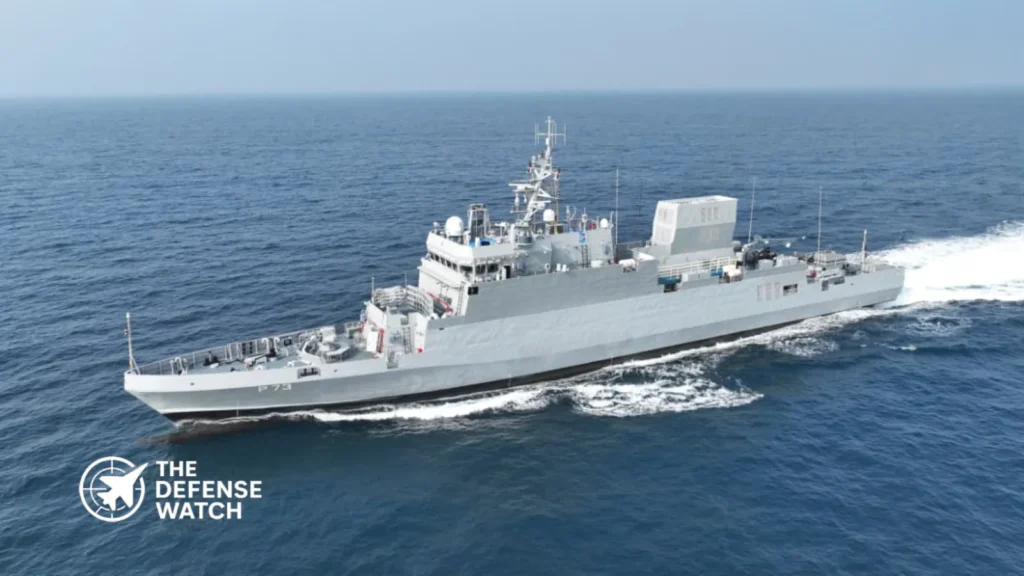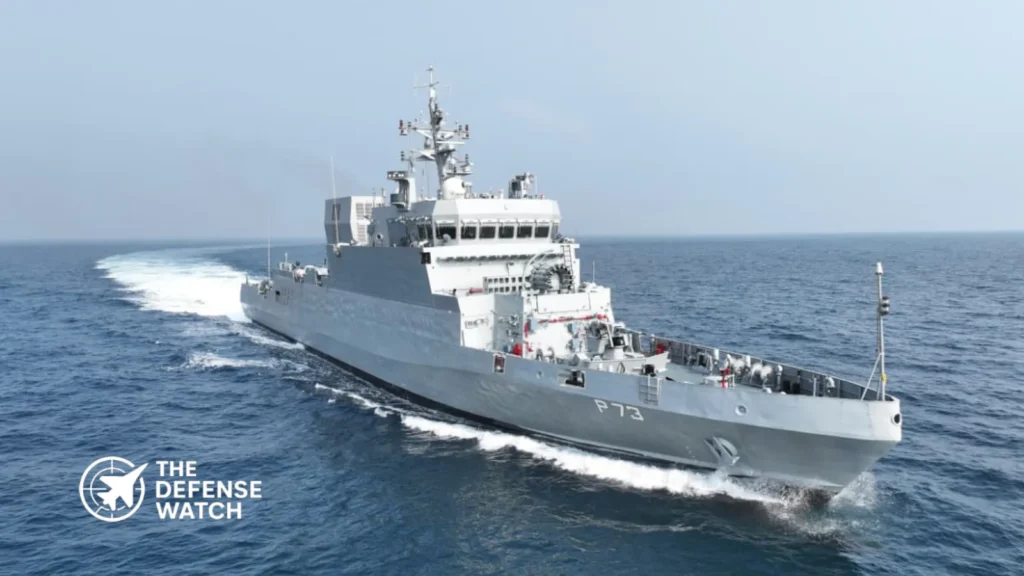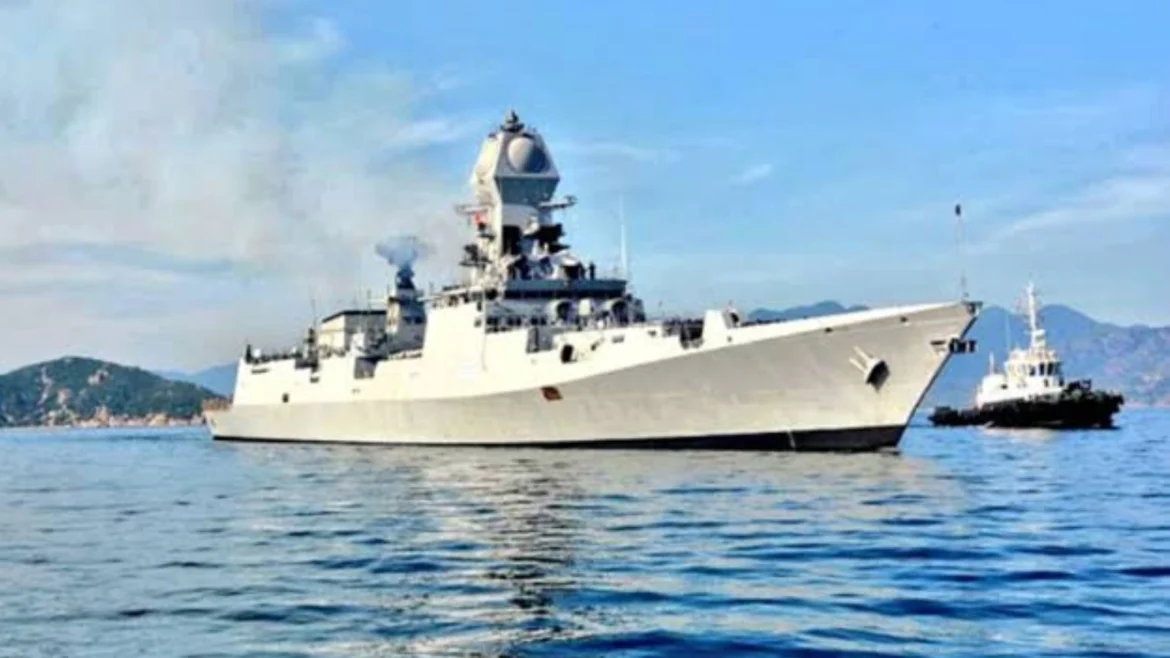
A September 15 naval collision in the Arabian Sea has triggered simultaneous diplomatic protests from India and Pakistan, with the two governments offering conflicting accounts of the encounter.
Takeaways
India and Pakistan have both lodged diplomatic protests following a September 15 naval collision in the North Arabian Sea, but the two governments disagree over how and where the incident occurred.
India Pakistan Naval Collision Triggers Mutual Protests
The India Pakistan naval collision in the North Arabian Sea has triggered diplomatic protests from both governments after an Indian Navy warship and Pakistan Navy vessel PNS Hunain came into contact on September 15, 2026. India and Pakistan have issued conflicting accounts of the circumstances surrounding the incident.
The incident occurred against a backdrop of heightened tensions between the two nuclear-armed neighbors. According to the Associated Press, Pakistan said the encounter occurred inside its Exclusive Economic Zone during a naval exercise, while India said the collision took place in international waters.
Neither side has accepted the other’s account.
What Happened Between The Two Naval Vessels?
Pakistan identified the Indian warship involved as INS Kolkata, a Kolkata-class guided-missile destroyer.
Pakistan’s Foreign Office said INS Kolkata was operating near Pakistani naval units participating in the SEASPARK-26 exercise. Islamabad accused the Indian warship of conducting dangerous maneuvers and said the vessel eventually came into contact with PNS Hunain.
Pakistan said the Indian ship’s actions were provocative and violated international law as well as the bilateral agreement governing military activities between India and Pakistan.
India has presented a substantially different account.
Indian officials said PNS Hunain approached an Indian Navy frontline warship at high speed and maneuvered unsafely, resulting in a minor collision. India said its warship was conducting a routine surveillance mission and was operating in international waters.
Indian reporting said the encounter occurred approximately 120 nautical miles from the Gulf of Oman. It also reported that the Indian vessel was not damaged and continued its mission, while PNS Hunain sustained damage and returned toward a Pakistani port.
Pakistan Lodges Protest Over INS Kolkata
Pakistan’s Foreign Office summoned India’s chargé d’affaires in Islamabad following the incident.
Islamabad described the Indian vessel’s reported conduct as highly provocative and unacceptable. Pakistan said the Indian Navy had repeatedly attempted to enter the area where Pakistani naval forces were conducting SEASPARK-26.
Pakistan’s Foreign Office said the Indian vessel’s movements near Pakistani ships created a serious risk of escalation. It also argued that the incident represented a breach of the 1991 India-Pakistan military agreement.
Pakistan said it would also convey its protest through its diplomatic mission in New Delhi.
India Also Summons Pakistan’s Diplomat
India responded by summoning Pakistan’s chargé d’affaires in New Delhi and lodging a formal protest.
India described the conduct of Pakistani naval units as unacceptable and unprofessional. New Delhi said the Pakistani vessel approached an Indian warship at high speed and failed to maintain safe separation, resulting in the collision.
India also directed its diplomatic representative in Islamabad to lodge a corresponding protest with Pakistan’s Foreign Ministry.
The reciprocal diplomatic action is significant because neither government has accepted responsibility for the incident.
Dispute Over The Location Of The Incident
One of the central disagreements concerns where the encounter occurred.
Pakistan says the incident occurred inside its Exclusive Economic Zone during the SEASPARK-26 naval exercise.
India says the collision occurred in international waters.
An EEZ gives a coastal state specific rights over natural resources and certain economic activities. It does not generally provide the same jurisdiction over navigation as territorial waters.
That distinction is important when assessing the competing claims made by the two governments.
Publicly available information does not independently establish the precise coordinates of the collision or resolve the competing claims over the vessel movements.
The 1991 Agreement Is Also Involved
Both sides have referred to the 1991 Agreement Between India and Pakistan on Advance Notice on Military Exercises, Manoeuvres and Troop Movements.
The agreement includes provisions intended to reduce the risk of accidental confrontations between Indian and Pakistani military forces.
India has cited the agreement’s naval separation provisions in its protest, while Pakistan has also argued that India’s actions breached the bilateral framework.
The agreement is particularly relevant because the incident occurred while Pakistani naval forces were conducting a major exercise.
For naval forces operating near each other, separation and communications procedures are designed to prevent routine military activity from developing into an accidental confrontation.
PNS Hunain Sustained Damage
Indian media reports said the Pakistani vessel sustained damage during the collision and subsequently headed toward a Pakistani harbor. The Indian warship was reported to have continued its surveillance mission.
The publicly available reports do not provide a detailed independent assessment of the extent of damage to PNS Hunain.
There have also been no independently verified indications in the available reporting of significant casualties resulting from the encounter.
The incident therefore appears to have remained limited to a naval collision and its subsequent diplomatic consequences, although the two governments have described the conduct preceding the contact in sharply different terms.
Why The Incident Matters
The India Pakistan naval collision demonstrates the operational risks that can arise when military forces from rival states operate in close proximity.
Unlike a planned military engagement, a collision at sea can develop within seconds. Warships operating at high speed have limited time to react, particularly when several ships, aircraft and exercise areas are involved.
The incident also shows why bilateral military agreements remain important even during periods of political tension.
The 1991 agreement was created in part to reduce the possibility that military exercises or movements could produce misunderstandings between the two countries.
In this case, however, the two governments are now interpreting the same incident differently.
Pakistan’s position centers on the alleged presence and maneuvering of INS Kolkata near its naval exercise area.
India’s position centers on what it describes as the unsafe approach and maneuvering of PNS Hunain.
Those competing descriptions mean that responsibility for the collision cannot be established solely from the public statements issued by either government.
Diplomatic Fallout
The immediate response from both countries has been diplomatic rather than military.
Pakistan summoned India’s diplomatic representative and issued a formal protest. India took the same step against Pakistan’s diplomatic representative.
Reuters reported that India’s Foreign Ministry described the actions of Pakistani naval units as unacceptable and unprofessional, while Pakistan accused the Indian vessel of provocative and dangerous behavior.
The Associated Press similarly reported that the incident intensified diplomatic tensions between the two countries.
The reciprocal protests also demonstrate that both governments view the incident as serious enough to require formal diplomatic action.
What Is Known And What Remains Disputed
Several elements of the incident are established by multiple reports.
An Indian naval warship and PNS Hunain came into contact in the Arabian Sea on September 15.
Both governments subsequently summoned the other’s diplomatic representatives.
Both sides accused the other country’s naval forces of unsafe or improper conduct.
However, important details remain disputed.
Pakistan says the encounter occurred in its EEZ during SEASPARK-26 and blames INS Kolkata for dangerous maneuvering.
India says the incident occurred in international waters and blames PNS Hunain for approaching its warship at high speed.
The available public reporting does not independently establish which vessel initiated the maneuver that resulted in the collision.
For that reason, the incident should be described as a disputed naval collision, rather than as an independently established act of aggression by either country.
Executive Summary:
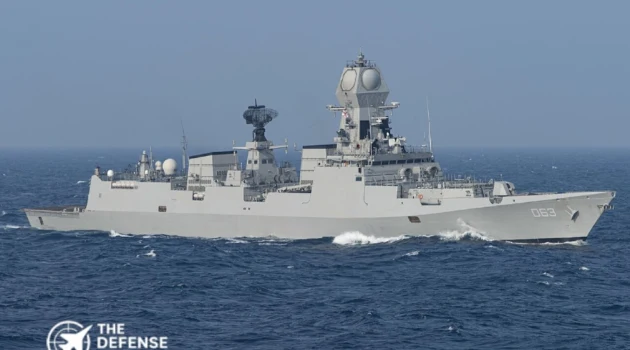
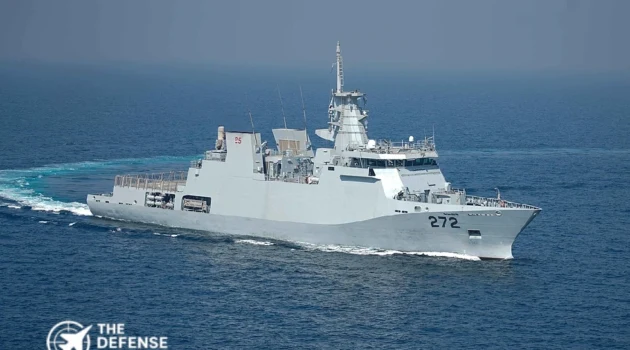
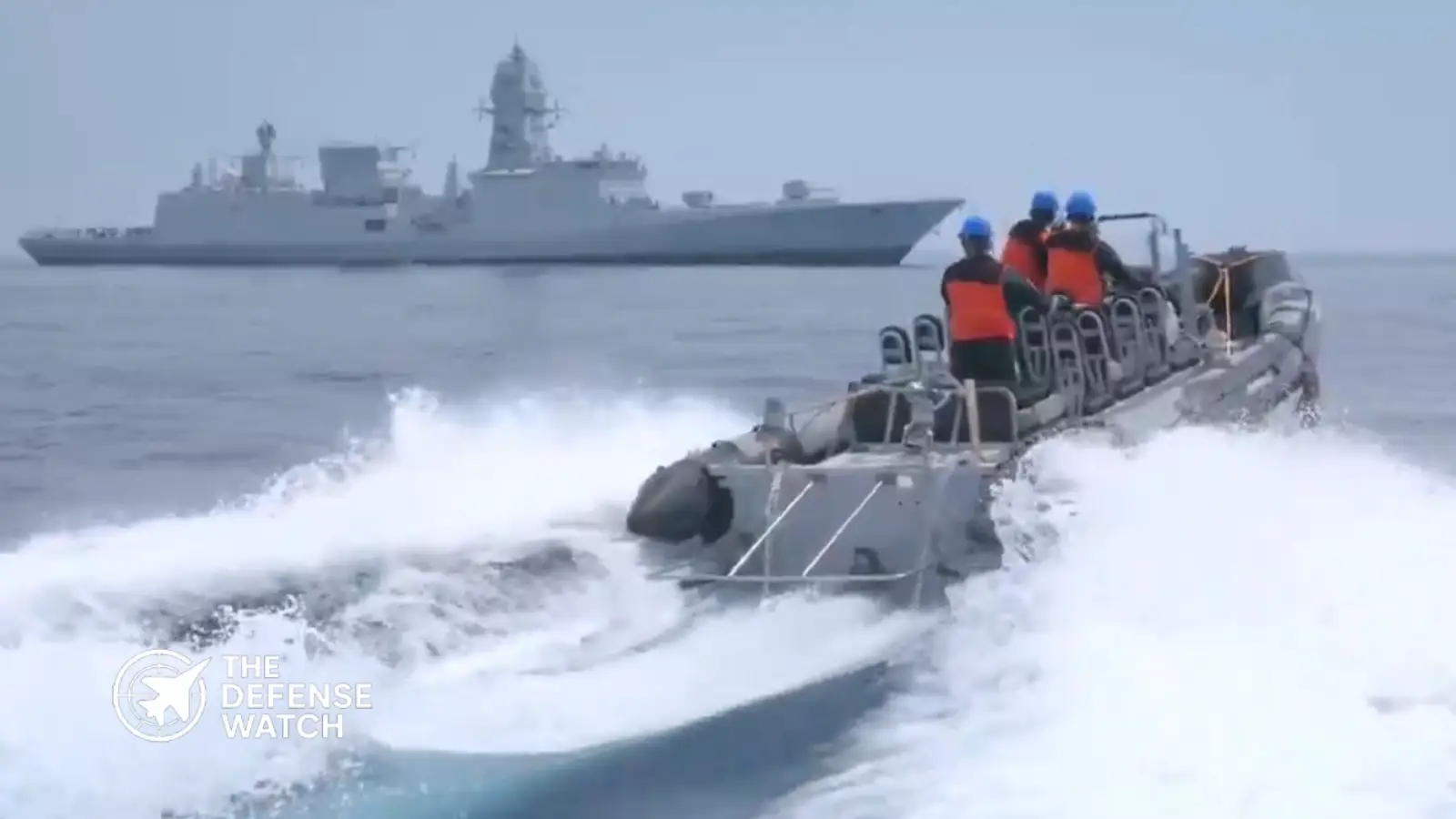
India has commissioned three new indigenous naval vessels, INS Dunagiri, INS Sanshodhak, and INS Agray, into the Indian Navy fleet in Kolkata. The move strengthens India’s maritime surveillance, coastal security, and fleet support capabilities while highlighting the country’s push toward defense self-reliance. The commissioning comes amid growing strategic competition across the Indian Ocean region.
India Commissions Three Indigenous Navy Warships
India has expanded its naval capabilities with the commissioning of three indigenous vessels, INS Dunagiri, INS Sanshodhak, and INS Agray, into the fleet of the Indian Navy.
The commissioning ceremony took place in Kolkata and was attended by Indian Defence Minister Rajnath Singh, who described the induction as a significant milestone in strengthening India’s maritime power and advancing indigenous defense manufacturing.
The addition of the three vessels reflects India’s broader effort to modernize its naval forces while reducing dependence on foreign suppliers through the government’s defense industrial initiatives.
Three Different Missions, One Strategic Objective
The newly commissioned vessels serve distinct operational roles within the Indian Navy.
INS Dunagiri is a modern frigate designed for multi-role naval operations. The vessel is intended to support anti-surface, anti-air, and anti-submarine warfare missions, providing the fleet with a versatile platform capable of operating across a wide range of maritime environments.
INS Sanshodhak is a survey vessel that will support hydrographic operations. Such ships are essential for charting sea lanes, improving navigational safety, supporting amphibious operations, and gathering data critical for naval planning and maritime domain awareness.
INS Agray joins the fleet as a fleet support and auxiliary vessel. These ships enhance operational endurance by providing logistical support to naval units operating far from home ports, allowing frontline combatants to remain deployed for extended periods.
Together, the three vessels contribute to a balanced force structure that combines combat capability, maritime intelligence gathering, and logistical sustainability.
Strengthening India’s Maritime Posture
The commissioning of these vessels comes as the Indian Ocean region grows increasingly important to global trade and strategic competition.
India’s maritime planners have emphasized the need for a larger and more capable fleet to secure critical sea lines of communication, monitor regional developments, and respond to both conventional and non-traditional security challenges.
The induction of INS Dunagiri, INS Sanshodhak, and INS Agray supports these objectives by improving fleet readiness and expanding operational flexibility.
From anti-submarine warfare to hydrographic surveying and fleet sustainment, the new ships address several capability requirements simultaneously, allowing the Indian Navy to conduct a broader range of missions across the region.
Indigenous Shipbuilding Continues To Advance
A key aspect of the commissioning is the emphasis on indigenous shipbuilding.
India has invested heavily in domestic naval construction programs over the past decade as part of its broader self-reliance strategy. The country’s shipyards have delivered aircraft carriers, destroyers, frigates, patrol vessels, and support ships while steadily increasing local industrial participation.
The arrival of these new vessels demonstrates continued progress in developing domestic naval design and construction expertise.
For policymakers, indigenous production offers several advantages, including reduced dependence on foreign supply chains, greater control over sustainment and upgrades, and long-term support for the national defense industrial base.
Why The New Ships Matter
While individual ship commissions are routine events for major navies, the simultaneous induction of three different vessel types carries broader strategic significance.
The Indian Navy warships and support vessels provide capabilities that extend beyond traditional combat operations. Modern naval forces increasingly rely on accurate maritime data, persistent presence, and robust logistics networks to sustain operations across large geographic areas.
INS Dunagiri enhances combat power. INS Sanshodhak improves maritime awareness and navigation support. INS Agray strengthens logistical resilience.
Together, they help create a more capable and sustainable naval force prepared for both peacetime and operational missions.
As competition and security challenges continue to evolve across the Indian Ocean, fleet expansion efforts such as these remain central to India’s maritime strategy.
Strategic Assessment
The commissioning of INS Dunagiri, INS Sanshodhak, and INS Agray illustrates a broader trend in naval modernization. Rather than focusing solely on frontline combatants, modern maritime forces increasingly invest in support and enabling capabilities that sustain long-term operations.
This balanced approach strengthens operational effectiveness while supporting national shipbuilding industries.
For India, the addition of these indigenous vessels reinforces maritime security objectives, expands fleet capacity, and demonstrates continued progress toward defense self-reliance. As regional naval competition intensifies, investments in combat, survey, and support vessels are likely to remain a key component of India’s long-term maritime strategy.

(adsbygoogle = window.adsbygoogle || []).push({});Executive Summary:
The Indian Navy has moved forward with the acquisition of an indigenous electro-optical infrared (EOIR) system as part of its broader effort to strengthen domestic defense manufacturing and improve fleet surveillance capabilities. The procurement supports India’s long-term naval modernization strategy by enhancing target detection, tracking, and situational awareness while reducing dependence on imported sensor technologies.
Indian Navy Acquires Indigenous EOIR System For Fleet Modernization
The Indian Navy has acquired a domestically developed electro-optical infrared (EOIR) system, reinforcing New Delhi’s ongoing push toward indigenous defense capabilities and greater self-reliance in critical military technologies.
The system will provide advanced surveillance, target tracking, and imaging capabilities for naval operations. EOIR systems have become a core component of modern maritime warfare, enabling naval platforms to identify, classify, and track threats in both day and night conditions while operating in complex maritime environments.
The acquisition aligns with India’s broader defense industrial strategy, which seeks to increase the share of domestically developed equipment across all military services while reducing reliance on foreign suppliers.
(adsbygoogle = window.adsbygoogle || []).push({});Why EOIR Systems Matter In Modern Naval Warfare
Electro-optical infrared systems combine multiple sensor technologies into a single surveillance package. These typically include:
| Capability | Operational Function |
|---|---|
| Daylight Cameras | Long-range visual identification |
| Thermal Imagers | Detection of heat signatures during day or night |
| Infrared Sensors | Tracking low-visibility targets |
| Laser Rangefinders | Precise distance measurement for targeting |
| Automated Tracking Software | Continuous monitoring of moving threats |
Unlike radar systems, EOIR sensors operate passively, meaning they do not emit signals that can reveal a vessel’s location. This characteristic makes them particularly valuable during intelligence gathering, maritime patrol, and contested naval operations.
Modern EOIR systems are increasingly used to monitor:
- Surface combatants
- Fast attack craft
- Unmanned surface vessels
- Maritime drones
- Low-flying aircraft
- Anti-ship missile threats
The technology also supports weapon guidance and fire-control functions, allowing naval crews to engage targets with greater accuracy.
Part Of A Wider Indigenous Naval Sensor Strategy
The procurement reflects a broader trend across the Indian Navy’s modernization efforts.
In recent years, India has accelerated investment in domestically developed sensors, combat management systems, electronic warfare suites, and fire-control technologies. Bharat Electronics Limited (BEL), one of India’s largest defense electronics companies, is already supplying electro-optic fire-control systems for multiple Indian Navy vessels under an ongoing modernization program. The EON-51 system, for example, supports surveillance, target tracking, and naval gunfire control through integrated thermal imaging, television cameras, and laser rangefinding technologies.
The Navy has also pursued indigenous navigation warfare systems, electronic attack capabilities, and advanced sensor integration programs designed to improve operational resilience in contested environments. Recent contracts for navigation satellite system jammers and directed-energy technologies further illustrate this trend.
(adsbygoogle = window.adsbygoogle || []).push({});Operational Impact For The Indian Fleet
The introduction of a domestic EOIR capability offers several operational advantages.
First, indigenous production improves long-term sustainment by reducing reliance on overseas supply chains. This becomes particularly important during crises or periods of geopolitical tension when access to foreign spare parts and upgrades may be constrained.
Second, domestic systems can be tailored more easily to Indian Navy requirements. Engineers can integrate software updates, adapt interfaces to local combat management systems, and incorporate emerging technologies without requiring foreign approval.
Third, indigenous EOIR systems can support a wider range of platforms, including:
- Destroyers
- Frigates
- Offshore patrol vessels
- Fast attack craft
- Coastal surveillance installations
- Future unmanned maritime systems
As maritime traffic and security challenges continue to grow across the Indian Ocean Region, improved surveillance capabilities are increasingly viewed as essential for maintaining maritime domain awareness.
(adsbygoogle = window.adsbygoogle || []).push({});Strategic Significance Beyond India
The acquisition carries significance beyond the Indian Navy itself.
Across the Indo-Pacific, navies are investing heavily in sensor technologies capable of detecting smaller and harder-to-track threats, particularly unmanned systems and low-signature platforms. Lessons from conflicts in the Black Sea, Red Sea, and other maritime theaters have demonstrated the growing importance of persistent surveillance and rapid target identification.
For regional defense planners, indigenous EOIR development represents a key step toward building a self-sustaining defense industrial base capable of supporting advanced naval operations without excessive dependence on foreign technology providers.
From a strategic perspective, the move strengthens India’s long-term objective of becoming a major defense manufacturing and technology power while enhancing operational readiness across its expanding naval fleet.
Assessment
The Indian Navy’s acquisition of an indigenous EOIR system represents more than a routine equipment purchase. It highlights the increasing role of domestically developed sensor technologies in India’s naval modernization program and reflects a broader shift toward sovereign control of critical surveillance and targeting capabilities.
As naval competition intensifies across the Indo-Pacific, advanced electro-optical systems are becoming essential components of maritime security architectures. The successful fielding of indigenous EOIR technology could provide India with greater operational flexibility, improved fleet awareness, and a stronger foundation for future naval innovation.
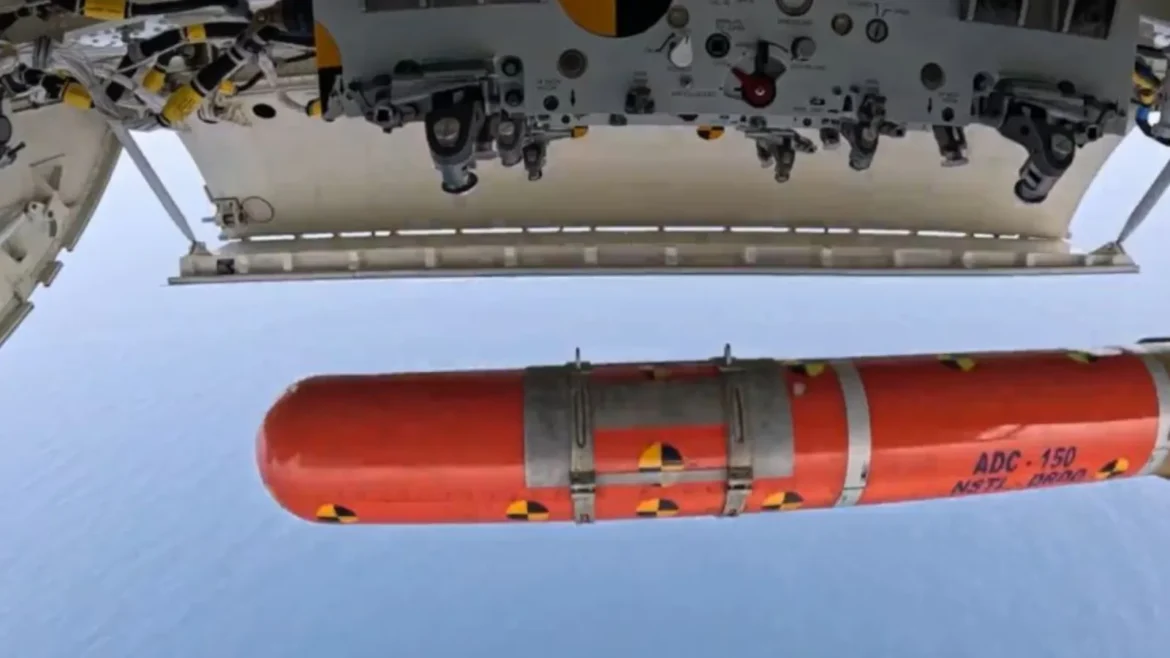
- India successfully tested the ADC-150 air droppable container during joint trials by DRDO and the Indian Navy.
- The system can deliver up to 150 kilograms of critical supplies to ships operating far from shore.
- Trials were conducted from a P-8I maritime patrol aircraft off the coast of Goa.
- Four release trials took place between February 21 and March 1, 2026 under extreme release conditions.
- The system strengthens naval logistics for blue water operations and emergency maritime support.
India Tests ADC-150 Air Droppable Container From P-8I
The ADC-150 air droppable container has successfully completed in flight release trials conducted by the Defence Research and Development Organisation and the Indian Navy, marking a new step in India’s effort to strengthen maritime logistics capabilities.
According to a March 2026 government release, the trials involved multiple airborne deployments from a Boeing P-8I Poseidon maritime patrol aircraft off the coast of Goa. The system is designed to deliver essential supplies to naval vessels operating far from the shoreline.
The tests confirmed that the container can safely deploy a payload of up to 150 kilograms under various operational conditions.
The Big Picture
Naval forces operating in blue water environments often face logistical challenges, especially when ships operate hundreds or thousands of miles from shore based supply points.
Modern naval strategy depends heavily on sustained logistics. Aircraft, submarines, and surface vessels require continuous access to spare parts, emergency medical supplies, and critical equipment.
Many navies address this challenge through underway replenishment ships or helicopter resupply operations. However, aircraft based container delivery systems provide an additional rapid response option.
The ADC-150 air droppable container fits into this broader effort to build flexible logistics capabilities that can support distributed maritime operations.
For India, which maintains growing naval deployments across the Indian Ocean Region, logistics resilience has become a key operational requirement.
What Is Happening
Engineers from the Defence Research and Development Organisation designed and developed the ADC-150 air droppable container as a lightweight logistics delivery system.
Between February 21 and March 1, 2026, the Indian Navy conducted four separate release trials from a P-8I aircraft near Goa. The trials tested the system across several extreme release conditions.
The container is capable of transporting up to 150 kilograms of supplies. Potential payloads include:
- emergency equipment
- spare parts for ship systems
- critical operational stores
- medical supplies
Once released from the aircraft, the container descends safely and can be retrieved by ships at sea.
Officials stated that the system will support naval vessels deployed far from the coastline that require urgent logistical support.
The tests confirmed the container’s ability to function reliably under demanding operational scenarios.
Why It Matters
The ADC-150 air droppable container addresses a practical operational challenge faced by modern navies.
Ships deployed on extended patrols may encounter mechanical issues or urgent supply needs. Waiting for replenishment ships or returning to port can disrupt operations.
Aircraft based resupply reduces response time.
The P-8I aircraft already plays a central role in India’s maritime surveillance and anti submarine warfare missions. Integrating a logistics delivery capability expands its operational utility.
In crisis situations such as mechanical breakdowns, medical emergencies, or equipment failures, rapid aerial delivery could significantly improve response time.
The concept also supports distributed naval operations, where smaller task groups operate across large maritime areas rather than concentrating around a single fleet formation.
Strategic Implications
India’s expanding maritime footprint across the Indian Ocean increases the importance of flexible logistics systems.
The Indian Navy regularly deploys ships across key sea lanes that connect the Middle East, Africa, and Southeast Asia. Sustaining these deployments requires resilient support networks.
Air droppable logistics containers allow aircraft to act as rapid response supply platforms.
This capability complements traditional naval replenishment ships while providing an additional layer of operational flexibility.
It also strengthens humanitarian and disaster relief operations. Aircraft can deliver supplies directly to ships assisting disaster zones without requiring port access.
From a broader strategic perspective, improving naval logistics enhances operational endurance, which directly affects maritime presence and deterrence.
Competitor View
Regional naval powers closely monitor logistics innovations because sustainment capabilities often determine the real effectiveness of naval deployments.
China has heavily invested in replenishment ships and overseas support infrastructure to sustain its expanding naval operations.
India has pursued a different approach that combines logistics vessels, forward basing arrangements, and aircraft supported resupply options.
Air droppable container systems like ADC-150 provide a low cost method to extend operational reach without building additional logistics vessels.
Such systems also align with broader trends in distributed maritime operations seen across several modern navies.
What To Watch Next
Future testing will likely focus on additional operational scenarios and platform integration.
Possible next steps may include:
- integration with other maritime patrol aircraft
- testing under night or adverse weather conditions
- expanded payload configurations
- operational deployment during naval exercises
Operational doctrine and training will also play a role in determining how widely the system is used during routine missions.
Capability Gap
Traditional naval logistics relies heavily on large replenishment ships. These vessels provide fuel, ammunition, and stores but operate at limited speeds and require coordinated rendezvous with receiving ships.
Aircraft based resupply fills a gap between large scale replenishment and helicopter logistics.
However, the ADC-150 system has clear limitations. Its payload capacity of 150 kilograms means it is suited only for critical supplies rather than large scale logistics deliveries.
Still, its value lies in speed and flexibility rather than volume.
The Bottom Line
The ADC-150 air droppable container strengthens India’s ability to sustain naval operations at sea by enabling rapid aerial delivery of critical supplies to ships operating far from shore.
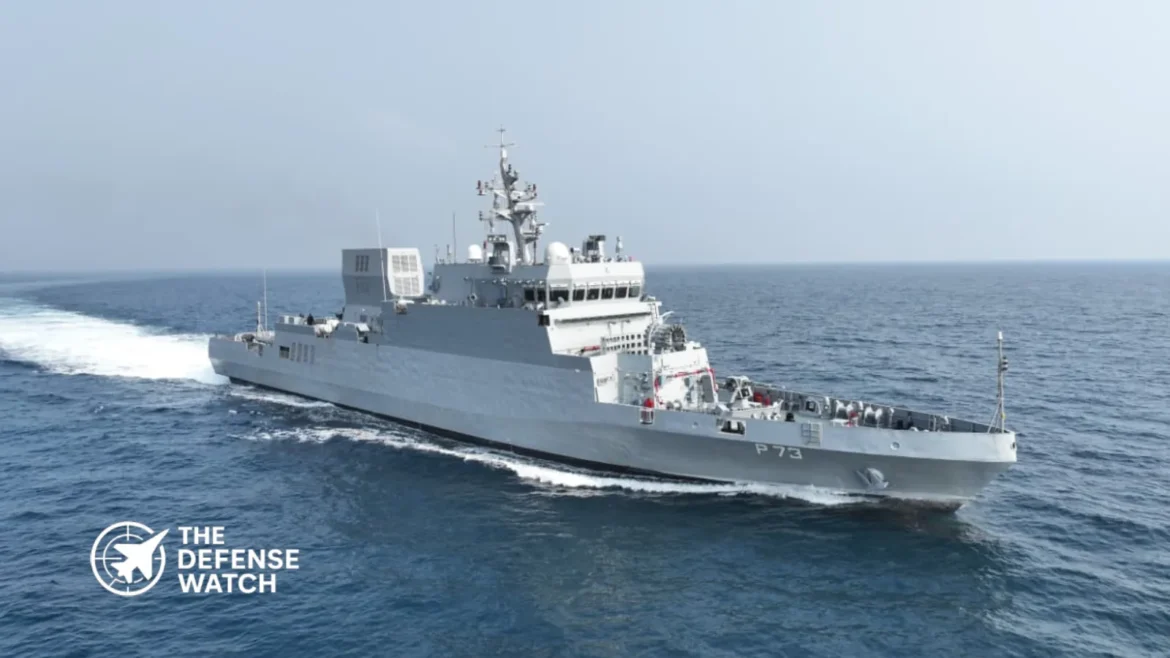
- ► INS Anjadip commissioned on 27 February 2026 at Chennai Port under Eastern Naval Command.
- ► Third vessel in the eight ship Anti Submarine Warfare Shallow Water Craft project.
- ► Built by Garden Reach Shipbuilders & Engineers in Kolkata under indigenous design.
- ► Equipped with Hull Mounted Sonar Abhay, lightweight torpedoes, and ASW rocket systems.
- ► Designed for littoral operations, coastal surveillance, LIMO, and search and rescue missions.
Indian Navy Commissions INS Anjadip To Expand Anti Submarine Warfare Shallow Water Craft Fleet
The Indian Navy has commissioned INS Anjadip, the third vessel under its Anti Submarine Warfare Shallow Water Craft program, strengthening coastal defense and submarine hunting capabilities in the eastern seaboard.
The warship was formally inducted into service on 27 February 2026 at Chennai Port under the Eastern Naval Command. The ceremony was presided over by Admiral Dinesh K Tripathi, Chief of the Naval Staff.
INS Anjadip is part of an eight ship Anti Submarine Warfare Shallow Water Craft project designed to enhance India’s ability to detect and neutralize submarines operating in coastal and shallow waters. The program reflects New Delhi’s continued push for indigenous warship construction under the Aatmanirbhar Bharat initiative.
Indigenous Warship Strengthens Coastal ASW Grid
INS Anjadip was constructed by Garden Reach Shipbuilders & Engineers in Kolkata, one of India’s leading defense shipyards. The vessel represents a key milestone in the Anti Submarine Warfare Shallow Water Craft program, which aims to plug operational gaps in littoral submarine detection.
Measuring 77 meters in length, the ship is optimized for operations in shallow waters where conventional frigates and destroyers may face maneuvering constraints. Its primary role is to detect, track, and engage hostile submarines operating close to India’s coastline.

Image : Indian Navy The vessel integrates the Hull Mounted Sonar Abhay, an indigenous sonar system designed to enhance underwater detection in complex acoustic environments. It is also armed with lightweight torpedoes and anti submarine rocket systems, giving it layered engagement capability against submerged threats.
The warship uses a high speed water jet propulsion system, allowing it to reach speeds of up to 25 knots. This configuration improves maneuverability and responsiveness during coastal patrol and rapid interception missions.
Strategic Importance For Eastern Naval Command
The commissioning of INS Anjadip under the Eastern Naval Command is operationally significant. The command oversees naval operations in the Bay of Bengal and parts of the eastern Indian Ocean, areas that have seen increased submarine deployments in recent years.
India faces expanding underwater activity across the Indo Pacific. Open source assessments from the Indian Navy and regional security analysts have highlighted the growing presence of conventional and nuclear powered submarines in the wider region.
In this context, the Anti Submarine Warfare Shallow Water Craft fleet plays a critical role in coastal defense. These vessels are designed to create a protective ASW layer close to shore, complementing larger platforms such as destroyers, frigates, maritime patrol aircraft, and dedicated ASW corvettes.
INS Anjadip will support maritime security operations covering Tamil Nadu and Puducherry coastal sectors. Its shallow draft and agile profile allow sustained patrols in constrained waters, where smaller submarines may attempt to operate undetected.
Aatmanirbhar Bharat And Naval Modernization
The Anti Submarine Warfare Shallow Water Craft program is closely aligned with India’s Aatmanirbhar Bharat defense manufacturing initiative. By relying on indigenous design, domestic shipyards, and locally developed sensors and weapons, the Indian Navy aims to reduce dependence on foreign suppliers.
Image : Indian Navy According to official Indian Navy statements, a significant portion of the vessel’s systems are sourced from domestic industry. This includes sonar technology, combat management integration, and propulsion components.
For India, strengthening its coastal ASW capability is not only a tactical priority but also a strategic one. Sea lines of communication in the Indian Ocean remain vital for energy imports and trade flows. Protecting these routes requires layered maritime surveillance and credible deterrence against undersea threats.
The induction of INS Anjadip marks incremental but steady progress in that direction.
Expanding The ASW Shallow Water Craft Fleet
The eight ship Anti Submarine Warfare Shallow Water Craft project is expected to deliver multiple vessels over the coming years. As more ships join service, the Indian Navy will be able to establish distributed ASW coverage across both eastern and western seaboards.
These vessels are not replacements for major surface combatants. Instead, they fill a specific operational niche. In shallow and congested waters, smaller and purpose built platforms often provide more effective submarine detection than larger blue water warships.
With INS Anjadip now operational, the Indian Navy continues to build a multi layer maritime defense architecture that combines indigenous shipbuilding, sensor development, and operational deployment.

India Approves 6 New P-8I Neptune Maritime Patrol Aircraft
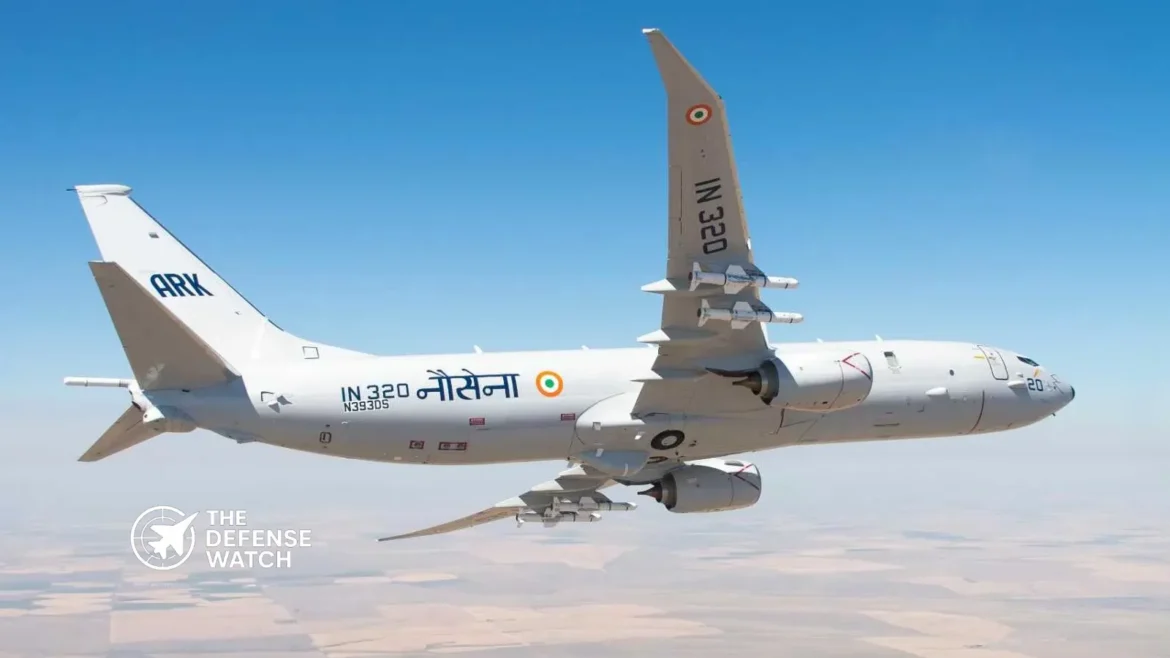
India has approved the purchase of six additional P-8I Neptune maritime patrol aircraft, expanding the Indian Navy’s long-range surveillance and anti-submarine warfare fleet in the Indian Ocean Region.
(adsbygoogle = window.adsbygoogle || []).push({});The decision was cleared by India’s Cabinet Committee on Security, marking another major step in New Delhi’s ongoing maritime modernization drive. The aircraft will be supplied by Boeing and are based on the proven Boeing P-8 Poseidon platform.
The move comes as India seeks to strengthen maritime domain awareness and anti-submarine warfare capabilities across the strategically critical Indo-Pacific.
Expanding India’s P-8I Fleet
The Indian Navy already operates 12 P-8I aircraft, making it one of the largest international operators of the platform outside the United States. With the addition of six more aircraft, the fleet will grow to 18, significantly expanding persistent coverage over the Arabian Sea, Bay of Bengal, and wider Indian Ocean Region.
The P-8I is a customized variant of the U.S. Navy’s P-8A Poseidon. It is designed for:
- Anti-submarine warfare
- Anti-surface warfare
- Intelligence, surveillance, and reconnaissance
- Maritime strike missions
The aircraft is equipped with advanced radar systems, electro-optical sensors, electronic support measures, and sonobuoy launch capabilities. It can deploy torpedoes and anti-ship missiles, providing both detection and engagement options.
The platform’s endurance and network-centric capabilities allow integration with surface ships, submarines, and shore-based command centers.
Strategic Context In The Indian Ocean
The Indian Ocean Region has seen increased naval activity in recent years. India’s maritime security planners have emphasized the need for continuous wide-area surveillance, especially along key sea lines of communication that handle a significant share of global trade.
(adsbygoogle = window.adsbygoogle || []).push({});By expanding its P-8I fleet, India strengthens its ability to monitor submarine movements, track surface vessels, and respond rapidly to emerging maritime contingencies.
The Indian Navy has frequently deployed P-8I aircraft for operational patrols and multinational exercises. The aircraft has also been used in humanitarian assistance and disaster relief missions, highlighting its multi-role utility.
Defense analysts note that long-range maritime patrol aircraft play a central role in anti-submarine warfare, particularly in tracking increasingly quiet diesel-electric and nuclear-powered submarines operating in the region.
Platform Overview: P-8I Neptune
The P-8I is derived from the commercial Boeing 737 airframe, adapted for military use. It features:
- Advanced maritime surveillance radar
- Acoustic processing systems for submarine detection
- Secure communications suites
- High-altitude and low-altitude operational flexibility
India’s variant includes certain indigenous and mission-specific systems tailored to Indian Navy requirements.
The aircraft’s combat radius and endurance allow extended patrols over vast maritime zones. Its ability to operate from land bases enables rapid response across multiple theaters.
Boeing has previously highlighted the P-8 platform’s interoperability benefits, particularly for nations operating alongside the United States and allied navies in the Indo-Pacific.
Defense Cooperation And Procurement Framework
India’s acquisition of additional P-8I aircraft reflects continued defense cooperation with the United States under established bilateral agreements.
The original P-8I contract was signed in 2009, with subsequent follow-on orders expanding the fleet. The new approval reinforces India’s reliance on established maritime platforms to meet evolving security requirements.
While financial details of the latest approval were not publicly detailed in initial reporting, previous P-8I acquisitions were conducted through government-to-government frameworks.
(adsbygoogle = window.adsbygoogle || []).push({});The expansion aligns with India’s broader naval modernization plan, which includes aircraft carriers, submarines, and advanced surface combatants.
Maritime Modernization And Force Posture
The Indian Navy continues to prioritize surveillance, anti-submarine warfare, and maritime strike capabilities. Long-range patrol aircraft serve as a critical component of this posture, complementing naval aviation assets and shipborne helicopters.
In recent years, India has increased participation in multinational naval exercises, including the Malabar exercise series. Enhanced maritime patrol capabilities support such engagements while improving real-time situational awareness.
See also: India Advances Indigenous Aircraft Carrier Development
The addition of six new P-8I aircraft will provide greater operational flexibility, redundancy, and surge capacity.
Broader Indo-Pacific Implications
The Indo-Pacific remains a focal point of global strategic competition. Maritime patrol aircraft provide persistent surveillance across chokepoints, shipping lanes, and contested waters.
With expanded P-8I capacity, India strengthens its maritime domain awareness architecture. This capability is widely regarded as essential for monitoring submarine deployments and safeguarding maritime trade routes.
(adsbygoogle = window.adsbygoogle || []).push({});The aircraft’s networked sensors and communication systems allow integration into joint and coalition operations, supporting broader regional stability objectives.
Feature Image Suggestion
High-resolution image of an Indian Navy P-8I Neptune aircraft in flight over the Indian Ocean, showing national markings and underwing stores.
Alt text: Indian Navy P-8I Neptune maritime patrol aircraft conducting surveillance over the Indian Ocean.
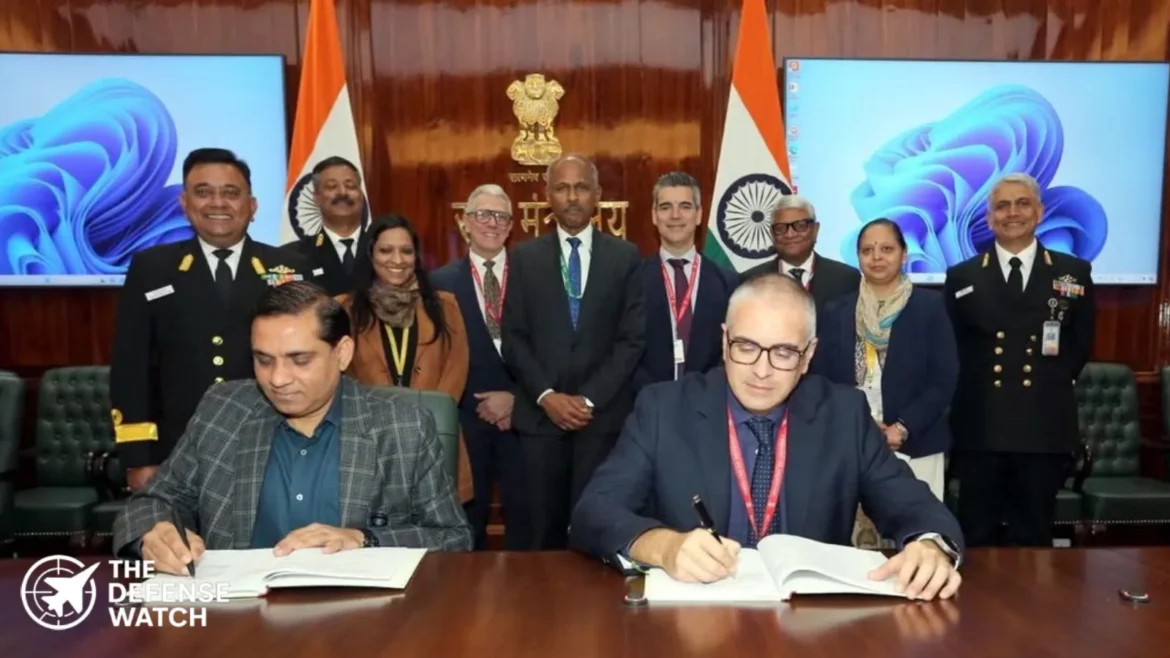
Indian Navy Awards Black Shark Advanced Torpedo Contract to Fincantieri’s WASS
The Indian Navy has awarded a contract to Fincantieri’s WASS Submarine Systems to supply Black Shark Advanced torpedoes for its fleet of Scorpène-class submarines, marking the largest order in WASS’s history.
Italian shipbuilder Fincantieri, through its underwater systems arm WASS, secured the deal worth more than €200 million (approximately $235 million) to deliver heavyweight torpedoes, associated launch systems, maintenance gear, and spare parts.
Integrated Undersea Weapons Package
The contract covers delivery of Black Shark Advanced (BSA) heavyweight torpedoes for the Indian Navy’s six diesel-electric Scorpène-class submarines currently in service. Production will occur at the WASS facility in Livorno, Italy, a recognized center for underwater systems, with deliveries scheduled from 2028 to 2030.
The deal also includes launch equipment and sustainment support, providing the Indian Navy with a comprehensive weapons integration and lifecycle support package.
Proven Undersea Capability
The Black Shark Advanced is already fielded by the Italian Navy and other international customers, reinforcing its status as a competitive heavyweight torpedo solution. The system combines modern guidance, propulsion, and acoustic targeting technologies that align with global standards for submarine-launched weapons.
Fincantieri’s CEO highlighted the strategic importance of the contract, noting India’s expanding role in regional maritime security and the strengthening of industrial ties between Italy and the Indian defense sector.
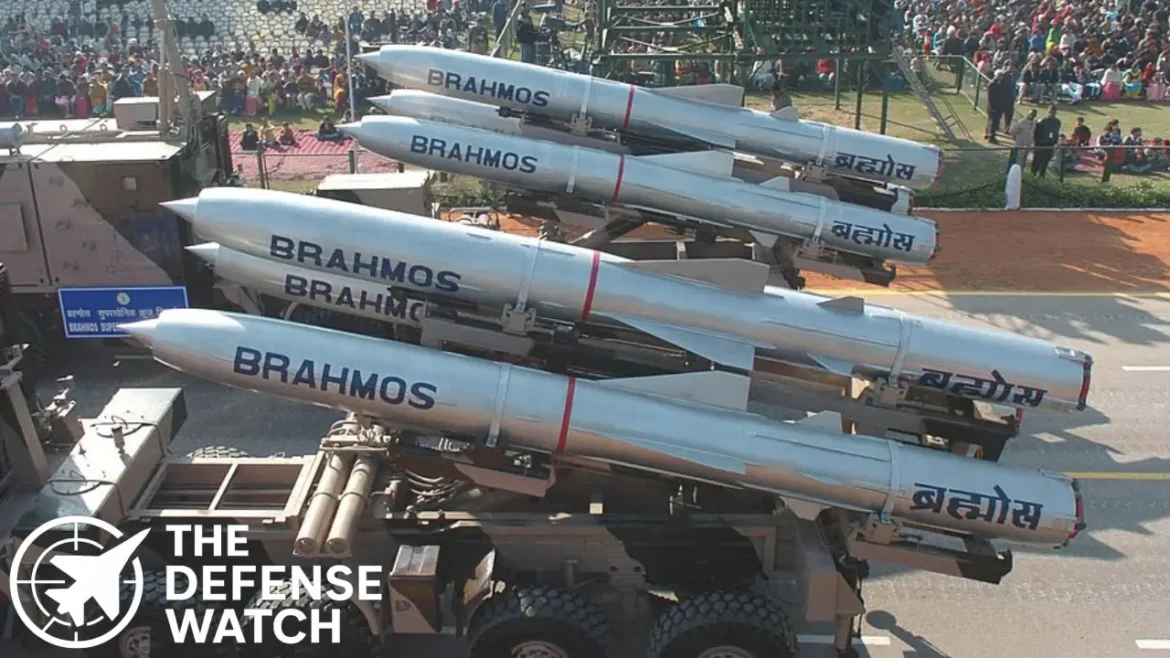
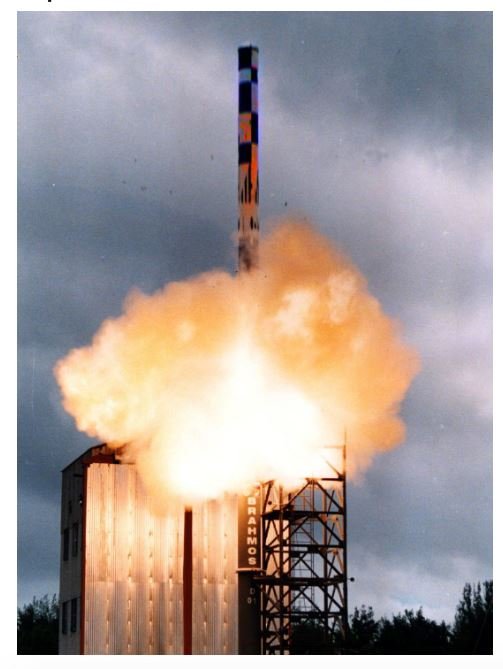
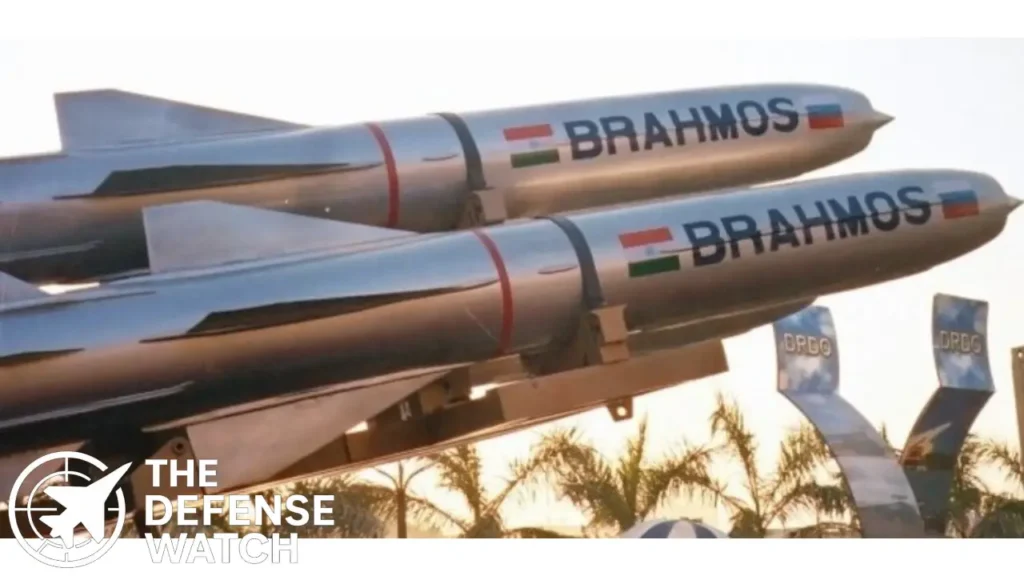
India’s BrahMos missile, the cornerstone of its precision-strike deterrence, is undergoing a transformative phase—marked by plans to fully saturate the fleet by 2030, advancements toward hypersonic capability, and significant upgrades to the air-launched variant.
Naval Saturation—300+ BrahMos by 2030
The Indian Navy aims to equip every major frontline warship—over 30 destroyers, frigates, and missile vessels—with BrahMos supersonic missiles by 2030, culminating in the simultaneous deployment of more than 300 missiles at sea.

Current fleet strength already includes 13 destroyers and 14 stealth frigates armed with BrahMos, including the recently commissioned INS Udaygiri and INS Himgiri, both equipped with eight vertical launch BrahMos each.
Accelerating Air-Launch Capability—BrahMos-A Gets Lighter
A pivotal upgrade to the air-launched BrahMos (BrahMos-A) has recently been announced: through use of advanced composite materials and the removal of the booster stage, its weight has dropped from 2,900 kg to 2,200 kg—a reduction of 700 kg—greatly enhancing agility and potentially extending its range from 450 km to 800 km.
This lighter air-launch variant positions the BrahMos as a flexible multi-domain asset—deployable from fighter platforms such as the Su-30MKI.
Hypersonic Future—Fast-Tracking BrahMos-II and BrahMos-NG
India’s push into hypersonic cruise capability is progressing on two fronts:
- BrahMos-NG (Next Generation): A compact, lighter version (~1.5 tonne) with Mach 3.5 speed, 290 km range, reduced radar cross-section, and variants for air, submarine, and VLS deployment. Flight trials were slated for late 2025 or early 2026. Production is ramping up in Lucknow, where the Integration & Testing Facility—set to manufacture BrahMos-NG—was inaugurated in May 2025, with initial capacity of 80–100 units yearly, expanding later.
- BrahMos-II: A full hypersonic (scramjet-propelled) variant expected to reach speeds up to Mach 8 and a range of ~1,500 km. Flight tests delayed earlier are now anticipated by 2026–27, with scramjet combustor tests reportedly conducted in April 2025 and an 800 km-range test in May.
Additionally, BrahMos-A is on a trajectory toward Mach 3.5 soon and Mach 5 within three years, with hypersonic capability expected within 7–10 years Brahmos.
Industrial Expansion & Strategic Context
Production expansion underwrites India’s Aatmanirbhar Bharat ambition. The newly inaugurated integration and testing facility in Lucknow, costing ₹300 crore, underscores the boost to local manufacturing, jobs, and throughput.
Moreover, the Defence Acquisition Council’s August 2025 approval of over 110 air-launched BrahMos missiles as part of a ₹67,000 crore modernization package reflects the tri-service importance of the system.
Export traction is also rising: the Philippines is set to receive its second batch of BrahMos batteries to enhance coastal defense amid South China Sea tensions. Additionally, discussions with Indonesia for BrahMos procurement align with India’s push to expand strategic ties with Southeast Asia.
Strategic Significance: Analysis
These developments represent a paradigm shift:
- Maritime Deterrence Deepened: By saturating its navy with BrahMos, India ensures overwhelming strike ability across the Indo-Pacific, shifting from reactive defense to pre-emptive deterrence.
- Versatility & Reach: The lighter air-launched variant and upcoming hypersonic variants enable layered deployment—from sea to air to land—strengthening India’s response across multiple domains.
- Self-Reliance & Export Potential: Localization of production and global interest solidify BrahMos’s status as an indigenous, high-demand strategic export.
However, challenges remain. Scaling to 300+ missiles entails sustaining production lines amid supply chain volatility. High per-unit cost (~$2–3 million) and technology partnership with Russia continue to pose strategic dependencies.