Executive Summary:
The U.S. Navy awarded SEACORP LLC a $31.95 million contract to continue developing payload control system technologies for Navy submarines.
The effort supports advanced undersea warfare capabilities and will run through May 2031 under a Small Business Innovation Research Phase III program.
SEACORP Navy Contract Supports Advanced Submarine Payload Systems
The SEACORP Navy contract marks another investment in the U.S. Navy’s effort to modernize undersea warfare systems and improve submarine payload integration capabilities.
The Department of Defense announced that Naval Undersea Warfare Center Division Newport awarded SEACORP LLC a $31,953,501 cost-plus-fixed-fee and cost-only indefinite-delivery/indefinite-quantity contract for the development of payload control system technology supporting Navy submarines.
The contract carries a five-year ordering period and is expected to continue through May 2031.
According to the Pentagon announcement, initial Fiscal Year 2026 Navy procurement funding worth $264,917 will be obligated immediately following the award. Those funds will remain available beyond the current fiscal year.
What The Payload Control Technology Supports
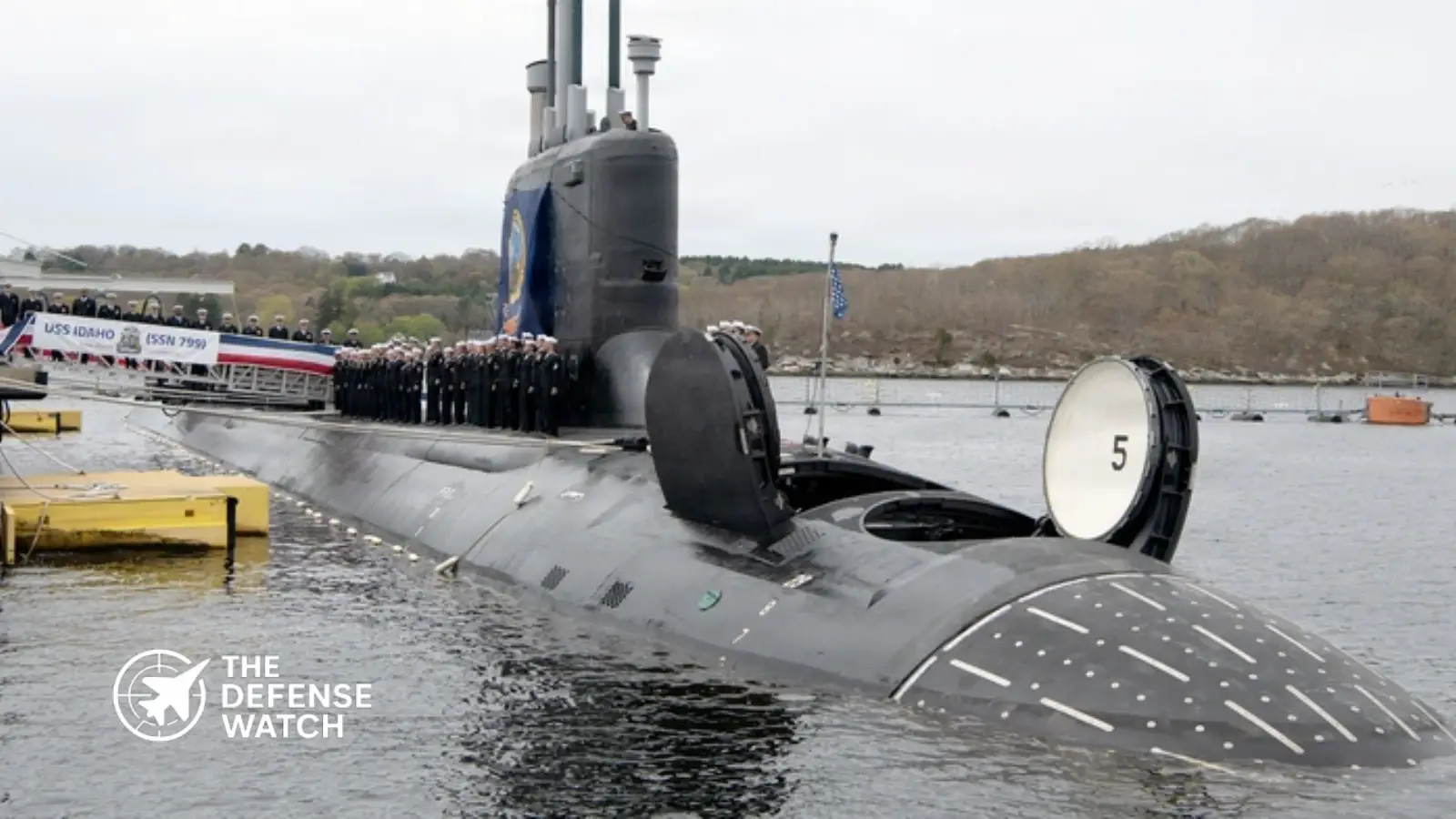
Payload control systems are a critical component of modern submarine combat architecture. These technologies help operators manage, deploy, and integrate mission payloads including sensors, unmanned systems, communications packages, and undersea warfare tools.
While the Navy did not disclose specific submarine classes connected to the contract, payload management capabilities are increasingly important across the service’s attack submarine and strategic deterrent fleets.
The SEACORP Navy contract likely aligns with broader Navy modernization efforts focused on modular payload integration, autonomous undersea systems, and distributed maritime operations.
Over the past decade, the Navy has accelerated work on flexible payload architectures that allow submarines to carry evolving mission packages without requiring major redesigns. This approach improves operational adaptability while reducing long-term integration costs.
Work Spans Multiple U.S. And Allied Locations
Most contract work will occur in Middletown and Newport, which together account for more than 70 percent of total activity.
Additional work locations include:
- Groton
- San Diego
- Pearl Harbor
- Washington
- Norfolk
- Austin
- Denver
Smaller portions of work will also take place in the United Kingdom and Australia, highlighting the increasingly multinational nature of allied undersea defense collaboration.
The geographic spread suggests coordination across Navy operational centers, submarine support facilities, and technical integration teams tied to U.S. and allied naval programs.
SBIR Phase III Structure Reflects Long-Term Navy Investment
The award was issued as a Small Business Innovation Research Phase III sole-source contract under 10 U.S. Code 3204(a)(5) and Federal Acquisition Regulation 6.302-5.
Phase III contracts are typically awarded when technologies developed during earlier research phases transition into operational deployment, production, or expanded capability development.
That structure indicates the Navy already views SEACORP’s payload control technologies as mature and strategically relevant to future submarine operations.
The contract was not competitively procured through SAM.gov because SBIR Phase III awards are legally authorized for follow-on development tied to prior SBIR work.
Why The Contract Matters For U.S. Undersea Warfare
The SEACORP Navy contract arrives as the United States continues prioritizing undersea dominance amid growing strategic competition in the Indo-Pacific and other contested maritime regions.
Modern submarines increasingly depend on advanced software-driven payload management systems capable of integrating unmanned underwater vehicles, intelligence collection tools, electronic warfare systems, and future autonomous technologies.
The Navy’s continued investment in these capabilities reflects a broader shift toward networked and modular undersea warfare platforms designed to adapt rapidly to evolving operational requirements.
Programs supporting payload flexibility are especially important as the Navy expands interest in hybrid manned-unmanned operations and long-endurance undersea surveillance missions.
With undersea competition intensifying globally, payload control technologies are becoming as strategically important as propulsion, stealth, and weapons integration in next-generation submarine design.