Executive Summary:
The United States has approved a $4.01 billion foreign military sale to Qatar for 200 PAC-2 and 300 PAC-3 interceptors, enhancing Doha’s layered air and missile defense. The deal aims to counter growing regional missile and drone threats while strengthening U.S. defense ties in the Gulf.
U.S. Greenlights Major Patriot Missile Sale to Qatar
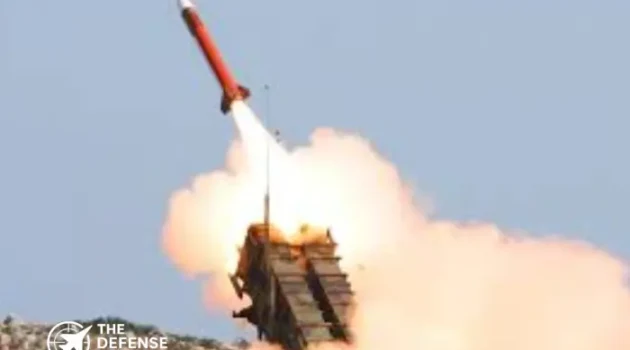
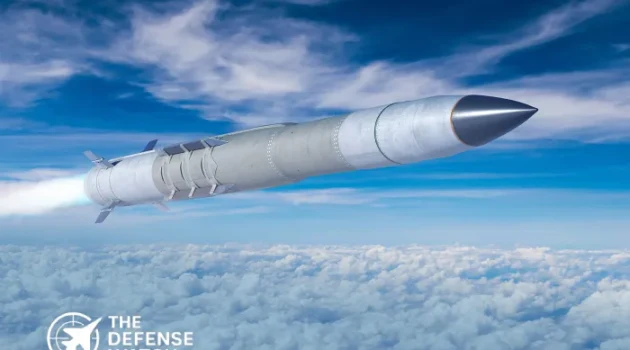
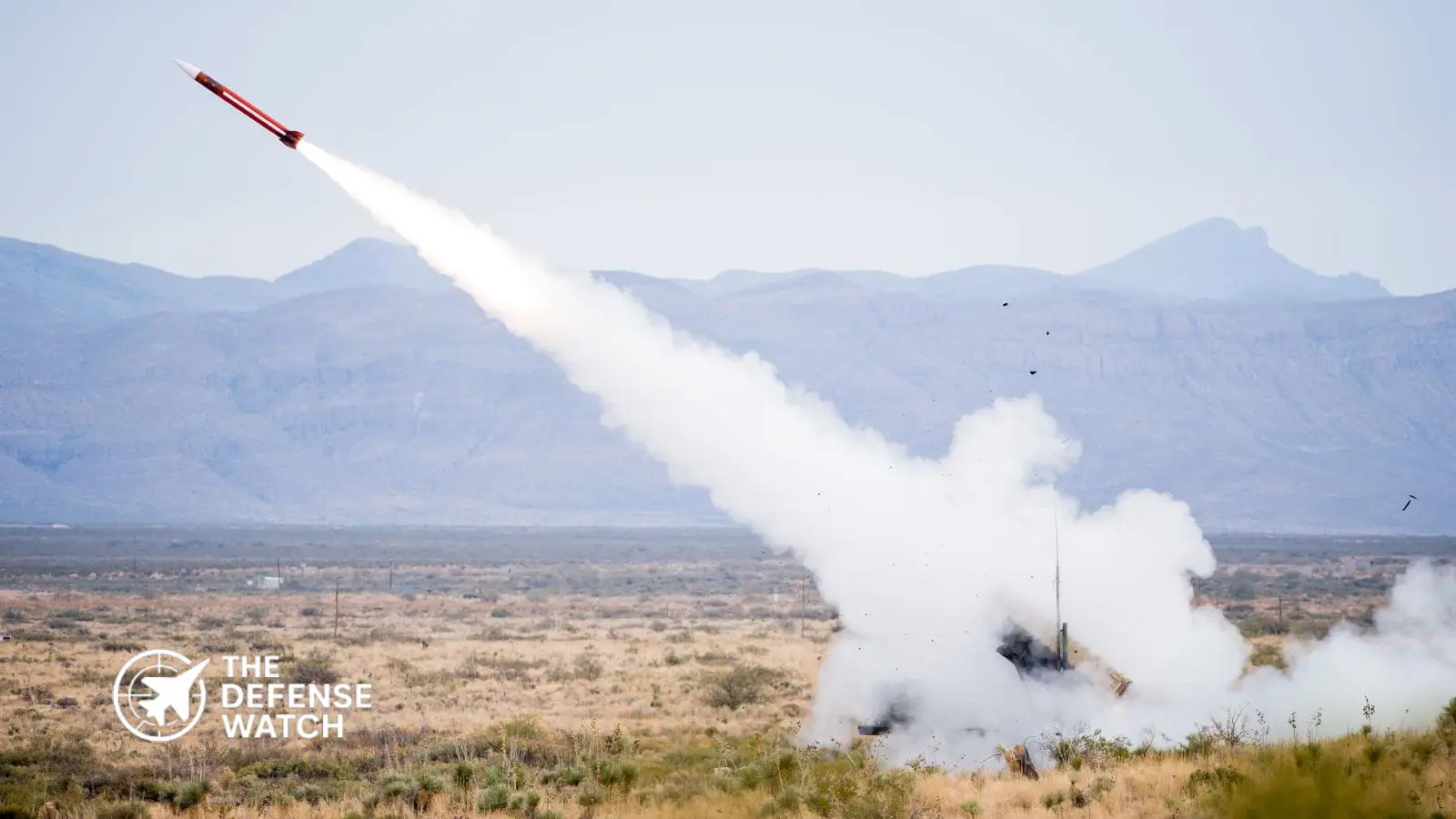
The U.S. government has authorized a $4.01 billion arms package for Qatar, centered on advanced Patriot interceptor missiles. The sale includes 200 PAC-2 Guidance Enhanced Missiles (GEM-T) and 300 PAC-3 Missile Segment Enhancement (MSE) interceptors.
The system is produced by Raytheon Technologies and Lockheed Martin, key players in the Patriot ecosystem. The deal reinforces Qatar’s position as a major U.S. defense partner in the Gulf.
The proposed sale has been approved by the U.S. Department of State and notified to Congress under the Foreign Military Sales framework.
System Overview: PAC-2 vs PAC-3 Interceptors
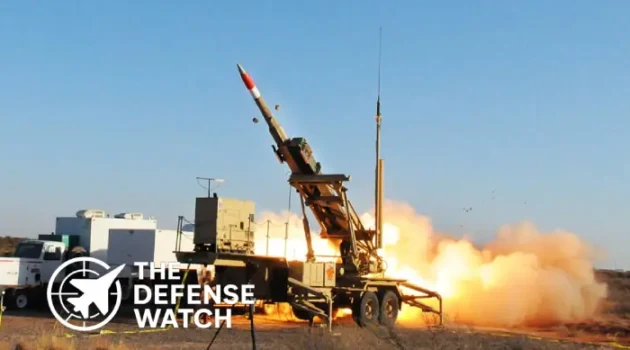
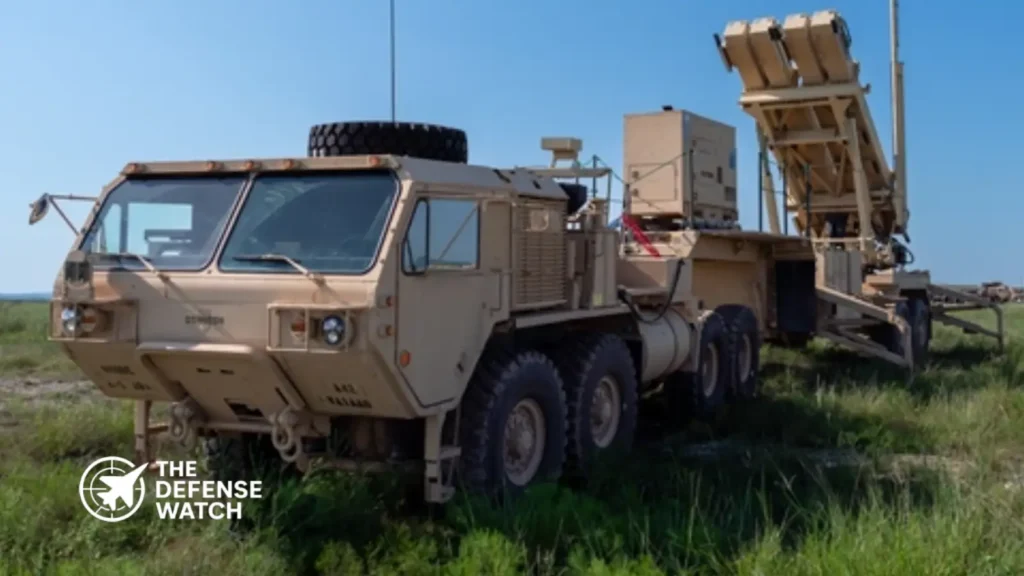
The Patriot system combines legacy and modern interceptors to create a layered defense against aircraft, cruise missiles, and ballistic threats.
Comparison Table: PAC-2 GEM-T vs PAC-3 MSE
Feature PAC-2 GEM-T PAC-3 MSE Range Long-range (up to ~160 km vs aircraft) Shorter (~35-60 km vs ballistic missiles) Payload Proximity fragmentation warhead Hit-to-kill kinetic interceptor Status Legacy upgraded system Advanced, current-generation Key Technology Radar-guided proximity detonation Active radar seeker, direct impact Technical Advantages of the Dual-Interceptor Approach
Qatar’s acquisition reflects a layered defense strategy combining different engagement profiles.
Key advantages include:
- Multi-layer interception: PAC-2 handles aircraft and cruise missiles, PAC-3 focuses on ballistic missile threats
- Hit-to-kill precision: PAC-3 MSE eliminates targets through direct collision, improving lethality
- Improved radar integration: Seamless operation with Patriot radar systems for simultaneous tracking
- Enhanced engagement envelope: Ability to counter both high-altitude and terminal-phase threats
- Interoperability: Compatible with U.S. and allied missile defense networks
Strategic Context: Rising Threat Environment in the Gulf
The sale comes amid heightened regional tensions and increased use of ballistic missiles and unmanned aerial systems across the Middle East.
Qatar, located near key maritime and energy infrastructure, faces a complex threat environment shaped by:
- Expanding missile arsenals in the region
- Proliferation of armed drones
- Risks to critical infrastructure and LNG exports
The Patriot system provides a defensive shield against these evolving threats, particularly short- and medium-range ballistic missiles.
Strengthening U.S.-Qatar Defense Ties
The agreement underscores deepening defense cooperation between Washington and Qatar. The country hosts significant U.S. military infrastructure, including forward-deployed air assets.
From a U.S. perspective, the deal:
- Reinforces regional deterrence
- Supports allied burden-sharing
- Sustains the U.S. defense industrial base
For Qatar, it enhances national security while aligning its capabilities with U.S. and NATO-standard systems.

Outlook: Toward Integrated Air and Missile Defense
The integration of PAC-2 and PAC-3 interceptors positions Qatar to operate a more resilient and flexible air defense network. As missile and drone threats continue to evolve, layered systems like Patriot remain central to Gulf security architecture.
Future upgrades could include:
- Expanded sensor networks
- Integration with other missile defense systems such as THAAD
- Enhanced command and control interoperability
The deal reflects a broader trend across the Middle East, where nations are investing heavily in advanced missile defense to counter asymmetric and state-based threats.