Executive Summary:
The U.S. Air Force has expanded the combat capability of the MQ-9 Reaper by integrating the GBU-39B Small Diameter Bomb into the unmanned aircraft’s operational weapons inventory. The move strengthens long-range precision strike options while improving the drone’s effectiveness against fortified and high-value targets in contested environments.
MQ-9 Reaper Gains Expanded Precision Strike Capability
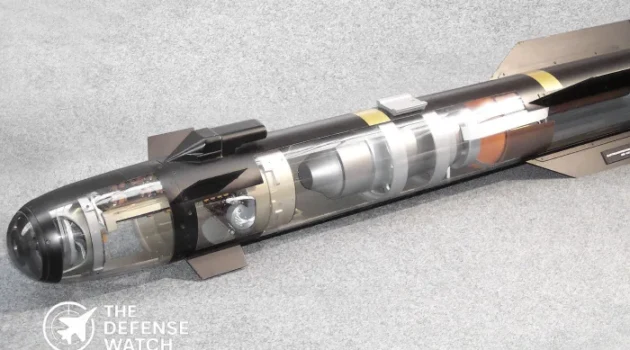
The U.S. Air Force is enhancing the combat role of the MQ-9 Reaper through the integration of the GBU-39B Small Diameter Bomb (SDB), a precision-guided munition designed for long-range and low-collateral strike missions. The capability upgrade significantly broadens the operational flexibility of the remotely piloted aircraft platform, which has traditionally relied on AGM-114 Hellfire missiles and laser-guided bombs for close air support and counterterrorism operations.
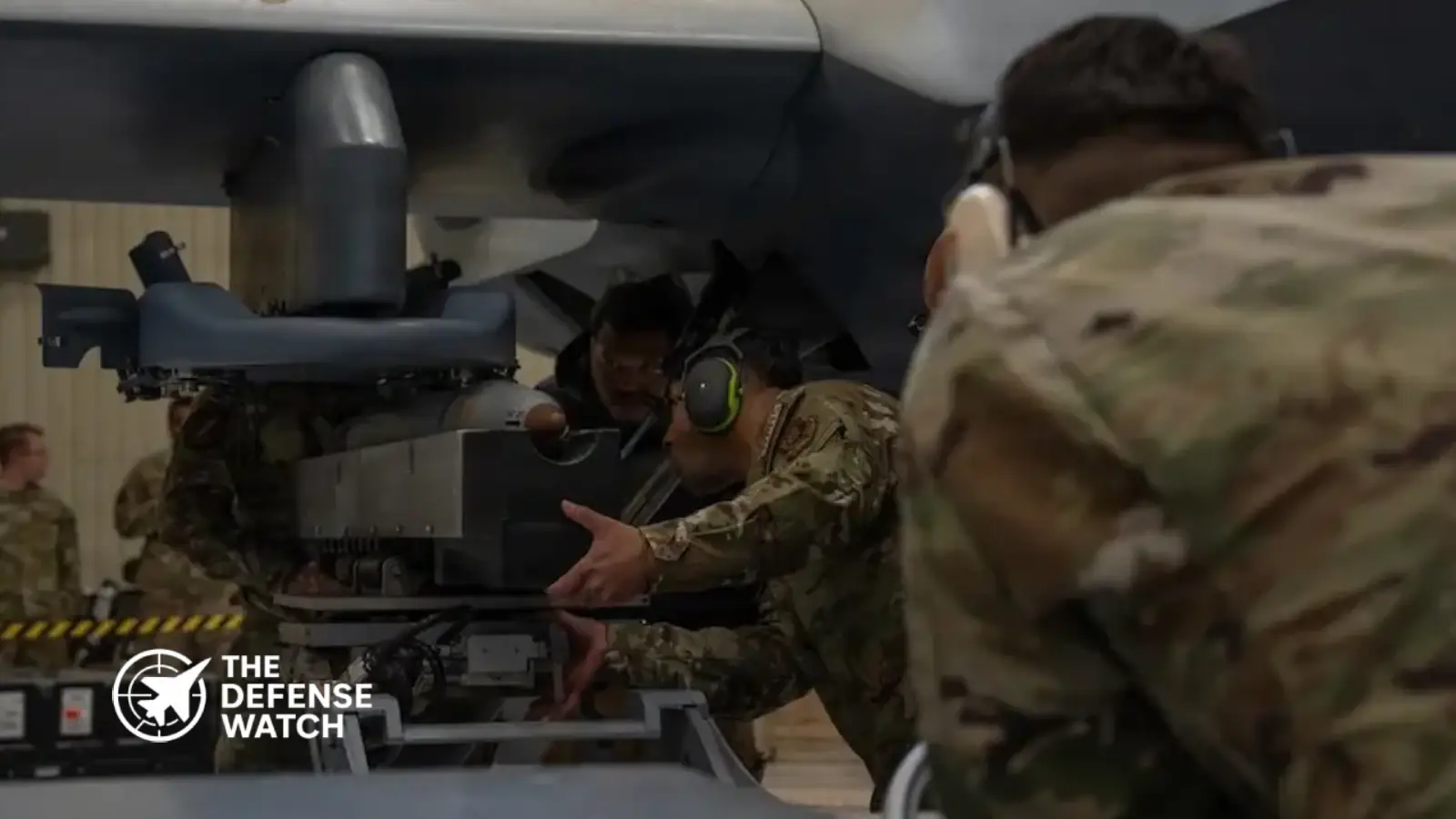
According to defense reporting and official U.S. Air Force imagery associated with recent testing activities, the integration effort reflects a broader push toward increasing the lethality and survivability of unmanned systems in modern combat environments.
Why The GBU-39B Matters For The MQ-9 Reaper
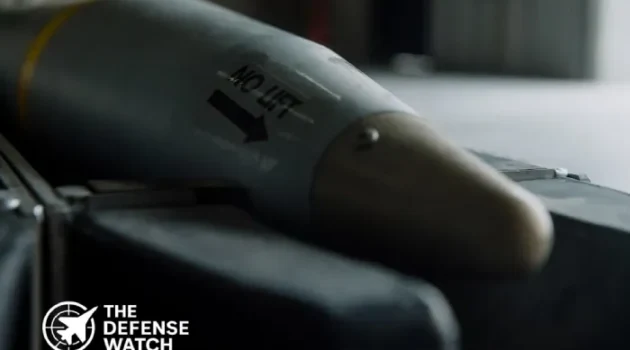
The addition of the GBU-39B provides the MQ-9 Reaper with a standoff precision strike capability against hardened or strategically important targets. Developed by Boeing, the 250-pound class bomb uses GPS and inertial navigation guidance to engage targets with high accuracy while minimizing collateral damage.
The GBU-39B Small Diameter Bomb offers several operational advantages over legacy drone-launched weapons. Unlike the Hellfire missile, which is optimized for shorter-range engagements, the SDB enables attacks from greater stand-off distances, reducing the exposure of the MQ-9 Reaper to enemy air defenses.
The weapon is also designed with deployable wings that extend its glide range after release. This allows operators to engage targets while remaining farther from contested airspace, an increasingly important requirement in potential conflicts involving advanced integrated air defense systems.
The bomb’s relatively small warhead and precision guidance make it effective against fortified structures, command posts, logistics hubs, and mobile targets while limiting unintended damage in urban or densely populated areas.
The integration demonstrates how the U.S. Air Force continues adapting legacy unmanned systems for near-peer conflict scenarios rather than exclusively counterinsurgency operations.
Shift Toward High-End Warfare Readiness
The MQ-9 Reaper has been one of the most heavily used U.S. unmanned combat aircraft over the past two decades, particularly in operations across the Middle East and Africa. However, evolving geopolitical tensions and the rise of sophisticated air defense networks have pushed the Pentagon to reconsider how unmanned systems operate in contested theaters.
By equipping the MQ-9 with the GBU-39B, the Air Force is increasing the platform’s utility in future conflicts that may involve larger operational distances and more heavily defended targets.
This modernization effort aligns with broader Department of Defense initiatives focused on distributed operations, long-range precision fires, and autonomous warfare systems. The shift also supports efforts to preserve the relevance of existing aircraft while next-generation unmanned combat systems continue development.
Military analysts note that arming drones with standoff precision-guided munitions can provide commanders with additional strike flexibility without committing higher-value manned aircraft to elevated-risk missions.
Technical Advantages Of The GBU-39B Small Diameter Bomb
The GBU-39B was developed to address the need for compact precision-guided munitions capable of penetrating hardened targets while maximizing aircraft payload efficiency.
Key characteristics include:
- GPS and inertial navigation guidance
- High precision strike capability
- Reduced collateral damage profile
- Fold-out wing design for extended glide range
- Compatibility with multiple U.S. military aircraft platforms
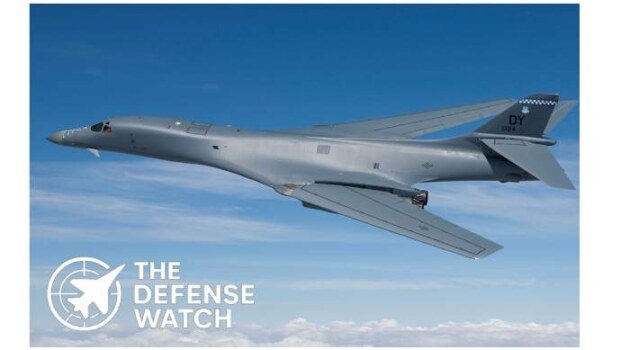
The bomb has already been integrated across several U.S. Air Force platforms, including the F-15E Strike Eagle, F-22 Raptor, F-35 Lightning II, and B-1B Lancer. Its addition to the MQ-9 Reaper further expands the weapon’s operational footprint across the U.S. military inventory.
The integration may also improve mission persistence by allowing Reapers to carry multiple compact munitions during a single sortie compared to larger conventional bombs.
Growing Role Of Armed Drones In Modern Conflict
The war in Ukraine and conflicts across the Middle East have reinforced the growing importance of unmanned systems in modern warfare. Drones are increasingly used not only for intelligence, surveillance, and reconnaissance missions but also for precision strike operations against high-value targets.
The U.S. Air Force’s decision to integrate the GBU-39B onto the MQ-9 reflects lessons learned from recent conflicts where survivability, range, and precision have become critical operational requirements.
The move also highlights the continuing evolution of unmanned combat aircraft from counterterrorism tools into multi-role assets capable of supporting conventional military operations against technologically advanced adversaries.
As the Pentagon invests in future autonomous systems and collaborative combat aircraft programs, upgrades to existing platforms such as the MQ-9 Reaper provide an interim capability boost while maintaining operational readiness across multiple theaters.
Strategic Implications For Future Air Operations
The enhanced MQ-9 Reaper configuration could play an important role in future distributed strike operations, especially in regions where persistent ISR coverage and precision engagement are required simultaneously.
The aircraft’s long endurance combined with precision-guided stand-off munitions allows commanders to maintain continuous battlefield presence while retaining rapid strike capability. This combination may prove particularly valuable in the Indo-Pacific and other geographically expansive operational theaters.
The integration also underscores the Pentagon’s continued emphasis on affordable force multiplication. Compared to deploying advanced stealth fighters for every strike mission, armed unmanned systems can provide lower-cost precision engagement options for selected targets.
While the MQ-9 Reaper remains vulnerable in highly contested airspace, new weapons integration efforts indicate the platform will continue serving as a key component of U.S. airpower strategy for the foreseeable future.