

Executive Summary:
Baykar has signed an agreement to export its unmanned fighter jet to Indonesia, marking a significant step in Turkey’s defense export strategy. The deal highlights growing demand for advanced UAV capabilities and signals deeper Ankara–Jakarta defense cooperation. It also positions Turkey as a rising competitor in the global high-end drone market.
Baykar Unmanned Fighter Jet Deal Signals Strategic Expansion
The Baykar unmanned fighter jet deal with Indonesia underscores Turkey’s accelerating push into high-end UAV exports and reflects Jakarta’s effort to modernize its air combat capabilities.
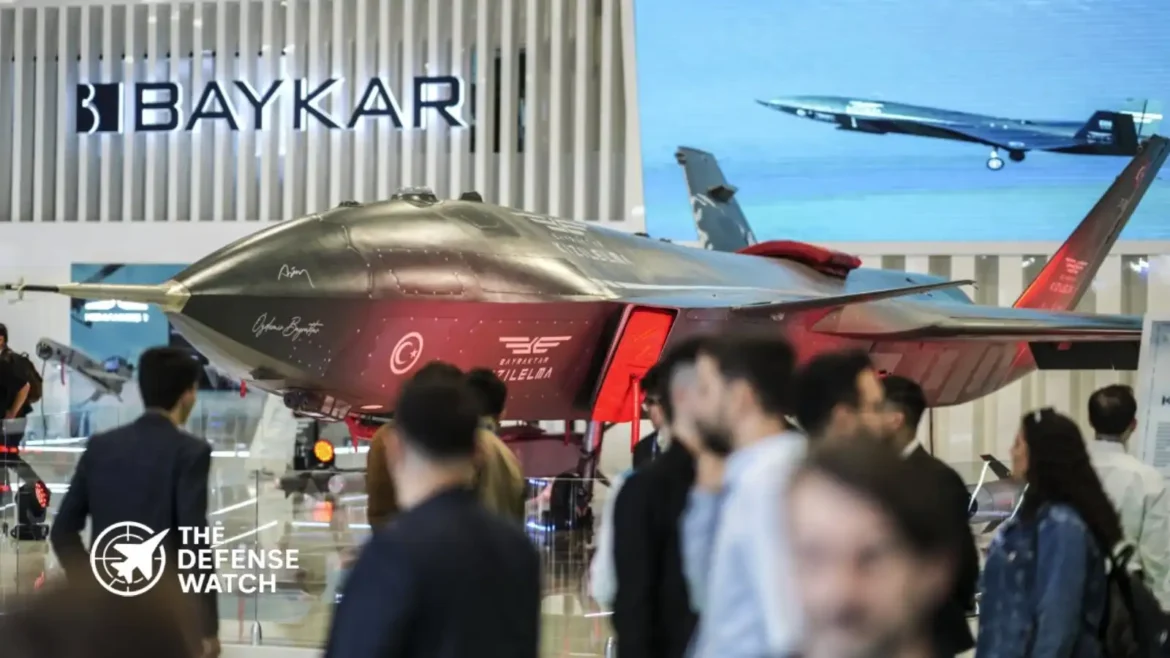
Baykar has reached an agreement with Indonesia for the sale of its next-generation unmanned combat aircraft, widely understood to be linked to the Kizilelma program. While financial details and delivery timelines remain undisclosed, the agreement represents one of the most advanced UAV export moves by Turkey to date.
The deal builds on a broader defense relationship between the two countries, which has expanded in recent years across naval platforms, armored vehicles, and aerospace collaboration.
Advancing The Kizilelma Unmanned Fighter Concept
At the center of the agreement is Baykar’s Kizilelma, a jet-powered unmanned combat aircraft designed for air-to-air and air-to-ground missions. Unlike traditional UAVs such as the Bayraktar TB2, Kizilelma is intended to operate in contested environments, including alongside manned fighter aircraft.
The platform is expected to feature:
- High subsonic or near-supersonic speed
- Reduced radar cross-section characteristics
- Compatibility with short-runway or carrier operations
- Advanced autonomy and AI-assisted mission systems
From an operational standpoint, this moves Turkey beyond tactical drones into the emerging category of unmanned fighter aircraft, an area also being explored by the United States, China, and Russia.
Analysis:
This deal reflects a shift in UAV demand from surveillance and strike roles toward multi-role combat systems. Countries like Indonesia are not just buying drones for counterinsurgency, but for peer-level deterrence and airpower augmentation.Indonesia’s Modernization Drive And Strategic Needs
For Indonesia, the Baykar unmanned fighter jet deal aligns with its broader military modernization goals. The Indonesian Air Force has been working to upgrade its fleet amid rising regional competition and growing operational demands across its vast archipelago.
Jakarta faces several challenges:
- Monitoring and securing expansive maritime zones
- Responding to gray-zone activities in contested waters
- Enhancing deterrence without the high cost of large fighter fleets
Unmanned fighter aircraft offer a cost-effective complement to manned platforms, enabling persistent presence and reduced risk to pilots.
Analysis:
Indonesia’s interest in advanced UAVs reflects a pragmatic approach. Rather than relying solely on expensive fourth- or fifth-generation fighters, Jakarta is diversifying its airpower mix with unmanned systems that can scale more quickly and operate flexibly.Turkey’s Rising Position In The Global UAV Market
The agreement further strengthens Turkey’s position as a major exporter of unmanned systems. Over the past decade, Baykar has gained international recognition through platforms like the Bayraktar TB2, which has been exported to multiple countries and used in various conflicts.
With Kizilelma, Turkey is attempting to move up the value chain.
Key implications include:
- Entry into the high-end UAV segment
- Increased competition with U.S., Chinese, and Israeli systems
- Expansion of defense diplomacy in Asia
Analysis:
Turkey’s strategy combines affordability, operational credibility, and fewer export restrictions compared to Western suppliers. This creates a competitive edge, particularly among countries seeking advanced capabilities without political constraints.Broader Geopolitical And Industrial Impact
The Baykar unmanned fighter jet deal also carries geopolitical weight. It strengthens ties between Turkey and Indonesia, two influential regional players with growing defense industries.
Potential long-term outcomes include:
- Technology transfer and co-production opportunities
- Expanded defense-industrial collaboration
- Greater Turkish presence in Southeast Asian defense markets
For Ankara, the deal supports its ambition to become a global defense exporter and reduce reliance on foreign technology. For Jakarta, it offers access to emerging capabilities that could reshape its airpower doctrine.
Operational Implications For Future Air Combat
The introduction of unmanned fighter aircraft like Kizilelma could alter how air forces approach combat operations.
Key trends include:
- Human-machine teaming in air combat
- Increased use of autonomous strike platforms
- Lower-cost force multiplication
Analysis:
If successfully deployed, systems like Kizilelma may reduce the dominance of traditional fighter fleets by enabling distributed, resilient air operations. This could be particularly relevant in regions with complex geography, such as Southeast Asia.Conclusion
The Baykar unmanned fighter jet deal with Indonesia marks a notable in the evolution of global UAV markets. It highlights the growing demand for advanced unmanned combat systems and reinforces Turkey’s emergence as a key defense exporter.
As countries seek cost-effective ways to enhance airpower, deals like this are likely to become more common, reshaping both procurement strategies and the future of aerial warfare.

- Baykar has unveiled the AI powered K2 kamikaze drone designed for long range precision strike missions.
- The drone reportedly features autonomous navigation, AI based targeting, and swarm operation capability.
- The system is designed to strike targets more than 2,000 kilometers away while carrying a heavy warhead.
- K2 can operate from short or unprepared runways, expanding launch flexibility for dispersed operations.
- The platform reflects Turkey’s continued push into AI enabled unmanned strike warfare.
Baykar K2 Kamikaze Drone Expands Turkey’s AI Enabled Strike Arsenal
The AI powered K2 kamikaze drone has been introduced by Turkish defense company Baykar as part of the country’s growing portfolio of autonomous strike systems. The new platform is designed to conduct long range precision attacks using artificial intelligence assisted navigation, target recognition, and autonomous mission capabilities.
Baykar revealed the system as part of its expanding unmanned warfare ecosystem, which already includes combat drones such as the Bayraktar TB2 and the heavier AKINCI unmanned combat aerial vehicle.
The K2 represents a shift toward larger, longer range loitering munitions capable of conducting deep strike missions against high value targets.
The Big Picture
Autonomous loitering munitions have become a defining feature of modern warfare. Conflicts in Ukraine, the Middle East, and the Caucasus have demonstrated the growing role of expendable strike drones capable of penetrating defenses and striking critical infrastructure.
Nations are now developing larger and more sophisticated systems that combine the persistence of UAVs with the destructive effect of cruise missiles.
Turkey has emerged as one of the leading exporters and developers of unmanned systems in the past decade. Baykar alone generated roughly $1.8 billion in exports in recent years and has delivered UAV systems to dozens of countries, strengthening Turkey’s position in the global drone market.
The introduction of the AI powered K2 kamikaze drone reflects Ankara’s continued investment in autonomous strike technologies designed for both domestic defense and international export markets.
What’s Happening
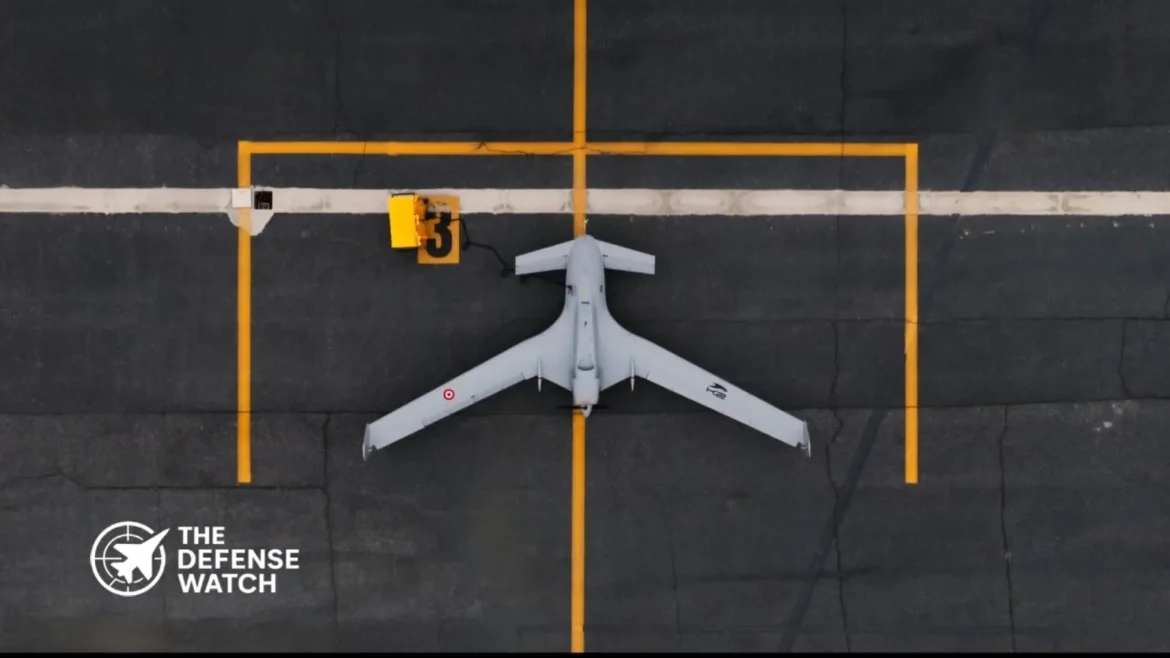
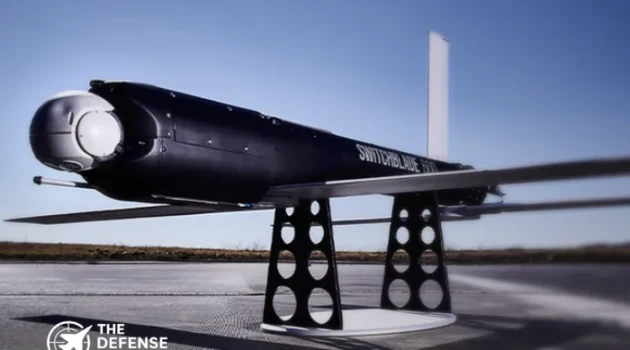
Baykar has unveiled the K2 kamikaze drone, a large loitering munition designed to conduct autonomous long range strike missions.
According to reported specifications, the drone is capable of striking targets at distances exceeding 2,000 kilometers while carrying a warhead of roughly 200 kilograms. The platform has a maximum takeoff weight around 800 kilograms and can operate for extended periods before engaging its target.
The drone incorporates artificial intelligence based systems that allow it to:
• Navigate using visual terrain recognition
• Identify and track targets autonomously
• Coordinate with other drones during swarm missionsThe system is designed to take off from short or unprepared runways, allowing forces to launch missions from dispersed locations rather than fixed air bases.
Baykar says the AI architecture allows the drone to maintain mission capability even in contested electronic warfare environments where GPS signals may be degraded.
Why It Matters
The AI powered K2 kamikaze drone represents a notable step in the evolution of loitering munition technology.
Early loitering munitions typically carried small warheads and operated within relatively short ranges. Systems like the K2 combine extended range, heavier payloads, and AI assisted targeting, moving the concept closer to a reusable autonomous strike aircraft.
This capability offers several operational advantages:
First, the long range allows forces to strike strategic targets deep behind enemy lines without deploying manned aircraft.
Second, autonomous navigation and AI target recognition reduce reliance on constant operator control.
Third, swarm coordination allows multiple drones to overwhelm air defense systems through saturation tactics.
These features align with broader trends in military modernization, where autonomous systems increasingly support precision strike missions.
Strategic Implications
Turkey’s continued expansion into AI enabled drone warfare has clear implications for regional and global security dynamics.
The country has already demonstrated the battlefield impact of UAV systems through deployments in Syria, Libya, and Nagorno Karabakh.
Adding longer range autonomous strike drones could expand Turkey’s ability to conduct deep precision strikes while limiting risk to pilots and high value aircraft.
For NATO, Turkey’s drone industry provides an additional source of advanced unmanned systems within the alliance. At the same time, Ankara’s export policy means these technologies may appear in multiple regional security environments.
The K2 also signals a broader shift toward autonomous strike networks where UAVs, loitering munitions, and AI enabled sensors operate together.
Competitor View
Other major powers are pursuing similar capabilities.
Iran has fielded long range loitering munitions such as the Shahed 136, which have been widely used in the Ukraine conflict.
Israel pioneered the concept with systems such as the Harop loitering munition, designed to attack radar systems and air defense networks.
China and Russia are also investing heavily in autonomous swarm drones and AI assisted strike platforms.
The emergence of systems like the AI powered K2 kamikaze drone suggests that long range loitering munitions will remain a key focus area in the evolving unmanned warfare landscape.
What To Watch Next
Several developments will determine the operational impact of the K2 system.
First, flight testing and operational trials will reveal the platform’s true performance in contested electronic warfare environments.
Second, integration with existing Turkish UAV platforms and command networks could enable coordinated drone operations.
Third, export interest will likely emerge quickly given Baykar’s established international customer base.
Countries already operating Baykar drones may view the K2 as a complementary deep strike capability.
Capability Gap
The K2 system appears designed to address a key operational challenge faced by many militaries: conducting long range precision strikes without relying on expensive cruise missiles or risking manned aircraft.
Loitering munitions fill the gap between traditional UAV surveillance platforms and high cost missile systems.
However, systems like the K2 also face limitations. Large drones remain vulnerable to layered air defense networks that combine radar, missiles, and electronic warfare systems.
Operational effectiveness will therefore depend on tactics such as swarm deployment, electronic warfare integration, and coordinated strikes.
The Bottom Line
The AI powered K2 kamikaze drone highlights Turkey’s growing ambition to lead the next generation of autonomous long range strike systems.
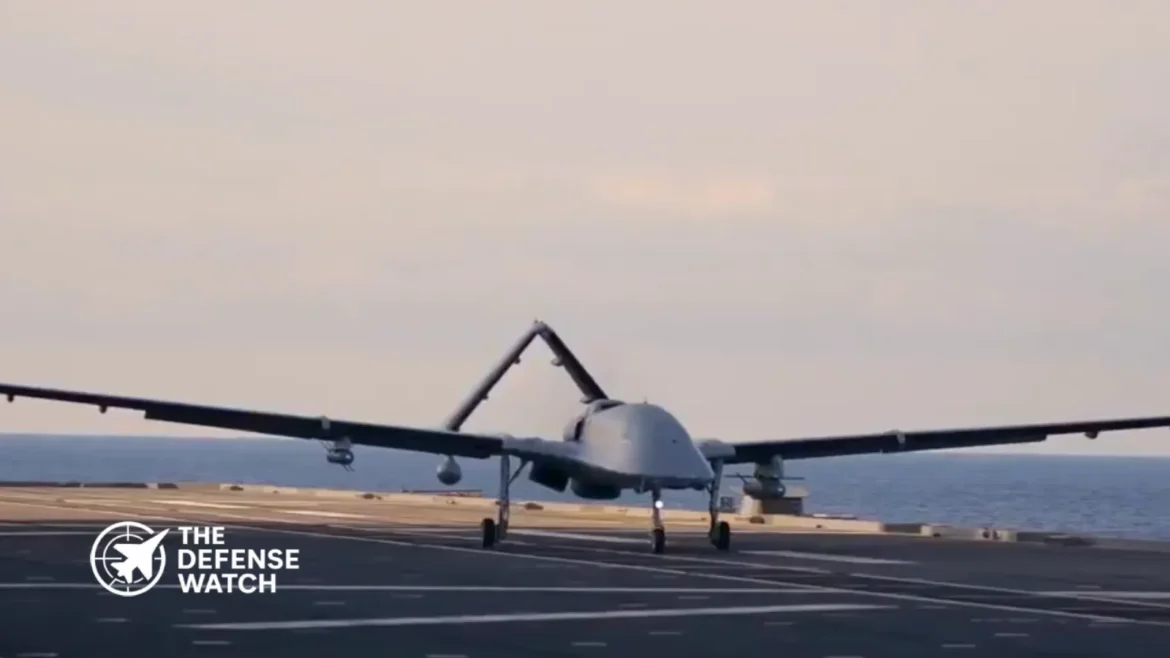
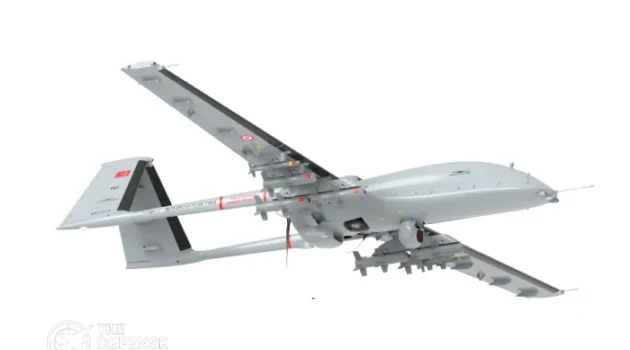
The Bayraktar TB3 UCAV will take part in live fire drills as Türkiye joins NATO allies for Steadfast Dart 2026 in the Baltic Sea on February 17 and 18. The event marks the first known operational deployment of Türkiyes carrier capable unmanned combat aircraft in a high profile NATO exercise environment, underscoring Ankaras growing focus on naval aviation and unmanned systems integration.
(adsbygoogle = window.adsbygoogle || []).push({});Türkiye Brings Bayraktar TB3 To NATO Steadfast Dart 2026
NATO Steadfast Dart 2026 is a large scale alliance exercise designed to test rapid deployment and joint operations across air land and maritime domains. Türkiyes participation with the Bayraktar TB3 UCAV introduces a new capability into the exercise mix, particularly in the naval unmanned aviation space.
The drills in the Baltic Sea will include live fire scenarios, according to Turkish defense sources, allowing NATO partners to observe the TB3s strike and targeting performance in a maritime operating environment. The exercise is expected to involve multiple NATO navies and air forces, focusing on interoperability and readiness in Northern European waters.
Bayraktar TB3 Designed For Naval Operations
Developed by Baykar, the Bayraktar TB3 is Türkiyes first unmanned combat aircraft designed specifically for ship based operations. Unlike earlier Turkish drones, the TB3 is optimized to operate from short runways, including amphibious assault ships such as TCG Anadolu.
The UCAV is capable of fully autonomous takeoffs and landings, a key requirement for sustained naval operations where deck space and launch windows are limited. Its foldable wing design allows efficient storage inside ship hangars, increasing sortie generation rates during deployments.
According to publicly released specifications, the Bayraktar TB3 has a range exceeding 1100 kilometers and an endurance of up to 32 hours. Its maximum speed is listed at around 300 kilometers per hour, placing it in the medium altitude long endurance category.
(adsbygoogle = window.adsbygoogle || []).push({});Weapons And Sensors
The Bayraktar TB3 UCAV can carry up to six smart munitions, including laser guided bombs and precision missiles developed by Turkish defense firms. This payload capacity allows the drone to perform strike, close air support, and maritime interdiction missions.
The aircraft is equipped with advanced electro optical and infrared targeting systems, enabling day and night operations and precision engagement of surface targets. These sensor systems also support intelligence, surveillance, and reconnaissance missions, a core role for UCAVs in modern naval task groups.
Turkish officials have previously highlighted the TB3s ability to operate independently or as part of a networked force, sharing targeting data with other platforms. While detailed tactics for Steadfast Dart 2026 have not been disclosed, the live fire drills are expected to showcase this integrated approach.
Strategic Significance For NATO And Türkiye
The deployment of the Bayraktar TB3 in the Baltic Sea carries both operational and political significance. For Türkiye, it demonstrates the maturity of its indigenous drone industry and its ability to field carrier capable unmanned aircraft within NATO frameworks.
(adsbygoogle = window.adsbygoogle || []).push({});For the alliance, the exercise provides a real world opportunity to evaluate how ship based UCAVs can support maritime operations in contested environments. The Baltic Sea has become an increasingly active theater for NATO exercises due to regional security concerns and the need to reinforce deterrence.
Defense analysts note that unmanned systems are playing a growing role in NATO planning, particularly for surveillance and precision strike missions. Türkiyes contribution with the Bayraktar TB3 adds a naval dimension to this trend.
Broader Context Of Turkish Defense Modernization
The Bayraktar TB3 program is part of a wider Turkish effort to expand domestic defense production and reduce reliance on foreign suppliers. Alongside the TB3, Türkiye is investing in unmanned surface vessels, electronic warfare systems, and next generation combat aircraft.
TCG Anadolu, originally designed to operate crewed fixed wing aircraft, has become a testbed for unmanned naval aviation following changes to Türkiyes fighter procurement plans. The integration of the TB3 reflects a shift toward drone centric maritime air power.
(adsbygoogle = window.adsbygoogle || []).push({});What Comes Next
Following Steadfast Dart 2026, Turkish defense officials are expected to continue testing the Bayraktar TB3 in joint and national exercises. Future milestones may include expanded weapons testing, increased operational tempo from TCG Anadolu, and potential export interest from allied navies.
For now, the Baltic Sea drills will serve as a key proof point for Türkiyes carrier capable UCAV concept within a NATO operational setting.