Executive Summary:
Indonesia is preparing to receive up to 60 Baykar Kizilelma unmanned combat aircraft from Türkiye in what could become the platform’s first export sale. The proposed deal reflects Jakarta’s growing focus on advanced unmanned warfare capabilities and highlights Türkiye’s expanding role in the global defense export market.
Indonesia Kizilelma Drone Deal Signals Major Shift In Regional Airpower
Indonesia’s planned acquisition of up to 60 Kizilelma unmanned combat aerial vehicles (UCAVs) from Türkiye represents one of Southeast Asia’s most ambitious drone modernization efforts to date. The agreement, reported by multiple defense outlets, would mark the first export success for the Turkish-developed unmanned fighter platform.
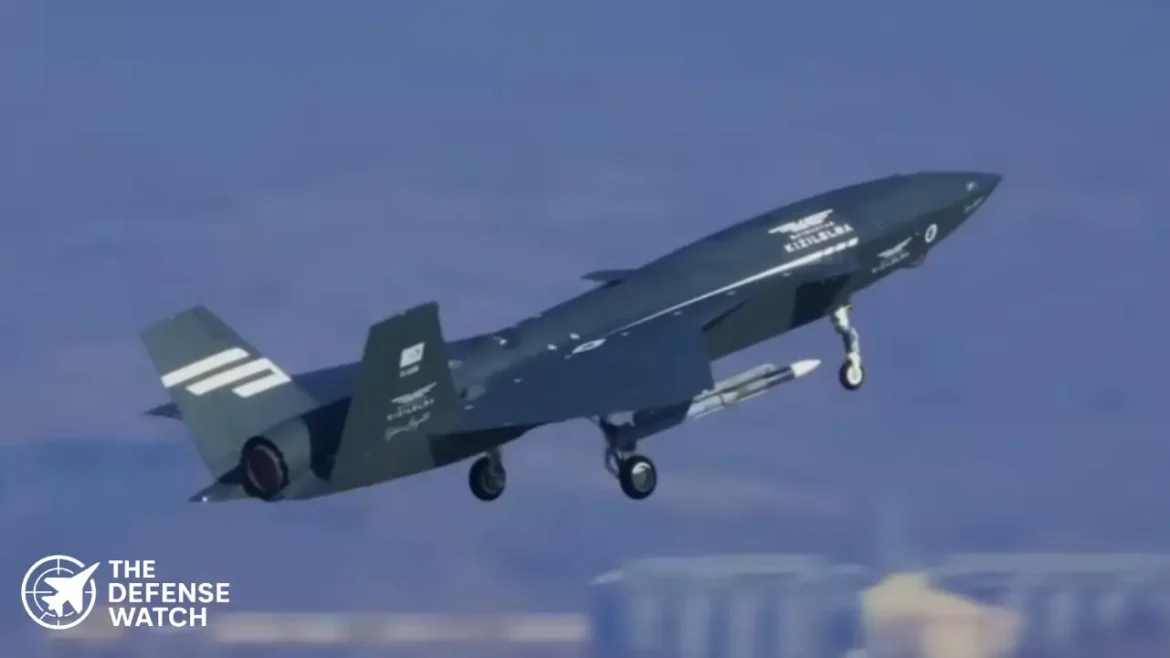
Developed by Turkish defense company Baykar, the Kizilelma is designed as a high-performance stealth-capable UCAV intended for air-to-air and strike missions. The aircraft has drawn international attention because of its jet-powered configuration, autonomous flight features, and compatibility with modern network-centric warfare concepts.
The potential Indonesia Kizilelma drone deal comes as regional militaries increasingly prioritize unmanned systems capable of operating in contested environments while reducing pilot risk.
Indonesia could receive as many as 60 aircraft under the arrangement, although detailed delivery timelines and financial terms have not yet been publicly disclosed.
What Is The Kizilelma UCAV?
Baykar Kizilelma is part of Türkiye’s broader effort to establish an indigenous high-end defense manufacturing base capable of competing in global aerospace markets.
Unlike many traditional medium-altitude drones optimized mainly for surveillance or precision strike missions, Kizilelma has been designed to operate in more contested airspace. The aircraft incorporates reduced radar signature features, high-speed maneuverability, and artificial intelligence-assisted flight control systems.
Baykar has stated previously that the UCAV is intended to support missions including:
- Air superiority support
- Deep strike operations
- Suppression of enemy air defenses
- Maritime strike missions
- Intelligence and reconnaissance operations
The aircraft is also expected to operate from short-deck carriers and expeditionary platforms, including Türkiye’s TCG Anadolu amphibious assault ship.
Analysts have noted that Kizilelma reflects a broader shift toward loyal wingman and unmanned combat concepts being pursued by several major powers, including the United States, China, and Russia.
Why Indonesia Is Expanding Its Drone Capabilities
Indonesia has steadily increased defense modernization spending in recent years amid evolving security concerns across the Indo-Pacific region. The country faces complex maritime security requirements due to its vast archipelagic geography and strategic position near key sea lanes.
The addition of Kizilelma UCAVs could significantly expand Indonesia’s ability to conduct long-range surveillance and strike operations across maritime zones and remote island chains.
Jakarta has also sought to diversify defense procurement sources beyond traditional Western suppliers. Türkiye has emerged as an increasingly important defense partner for several Asian and Middle Eastern states because of its competitive pricing, rapid production capability, and fewer export restrictions compared to some Western systems.
Indonesia and Türkiye have already cooperated in multiple defense sectors, including armored vehicles, aerospace programs, and drone technology.
The potential acquisition also aligns with broader trends in Southeast Asia, where regional powers are accelerating investments in unmanned systems, electronic warfare capabilities, and long-range precision strike assets.
Türkiye’s Defense Export Ambitions Continue To Grow
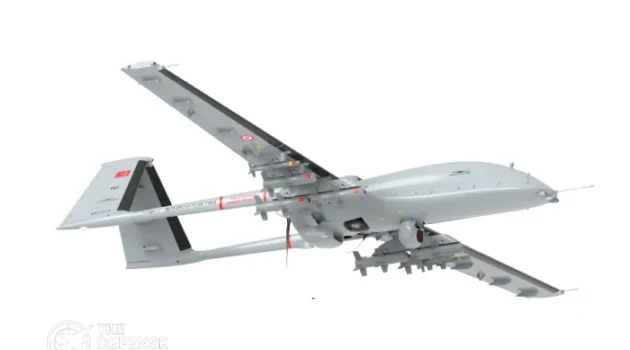
Türkiye’s defense industry has expanded rapidly over the past decade, particularly in the unmanned systems sector. Baykar gained international prominence after the operational success of the Bayraktar TB2 in several conflict zones, including Libya, Nagorno-Karabakh, and Ukraine.
The Kizilelma program represents the next phase of Türkiye’s ambition to move beyond tactical drones into advanced combat aviation technologies traditionally dominated by a small number of aerospace powers.
A successful Indonesia Kizilelma drone deal would provide Türkiye with a major export breakthrough for a next-generation combat UAV platform. It could also strengthen Ankara’s defense ties across Southeast Asia and reinforce its position as a growing global arms supplier.
Defense observers also view the deal as evidence of increasing international demand for lower-cost alternatives to Western stealth aircraft and advanced manned combat systems.
Strategic Implications For Southeast Asia
The introduction of stealth-capable unmanned fighters into Southeast Asia could influence regional military planning, particularly in maritime security and airpower competition.
Several countries in the Indo-Pacific are now integrating drones into operational doctrine for surveillance, strike, and electronic warfare missions. Indonesia’s planned acquisition may encourage neighboring states to accelerate similar procurement programs.
While Kizilelma is not a direct replacement for conventional fighter aircraft, it offers an additional layer of operational flexibility. UCAVs can perform high-risk missions with reduced personnel exposure and potentially lower operational costs compared to manned fighter fleets.
The platform’s autonomous capabilities may also support future integration with manned aircraft in coordinated combat operations.


Executive Summary:
Baykar has signed an agreement to export its unmanned fighter jet to Indonesia, marking a significant step in Turkey’s defense export strategy. The deal highlights growing demand for advanced UAV capabilities and signals deeper Ankara–Jakarta defense cooperation. It also positions Turkey as a rising competitor in the global high-end drone market.
Baykar Unmanned Fighter Jet Deal Signals Strategic Expansion
The Baykar unmanned fighter jet deal with Indonesia underscores Turkey’s accelerating push into high-end UAV exports and reflects Jakarta’s effort to modernize its air combat capabilities.
Baykar has reached an agreement with Indonesia for the sale of its next-generation unmanned combat aircraft, widely understood to be linked to the Kizilelma program. While financial details and delivery timelines remain undisclosed, the agreement represents one of the most advanced UAV export moves by Turkey to date.
The deal builds on a broader defense relationship between the two countries, which has expanded in recent years across naval platforms, armored vehicles, and aerospace collaboration.
Advancing The Kizilelma Unmanned Fighter Concept
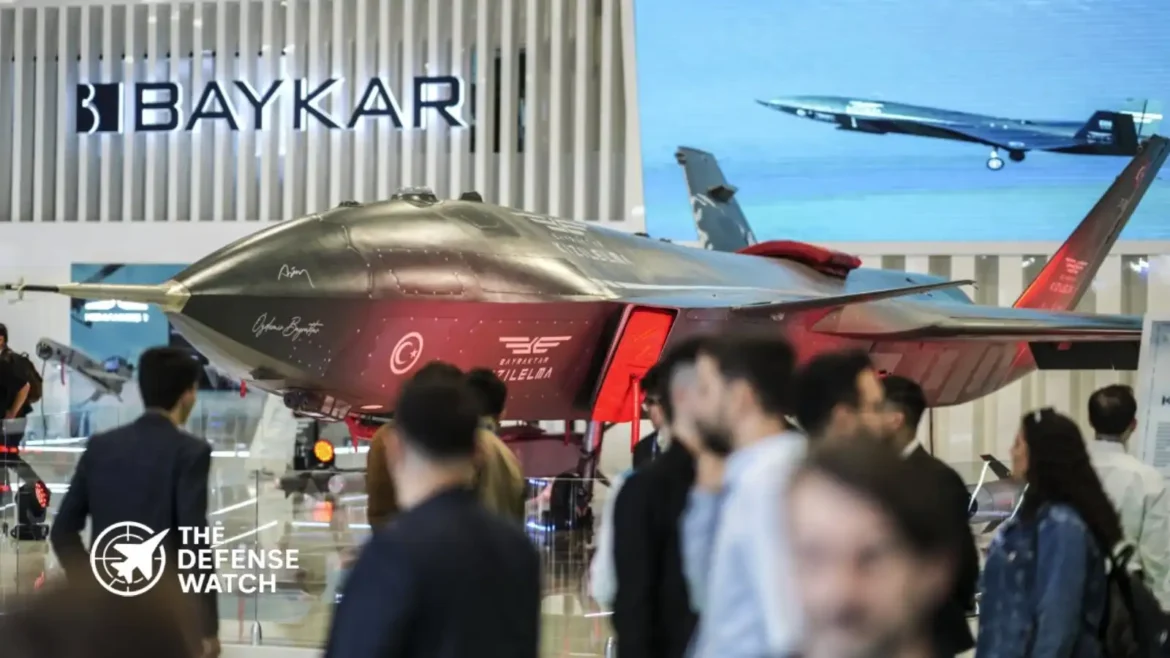
At the center of the agreement is Baykar’s Kizilelma, a jet-powered unmanned combat aircraft designed for air-to-air and air-to-ground missions. Unlike traditional UAVs such as the Bayraktar TB2, Kizilelma is intended to operate in contested environments, including alongside manned fighter aircraft.
The platform is expected to feature:
- High subsonic or near-supersonic speed
- Reduced radar cross-section characteristics
- Compatibility with short-runway or carrier operations
- Advanced autonomy and AI-assisted mission systems
From an operational standpoint, this moves Turkey beyond tactical drones into the emerging category of unmanned fighter aircraft, an area also being explored by the United States, China, and Russia.
Analysis:
This deal reflects a shift in UAV demand from surveillance and strike roles toward multi-role combat systems. Countries like Indonesia are not just buying drones for counterinsurgency, but for peer-level deterrence and airpower augmentation.Indonesia’s Modernization Drive And Strategic Needs
For Indonesia, the Baykar unmanned fighter jet deal aligns with its broader military modernization goals. The Indonesian Air Force has been working to upgrade its fleet amid rising regional competition and growing operational demands across its vast archipelago.
Jakarta faces several challenges:
- Monitoring and securing expansive maritime zones
- Responding to gray-zone activities in contested waters
- Enhancing deterrence without the high cost of large fighter fleets
Unmanned fighter aircraft offer a cost-effective complement to manned platforms, enabling persistent presence and reduced risk to pilots.
Analysis:
Indonesia’s interest in advanced UAVs reflects a pragmatic approach. Rather than relying solely on expensive fourth- or fifth-generation fighters, Jakarta is diversifying its airpower mix with unmanned systems that can scale more quickly and operate flexibly.Turkey’s Rising Position In The Global UAV Market
The agreement further strengthens Turkey’s position as a major exporter of unmanned systems. Over the past decade, Baykar has gained international recognition through platforms like the Bayraktar TB2, which has been exported to multiple countries and used in various conflicts.
With Kizilelma, Turkey is attempting to move up the value chain.
Key implications include:
- Entry into the high-end UAV segment
- Increased competition with U.S., Chinese, and Israeli systems
- Expansion of defense diplomacy in Asia
Analysis:
Turkey’s strategy combines affordability, operational credibility, and fewer export restrictions compared to Western suppliers. This creates a competitive edge, particularly among countries seeking advanced capabilities without political constraints.Broader Geopolitical And Industrial Impact
The Baykar unmanned fighter jet deal also carries geopolitical weight. It strengthens ties between Turkey and Indonesia, two influential regional players with growing defense industries.
Potential long-term outcomes include:
- Technology transfer and co-production opportunities
- Expanded defense-industrial collaboration
- Greater Turkish presence in Southeast Asian defense markets
For Ankara, the deal supports its ambition to become a global defense exporter and reduce reliance on foreign technology. For Jakarta, it offers access to emerging capabilities that could reshape its airpower doctrine.
Operational Implications For Future Air Combat
The introduction of unmanned fighter aircraft like Kizilelma could alter how air forces approach combat operations.
Key trends include:
- Human-machine teaming in air combat
- Increased use of autonomous strike platforms
- Lower-cost force multiplication
Analysis:
If successfully deployed, systems like Kizilelma may reduce the dominance of traditional fighter fleets by enabling distributed, resilient air operations. This could be particularly relevant in regions with complex geography, such as Southeast Asia.Conclusion
The Baykar unmanned fighter jet deal with Indonesia marks a notable in the evolution of global UAV markets. It highlights the growing demand for advanced unmanned combat systems and reinforces Turkey’s emergence as a key defense exporter.
As countries seek cost-effective ways to enhance airpower, deals like this are likely to become more common, reshaping both procurement strategies and the future of aerial warfare.
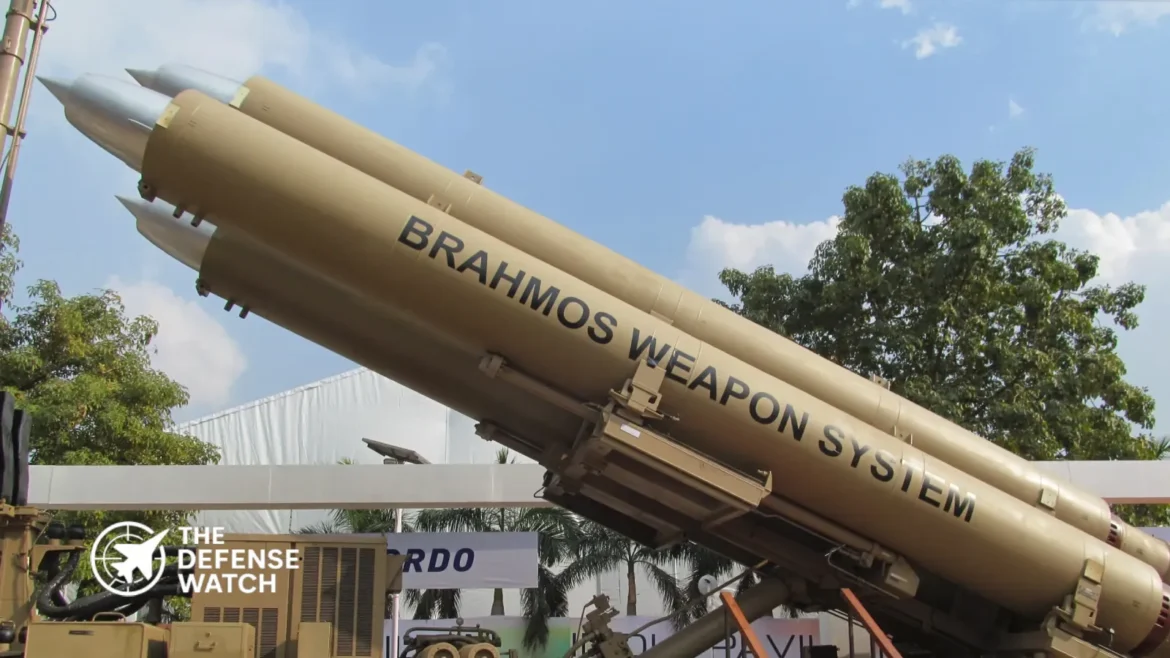
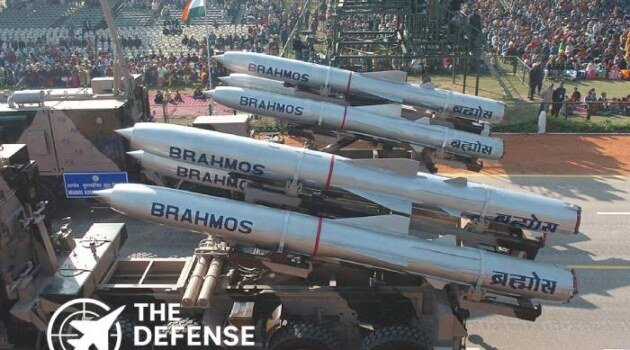
- Indonesia has agreed to acquire the BrahMos supersonic cruise missile system from India.
- The deal is estimated to be worth between $200 million and $350 million.
- The acquisition reflects growing defense cooperation between India and Southeast Asian partners.
- BrahMos missiles travel at around Mach 2.8 to Mach 3 with a range of roughly 290–400 kilometers depending on variant.
- Indonesia would become the second Southeast Asian operator of the BrahMos system after the Philippines.
Indonesia BrahMos Missile Deal Signals Growing Defense Cooperation In The Indo-Pacific
The Indonesia BrahMos missile deal marks a significant step in Jakarta’s effort to strengthen its maritime strike capabilities and deepen defense ties with India. The agreement, reportedly valued between $200 million and $350 million, will provide Indonesia with one of the world’s fastest operational cruise missile systems.
(adsbygoogle = window.adsbygoogle || []).push({});The acquisition follows a similar deal signed by the Philippines in 2022 and reflects India’s expanding role as a defense exporter in the Indo-Pacific region.
The Big Picture
Security competition across the Indo-Pacific has driven many regional militaries to expand long range strike and anti ship missile capabilities.
Countries such as Japan, Australia, the Philippines, and Vietnam have all accelerated investments in coastal defense systems and anti ship missiles designed to deter potential maritime aggression. Much of this modernization effort focuses on controlling key sea lanes and chokepoints in the South China Sea and surrounding waters.
Indonesia occupies a critical strategic position along major maritime routes linking the Indian and Pacific Oceans. The country’s vast archipelagic geography includes more than 17,000 islands and multiple strategic straits, including the Malacca Strait, Sunda Strait, and Lombok Strait.
Strengthening coastal defense and long range strike systems has therefore become a central element of Jakarta’s military modernization strategy.
The BrahMos supersonic cruise missile, developed jointly by India and Russia, offers a high speed strike capability designed for both land based and naval platforms. Its speed and maneuverability make it difficult for many conventional air defense systems to intercept.
What’s Happening
Indonesia and India have reached an agreement for Jakarta to purchase the BrahMos missile system, with the total value of the deal estimated between $200 million and $350 million.
Officials have not publicly released detailed information about the specific configuration being acquired. However, defense analysts expect Indonesia to initially deploy a coastal defense variant of the system, similar to the version currently operated by the Philippines Marine Corps.
The Philippines signed a $375 million contract with India in 2022 for the BrahMos Shore Based Anti Ship Missile System. That agreement marked the first export sale of the missile system by India.
India has since promoted the system to multiple countries across Southeast Asia, the Middle East, and Latin America as part of its broader effort to expand defense exports.
The BrahMos system is produced by BrahMos Aerospace, a joint venture between India’s Defence Research and Development Organisation (DRDO) and Russia’s NPO Mashinostroyeniya.
- (adsbygoogle = window.adsbygoogle || []).push({});
Why It Matters
The Indonesia BrahMos missile deal strengthens Jakarta’s ability to conduct long range precision strikes against surface targets at sea.
BrahMos missiles travel at speeds approaching Mach 3, significantly faster than most conventional subsonic cruise missiles such as the U.S. Tomahawk or the French Exocet. The high speed shortens reaction time for enemy ships and increases the probability of penetration against naval defenses.
For a country like Indonesia, which must defend an expansive maritime domain, coastal defense missiles provide a relatively cost effective method of strengthening deterrence.
Deploying land based anti ship missile batteries across key islands allows Indonesia to cover critical sea lanes without relying solely on naval vessels or aircraft.
The system also complements Indonesia’s broader modernization program, which includes new fighter aircraft, submarines, and naval surface combatants.
Strategic Implications
The growing adoption of the BrahMos missile system across Southeast Asia could gradually reshape the region’s maritime deterrence environment.
High speed anti ship missiles create a denial capability that complicates naval operations for potential adversaries operating near contested waters.
Indonesia’s potential deployment of BrahMos batteries along strategic islands would allow Jakarta to monitor and defend approaches to important maritime routes. Such capabilities can support Indonesia’s longstanding policy of maintaining sovereignty over its exclusive economic zone, particularly around the Natuna Islands, an area that has seen repeated tensions involving Chinese fishing vessels and coast guard ships.
India also benefits strategically from the deal.
Expanding BrahMos exports strengthens India’s defense industrial base while increasing its security partnerships across Southeast Asia. The policy aligns with New Delhi’s Act East strategy, which aims to deepen economic and security cooperation with ASEAN countries.
For India, each export deal also strengthens the operational ecosystem surrounding the BrahMos system, potentially opening opportunities for future upgrades, logistics support, and joint training.
Competitor View
China closely monitors regional missile deployments in Southeast Asia.
(adsbygoogle = window.adsbygoogle || []).push({});Beijing has invested heavily in its own anti ship missile capabilities, including the YJ series cruise missiles and the DF 21D anti ship ballistic missile. The spread of systems like BrahMos across Southeast Asia introduces additional challenges for Chinese naval forces operating in contested maritime areas.
Regional militaries acquiring high speed anti ship missiles increase the number of potential threat vectors for large surface combatants.
Russia, meanwhile, remains indirectly connected to the BrahMos program through its original technology partnership with India. However, India has increasingly localized production and expanded independent export efforts.
What To Watch Next
Several milestones could follow the Indonesia BrahMos missile deal.
Implementation details such as system configuration, delivery schedules, and training programs are likely to emerge once the contract enters formal execution phases.
Operational deployment will require infrastructure development, personnel training, and integration into Indonesia’s broader maritime surveillance network.
Indonesia may also consider integrating the missile with naval vessels or future platforms as its modernization program evolves.
India continues to develop upgraded variants of the BrahMos system, including extended range and hypersonic research programs, which could eventually influence future export offerings.
Capability Gap
Indonesia faces the challenge of defending one of the world’s largest maritime territories with limited naval assets.
Land based anti ship missile systems address this gap by allowing smaller forces to threaten larger naval units operating within range.
However, the BrahMos system is not a complete solution on its own. Effective employment requires reliable targeting data, surveillance systems, and command networks capable of tracking maritime threats in real time.
Without those supporting capabilities, the full potential of long range missile systems cannot be realized.
(adsbygoogle = window.adsbygoogle || []).push({});Indonesia has therefore invested in maritime surveillance radars, patrol aircraft, and satellite monitoring to support its broader maritime defense architecture.
The Bottom Line
Indonesia’s BrahMos missile acquisition strengthens regional deterrence while reinforcing India’s growing role as a defense supplier in the Indo-Pacific.
- (adsbygoogle = window.adsbygoogle || []).push({});