USS Gerald R. Ford Departs Croatia, Continues European Operations
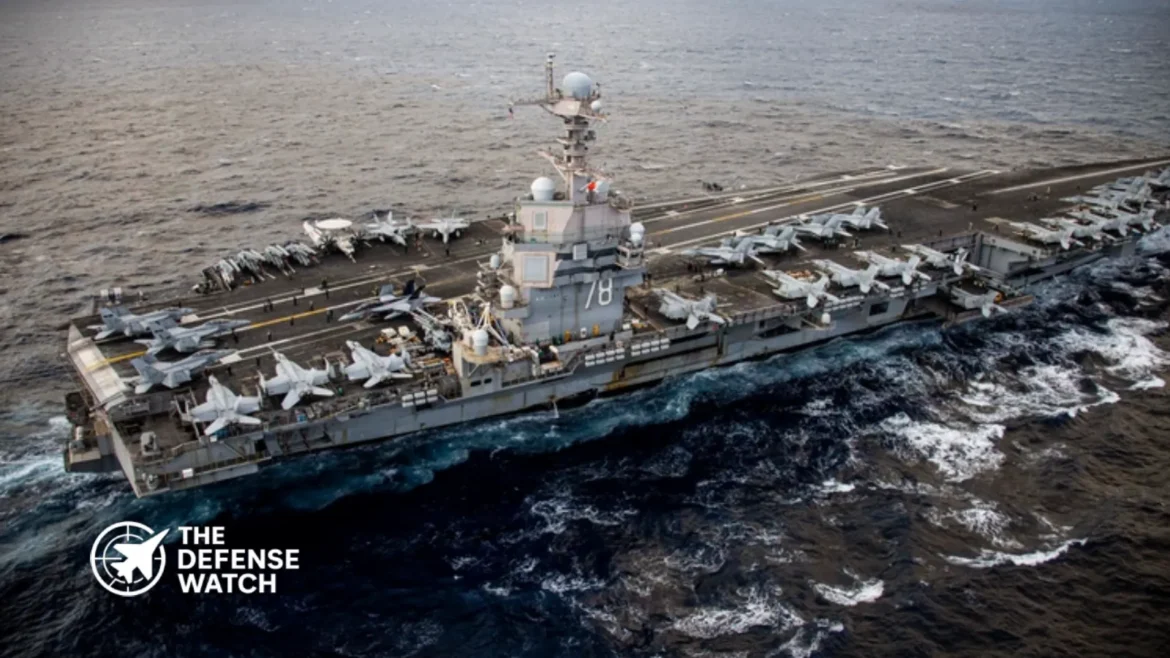
The USS Gerald R. Ford deployment in Europe entered its next phase as USS Gerald R. Ford departed Croatia following a scheduled port visit, reinforcing U.S. naval presence in the region.
The port call, conducted in the Adriatic Sea, formed part of ongoing U.S. Navy efforts to strengthen cooperation with NATO allies and regional partners. According to defense reporting from Defence Industry Europe, the visit provided an opportunity for logistical resupply, crew rest, and diplomatic engagement.
- USS Gerald R. Ford departed Croatia following a scheduled port visit in early April 2026.
- The visit supported U.S. Navy engagement with regional allies and partners in the Adriatic Sea.
- The carrier continues its deployment in the U.S. Sixth Fleet area of responsibility.
- USS Gerald R. Ford is the lead ship of the Ford-class, featuring advanced electromagnetic launch systems.
- The deployment underscores sustained U.S. naval presence in Europe amid evolving security conditions.
Strategic Role In European Theater
The USS Gerald R. Ford deployment remains central to U.S. maritime strategy in Europe. Operating under the U.S. Sixth Fleet, the carrier strike group supports deterrence, joint exercises, and rapid response capabilities across the region.
Port visits such as the one in Croatia serve more than logistical purposes. They signal sustained U.S. commitment to European security, particularly along NATO’s southern flank. The Adriatic Sea, while less contested than the Baltic or Black Sea, plays a supporting role in alliance mobility and maritime security.
From an operational standpoint, the Ford-class carrier offers increased sortie generation rates and reduced crew requirements compared to legacy Nimitz-class carriers. These features enable more efficient power projection during extended deployments.
Advanced Capabilities Of Ford-Class Carrier
The USS Gerald R. Ford deployment highlights the capabilities of the Navy’s newest carrier class. Key systems include the Electromagnetic Aircraft Launch System (EMALS) and Advanced Arresting Gear, both designed to improve aircraft launch efficiency and reduce maintenance demands.
These technologies allow the carrier to support a broader range of aircraft operations while maintaining a higher operational tempo. The ship also integrates improved radar systems and enhanced survivability features, reflecting evolving requirements for high-end naval warfare.
In practical terms, these upgrades translate into greater flexibility for commanders operating in complex maritime environments, including contested regions near Eastern Europe and the Mediterranean.
Regional Security Context
The USS Gerald R. Ford deployment comes at a time when European security dynamics remain fluid. While the Adriatic region is relatively stable, broader tensions across the continent continue to shape NATO force posture.
U.S. carrier presence in Europe provides a visible and flexible deterrent. Unlike land-based forces, a carrier strike group can reposition quickly, offering policymakers options across multiple theaters without permanent basing requirements.
The departure from Croatia does not mark a reduction in activity. Instead, it reflects the mobility inherent in carrier operations. The Ford and its strike group are expected to continue exercises and patrols across the Sixth Fleet area.
Operational Impact And Analysis
The USS Gerald R. Ford deployment underscores a shift toward sustained, high-readiness naval operations in Europe. Rather than short-duration deployments, the U.S. Navy is increasingly maintaining continuous presence through rotational carrier strike groups.
This approach enhances interoperability with allies while ensuring rapid response capability. It also aligns with broader U.S. defense strategy, which prioritizes forward presence and integrated deterrence.
Importantly, port visits like the one in Croatia contribute to soft power alongside military capability. Engagement with local authorities and allied navies reinforces diplomatic ties that underpin NATO cohesion.
Looking Ahead
As the USS Gerald R. Ford deployment continues, its movements will likely focus on joint exercises, maritime security operations, and deterrence missions. The carrier’s advanced systems and operational flexibility position it as a key asset in U.S. naval strategy.
With evolving security challenges across Europe, the presence of a Ford-class carrier provides both reassurance to allies and a credible deterrent to potential adversaries.

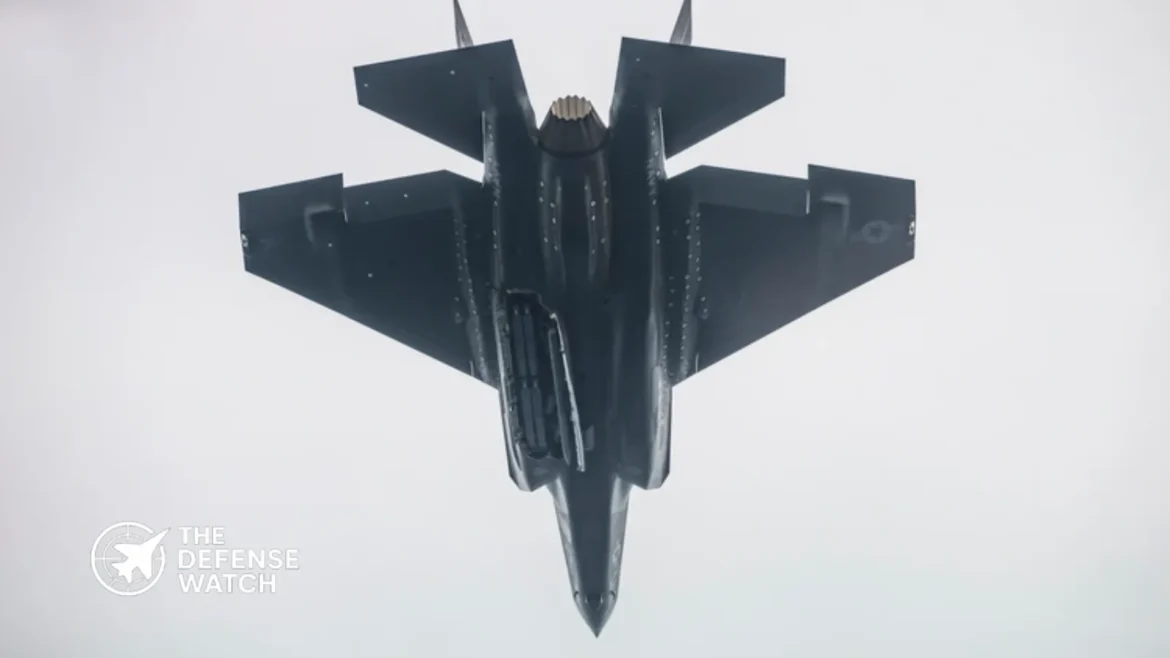
Raytheon SDB II Contract Expands Precision Strike Arsenal
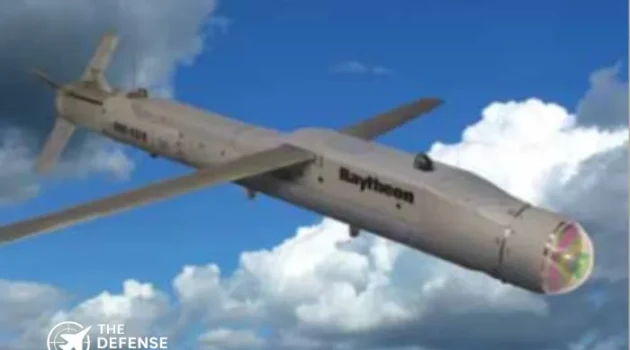
The Raytheon SDB II contract marks a significant expansion in U.S. and allied precision strike capabilities, with a not-to-exceed value of $708.9 million awarded by the U.S. Air Force.
The contract covers production Lot 12 of the Small Diameter Bomb Increment II, along with associated test equipment, containers, and spares. Work will be carried out in Tucson, Arizona, and is scheduled for completion by March 6, 2030, according to the U.S. Department of Defense.
Managed by the Air Force Life Cycle Management Center at Eglin Air Force Base, Florida, the award reflects continued demand for advanced precision-guided munitions amid evolving operational requirements.
- Raytheon awarded a $708.9 million contract for SDB II production Lot 12 and test equipment.
- Work will be performed in Tucson, Arizona, with completion expected by March 2030.
- Contract includes munitions, containers, spares, and test equipment.
- Program supports Foreign Military Sales to eight allied nations across Europe and Asia.
- The award was issued as a sole-source contract by the U.S. Air Force.
Multi-Nation Demand Drives Production Scale
A key feature of the Raytheon SDB II contract is its strong international component. The program includes Foreign Military Sales to Belgium, Canada, Finland, Germany, Italy, Norway, the Republic of Korea, and Switzerland.
This broad participation underscores the growing reliance among allied nations on precision, network-enabled weapons that can operate effectively in contested environments.
From an operational standpoint, the SDB II, also known as the GBU-53/B StormBreaker, offers multi-mode guidance, enabling engagement of moving targets in adverse weather conditions. Its integration across multiple platforms enhances interoperability among NATO and partner air forces.
The inclusion of multiple allied buyers also helps sustain production economies of scale, lowering unit costs while ensuring long-term supply chain stability.
Funding Structure Reflects Multi-Year Procurement Strategy
The contract’s funding breakdown highlights a layered procurement approach across fiscal years. Initial obligations include:
- $128.2 million in FY2026 missile procurement funds
- $31.5 million in FY2026 weapons procurement
- $5.29 million in FY2025 procurement funding
- $1.87 million in operations and maintenance funds
- $171.5 million in Foreign Military Sales contributions
This diversified funding structure reflects both U.S. military requirements and partner nation commitments, ensuring steady production flow over the contract period.
Strategic Context: Precision Weapons in High-Density Conflict
The Raytheon SDB II contract comes at a time when precision-guided munitions are central to modern air warfare doctrine. Conflicts in recent years have highlighted the importance of weapons capable of striking mobile targets with minimal collateral damage.
Compared to legacy systems, the SDB II provides enhanced flexibility through its tri-mode seeker, combining radar, infrared imaging, and semi-active laser guidance. This allows operators to engage targets in GPS-denied or electronically contested environments.
From a strategic perspective, expanding SDB II production aligns with broader U.S. efforts to maintain a technological edge against near-peer adversaries. The weapon’s ability to support stand-off engagement reduces risk to manned aircraft while increasing mission effectiveness.
For allied nations, participation in the program ensures access to a proven, interoperable capability that can be integrated into existing air platforms without significant modification.
Sole-Source Award Raises Industrial Base Considerations
The contract was issued as a sole-source acquisition, reflecting Raytheon’s position as the primary manufacturer of the SDB II system.
While sole-source awards can streamline procurement timelines and ensure consistency in production, they also highlight ongoing challenges within the defense industrial base. Maintaining competition and resilience in munitions manufacturing remains a priority for the Pentagon, particularly as global demand for precision weapons continues to rise.
However, given the technical complexity of the SDB II and its established production line, a sole-source approach is consistent with past procurement decisions for advanced munitions programs.
Operational Impact Through 2030
With production extending through 2030, the Raytheon SDB II contract ensures sustained availability of a critical precision strike capability for both U.S. and allied forces.
The program supports not only inventory replenishment but also long-term modernization goals, particularly as air forces transition toward network-centric and multi-domain operations.
As demand for precision engagement grows across multiple theaters, the SDB II is positioned to remain a key component of Western airpower strategies.
USS Fitzgerald Replenishment At Sea Demonstrates Allied Naval Reach
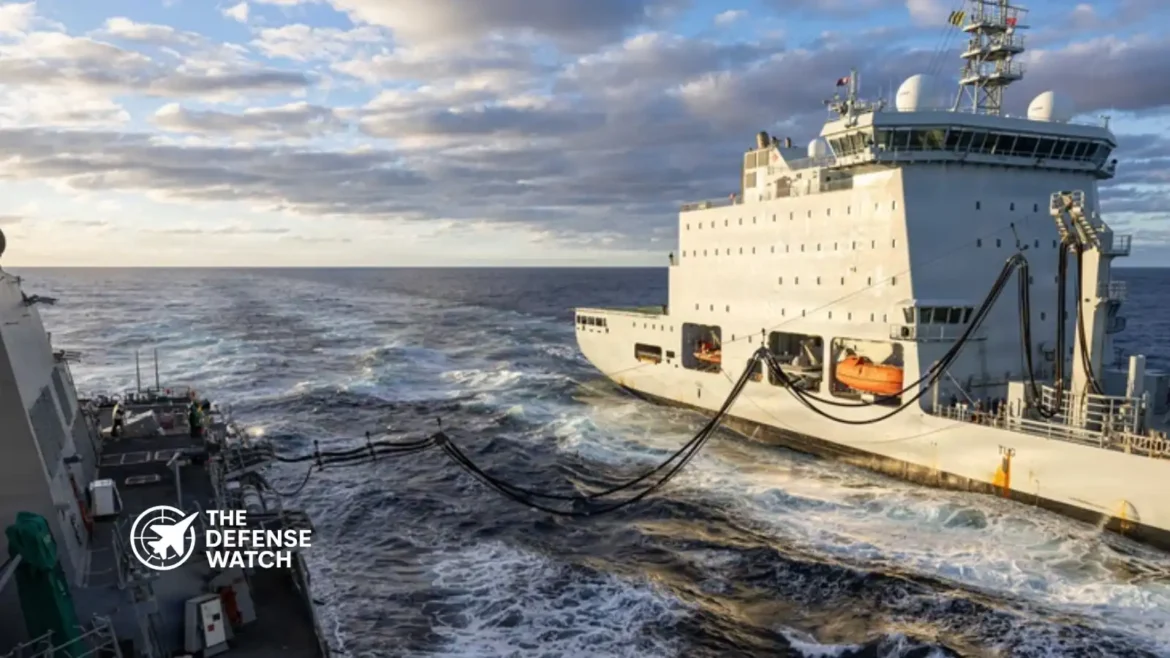
The USS Fitzgerald replenishment at sea operation during Exercise Kakadu underscores growing interoperability between Indo-Pacific naval forces, as the U.S. destroyer conducted logistics integration with Canada’s MV Asterix in the Tasman Sea on March 30, 2026.
The USS Fitzgerald, operated by the United States Navy, successfully completed a replenishment-at-sea (RAS) maneuver before breaking away from the Canadian vessel. The operation highlights the ability of allied navies to sustain combat operations far from home ports, a critical requirement in the Indo-Pacific theater.
- USS Fitzgerald conducted a replenishment-at-sea with MV Asterix on March 30, 2026, in the Tasman Sea.
- The operation took place during the Australian-led multinational Exercise Kakadu.
- MV Asterix is a Royal Canadian Navy support vessel designed for underway replenishment operations.
- The exercise focuses on maritime interoperability among Indo-Pacific partner nations.
- Replenishment-at-sea operations extend operational reach and endurance of deployed naval forces.
Operational Significance Of Replenishment At Sea
Replenishment-at-sea remains one of the most demanding and strategically important naval logistics operations. It enables warships to receive fuel, ammunition, and supplies without returning to port, maintaining operational tempo during extended deployments.
In this case, the USS Fitzgerald replenishment at sea reflects a broader push by allied forces to refine interoperability in contested maritime environments. The involvement of Royal Canadian Navy assets demonstrates how non-U.S. logistics platforms can support U.S. surface combatants, reducing dependence on a single nation’s supply chain.
This capability becomes increasingly relevant as naval operations shift toward distributed maritime operations, where smaller, dispersed units must remain sustained across vast ocean spaces.
Exercise Kakadu And Indo-Pacific Security
Exercise Kakadu, hosted by Australia, is one of the region’s key maritime drills, bringing together naval forces from across the Indo-Pacific and beyond. The exercise focuses on cooperative security, maritime surveillance, anti-submarine warfare, and logistics integration.
The USS Fitzgerald replenishment at sea event fits directly into these objectives. By conducting real-world logistics operations with partner navies, participating forces test both technical compatibility and operational coordination.
According to official exercise briefs and defense releases, Kakadu provides a platform for partner nations to improve readiness while reinforcing shared commitments to freedom of navigation and regional stability.
MV Asterix And Allied Logistics Capabilities
The MV Asterix plays a central role in this operation. As an interim auxiliary oiler replenishment vessel, Asterix is designed to deliver fuel, dry cargo, and aviation support to allied ships at sea.
Its participation in the USS Fitzgerald replenishment at sea highlights a growing trend, allied navies are increasingly pooling logistics capabilities to enhance collective endurance. This reduces operational strain on U.S. logistics fleets and improves redundancy in contested environments.
From a strategic perspective, such integration also signals to potential adversaries that coalition forces can sustain prolonged operations without relying on fixed infrastructure, which may be vulnerable in high-end conflict scenarios.
Broader Strategic Context
The Indo-Pacific remains a focal point for naval competition, with increasing emphasis on presence operations, deterrence, and rapid response capability. Logistics, often overlooked compared to combat systems, is a decisive factor in sustaining these efforts.
The USS Fitzgerald replenishment at sea demonstrates that allied navies are not only operating together but are also building the infrastructure and procedures needed for long-duration, high-tempo operations.
Defense analysts note that such exercises serve a dual purpose. They enhance tactical proficiency while also reinforcing political and military alignment among partner nations.
Analysis: Why This Matters Now
While routine on the surface, the USS Fitzgerald replenishment at sea reflects deeper shifts in naval strategy. Modern maritime operations depend less on static bases and more on flexible, mobile logistics networks.
This evolution is driven by several factors:
- Increased operational distances in the Indo-Pacific
- Growing vulnerability of fixed bases to precision strikes
- The need for rapid force projection across multiple theaters
By integrating platforms like MV Asterix into U.S. operations, allied forces are effectively building a distributed logistics architecture. This reduces risk, improves resilience, and enhances overall mission effectiveness.
Moreover, multinational exercises such as Kakadu are becoming testing grounds for these concepts, moving beyond symbolic cooperation to practical, operational integration.
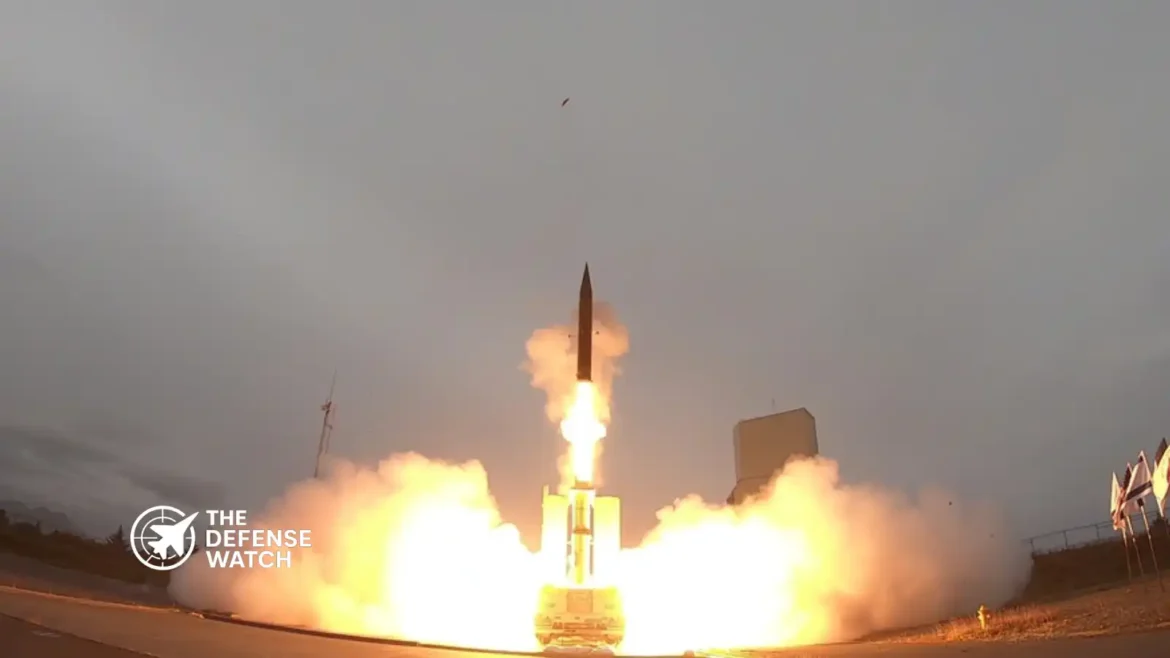
Israel Accelerates Arrow Interceptor Production To Reinforce Missile Defense
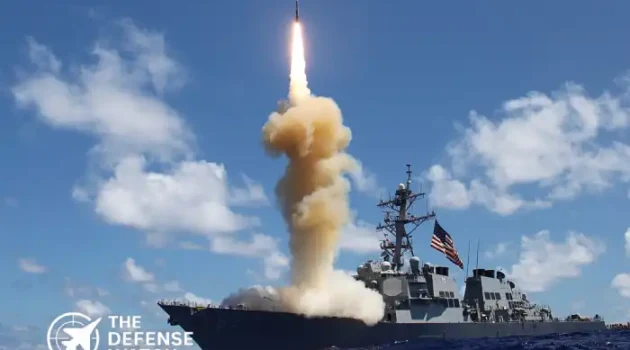
Israel’s decision to accelerate Arrow interceptor production marks a significant expansion of its missile defense posture, as the country adapts to evolving ballistic missile threats across the Middle East.
The Israeli Ministry of Defense has approved measures to increase manufacturing output of the Arrow interceptor family, a key component of the country’s layered air defense architecture. The move comes amid heightened regional tensions and a growing emphasis on preparedness for sustained, high-intensity conflict.
According to official statements and defense industry reporting, the acceleration effort focuses on boosting inventory levels and ensuring rapid replenishment capacity. This reflects lessons learned from recent conflicts, where high interceptor consumption rates have underscored the importance of industrial scalability.
- Israel approved accelerated production of Arrow missile interceptors to strengthen national air defense capacity.
- The decision reflects growing concerns over ballistic missile threats from Iran and regional actors.
- Arrow systems are designed to intercept long-range ballistic missiles outside the atmosphere.
- The move aims to ensure sustained operational readiness during prolonged high-intensity conflict scenarios.
- The program is jointly developed with U.S. support, reinforcing strategic defense cooperation.
Strategic Response To Expanding Missile Threats
The Arrow interceptor system is specifically designed to counter long-range ballistic missiles, including threats that travel outside the Earth’s atmosphere before reentry. This capability places it at the top tier of Israel’s multi-layered defense network, complementing systems like David’s Sling and Iron Dome.
The decision to expand Arrow production is widely viewed as a response to Iran’s advancing missile capabilities. Tehran has continued to develop and field increasingly sophisticated ballistic systems, including longer-range and more precise variants. These developments have shifted regional threat calculations, prompting Israel to prioritize strategic missile defense.
Defense analysts note that interceptor availability is as critical as system capability. In a prolonged conflict scenario, even advanced systems can face operational strain if interceptor stockpiles are insufficient. By accelerating production, Israel is aiming to mitigate this risk and maintain sustained defensive coverage.
Industrial Surge And U.S. Cooperation
The Arrow program is a joint initiative between Israel and the United States, with significant funding and technological collaboration from Washington. This partnership has enabled continuous upgrades to the system, including improvements in interception range, accuracy, and reliability.
Accelerating production will likely involve expanded industrial activity across Israel’s defense sector, particularly among key contractors responsible for missile manufacturing and system integration. While specific production figures have not been disclosed, the emphasis is clearly on increasing throughput and reducing delivery timelines.
From a strategic perspective, the move also aligns with broader U.S. concerns about missile proliferation in the Middle East. Strengthening allied missile defense capabilities is seen as a critical element of regional stability, particularly in deterring escalation.
Operational Implications For Future Conflicts
The expansion of Arrow interceptor production carries direct operational implications. In a high-threat environment, such as a multi-front conflict involving ballistic missile salvos, the ability to sustain interception rates becomes decisive.
Recent conflicts have demonstrated that missile defense systems can be overwhelmed if faced with large-scale, coordinated attacks. By increasing interceptor availability, Israel aims to maintain a credible defense against saturation tactics.
Additionally, the move signals a shift toward long-duration readiness. Rather than preparing for short, limited engagements, Israel is positioning its defense infrastructure for extended operations, where logistics and supply chains play a central role.
This approach reflects a broader trend in modern warfare, where industrial capacity and resilience are increasingly recognized as key components of military power.
Broader Regional And Strategic Context
The acceleration of Arrow interceptor production comes at a time of intensifying geopolitical competition in the Middle East. Iran’s missile development, combined with the proliferation of missile and drone technologies among non-state actors, has created a complex threat environment.
Israel’s response highlights the importance of layered defense systems capable of addressing a wide spectrum of threats, from short-range rockets to intercontinental ballistic missiles. The Arrow system, as the upper layer, plays a critical role in this architecture.
At the same time, the move underscores the growing importance of defense industrial policy. Ensuring rapid production and replenishment is no longer a secondary consideration, but a central element of national security planning.


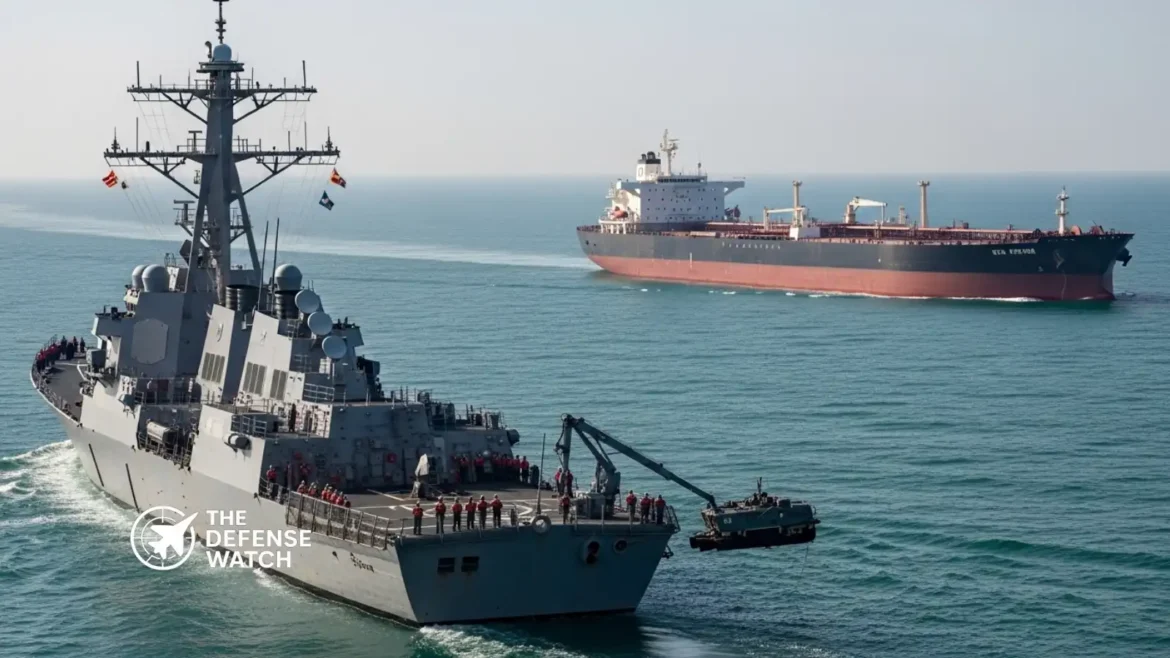
Strait of Hormuz Closure Triggers U.S. Military Campaign and Splits Gulf Oil Revenues
The Strait of Hormuz crisis, now entering its sixth week, has moved beyond an energy market shock and become a direct test of U.S. military power-projection capability in the Persian Gulf. Iran effectively shut the Strait — a route for about a fifth of global oil and LNG flows — after U.S. and Israeli airstrikes on Iran at the end of February led to a widening conflict. The closure’s economic toll has fallen unevenly across the region, exposing deep geographic vulnerabilities among Gulf states while simultaneously handing Iran a lever of strategic leverage it has long sought to exercise.
- Iran effectively closed the Strait of Hormuz following joint U.S.-Israeli airstrikes on Feb. 28, 2026, triggering the largest energy disruption since the 1970s oil crisis.
- Roughly 20 million barrels of oil per day — approximately 20% of global seaborne oil trade — normally transit the Strait, with no full alternative route available.
- Iraq’s oil revenues collapsed 76% to $1.73 billion in March; Kuwait fell 73% — while Saudi Arabia, the UAE, and Iran benefited from higher prices and bypass infrastructure.
- The U.S. Armed Forces launched a military campaign to reopen the Strait on March 19, 2026; Brent crude peaked at $126 per barrel following closure, a record monthly rise of 60% in March.
- The IEA authorized an unprecedented release of 400 million barrels from strategic reserves; the U.S. Department of Energy authorized release of 172 million barrels from the Strategic Petroleum Reserve.
The Big Picture: A Chokepoint Becomes a Weapon
The Strait of Hormuz has long figured in U.S. defense planning as the single most consequential maritime vulnerability in global energy supply. Its strategic importance is not theoretical. Roughly 27% of the world’s maritime trade in crude oil and petroleum products flows through the Strait. No alternative route exists that can fully compensate for its closure. The current crisis has validated decades of Pentagon concern about the waterway’s fragility — and exposed the limits of pre-positioned bypass capacity.
For U.S. Central Command, the Strait’s effective closure since early March represents a direct challenge to freedom of navigation, a foundational principle of American maritime strategy. U.S. President Donald Trump announced his intent to seize control of the Strait of Hormuz on March 9, and on March 19, 2026, the United States Armed Forces began a military campaign to open the strait. The operation marks one of the most consequential direct U.S. military engagements in the Persian Gulf since Operation Earnest Will in 1987-1988.
What’s Happening: Geography Determines Who Wins and Who Loses
The closure has fractured Gulf oil-producing states along stark geographic lines. Although Iran has control over the Strait, Oman, Saudi Arabia, and the United Arab Emirates can bypass it via pipelines and ports. By contrast, oil from Iraq, Kuwait, and Qatar has been trapped, as those countries lack alternative routes to international markets.
Saudi Arabia has leaned heavily on its East-West Crude Oil Pipeline — the Petroline — to redirect exports. The 1,200-kilometer pipeline runs from the Abqaiq oil processing center near the Gulf to the Yanbu port on the Red Sea. As of early 2026, approximately 2 million barrels per day of the pipeline’s capacity was in use, leaving an estimated 3 to 5 million barrels per day of spare capacity, depending on operational conditions.
The UAE has relied on its Habshan-Fujairah pipeline to route crude to the Arabian Sea. UAE oil export values still fell by more than $174 million year-on-year in March, and Fujairah has come under a series of attacks that led to loading halts.
The revenue damage to landlocked exporters has been severe. Iraq’s revenues fell the most, plunging 76% to $1.73 billion. Kuwait was next with a 73% fall to $864 million. Both countries are expected to sustain even steeper declines in April as the partial March relief from early-conflict transits evaporates.
Why It Matters: Energy Warfare as Strategic Coercion
Iran’s closure of the Strait is not simply a reflexive retaliation. It is the most operationally significant act of energy coercion since the 1973 Arab oil embargo — and it has succeeded in generating unprecedented market disruption. Brent crude oil prices surpassed $100 per barrel on March 8, 2026, for the first time in four years, rising to $126 per barrel at its peak, representing a record monthly increase of 60% in March.
A complete cessation of oil exports from the Gulf region amounts to removing close to 20% of global oil supplies from the market, about 80% of which is shipped to Asia. The IEA has described the disruption as the largest to the global oil market since the 1970s energy crisis.
The damage extends well beyond crude oil. About 85% of polyethylene exports from the Middle East move through this route, raising prices for packaging, automotive components, and consumer goods. Up to 30% of internationally traded fertilizers normally transit the Strait, and unlike oil, the fertilizer sector does not have internationally coordinated strategic reserves.
For U.S. defense planners, the crisis underscores a long-recognized vulnerability: the global economy’s dependence on a waterway that is just 21 miles wide at its narrowest point and sits within range of Iranian land-based anti-ship missiles, mines, and fast-attack craft.
Strategic Implications: U.S. Military Action and Its Limits
The March 19 U.S. military campaign to reopen the Strait carries significant operational and political weight. It signals that Washington views freedom of navigation through the Strait as a vital national interest worth defending with force — a posture consistent with decades of U.S. policy but now being tested under live-fire conditions.
The operation faces genuine operational constraints. In the short term, it is possible to escort three to four commercial ships a day with seven to eight destroyers providing air cover, depending on the risk from Iranian midget submarines; however, doing so sustainably for months requires substantially more resources. Iran’s ability to threaten the Strait with asymmetric assets — including mines, suicide drones, and undersea capabilities — means sustained escort operations would tax U.S. naval assets in theater.
Saudi Arabia remains vulnerable to further strikes by Iran or its allies in Yemen against its energy infrastructure and vessels passing through the Bab el-Mandeb Strait to the Red Sea — meaning even successful military action to reopen Hormuz does not eliminate Iran’s capacity to threaten alternative export routes.
Congressional concern has risen in the wake of the February-March 2026 conflict, with potential oversight regarding possible consequences of a Strait closure on world oil and gas prices and related U.S. policy options, including military action or sanctions. The 1987-1988 precedent of Operation Earnest Will — when the U.S. reflagged Kuwaiti tankers and conducted mine-clearing operations — is likely informing current planning, though the threat environment is considerably more sophisticated today.
Competitor View: China, Russia, and the Asian Energy Shock
Beijing is watching the Strait crisis with acute strategic concern. About 80% of the oil removed from global markets by the Gulf closure was destined for Asia. China and India combined received 44% of exports that transited the Strait in 2025. China’s heavy dependence on Persian Gulf crude gives it a powerful economic incentive to see the Strait reopened — but also hands Beijing a diplomatic card: any Chinese role in mediating a resolution would significantly enhance its regional influence at U.S. expense.
Russia, as a major oil exporter, has benefited indirectly from the price spike. Higher global oil revenues offset some of the pressure from Western sanctions, and a prolonged Strait closure serves Moscow’s interest in sustained energy market disruption. Russian analysts are likely assessing U.S. naval commitments in the Gulf for what they reveal about available assets for contingencies elsewhere, including in the Indo-Pacific.
Iran’s calculus, meanwhile, reflects a calculated risk. An Iranian official told Reuters that Iran would not open the Strait as part of a temporary ceasefire, saying it will not be humiliated. Some analysts say the U.S.-Israeli war on Iran has in some ways strengthened Tehran’s position. The regime has demonstrated that the Strait is a credible coercive instrument — and that the costs of closure, while damaging to Iran’s neighbors, are partially offset by higher prices for the oil Iran can still export.
What To Watch Next: Escalation Thresholds and Exit Ramps
Several near-term developments will determine how the crisis resolves. President Trump has set hard diplomatic deadlines for Tehran, threatening severe consequences for non-compliance, but Iran has rejected each ultimatum. The pace of the U.S. military campaign to reopen the Strait will test both American naval capability and Iranian willingness to absorb further strikes on its forces.
The pipeline bypass capacity of Saudi Arabia and the UAE has absorbed some export volume, but the combined capacity of available bypass pipelines is only about 9 million barrels per day, compared with approximately 20 million barrels per day for the Strait — and those pipelines remain within range of Iranian missiles and drones.
The IEA’s reserve release and U.S. Strategic Petroleum Reserve drawdown provide a short-term price cushion. Experts noted that whether the releases help stabilize oil markets depends on how fast the crude can be shipped and how much longer the fighting lasts.
If the Strait remains closed for a second month, traders and analysts expect global energy markets will quickly evolve into a fight for supplies — driving prices higher and forcing significant reductions in consumption. Analysts at the Federal Reserve Bank of Dallas estimate that a sustained second-quarter closure could lower global real GDP growth by an annualized 2.9 percentage points.
Capability Gap: The Limits of Bypass Infrastructure
The crisis has exposed a structural gap in global energy resilience that no amount of naval power can fully close in the near term. The available pipeline bypass capacity for Gulf oil — estimated at 3.5 to 5.5 million barrels per day between Saudi Arabia and the UAE — covers at best roughly a quarter of normal Strait throughput. Qatar has no bypass route at all for its LNG exports. About 93% of Qatar’s and 96% of the UAE’s LNG exports transit through the Strait, representing 19% of global LNG trade
The U.S. military can escort ships and suppress Iranian surface threats, but mine-clearing operations in constricted waters take time and carry significant risk. Iran’s undersea capabilities, including midget submarines and mine-laying assets, present a layered challenge that could extend the operational timeline well beyond initial estimates.
The Bottom Line
The Strait of Hormuz closure has transformed a regional military conflict into a global economic crisis — and the outcome of the U.S. military campaign to reopen it will define both American credibility in the Persian Gulf and the strategic calculus of every major power that depends on seaborne energy flows.

Trump Iran Strait Warning Raises Stakes For Global Security
The Trump Iran Strait warning has sharply escalated tensions in the Middle East, as Washington signals it is prepared to respond if Tehran disrupts maritime traffic through the Strait of Hormuz, one of the world’s most critical energy chokepoints.
Former US President Donald Trump warned of severe consequences if Iran follows through on threats to close the strait, while also suggesting that a diplomatic agreement remains within reach.
The dual messaging reflects a familiar pattern in US-Iran relations, combining coercive signaling with conditional openness to negotiation.
- Former US President Donald Trump warned Iran of severe consequences if the Strait of Hormuz remains closed.
- Tehran has signaled it could disrupt maritime traffic amid ongoing geopolitical tensions.
- The Strait of Hormuz handles roughly 20 percent of global oil shipments, making it a critical chokepoint.
- Trump indicated a diplomatic deal with Iran remains possible despite escalating rhetoric.
- US and allied naval forces are closely monitoring developments in the Persian Gulf region.
Strategic Importance Of The Strait Of Hormuz
The Strait of Hormuz is central to global energy flows, with roughly one fifth of the world’s oil supply transiting the narrow waterway daily. Any disruption would have immediate consequences for energy markets, naval operations, and regional security dynamics.
From a military perspective, the strait represents a constrained maritime environment where asymmetric tactics can have outsized effects. Iran’s naval doctrine has long emphasized the use of fast attack craft, naval mines, and anti-ship missiles to challenge larger naval forces in confined waters.
The Trump Iran Strait warning therefore carries operational implications beyond political signaling. It suggests that US naval forces may be preparing contingency plans to ensure freedom of navigation, a core mission for the US Navy’s Fifth Fleet based in Bahrain.
Military Posture And Response Options
In the event of a sustained disruption, the United States and its allies have several response options, ranging from increased naval patrols to escort operations for commercial shipping.
Carrier strike groups, guided missile destroyers, and maritime patrol aircraft would likely play central roles in securing sea lanes. Mine countermeasure vessels could also be deployed to address one of the most persistent threats in the region.
However, any military response carries escalation risks. Iran’s integrated coastal defense network, combined with its missile capabilities, creates a layered threat environment that complicates US operational planning.
The Trump Iran Strait warning underscores the balance Washington must strike between deterrence and escalation control.
Diplomatic Signals Amid Escalation
Despite the strong rhetoric, Trump indicated that a deal with Iran remains possible, suggesting that backchannel diplomacy or renewed negotiations could still emerge.
This aligns with broader US strategic objectives, which often seek to combine pressure with incentives to bring adversaries to the negotiating table.
For Tehran, signaling the ability to disrupt the Strait of Hormuz serves both as a deterrent and as leverage in potential negotiations. The threat itself can influence global markets and political calculations without requiring actual closure of the waterway.
Implications For Global Energy And Maritime Security
The Trump Iran Strait warning has immediate implications for global energy markets. Even the perception of risk in the Strait of Hormuz can drive oil price volatility and disrupt supply chains.
For US allies in Europe and Asia, many of which depend heavily on Gulf energy exports, the situation underscores the importance of maritime security cooperation.
Naval coalitions, intelligence sharing, and joint exercises are likely to intensify if tensions persist. The scenario also reinforces the strategic value of alternative energy routes and diversification efforts.
Analysis: A High-Risk Signaling Environment
At its core, the current situation reflects a high-risk signaling environment where both sides are attempting to assert leverage without triggering open conflict.
The Trump Iran Strait warning is not just a political statement. It is part of a broader deterrence framework aimed at preserving freedom of navigation while preventing escalation.
Yet history shows that miscalculation in such environments is a persistent risk. Close encounters at sea, misinterpreted signals, or proxy actions could quickly escalate into a wider confrontation.
For defense planners, the focus will remain on maintaining readiness, ensuring maritime security, and preserving strategic stability in one of the world’s most sensitive regions.
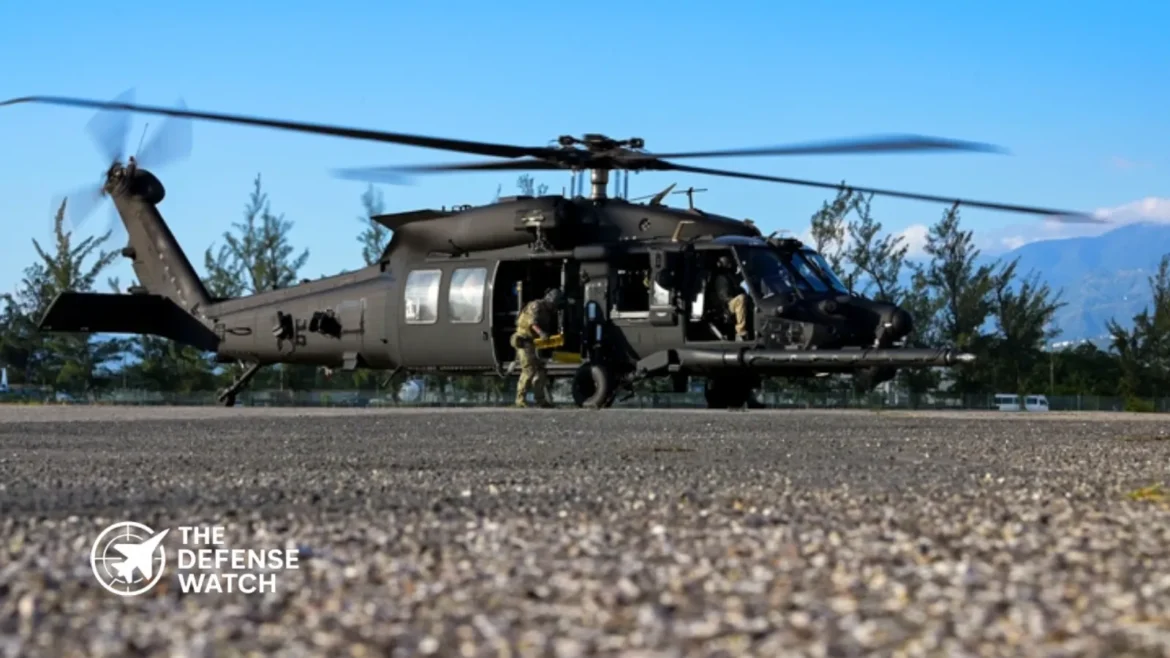
SEAL Team 6 Executes High-Risk Personnel Recovery Inside Iran to Rescue Downed F-15E Crew
SEAL Team 6, the U.S. Navy’s elite Tier 1 special mission unit, conducted a personnel recovery operation deep inside Iran to rescue a downed U.S. Air Force F-15E Strike Eagle crew member, according to multiple U.S. media reports. The mission fused covert CIA support, a deliberate deception campaign, and special operations aviation to extract the airman from one of the world’s most heavily defended threat environments.
- SEAL Team 6 (DEVGRU), a U.S. Navy Tier 1 special mission unit under JSOC, served as the primary ground recovery force for the downed F-15E crew inside Iran.
- The operation reportedly integrated a CIA-led deception campaign designed to delay Iranian response forces and create a viable extraction window.
- A temporary forward landing zone was established inside hostile Iranian territory to enable rapid extraction by special operations aviation assets.
- Naval Special Warfare Command fields approximately 2,500 active-duty SEAL operators across eight SEAL Teams, with DEVGRU representing the highest-tier element.
- The mission demonstrates U.S. capacity to project decisive special operations power into one of the world’s most heavily defended and politically sensitive environments.
The Big Picture
The United States military has long maintained that it will not abandon personnel to capture in hostile territory. That commitment is embedded in the doctrine of Personnel Recovery and codified across the services in joint and service-specific field manuals. But doctrine is easier to write than to execute — particularly inside a country like Iran, which fields a layered air defense architecture, a large paramilitary intelligence apparatus, and a track record of exploiting captured U.S. personnel for strategic leverage.
The reported rescue of an F-15E crew member from Iranian territory places this doctrine under its most operationally demanding test. Iran’s Artesh and Islamic Revolutionary Guard Corps maintain extensive ground surveillance networks, rapid reaction forces, and long-range surface-to-air missile batteries. Operating inside that environment requires not just elite ground forces, but a synchronized joint and interagency system built for speed, deception, and suppression.
What’s Happening
According to multiple U.S. media reports, including the New York Post, the mission reportedly involved Tier 1 special operations forces, a coordinated intelligence ruse, and the rapid establishment of a temporary forward landing zone inside hostile territory.
The reported involvement of SEAL Team 6, officially the Naval Special Warfare Development Group, indicates the deployment of a U.S. Navy Tier 1 special mission unit specifically designed for the most sensitive and high-risk operations.
DEVGRU was established in 1980 following the failure of Operation Eagle Claw in Iran and was created to provide a dedicated counterterrorism and hostage rescue capability capable of rapid global deployment under extreme operational constraints. The unit operates under Joint Special Operations Command alongside Delta Force.
The F-15E Strike Eagle, a dual-role multirole strike aircraft operated by the U.S. Air Force, carries a two-person crew — a pilot and a weapon systems officer. Both represent high-value intelligence targets in Iranian hands, given their detailed knowledge of U.S. strike package composition, tactics, frequencies, and mission profiles.
Why It Matters
Personnel recovery in denied territory is not simply a humanitarian imperative — it is a strategic one. A captured U.S. Air Force crew member inside Iran represents a diplomatic crisis, an intelligence exposure risk, and a potential propaganda asset for Tehran. The speed and decisiveness with which Washington responded directly limits each of those risks.
The operation underscores the United States’ ability to fuse top-tier special operations units with covert intelligence capabilities to retrieve personnel in denied territory. It signals to adversaries that even in hostile airspace and under intense surveillance, the United States retains the reach and precision to recover its forces.
That signal carries operational value beyond this single mission. Adversaries who believe U.S. forces can be stranded behind enemy lines gain leverage — over negotiations, over escalation decisions, and over pilot willingness to fly into contested airspace. A successful recovery directly counters that calculus.
How SEAL Team 6 Operates
Naval Special Warfare Command fields roughly 8,000 to 9,000 personnel, including operators and support elements, with approximately 2,500 active-duty SEAL operators distributed across multiple SEAL Teams — commonly identified as Teams 1, 2, 3, 4, 5, 7, 8, and 10 — geographically aligned between the U.S. West Coast and East Coast to support different theaters of operation.
Each SEAL Team is structured into deployable platoons of around 16 operators, enabling modular deployment in small, autonomous units or as part of larger joint task forces.
Within this framework, DEVGRU represents the highest level of specialization, focusing on the most complex and time-sensitive missions. Its operators are trained extensively in close-quarters combat, hostage rescue, and high-value target operations, and benefit from direct access to JSOC-level intelligence fusion and specialized aviation support.
In the specific context of the reported F-15E crew recovery inside Iran, DEVGRU would likely have served as the mission’s core ground maneuver element — rapidly locating and securing the isolated airman, establishing immediate local superiority at the recovery site, and preventing capture by hostile forces.
The Role of CIA Deception
The reported CIA deception effort is, operationally speaking, as significant as the DEVGRU element itself. In a high-density threat environment like Iran, no ground force — regardless of how capable — can sustain extended contact against a mobilizing adversary. The mission architecture depends on preventing that mobilization from occurring at all, or at least delaying it long enough to complete the extraction.
The CIA-led deception effort would play a key enabling role by shaping the operational environment, delaying or misdirecting Iranian forces, and creating the time window necessary for ground forces to execute the recovery.
This type of intelligence-special operations integration reflects lessons learned from decades of post-9/11 operational experience. The fusion of signals intelligence, human intelligence, and active deception with ground maneuver forces represents a distinctly American approach to contested personnel recovery — one that requires years of institutional refinement to execute reliably.
Strategic Implications
The strategic implications of this operation extend well beyond Iran. Adversaries across all theaters — from North Korea to Russia to China — now have renewed evidence that U.S. special operations forces retain the capacity to reach inside contested and denied territory, recover personnel, and exit before host-nation forces can effectively respond.
For Iran specifically, the operation highlights a persistent vulnerability: despite the country’s substantial investment in air defense systems and paramilitary capabilities, a coordinated U.S. joint and interagency effort can penetrate Iranian territorial security with enough speed and deception to achieve mission success. That will have planning implications within Iran’s IRGC intelligence and ground force commands.
More broadly, the mission reinforces the deterrent value of a credible personnel recovery capability. Allies and partners flying alongside U.S. forces in contested environments have greater confidence when they know the U.S. will act to recover downed crews. That confidence directly affects coalition cohesion and combined air operations planning.
Competitor View
Iran will interpret this operation through two competing lenses. The first is embarrassment — a successful U.S. special operations penetration of Iranian territory is a direct challenge to the IRGC’s ability to control its own airspace and ground environment. Tehran may use the incident to justify further investment in counter-special operations capabilities, layered ground surveillance networks, and rapid reaction force readiness.
The second lens is deterrence recalculation. Iranian planners must now factor in a higher probability that any downed U.S. airman will be recovered before Iranian forces can reach them, limiting the intelligence and propaganda value of a shootdown. This marginally reduces the attractiveness of engaging U.S. aircraft in contested scenarios.
China and Russia, both of which study U.S. special operations doctrine closely, will note the operational model: forward staging, intelligence deception, temporary forward landing zones, and rapid extraction. Each will seek to develop countermeasures — particularly improved ground-based surveillance networks, faster rapid reaction forces, and electronic warfare capabilities that could detect or disrupt SOCOM insertion profiles.
Capability Gap
The Iran personnel recovery mission highlights a persistent operational gap that has challenged U.S. planners for decades: the ability to execute combat search and rescue in environments where air superiority is contested or absent, and where adversary ground forces are capable of rapid response.
Historically, DEVGRU has demonstrated this type of capability in operations such as the 2011 raid against Osama bin Laden in Pakistan, which required deep penetration into a sensitive area, precise coordination between intelligence and military forces, and rapid execution under significant operational risk.
However, the Iran scenario represents a materially more difficult environment than Pakistan in 2011. Iran operates the S-300PMU2 Favorit surface-to-air missile system, domestic derivatives of the SA-15 Gauntlet, and an expanding network of domestically produced air defense assets. Penetrating that environment with low-observable or low-altitude special operations aircraft requires precise intelligence on radar coverage, timing, and flight routing — all of which must be developed well before any crisis scenario emerges.
This underscores the importance of persistent intelligence collection on Iranian air defense architecture, not just as a targeting tool for conventional strikes, but as a foundational requirement for personnel recovery planning. Any gap in that intelligence picture directly degrades SOCOM’s ability to plan low-risk insertion routes.
What To Watch Next
The immediate priority for U.S. Special Operations Command will be assessing the operational security of the mission and evaluating whether any Iranian collection efforts compromised insertion routes, aviation assets, or communications protocols. Lessons learned from this recovery will feed directly into future personnel recovery planning across all theaters.
More broadly, the mission will likely accelerate ongoing U.S. military investment in combat rescue and personnel recovery capabilities, including potential procurement of next-generation low-observable special operations helicopters, expanded forward staging networks in the Middle East, and enhanced interagency intelligence fusion protocols.
Congress will also take note. The demonstrated effectiveness of Tier 1 special operations forces in a denied-area personnel recovery scenario reinforces the political and budgetary case for sustained investment in SOCOM readiness, training pipelines, and interagency integration.
The Bottom Line
The SEAL Team 6-led recovery of a downed F-15E crew inside Iran demonstrates that the United States retains the joint and interagency architecture to execute denied-area personnel recovery at operational depth — a capability with strategic deterrent value that extends well beyond any single mission.
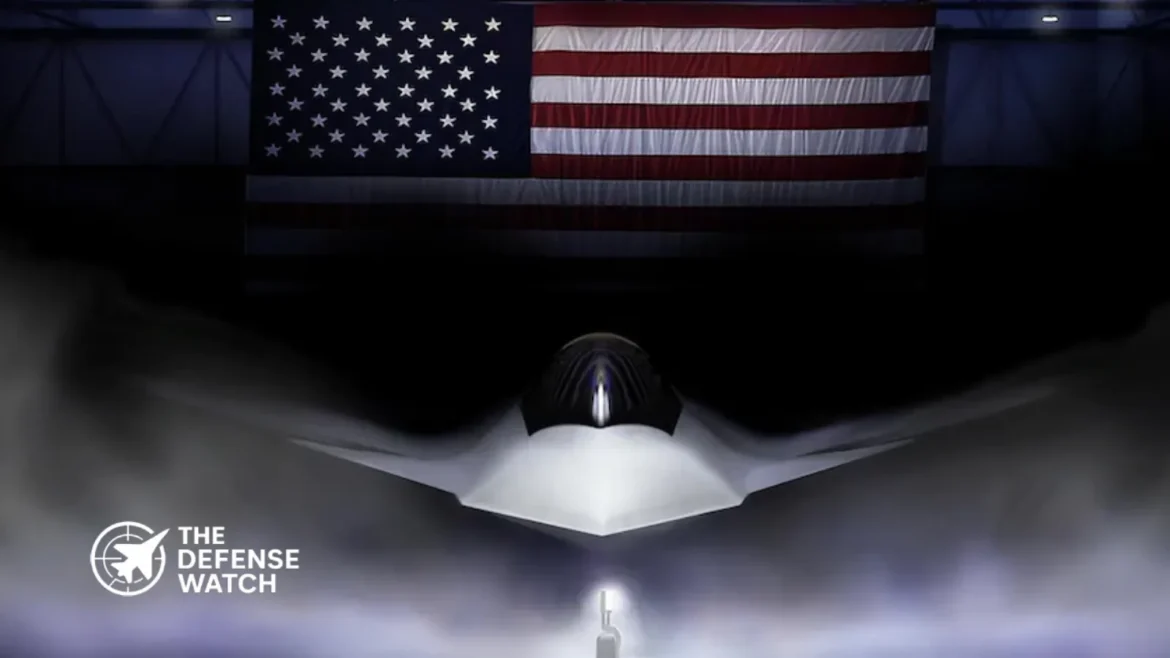
Pentagon’s FY2027 Budget Doubles Down on F-47, Exposing a Deep Divide Over Naval Aviation’s Future
The Trump administration’s fiscal year 2027 defense budget delivers the clearest signal yet about White House airpower priorities: the F-47 sixth-generation fighter will receive roughly $5 billion in development funding, while the Navy’s own next-generation combat jet — the F/A-XX — gets just $140 million. The asymmetry, embedded in a record-breaking $1.5 trillion overall defense request, sets up a potential clash between the executive branch and Congress that could define U.S. combat aviation investment for the decade ahead.
- The Trump administration’s FY2027 defense budget requests approximately $5 billion for the Air Force’s F-47 sixth-generation fighter — all from baseline discretionary spending.
- The Navy’s next-generation fighter, the F/A-XX, receives just $140 million in the FY2027 request — a 35-to-1 funding disparity compared to the F-47.
- Budget documents state the F-47 program is on track to achieve first flight in 2028, marking a critical milestone for the Boeing-built aircraft.
- Congress dramatically boosted F/A-XX funding in FY2026 — from $74 million to nearly $1.7 billion — in direct contrast to the White House’s current proposal.
- The FY2027 request also includes 85 F-35 aircraft across the Air Force, Navy, and Marine Corps, with 53 funded through the proposed reconciliation bill.
The Big Picture
U.S. military aviation modernization has reached a critical inflection point. The Trump administration is, once again, going all in on the development of the Air Force’s sixth-generation fighter while seeking only a fraction of funding for the Navy’s future combat jet.
The F-47, built by Boeing and designed to replace the F-22 Raptor as the Air Force’s premier air superiority platform, represents the centerpiece of Washington’s push to maintain dominance over increasingly capable Chinese and Russian air forces. China’s J-20 and J-35 programs are maturing rapidly, and Beijing has publicly telegraphed ambitions for its own sixth-generation program. Against that backdrop, the F-47 is not merely a procurement decision — it is a strategic deterrence instrument.
The FY2027 budget, released April 3, frames this investment explicitly in those terms. Budget documents state: “The Administration is sending a clear message to the nation’s adversaries by aggressively moving forward with the F-47 sixth-generation fighter: that the U.S. military will secure command of the skies, deter aggression, and project power anywhere on the globe.”
What’s Happening
The record-breaking $1.5 trillion FY2027 defense spending request includes around $5 billion to develop the F-47, all from baseline discretionary funding. This represents a substantial increase from the prior year. The F-47 received $2.5 billion in the FY2026 budget request and $900 million in reconciliation funding, netting a total of $3.5 billion last year.
The contrast with naval aviation is striking. Just $140 million — $72 million of which comes from a proposed reconciliation bill — is requested for the Navy’s F/A-XX next-generation fighter.
The budget documents state the FY2027 request would achieve a first flight for the F-47 in 2028. That timeline, if met, would put the Air Force on a credible path toward initial operational capability by the early 2030s — ahead of what most analysts had previously projected for any U.S. sixth-generation platform.
On the F-35 front, the White House is requesting a total of 85 aircraft for the Air Force, Navy, and Marine Corps, with 32 funded by the discretionary budget and 53 by the proposed reconciliation bill. Of the total, 38 would go to the Air Force, 37 to the Navy, and 10 to the Marine Corps.
Why It Matters
The funding gap between the F-47 and F/A-XX is not simply a budgetary preference — it reflects a fundamental debate inside the U.S. defense establishment about where air combat superiority will be won in a future high-end conflict.
The Air Force’s F-47 program benefits from clear White House backing, a named contractor in Boeing, and now a declared first-flight target. The program has momentum and institutional support that the F/A-XX currently lacks at the executive level.
The Navy’s predicament is more complicated. Carrier-based aviation remains central to U.S. power projection in the Indo-Pacific, and any gap in next-generation naval air capability would directly undercut the strike group’s relevance against a peer adversary equipped with advanced integrated air defense systems. The F/A-XX is designed to eventually replace the F/A-18E/F Super Hornet — a platform that, while still capable, was not designed for contested airspace against near-peer threats.
The disparity also raises questions about inter-service equity and joint warfighting integration. In a high-end conflict against China — the scenario that drives most Pentagon planning — both Air Force and Navy aviation assets would need to operate together. A generational capability gap between the two services’ frontline fighters could complicate coordinated strike packages and force the Navy to rely on older platforms longer than intended.
Strategic Implications
The $5 billion F-47 request carries implications well beyond the Air Force budget line.
First, it signals that the administration views air dominance as the foundational layer of deterrence — a position consistent with both historical U.S. military doctrine and the emerging realities of modern contested airspace. Advanced air defense systems in China and Russia have fundamentally changed the threat calculus for fifth-generation fighters like the F-35 and F-22, and the F-47 is intended to defeat those systems at range, with greater survivability and payload flexibility.
Second, the budget’s heavy reliance on reconciliation funding for major defense programs — including portions of the F-35 buy and F/A-XX — introduces legislative risk. Reconciliation bills require specific procedural conditions to pass, and the fate of defense provisions within them is never guaranteed. Programs that depend on reconciliation funding for basic development activities are structurally vulnerable to political disruption.
Third, the funding trajectory for F-47 — from $3.5 billion in FY2026 to a proposed $5 billion in FY2027 — represents a steep acceleration. That pace suggests the program has cleared significant internal milestones and that contractors and program managers are confident enough to absorb and execute at that spending rate. Rapid funding ramp-ups in defense programs can indicate genuine technical progress or, alternatively, schedule pressure driven by strategic urgency rather than engineering readiness.
Competitor View
Beijing will study this budget request carefully. China’s People’s Liberation Army Air Force has advanced its own sixth-generation aviation research, and the pace of U.S. investment in the F-47 sends a direct message about American intent to maintain an air combat edge in the Western Pacific.
From Beijing’s perspective, the F-47’s projected 2028 first flight — combined with its development funding level — suggests the U.S. is accelerating a platform designed specifically to penetrate and operate inside China’s layered air defense envelope. This will likely reinforce Chinese investment in both next-generation interceptors and advanced surface-to-air missile systems intended to complicate F-47 operations.
Russia, whose Su-57 program has faced persistent production and funding challenges, will also note the contrast. U.S. commitment to a fully funded sixth-generation program underscores a qualitative edge that Moscow currently cannot match and is unlikely to close within the next decade.
The Congressional Flashpoint: F/A-XX
Lawmakers’ support for the F/A-XX program soared in January when House and Senate appropriators boosted its funding more than tenfold, from $74 million to $897 million. Along with $750 million from the reconciliation bill, the Navy’s fighter saw nearly $1.7 billion in total enacted funding.
That congressional intervention — overriding a White House posture that had repeatedly deprioritized F/A-XX — sets the stage for a renewed budget battle. Lawmakers had also requested details on the Navy’s acquisition strategy, spending plan, and timeline for awarding the manufacturing and development contract, as well as an explanation for why the Navy had not spent F/A-XX funds allocated in previous years.
That last point is politically damaging for the Navy. Unspent prior-year funds in a contested program give skeptics in both the White House and the Office of Management and Budget grounds to question the Navy’s execution capacity and institutional commitment to the program. If the service cannot demonstrate a credible plan to obligate and execute the funds Congress already provided, restoring that support in future cycles becomes significantly harder.
What To Watch Next
The 2028 first flight target for the F-47 will be the most closely watched near-term milestone. A successful first flight would validate the program’s accelerated funding and signal that Boeing and the Air Force have managed the technical risk inherent in any sixth-generation platform — which is expected to integrate advanced stealth, next-generation propulsion, directed energy capability hooks, and AI-assisted mission systems.
On the F/A-XX side, the key indicator will be whether Congress again overrides the White House’s proposed funding cut, and whether the Navy can present lawmakers with the acquisition strategy and spending plan they demanded as a condition of FY2026 support. A second consecutive year without a credible program roadmap would likely erode congressional confidence and potentially jeopardize the program’s long-term viability.
The F-35 procurement request — 85 aircraft across three services — will also draw scrutiny. The reliance on reconciliation funding for more than half of that buy highlights the broader risk that attaches to defense modernization programs funded through politically fragile legislative vehicles.
Capability Gap
The F-47 addresses a gap that has grown more urgent with each passing year: the Air Force’s lack of a post-F-22 air superiority platform capable of operating in the most heavily contested airspace.
The F-22 entered service in 2005 and, while still unmatched in many respects, was designed against the threat environment of the 1990s. The F-35, a multirole aircraft optimized for strike and interoperability rather than pure air dominance, does not fully substitute for dedicated air superiority capability. The F-47 is intended to close that gap with a combination of advanced stealth, extended range, next-generation sensors, and the ability to operate in concert with autonomous wingmen — a concept the Air Force has been developing under the Collaborative Combat Aircraft program.
The realistic limitation is schedule risk. Sixth-generation programs are extraordinarily complex, and ambitious timelines have historically slipped. The FY2027 funding acceleration suggests confidence, but the defense acquisition record counsels caution. A first flight in 2028 would be a genuine achievement; a delay of even one year would revive questions about program management and cost discipline.
The Bottom Line
The FY2027 defense budget’s 35-to-1 funding advantage for the F-47 over the F/A-XX is a deliberate strategic statement — one that prioritizes Air Force air dominance in the near term while risking a carrier aviation capability gap that Congress will almost certainly move to correct.

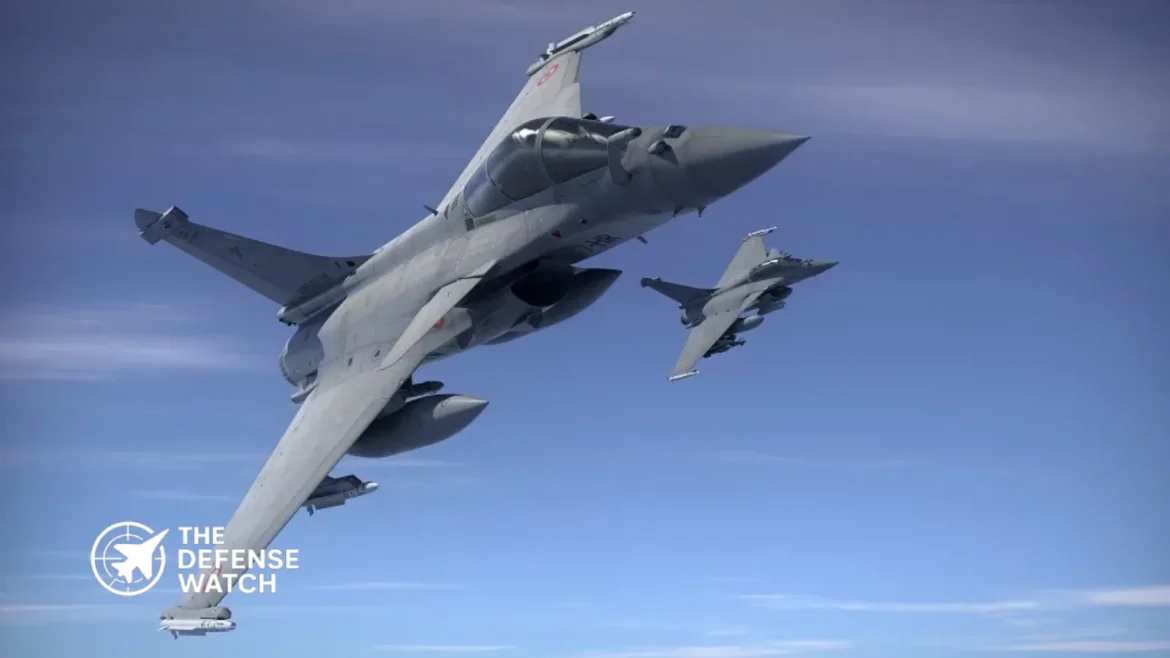
French Rafale Baltic Deployment Strengthens NATO Air Policing
The French Rafale Baltic deployment marks a renewed commitment by NATO to safeguard its eastern airspace, with France taking a leading role in the long-running Baltic Air Policing mission.
French Air and Space Force units have deployed Dassault Rafale jets to the Baltic region, where they will conduct quick reaction alert duties. These operations involve intercepting and identifying aircraft approaching NATO airspace without filed flight plans or transponder signals.
The Baltic Air Policing mission, launched in 2004, remains a cornerstone of NATO’s collective defense framework, particularly for member states such as Estonia, Latvia, and Lithuania, which lack their own full-scale air defense fighter fleets.
¦ KEY FACTS AT A GLANCE- France has deployed Rafale fighter jets to lead NATO’s Baltic Air Policing mission.
- The deployment is part of NATO’s rotational air defense effort over Estonia, Latvia, and Lithuania.
- Rafale aircraft will operate from a Baltic base to intercept and identify unidentified aircraft near NATO airspace.
- The mission underscores NATO’s response to heightened military activity near its eastern flank.
- France’s leadership role highlights its growing contribution to alliance air defense operations.
Operational Role And Mission Scope
Under the current rotation, French Rafale fighters are tasked with maintaining continuous readiness to respond to airspace violations or unidentified aircraft movements. These missions are coordinated through NATO’s integrated air and missile defense system, ensuring rapid response across allied airspace.
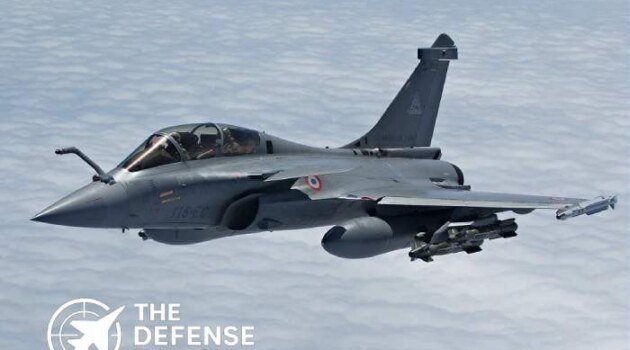
The Rafale’s multirole capability allows it to perform air superiority, interception, and reconnaissance missions within a single platform. Equipped with advanced radar, electronic warfare systems, and beyond-visual-range missiles, the aircraft enhances NATO’s ability to monitor and control contested airspace.
Operationally, Baltic Air Policing sorties often involve shadowing Russian military aircraft operating near NATO borders. While such encounters typically remain professional and non-confrontational, they reflect persistent strategic competition in the region.
Strategic Context And Regional Security Implications
The French Rafale Baltic deployment comes amid sustained tensions between NATO and Russia, particularly following increased military activity along NATO’s eastern flank.
From a strategic standpoint, the deployment serves multiple purposes. First, it reinforces NATO’s deterrence posture by maintaining a visible and credible air defense presence. Second, it distributes operational burden among member states, demonstrating alliance cohesion.
France’s leadership in this rotation also reflects a broader shift toward greater European contributions within NATO. As European nations expand defense spending and operational roles, missions like Baltic Air Policing provide a practical framework for burden sharing.
Capability Impact Of Rafale Deployment
The introduction of Rafale fighters into the Baltic rotation enhances mission capability in several ways. Compared to legacy aircraft often used in earlier rotations, the Rafale offers improved sensor fusion, network-centric warfare integration, and extended operational range.
These features are particularly relevant in the Baltic region, where rapid response times and situational awareness are critical. The ability to integrate with NATO command systems allows Rafale units to operate seamlessly alongside other allied aircraft and ground-based assets.
Moreover, the deployment highlights the flexibility of the Rafale platform, which has seen increasing export success and operational use across multiple theaters. Its performance in NATO missions reinforces its standing as a key European multirole fighter.
Alliance Signaling And Deterrence
Beyond operational duties, the French Rafale Baltic deployment carries significant signaling value. NATO rotations in the Baltic states are closely watched by both allies and adversaries, serving as a barometer of alliance resolve.
By assigning advanced aircraft and experienced crews to the mission, France and NATO send a clear message regarding their commitment to collective defense. This is particularly important in regions where airspace incursions and military probing activities remain frequent.
At the same time, the mission maintains a defensive posture, focused on surveillance and interception rather than escalation. This balance is central to NATO’s strategy of deterrence without provocation.
Outlook For Baltic Air Defense Operations
Looking ahead, Baltic Air Policing is expected to remain a persistent requirement as long as regional security dynamics remain unchanged. Rotational deployments, including the current French Rafale presence, will continue to adapt based on threat assessments and operational needs.
The integration of more advanced aircraft into these rotations suggests a gradual evolution of the mission from basic air policing toward a more robust air defense framework. This shift aligns with NATO’s broader efforts to strengthen its eastern defenses.
Germany Exit Rules Fighting-Age Men Under Review Amid Security Concerns
Germany exit rules fighting-age men are under renewed scrutiny as Germany moves to clarify how existing laws apply to individuals of military age leaving the country, according to reporting by Reuters.
Berlin’s effort does not introduce immediate sweeping restrictions. Instead, it focuses on legal clarity and enforcement consistency, particularly as European governments face growing pressure linked to the ongoing war in Ukraine.
German officials are reportedly reviewing how national and EU frameworks intersect when it comes to the movement of fighting-age men, especially those who may be subject to mobilization requirements in their home countries.
¦ KEY FACTS AT A GLANCE- Germany is working to clarify legal rules regarding fighting-age men leaving the country.
- The issue is linked to broader European concerns over military mobilization and migration flows tied to the Ukraine conflict.
- Authorities aim to ensure consistent enforcement of existing laws rather than introducing immediate blanket restrictions.
- The move reflects rising pressure on European governments to balance humanitarian policies with national security priorities.
- Officials stress coordination with EU partners as policy alignment becomes increasingly critical.
Policy Context: Migration Meets Security
The issue sits at the intersection of migration policy and defense readiness. Since the start of the Ukraine conflict, millions have moved across European borders, creating legal gray zones around eligibility, asylum, and potential military obligations.
While Germany has maintained a broadly open humanitarian stance, the question of whether fighting-age men should be allowed to freely leave conflict zones or transit through EU states has become more politically sensitive.
This is particularly relevant for Ukrainian nationals. Kyiv has previously restricted the departure of most men aged 18 to 60 to preserve its mobilization pool. However, enforcement varies, and individuals continue to reach EU countries through legal and irregular channels.
Germany’s current effort appears aimed at avoiding contradictions between domestic law, EU free movement principles, and partner country expectations.
Legal Clarity, Not Immediate Restriction
Officials emphasize that the initiative is not about imposing blanket exit bans or new border controls. Instead, it is about ensuring that authorities have clear legal guidance when dealing with cases involving military-age individuals.
This includes questions such as:
- Whether Germany can or should return individuals to their home country if they are subject to mobilization
- How asylum protections apply in such cases
- What role EU-wide coordination should play
Legal experts note that Germany must carefully balance international law obligations, including refugee protections, with political pressure to support allied nations facing manpower shortages.
Strategic Implications for Europe
Germany exit rules fighting-age men highlight a broader shift in European security thinking. The war in Ukraine has forced governments to reconsider assumptions about long-term stability and the role of civilian populations in national defense.
From a strategic perspective, the issue touches on force generation. Countries under threat rely heavily on maintaining a sufficient pool of trained or trainable personnel. Large-scale outward migration of fighting-age men can complicate this.
At the same time, European nations like Germany face domestic considerations, including labor market needs, demographic challenges, and integration policies.
This creates a tension between:
- Supporting allies’ military readiness
- Upholding humanitarian commitments
- Managing domestic economic priorities
EU Coordination Becomes Critical
Germany is unlikely to act in isolation. Any meaningful policy shift will require coordination with the broader European Union to avoid creating loopholes or inconsistencies across borders.
If one country tightens rules while others remain permissive, migration flows could simply reroute. This makes harmonized policy approaches essential.
Analysts point out that this situation could lead to:
- Greater data sharing between EU states
- Standardized guidelines on handling military-age migrants
- Increased dialogue with countries like Ukraine on legal expectations
Outlook: Incremental Change Likely
Germany exit rules fighting-age men are expected to evolve gradually rather than through abrupt policy shifts. The current focus on clarification suggests Berlin is testing legal boundaries and political reactions before considering stronger measures.
Given the sensitivity of the issue, any future changes will likely be framed within existing legal structures rather than as emergency powers.
For now, the move signals a broader European trend. Migration policy is no longer viewed solely through a humanitarian lens. It is increasingly tied to national and collective security considerations.