The latest exchange marks a sharp escalation in the U.S. Iran conflict, linking attacks on naval forces, oil shipping and American military facilities across the region.
Iran Missile Strikes Target U.S. Forces After Tanker Attacks
Iran missile strikes against targets in Jordan have added a new dimension to the rapidly escalating confrontation between Tehran and Washington, following U.S. attacks that destroyed five Iranian crude oil tankers.
Takeaways
Iran has escalated its response to U.S. strikes on Iranian oil tankers with ballistic missile attacks toward Jordan, while the IRGC has also claimed attacks against two U.S. Navy destroyers.
The Jordanian Armed Forces said Iranian forces launched 20 ballistic missiles toward Jordan during the latest attack. Jordanian air defense systems intercepted and destroyed 18 missiles, while two others fell in unpopulated areas. Jordan reported no casualties and said specialized teams were securing locations where missile debris landed.
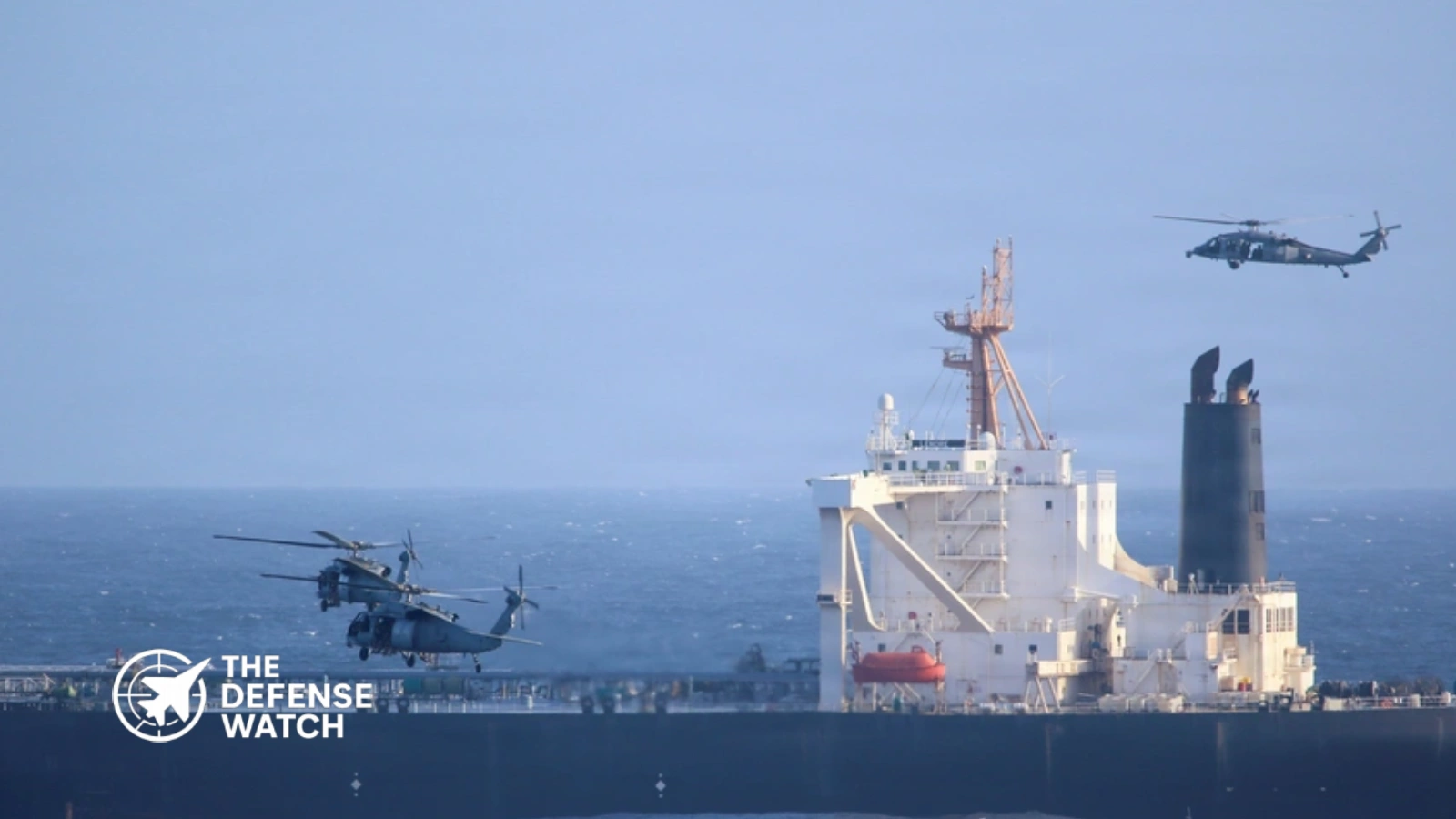
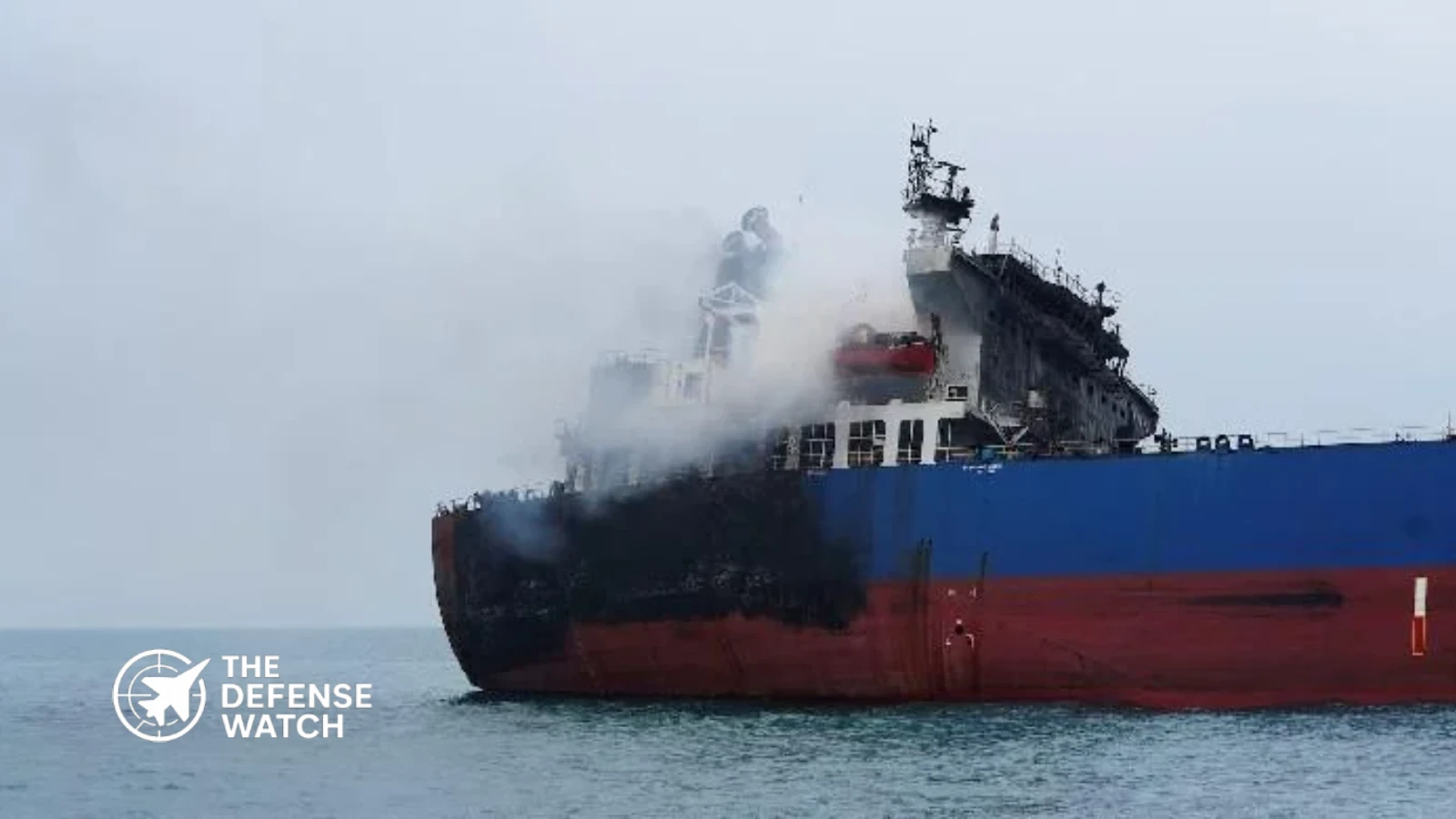
The attack followed a series of U.S. strikes against Iranian oil carriers. U.S. Central Command said American forces destroyed five Iranian crude oil carriers on Sept. 8 after the Islamic Revolutionary Guard Corps attempted to strike a U.S. Navy warship with ballistic missiles on two occasions over two days.
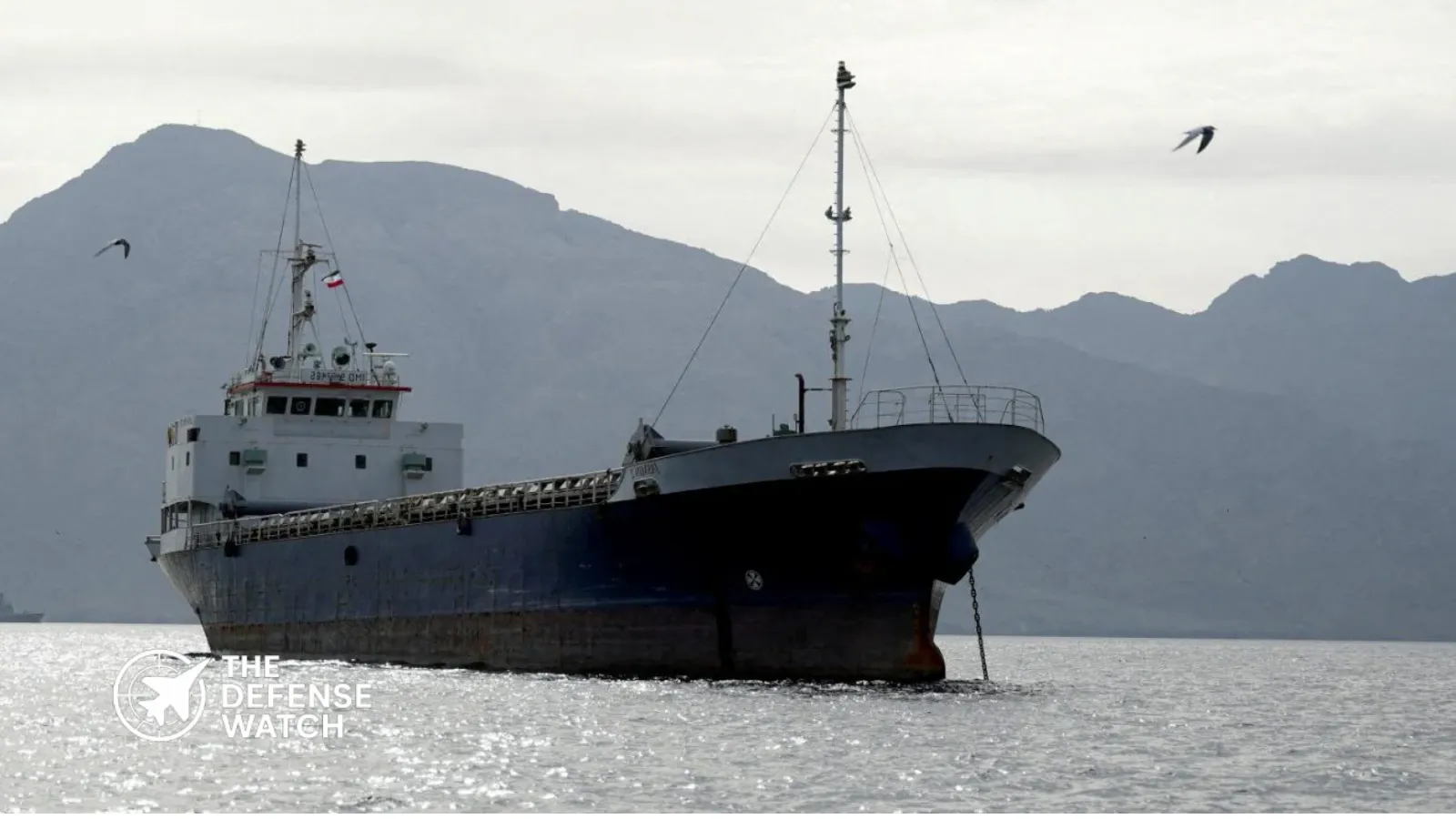
According to CENTCOM, the five vessels were M/T Kaviz, M/T Charminar, M/T Horizon 1 and M/T Riesco in the Gulf of Oman, along with M/T Derya near Kharg Island. CENTCOM said crews were ordered to abandon the vessels before the ships were struck and rendered inoperable.
The latest operation followed an earlier U.S. action on Sept. 5, when CENTCOM said American forces struck three Iranian crude oil carriers after Iranian ballistic missile attacks targeted two U.S. Navy warships. CENTCOM said an aircraft carrier and a guided missile destroyer successfully evaded those attacks.
Iran Claims Attacks on Two U.S. Destroyers
The Iranian Revolutionary Guard Corps has claimed that its forces also launched ballistic missile attacks against two U.S. Navy destroyers.
Iranian reporting identified the vessels as USS Spruance, DDG-119, and USS Winston S. Churchill, DDG-81 in some reports, while other Iranian and regional reports have identified DDG-119 and DDG-53. The IRGC claimed the targeted ships suffered significant damage.
Those claims have not been independently verified.
The distinction is important because U.S. Central Command has publicly confirmed that Iranian ballistic missiles previously targeted U.S. Navy vessels, but it has not confirmed the reported Iranian claim that two American destroyers were struck and seriously damaged in the latest exchange.
The U.S. military has previously said its warships successfully evaded Iranian missile attacks and that no American personnel were injured.
Al Azraq Attack Adds Pressure on U.S. Forces
The Iranian missile barrage toward Jordan represents a significant geographic expansion of the confrontation.
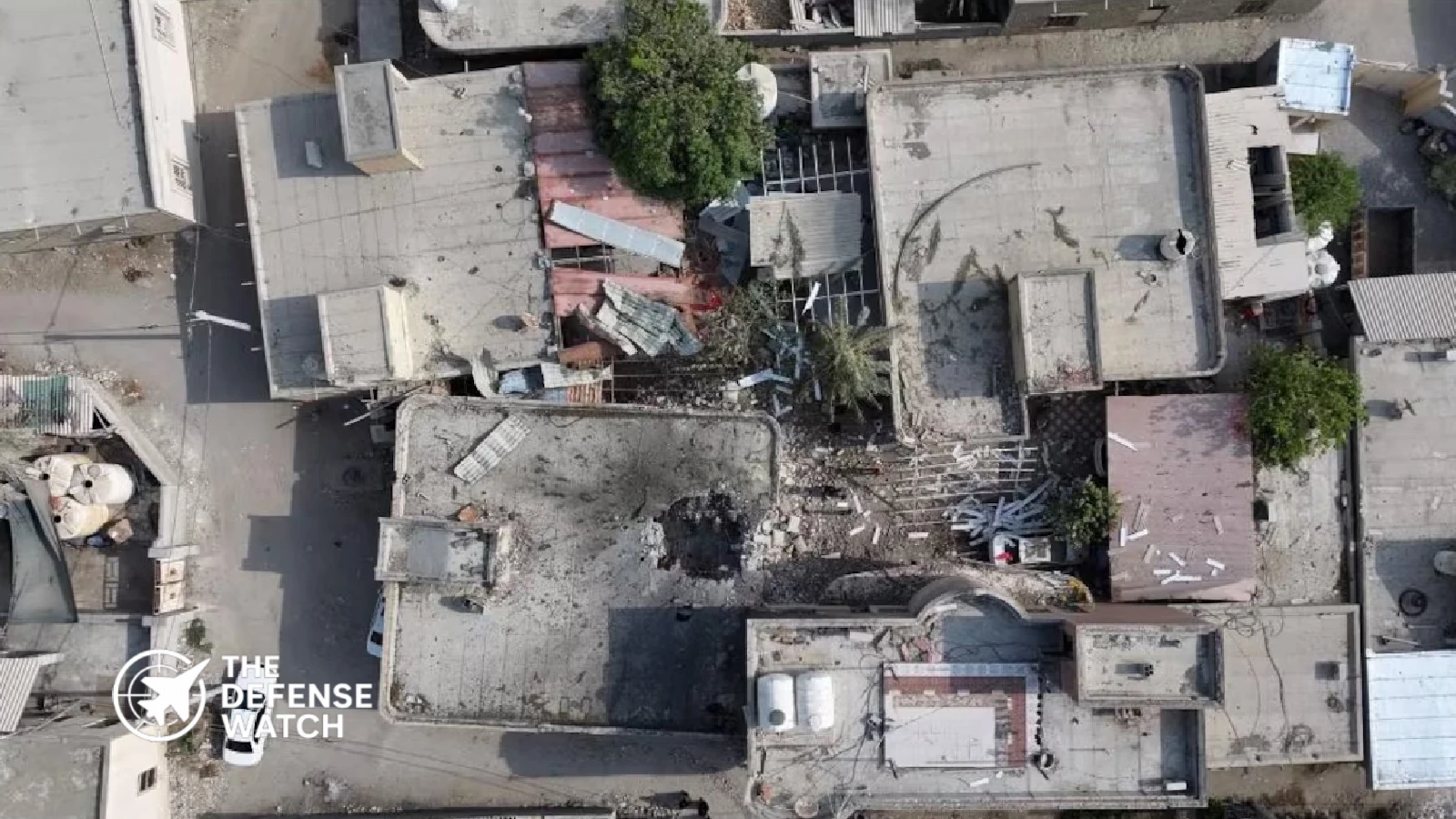
Iranian state media and IRGC-linked reporting said the attack targeted the Al Azraq area, where U.S. forces operate alongside Jordanian military forces. The IRGC claimed that missile strikes caused damage to facilities used by U.S. fighter aircraft, including hangars.
Those damage claims remain unverified.
Jordan’s official account provides a clearer picture of the missile attack itself. The Jordanian Armed Forces confirmed that 20 ballistic missiles were launched toward Jordan and that 18 were intercepted. The military said the remaining two missiles landed in areas without population centers and reported no loss of life.
The high interception rate also highlights the importance of layered air defense for U.S. partner forces operating in the region.
Oil Tankers Become a Central Target
The latest exchange is increasingly tied to the battle over Iranian oil exports and maritime access.
CENTCOM has described the targeted tankers as part of an Iranian oil network that supports the Islamic Revolutionary Guard Corps and its regional activities. Washington has signaled that attacks on U.S. naval forces will continue to trigger economic and maritime retaliation against Iranian shipping.
The U.S. action has already expanded beyond the five vessels struck on Sept. 8. Including the three tankers targeted several days earlier, American forces have now reported destroying or disabling eight Iranian crude oil carriers during the latest phase of the conflict.
The escalation presents a direct challenge to commercial shipping in and around the Strait of Hormuz.
Reuters reported that only six commodity vessels transited the Strait of Hormuz on Tuesday, below the recent 10-day average of about 12. The decline comes as the conflict threatens shipping routes that carry a substantial share of global energy supplies.
Iran Warns Tanker Crews in Gulf Ports
Iranian authorities have also warned crews aboard oil tankers in Kuwaiti and Bahraini ports to leave their vessels.
The warning raises the risk that the conflict could spread from Iranian shipping to commercial vessels belonging to other countries. Any sustained disruption around the Strait of Hormuz would have consequences well beyond the immediate U.S. Iran confrontation because the waterway is a critical route for global oil and gas shipments.
The latest fighting has already affected energy markets. Reuters reported that Brent crude approached $100 per barrel as investors assessed the risk of prolonged disruption to Middle Eastern oil supplies.
Missile Defense Becomes Critical as Conflict Widens
The Iran missile strikes also underscore the growing importance of integrated air and missile defense across the region.
Jordan’s successful interception of 18 out of 20 ballistic missiles demonstrates the role of early warning, tracking and interceptor systems in limiting the effects of Iranian missile attacks. Jordan’s military said its surveillance and air defense forces remain at high readiness following the attack.
For U.S. forces, the threat is more complex because American installations across the Middle East operate alongside regional partners and are exposed to different missile and drone threats.
The latest exchange also shows how maritime operations, air defense and economic warfare are becoming increasingly connected. U.S. attacks on Iranian tankers have been followed by Iranian missile attacks, while threats against commercial shipping could create additional pressure on regional governments and global energy markets.
What Comes Next
The immediate priority for U.S. and regional forces will be tracking additional Iranian missile launches and protecting military installations, naval forces and commercial shipping.
For Iran, the attacks demonstrate an effort to impose costs beyond the maritime domain after the destruction of its oil carriers. For Washington, the strikes on tankers indicate a willingness to target Iranian revenue-generating maritime assets in response to attacks on American military forces.
The credibility of the latest Iranian claims about damaged U.S. destroyers and fighter aircraft facilities will depend on further evidence, including U.S. military statements, satellite imagery and independent reporting.
For now, the confirmed element is the missile attack on Jordan. Jordan’s military says it intercepted 18 of 20 Iranian ballistic missiles and recorded no casualties. The United States, meanwhile, has confirmed the destruction of five additional Iranian crude oil carriers after missile attacks on a U.S. Navy warship.
The combination of missile attacks, tanker strikes and threats to Gulf shipping means the conflict is no longer confined to isolated exchanges between military forces. It is increasingly affecting the wider regional security environment and the flow of energy through one of the world’s most important maritime corridors.