
SBIRS Logistics Support Contract Extended Through 2027
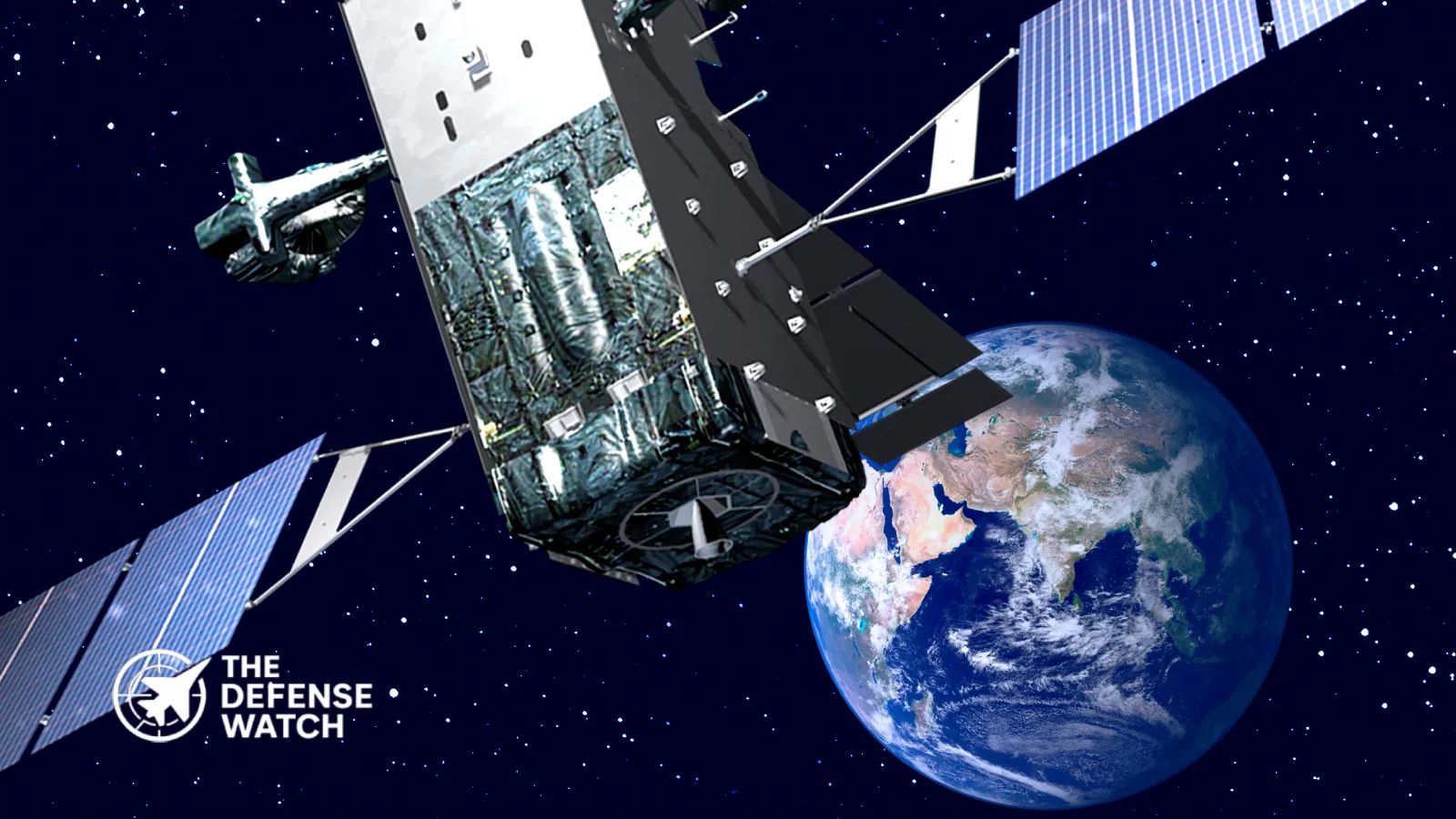
The SBIRS logistics support contract continues to underpin the United States missile warning architecture as Lockheed Martin receives an $86.34 million contract modification from the Space Systems Command.
- SBIRS Logistics Support Contract Extended Through 2027
- Why SBIRS Sustainment Matters More Than Ever
- What The Contract Modification Covers
- Colorado Remains The Nerve Center Of Missile Warning
- Funding Signals Operational Priority
- SBIRS And The Transition To Next Gen OPIR
- Strategic Context
- Role Of Space Systems Command
This modification increases the total cumulative value of the long running contract to more than $1.6 billion. The work focuses on contractor logistics support, product sustainment, integration, and long term contract evolution for the Space Based Infrared System, better known as SBIRS.
Operations will continue at Peterson Space Force Base, Buckley Space Force Base, Greeley Air National Guard Station, and in Boulder, Colorado. The period of performance runs through January 31, 2027.
- Contract modification worth $86.34 million for SBIRS contractor logistics and product support.
- Total SBIRS support contract value now exceeds $1.6 billion.
- Work spans Peterson SFB, Buckley SFB, Greeley ANGS, and Boulder, Colorado.
- Funding includes $44.4 million from Fiscal 2026 operations and maintenance accounts.
- Support continues through January 31, 2027 under Space Systems Command oversight.
Why SBIRS Sustainment Matters More Than Ever
SBIRS is the backbone of U.S. strategic and theater missile warning. The constellation detects infrared signatures from ballistic missile launches worldwide and feeds real time data to combatant commands, homeland defense networks, and allied partners.
While newer systems like the Next Generation Overhead Persistent Infrared are in development, SBIRS remains fully operational and mission critical. That reality makes logistics support and system sustainment just as important as new satellite production.
Missile threats have evolved. Hypersonic glide vehicles, maneuvering reentry vehicles, and advanced cruise missiles present new detection challenges. Maintaining SBIRS performance, calibration, ground integration, and data reliability is essential during this transition period toward Next Gen OPIR.
What The Contract Modification Covers
The SBIRS logistics support contract is not about launching new satellites. It is about keeping the existing architecture reliable every hour of every day.
This includes:
- Ground system integration and software sustainment
- Sensor performance monitoring and calibration
- Contractor logistics and parts support
- Engineering updates and configuration control
- System level integration across multiple Space Force installations
These tasks ensure missile warning data reaches the right operators without delay. In missile defense, seconds matter.
Colorado Remains The Nerve Center Of Missile Warning
All listed performance sites are key nodes in U.S. missile warning operations.
Peterson Space Force Base hosts major Space Force command elements and SBIRS mission control.
Buckley Space Force Base operates SBIRS ground stations and data processing units.
Greeley Air National Guard Station supports missile defense operations tied to homeland protection.
This geographic concentration highlights how Colorado functions as the operational heart of U.S. missile warning and space based surveillance.
Funding Signals Operational Priority
The obligation of $44.4 million from Fiscal 2026 operations and maintenance funds at the time of award is significant.
Operations and maintenance funding is used only for active, ongoing mission requirements. This signals that SBIRS sustainment is viewed as an immediate operational priority, not a long term modernization effort.
In practical terms, this means the Space Force is ensuring no capability gap emerges while Next Gen OPIR satellites are still years away from full deployment.
SBIRS And The Transition To Next Gen OPIR
The Space Force has been clear that SBIRS will remain in service well into the Next Gen OPIR era. The two systems will overlap for years.
That overlap requires careful integration, data continuity, and system reliability. Any degradation in SBIRS performance could create blind spots during a sensitive transition period.
This SBIRS logistics support contract directly supports that continuity.
From an operational perspective, sustainment contracts like this are often overlooked compared to satellite launch headlines. Yet they are what keep the architecture functional, calibrated, and trusted by commanders worldwide.
Strategic Context
Missile warning is one of the most sensitive and critical missions in U.S. national defense. It supports:
- U.S. Northern Command homeland defense
- Indo Pacific and European theater missile defense networks
- Early warning data sharing with allies
- Nuclear command and control decision timelines
Reliable infrared detection from space remains the first step in that chain.
Without consistent SBIRS performance, every downstream layer of missile defense and response is affected.
Role Of Space Systems Command
The Space Systems Command, located at Peterson SFB, manages the acquisition and sustainment of U.S. military space capabilities. This contract action reflects its role not only in future systems, but in keeping legacy systems fully mission capable.
Sustainment, integration, and contract evolution are now central parts of space acquisition strategy as constellations grow more complex.