

U.S. Navy Iranian Tanker Interception Signals Broader Maritime Pressure
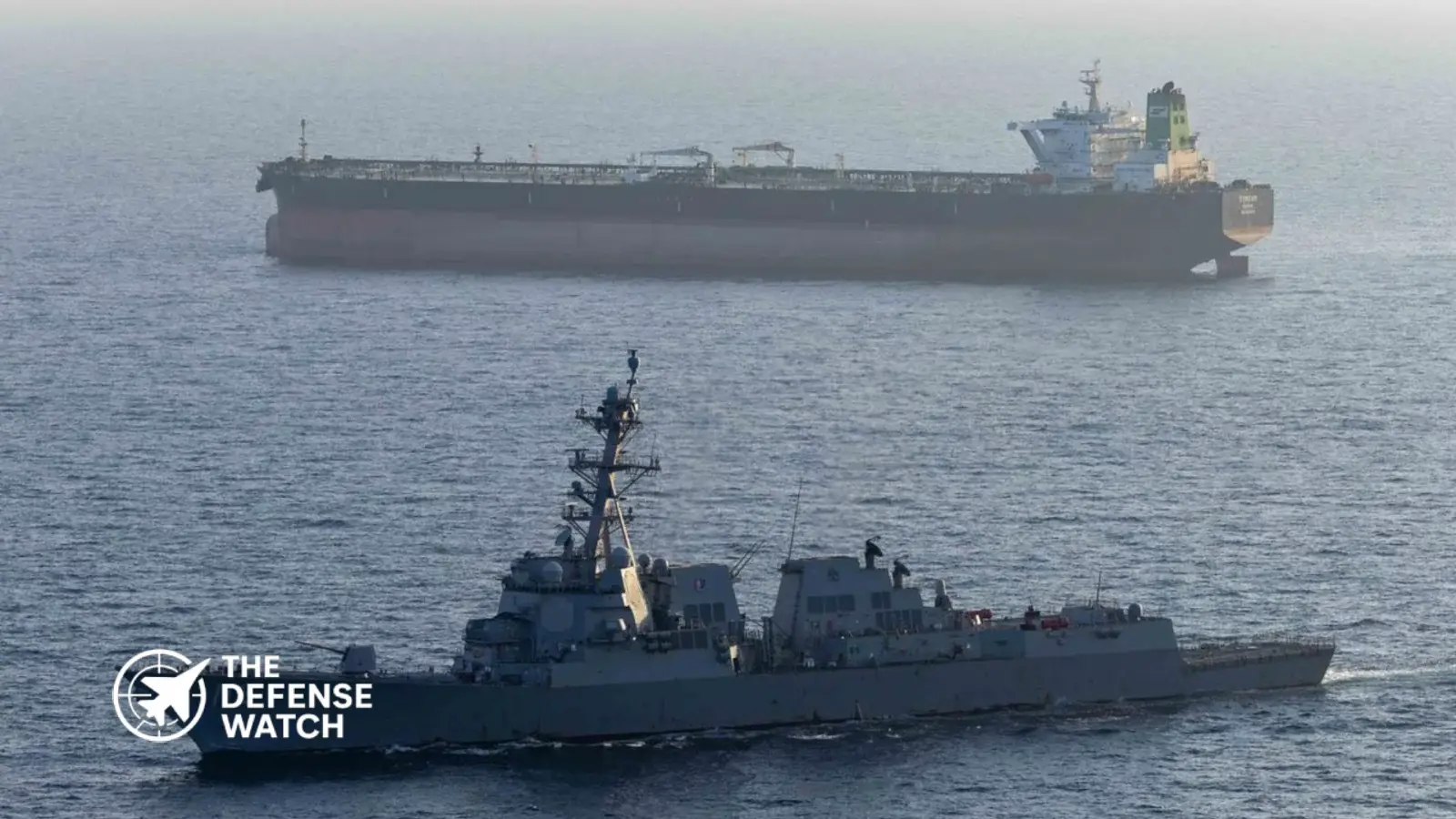
The U.S. Navy Iranian tanker interception in the Arabian Sea marks the latest escalation in Washington’s campaign to restrict Iranian maritime commerce. According to statements cited by multiple outlets, USS Rafael Peralta intercepted the Iranian flagged tanker M/T Stream after it allegedly attempted to sail toward an Iranian port.
- U.S. Central Command said USS Rafael Peralta intercepted Iranian flagged tanker M/T Stream on April 26.
- The vessel was reportedly attempting to sail toward an Iranian port when challenged in the Arabian Sea.
- The action forms part of a wider U.S. maritime blockade targeting Iranian port traffic and energy exports.
- Recent U.S. statements say dozens of vessels have been redirected since enforcement began.
- The Arabian Sea operation raises fresh concerns over regional shipping security and oil flows.
U.S. officials said the destroyer was enforcing a blockade covering Iranian ports and associated maritime approaches. While detailed operational rules have not been publicly released, the move indicates a sustained U.S. naval presence east of the Strait of Hormuz and into the Arabian Sea.
Why The Arabian Sea Matters
The Arabian Sea is a critical extension of Gulf energy routes. Tankers departing or approaching the Gulf often transit waters linked to the Strait of Hormuz, one of the world’s most important oil chokepoints. By operating farther from the narrow strait itself, U.S. forces may be seeking greater maneuver space while reducing congestion and escalation risk.
That geography matters. Intercepting vessels in broader sea lanes gives naval commanders more room for surveillance, helicopter operations, and boarding actions than inside tighter Gulf waters.
U.S. Naval Assets Driving Enforcement
The reported use of USS Rafael Peralta highlights the flexibility of the Arleigh Burke-class fleet. These destroyers combine advanced radar, helicopters, command systems, and boarding support capabilities, making them suitable for maritime interdiction missions as well as air and missile defense.
Previous U.S. statements have also referenced multiple warships and aircraft supporting the blockade effort, suggesting a layered network of surface ships, ISR aircraft, and logistics support.
Strategic Impact On Iran And Global Shipping
The immediate objective appears economic. Iranian crude exports remain a major source of state revenue, and pressure on tanker traffic could affect cash flow, insurance costs, and shipping confidence.
However, the broader market impact may depend on duration and scale. If enforcement remains selective, oil markets may absorb disruption. If incidents expand or shipping risk rises near the Strait of Hormuz, freight rates and crude prices could react sharply.
That is why each interception carries weight beyond the single vessel involved.
Regional Risk Calculus
For Washington, the operation demonstrates naval reach without immediate strikes ashore. For Tehran, it increases pressure to respond diplomatically, economically, or through maritime signaling.
The danger is miscalculation. Encounters involving commercial tankers, escorts, helicopters, and warships can escalate quickly if communications fail or vessels resist orders.
Outlook
The U.S. Navy Iranian tanker interception suggests maritime enforcement is becoming a central tool in current U.S. pressure policy. If additional tankers are diverted in coming days, the Arabian Sea could become the main operational zone for enforcing sanctions and shaping regional trade flows.
