Executive Summary:
Ukraine is rapidly increasing its medium-range strike operations against Russian military and energy infrastructure as the war enters another phase of deep-strike escalation. Kyiv says the campaign is aimed at weakening Russian logistics, air defenses, and oil refining capacity while reducing Moscow’s ability to sustain prolonged combat operations.
Ukraine Expands Mid-Range Strike Operations Against Russia
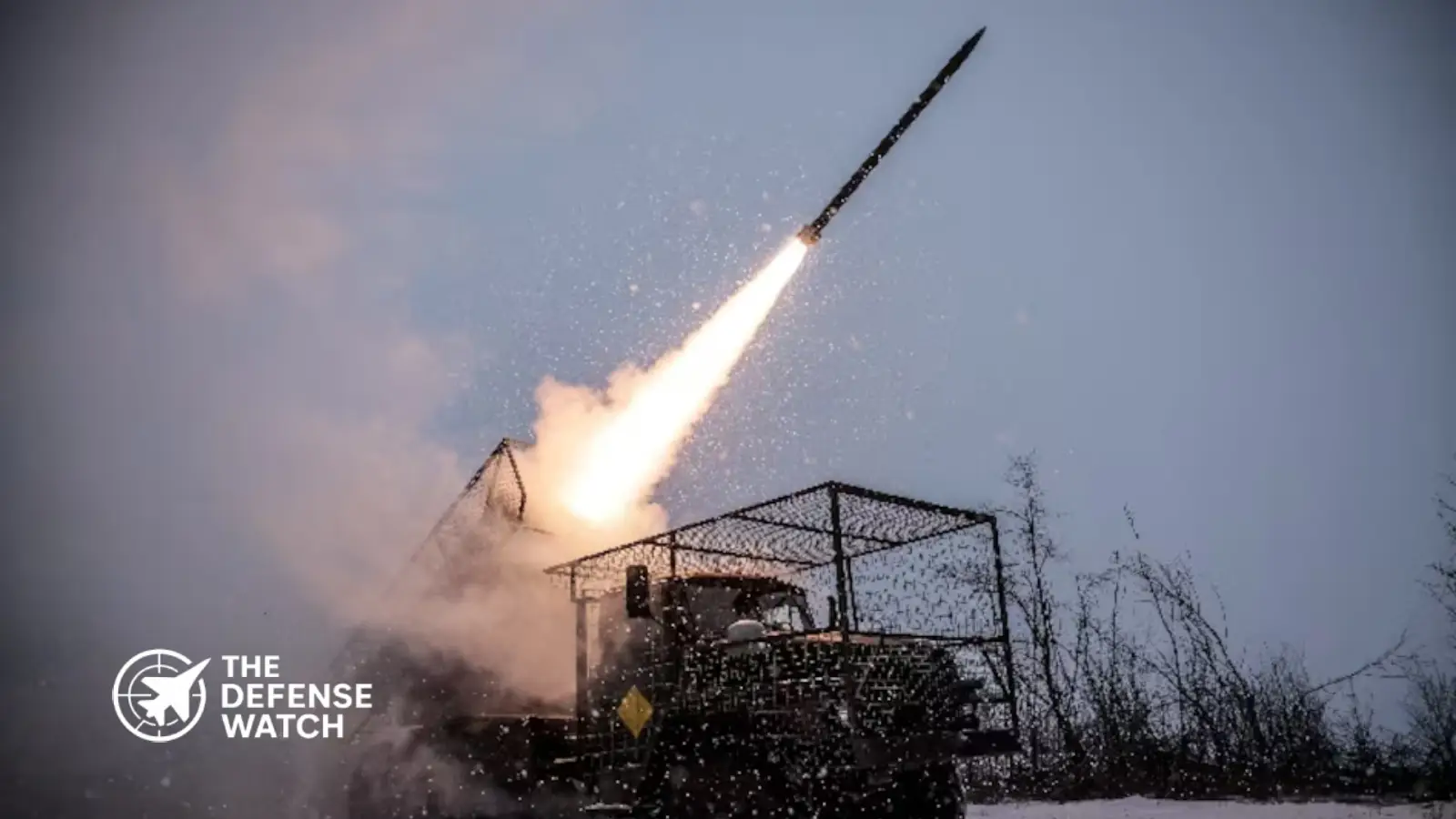
Ukraine’s growing mid-range strike capability is becoming a central element of Kyiv’s battlefield strategy as the conflict with Russia enters its fifth year. Ukrainian officials say drone and missile attacks targeting Russian logistics hubs, troop concentrations, air defense assets, and oil infrastructure are increasing in both scale and range.
According to Ukrainian President Volodymyr Zelenskyy, strikes conducted beyond 20 kilometers from the front line more than doubled compared with March 2026 and quadrupled from February levels. Kyiv views the expanding campaign as a way to offset Russia’s numerical advantages in manpower and conventional firepower.
The strategy reflects a broader shift in Ukraine’s wartime doctrine. Instead of relying primarily on frontline attrition, Ukrainian forces are increasingly attempting to disrupt the infrastructure that supports Russian operations far behind combat zones.
Energy Infrastructure Emerges As Key Target
One of the most significant components of the Ukrainian strike campaign has focused on Russian oil refining and fuel infrastructure. Reuters reported that Ukrainian drone attacks have doubled against Russian refineries in 2026 compared with the previous year.
Industry data cited by Reuters and the International Energy Agency indicates that roughly 700,000 barrels per day of Russian refining capacity have been disrupted between January and May 2026. Major facilities in Kirishi, Perm, Tuapse, and Nizhny Novgorod were among those reportedly affected.
Ukraine argues these operations directly impact Moscow’s war economy. Oil exports remain one of Russia’s most important revenue streams, particularly as Western sanctions continue targeting the Russian energy sector.
The strikes also force Russia to divert air defense systems away from frontline operations in order to protect critical infrastructure deeper inside the country. Analysts increasingly view this as a deliberate Ukrainian effort to stretch Russian defensive resources across a wider geographic area.
Russia Intensifies Large-Scale Drone And Missile Attacks
The expansion of Ukraine’s strike campaign has coincided with intensified Russian aerial operations against Ukrainian cities and infrastructure. Reuters and the Associated Press reported that Russia recently launched one of the largest drone and missile barrages of the war, involving hundreds of drones and dozens of missiles targeting multiple Ukrainian regions.
Ukrainian officials stated that more than 500 drones and 22 missiles were launched during recent coordinated attacks on cities including Kyiv, Dnipro, Odesa, and Zaporizhzhia. Civilian infrastructure, residential areas, energy facilities, and port infrastructure were reportedly damaged.
The escalation highlights how both sides are increasingly relying on deep-strike operations to shape battlefield conditions and apply political pressure away from frontline trenches.
Ukraine Expands Domestic Drone And Precision Strike Industry
Ukraine’s mid-range strike expansion is also tied to its rapidly developing domestic defense industry. Kyiv has invested heavily in indigenous drone production as uncertainty persists regarding long-term Western military aid packages.
Recent reports indicate Ukraine is fielding new glide bomb systems alongside increasingly sophisticated drone platforms designed for attacks against logistics and infrastructure targets.
The growing use of domestically produced systems allows Ukraine to sustain operations even as stockpiles of Western-supplied precision munitions face constraints. It also reduces dependence on foreign approval processes for strikes inside Russian territory.
Military analysts note that medium-range strikes occupy an operational space between tactical first-person-view drones and strategic long-range missile attacks. These systems can hit supply depots, radar systems, fuel storage sites, and troop staging areas that are difficult to reach using frontline weapons.
Russian Air Defense Networks Under Pressure
Ukraine’s expanding drone campaign is placing increasing strain on Russian air defense coverage. Several recent assessments suggest Russia is struggling to fully protect critical infrastructure spread across large geographic areas.
Ukrainian operations have reportedly targeted radar systems, electronic warfare assets, fuel depots, and refinery infrastructure across multiple Russian regions. Some attacks have reached areas more than 1,000 kilometers from Ukrainian territory.
While Russia continues intercepting many incoming drones, the sustained pace of attacks forces Moscow to expend interceptors and reposition defensive assets that might otherwise support frontline combat operations.
The operational impact may extend beyond physical damage alone. Frequent alerts, refinery shutdowns, transportation disruptions, and infrastructure repairs create economic and logistical burdens that accumulate over time.
Strategic Implications For The Wider Conflict
Ukraine’s mid-range strike campaign represents a broader evolution in modern warfare where relatively low-cost drones can threaten strategic infrastructure far from traditional battlefields.
For Kyiv, the approach offers a method of imposing costs on Russia despite limitations in conventional military capacity. For Moscow, the growing threat underscores the challenge of defending large industrial and energy networks against persistent unmanned attacks.
The campaign is unlikely to replace conventional combat along the front line, but it is increasingly shaping the wider strategic environment surrounding the war.
As both countries continue expanding drone production and adapting strike tactics, long-range and medium-range unmanned warfare is expected to remain a defining feature of the conflict throughout 2026.