Executive Summary:
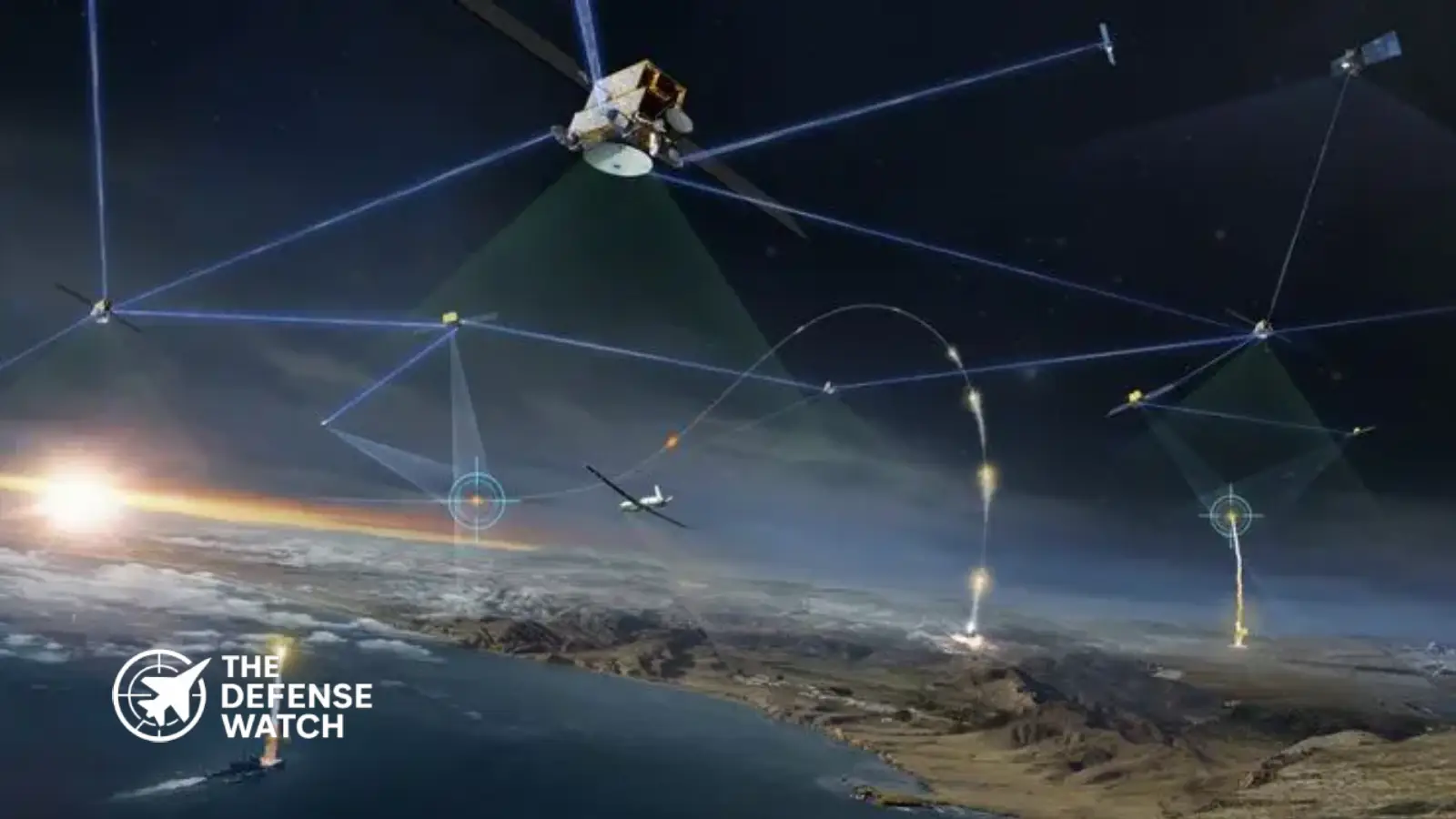
The U.S. Space Force has awarded Northrop Grumman a $398 million contract to develop the Enhanced Protected Tactical Satellite Communications Prototype (Enhanced PTS-P). The program is designed to improve secure and resilient military communications in contested environments where adversaries may attempt to jam or disrupt satellite links.The prototype is expected to launch no earlier than fiscal year 2030 and forms part of the Space Force’s broader effort to modernize protected military SATCOM architecture.
U.S. Space Force Expands Protected Tactical SATCOM Capability
The U.S. Space Force has awarded Northrop Grumman a $398 million firm-fixed-price contract to develop the Enhanced Protected Tactical Satellite Communications Prototype, known as Enhanced PTS-P. The award marks another major step in the Pentagon’s push to strengthen resilient military space communications against electronic warfare threats and signal disruption.
According to Space Systems Command, the prototype satellite is intended to support tactical military users operating in heavily contested environments where adversaries increasingly rely on jamming and electromagnetic attacks to disrupt communications networks.
The program is managed by the U.S. Space Force’s Space Systems Command under System Delta 88, with launch projected no earlier than fiscal year 2030. Officials said the satellite will improve communication reliability through advanced antennas and onboard processing of the Protected Tactical Waveform (PTW).
Why The Enhanced PTS-P Program Matters
The Enhanced PTS-P effort reflects a broader shift in U.S. military planning toward survivable and resilient space systems capable of operating during high-end conflict scenarios.
Modern military operations depend heavily on uninterrupted satellite communications for command and control, targeting, intelligence sharing, and joint force coordination. However, near-peer competitors including China and Russia have invested heavily in electronic warfare, anti-satellite systems, and cyber capabilities intended to degrade U.S. space advantages.
The Enhanced Protected Tactical SATCOM prototype is designed to address that challenge by providing jam-resistant communications links for tactical users across multiple operational theaters. Unlike traditional military SATCOM systems that may rely on fixed architectures, the new prototype emphasizes flexibility, onboard processing, and improved anti-jam performance.
Acting Space Force Portfolio Acquisition Executive Erin Carper said the capability would help tactical users operate with greater confidence in contested environments.
Faster Acquisition Strategy Signals Pentagon Shift
The contract also highlights how the Pentagon is accelerating military space procurement through alternative acquisition pathways.
The Space Force said the Enhanced PTS-P effort uses follow-on Other Transaction Authority mechanisms and middle-tier acquisition processes intended to reduce development timelines and deliver operational capability faster than traditional defense procurement programs.
This acquisition approach has become increasingly important as the Department of Defense attempts to counter rapidly evolving threats in both space and cyberspace. Rather than waiting for large multi-decade satellite constellations, the Pentagon is increasingly pursuing incremental prototype programs that can field usable capabilities more quickly.
Analysts view the Enhanced PTS-P effort as part of a wider modernization strategy focused on distributed and resilient architectures. That strategy includes missile warning satellites, tactical communications systems, and space-based tracking networks designed to remain operational even during adversary attacks.
Northrop Grumman Expands Space Defense Portfolio
The contract further strengthens Northrop Grumman’s growing position in military space systems and protected communications.
The company has remained heavily involved in several high-priority U.S. national security space initiatives, including missile defense, deep-space tracking radar systems, and resilient satellite architectures. Northrop previously completed critical design reviews tied to earlier Protected Tactical SATCOM prototype work in 2021.
The award also comes as the Space Force expands investment in next-generation orbital defense capabilities linked to broader strategic programs such as Golden Dome missile defense initiatives and advanced space domain awareness systems.
Industry observers note that protected tactical communications are becoming increasingly central to future joint operations, particularly in the Indo-Pacific region where U.S. forces may face highly contested electromagnetic environments.
Enhanced PTS-P Could Shape Future Military SATCOM Architecture
While Enhanced PTS-P remains a prototype effort, the program is expected to influence future operational military satellite communication systems across the joint force.
The Space Force has described the satellite as a pathway toward broader protected tactical SATCOM modernization, potentially informing future resilient constellations capable of supporting distributed military operations worldwide.
The initiative also demonstrates how the U.S. military is balancing rapid acquisition with advanced technological development in response to accelerating geopolitical competition in space.
As electronic warfare threats continue to evolve, resilient and protected communications systems are increasingly viewed as essential infrastructure for future combat operations.