Iran Seizes Ships In Strait Of Hormuz After Trump Halts Attacks
Iran seizes ships in the Strait of Hormuz at a moment of renewed uncertainty in the Gulf, after U.S. President Donald Trump announced an indefinite pause in attacks on Iranian targets while keeping maritime pressure in place.
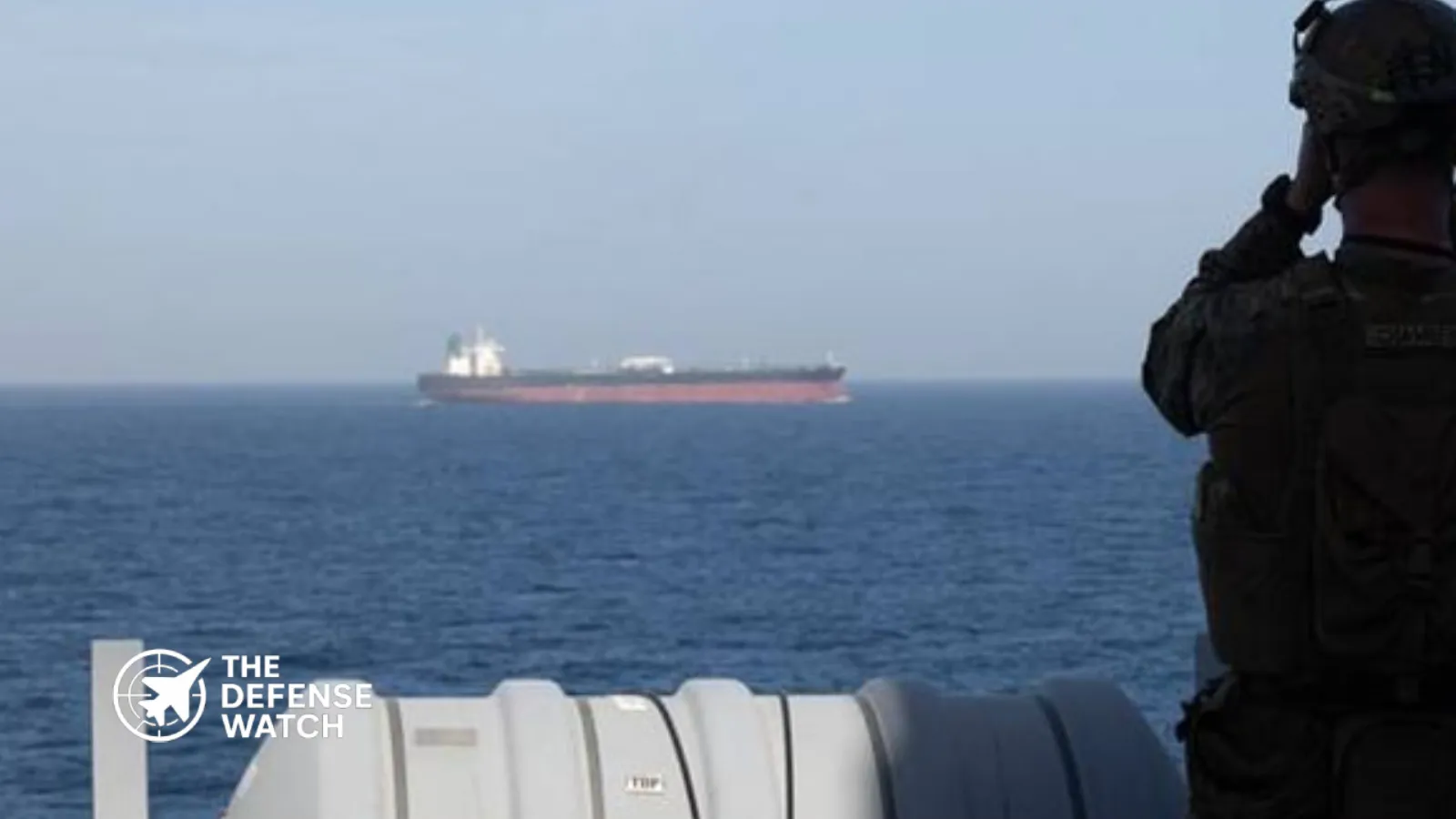
Iran’s semi-official Tasnim news agency reported Wednesday that the Islamic Revolutionary Guard Corps (IRGC) seized two vessels for alleged maritime violations and escorted them to Iranian shores. The identities and flags of the ships were not immediately disclosed.
- Iran seized two ships in the Strait of Hormuz on Wednesday, citing maritime violations.
- It marked Tehran’s first vessel seizure since conflict began in late February.
- President Donald Trump said the U.S. would indefinitely pause attacks on Iran.
- Washington will continue naval pressure and maritime interdictions, according to Trump.
- The Strait of Hormuz remains one of the world’s most critical oil transit chokepoints.
The move came hours after Trump said the United States had agreed to a request from Pakistani mediators to suspend planned attacks on Iran until Tehran’s leadership could present what he described as a unified proposal for discussions.
However, Trump also said the U.S. Navy would continue blocking Iranian trade routes by sea, signaling that Washington’s military pressure campaign has shifted rather than ended.
Why The Strait Of Hormuz Matters
The Strait of Hormuz is among the world’s most strategically important waterways. Roughly one fifth of global petroleum consumption passes through the narrow channel connecting the Persian Gulf to the Arabian Sea.
Any disruption in Hormuz can quickly affect:
- Global oil prices
- Commercial shipping insurance rates
- Naval force posture in the Gulf
- Regional military escalation risks
Iran has long used its geographic position near Hormuz as leverage during confrontations with the United States and its allies.
Iran’s Message To Shipping And Navies
Tasnim also reported that the Revolutionary Guards warned any disruption to order or safety in the strait would cross a red line.
That language suggests Tehran is attempting to frame itself as the security enforcer of the waterway while simultaneously detaining vessels. This dual-track messaging is common in maritime pressure campaigns, where states seek legal justification while signaling military resolve.
Earlier Wednesday, a British maritime security agency said three ships had come under fire in the region, underscoring how rapidly risks can spread once tensions rise.
U.S. Maritime Pressure Continues
Although Trump halted attacks, Washington appears committed to maritime interdiction operations.
According to the provided report:
- A U.S. action seized an Iranian cargo vessel on Saturday
- American forces boarded a large Iranian oil tanker Tuesday in the Indian Ocean
Those actions indicate the U.S. Navy and partner forces are focused on limiting Iran’s trade access and oil revenue rather than conducting immediate strike operations.
From a military standpoint, this can sustain pressure with lower escalation risk than direct airstrikes, though it still carries serious danger if Iranian naval forces retaliate.
Strategic Analysis: Pause In Strikes, Not A Pause In Conflict
The current situation points to a tactical pause rather than a durable ceasefire.
Three indicators support that view:
- Iran continues coercive maritime action through ship seizures.
- The U.S. continues interdictions at sea.
- No formal negotiations are underway despite mediation efforts.
That means the military contest has shifted into the maritime domain, where commercial vessels often become pressure points.
For defense planners, Hormuz now remains a live flashpoint requiring close monitoring of:
- IRGC Navy patrol activity
- U.S. carrier and destroyer deployments
- Commercial rerouting trends
- Energy market reactions
Outlook
If diplomacy fails to restart soon, further vessel detentions, drone surveillance encounters, and naval shadowing operations are likely. Even without missile strikes, Gulf tensions can escalate quickly through miscalculation at sea.
For now, the seizure of two ships shows that Iran seizes ships in Strait of Hormuz remains more than a headline. It is a warning that one of the world’s most vital maritime corridors is again under stress.