Executive Summary:
India is acquiring nine retired Jaguar fighter aircraft from the United Kingdom to support its existing Jaguar fleet with spare parts and reusable components. The move comes as the Indian Air Force seeks to maintain operational readiness while managing an aging fleet and a fighter squadron shortfall.
India Acquires Retired UK Jaguars To Support Fleet Sustainment
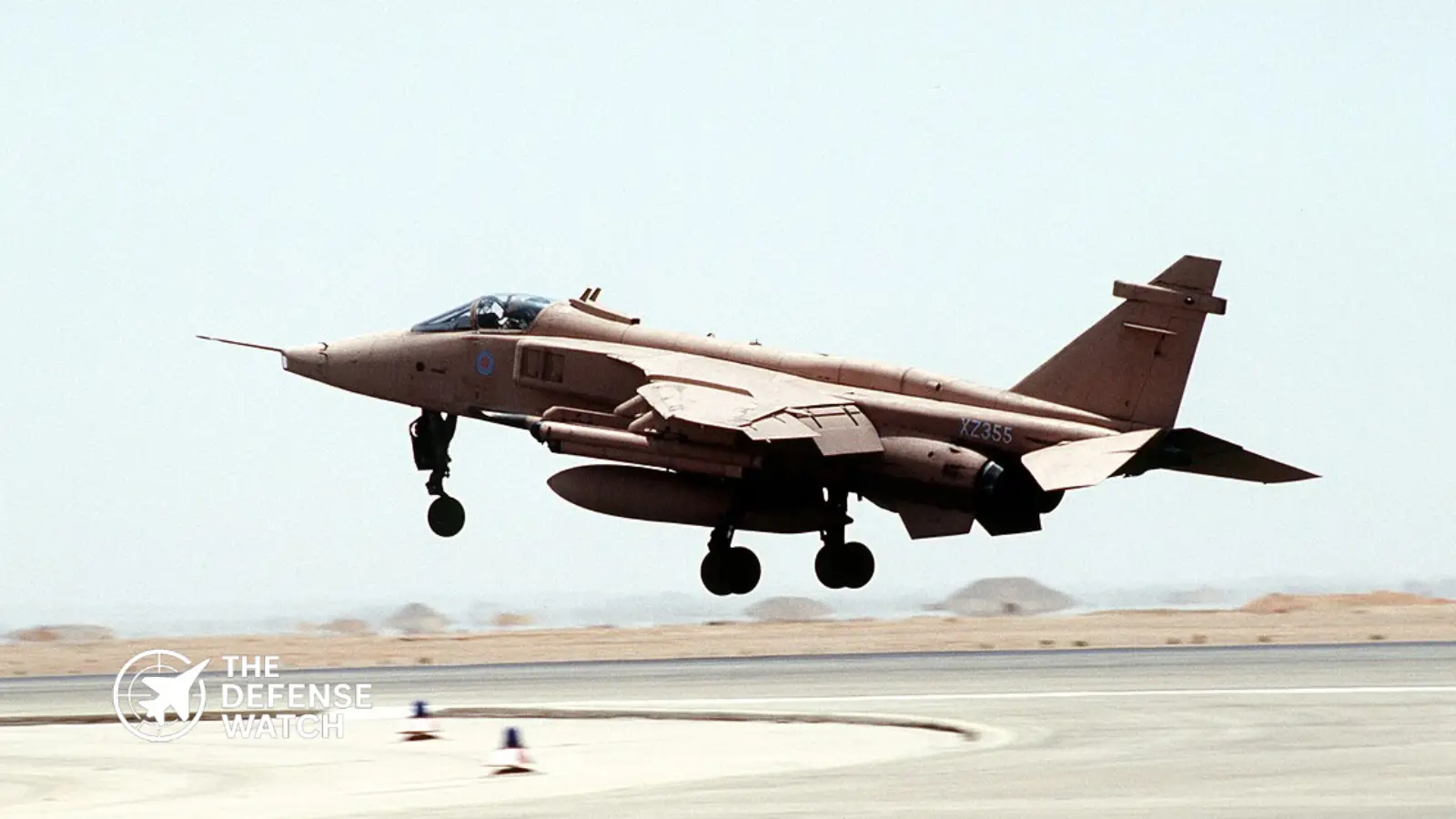
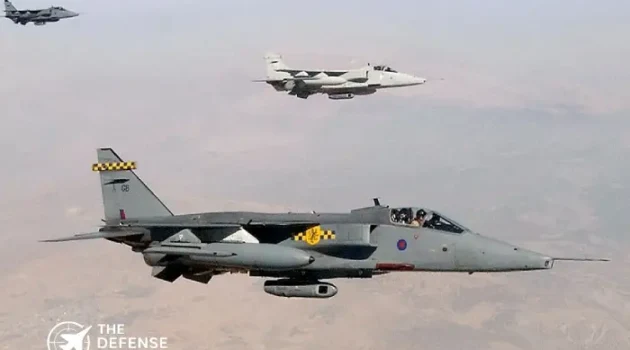
India Jaguar fighter jets are set to receive a critical sustainment boost after the Indian Air Force (IAF) decided to acquire nine retired Jaguar aircraft from the United Kingdom for spare parts and component recovery. The aircraft will not return to service but will instead be dismantled to provide engines, avionics, landing gear, hydraulic systems, and other components needed to support operational aircraft.
The acquisition reflects the growing challenge of maintaining legacy combat aircraft after the Jaguar platform was retired by other operators around the world. Today, India remains the only active military operator of the Anglo-French strike aircraft.
Supporting Six Operational Jaguar Squadrons
The Indian Air Force currently operates six Jaguar squadrons, which continue to perform deep penetration strike and ground attack missions. However, sustaining the fleet has become increasingly difficult as global supplies of spare parts have diminished following the aircraft’s retirement from service in the United Kingdom, France, and Oman.
According to recent reports, the retired British aircraft will be used as a source of reusable assemblies and spare components to help keep the fleet mission capable. The move is intended to preserve operational availability while India continues broader modernization programs across its combat aviation force.
The purchase also follows previous efforts by India to obtain retired Jaguars from other former operators. India sourced retired airframes from France in earlier years and acquired additional retired Jaguars from Oman to support maintenance requirements and extend fleet serviceability.
Squadron Shortfall Driving Sustainment Efforts
The decision comes as the Indian Air Force continues to face a significant fighter aircraft shortage. The service currently operates around 29 fighter squadrons compared with an authorized strength of 42 squadrons, a gap that has become a growing concern for defense planners.
While India is pursuing new fighter acquisitions and domestic aircraft programs, legacy platforms such as the Jaguar continue to play an important role in maintaining force structure and operational capacity.
The retirement of older aircraft, including the MiG-21, has increased pressure on the IAF to maximize the availability of remaining combat fleets until replacement aircraft enter service in larger numbers.
Jaguar Remains A Valuable Strike Platform
The SEPECAT Jaguar entered service in the 1970s as a low-level strike aircraft jointly developed by the United Kingdom and France. India began inducting the aircraft in the late 1970s and early 1980s, eventually becoming the world’s largest operator of the type.
Despite its age, the aircraft remains a capable strike platform following a series of upgrades that improved navigation systems, avionics, mission computers, sensors, and weapons integration. The DARIN modernization programs have helped extend the aircraft’s operational relevance within the Indian Air Force.
However, maintaining the fleet has become increasingly complex. Recent reports have highlighted shortages of critical components, including parts for ejection seat systems, underscoring the challenges associated with operating an aircraft that is no longer supported by active production lines.
Strategic Significance Beyond Spare Parts
While the acquisition involves retired aircraft rather than new combat platforms, it highlights an important aspect of military aviation sustainment. Air forces operating legacy fleets often rely on retired airframes as a source of components once original manufacturers cease production.
For India, the purchase provides a practical and relatively cost-effective method of sustaining an aircraft that continues to contribute to national strike capabilities. The move also allows the IAF to preserve combat capacity while newer aircraft programs advance.
India is simultaneously pursuing modernization initiatives that include additional Rafale fighters and expanded induction of indigenous Tejas aircraft. However, these programs require time to deliver operational aircraft in sufficient numbers, making fleet sustainment measures increasingly important in the interim.
Outlook
The acquisition of nine retired Jaguar aircraft from the United Kingdom demonstrates India’s continued commitment to maintaining operational readiness across its combat aviation fleet. By securing additional spare parts and reusable components, the Indian Air Force aims to sustain its six Jaguar squadrons as it navigates ongoing modernization efforts and persistent fighter squadron shortages.
Although the Jaguar is one of the oldest aircraft in Indian service, it remains a relevant part of the country’s strike capability. The latest acquisition highlights how sustainment and modernization must often proceed in parallel as air forces balance current operational demands with future force development.
Executive Summary:
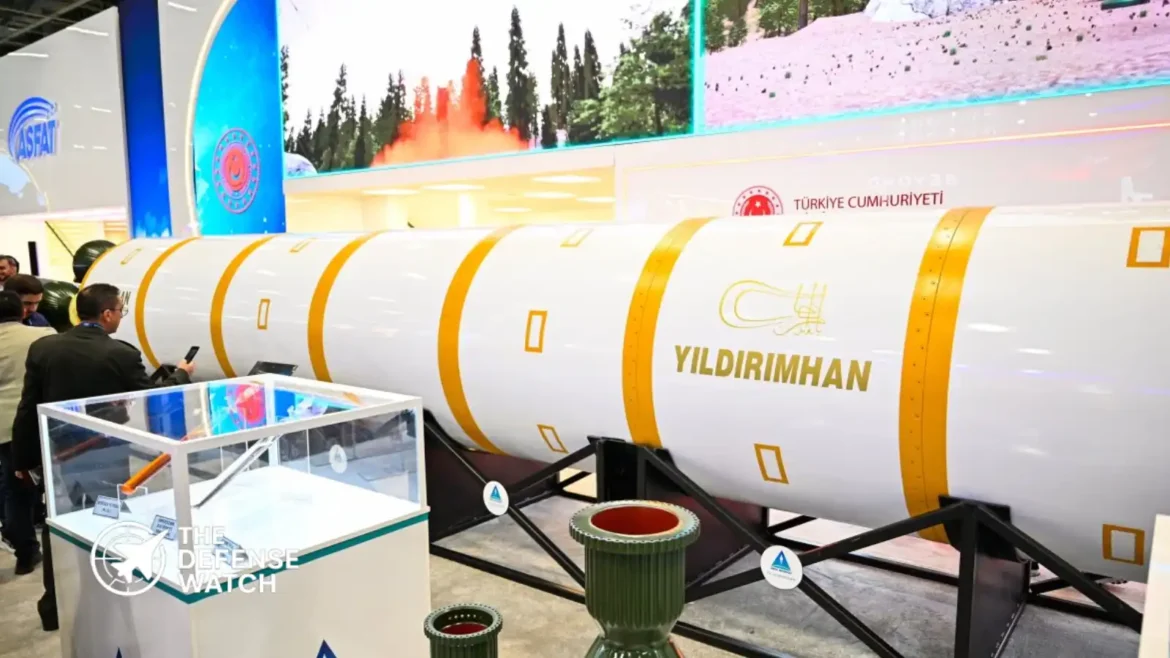
Türkiye has unveiled its first intercontinental ballistic missile, marking a significant milestone in its defense modernization efforts. The move reflects Ankara’s intent to expand long-range strike capabilities and strengthen strategic deterrence amid evolving regional security dynamics.
Türkiye’s intercontinental ballistic missile program has entered a new phase following the public unveiling of its first ICBM Named “Yıldırımhan”. The development signals Ankara’s ambition to join a limited group of nations possessing long-range nuclear-capable delivery systems, though no official confirmation of payload type has been disclosed.
The announcement underscores Türkiye’s broader push to achieve greater defense autonomy and extend its strategic reach beyond regional theaters.
Türkiye’s Expanding Missile Capabilities
The newly unveiled system represents a significant step beyond Türkiye’s existing short- and medium-range missile inventory. While technical specifications remain limited, an intercontinental ballistic missile typically implies a range exceeding 5,500 kilometers, enabling potential strike capability across continents.
Türkiye has previously invested in ballistic missile systems such as the Bora and Tayfun programs. The transition toward an ICBM-class platform suggests a deliberate effort to bridge the gap between regional deterrence and global reach.
From an operational standpoint, such a system would enhance Türkiye’s ability to project power, deter adversaries, and reinforce national defense posture. However, the absence of detailed data on propulsion, guidance systems, and payload capacity leaves key questions unanswered.
Strategic Context and Timing
The unveiling comes amid shifting geopolitical dynamics across the Middle East, Eastern Europe, and the broader Eurasian region. Türkiye has increasingly pursued an independent defense strategy, balancing its role within NATO while expanding indigenous military capabilities.
This move can be interpreted as part of Ankara’s long-term strategy to reduce reliance on foreign defense suppliers and to strengthen sovereign deterrence mechanisms. It also aligns with broader investments in missile technology, air defense systems, and space-related capabilities.
In recent years, regional actors have accelerated missile development programs, contributing to a competitive strategic environment. Türkiye’s entry into the intercontinental missile domain may therefore reflect both defensive considerations and a desire to maintain technological parity.
Technical and Operational Considerations
Although official specifications have not been fully disclosed, intercontinental ballistic missiles generally rely on multi-stage propulsion systems and advanced guidance technologies to achieve long-range precision. Survivability features such as mobile launch platforms or hardened silos are also critical components of credible deterrence.
If Türkiye’s system incorporates modern guidance and reentry vehicle technologies, it could significantly enhance accuracy and operational flexibility. However, without verified data, assessments remain preliminary.
Another key factor is integration within a broader command-and-control framework. Effective deployment of an ICBM capability requires secure communication systems, early warning infrastructure, and robust decision-making protocols.
Implications for Regional Security
The introduction of a Türkiye intercontinental ballistic missile capability could influence strategic calculations across multiple regions. Neighboring states and global powers are likely to closely monitor the program’s progress and operational status.
While Türkiye has not indicated any shift in its defense doctrine, the presence of long-range strike systems inherently alters deterrence dynamics. It may prompt increased emphasis on missile defense systems and early warning capabilities among regional actors.
At the same time, Ankara’s position within NATO introduces an additional layer of complexity. The alliance’s collective defense framework traditionally relies on shared capabilities and coordinated deterrence strategies. Türkiye’s independent ICBM development could raise questions about integration, interoperability, and strategic alignment.
Defense Industry and Indigenous Development
The unveiling also highlights the growing maturity of Türkiye’s domestic defense industry. Over the past decade, Ankara has prioritized local production across multiple domains, including unmanned systems, naval platforms, and missile technologies.
State-backed defense firms and research institutions have played a central role in advancing indigenous capabilities. The development of an intercontinental ballistic missile suggests progress in areas such as propulsion engineering, materials science, and systems integration.
This trajectory reflects a broader trend among middle powers seeking to establish self-reliant defense ecosystems. For Türkiye, it reinforces national resilience and reduces vulnerability to external supply chain disruptions.
Analysis: A Strategic Signal Beyond Capability
Beyond the technical milestone, the Türkiye intercontinental ballistic missile reveal serves as a strategic signal. It communicates intent as much as capability.
First, it reinforces Ankara’s aspiration to operate as a major regional power with extended reach. Second, it demonstrates technological progress that may influence defense partnerships and export opportunities. Third, it positions Türkiye within a select group of nations capable of developing long-range missile systems.
However, the effectiveness of this capability will ultimately depend on operational readiness, doctrinal clarity, and integration within broader defense structures.
Without transparency on deployment timelines, testing phases, and operational concepts, the program’s near-term impact remains limited. Still, the long-term implications are substantial.
Conclusion
The unveiling of Türkiye’s intercontinental ballistic missile marks a pivotal moment in the country’s defense modernization journey. It reflects both technological advancement and strategic intent, with potential implications for regional and global security dynamics.
As further details emerge, analysts will assess the system’s true capabilities, deployment plans, and role within Türkiye’s evolving defense doctrine.
- Saab has opened a new integration test site in Australia to support combat system upgrades for Hobart-class destroyers.
- The facility enables land-based testing of naval combat systems before deployment at sea.
- It supports upgrades to the Aegis combat system used on Australia’s air warfare destroyers.
- The site strengthens sovereign defense capabilities and reduces reliance on overseas testing.
- The move aligns with Australia’s broader naval modernization and fleet sustainment strategy.
Saab Integration Test Site Australia Enhances Naval Modernization
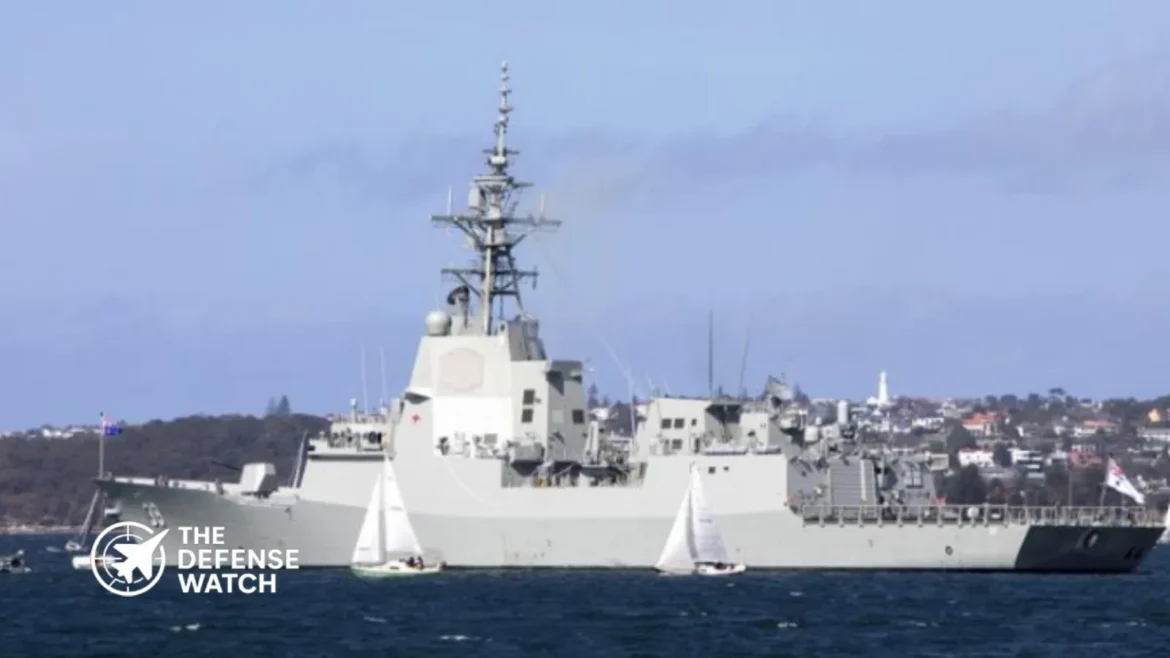
The Saab integration test site Australia marks a significant step in strengthening the country’s naval combat system capabilities, particularly for the Hobart-class destroyers operated by the Royal Australian Navy.
Saab has established a land-based integration and test facility designed to support ongoing and future upgrades to the destroyers’ combat systems. The site enables engineers to replicate shipboard environments, allowing testing and validation of complex systems before they are installed at sea.
This approach reduces operational risk and minimizes downtime for frontline vessels, a critical factor for navies maintaining high readiness levels.
Supporting Aegis Combat System Upgrades
The primary focus of the Saab integration test site Australia is to support upgrades to the Aegis combat system, a cornerstone of the Hobart-class destroyers’ air defense capability.
Aegis integrates radar, sensors, and weapons into a unified system capable of tracking and engaging multiple airborne threats simultaneously, including aircraft and missiles. By testing updates on land, Saab and its partners can validate software changes, sensor integrations, and interoperability improvements without disrupting active naval operations.
This reflects a broader shift in naval engineering toward land-based testing environments, which are increasingly seen as essential for managing the growing complexity of modern combat systems.
From an operational standpoint, the ability to simulate real-world conditions ashore allows for faster iteration cycles. Engineers can identify issues early, apply fixes, and re-test systems without the logistical constraints of deploying a warship.
Strengthening Australia’s Sovereign Defense Capability
The Saab integration test site Australia also aligns with Canberra’s push to expand sovereign defense capabilities. By hosting advanced testing infrastructure domestically, Australia reduces dependence on foreign facilities for critical upgrades.
This is particularly important in the context of evolving regional security dynamics in the Indo-Pacific, where rapid capability adaptation is becoming a strategic necessity.
Local testing capability means that upgrades can be conducted more quickly and securely, with sensitive data remaining within national control. It also supports the development of a skilled domestic workforce in high-end defense engineering and systems integration.
The investment reflects a broader trend among U.S. allies to localize key aspects of defense sustainment and modernization, ensuring resilience in supply chains and operational independence.
Operational Impact on Hobart-Class Destroyers
For the Hobart-class fleet, the Saab integration test site Australia is expected to improve availability and mission readiness. Traditionally, major system upgrades require ships to be taken offline for extended periods, particularly when testing must be conducted at sea.
With a land-based facility, much of the integration work can be completed and validated before installation. This reduces the time ships spend in maintenance and increases their availability for operational deployments.
The destroyers play a central role in Australia’s maritime security strategy, providing air defense for naval task groups and contributing to coalition operations. Enhancing their combat systems ensures they remain capable against increasingly sophisticated threats.
Broader Strategic Context
The opening of the Saab integration test site Australia comes amid growing emphasis on naval modernization across allied fleets, particularly in response to advances in missile technology and electronic warfare.
Countries are investing in flexible, upgradeable combat systems that can evolve over time rather than relying on static configurations. Facilities like Saab’s integration site are key enablers of this approach.
They allow navies to adopt a more modular upgrade cycle, integrating new technologies such as advanced sensors, electronic warfare suites, and improved data links without requiring complete system overhauls.
This model mirrors similar efforts in the United States and Europe, where land-based test sites are used to de-risk upgrades for major platforms, including destroyers and aircraft carriers.
Analysis: Why This Matters Now
The Saab integration test site Australia highlights a subtle but important shift in how modern navies manage technological change.
Instead of treating upgrades as periodic, large-scale events, defense planners are moving toward continuous modernization. Land-based integration facilities make this possible by enabling rapid testing and deployment of incremental improvements.
For Australia, this capability is particularly valuable given its geographic distance from traditional defense industrial hubs. Local testing reduces delays and provides greater control over upgrade timelines.
It also strengthens interoperability with allies. By validating systems domestically, Australia can ensure compatibility with coalition partners while maintaining flexibility to adapt to national requirements.
In a security environment defined by rapid technological change, the ability to upgrade quickly and safely is becoming as important as the platforms themselves.
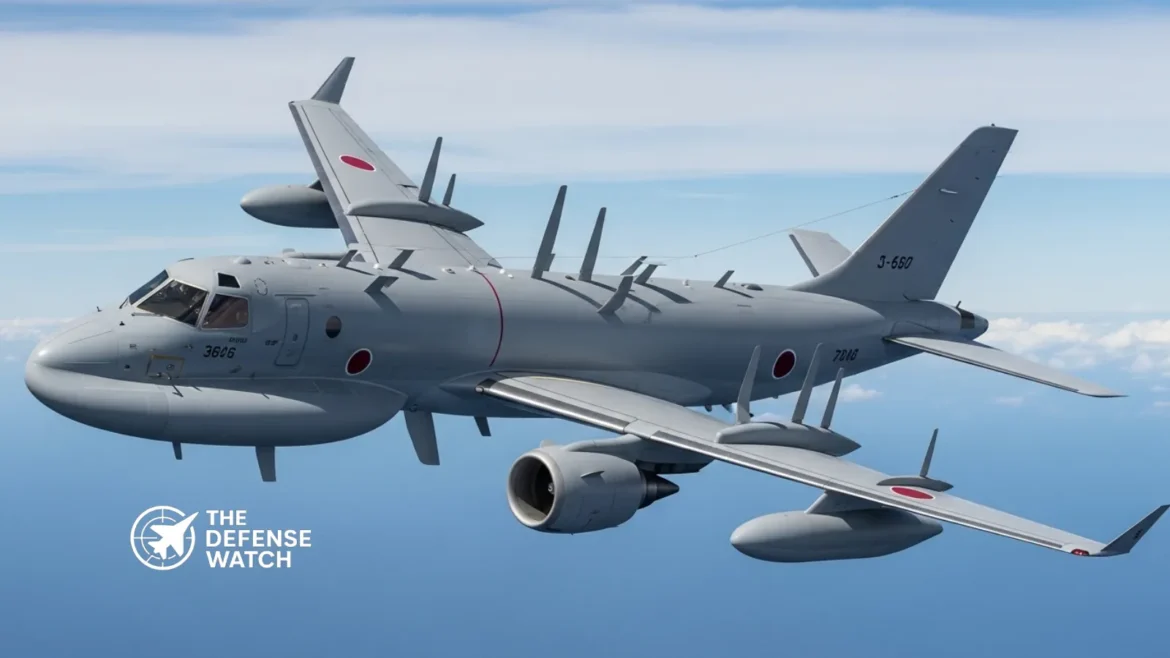
- Japan is preparing a new airborne electronic warfare aircraft derived from the Kawasaki P-1 maritime patrol platform.
- The aircraft will conduct signals intelligence, radar detection, and electronic jamming missions.
- The system is intended to replace aging EP-3 Orion electronic intelligence aircraft used by the Japan Maritime Self-Defense Force.
- Development funding includes roughly 41.4 billion yen requested in Japan’s FY2025 defense budget.
- The platform will support Japan’s growing focus on electromagnetic warfare and cross-domain military operations.
Japan Electronic Warfare Aircraft Program Moves Toward Testing
Japan’s new electronic warfare aircraft is moving toward testing as Tokyo accelerates efforts to strengthen its electromagnetic warfare capabilities. The aircraft, derived from the Kawasaki P-1 maritime patrol aircraft, is designed to conduct signals intelligence collection, radar detection, and electronic attack missions for the Japan Maritime Self-Defense Force (JMSDF).
The platform forms part of a broader Japanese defense modernization initiative aimed at improving the country’s ability to detect, disrupt, and exploit adversary communications and radar systems. Once operational, the aircraft will replace the JMSDF’s aging EP-3 Orion electronic intelligence aircraft, which have been in service since the early 1990s.
Japan’s Ministry of Defense has requested approximately 41.4 billion yen (about $288 million) in its fiscal year 2025 defense budget to continue development of the program.
The Big Picture
Electronic warfare has become a central domain in modern military operations. Control of the electromagnetic spectrum determines how effectively forces can detect threats, communicate, guide weapons, and disrupt enemy systems.
Japan’s defense strategy increasingly emphasizes this domain as regional security conditions grow more complex. Chinese and Russian military activity in the East China Sea and Western Pacific has increased significantly over the past decade, placing greater pressure on Japan’s surveillance and electronic intelligence capabilities.
Modern conflicts rely heavily on networked sensors, digital command systems, and advanced radar. Electronic warfare platforms can degrade these systems without firing a shot. They can jam communications, deceive radar networks, or collect intelligence on adversary capabilities.
For Tokyo, developing a modern Japan electronic warfare aircraft allows the Self-Defense Forces to operate more effectively in a highly contested electromagnetic environment.
What’s Happening
Japan’s Ministry of Defense is developing a specialized electronic warfare aircraft based on the domestically produced Kawasaki P-1 maritime patrol aircraft. The P-1 already serves as Japan’s primary anti-submarine and maritime surveillance aircraft.
The electronic warfare variant will incorporate a wide range of sensors and systems designed to monitor and manipulate the electromagnetic spectrum.
According to Japanese defense planning documents, the aircraft will support missions including:
- Signals intelligence (SIGINT)
- Electronic intelligence (ELINT)
- Communications intelligence (COMINT)
- Radar detection and classification
- Electronic jamming and deception
The aircraft is expected to carry multiple antennas, sensor arrays, and specialized radomes positioned around the fuselage. These features enable the platform to collect electronic emissions from radar and communication systems over long distances.
Japanese defense officials describe the platform as a multi-sensor electronic intelligence aircraft designed to support joint operations across multiple domains.
Prototype development began in fiscal year 2024, with production and testing expected to continue through the early 2030s.
Why It Matters
Electronic warfare capability is essential for modern military operations.
Advanced air defense systems rely on radar networks that track aircraft, guide missiles, and coordinate defenses. Electronic warfare platforms can interfere with those networks by jamming signals or feeding false information into radar systems.
The new Japan electronic warfare aircraft will give Tokyo a stronger ability to monitor foreign military activity and disrupt hostile sensors if necessary.
This capability is particularly important for maritime security. Japan sits along major sea lanes that connect the Pacific and Indian Oceans. Monitoring electromagnetic emissions from ships, aircraft, and military installations helps the Self-Defense Forces maintain situational awareness across vast areas.
Electronic intelligence aircraft also support targeting, early warning, and battle management during joint operations.
Strategic Implications
The development of a modern electronic warfare aircraft reflects Japan’s broader shift toward advanced defense technologies.
Tokyo’s latest national defense strategies emphasize:
- Cross-domain operations
- Integrated command and control networks
- Long range strike capabilities
- Advanced intelligence and surveillance systems
Electronic warfare sits at the center of all these capabilities.
If deployed effectively, the platform could support operations involving fighter aircraft, naval forces, and missile defense systems. It could also help protect friendly aircraft by degrading enemy radar and missile guidance systems.
For allied operations, the aircraft could contribute to intelligence sharing and joint situational awareness across the Indo Pacific.
Competitor View
China will likely view the new Japan electronic warfare aircraft as part of a broader regional trend toward advanced electromagnetic warfare capabilities.
The People’s Liberation Army has invested heavily in electronic warfare platforms, including specialized aircraft designed to jam radar systems and support suppression of enemy air defenses.
From Beijing’s perspective, Japan’s development of a modern airborne electronic warfare capability strengthens the technological edge of U.S. allied forces operating in the Western Pacific.
Russia may also monitor the program closely, particularly given its growing military presence in the Sea of Japan and surrounding areas.
However, Japan has framed the program as a defensive measure intended to improve surveillance, intelligence collection, and operational resilience.
Capability Gap
The program addresses a clear capability gap in Japan’s current electronic intelligence fleet.
The JMSDF currently operates a small number of EP-3 Orion aircraft that perform signals intelligence missions. These aircraft have served for decades and are becoming increasingly difficult to maintain.
Older platforms also struggle to keep pace with modern digital radar systems, encrypted communications networks, and advanced electronic warfare techniques.
By replacing these aircraft with a new system derived from the P-1, Japan aims to deploy a platform with:
- Greater sensor sensitivity
- Expanded data processing capacity
- Improved survivability
- Longer operational endurance
Despite these advantages, electronic warfare aircraft often operate close to contested airspace, which exposes them to potential interception or missile threats.
For that reason, these platforms typically operate with escort aircraft or maintain stand-off distances from hostile defenses.
What To Watch Next
Several milestones will shape the future of the program.
Key developments include:
- Prototype production and ground testing
- Initial flight testing of the electronic warfare configuration
- Integration of advanced signal processing systems
- Operational evaluation with the JMSDF
Full operational capability is expected later in the next decade once testing and system integration are completed.
Japan’s defense planners may also expand the program depending on operational requirements and budget priorities.
The Bottom Line
Japan’s new electronic warfare aircraft program marks a significant step toward strengthening electromagnetic dominance and intelligence collection capabilities in the Indo Pacific.
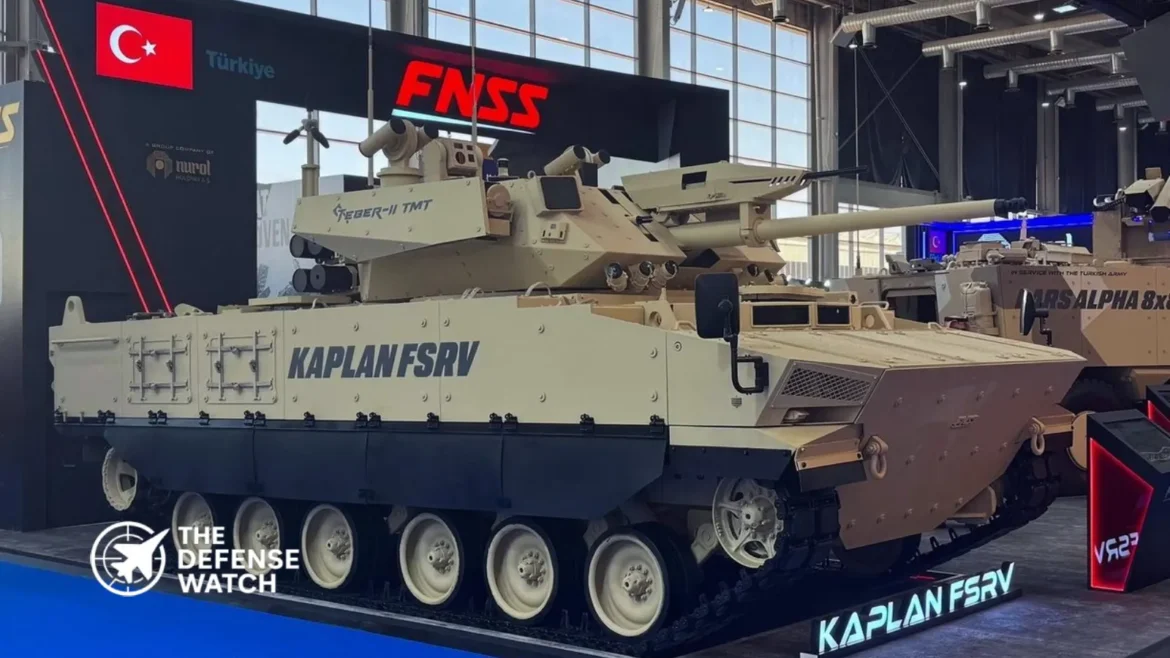
FNSS Showcases TEBER II TMT Weapon Turret On KAPLAN Light Tank
FNSS has showcased its TEBER II TMT weapon turret mounted on the hull of the KAPLAN light tank, underlining Turkiyes focus on modular armored vehicle design and scalable combat systems. The configuration brings together medium caliber firepower, modern sensors, and survivability systems in a compact, unmanned turret layout suited for light and medium armored platforms.
The display places the TEBER II TMT weapon turret as a key element in FNSS efforts to offer flexible solutions for armies seeking high lethality without the weight and crew burden of traditional manned turrets.
Turret Armament And Firepower
The TEBER II TMT weapon turret is armed with a 30mm automatic cannon as its primary weapon. This caliber is widely used by NATO and allied forces and offers a balance between armor penetration, effective range, and ammunition variety. The main gun is supported by a coaxial machine gun for engaging soft targets and suppressive fire.
In addition, the turret integrates two ready to fire anti tank guided weapons mounted externally. These provide the KAPLAN light tank with the ability to engage heavily armored targets at extended ranges, significantly expanding its mission set beyond reconnaissance and fire support.
According to FNSS, the turret is designed to support different missile options depending on customer requirements, reinforcing its modular and export oriented approach.
Sensor Suite And Situational Awareness
A notable feature of the TEBER II TMT weapon turret is its advanced sensor package. The turret incorporates day and thermal sights, laser rangefinding, and stabilized electro optical systems for both the gunner and commander. This setup enables hunter killer engagement capability, allowing targets to be detected, tracked, and engaged rapidly, even while the vehicle is on the move.
The sensor architecture supports all weather and day night operations, a requirement for modern armored warfare environments. FNSS has emphasized that the turret can be integrated with battlefield management systems, improving situational awareness and coordination with other units.
Active Protection And Survivability
The showcased configuration also includes an active protection system, highlighting FNSS attention to crew and platform survivability. While specific technical details were not disclosed, the integration of active protection reflects a broader trend in armored vehicle design as anti tank threats proliferate on modern battlefields.
In addition to active protection, the unmanned design of the TEBER II TMT weapon turret removes the crew from the turret structure, reducing risk and allowing for a lower overall vehicle profile. This approach aligns with evolving operational lessons from recent conflicts, where survivability against top attack and guided munitions has become critical.
KAPLAN Light Tank Platform
The KAPLAN light tank serves as the base platform for this turret integration. Designed for high mobility and deployability, the KAPLAN family targets roles such as rapid reaction forces, expeditionary units, and operations in terrain where heavier main battle tanks face limitations.
By mounting the TEBER II TMT weapon turret, FNSS positions the KAPLAN light tank as a multi role combat system capable of direct fire support, anti armor missions, and security operations. The combination of a light chassis with a well armed turret offers a cost effective alternative for forces seeking credible combat power without the logistics burden of heavier platforms.
Industry And Market Context
FNSS has steadily expanded its turret portfolio, with the TEBER family designed to cover a range of calibers and mission needs. The TEBER II TMT weapon turret reflects growing demand for unmanned systems that can be integrated across different vehicle types, from infantry fighting vehicles to light tanks.
Defense analysts note that such modular turret solutions are increasingly attractive to countries modernizing legacy fleets or developing new armored units with limited budgets. The ability to tailor weapons, sensors, and protection systems allows manufacturers like FNSS to address diverse operational requirements across regions.
Strategic Significance
The showcasing of the TEBER II TMT weapon turret on the KAPLAN light tank reinforces Turkiyes broader push to strengthen its domestic defense industry and expand its footprint in global armored vehicle markets. FNSS continues to present itself as a supplier capable of delivering complete systems rather than standalone components.
For potential users, the configuration demonstrates how modern firepower, protection, and situational awareness can be combined on a lightweight platform suited for contemporary combat environments.

War Secretary Pete Hegseth Signs Anduril DIVE LD Autonomous Underwater Vehicle During Facility Visit
Pete Hegseth Highlights Anduril DIVE LD During Facility Tour
War Secretary Pete Hegseth underscored the Pentagon’s growing focus on unmanned maritime systems during a visit to an Anduril Industries facility, where he signed a display panel of the DIVE LD autonomous underwater vehicle. The gesture, shared publicly during the tour, drew attention to one of the U.S. defense sector’s most visible long endurance unmanned undersea platforms.
The DIVE LD autonomous underwater vehicle is designed for extended duration operations in deep ocean environments, supporting missions that place a premium on persistence, range, and reduced risk to human crews. Hegseth’s visit comes as the Department of Defense continues to emphasize autonomy, artificial intelligence, and distributed maritime capabilities across naval and joint force planning.
A Signal of Pentagon Interest in Undersea Autonomy
Hegseth’s appearance at Anduril reflects sustained senior level interest in unmanned systems that can operate in contested maritime spaces. Autonomous underwater vehicles are increasingly viewed as essential tools for intelligence gathering, surveillance, reconnaissance, and seabed operations, especially in regions where traditional manned platforms face higher operational risk.

While the Pentagon has not announced a new procurement tied directly to the visit, the presence of the War Secretary and the highly visible signing of the DIVE LD panel signals institutional support for continued experimentation and capability development in the undersea domain. Similar engagements with defense innovators have become a regular feature of U.S. modernization efforts.
Anduril DIVE LD Overview
The Anduril DIVE LD autonomous underwater vehicle is built for long endurance missions, with a design optimized for deep sea operations. According to company disclosures, the platform emphasizes modular payload integration, allowing it to support a range of mission sets without major redesign.
Key characteristics highlighted by Anduril include extended range, autonomous navigation, and the ability to operate with limited or no direct human control for long periods. These features align closely with U.S. Navy and broader Department of Defense requirements for distributed sensing and persistent maritime awareness.
Anduril has positioned the DIVE LD as part of a broader ecosystem of autonomous systems, integrating software driven control and data processing with hardware designed for reliability in harsh environments. The company has previously stated that its undersea platforms are intended to complement, not replace, traditional naval assets.
Strategic Context for the U.S. Navy
The U.S. Navy has publicly identified unmanned undersea vehicles as a critical component of future fleet architecture. Navy strategy documents and congressional testimony have repeatedly pointed to the need for persistent undersea sensing, seabed awareness, and scalable platforms that can operate forward without large support footprints.

Autonomous underwater vehicles like the Anduril DIVE LD autonomous underwater vehicle support these goals by offering endurance and flexibility at a lower operational cost than manned submarines. They are also seen as valuable tools for operating in gray zone scenarios, where presence and awareness matter but escalation risks must be managed carefully.
The Pentagon’s interest in such systems also reflects broader competition in the maritime domain, where peer and near peer competitors are investing heavily in undersea surveillance and counter surveillance capabilities.
Anduril’s Role in Defense Modernization
Anduril Industries has emerged as a prominent supplier of software driven defense systems, with a portfolio that spans air, land, sea, and undersea domains. Its approach emphasizes rapid development, commercial style iteration, and close collaboration with military users.
The DIVE LD autonomous underwater vehicle fits within this model, combining commercially inspired engineering with military specific requirements. Anduril has previously worked with the U.S. Navy and other government organizations on autonomous and sensor driven programs, reinforcing its standing as a key player in the Pentagon’s push for faster modernization cycles.
Hegseth’s visit reinforces the company’s visibility at senior policy levels, even as the Department of Defense continues to evaluate how best to integrate emerging technologies into formal acquisition pathways.
What Comes Next
No new contract announcements were made in connection with the visit. However, defense officials have consistently indicated that experimentation, prototyping, and operational trials will shape future decisions on unmanned undersea systems.
As the U.S. Navy refines its concepts for distributed maritime operations, platforms like the Anduril DIVE LD autonomous underwater vehicle are likely to remain central to discussions about persistence, resilience, and cost effective force structure.
Hegseth’s public engagement at the Anduril facility serves as a visible reminder that undersea autonomy is no longer a niche capability, but a core element of U.S. defense planning.
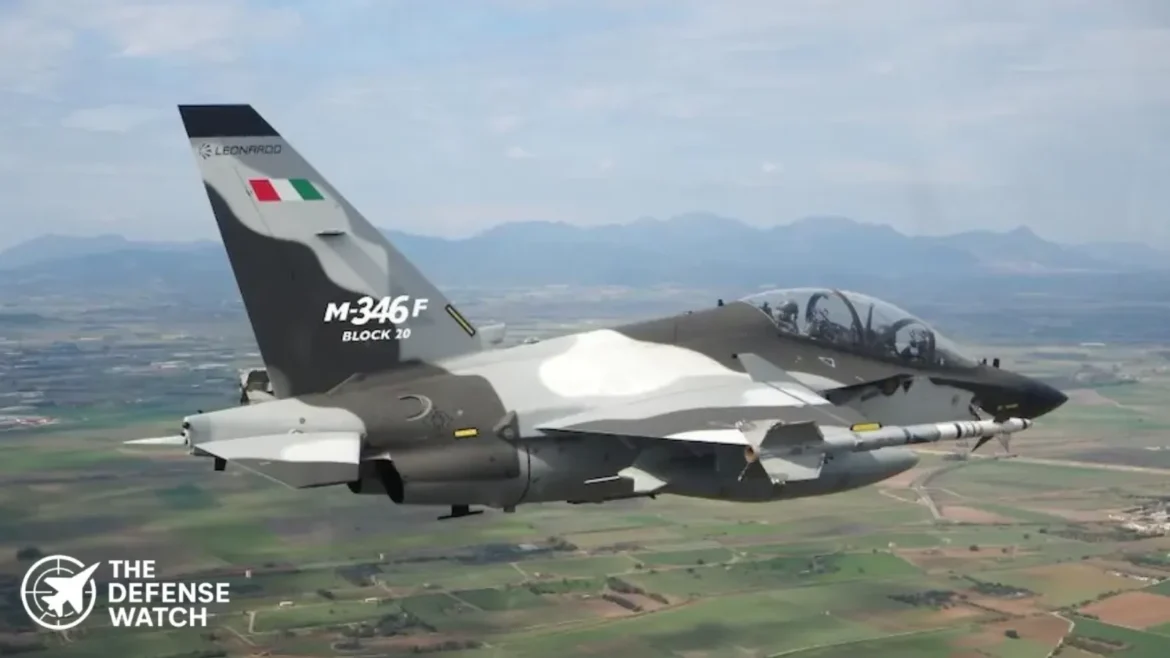
Indonesia Signs LOI With Leonardo for M-346 F Block 20
Indonesia and Italian defense company Leonardo have signed a Letter of Intent with PT ESystem Solutions Indonesia and the Ministry of Defence for the M-346 F Block 20 aircraft, aimed at meeting advanced training and light combat roles for the Indonesian Air Force, officials said at the Singapore Airshow 2026.
(adsbygoogle = window.adsbygoogle || []).push({});The agreement follows Jakarta’s selection of the M-346 platform to support operational training and replace ageing trainers in its fleet.
Letter of Intent Details
The LOI outlines cooperation on supply, training, and in-country support for the M-346 F Block 20 variant. It includes provisions for local maintenance, overhaul, pilot training, and workforce development in Indonesia. The parties said they will move toward a full procurement contract.
M-346 F Block 20 Platform Capabilities
The M-346 F Block 20 is the fighter-trainer version of Leonardo’s advanced jet trainer. It pairs pilot training features with light combat capabilities including sensors, weapons systems, and tactical data links. The aircraft’s cockpit has large area displays and advanced avionics, and the Block 20 standard incorporates digital upgrades to enhance mission flexibility.
According to Leonardo, the M-346 series has more than 150,000 flight hours logged and has been selected by some 20 countries worldwide for training and operational roles.
Strategic Context for Indonesia
Indonesia is in a broader phase of modernizing its air force fleet. Advanced trainer and light combat platforms help bridge training gaps and support transition to more capable fighters, while also replacing older types such as the BAE Systems Hawk.
Localizing maintenance and training support can strengthen Indonesia’s defense industrial base and human capital, officials said.
(adsbygoogle = window.adsbygoogle || []).push({});M-346 in the Global Market
The M-346 has been marketed globally as an advanced jet trainer with optional light fighter capability. In December 2025, Leonardo signed a contract with Austria to supply 12 M-346 F Block 20 aircraft under a government-to-government agreement, with deliveries slated from 2028.
Block 20 updates are part of Leonardo’s broader strategy to keep the M-346 competitive with modern training and operational requirements, including advanced avionics, integrated training systems, and enhanced networking capabilities.
What Comes Next
Officials said discussions will now continue toward finalizing a procurement contract. Neither Indonesia nor Leonardo has released specifics on numbers or delivery timelines.
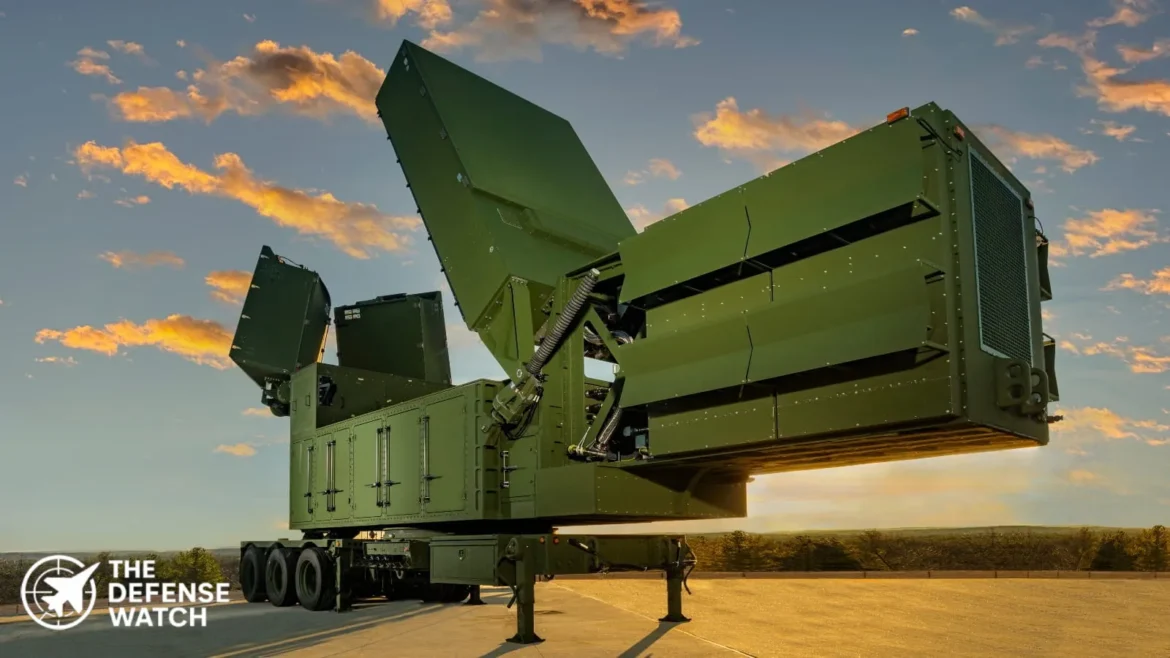
Raytheon awarded $1.025 billion LTAMDS contract modification
Lower Tier Air and Missile Defense Sensor production took a major step forward as Raytheon, based in Andover, Massachusetts, received a $1.025 billion contract modification from the U.S. Army to support Year Two production requirements.
The modification, identified as P00013 to contract W31P4Q-24-C-0024, brings the total cumulative value of the LTAMDS contract to $1.025 billion. The award reflects continued Army investment in next generation air and missile defense sensors designed to counter advanced ballistic and cruise missile threats.
According to official U.S. Department of Defense contracting announcements, work under the contract will be performed in Andover, Massachusetts, with an estimated completion date of March 31, 2030. Fiscal year 2026 other procurement, Army funds totaling $254,571,432 were obligated at the time of award. The Army Contracting Command at Redstone Arsenal, Alabama, is the contracting activity.
Strengthening the Armys next generation missile defense architecture
The Lower Tier Air and Missile Defense Sensor is a core element of the U.S. Army’s Integrated Air and Missile Defense architecture. LTAMDS is designed to replace and complement the legacy Patriot radar by providing 360 degree coverage, improved target discrimination, and greater resistance to electronic attack.
Raytheon’s LTAMDS radar uses active electronically scanned array technology built with gallium nitride components. This design allows higher power output, improved reliability, and the ability to track multiple threats at extended ranges. The system is intended to support current and future interceptors, including Patriot Advanced Capability interceptors and emerging missile defense weapons.
Army officials have repeatedly stated that LTAMDS is critical to countering evolving threats from peer and near peer adversaries, including maneuvering ballistic missiles, low flying cruise missiles, and unmanned aerial systems. The Year Two production award signals the program’s transition from development and testing into sustained production.
Contract details and funding profile
The $1.025 billion modification covers Year Two production requirements for the LTAMDS program. While the Department of Defense did not disclose the exact number of radar sets included, previous budget documents indicate the Army plans to procure LTAMDS units in phases, supporting fielding to multiple air defense battalions.
Of the total contract value, more than $254 million in fiscal 2026 Army procurement funding was obligated immediately. Additional funding is expected to be applied through future budget cycles as production continues through the end of the decade.
All contract work will take place in Andover, Massachusetts, reinforcing Raytheon’s long standing role as a key supplier of U.S. missile defense radar systems. The scheduled completion date of March 31, 2030 aligns with Army plans to field LTAMDS across operational units over several years.
Role of Raytheon in U.S. missile defense modernization
Raytheon has been a central player in U.S. air and missile defense for decades, with major programs including Patriot, AN TPY-2, and early warning radar systems. The Lower Tier Air and Missile Defense Sensor builds on this experience while introducing a new architecture tailored for modern threat environments.
The company successfully completed key LTAMDS testing milestones in recent years, including live missile tracking and integration with existing command and control systems. Army leadership has highlighted the radar’s ability to see threats from any direction, a limitation of earlier systems that relied on sector focused coverage.
By awarding the Year Two production contract, the Army is signaling confidence in the system’s maturity and its ability to meet operational needs. The award also supports industrial base stability for advanced radar manufacturing within the United States.
Strategic importance of LTAMDS for the U.S. Army
Air and missile defense has become a top modernization priority for the U.S. Army as global threat environments grow more complex. Conflicts in recent years have demonstrated the effectiveness of ballistic missiles, cruise missiles, and drones against fixed and mobile targets.
LTAMDS is designed to operate as part of a networked defense system, sharing data with other sensors and shooters across joint and allied forces. This approach improves situational awareness and allows commanders to respond faster to incoming threats.
The radar’s open architecture is intended to support future upgrades, ensuring the system remains relevant as new threats emerge. Army officials have described LTAMDS as a foundational sensor that will anchor lower tier missile defense for decades.
Oversight and contracting authority
The Army Contracting Command at Redstone Arsenal, Alabama, manages the LTAMDS contract. Redstone Arsenal serves as the Army’s center for missile and aviation acquisition, providing technical oversight and program management for many of the service’s most complex systems.
By structuring the LTAMDS award as a multi year contract with incremental modifications, the Army retains flexibility to adjust procurement quantities and funding based on operational needs and congressional appropriations.
Outlook for LTAMDS production and fielding
With Year Two production now under contract, the LTAMDS program is expected to continue ramping up manufacturing through the latter half of the decade. Initial operational units are anticipated to receive the radar as legacy systems are phased out or supplemented.
The sustained investment reflected in the $1.025 billion contract underscores the importance of the Lower Tier Air and Missile Defense Sensor within the broader U.S. missile defense strategy. As the Army prepares for high end conflict scenarios, advanced sensors like LTAMDS will play a decisive role in protecting forces and critical assets.
India Explores Su-57E Local Production as Fighter Gap Widens
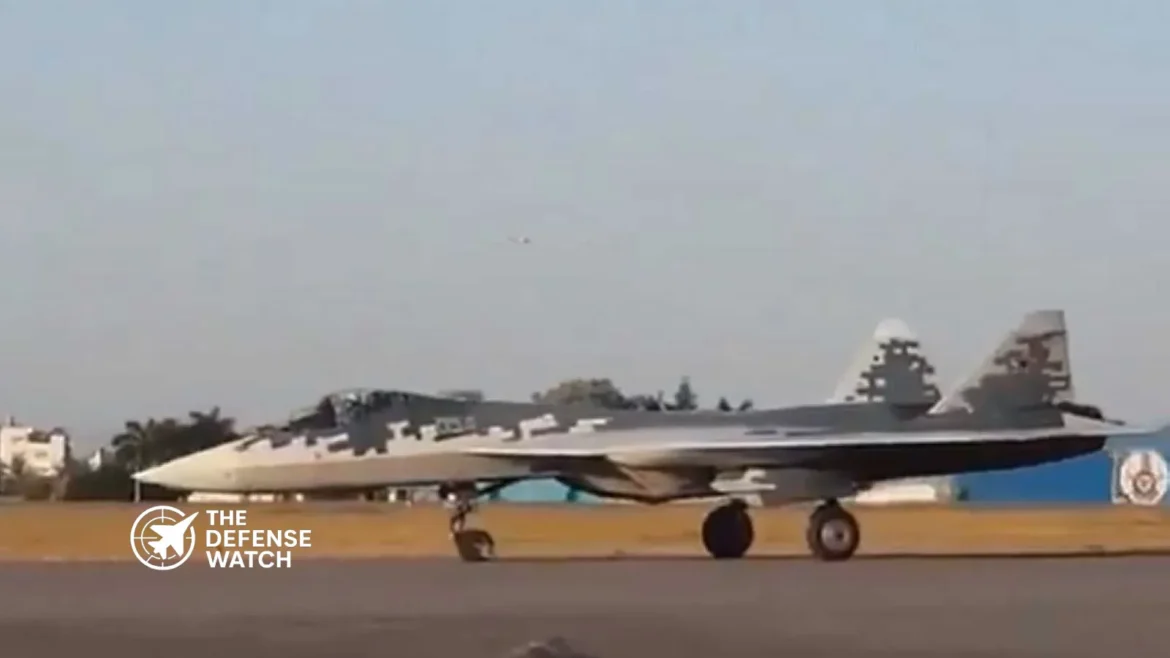
India Su-57E fighter talks have entered a deeper phase as New Delhi evaluates local production of Russia’s fifth-generation stealth aircraft to address growing capability gaps in the Indian Air Force. The discussions come as the United States quietly positions the F-35 as a potential long-term option, highlighting India’s widening set of strategic choices in fighter modernization.
(adsbygoogle = window.adsbygoogle || []).push({});According to reporting by Army Recognition and Indian defense officials, Moscow has proposed assembling the export variant Su-57E in India, potentially under a framework aligned with Make in India defense manufacturing goals. The proposal arrives amid delays in India’s indigenous Advanced Medium Combat Aircraft program and sustained pressure from regional airpower developments in China and Pakistan.
India’s Fifth-Generation Fighter Dilemma
Capability Gaps Drive Urgency
The Indian Air Force currently operates around 30 squadrons, well below the authorized strength of 42. Modernization efforts have been slowed by delays in indigenous programs and limited progress in foreign acquisitions beyond the Rafale fleet.
China’s operational deployment of the J-20 stealth fighter has sharpened concerns in New Delhi, particularly regarding air dominance and long-range strike capabilities. In this context, India’s interest in the Su-57E reflects a near-term attempt to secure fifth-generation capabilities without waiting for domestic development timelines to mature.
The Su-57E is Russia’s export-configured version of its stealth fighter, featuring reduced sensitive technologies compared to the domestic Su-57, but retaining low observability features, internal weapons bays, and advanced sensors.
What Russia Is Offering India
Local Assembly and Technology Access
Moscow’s proposal reportedly includes domestic assembly in India, with possible technology transfer linked to avionics integration, weapons compatibility, and maintenance infrastructure. Russian officials have emphasized flexibility on customization, including the integration of Indian or third-party systems.
India previously partnered with Russia on the Fifth Generation Fighter Aircraft program, a joint derivative of the Su-57, but withdrew in 2018 citing concerns over cost, stealth performance, and engine maturity. The renewed Su-57E discussions suggest both sides are revisiting the concept under revised terms.
For India, local production would support industrial capacity, reduce long-term sustainment risks, and align with strategic autonomy objectives. For Russia, India remains one of the few partners capable of sustaining high-end aerospace cooperation amid sanctions and export restrictions.
How the U.S. F-35 Fits Into the Picture
Strategic Option, Not a Near-Term Deal
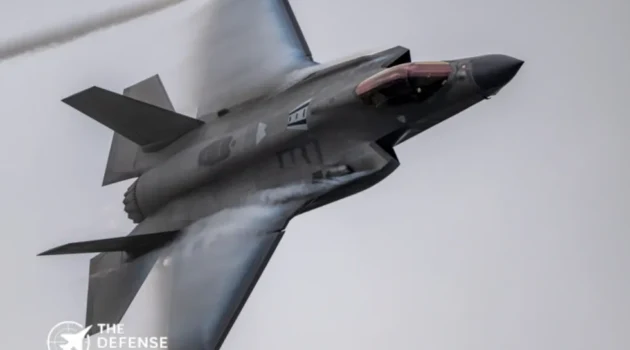
While India Su-57E fighter talks are gaining momentum, U.S. officials have increasingly referenced the F-35 as a potential future option. Any F-35 pathway would involve strict interoperability, data security, and political alignment requirements that differ significantly from Russian platforms.
Washington views India as a key Indo-Pacific partner, but an F-35 sale would require long-term policy alignment, interoperability commitments, and potential constraints on India’s existing Russian-origin systems, including the S-400 air defense network.
Defense analysts note that while the F-35 offers proven stealth performance, sensor fusion, and networked warfare capabilities, it remains a strategic rather than immediate option for India due to cost, basing requirements, and political considerations.
Operational and Technical Considerations
Stealth, Engines, and Sustainment
The Su-57E’s current configuration continues to evolve, particularly in engine development and radar cross-section reduction. Russia is working to field the Izdeliye 30 engine, which is expected to improve thrust, fuel efficiency, and thermal management.
(adsbygoogle = window.adsbygoogle || []).push({});Indian planners are expected to closely evaluate sustainment models, mission readiness rates, and lifecycle costs, areas that have historically challenged Russian-origin platforms. Western aircraft typically offer stronger logistics transparency, but at higher acquisition and operational costs.
Any Indian Su-57E variant would also require integration with existing command, control, and sensor networks, including indigenous datalinks and airborne early warning platforms.
Strategic Signaling and Geopolitical Balance
Multi-Alignment in Practice
India’s parallel engagement with Russia and the United States reflects its long-standing multi-alignment strategy. Rather than committing exclusively to one supplier, New Delhi continues to assess competing offers to preserve leverage, operational flexibility, and strategic autonomy.
The Indian Air Force fifth generation fighter decision will carry long-term implications for training pipelines, weapons inventories, and alliance interoperability, particularly as India expands defense cooperation with the United States, France, and Japan.
(adsbygoogle = window.adsbygoogle || []).push({});What Comes Next
Decision Timeline Remains Unclear
No formal contract or request for proposal has been announced. Defense officials indicate that feasibility studies, cost assessments, and operational evaluations are ongoing. Any decision is likely to follow broader reviews of India’s combat aircraft roadmap, including the AMCA and additional Rafale acquisitions.
Observers expect incremental progress rather than a rapid commitment, with India weighing industrial benefits, geopolitical risk, and operational readiness before choosing a path forward.

Indonesia Receives First Rafale Advanced Fighter Jets
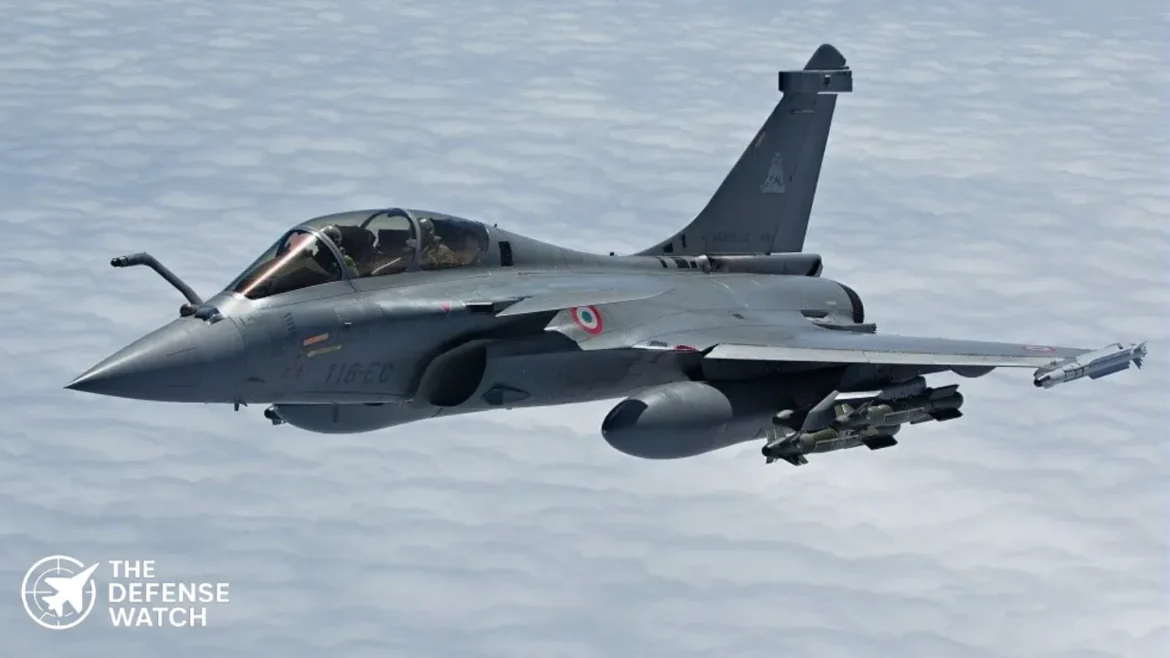
Indonesia has received the first three Rafale advanced fighter jets from France as part of a multibillion-dollar defense agreement, a defense ministry official told Reuters on January 26, 2026. The arrival marks the start of deliveries under Jakarta’s largest modern combat aircraft purchase and represents a significant upgrade to the Indonesian Air Force’s combat fleet.
First Deliveries Begin Under Broad Defense Pact
The three Rafale jets arrived in Indonesia on Friday and are now stationed at Roesmin Nurjadin Air Base in Pekanbaru on the island of Sumatra, Defense Ministry spokesperson Rico Ricardo Sirait said in a message to Reuters. Sirait confirmed the aircraft are now ready for operational use by the Indonesian Air Force.
Indonesia’s purchase of 42 Rafale aircraft from French defense firm Dassault Aviation was first announced under a contract signed in 2022, with additional expansions agreed since, part of a wider defense cooperation program with Paris.
Three more Rafales are expected to arrive later in 2026 as deliveries continue under the ongoing contract.
Strategic Context and Modernization Goals
The Rafale delivery is central to Jakarta’s effort to modernize its aging air force and enhance regional air combat capabilities. Indonesia has made defense modernization a key priority under President Prabowo Subianto, a former special forces commander.
Alongside the Rafale purchase, Indonesia has ordered French frigates and submarines, expanding its strategic reach across air and sea domains.

Image Source: Dassault Aviation Jakarta has also been evaluating additional aircraft options to supplement its fleet, including potential acquisitions of Chinese J-10 and U.S.-made F-15EX fighters, as well as a separate contract with Turkey for 48 KAAN fifth-generation jets powered by General Electric engines.
Operational and Regional Impact
The Rafale jets are expected to significantly boost the Indonesian Air Force’s capability to conduct air defense, interception, and multirole operations. The aircraft will join the existing mix of fighters, which includes Sukhoi Su-30s, F-16s, and training aircraft. The enhanced sensor suite and weapons load of the Rafale jets are seen as key upgrades to the nation’s air combat posture.

Image Source: Dassault Aviation Indonesia’s expanded defense buys reflect broader trends in the Asia-Pacific as nations seek to modernize air forces in response to shifting security dynamics across the region.
Delivery Timeline and Future Milestones
Initial deliveries of three aircraft mark the start of a phased rollout that will see additional Rafales delivered throughout 2026 and beyond until the full 42-aircraft order is complete. Training programs for Indonesian crews are already underway in France, with pilots and technical personnel prepared to support operations.