L3Harris Expands PAC-3 MSE Propulsion Production
L3Harris Technologies has received a $4.7 billion PAC-3 MSE propulsion contract from Lockheed Martin, giving the U.S. missile defense industrial base a major new production commitment for one of the Army’s principal air and missile defense interceptors. L3Harris announced the seven-year undefinitized contract award on September 8, saying it is the company’s largest PAC-3 propulsion award to date.
Takeaways
L3Harris has received a $4.7 billion, seven-year contract from Lockheed Martin to produce propulsion systems for PAC-3 MSE interceptors.
The agreement covers propulsion systems used by the PAC-3 Missile Segment Enhancement interceptor, including its advanced two-pulse solid rocket motor, Lethality Enhancer and Attitude Control Motors. The award is part of a broader effort to increase interceptor manufacturing capacity and establish a more resilient U.S. munitions supply chain.
The announcement follows a series of U.S. government and industry actions this year aimed at increasing PAC-3 MSE output. In July, the U.S. Army awarded Lockheed Martin a seven-year contract modification that raised the ceiling for the multiyear PAC-3 MSE production program to $58.62 billion.
What The $4.7 Billion Contract Covers
L3Harris will supply several propulsion elements that are central to PAC-3 MSE interceptor production.
| Item | Role |
|---|---|
| Two-pulse solid rocket motor | Provides propulsion for the interceptor through different phases of flight |
| Lethality Enhancer | Supports the interceptor’s terminal engagement function |
| Attitude Control Motors | Provide maneuvering and control during flight |
| Contract value | $4.7 billion |
| Contract duration | Seven years |
| New Camden facilities | Two facilities |
| Expected facility operation | 2027 |
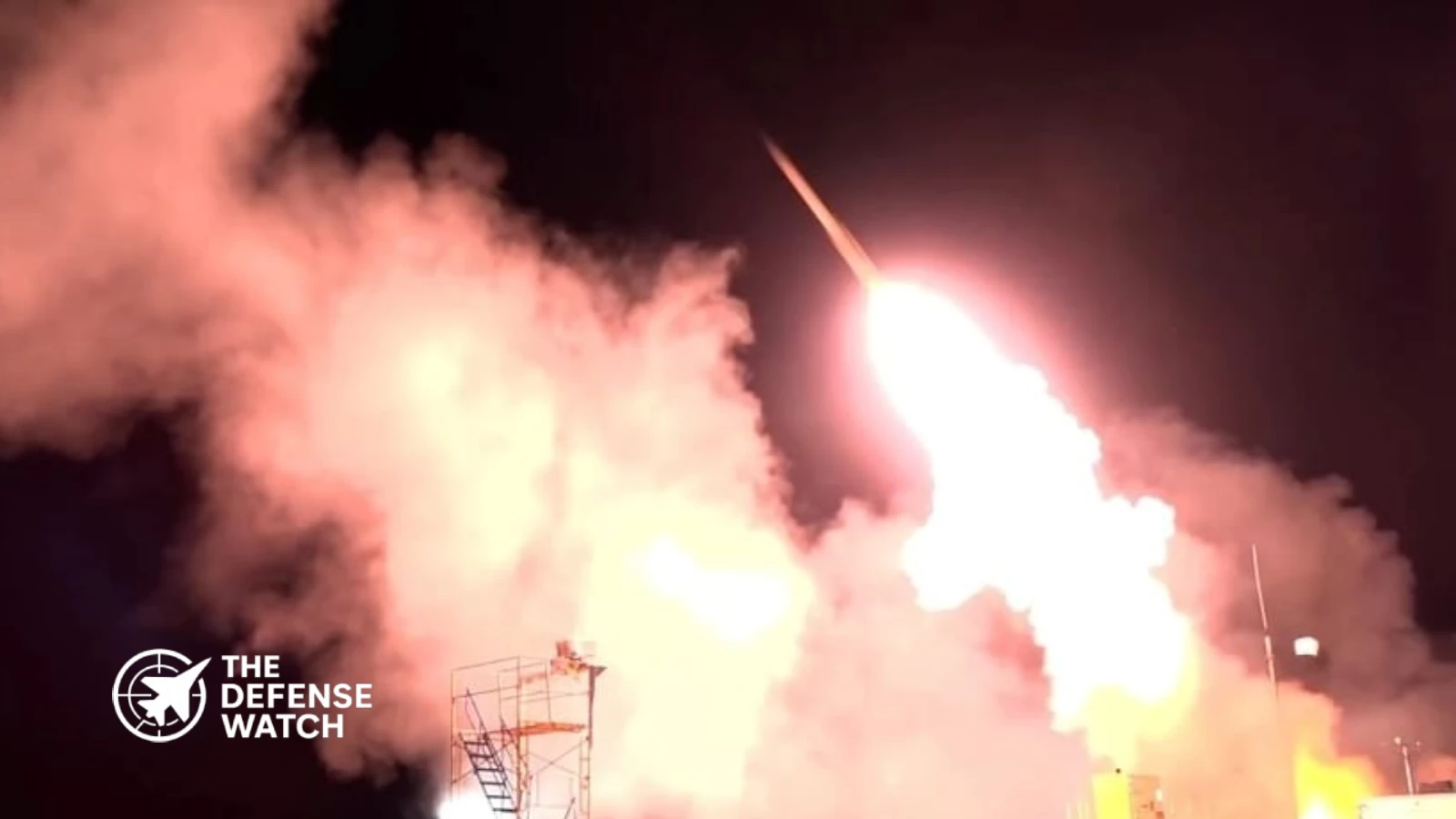
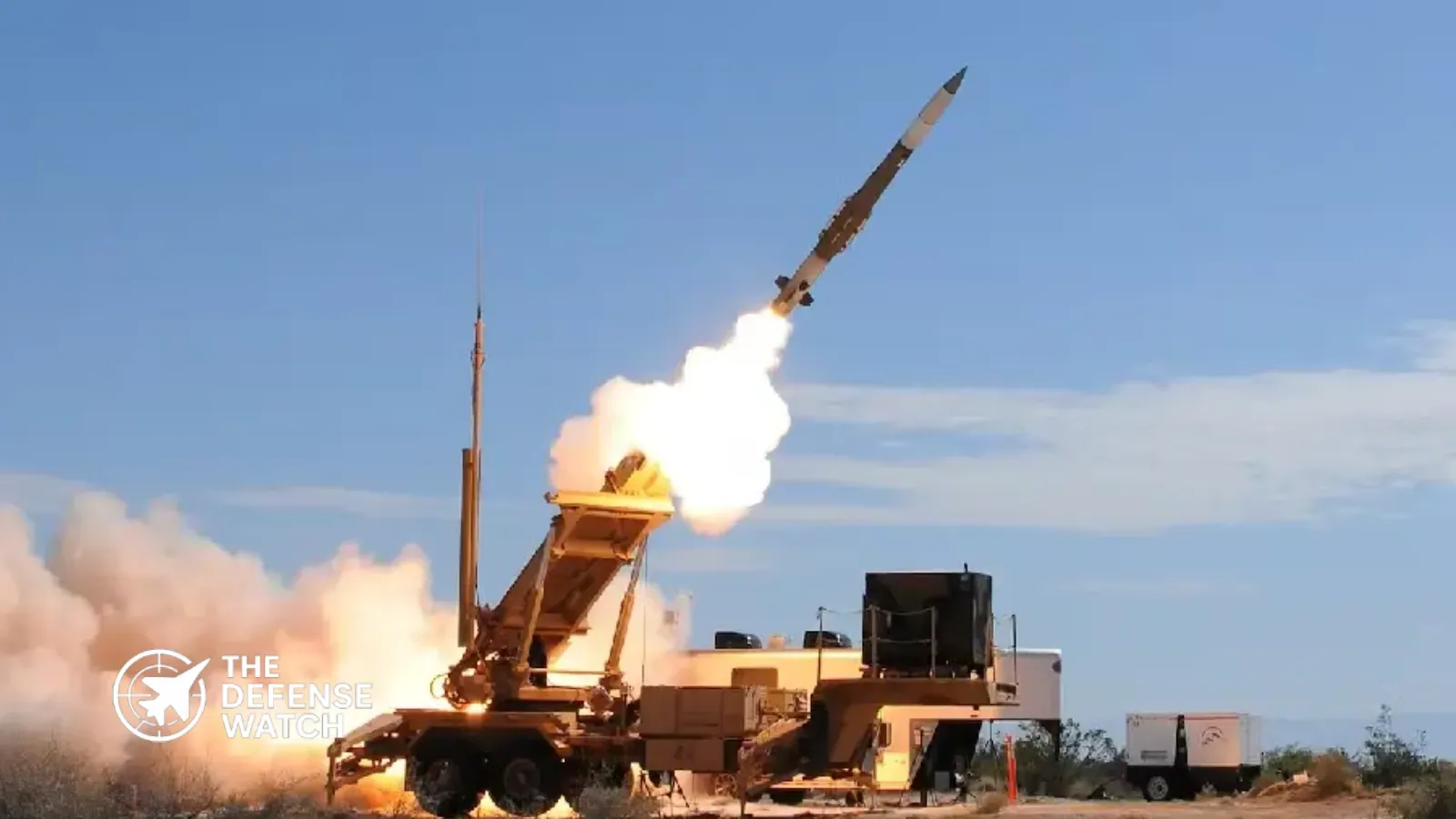
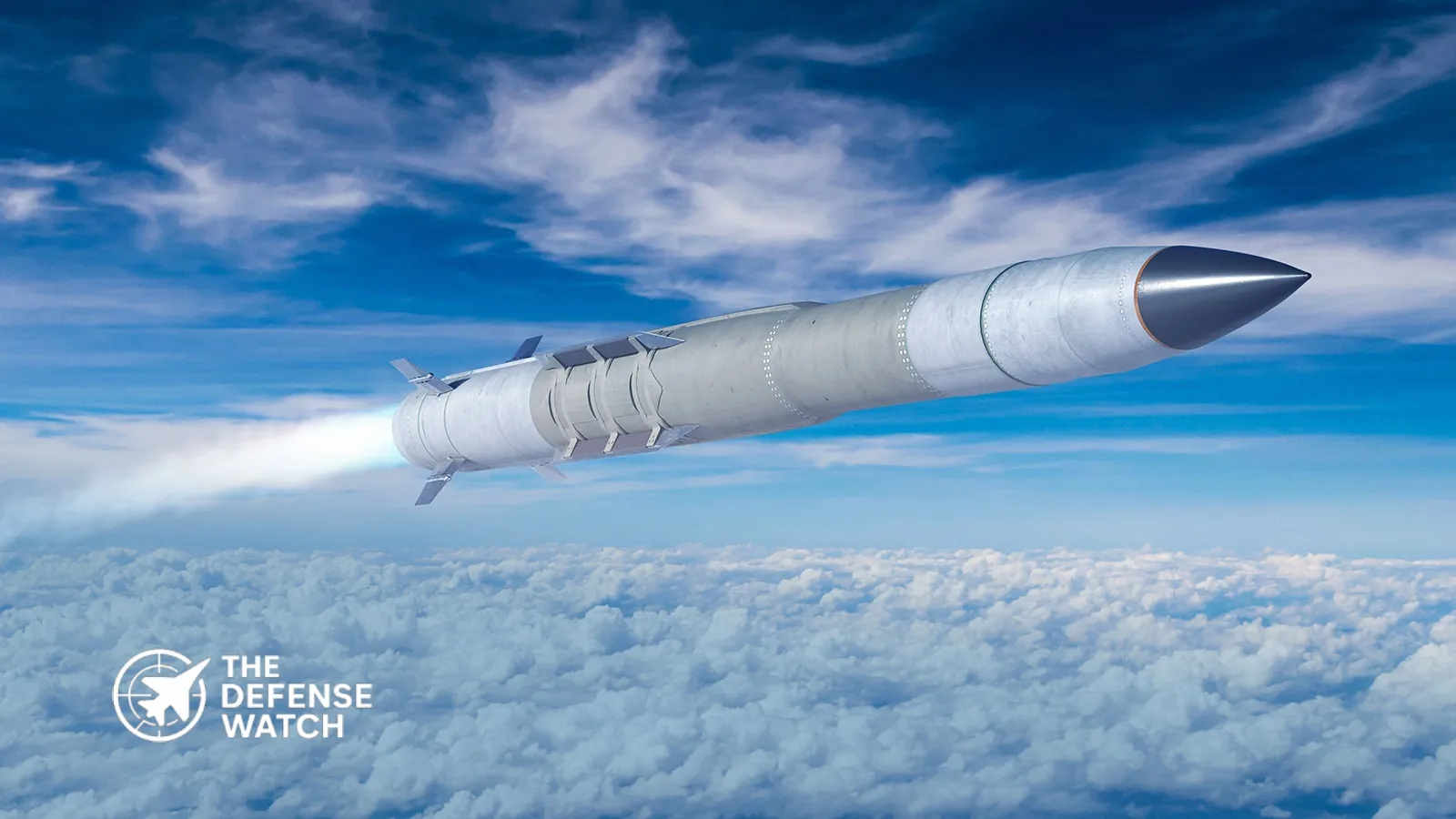
The PAC-3 MSE is a hit-to-kill interceptor designed to engage tactical ballistic missiles, cruise missiles, aircraft and other aerial threats. The Army describes it as a key component of its integrated air and missile defense architecture.
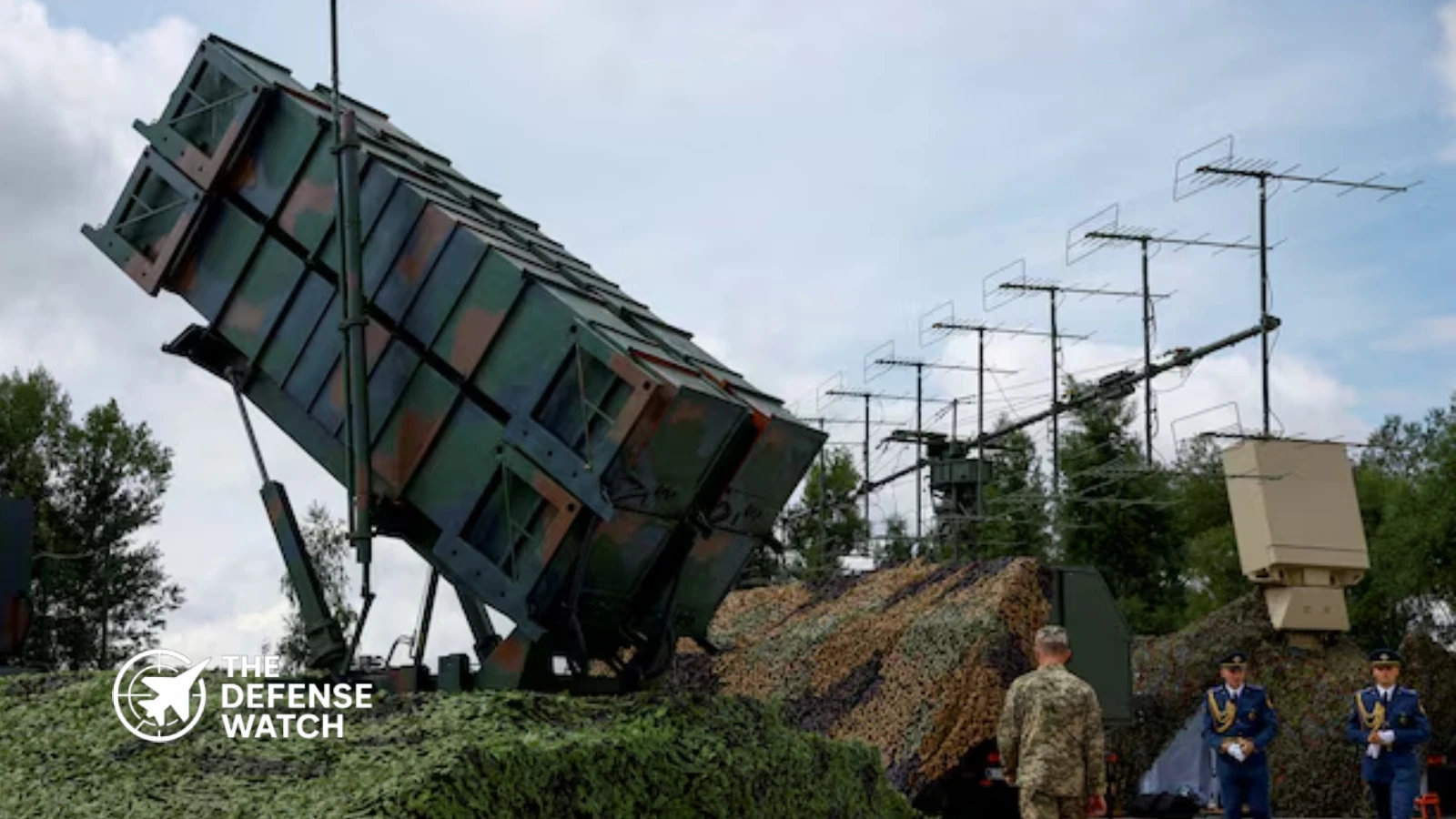
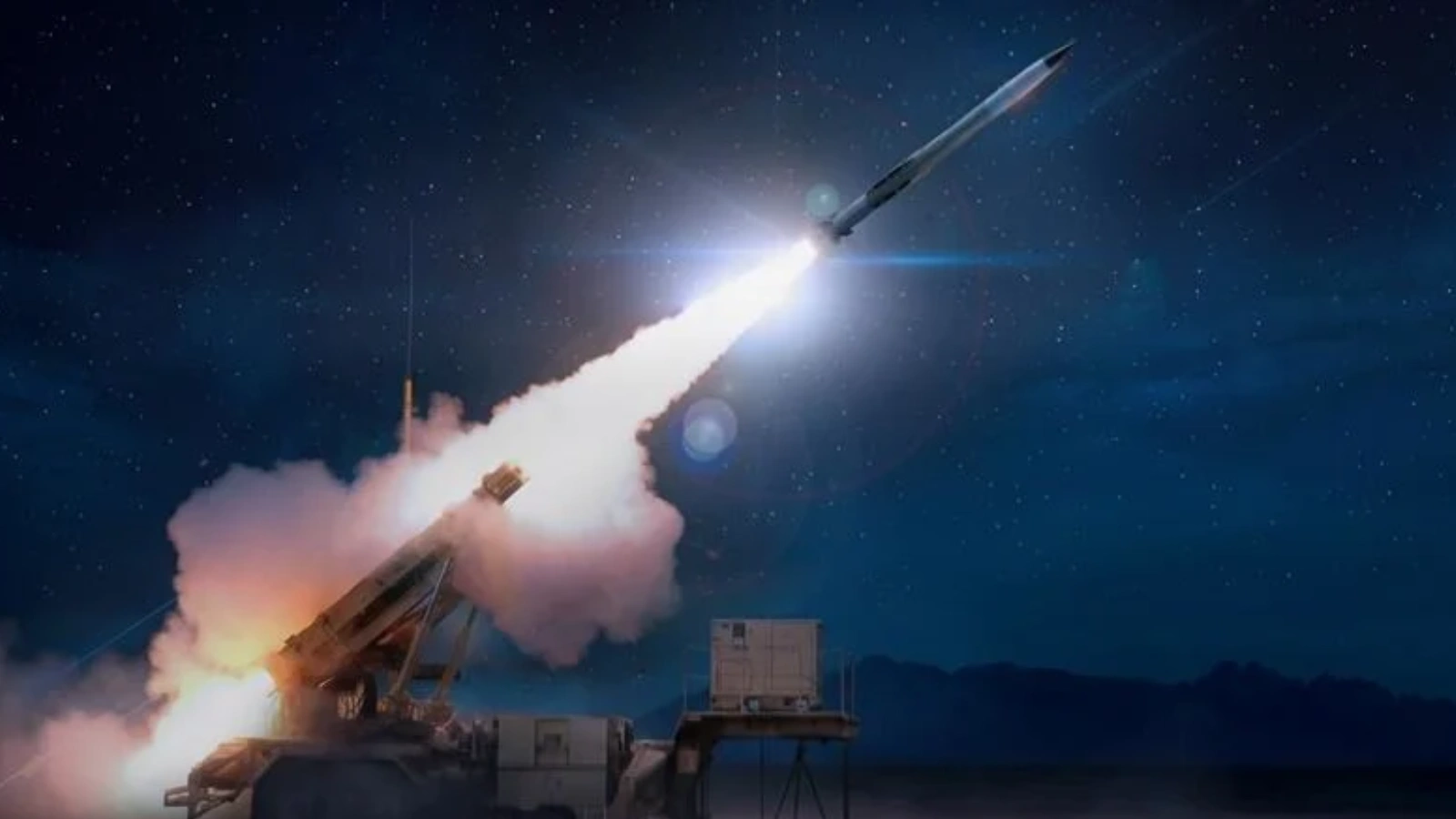
The interceptor is deployed through the Patriot air defense system and has also been integrated into the Army’s Integrated Air and Missile Defense Battle Command System. The Army’s budget documentation also identifies PAC-3 MSE as compatible with the U.S. Terminal High Altitude Area Defense architecture.
New Arkansas Facilities Are Central To The Expansion
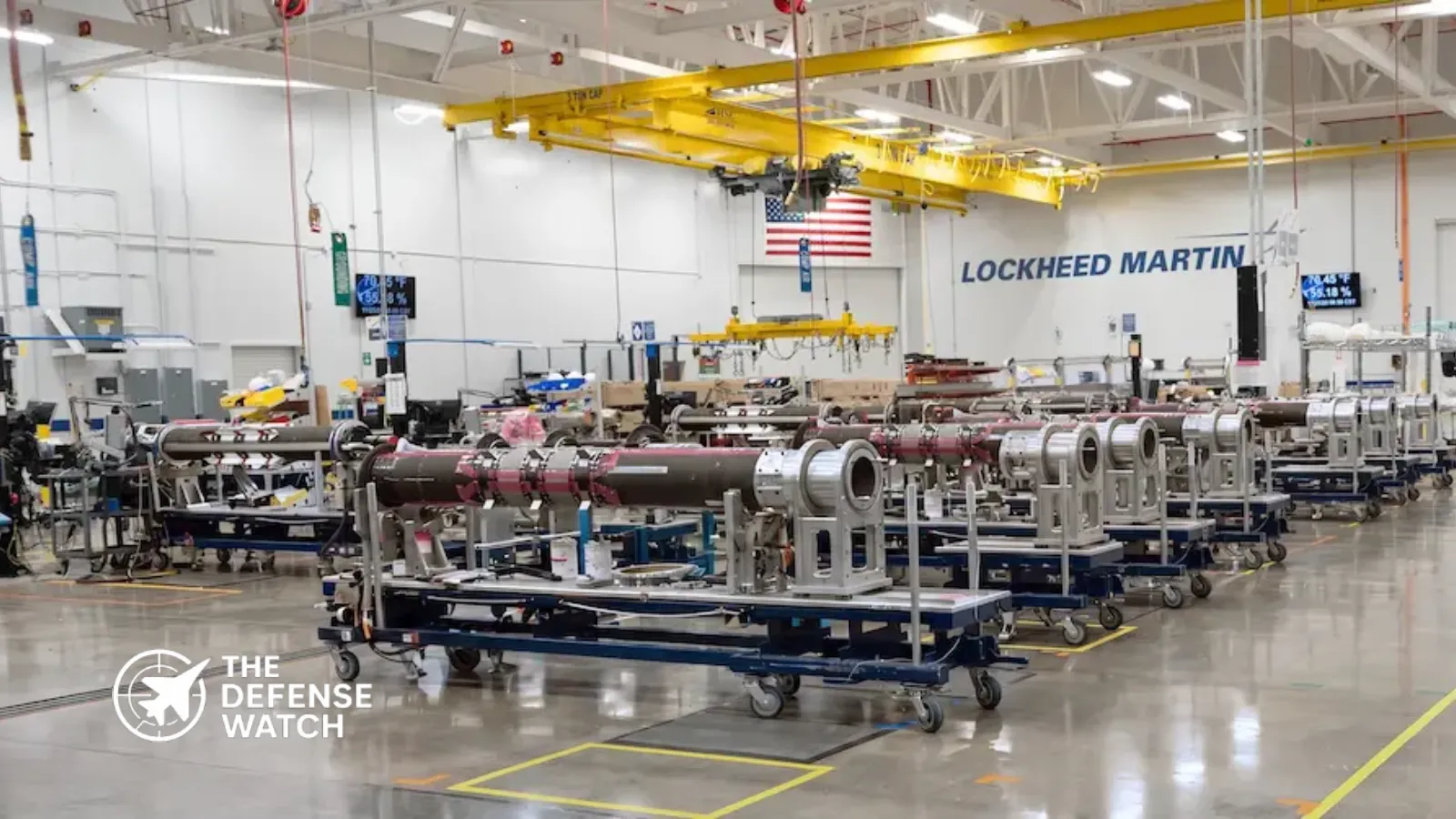
The contract arrives as L3Harris expands its solid rocket motor manufacturing capacity in Camden, Arkansas.
The company broke ground on two new facilities at the site in June. L3Harris expects both facilities to be operational in 2027, with the expansion intended to increase onsite production, improve manufacturing throughput and modernize solid rocket motor production.
Those facilities build on earlier investments at Camden, including dedicated production bays and automated digital X-ray inspection systems. Such manufacturing infrastructure is important for increasing output without simply relying on existing production lines and facilities.
The broader industrial expansion is substantial. L3Harris says it is investing billions of dollars across its propulsion manufacturing network, including approximately 60 new facilities and more than 1 million square feet of additional manufacturing space across Arkansas, Alabama and Virginia.
Why Propulsion Capacity Matters
Increasing the number of completed interceptors requires more than expanding the final assembly operation.
PAC-3 MSE production depends on a network of specialized suppliers responsible for motors, control systems, warheads, guidance components and other assemblies. A production bottleneck in any of those areas can constrain the number of complete interceptors that Lockheed Martin can deliver.
The L3Harris award therefore addresses an important part of the PAC-3 MSE production chain.
This is particularly significant because solid rocket motors are specialized products that require dedicated manufacturing infrastructure, qualified materials, testing capacity and quality-control processes. Building new facilities can increase long-term capacity, but production rates still depend on workforce availability, supplier throughput, qualification requirements and the ability to integrate new capacity into the wider missile production system.
That makes the seven-year commitment strategically important beyond its headline dollar value. A longer production horizon gives an industrial supplier a clearer basis for investing in facilities, equipment, labor and upstream materials.
PAC-3 MSE Production Is Moving To A Multiyear Model
The L3Harris announcement is part of a much larger change in the way the U.S. is approaching PAC-3 MSE procurement.
In April, the U.S. government awarded Lockheed Martin a $4.7 billion undefinitized contract action to accelerate PAC-3 MSE production. The Army said that award was intended to expand manufacturing capacity and strengthen the defense industrial base supporting the interceptor.
In July, the Army replaced the earlier one-year arrangement with a seven-year undefinitized contract action valued at up to $53.86 billion. The modification increased the overall contract ceiling to $58.62 billion when combined with the earlier award.
The Army said the multiyear structure is designed to give Lockheed Martin and its suppliers greater predictability for hiring skilled workers, securing raw materials and investing in advanced manufacturing facilities.
That approach is important because missile production cannot be expanded instantly when demand rises. Manufacturing equipment, specialized facilities and qualified personnel often require years of investment before they can contribute meaningful additional output.
The Industrial Base Is The Strategic Story
The latest L3Harris award illustrates a broader issue facing U.S. missile defense: the ability to produce interceptors at the scale required for sustained operations.
Modern air and missile defense systems depend on large inventories because interceptors are consumed during engagements. Maintaining adequate stocks requires continuous production rather than relying solely on existing inventories.
The PAC-3 MSE is also being sought by U.S. allies and partners, creating additional pressure on production capacity. Lockheed Martin has said global demand for PAC-3 continues to grow and has linked the expansion program to efforts to increase production capacity.
For Washington, expanding propulsion manufacturing therefore has two related effects. It supports U.S. inventory requirements while also creating greater capacity to supply allied air and missile defense requirements.
That matters as the United States and its partners place greater emphasis on layered air defense against ballistic missiles, cruise missiles, aircraft and increasingly complex aerial threats.
PAC-3 MSE’s Role In Integrated Air Defense
The PAC-3 MSE is not a standalone missile defense architecture. It operates as part of a broader network in which sensors, command-and-control systems, launchers and interceptors work together.
Its hit-to-kill design is intended to destroy incoming threats through direct collision rather than relying primarily on a conventional explosive warhead. The Army identifies the MSE variant as offering increased range, altitude and overall performance compared with earlier PAC-3 versions.
The missile’s integration into Patriot and other U.S. command-and-control architectures also means that increased interceptor production can contribute to the capacity of a wider air and missile defense network.
However, additional missiles alone do not solve every air defense challenge. Effective defense depends on the availability of launchers, radar coverage, command-and-control infrastructure, trained crews, logistics and sufficient stocks of interceptors.
A Seven-Year Demand Signal For Industry
The most important element of the latest agreement may be its duration.
A seven-year propulsion contract gives L3Harris a longer planning horizon for manufacturing investments than a short-term procurement award would provide. That can support expansion of production lines, workforce development and supplier commitments while reducing some of the uncertainty associated with fluctuating annual demand.
The timing also aligns with the broader U.S. effort to create what the Army describes as a warm production line capable of scaling output when required.
For the PAC-3 MSE program, this creates a closer connection between government procurement policy and industrial capacity. The government establishes a sustained demand signal, Lockheed Martin expands interceptor production, and key suppliers such as L3Harris invest in the propulsion infrastructure needed to support higher output.
That model is increasingly relevant to U.S. defense procurement as Washington seeks to expand munitions manufacturing capacity while maintaining supply-chain resilience.
What Comes Next
The immediate focus will be on translating the contract commitment into higher production capacity.
L3Harris expects its two new Camden facilities to become operational in 2027. The company will then need to integrate the new infrastructure with its existing manufacturing network and supply base.
At the program level, Lockheed Martin and the Army will continue implementing the multiyear PAC-3 MSE production framework established this year.
The result is a coordinated expansion that reaches from government procurement through prime-contractor interceptor assembly to specialized propulsion manufacturing.
For the U.S. missile defense enterprise, the significance of the L3Harris agreement is therefore not simply the $4.7 billion price tag. It represents another major investment in the industrial capacity required to sustain PAC-3 MSE production at a substantially higher rate over several years.