

Executive Summary:
New Zealand has launched formal discussions with Australia and the United Kingdom on replacing its aging ANZAC-class frigates. Wellington is evaluating Japan’s Mogami-class and Britain’s Type 31 designs as part of a wider naval modernization effort tied to growing Indo-Pacific security concerns.
New Zealand Frigate Replacement Gains Momentum
New Zealand frigate replacement plans are moving into a more serious phase as Wellington begins discussions with Australia and Britain over future surface combatants for the Royal New Zealand Navy (RNZN).
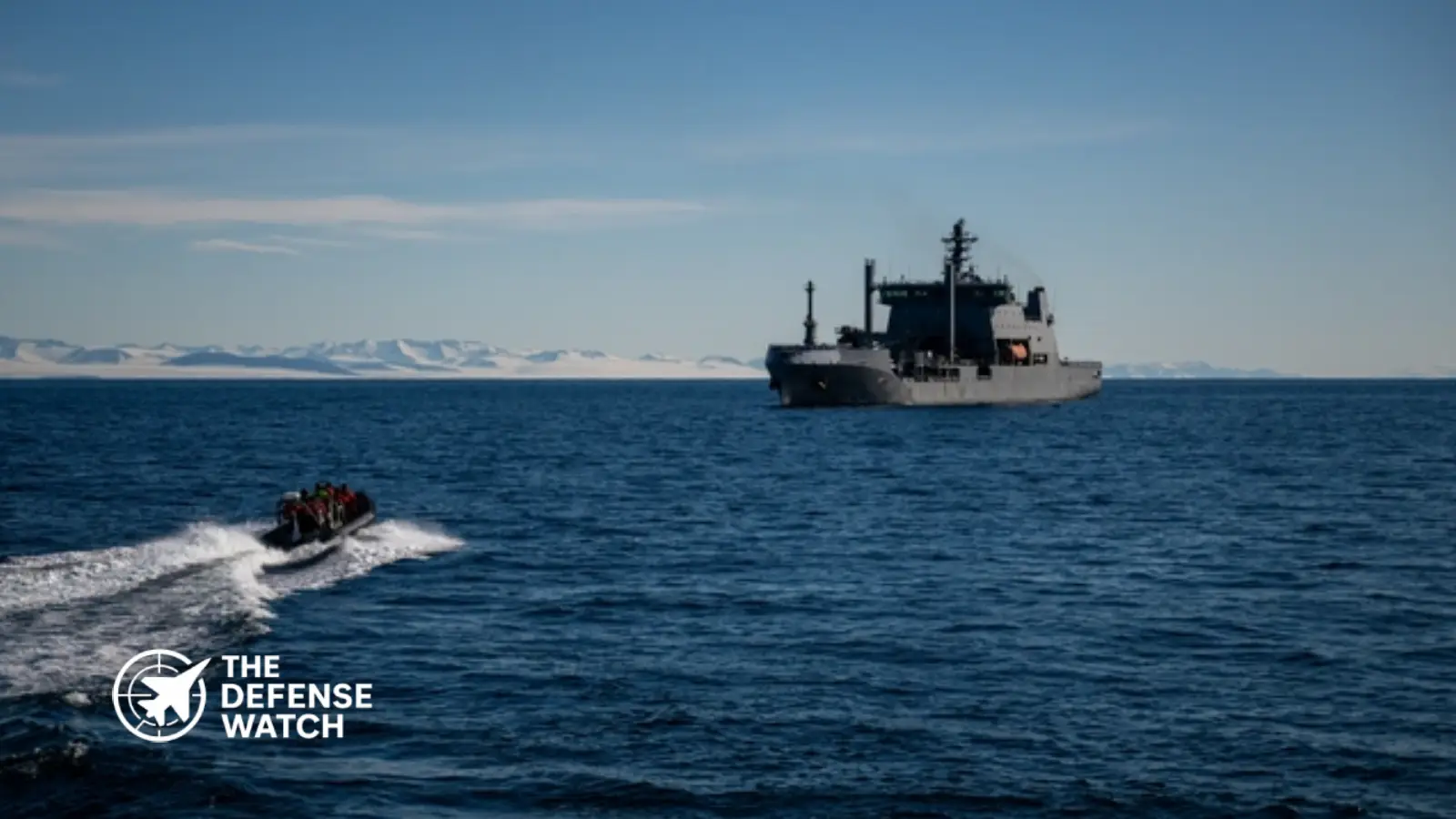
New Zealand Defence Minister Chris Penk confirmed that the government has started evaluating replacement pathways for the RNZN’s two aging ANZAC-class frigates, HMNZS Te Kaha and HMNZS Te Mana. A recommendation is expected to be delivered to the government by the end of 2027.
The two frigates entered service in 1997 and 1999 and currently represent New Zealand’s primary maritime combat capability. Officials say most of the navy’s fleet will approach the end of its operational life by the mid-2030s, making fleet renewal increasingly urgent.
The effort forms part of New Zealand’s 2025 Defence Capability Plan, which aims to reverse decades of underinvestment in military infrastructure and expand national defense spending.
Mogami-Class And Type 31 Frigates Under Review
The New Zealand government is reportedly studying two primary options for the ANZAC-class frigates replacement effort.
One candidate is Japan’s Mogami-class frigate, a stealth-focused warship already selected by Australia for its future general-purpose frigate program. The second option is Britain’s Type 31 frigate, developed for the Royal Navy as a lower-cost, flexible surface combatant.
The inclusion of both designs highlights Wellington’s emphasis on interoperability with close defense partners. New Zealand and Australia have historically operated similar naval platforms, including the original ANZAC-class ships.
Choosing the same platform as Australia could provide logistical efficiencies, common training pipelines, and shared sustainment infrastructure across the Tasman Sea. That consideration is becoming increasingly important as both countries pursue closer defense integration in response to evolving Indo-Pacific security dynamics.
Why The Frigate Decision Matters
The New Zealand frigate replacement program is about more than simply replacing aging vessels.
The RNZN operates with a relatively small fleet, meaning each major combat ship carries significant strategic value. The frigates are regularly used for regional security missions, maritime patrols, humanitarian assistance, coalition deployments, and protection of sea lines of communication across the South Pacific.
New Zealand’s geographic isolation and expansive maritime zone make naval capability especially important. The country also faces growing pressure to contribute more actively to regional deterrence and maritime security operations alongside allies and partners.
Recent defense planning documents from Wellington point to increased concern over strategic competition in the Indo-Pacific, including the expanding naval presence of China and broader instability across key maritime trade routes. While New Zealand traditionally maintained modest defense spending, the current government has signaled a shift toward higher military investment levels.
Reuters previously reported that Wellington plans to increase defense spending toward 2% of GDP by 2032-33 and recently committed major funding for new maritime helicopters and broader naval modernization efforts.
Australia’s Choice Could Influence Wellington
Australia’s earlier selection of the Mogami-class frigate may significantly shape New Zealand’s eventual decision.
Canberra’s future frigate plan includes Japanese-designed warships optimized for anti-submarine warfare, networked operations, and reduced crew requirements. Those features align with several of New Zealand’s operational needs, particularly manpower constraints inside the RNZN.
The Mogami-class also offers modern automation systems and lower lifecycle operating costs compared with larger Western frigate designs. For New Zealand, affordability and sustainment will likely be major deciding factors alongside combat capability.
However, Britain’s Type 31 remains a competitive alternative. Built around modularity and export flexibility, the design has attracted international interest as governments seek lower-cost but adaptable naval platforms.
The Type 31 could also strengthen defense-industrial ties between Wellington and London at a time when the United Kingdom is increasing its Indo-Pacific engagement.
Broader Indo-Pacific Security Implications
The ANZAC-class frigates replacement effort reflects a wider regional trend.
Across the Indo-Pacific, allied navies are accelerating modernization programs in response to rising geopolitical competition, expanding submarine activity, and growing concerns over maritime security.
Australia continues investing heavily in AUKUS-related naval infrastructure and nuclear-powered submarine capabilities, while Japan is increasing defense production and regional security cooperation.
New Zealand’s naval modernization remains smaller in scale, but the direction is increasingly aligned with broader allied efforts to improve interoperability and collective maritime presence across the Pacific.
For Wellington, replacing the ANZAC-class frigates will likely become one of the country’s most important defense procurement decisions of the next decade.
