Danish F-35A Arctic Combat Capability Tested Under NORAD
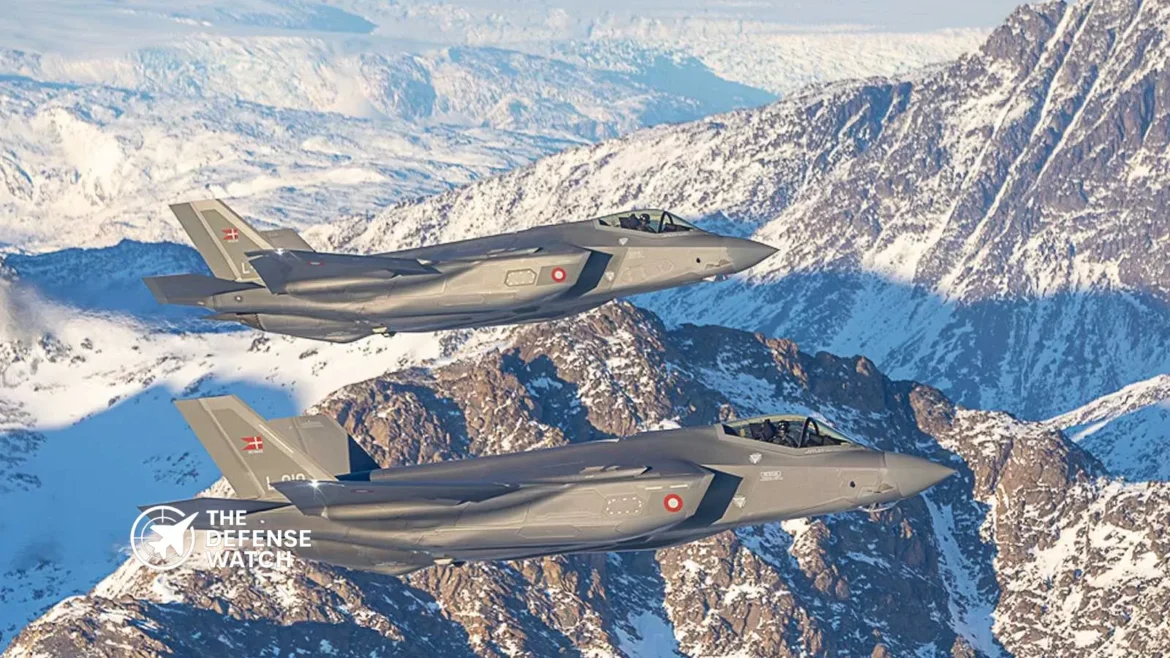
Royal Danish Air Force F-35A Lightning II fighters demonstrated Arctic combat capability in extreme cold during joint air defense missions under North American Aerospace Defense Command (NORAD) control, Danish officials said. The deployment pushed fifth-generation aircraft and support systems into demanding northern environments, validating interoperability and endurance with allied forces.
Nordic Jets in High-Latitude Defense Missions
During Operation Noble Defender, Danish F-35As flew alongside U.S. and Canadian fighters with support from a French Air and Space Force Airbus A330 Multi-Role Tanker Transport for aerial refueling. The missions spanned across Icelandic and southeastern Greenland airspace, where severe temperatures, limited infrastructure, and long-range sortie demands tested aircraft and crews alike.
Operating under NORAD’s integrated U.S.-Canada air defense structure, the Danish jets conducted air policing and surveillance sorties. Allied commanders emphasized real-time data sharing and secure communications between F-35s and partner aircraft as a key outcome of the exercise.
Environmental Challenges and Platform Performance
Arctic missions expose aircraft and support personnel to extreme cold, rapidly changing weather, and sparse ground support. During Operation Noble Defender, crews routinely operated in sub-zero temperatures, with wind chills well below freezing.
According to analysts, the F-35A’s integrated sensor suite, including its AESA radar and electro-optical systems, helps maintain situational awareness where weather and ice cover can reduce visibility. Sensor fusion was a highlight, providing shared threat pictures across the joint force.
The jet’s Pratt & Whitney F135 engine is reported to deliver reliable cold-start performance, while maintainers used onboard health monitoring tools to track stress and component performance at low temperatures. These data help refine sustainment practices for future Arctic deployments.
Sustained Operations With Allied Support
Supporting long-range sorties over the North Atlantic, aerial refueling was critical. The French MRTT tanker extended F-35A time on station, bridging the significant distances between bases and patrol zones. A Danish Challenger CL-604 transport also contributed to logistical flexibility, moving personnel in challenging conditions.
Search and rescue (SAR) assets were pre-positioned in Greenland to support allied aircraft should missions run into distress. This underlines the inherent risk of high-latitude flight operations where response times to emergencies are long and survival windows narrow.
Strategic and Operational Context
Danish involvement comes as NATO and partner forces increase focus on Arctic security. Greenland’s strategic location has drawn heightened military attention, including regular high-latitude exercises and deployments by allied air and maritime forces.
NORAD’s Operation Noble Defender is a recurring air defense exercise intended to enhance deterrence and readiness for the northern approaches to North America. The Danish F-35A contribution represents one of the most demanding uses of the type in Arctic conditions to date.
What Comes Next
As Denmark continues to integrate the F-35A into frontline roles, Arctic operations remain a priority. The Royal Danish Air Force is expanding its fleet under recent defense budgets and working with NATO partners to refine high-latitude tactics and sustainment practices.
Major Defense Powers Decline AI Governance Commitment
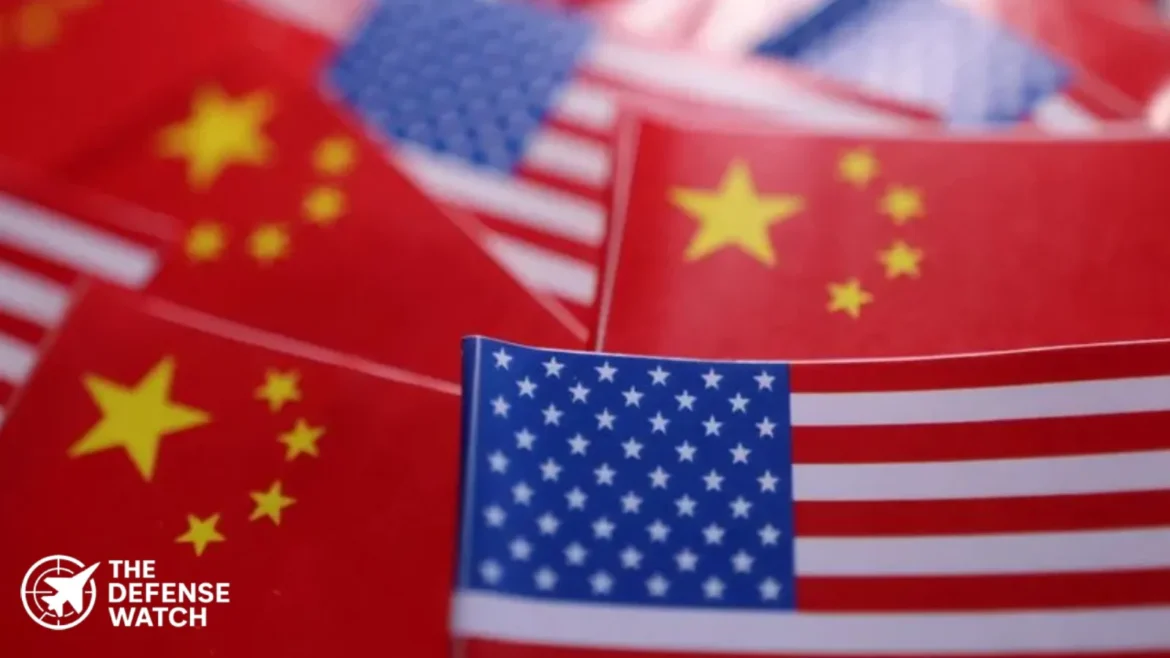
The United States and China declined to sign a joint declaration on governing artificial intelligence in military applications at a summit held February 4-5, 2026, in A Coruña, Spain!. The development marks a significant setback for international efforts to establish guardrails around one of the most consequential technologies in modern warfare.
Only 35 countries out of 85 attending the Responsible AI in the Military Domain (REAIM) summit signed a commitment to 20 principles on military AI use, representing a notable decline from previous summits where broader consensus was achieved. The 2024 Seoul REAIM summit saw approximately 60 nations endorse similar principles.
The declaration addressed critical governance issues including affirming human responsibility over AI-powered weapons systems, establishing clear chains of command and control, and sharing information on national oversight mechanisms for military AI applications.
Declining US Engagement Signals Policy Shift
While the United States signed the 2024 Seoul Blueprint for Action, it notably refused to sign the February 2026 declaration in Spain. The shift represents a marked change in U.S. policy under the current administration.
Vice President J.D. Vance represented the United States at the summit, citing concerns that excessive regulation could stifle innovation and weaken national security. This rationale reflects growing concerns within the U.S. defense establishment about maintaining technological superiority as adversaries rapidly advance their AI capabilities.
Unlike previous summits, the United States did not proactively drive discussions at REAIM this year, despite being a key founder of the initiative under the Biden administration. The limited American engagement led some observers to question the summit’s potential impact on establishing meaningful international standards.
China Maintains Consistent Opposition
China has consistently attended REAIM summits but avoided signing final declarations, with analysts suggesting Beijing is wary of making specific commitments that could limit its military AI development. Chinese representatives have pointed to their own “Global Initiative for AI Governance” as their preferred framework for international cooperation.
A major sticking point in recent declarations is the requirement to maintain human control over nuclear weapons decisions Just Security. China has been particularly reluctant to endorse this principle, with some experts attributing this to a broader suspension of nuclear arms control talks with the United States.
The “nuclear guardrail” issue remains a major point of contention, with China specifically reluctant to sign onto provisions requiring human control over nuclear weapons employment.
Twenty Principles for Responsible Military AI
The declaration outlined 20 specific actions divided into three key areas: the impact of AI on international peace and security, implementing responsible AI in the military domain, and envisaging future governance frameworks.
Key principles included affirming human responsibility over AI-powered weapons, encouraging clear chains of command and control, and sharing information on national oversight arrangements consistent with national security.
The document emphasized the importance of risk assessments, robust testing, and training and education for personnel operating military AI capabilities. These technical safeguards represent growing recognition that AI systems in military contexts require specialized expertise and oversight mechanisms.
Transatlantic Tensions Impact Summit Outcomes
Tensions in relations between the United States and European allies, and uncertainty over how transatlantic ties will look in coming months and years, made some countries hesitant to sign joint agreements, according to multiple summit attendees and delegates.
Dutch Defence Minister Ruben Brekelmans characterized the challenge facing governments as a “prisoner’s dilemma,” where nations are caught between implementing responsible restrictions and avoiding limitations that could disadvantage them relative to adversaries.
“Russia and China are moving very fast. That creates urgency to make progress in developing AI. But seeing it going fast also increases the urgency to keep working on its responsible use. The two go hand-in-hand,” Brekelmans stated.
Growing Urgency Around Military AI Governance
The pledge underscores growing concern among governments that rapid advances in artificial intelligence could outpace rules around its military use, raising the risk of accidents, miscalculation or unintended escalation.
Military AI applications are already deployed across multiple domains, including unmanned systems, intelligence gathering and analysis, decision-making assistance, cyber operations, and information campaigns. The rapid proliferation of these capabilities has intensified concerns about the need for international guardrails.
The summit took place against the backdrop of active conflicts where AI technologies are being employed on the battlefield. Recent Pentagon assessments indicate China has made significant progress in large language models and AI reasoning capabilities, narrowing the performance gap with leading U.S. systems.
Previous Summit Achievements Now in Question
The REAIM initiative originated with the first summit in The Hague in February 2023, followed by the Seoul summit in September 2024. Both previous gatherings produced outcome documents—the Call to Action and Blueprint for Action—that enjoyed broader international support.
Over 60 countries endorsed the Seoul Blueprint for Action, with China notably abstaining primarily due to language on maintaining human involvement for decisions concerning nuclear weapons employment.
The 2026 summit outcome document, titled “Pathways for Action,” was designed to focus on implementation of legal and policy principles rather than establishing new frameworks. However, the significant decline in signatories raises questions about the viability of translating principles into operational practice.
UN Process Continues in Parallel
The REAIM process operates alongside formal United Nations initiatives addressing AI in the military domain. A UN General Assembly resolution mandated informal exchanges on the topic scheduled for June 2026 in Geneva, potentially paving the way for an Open-Ended Working Group on the issue.
The UN Secretary-General recommended establishing a dedicated and inclusive process to comprehensively tackle the issue of AI in the military domain and its implications for international peace and security.
Civil society organizations, including the Stop Killer Robots coalition, have called for legally binding treaties rather than voluntary guidelines to govern autonomous weapons systems and military AI applications. These groups argue that non-binding declarations lack enforcement mechanisms necessary to ensure compliance.
Implications for Defense Technology Competition
The divergence between major powers on military AI governance reflects broader strategic competition in defense technology. The United States, China, and Russia are all investing heavily in AI capabilities across their armed forces, viewing leadership in this domain as essential to future military advantage.
Recent U.S. defense initiatives include the Pentagon’s GenAI.mil platform, which provides military and civilian personnel access to commercial AI capabilities for operational use. The Defense Department announced integration of xAI’s Grok models to enable secure handling of controlled unclassified information.
China’s military-civil fusion strategy ensures its commercial and academic AI sectors provide continuous support to People’s Liberation Army research and development projects, allowing Beijing to rapidly incorporate private sector AI breakthroughs into military systems.
The absence of consensus at the REAIM summit suggests that establishing international norms for military AI will prove increasingly difficult as strategic competition intensifies and technological capabilities advance.
Lockheed Martin Brings Advanced Defense Technology to World Defense Show 2026
Lockheed Martin will present advanced defense technology and expanded Saudi partnerships at the World Defense Show 2026 in Riyadh, reinforcing its multi-domain capabilities and long-standing industrial ties with the Kingdom of Saudi Arabia.
In official statements and briefings ahead of the event, the U.S. defense and aerospace company said its showcase will focus on next-generation systems, industrial collaboration, and workforce development aligned with Saudi Vision 2030 goals.
Long-standing US-Saudi Defense Partnership
Lockheed Martin’s relationship with Saudi Arabia spans more than 60 years, beginning with the delivery of the first C-130 Hercules transport aircraft in 1965. Over time, collaboration has grown into a broad, multi-domain partnership covering air, land, sea, space, and cyber domains.
Brigadier General (Retired) Joseph Rank, chief executive for Lockheed Martin in Saudi Arabia and Africa, described the partnership as one built on mutual trust, shared goals, and enduring capability development.
At WDS 2026, Lockheed Martin said it will show how advanced technologies and industrial collaboration boost operational readiness and support resilient defense ecosystems in both Saudi Arabia and the United States.
What Lockheed Martin Will Present
At the Riyadh show, Lockheed Martin plans to showcase core platforms and technological demonstrations, including:
• F-35 Lightning II features and cockpit demonstrations for invited guests, highlighting sensor fusion and data integration.
• AI-enabled CommandIQ command and control mission suite that integrates operations across multiple domains while maintaining operational control and sovereignty.
• Advanced sensors, missile defense capabilities such as THAAD and PAC-3 systems, and a range of Sikorsky aircraft and networked solutions.
The company will also highlight progress in local manufacturing with Saudi partners, workforce training programs, and efforts to strengthen supply chain resilience.
Industrial Collaboration and Localization
Industrial partnerships with Saudi entities are a key part of Lockheed Martin’s presence at World Defense Show 2026. The company is working with the General Authority for Military Industries (GAMI) and Saudi Arabian Military Industries (SAMI) on expanded manufacturing, local supply chain integration, and advanced aerospace production.
Recent milestones include local production of key Terminal High Altitude Area Defense (THAAD) launcher components with AIC Steel in Saudi Arabia, supporting Saudi Vision 2030 objectives for increased localization of defense production.
In parallel with manufacturing efforts, Lockheed Martin opened a software factory in Riyadh in January 2026 to build sovereign software applications and strengthen in-Kingdom digital talent. The facility supports development of interoperable command-and-control systems and will train Saudi engineers in advanced software and enterprise technologies.
Strategic Context at World Defense Show 2026
The World Defense Show serves as a platform for international defense companies and host-nation partners to connect, share expertise, and showcase innovation. The 2026 edition, scheduled for February 8-12 in Riyadh, is expected to draw global delegations and focus on multi-domain integration and Saudi industrial growth.
Organizers have highlighted enhanced features at this year’s show, such as dedicated zones for supply chain development, unmanned systems, and new networking programs, all aligned with Saudi Vision 2030’s push for defense sector localization.
US-Saudi Defense Ties in a Wider Context
Lockheed Martin’s participation at World Defense Show 2026 comes amid broader US-Saudi defense cooperation, which includes recent arms sales such as the proposed $9 billion Patriot missile sale with Lockheed Martin as principal contractor.
These ongoing industrial and technology partnerships reflect a deepening of strategic ties between the United States and Saudi Arabia, and underscore shared interest in regional stability, capability development, and innovation.
Israel Azerbaijan artificial intelligence MOU cooperation took a new step forward today as Israel and Azerbaijan signed a Memorandum of Understanding focused on artificial intelligence development and collaboration. The agreement is positioned as part of Israels broader national strategy to expand its leadership role in artificial intelligence, while also strengthening strategic ties with Azerbaijan in emerging technologies relevant to defense, security, and state modernization.
Officials from both governments confirmed the signing, describing the MOU as a framework for deeper institutional cooperation, knowledge sharing, and joint initiatives in artificial intelligence across civilian and security related domains.
Israel Azerbaijan Artificial Intelligence MOU Explained
The newly signed Israel Azerbaijan artificial intelligence MOU establishes a formal mechanism for cooperation between government institutions, research bodies, and technology ecosystems in both countries. While detailed technical annexes have not been made public, officials indicated the agreement focuses on applied artificial intelligence, innovation policy coordination, and workforce development.
According to Israeli government statements, the MOU aligns with national efforts to integrate artificial intelligence into public services, defense planning, and industrial competitiveness. For Azerbaijan, the agreement supports Baku’s ongoing push to modernize state capabilities, including digital governance and security related technologies.
The MOU does not announce specific weapons programs or classified military projects. Instead, it creates a policy and cooperation framework that can support future joint initiatives, including those relevant to defense technology and national security applications.
Strategic Context for Israel
Israels leadership has repeatedly identified artificial intelligence as a strategic national priority. The government has promoted AI as a foundational technology for economic growth, military effectiveness, and technological sovereignty.
Officials described the Israel Azerbaijan artificial intelligence MOU as a continuation of these objectives, emphasizing international cooperation with trusted partners. Israels defense sector already integrates AI into areas such as intelligence analysis, command and control systems, cyber defense, and autonomous platforms.
By expanding cooperation with Azerbaijan, Israel broadens its network of international AI partnerships beyond traditional Western allies, reinforcing its role as a global hub for applied artificial intelligence and defense innovation.
Azerbaijan’s Interest in AI and Defense Modernization
Azerbaijan has invested heavily in defense modernization and digital transformation over the past decade. The country has pursued advanced capabilities in intelligence, surveillance, and command systems, often emphasizing technology driven efficiency and automation.
The Israel Azerbaijan artificial intelligence MOU supports these objectives by enabling access to Israeli expertise in AI research, startup ecosystems, and applied defense technologies. Azerbaijani officials have framed artificial intelligence as a key enabler for future economic diversification and security resilience.
Israel is already one of Azerbaijan’s most important defense technology partners, particularly in unmanned systems, sensors, and electronic warfare related equipment. The AI agreement adds a policy level structure to this long standing relationship.
Implications for Defense Technology Cooperation
While the MOU is framed broadly, artificial intelligence has clear relevance for defense and security cooperation. AI applications increasingly underpin modern military systems, including decision support tools, predictive maintenance, autonomous platforms, and intelligence fusion.
The Israel Azerbaijan artificial intelligence MOU may facilitate joint research programs, academic exchanges, and pilot projects that indirectly support defense modernization without transferring classified systems. Such arrangements are common in international AI cooperation agreements, allowing governments to explore dual use technologies under civilian frameworks.
Defense analysts note that AI policy cooperation often precedes deeper technical collaboration, especially in areas such as cyber defense, space data processing, and electronic warfare support systems.
Geopolitical and Regional Significance
The agreement also carries geopolitical weight. Israel and Azerbaijan maintain close diplomatic and security ties, rooted in shared strategic interests and long term cooperation. Formalizing AI collaboration signals trust at the policy level, particularly in a domain increasingly viewed as critical to national power.
From a regional perspective, the Israel Azerbaijan artificial intelligence MOU highlights the growing role of emerging technologies in shaping defense partnerships across the Middle East and Eurasia. Governments are increasingly focusing on software driven capabilities rather than traditional platform centric modernization alone.
The timing of the agreement underscores a broader trend of states seeking resilient technology partnerships amid global competition over artificial intelligence leadership.
Alignment With National AI Strategies
Israeli officials linked the MOU to national flagship goals aimed at positioning Israel among the world’s leading AI nations. These efforts include investments in compute infrastructure, talent development, and regulatory frameworks to support responsible AI deployment.
Azerbaijan has similarly outlined digital development strategies that emphasize smart government, data driven decision making, and advanced security technologies. The Israel Azerbaijan artificial intelligence MOU provides a bilateral channel to align elements of these national strategies.
Both sides emphasized cooperation rather than dependency, highlighting mutual benefit and shared development rather than one directional technology transfer.
What Comes Next
The MOU itself is a framework agreement rather than an operational contract. Implementation will likely depend on follow on working groups, project specific agreements, and institutional partnerships.
Observers expect initial cooperation to focus on policy exchange, academic collaboration, and applied research programs. Any defense related applications would likely proceed cautiously and within existing export control and security frameworks.
For defense and aerospace stakeholders, the Israel Azerbaijan artificial intelligence MOU is a signal of continued convergence between digital technologies and national security planning.
Italy Criticizes UK Secrecy on GCAP Fighter Jet
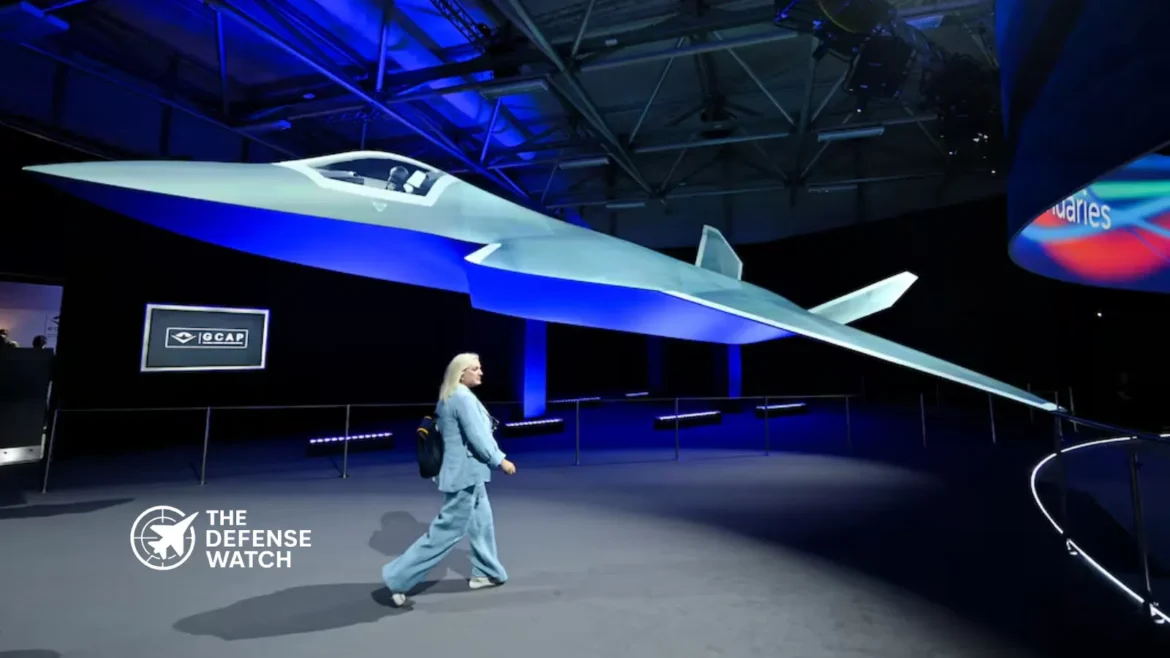
Italy’s defense minister said the United Kingdom is not sharing advanced technology with partners in the Global Combat Air Programme fighter jet project, raising questions about cooperation within the trilateral effort. The comments center on the development of a sixth generation combat aircraft intended to enter service by 2035.
Italian Defense Minister Guido Crosetto told Defense News that UK reluctance to share certain technologies with Italy and Japan is “madness,” warning that keeping advanced systems under wraps could favour potential adversaries.
Crosetto repeated earlier remarks that Britain has been more reluctant than Italy and Japan to open its tech to partners. He said Italy has pushed its industry to share technologies and expects others to follow.
What is GCAP
The Global Combat Air Programme (GCAP) is a joint UK, Italy, and Japan initiative to design and build a sixth generation combat aircraft system. The programme merges the UK’s Tempest and Japan’s F-X efforts into a unified effort aimed at replacing existing fighter fleets like the Eurofighter Typhoon and Mitsubishi F-2 by the mid-2030s.
Governments and industry have formalized cooperation through a joint government organisation and industrial consortium. The GCAP venture is structured to share work and costs roughly equally among the three nations, with key firms such as BAE Systems, Leonardo, and Mitsubishi Heavy Industries leading development work.
Italy’s Cost and Partnership Comments
Crosetto’s remarks come as Italy’s projected cost for its share of GCAP development has risen sharply. Italy told parliament the country’s portion of design and development spending has grown from around €6 billion to roughly €18.6 billion, drawing scrutiny from Italian political parties.
Despite tension over technology sharing, Italian and Japanese leaders have publicly expressed satisfaction with GCAP’s overall progress. The partners aim to keep the programme on track for the 2035 target.
Industrial and Strategic Stakes
GCAP represents a major shift toward international cooperation on advanced combat aircraft, with a focus on networked systems, sensors, and unmanned teaming. Industry sources note formal agreements are in place to coordinate key subsystems, while partner nations continue to align technical and business arrangements.
U K government records show continued support for cooperation with Italy and Japan across military technology domains, including GCAP, as part of broader defense collaboration frameworks.
What Happens Next
Differences over technology sharing highlight the challenges of balancing national interests with partnership goals in large defense projects. For GCAP to proceed smoothly, partners will need to manage technical integration, intellectual property arrangements, and cost allocations while keeping the programme targeted for 2035 delivery.
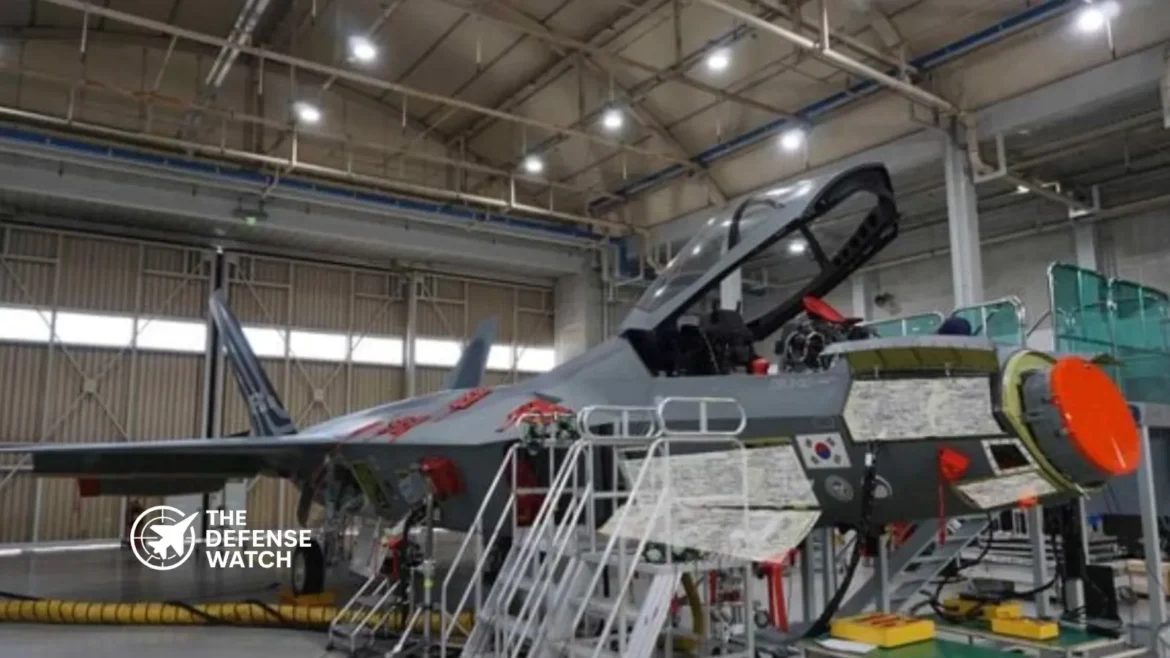
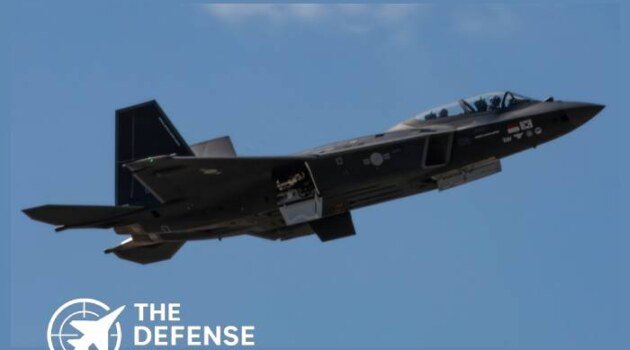
The KF 21 radar system has entered its final testing phase, marking a major milestone in South Koreas effort to field an indigenous advanced fighter aircraft. The program, led by the Defense Acquisition Program Administration and Hanwha Systems, aims to complete validation of the active electronically scanned array radar before integration into frontline KF 21 Boramae aircraft.
The final phase focuses on operational performance, reliability, and combat relevant testing ahead of mass production and service entry.
Radar Testing Moves Into Final Phase
South Koreas Defense Acquisition Program Administration confirmed that the KF 21 radar system has transitioned into its last round of evaluation. This phase includes airborne testing on KF 21 prototypes, tracking accuracy checks, target detection performance, and electronic warfare resilience.
The radar is designed as an AESA system using gallium nitride based transmit receive modules. Officials have stated that the system is intended to meet modern air combat requirements, including multi target tracking, resistance to jamming, and integration with advanced weapons.
Testing during this phase is expected to validate performance under realistic mission profiles, including air to air and air to ground scenarios.
Strategic Importance for the KF 21 Program
The radar is a core sensor for the KF 21 fighter and a critical element in South Koreas broader military modernization effort. Unlike earlier fighter programs that relied heavily on foreign avionics, the KF 21 radar system is largely domestically developed.
South Korean officials view this as a strategic capability that reduces reliance on external suppliers and export restrictions. It also supports Seouls ambition to become a competitive exporter of advanced combat aircraft.
The KF 21 is intended to replace older F 4 and F 5 fighters in the Republic of Korea Air Force while complementing existing F 35A and F 15K fleets.
Role of Hanwha Systems and Industry Partners
Hanwha Systems serves as the prime contractor for the radar, working with the Agency for Defense Development and other local partners. Development began in the mid 2010s, with early ground testing followed by flight trials starting in recent years.
The company has emphasized software defined architecture, allowing future upgrades through software changes rather than hardware redesigns. This approach aligns with modern fighter sensor development trends seen in US and European programs.
South Korean defense officials have stated that lessons learned from the radar program will feed into future aircraft and unmanned systems.
Integration With Weapons and Sensors
During the final testing phase, engineers are focusing on radar integration with the KF 21 mission computer and cockpit displays. This includes sensor fusion, pilot workload reduction, and compatibility with air to air missiles such as the Meteor and domestically developed weapons.
Electronic protection features are also being assessed to ensure survivability in contested electromagnetic environments. These tests are particularly relevant given the growing emphasis on electronic warfare in the Indo Pacific region.
Timeline Toward Operational Service
South Korea plans to complete radar qualification in line with the KF 21 Block I development schedule. Initial operational capability for the aircraft is targeted for the second half of the decade, pending successful testing and production ramp up.
The final testing phase is expected to support certification for serial production aircraft, with early batches focused on air defense missions. Later KF 21 variants are planned to incorporate enhanced strike and electronic warfare capabilities.
Officials have indicated that radar maturity is one of the key gating factors for full rate production approval.
Regional and Global Implications
The progress of the KF 21 radar system underscores South Koreas growing technological base in advanced defense electronics. It also reflects a broader trend among US allies to invest in sovereign defense capabilities amid supply chain risks and export controls.
For regional security watchers, the program highlights Seouls intent to maintain qualitative airpower advantages while reducing dependence on foreign platforms.
From a global market perspective, a proven indigenous AESA radar could strengthen the KF 21s export prospects, particularly among countries seeking advanced fighters without the political constraints attached to some Western systems.
BlackSky Secures Multiple Gen-3 Expansion Contracts
BlackSky Technology Inc. has finalized several Gen-3 expansion contracts, transitioning early access pilot programs into full renewal agreements with customers across the Americas, Europe, and Asia. The deals support the company’s land-and-expand strategy and reflect growing global investment in tactical, commercial space-based intelligence.
The Gen-3 services provide high-cadence, low-latency satellite imagery and AI-enabled analytics to support time-sensitive intelligence, surveillance, and reconnaissance operations. These capabilities are increasingly integrated directly into secure national workflows for defense applications.
Brian O’Toole, CEO of BlackSky, said, “BlackSky’s reliable high-cadence, low-latency Gen-3 monitoring services continue to gain global traction, accelerating our most demanding customers’ ability to attain rapid insight during time-critical operations.”
AI-Enabled Real-Time Intelligence
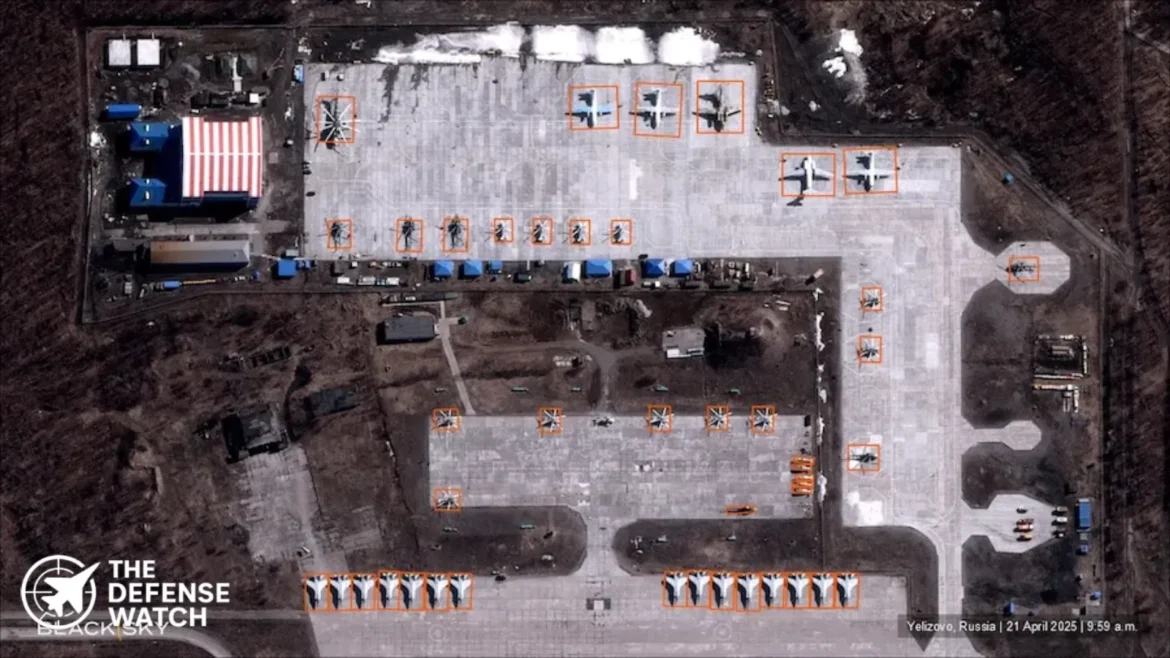
BlackSky’s Gen-3 system offers autonomous detection and classification of tactical targets such as vessels and aircraft, while maintaining continuous monitoring across borders and maritime zones. This reduces dependence on limited intelligence assets from other nations.
O’Toole noted that guaranteed time-sensitive imagery and analytics are now a primary driver of defense spending, as nations increasingly require real-time decision advantages in their security operations. BlackSky’s assured services provide priority tasking and enhanced image clarity to support actionable intelligence.
Vertically Integrated Technology Stack
The company’s approach integrates satellite manufacturing, AI software, and proprietary low Earth orbit constellations to deliver both On-Demand and Assured services. This vertical integration allows for rapid deployment of space-based intelligence solutions, giving military and government clients access to timely, actionable data.
By leveraging fully sovereign systems or commercial satellites, BlackSky provides flexible, responsive capabilities that meet the operational needs of international defense customers.
Global Defense Market Implications
These new contracts underscore the rising demand for tactical space-based intelligence. Analysts suggest that AI-forward satellite services like BlackSky’s Gen-3 are becoming critical for countries seeking faster, more reliable situational awareness amid evolving geopolitical tensions.
The expansion of Gen-3 services illustrates the shift toward integrating commercial space assets into national defense frameworks, a trend expected to grow as nations prioritize real-time ISR capabilities.
General Atomics MQ-20 Avenger Unmanned Jet Completes First Live Autonomous Air-to-Air Intercept Test
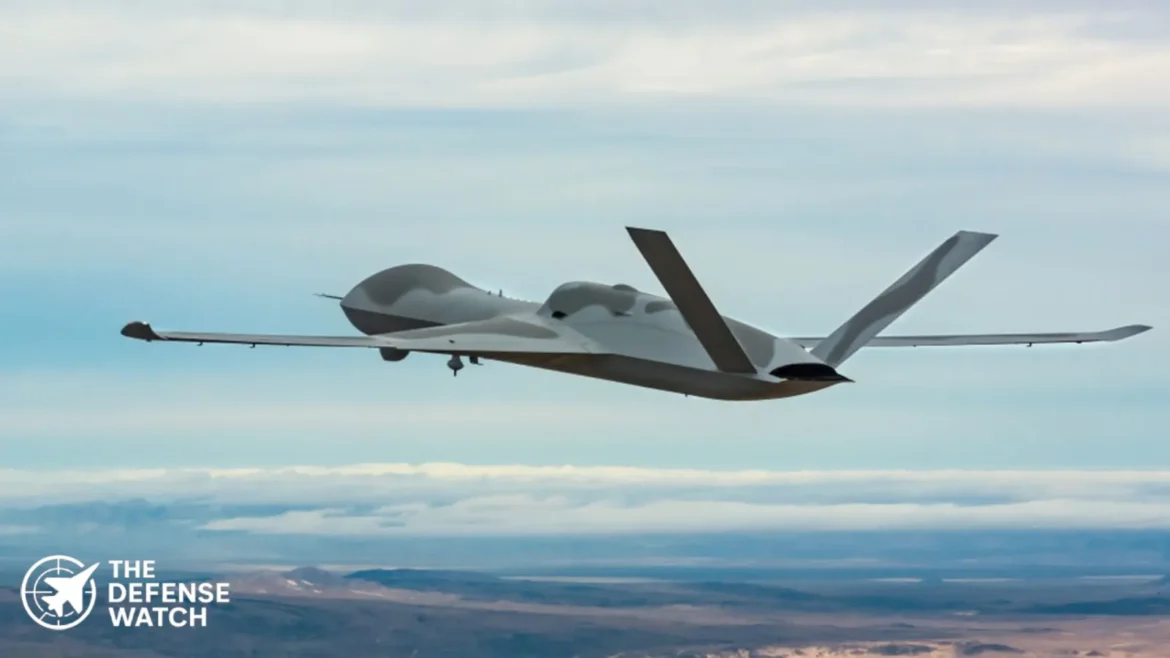
General Atomics’ MQ-20 Avenger unmanned aircraft completed its first live autonomous air-to-air intercept test, using onboard autonomy and sensors to detect, track, and close with a piloted aggressor aircraft with minimal human control, company officials said.
General Atomics Aeronautical Systems, Inc reported that on January 18 from San Diego its MQ-20 Avenger conducted a mission autonomy flight that included an autonomous aerial engagement against a crewed aggressor aircraft. The effort marks a significant milestone in unmanned combat air vehicle development and could influence how future collaborative combat aircraft operate.
Mission Overview
During the test the MQ-20 Avenger flew a mission profile uploaded via a human-machine interface before switching to autonomous control in flight. Once under autonomy, the system respected predefined keep-in and keep-out airspace zones and executed mission tasks without real-time human intervention.
A key part of the demonstration was the use of a live Infrared Search and Track sensor supplied by Anduril to passively detect and range the piloted target aircraft. Based on that data, the onboard autonomy established a track, calculated an intercept solution, and executed a simulated weapons engagement. Company statements said that had live munitions been carried the virtual shot would likely have been lethal.
Technical Context
The MQ-20 Avenger is a large, turbofan-powered unmanned combat aerial vehicle intended as a higher-speed, lower-signature evolution of the MQ-9 Reaper family. With an internal weapons bay and external hardpoints for sensors and payloads, the Avenger is designed for long-range ISR and strike missions, with endurance exceeding 20 hours.
In recent years GA-ASI has used the Avenger as a testbed for autonomy development under government reference software, including participation in the Air Force Test Center’s Orange Flag series. It has also collaborated with autonomy developers such as Shield AI to explore AI-enabled mission control across live and simulated environments.
Defense and Industry Impact
This test underscores the growing maturity of mission autonomy for unmanned combat aircraft and reflects broader U.S. defense interest in collaborative autonomous platforms that can operate alongside crewed fighters. Respect for geofencing constraints while executing an intercept demonstrates how autonomy can manage complex airspace rules and tactical objectives concurrently.
Industry observers see such demonstrations as steps toward reducing operator workload and enabling a single crew to oversee multiple autonomous systems. As autonomy systems continue to evolve, open, government-defined reference architectures may help ensure interoperability across platforms and software providers.
Thales Enhances NH90 Pilot Safety With TopOwl Digital Display
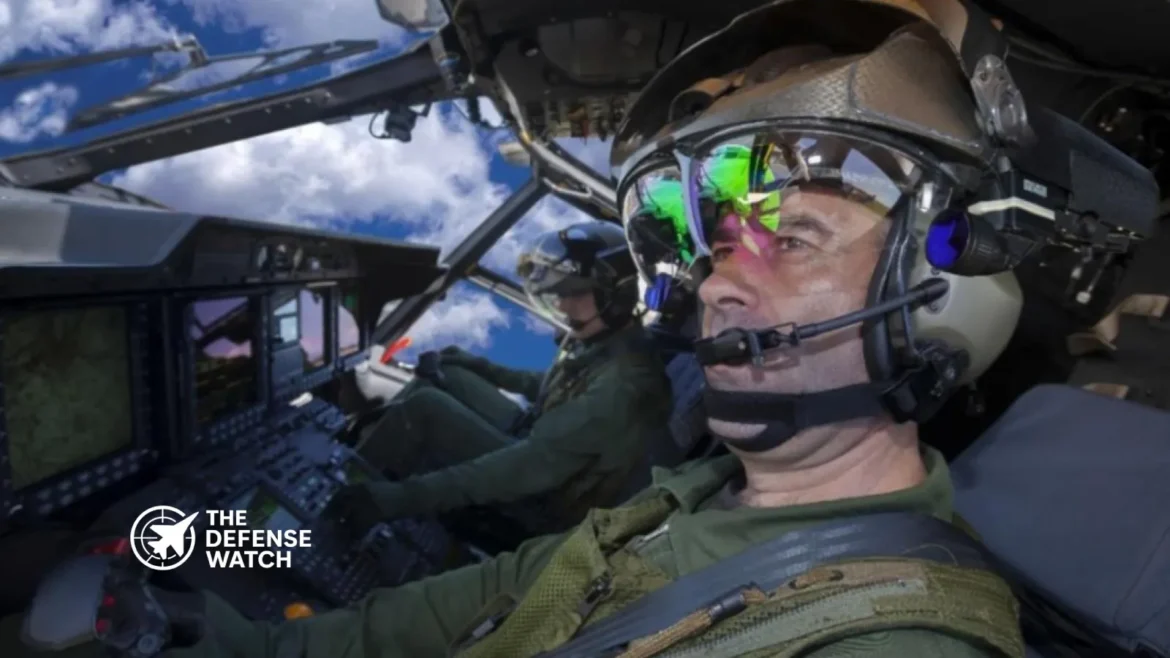
Thales has secured a contract from the NATO Helicopter Management Agency (NAHEMA) to provide advanced TopOwl Digital Display helmets for NH90 helicopter pilots. The deal follows a Spanish Ministry of Defence order for 31 NH90 helicopters under the NHIndustries (NHI) programme.
Under the agreement, Thales will develop enhanced functions for the TopOwl system, allowing crews to operate safely in degraded visual conditions. The helmet integrates high-definition mission camera feeds, augmented reality overlays and spatial alerts aimed at improving situational awareness and reducing workload.
Advanced Vision for Low-Visibility Operations
The TopOwl Digital Display helmet builds on a proven legacy system used across multiple helicopter programmes. It synthesises terrain imagery with sensor and camera data, and improves light intensifier tubes to support pilots in dust, fog, snow or dark night environments.
Thales says this integration offers NH90 crews a better view outside the cockpit and helps reduce pilot fatigue on extended missions. The customised fit is tailored to pilot physiology.
Strategic Partnership With European Defence Agencies
The contract reinforces cooperation between Thales, NAHEMA, the French Direction Générale de lArmement (DGA) and Spanish defence procurement authority DGAM. It aligns with broader NH90 modernisation efforts aimed at delivering advanced mission systems and safety tools to European armed forces.
The TopOwl system will be developed and manufactured at Thales facilities in Bordeaux, France, with input from operational forces and industry stakeholders.
Looking Ahead
TopOwl’s digital evolution is part of a trend toward helmet-mounted vision systems that support helicopter crews in complex environments. These systems have been in service in various configurations for more than two decades and are valued for their role in enhancing flight safety and mission effectiveness.
AI Shipbuilding Program Begins
The US Navy AI shipbuilding program is starting with a $448 million investment aimed at speeding up construction and boosting output in yards, naval officials said. The effort centers on a new Shipbuilding Operating System to bring data and automation into planning, supply, and production workflows.
Ship OS to Unify Production Data
The Navy’s Shipbuilding Operating System, built on commercial AI software, will draw data from planning tools, legacy databases, and operational feeds to help yards identify bottlenecks and make faster decisions. Officials announced the effort at the Department of the Navy Rapid Capabilities Office Industry Day with Secretary of the Navy John Phelan and Palantir CEO Alex Karp.
Early pilot results show some tasks that once took weeks or hundreds of hours can now be done in minutes under AI guidance. For example, submarine schedule planning at one yard dropped from 160 hours to under ten minutes, and material reviews that took weeks are completed in less than an hour in test runs.
First Focus on Submarines, Then Surface Ships
The initial funds are directed at submarine shipbuilders, public yards, and key suppliers. The Navy plans to expand the system to surface combatant programs once methods are proven and workflows are refined. Officials say the goal is to reduce delays, stabilize schedules, and rebuild industrial base strength after years of uneven output.
Data and Autonomy for Industrial Base
The initiative links data across yards and suppliers, allowing real-time insights into capacity, cost risk, and schedule issues. Navy leaders describe it as a move to modernize how the service and industry work together on complex builds.