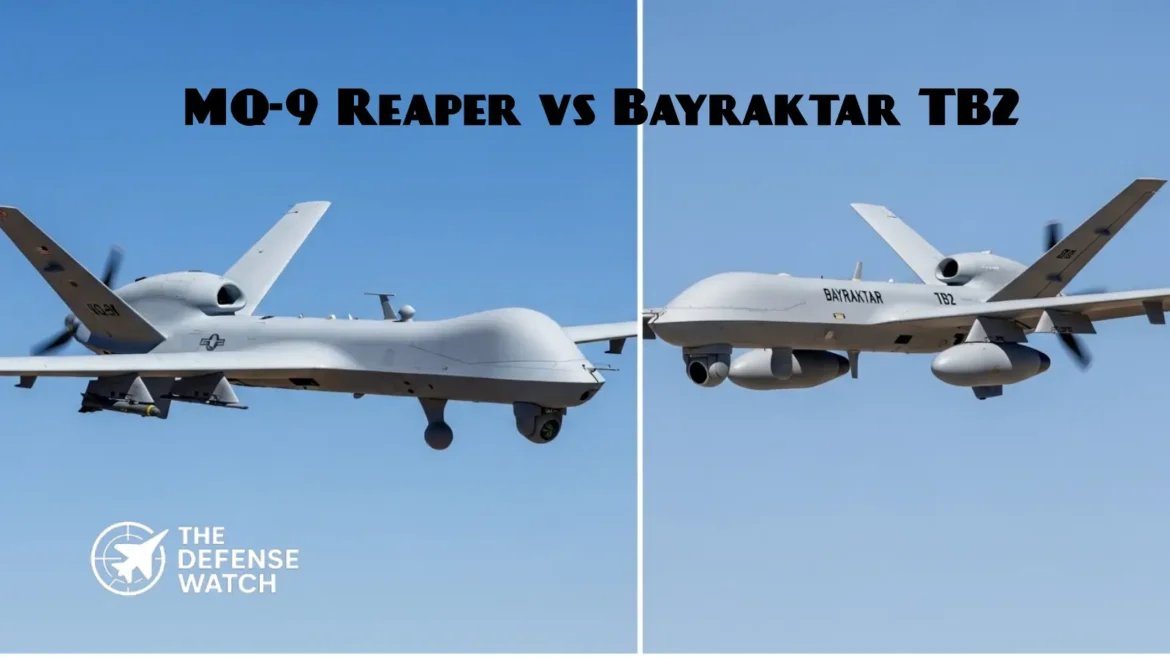
MQ-9 Reaper vs Bayraktar TB2 Payload Capacity
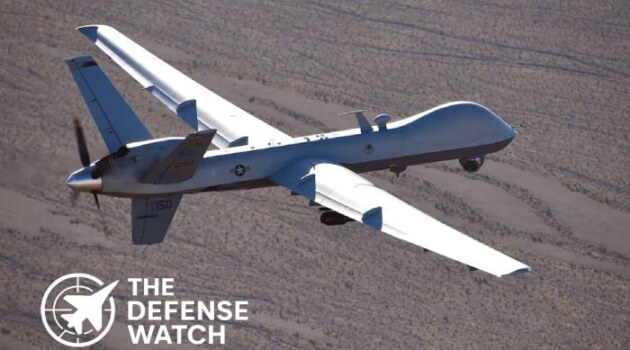
The MQ-9 Reaper vs Bayraktar TB2 payload capacity debate matters because armed drones now shape modern warfare. From counterterror missions in the Middle East to high-intensity conflicts in Eastern Europe, unmanned aircraft have become a core military tool. The United States built the MQ-9 Reaper as a high-end hunter-killer platform with long endurance and heavy strike capability. Turkey developed the Bayraktar TB2 as a lower-cost tactical drone designed for persistent surveillance and precision attack.
Both systems gained global attention through real combat operations. The MQ-9 became a symbol of American remote strike power. The TB2 became famous after conflicts in Libya, Nagorno-Karabakh, and Ukraine. But when comparing combat value, one key metric stands out: payload capacity.
Payload determines how many sensors, bombs, missiles, and fuel tanks a drone can carry. In simple terms, it shapes how much damage a UAV can deliver in a single sortie.
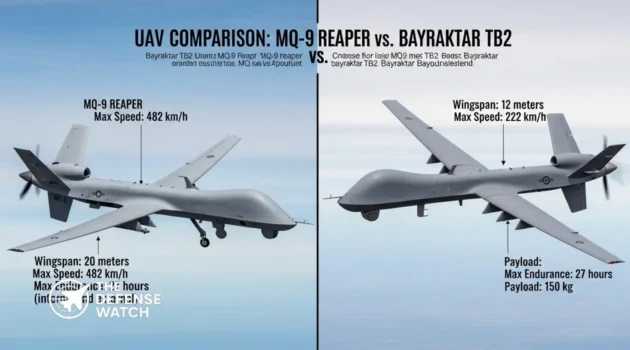
MQ-9 Reaper vs Bayraktar TB2 Specifications Table
Specification MQ-9 Reaper Bayraktar TB2 Country United States Turkey Manufacturer General Atomics Baykar Role MALE strike UAV Tactical UCAV First Service Entry 2007 2014 Max Payload 3,800 lb (1,700+ kg) 330 lb (150 kg) Max Speed 300+ mph 135 mph Endurance 27+ hours 24+ hours Wingspan 66 ft 39 ft Range Global SATCOM capable 150+ km LOS, newer SATCOM variants longer Crew Remote crew Remote crew Estimated Unit Cost $30M+ $5M to $10M (varies) MQ-9 Reaper vs Bayraktar TB2 Design and Technology
The MQ-9 Reaper is a larger and heavier aircraft built for strategic missions. It uses satellite communications, advanced electro-optical sensors, synthetic aperture radar, and multi-target tracking systems. This allows operations across continents with real-time data links.
The Bayraktar TB2 is smaller, lighter, and optimized for affordability. It focuses on battlefield surveillance and precision strikes at lower operating cost. Its smaller radar signature can help survivability, but it lacks the size and power generation of the Reaper.
In short, the Reaper is a long-range military truck in the sky. The TB2 is a lighter battlefield scout with strike capability.
MQ-9 Reaper vs Bayraktar TB2 Payload Capacity and Firepower
This is where the gap becomes clear.
MQ-9 Reaper Payload Capacity
The MQ-9 Reaper can carry roughly 3,800 pounds of payload across multiple hardpoints. That includes:
- AGM-114 Hellfire missiles
- GBU-12 Paveway II laser-guided bombs
- GBU-38 JDAM
- ISR sensor packages
- Fuel tanks and mixed loads
A Reaper can conduct surveillance and strike multiple targets in one mission.
Bayraktar TB2 Payload Capacity
The TB2 carries around 150 kilograms (330 pounds) total. Typical weapons include:
- MAM-L smart micro munition
- MAM-C lightweight guided bomb
- EO/IR sensors
This means the TB2 usually carries four small precision munitions rather than heavy bombs.
Verdict on Payload
In pure carrying capacity, the MQ-9 Reaper dominates. It can haul more than ten times the payload of the TB2.
Operational Range and Mobility
The Reaper benefits from U.S. satellite network integration. It can operate at long distances and remain on station for many hours. This gives commanders strategic reach.
The TB2 was originally line-of-sight controlled, which limited distance. Newer export variants added SATCOM options, improving range. Still, it is generally better suited for regional operations rather than global expeditionary warfare.
Combat Effectiveness in Real Conflicts
MQ-9 Reaper Combat Record
The MQ-9 has seen extensive use in:
- Afghanistan
- Iraq
- Syria
- Horn of Africa
- Maritime surveillance missions
It proved effective in ISR and precision strike roles against insurgent and terrorist targets.
Bayraktar TB2 Combat Record
The TB2 gained fame in:
- Libya
- Syria
- Nagorno-Karabakh War
- Ukraine (early conflict phase)
It helped destroy tanks, artillery, and air defense systems when enemy defenses were weak or poorly coordinated.
Battlefield Reality
Against advanced integrated air defense systems, both drones face risk. Neither is stealthy. But the larger Reaper is a higher-value target, while the cheaper TB2 is easier to replace.
Cost and Export Value
The MQ-9 Reaper is expensive and tightly controlled under U.S. export rules. Buyers include close partners such as the UK, Italy, India, and others.
The Bayraktar TB2 became a major export success because it offers lower cost and proven combat performance. Countries in Europe, Africa, the Middle East, and Asia bought it.
Turkey used TB2 exports to grow influence abroad. The United States uses Reaper sales more selectively with trusted allies.
MQ-9 Reaper vs Bayraktar TB2 Who Wins?
It depends on mission type.
MQ-9 Reaper Wins If You Need:
- Heavy payload capacity
- Long-range strategic operations
- Multi-target strike missions
- Advanced sensors and networking
- Integration with U.S./NATO systems
Bayraktar TB2 Wins If You Need:
- Lower purchase price
- Affordable operating costs
- Tactical battlefield strikes
- Rapid export delivery
- Easier fleet scaling
U.S. Defense View
The U.S. military sees the Reaper as a premium ISR-strike platform. It is not just a drone, it is part of a larger networked warfare system. The TB2 is respected as a disruptive low-cost combat UAV, but it serves a different market segment.
Conclusion
The MQ-9 Reaper vs Bayraktar TB2 payload capacity comparison is not close on raw numbers. The MQ-9 Reaper carries far more weapons, sensors, and mission equipment. It is built for strategic reach and sustained combat power.
The Bayraktar TB2, however, wins on affordability, accessibility, and export success. It offers many countries armed drone capability without U.S.-level costs.
So which system has the edge?
- For major military powers, the MQ-9 Reaper is stronger.
- For budget-conscious buyers, the TB2 is highly effective.
- For payload capacity alone, the MQ-9 Reaper is the clear leader.
FAQ: MQ-9 Reaper vs Bayraktar TB2
Which drone has higher payload capacity, MQ-9 Reaper or Bayraktar TB2?The MQ-9 Reaper by a wide margin. It carries over 3,800 pounds versus about 330 pounds for the TB2.
Is the Bayraktar TB2 cheaper than the MQ-9 Reaper?Yes. The TB2 is significantly cheaper to buy and operate.
Can the Bayraktar TB2 defeat the MQ-9 Reaper?They are not designed for direct dogfights. They serve different mission roles.
Why is the MQ-9 Reaper important to the U.S. military?It provides long-range surveillance and precision strike capability with global reach.
Why did the TB2 become famous?Its combat use in Ukraine, Libya, and Nagorno-Karabakh made it globally recognized.

UK SRV-F Mk3 Submarine Rescue Vehicle Highlights Growing Naval Safety Focus
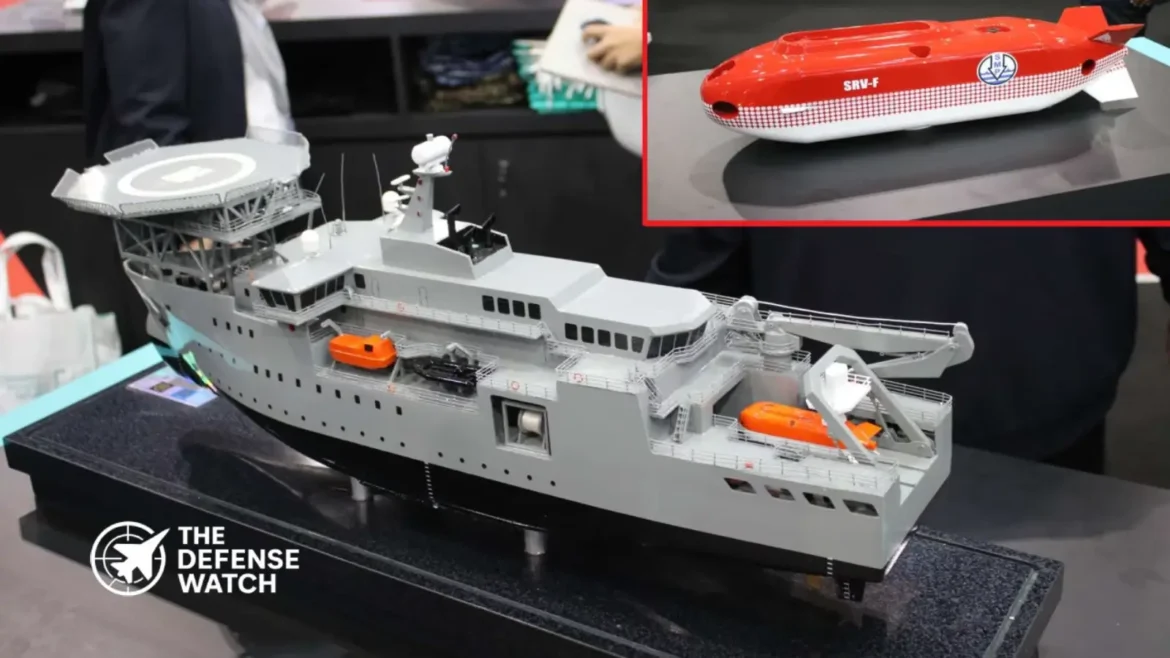
The SRV-F Mk3 submarine rescue vehicle reflects a growing push among global navies to strengthen undersea rescue readiness as submarine fleets expand across the Indo-Pacific and Europe. Displayed by the United Kingdom at DSA 2026, the system is designed to recover up to 50 trapped crew members in one dive, a major operational benchmark for emergency submarine rescue missions.
KEY FACTS AT A GLANCE- The UK presented the SRV-F Mk3 submarine rescue vehicle during DSA 2026.
- The system is designed to recover up to 50 stranded submariners in a single dive.
- The rescue vehicle can be deployed by sea or transported rapidly by air.
- Britain recently backed export financing for submarine rescue deals with Indonesia worth £128 million.
- Demand for rescue systems is rising as more regional navies expand submarine fleets.
The platform is produced by UK-based Submarine Manufacturing and Products Ltd (SMP), a specialist in diving and subsea rescue systems. According to company and UK government statements, the vehicle can be deployed both by air and from a dedicated mothership, allowing faster response times across wide maritime areas.
Why The SRV-F Mk3 Matters Now
Submarine fleets are increasing in Southeast Asia, the Middle East, and Europe. Indonesia, Singapore, South Korea, Australia, India, and others are investing in modern undersea platforms. As fleets grow, so does pressure to maintain rescue coverage for accidents, onboard fires, flooding, or disabled submarines.
That makes systems like the SRV-F Mk3 submarine rescue vehicle strategically important. Buying submarines without rescue capability creates political and operational risk. Many governments now treat submarine rescue as part of fleet sustainment, not an optional add-on.
Britain appears to be targeting that market. In April 2026, UK Export Finance announced £128 million in support for exports of British-made submarine rescue vehicle systems to the Indonesian Navy. The package included contracts involving SMP and Forum Energy Technologies.
Technical Overview Of The SRV-F Mk3
Available data indicates the SRV-F Mk3 is built as a free-swimming manned rescue submersible for deep-water operations. Reported specifications include:
- Capacity to recover 50 personnel in one dive
- Operated by a three-person crew
- Untethered maneuvering capability
- Air transportability for rapid deployment
- Compatibility with mothership launch systems
- Designed to reduce time to first rescue response
The 50-person recovery figure is especially notable because many conventional submarines carry crews within that range. In practical terms, that could enable full evacuation in one cycle under some scenarios.
Competitive Landscape
The UK is not alone in this sector. NATO operates the multinational NATO Submarine Rescue System, while companies such as JFD have delivered advanced rescue vehicles to allied navies including South Korea.
However, the SRV-F Mk3 submarine rescue vehicle appears positioned as a flexible exportable system for countries seeking sovereign capability rather than reliance on multinational rescue frameworks.
Strategic Analysis
The presentation of the SRV-F Mk3 is not only about safety. It is also about defense exports, maritime partnerships, and industrial influence. Rescue systems create long-term relationships through training, maintenance, support vessels, and operational exercises.
For Britain, that means a niche but valuable segment of naval exports. For customer nations, it means reducing one of the biggest vulnerabilities of submarine operations, the inability to rapidly rescue trapped crews after an incident.
As more mid-sized navies buy submarines, demand for independent rescue systems is likely to rise.
Bottom Line
The SRV-F Mk3 submarine rescue vehicle gives the UK a credible offering in a specialized but increasingly important defense market. Its 50-person single-dive recovery claim, rapid deployment model, and export traction suggest submarine rescue is becoming a more prominent part of naval modernization planning worldwide.
Pentagon’s AI Shakeup Creates Opening for Defense-Focused Startups
The Pentagon’s fractured relationship with Anthropic — its once-favored AI vendor — has handed a rare opportunity to a cohort of small, defense-focused artificial intelligence companies that had long struggled to break into the most heavily scrutinized procurement system in the world. New defense-focused AI companies like Smack Technologies and EdgeRunner AI report a surge in interest from military leaders, combatant commands, and investors that would have been unimaginable just months ago.
¦ KEY FACTS AT A GLANCE- The Pentagon designated Anthropic’s AI products a “supply-chain risk” in March 2026, triggering the company’s removal from U.S. military networks.
- Smack Technologies compressed a months-long Marine Corps operational planning process to roughly 15 minutes using its AI prototype — successfully demonstrated in October 2025.
- EdgeRunner AI received a Space Force contract within weeks of the Anthropic dispute becoming public; its IL-6 security clearance — normally an 18-month process — is now being fast-tracked to three months.
- Smack’s Marine Corps full production timeline was accelerated by more than a year — from October 2027 to 2026 — in the wake of the Anthropic fallout.
- A federal judge temporarily blocked the Pentagon’s blacklisting of Anthropic in late March 2026, but the DoD’s push to diversify AI providers continues regardless of litigation outcomes.
The Big Picture
The U.S. military’s race to field artificial intelligence across its operations has been a defining feature of Pentagon modernization over the past several years. The DoD’s Chief Digital and Artificial Intelligence Office has spent years building the infrastructure and policy frameworks to move AI from proof-of-concept to battlefield deployment. But that progress has always depended on reliable vendor relationships — and the assumption that those relationships would hold.
The Anthropic episode exposed a structural vulnerability that defense planners had long acknowledged but not fully addressed: single-vendor dependency in a technology sector where geopolitical, legal, and ethical conflicts can rupture a partnership overnight.
One Pentagon technologist previously told Reuters that the falling-out with Anthropic, and the realization that the Defense Department was heavily dependent on one AI provider, forced the department to diversify its AI vendor base. That acknowledgment carries significant weight. Concentration risk in defense procurement — whether in munitions, semiconductors, or AI — is a recognized strategic vulnerability. The Anthropic situation made it tangible.
What’s Happening
The Pentagon deemed Anthropic’s products a “supply-chain risk” in March 2026. The designation effectively barred the company’s AI tools from U.S. military networks, triggering a legal dispute between Anthropic and the Defense Department. In late March, a federal judge temporarily blocked the Pentagon’s blacklisting of Anthropic.
Tyler Sweatt, CEO of Second Front — a company that helps technology firms meet the requirements to operate on secure Pentagon networks — noted a massive increase in demand following the supply-chain designation, with customers turning to his firm as the Pentagon seeks rapid AI deployment.
The beneficiaries are emerging clearly. Smack Technologies, a 19-person startup based in El Segundo, California, reported that military interest from U.S. Special Operations Command and other commands came in nearly immediately after the Anthropic situation broke publicly.
EdgeRunner AI, which is deploying with Army Special Forces groups, said the Navy dramatically sped up engagement — meetings that had been biweekly or monthly are now happening multiple times a week.
Why It Matters
The acceleration is not merely commercial. The operational implications are direct and near-term.
Smack Technologies won a Marine Corps contract in March 2025 and delivered a successful prototype by October — software that compresses what is normally a months-long operational planning process into roughly 15 minutes. That is a significant tactical advantage. Military planners operating under compressed timelines — in contested environments, during force projection, or in crisis response — rely on speed and accuracy. Reducing a planning cycle from months to minutes is not a marginal improvement; it is a generational shift in tempo.
Within weeks of the Anthropic uproar, Smack was invited to multiple meetings with the Marine Corps focused on a single question: how fast can this move into production in 2026 — an acceleration of more than a year over the original fiscal year 2027 timeline.
The security clearance acceleration at EdgeRunner signals something equally important. The military told EdgeRunner it could reach IL-6 — a security designation enabling access to secret and top-secret data — within three months, a timeline Saltsman described as remarkable given that the process normally takes 18 months or longer. If the DoD can compress that clearance pathway, it unlocks an entirely different tier of operational utility for smaller vendors — one that had previously been gatekept by process timelines alone.
Strategic Implications
The Anthropic fallout has forced a structural recalibration of how the Pentagon approaches AI procurement. The shift carries three distinct strategic implications.
First, vendor diversification is now a national security imperative, not a procurement preference. A military that relies on a single frontier AI provider — regardless of that provider’s capabilities — is exposed to disruption through litigation, policy disagreement, or corporate governance decisions entirely outside the DoD’s control.
Second, the episode accelerates the emergence of a defense-native AI sector. Companies like Smack and EdgeRunner are not repurposed commercial AI tools. They are built specifically for military classification environments, operational planning constraints, and warfighter use cases. Their growth signals a maturation of the defense tech ecosystem — one less dependent on dual-use technology adapted from consumer or enterprise markets.
Third, procurement bureaucracy has demonstrated it can move faster when political pressure demands it. The 18-month IL-6 clearance being compressed to three months is not a capability improvement — it is a process improvement achieved by prioritization. That compression may prove replicable across other vendors, security domains, and acquisition pathways, with lasting effects on how quickly the DoD can onboard emerging technology.
Competitor View
China’s People’s Liberation Army has placed deliberate strategic bets on AI for command and control, logistics optimization, and autonomous systems. Chinese military doctrine increasingly treats AI-enabled decision speed as a decisive warfighting advantage. From Beijing’s perspective, the Anthropic episode is instructive — not because it weakens U.S. AI capability directly, but because it exposes institutional friction within the Pentagon’s technology acquisition architecture.
If the U.S. military is unable to field and sustain AI tools without legal disputes, vendor disruptions, and 18-month clearance delays, that friction represents a structural gap. Chinese defense planners, who can mandate vendor cooperation and accelerate deployment timelines through state directive, are unlikely to miss the contrast.
Russia, whose AI military investments lag the U.S. and China but whose information operations are sophisticated, may read the public dispute between the Pentagon and a leading AI firm as a signal of broader instability in American AI governance — a narrative useful for both domestic and international audiences.
What To Watch Next
Several near-term milestones will determine whether the post-Anthropic acceleration sustains or stalls.
The most immediate test is whether Smack Technologies successfully transitions its Marine Corps operational planning prototype into production-level deployment in 2026. A combat-ready fielding this year would validate both the technology and the accelerated acquisition model. Any delays would suggest the procurement urgency is more rhetoric than process reform.
EdgeRunner’s IL-6 clearance timeline is the second major indicator. If the company reaches secret and top-secret operational access within three months as indicated, it sets a precedent that smaller vendors with proven capabilities can be rapidly credentialed — a significant shift in the competitive landscape.
More broadly, the Pentagon’s stated commitment to diversifying AI providers needs to be tested against procurement outcomes. A Pentagon official stated that the department will continue to rapidly deploy frontier AI capabilities through strong industry partnerships across all classification levels. Whether that commitment translates into sustained contract awards — rather than a short-term burst driven by the Anthropic dispute — will define whether this moment represents a genuine structural shift or a temporary opening.
Capability Gap
The Anthropic episode exposed more than a vendor dependency. It revealed that the DoD’s AI deployment infrastructure remains heavily concentrated at lower classification levels, with the pathway to secret and top-secret AI capabilities gated by clearance timelines that are fundamentally incompatible with modern technology adoption cycles.
The 18-month standard timeline for IL-6 accreditation was designed for legacy IT systems, not for AI tools that can be updated, retrained, or replaced in weeks. Defense-focused AI companies operating at the tactical edge — where operational planning, ISR fusion, and logistics optimization intersect with classified data — cannot realistically serve their most critical use cases under that timeline.
The compression being applied to EdgeRunner’s clearance process suggests the DoD recognizes this gap. The limitation is whether that compression can be institutionalized rather than applied as a one-time exception driven by political urgency. Without systemic reform, the same bottleneck will constrain the next generation of vendors.
The Bottom Line
The Pentagon’s break with Anthropic has done more than create a commercial opening for smaller AI vendors — it has exposed the structural risks of AI vendor concentration and forced a procurement reckoning that may permanently reshape how the U.S. military fields its most consequential emerging technologies.
BAE Systems Cyber Capabilities Reinforce AUKUS Defense Integration
BAE Systems’ cyber capabilities are emerging as a central pillar in strengthening the AUKUS defense partnership, as the trilateral alliance accelerates efforts to integrate advanced military technologies across the United States, United Kingdom, and Australia.
The company has underscored the growing importance of cyber warfare within AUKUS, particularly under Pillar II, which focuses on advanced capabilities such as artificial intelligence, electronic warfare, quantum technologies, and secure communications.
This shift reflects a broader recognition that future conflicts will be shaped as much by digital dominance as by conventional military power.
¦ KEY FACTS AT A GLANCE- BAE Systems is prioritizing cyber capabilities to support the AUKUS defense partnership.
- The initiative aligns with AUKUS Pillar II, focused on advanced technologies beyond submarines.
- Cyber warfare, AI, and electronic warfare are key areas of investment and integration.
- The effort aims to enhance interoperability between the U.S., UK, and Australia.
- Growing cyber threats are driving urgency for secure, resilient defense networks.
Cyber Warfare Moves To The Forefront Of AUKUS Strategy
BAE Systems’ emphasis on cyber capabilities aligns with evolving threat assessments from Western defense agencies. Cyber attacks targeting critical infrastructure, military networks, and supply chains have increased in both frequency and sophistication.
By integrating cyber capabilities into AUKUS frameworks, the three nations aim to create resilient, interoperable systems capable of operating in contested digital environments.
According to the company, cyber resilience is no longer a supporting function. It is now a core operational requirement across all domains, including air, land, sea, space, and the electromagnetic spectrum.
This reflects a doctrinal shift where cyber operations are treated as a frontline capability rather than a back-office function
Industry’s Role In Accelerating Defense Integration
BAE Systems plays a key role as a major defense contractor with deep involvement in advanced electronics, secure communications, and intelligence systems.
Its cyber capabilities support mission-critical functions such as threat detection, secure data sharing, and operational decision-making. These capabilities are essential for enabling seamless coordination between AUKUS partners.
The company’s approach also highlights the growing role of industry in shaping alliance-level capabilities. Unlike traditional procurement models, AUKUS increasingly relies on close collaboration between governments and private defense firms to accelerate innovation cycles.
This model allows faster deployment of emerging technologies, especially in areas where adversaries are rapidly advancing.
Strategic Importance Of AUKUS Pillar II
While AUKUS is widely associated with nuclear-powered submarines under Pillar I, Pillar II is becoming equally significant in shaping long-term military advantage.
Cyber capabilities sit at the core of this effort, enabling:
- Secure communication across joint forces
- Protection of classified data and operational networks
- Offensive cyber operations when required
- Integration of AI-driven decision support systems
The inclusion of cyber warfare in AUKUS reflects lessons learned from recent conflicts, where digital attacks have disrupted logistics, communications, and command structures.
Rising Threat Environment Drives Urgency
The push to strengthen cyber capabilities under AUKUS comes amid increasing geopolitical competition, particularly in the Indo-Pacific region.
Western defense planners are concerned about adversaries developing advanced cyber tools capable of targeting military and civilian infrastructure. These include attacks on satellite systems, command networks, and industrial control systems.
In this context, BAE Systems’ cyber capabilities contribute to building a layered defense architecture that combines detection, response, and recovery.
This approach is designed to ensure operational continuity even in the face of sustained cyber attacks.
Analysis: Cyber Power As A Force Multiplier
The growing focus on cyber capabilities within AUKUS signals a deeper transformation in how military power is defined and applied.
Traditional metrics such as troop numbers and platform counts are being supplemented by digital capabilities that can disrupt, degrade, or deny an adversary’s operations without kinetic engagement.
BAE Systems’ role highlights how defense contractors are evolving from hardware providers to integrated capability partners.
Cyber tools, when combined with AI and electronic warfare, can act as force multipliers. They enable smaller forces to achieve disproportionate effects, particularly in contested environments.
At the same time, this shift raises new challenges. Cyber capabilities require constant updating, real-time intelligence, and strong coordination between allies. Unlike physical systems, they cannot be stockpiled in the same way.
This makes sustained collaboration under frameworks like AUKUS essential.
Outlook For AUKUS Cyber Integration
Looking ahead, the integration of cyber capabilities across AUKUS partners is expected to deepen, with increased joint exercises, shared platforms, and co-development programs.
BAE Systems is likely to remain a central player in this effort, given its expertise in secure systems and defense electronics.
As the alliance moves forward, cyber resilience will be a key benchmark of operational readiness. The ability to operate effectively in a contested digital environment may ultimately determine the success of joint missions.
U.S. Military Advances Common Hypersonic Missile Program
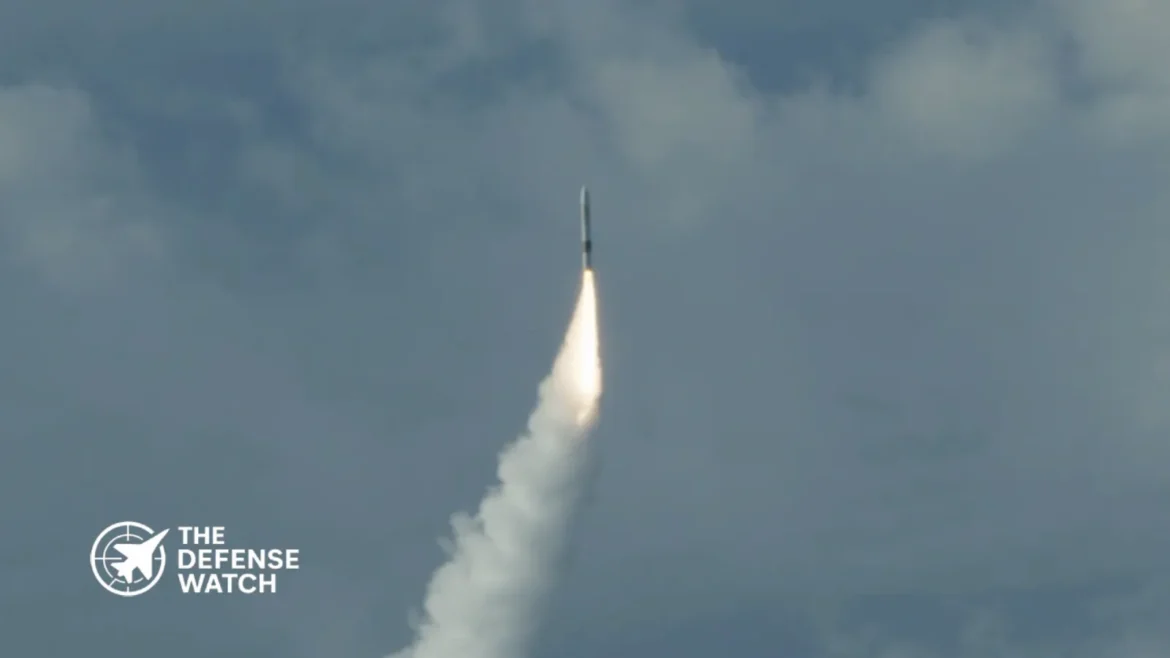
The common hypersonic missile test conducted by the U.S. Army and Navy marks a significant step forward in America’s push to field operational hypersonic weapons. According to defense-industry.eu, the joint test validated critical components of the shared missile system designed for rapid deployment across multiple service branches.
(adsbygoogle = window.adsbygoogle || []).push({});The test involved a ground-launched system using the Common Hypersonic Glide Body (C-HGB), a key component that both the Army and Navy plan to deploy under separate but closely aligned programs. The Army’s Long Range Hypersonic Weapon (LRHW) and the Navy’s Conventional Prompt Strike (CPS) system are built around this shared architecture.
Officials said the launch demonstrated the missile’s ability to achieve hypersonic speeds, defined as greater than Mach 5, while maintaining maneuverability, a core requirement for penetrating advanced air defense systems.
¦ KEY FACTS AT A GLANCE- The U.S. Army and Navy successfully conducted a joint test of the common hypersonic missile.
- The test involved a ground-based launch system using a shared hypersonic glide body.
- The missile is designed to travel at speeds above Mach 5 with high maneuverability.
- The program supports both the Army’s Long Range Hypersonic Weapon and Navy’s Conventional Prompt Strike.
- The test marks progress toward fielding operational hypersonic systems in the near term.
Joint Development Signals Strategic Shift
The common hypersonic missile test reflects a broader Pentagon strategy to streamline development and reduce costs by using a unified design across services. Instead of separate programs competing for resources, the Army and Navy are coordinating on propulsion, glide body design, and command systems.
This approach is intended to accelerate deployment timelines while ensuring interoperability. In practical terms, it allows the U.S. military to deploy hypersonic weapons from both land-based launchers and naval platforms, expanding operational flexibility.
From a strategic standpoint, this joint development model also signals urgency. Hypersonic weapons development has become a central focus in great power competition, particularly as China and Russia continue to field and test their own systems.
Operational Impact and Capability Expansion
The common hypersonic missile test demonstrates more than technical progress, it highlights how hypersonic weapons could reshape battlefield dynamics. Unlike traditional ballistic missiles, hypersonic glide vehicles can maneuver unpredictably during flight, making them significantly harder to track and intercept.
This capability gives U.S. forces a potential advantage in contested environments, particularly in regions where adversaries have layered air and missile defense systems. The ability to strike high-value targets quickly and with precision could enhance deterrence and provide commanders with new options during conflict.
The Army’s LRHW system is expected to provide long-range, land-based strike capability, while the Navy’s CPS program aims to integrate hypersonic missiles onto surface ships and submarines. Together, they form a multi-domain strike network designed to operate across theaters.
Technical Progress and Remaining Challenges
While the common hypersonic missile test is a milestone, significant work remains before full operational deployment. Hypersonic systems present complex engineering challenges, including extreme heat management, guidance accuracy at high speeds, and integration with existing platforms.
Testing is expected to continue as the Pentagon refines the system’s reliability and performance under real-world conditions. Previous delays in hypersonic programs have highlighted the difficulty of transitioning from successful tests to fielded capability.
Still, the latest test suggests steady progress. By validating key components in a joint environment, the U.S. military is moving closer to operational readiness.
Strategic Context: Hypersonic Race Intensifies
The common hypersonic missile test comes amid intensifying global competition in hypersonic weapons. Both China and Russia have already deployed or tested operational systems, prompting increased urgency within the U.S. defense establishment.
Washington’s focus has shifted toward closing the capability gap while ensuring its systems are reliable, scalable, and integrated into broader military doctrine. The emphasis on joint development reflects lessons learned from earlier acquisition programs that faced cost overruns and delays.
In this context, the recent test is not just a technical achievement but part of a larger effort to maintain strategic balance.
Outlook
The successful common hypersonic missile test positions the U.S. Army and Navy closer to deploying next-generation strike capabilities. As testing continues, the focus will likely shift toward integration, production scaling, and operational deployment timelines.
If the program maintains momentum, hypersonic weapons could soon become a core element of U.S. military strategy, offering rapid, precise strike options in high-threat environments.
¦ KEY FACTS AT A GLANCE- DragonFire laser weapon is scheduled for Royal Navy deployment on a Type 45 destroyer in 2027.
- System developed by MBDA UK, Leonardo UK, QinetiQ, and DSTL under a national program.
- Designed to counter drones, mortar rounds, and other aerial threats using a high energy laser.
- Two major firing trials completed in 2025 support transition toward operational readiness.
- Represents one of Europe’s earliest naval directed energy weapon deployments.
Royal Navy DragonFire Laser Weapon Advances Toward 2027 Deployment
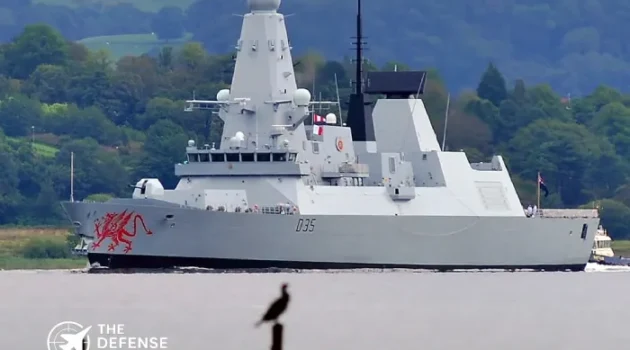
The Royal Navy DragonFire laser weapon is progressing toward operational deployment in 2027 aboard a Type 45 destroyer, marking a key milestone in the United Kingdom’s directed energy program. The system has completed multiple firing trials and is now transitioning from experimental validation to integration on a frontline warship.
The Ministry of Defence has reiterated that the program remains on track, with contracts awarded and system development continuing under an established timeline rather than a newly accelerated schedule.
The Big Picture
Naval forces worldwide are adapting to a changing threat environment shaped by the rapid growth of unmanned systems and low cost precision weapons. Drones, loitering munitions, and saturation attacks are increasingly challenging traditional shipborne defenses.
Directed energy weapons such as the DragonFire laser represent a shift toward scalable, cost efficient interception methods. Instead of relying solely on missile based defenses, navies are exploring layered systems that combine kinetic interceptors with high energy lasers.
For NATO members, this capability contributes to broader modernization goals focused on resilience, cost control, and sustained operations in contested maritime environments.
What’s Happening
The UK government confirmed that DragonFire remains on course for Royal Navy deployment in 2027 following a written parliamentary response from Defence Minister Lord Coaker. The statement emphasized continued commitment to development, testing, production, and integration of the system.
A contract for the first two DragonFire systems was awarded to MBDA UK in November 2025. The initial installation is planned for a Type 45 destroyer, a class already central to the Royal Navy’s air defense role.
Two major firing trials conducted in 2025 demonstrated the system’s ability to track and engage aerial targets. The trials took place at established UK test ranges, supporting confidence in the transition toward operational use.
DragonFire is developed by a consortium including MBDA UK, Leonardo UK, QinetiQ, and the Defence Science and Technology Laboratory, reflecting a multi industry approach to directed energy development.
Why It Matters
The DragonFire laser weapon introduces a fundamentally different engagement model compared to conventional naval interceptors. It uses a high energy laser in the 50 kilowatt class to engage targets at the speed of light, enabling rapid response against fast moving threats.
The system’s reported low cost per shot, estimated at around £10, significantly reduces the economic burden of defending against inexpensive threats such as drones or mortar rounds. This cost advantage is particularly relevant in scenarios involving repeated or massed attacks.
From an operational standpoint, the ability to engage multiple targets without expending physical munitions enhances a ship’s endurance during extended missions. This is especially important for deployed naval forces operating far from resupply lines.
The Royal Navy DragonFire laser also represents a step toward integrating directed energy into layered defense architectures, complementing existing missile and gun systems.
Strategic Implications
The introduction of the DragonFire system strengthens the Royal Navy’s defensive posture by adding a new engagement layer against aerial threats. It improves the survivability of high value naval assets such as destroyers and aircraft carriers.
As a directed energy system, it may reduce reliance on stored missile inventories during high tempo operations. This has implications for logistics planning and sustained naval presence in contested regions.
For NATO, the deployment supports collective defense objectives by contributing to shared technological advancement. It may also inform future allied programs focused on integrating laser weapons into multi domain operations.
At the strategic level, the system enhances deterrence by complicating adversary planning. Potential opponents must now account for an additional defensive layer capable of neutralizing certain classes of threats at low cost.
Competitor View
China has publicly demonstrated ship mounted laser technologies and continues to expand its directed energy research across naval and ground platforms. The United Kingdom’s deployment of DragonFire aligns with broader global competition in this domain.
Russia has also explored laser based systems, though operational deployment on naval platforms appears less mature. Both countries are likely monitoring Western progress in integrating such systems into frontline fleets.
Regional actors with access to low cost unmanned systems may reassess their tactics in light of the increasing availability of laser based defenses. Saturation strategies could evolve to account for both kinetic and directed energy intercept layers.
What To Watch Next
The next key milestone is the integration of DragonFire onto a Type 45 destroyer, scheduled for 2027. This will mark the system’s transition from testing environments to operational naval service.
Future developments may include expanded trials at sea, evaluation under varied environmental conditions, and potential upgrades in power output or tracking capabilities.
Additional procurement decisions could follow depending on performance outcomes, with possible expansion across multiple vessels in the Royal Navy fleet.
Capability Gap
The Royal Navy DragonFire laser addresses a growing gap in defending against low cost, high volume aerial threats. Conventional missile systems remain effective but are not optimized for sustained engagements against swarms or repeated attacks.
Laser weapons provide a complementary solution, but they are not without limitations. Their effectiveness depends on line of sight and can be reduced by adverse weather conditions such as fog, rain, or atmospheric distortion.
Power generation and thermal management also impose constraints on sustained firing rates. These factors require careful integration with ship systems to ensure consistent performance during operations.
The Bottom Line
The DragonFire laser weapon’s planned deployment marks a measured but significant step in integrating directed energy into Royal Navy surface combatant operations.
¦ KEY FACTS AT A GLANCE- India successfully tested the ADC-150 air droppable container during joint trials by DRDO and the Indian Navy.
- The system can deliver up to 150 kilograms of critical supplies to ships operating far from shore.
- Trials were conducted from a P-8I maritime patrol aircraft off the coast of Goa.
- Four release trials took place between February 21 and March 1, 2026 under extreme release conditions.
- The system strengthens naval logistics for blue water operations and emergency maritime support.
India Tests ADC-150 Air Droppable Container From P-8I
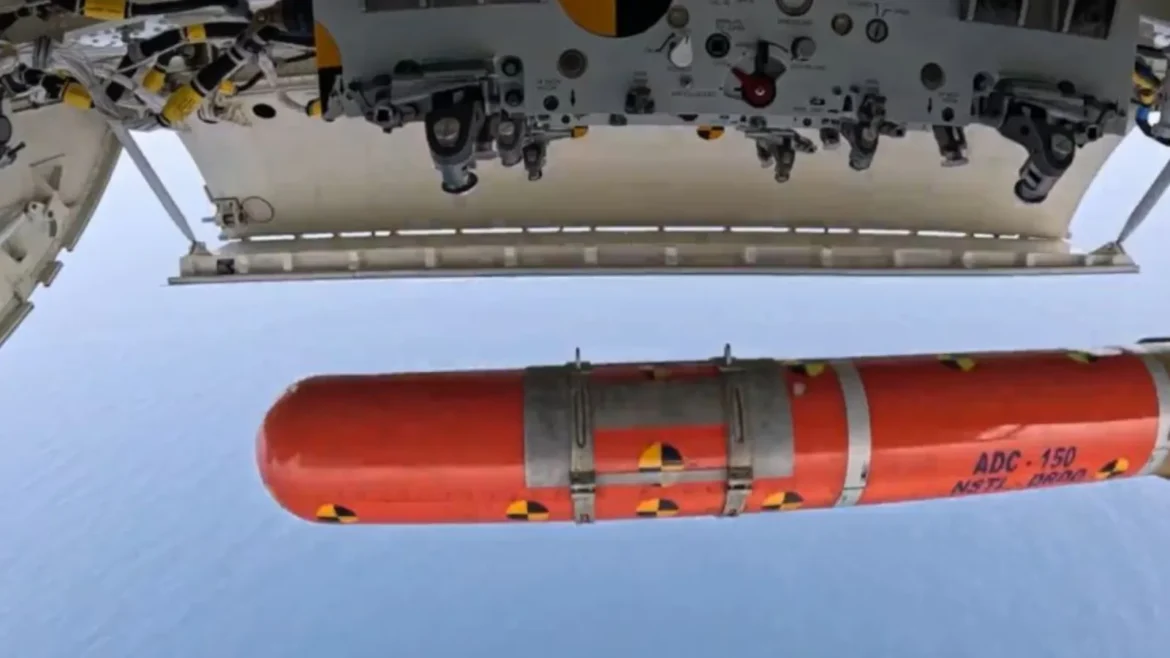
The ADC-150 air droppable container has successfully completed in flight release trials conducted by the Defence Research and Development Organisation and the Indian Navy, marking a new step in India’s effort to strengthen maritime logistics capabilities.
According to a March 2026 government release, the trials involved multiple airborne deployments from a Boeing P-8I Poseidon maritime patrol aircraft off the coast of Goa. The system is designed to deliver essential supplies to naval vessels operating far from the shoreline.
The tests confirmed that the container can safely deploy a payload of up to 150 kilograms under various operational conditions.
The Big Picture
Naval forces operating in blue water environments often face logistical challenges, especially when ships operate hundreds or thousands of miles from shore based supply points.
Modern naval strategy depends heavily on sustained logistics. Aircraft, submarines, and surface vessels require continuous access to spare parts, emergency medical supplies, and critical equipment.
Many navies address this challenge through underway replenishment ships or helicopter resupply operations. However, aircraft based container delivery systems provide an additional rapid response option.
The ADC-150 air droppable container fits into this broader effort to build flexible logistics capabilities that can support distributed maritime operations.
For India, which maintains growing naval deployments across the Indian Ocean Region, logistics resilience has become a key operational requirement.
What Is Happening
Engineers from the Defence Research and Development Organisation designed and developed the ADC-150 air droppable container as a lightweight logistics delivery system.
Between February 21 and March 1, 2026, the Indian Navy conducted four separate release trials from a P-8I aircraft near Goa. The trials tested the system across several extreme release conditions.
The container is capable of transporting up to 150 kilograms of supplies. Potential payloads include:
- emergency equipment
- spare parts for ship systems
- critical operational stores
- medical supplies
Once released from the aircraft, the container descends safely and can be retrieved by ships at sea.
Officials stated that the system will support naval vessels deployed far from the coastline that require urgent logistical support.
The tests confirmed the container’s ability to function reliably under demanding operational scenarios.
Why It Matters
The ADC-150 air droppable container addresses a practical operational challenge faced by modern navies.
Ships deployed on extended patrols may encounter mechanical issues or urgent supply needs. Waiting for replenishment ships or returning to port can disrupt operations.
Aircraft based resupply reduces response time.
The P-8I aircraft already plays a central role in India’s maritime surveillance and anti submarine warfare missions. Integrating a logistics delivery capability expands its operational utility.
In crisis situations such as mechanical breakdowns, medical emergencies, or equipment failures, rapid aerial delivery could significantly improve response time.
The concept also supports distributed naval operations, where smaller task groups operate across large maritime areas rather than concentrating around a single fleet formation.
Strategic Implications
India’s expanding maritime footprint across the Indian Ocean increases the importance of flexible logistics systems.
The Indian Navy regularly deploys ships across key sea lanes that connect the Middle East, Africa, and Southeast Asia. Sustaining these deployments requires resilient support networks.
Air droppable logistics containers allow aircraft to act as rapid response supply platforms.
This capability complements traditional naval replenishment ships while providing an additional layer of operational flexibility.
It also strengthens humanitarian and disaster relief operations. Aircraft can deliver supplies directly to ships assisting disaster zones without requiring port access.
From a broader strategic perspective, improving naval logistics enhances operational endurance, which directly affects maritime presence and deterrence.
Competitor View
Regional naval powers closely monitor logistics innovations because sustainment capabilities often determine the real effectiveness of naval deployments.
China has heavily invested in replenishment ships and overseas support infrastructure to sustain its expanding naval operations.
India has pursued a different approach that combines logistics vessels, forward basing arrangements, and aircraft supported resupply options.
Air droppable container systems like ADC-150 provide a low cost method to extend operational reach without building additional logistics vessels.
Such systems also align with broader trends in distributed maritime operations seen across several modern navies.
What To Watch Next
Future testing will likely focus on additional operational scenarios and platform integration.
Possible next steps may include:
- integration with other maritime patrol aircraft
- testing under night or adverse weather conditions
- expanded payload configurations
- operational deployment during naval exercises
Operational doctrine and training will also play a role in determining how widely the system is used during routine missions.
Capability Gap
Traditional naval logistics relies heavily on large replenishment ships. These vessels provide fuel, ammunition, and stores but operate at limited speeds and require coordinated rendezvous with receiving ships.
Aircraft based resupply fills a gap between large scale replenishment and helicopter logistics.
However, the ADC-150 system has clear limitations. Its payload capacity of 150 kilograms means it is suited only for critical supplies rather than large scale logistics deliveries.
Still, its value lies in speed and flexibility rather than volume.
The Bottom Line
The ADC-150 air droppable container strengthens India’s ability to sustain naval operations at sea by enabling rapid aerial delivery of critical supplies to ships operating far from shore.
■ KEY FACTS AT A GLANCE- ► Norway Eelume S autonomous underwater drone designed to conduct mine countermeasures without dedicated mine hunting vessels.
- ► Fully autonomous system operates subsea for extended periods with minimal human oversight.
- ► Supports Norway’s broader naval modernization and shift toward unmanned maritime operations.
- ► Reflects wider NATO trend toward autonomous mine countermeasures capabilities.
- ► Signals a potential reduction in risk to crews in high threat littoral environments.
Norway Eelume S Autonomous Underwater Drone Advances Mine Countermeasures
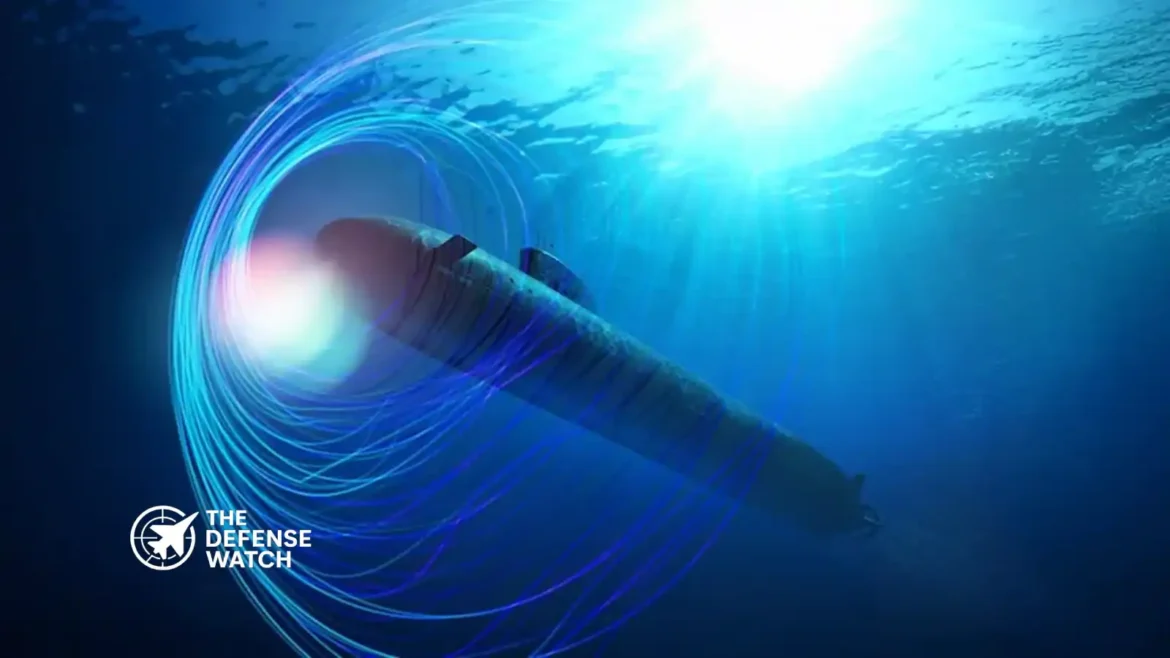
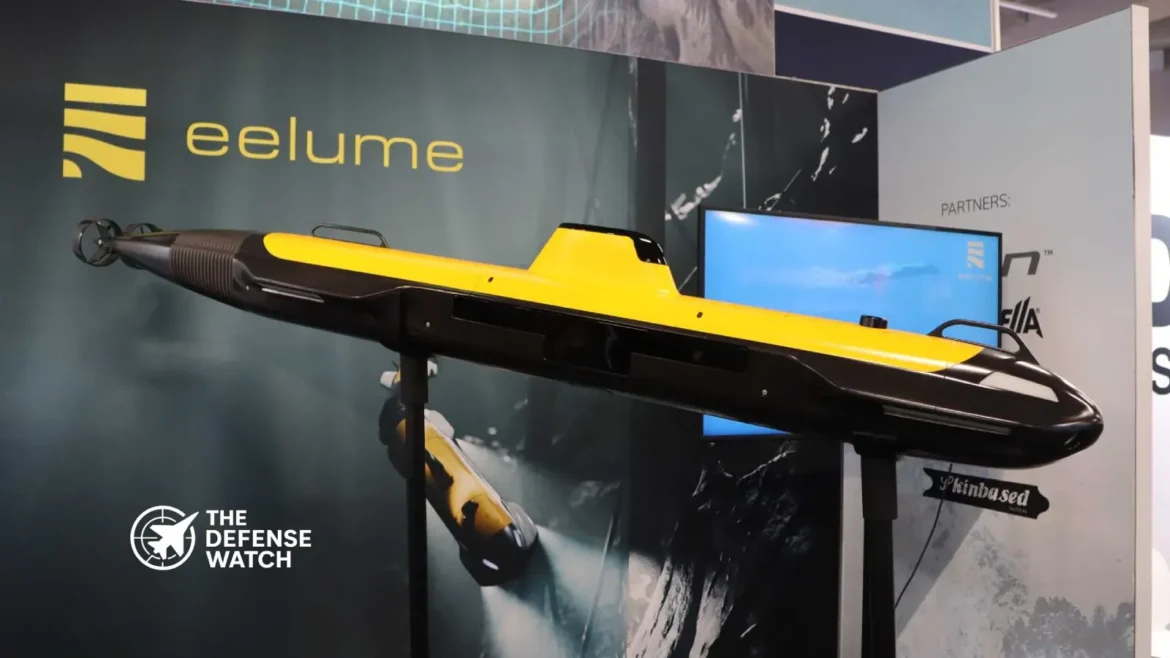
The Norway Eelume S autonomous underwater drone is emerging as a next generation solution to replace traditional mine hunting vessels in naval operations. Developed in Norway and reported by Army Recognition, the system is designed to conduct mine countermeasures missions without placing crewed ships in contested waters.
Unlike legacy mine hunting vessels that must enter potentially mined areas, the Eelume S operates fully autonomously below the surface. This shift reflects a broader naval trend toward unmanned and robotic systems capable of persistent, low risk operations.
From Crewed Mine Hunters To Persistent Subsea Robots
Traditional mine countermeasures operations rely on specialized surface vessels equipped with sonar and remotely operated vehicles. These ships are slow, manpower intensive, and vulnerable in high threat environments.
The Norway Eelume S autonomous underwater drone changes that model. Instead of deploying from a mine hunter each time a mission is required, the drone can remain subsea for extended durations. It is designed to dock underwater, recharge, and redeploy without constant surface support.
This approach reduces exposure of sailors and high value ships. In contested littoral zones, where naval mines remain one of the most cost effective denial weapons, removing crews from direct risk is a significant operational advantage.
The Eelume S is positioned as a direct alternative to traditional mine hunting vessels, not simply a supplementary unmanned tool. That distinction matters. It signals a structural change in fleet composition.
Technical Concept And Operational Role
The Eelume platform, originally developed for subsea inspection in the offshore energy sector, features a snake like, articulated design. This allows maneuverability in complex underwater environments.
The Norway Eelume S autonomous underwater drone adapts that architecture for defense missions. Equipped with sensors for detection and classification, it can search for, identify, and support neutralization of naval mines.
Autonomy is central to the concept. Rather than relying on continuous remote piloting, the system is designed to execute missions with minimal real time intervention. Operators can supervise from a secure location, reducing the need for forward deployed command platforms.
This aligns with broader defense investments in autonomous systems across NATO. The U.S. Navy, for example, is expanding its own unmanned surface and underwater vehicle programs under its Distributed Maritime Operations concept. European navies are also moving toward modular, unmanned mine countermeasures packages.
Strategic Context: Mines Remain A Persistent Threat
Naval mines continue to pose a serious operational challenge. From the Persian Gulf to the Baltic Sea, mines have demonstrated their ability to disrupt shipping and naval movements at low cost.
The Norwegian approach reflects lessons learned from decades of mine warfare. Dedicated mine hunting vessels are expensive to build and maintain. They require specialized crews and operate at slow speeds. In high end conflict, they may themselves become targets.
By contrast, the Norway Eelume S autonomous underwater drone offers persistence and lower visibility. It can operate quietly beneath the surface, conduct surveillance, and return to docking stations without exposing large surface assets.
For Norway, a country with an extensive coastline and strategic interest in the High North, autonomous mine countermeasures capability supports maritime domain awareness and protection of critical sea lines of communication.
Implications For NATO And Allied Navies
The introduction of the Norway Eelume S autonomous underwater drone reflects a wider transformation in naval strategy. NATO allies increasingly view unmanned systems as force multipliers rather than niche assets.
Mine countermeasures is often among the first mission sets to transition toward autonomy. The task is dangerous, repetitive, and sensor driven, making it suitable for robotic platforms.
If proven effective at scale, systems like Eelume S could reduce the requirement for large fleets of dedicated mine hunting vessels. Instead, navies may rely on modular unmanned systems deployed from multipurpose ships or fixed subsea infrastructure.
That shift would reshape procurement priorities. Funding could move from single mission hulls to flexible, software driven autonomous fleets.
Industrial And Technological Significance
The development of the Norway Eelume S autonomous underwater drone also underscores the growing overlap between commercial offshore robotics and defense applications.
Norway’s offshore energy industry has long invested in subsea inspection and intervention technologies. Leveraging that industrial base for defense provides cost and innovation advantages.
This dual use foundation may accelerate capability maturation. Commercial sectors often move faster in robotics and autonomy, allowing defense customers to adopt proven technologies rather than starting from scratch.
At the same time, military adaptation requires hardened communications, secure autonomy frameworks, and integration with command networks. Those factors will determine how rapidly such systems move from pilot deployments to full operational status.
Analysis: A Structural Shift In Mine Warfare
The most important takeaway is not the platform itself, but the doctrinal signal. Positioning the Norway Eelume S autonomous underwater drone as a replacement for traditional mine hunting vessels suggests confidence in autonomy as a primary capability.
That is a marked departure from past decades, when unmanned systems were seen as support tools.
If this model proves operationally reliable, it could reduce risk to personnel, lower lifecycle costs, and increase mission availability. Persistent subsea drones can remain on station for longer periods than crewed ships, enabling faster response to emerging threats.
However, integration challenges remain. Command and control resilience, cybersecurity, and rules of engagement for autonomous systems must be addressed carefully. Trust in autonomy will be built through testing, exercises, and real world deployments.
For now, Norway’s move places it among the more forward leaning navies in the unmanned mine countermeasures domain.
■ KEY FACTS AT A GLANCE- ► Lockheed Martin is transitioning Flying Tactical AI from simulation and classroom environments into operational aircraft.
- ► The system is designed to assist pilots with tactical decision making in complex, high threat environments.
- ► AI models were trained and validated using digital simulations before flight integration.
- ► The development aligns with U.S. Department of Defense priorities for autonomy and human machine teaming.
- ► The move signals continued investment in AI enabled combat aircraft modernization.
Flying Tactical AI Moves From Simulation To Operational Cockpits
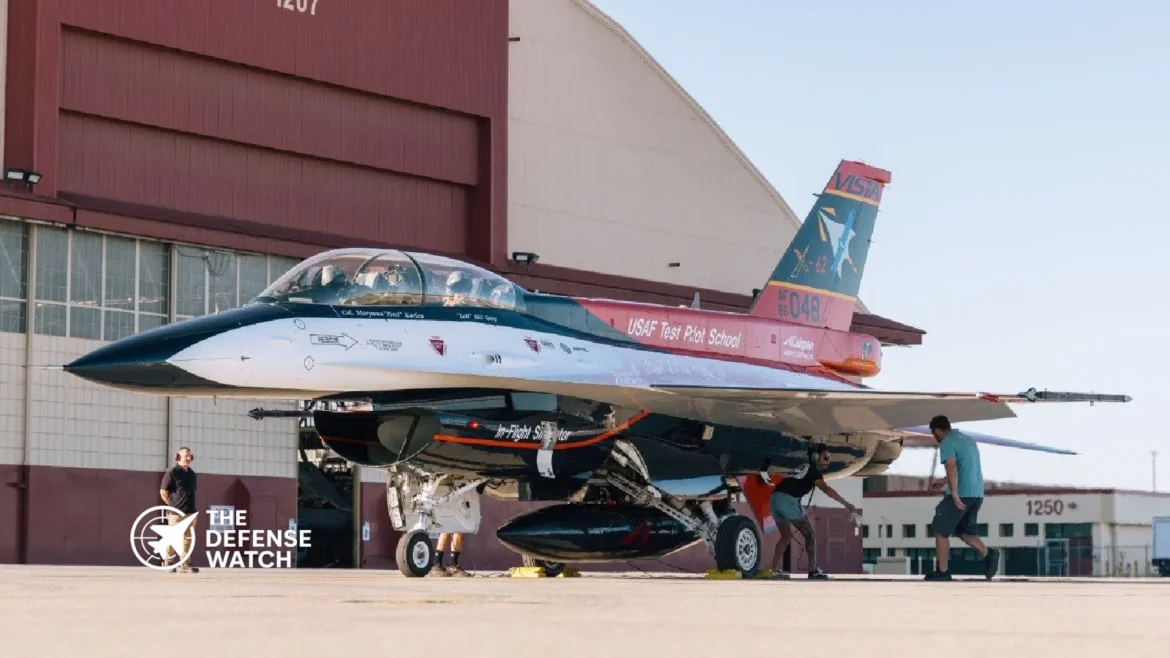
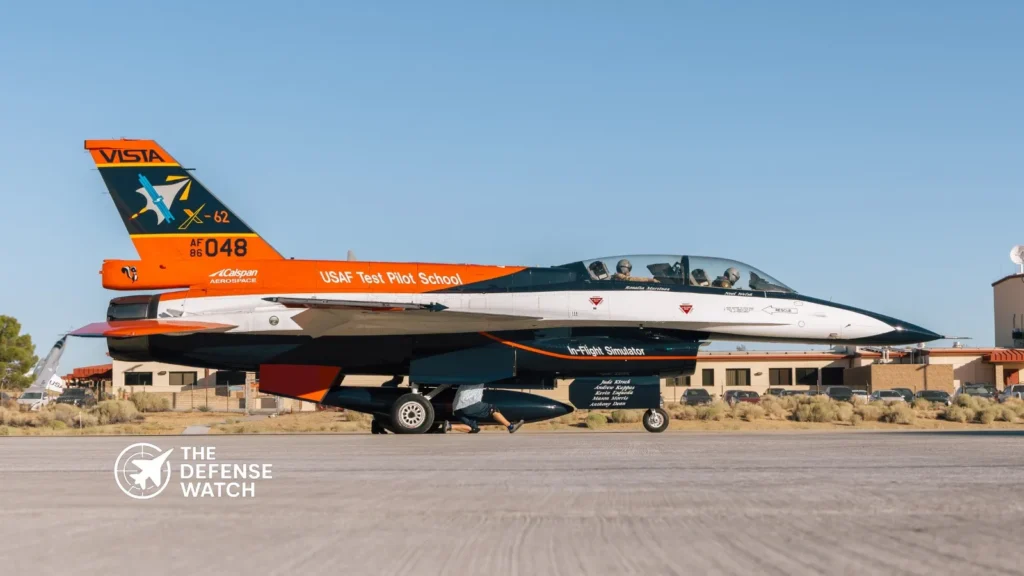
Flying Tactical AI is moving from classroom development into operational cockpits, according to new details released by Lockheed Martin, marking another step in the U.S. military’s push to embed artificial intelligence directly into combat aircraft.
The company outlined how its tactical AI systems, initially developed and refined in simulation environments and digital classrooms, are now being integrated into live flight environments. The effort reflects a broader Pentagon strategy to accelerate autonomy and decision support tools across air combat platforms.
Lockheed Martin said the transition demonstrates the maturity of its AI development pipeline, moving from academic modeling and pilot training environments into real aircraft systems designed for contested operations.
From Digital Classroom To Combat Environment
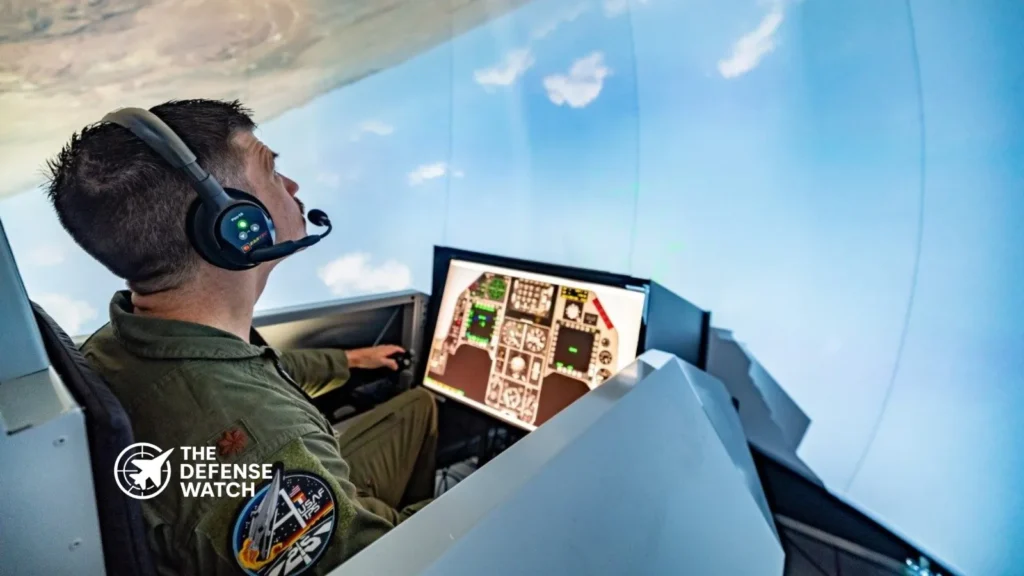
Lockheed Martin described Flying Tactical AI as a system built to assist aircrews in real time tactical scenarios. The company emphasized that early development focused on digital environments, including simulated air combat exercises and virtual mission rehearsals.
By using high fidelity models, engineers trained the AI to recognize threats, recommend maneuvers, and process battlefield data at machine speed. According to the company, this approach allowed developers to refine algorithms in controlled settings before exposing them to live flight conditions.

Image : Lockheed Martin This transition from classroom to cockpit reflects a methodical development process. Simulation first. Validation second. Flight integration last.
That layered approach mirrors the broader U.S. Department of Defense emphasis on digital engineering and model based systems development, a strategy aimed at shortening acquisition timelines while reducing operational risk.
What Flying Tactical AI Actually Does
Flying Tactical AI is designed to function as a decision support tool rather than a replacement for pilots. Lockheed Martin said the system can process large volumes of sensor data and provide tactical recommendations during complex engagements.
In modern air combat, pilots must absorb data from radar, infrared sensors, electronic warfare systems, datalinks, and off board assets. The volume of information can overwhelm even experienced crews. AI based systems aim to filter, prioritize, and present relevant options in seconds.
That capability is especially relevant for fifth generation and future sixth generation aircraft, where sensor fusion already plays a central role. Integrating Flying Tactical AI builds on that architecture by adding predictive and adaptive elements to mission execution.
The U.S. Air Force and Navy have both signaled that future air dominance concepts will rely heavily on human machine teaming, including collaborative combat aircraft and autonomous systems operating alongside crewed fighters. Flying Tactical AI fits squarely within that trajectory.
Alignment With Pentagon Autonomy Strategy
The development comes as the Department of Defense accelerates adoption of artificial intelligence across operational domains. Senior defense officials have repeatedly highlighted autonomy as a force multiplier, particularly in contested environments where reaction time is critical.
Image : Lockheed Martin Programs such as the Air Force push for collaborative combat aircraft and broader Joint All Domain Command and Control initiatives underscore this shift. While Lockheed Martin did not detail specific aircraft platforms in its feature, the company is a prime contractor on programs including the F 35 and advanced tactical aircraft projects.
Embedding Flying Tactical AI into cockpit systems could support future upgrades across multiple fleets, depending on service requirements and certification pathways.
From a strategic perspective, the integration of AI into tactical aviation is not just about automation. It is about compressing decision cycles. In high end conflict scenarios, the side that processes information faster and acts decisively gains a measurable advantage.
Risks, Testing, And Certification Challenges
Despite the progress, integrating Flying Tactical AI into operational aircraft presents technical and regulatory hurdles.
Flight certification standards for safety critical systems are stringent. Any AI driven tool must demonstrate reliability, transparency in decision logic, and compatibility with existing avionics. There are also cybersecurity considerations, particularly for systems that interface with mission data networks.
Lockheed Martin indicated that its structured development path, beginning in classroom and simulation environments, is designed to mitigate those risks. Gradual exposure to live flight testing allows engineers to validate system behavior under real world conditions.
For military operators, trust in the system is just as important as technical performance. Pilots must understand how recommendations are generated and retain final authority over tactical decisions.
Strategic Implications For U.S. Airpower
Flying Tactical AI represents more than a software upgrade. It signals how combat aviation is evolving.
Future air combat will likely involve smaller formations of crewed aircraft supported by autonomous platforms, advanced sensors, and networked effects. In that context, AI driven tactical tools could help maintain situational awareness across distributed operations.
If successfully fielded, Flying Tactical AI could contribute to reducing pilot workload, improving reaction time, and enhancing survivability in high threat environments. It also supports long term modernization goals centered on adaptability and rapid software updates rather than purely hardware driven upgrades.
For U.S. defense planners, the shift from classroom to cockpit marks a tangible milestone. It demonstrates that AI is moving beyond experimentation and into operational aviation ecosystems.
SpaceX To Compete In Pentagon Autonomous Drone Tech Contest
SpaceX will compete in a Pentagon autonomous drone tech contest, marking a notable expansion of the company’s role in U.S. defense innovation, according to a Feb. 16 report by Reuters citing Bloomberg.
The competition centers on advancing autonomous drone capabilities for U.S. military applications. It is part of a broader Defense Department push to accelerate artificial intelligence and unmanned systems across the services.
Pentagon Focus On Autonomous Systems
The U.S. Department of Defense has steadily increased investment in autonomous technologies as part of its modernization strategy. Officials have emphasized the need for low cost, scalable unmanned systems that can operate with minimal human intervention in contested environments.
While specific program details were not disclosed publicly, the contest aims to field advanced autonomous drone technology capable of operating in complex battlefield scenarios. The initiative aligns with Pentagon efforts to counter peer competitors by integrating AI driven systems across air, land, sea, space, and cyber domains.
The Defense Department has repeatedly highlighted autonomous systems as a key pillar of its force design. Programs under the Pentagon’s innovation offices have sought to reduce acquisition timelines and encourage participation from nontraditional defense companies.
SpaceX Expands Defense Footprint
SpaceX, formally known as SpaceX, has primarily focused on launch services and satellite communications. Through its Starlink satellite network, the company has already demonstrated relevance in military operations by providing resilient communications in conflict zones.
Participation in a Pentagon autonomous drone tech contest would extend SpaceX’s involvement beyond launch and space services into unmanned aerial systems and defense AI.
The move reflects a broader trend of commercial space and technology firms entering the defense market. Silicon Valley and aerospace startups have increasingly partnered with the Pentagon to develop AI enabled platforms, autonomous vehicles, and networked warfare capabilities.
Strategic Context
Autonomous drone development has become a central feature of modern military strategy. Recent conflicts have underscored the operational impact of unmanned aerial vehicles for intelligence, surveillance, reconnaissance, and strike missions.
The Pentagon’s emphasis on autonomous drone technology also aligns with congressional directives to strengthen U.S. industrial capacity in advanced defense sectors. Lawmakers have pressed for faster fielding of systems that can operate in highly contested environments, particularly in the Indo Pacific and European theaters.
By opening competitions to commercial players, the Defense Department seeks to leverage private sector innovation while maintaining strict security and performance standards.
Industry Competition Expected
The Pentagon autonomous drone tech contest is expected to draw interest from established defense contractors as well as emerging technology firms. Major aerospace and defense companies have invested heavily in AI enabled drones and collaborative combat aircraft concepts.
SpaceX’s entry into the contest introduces a company with deep engineering resources, rapid development cycles, and vertically integrated manufacturing capabilities. However, it will compete against firms with longstanding experience in military aircraft and unmanned systems.
The Reuters report did not specify a timeline for contract awards or testing phases. Further details are likely to emerge as the Defense Department advances the competition process.
Broader Implications
The inclusion of SpaceX in a Pentagon autonomous drone tech contest signals continued convergence between commercial aerospace innovation and national security priorities.
As the U.S. military adapts to evolving threats, autonomous drone systems are expected to play a growing role in distributed operations and force projection. The contest underscores Washington’s commitment to accelerating AI integration across the defense enterprise.
For SpaceX, participation represents a strategic step deeper into the defense technology sector. For the Pentagon, it highlights an effort to harness commercial ingenuity to maintain technological advantage.