Israel Accelerates Arrow Interceptor Production To Reinforce Missile Defense
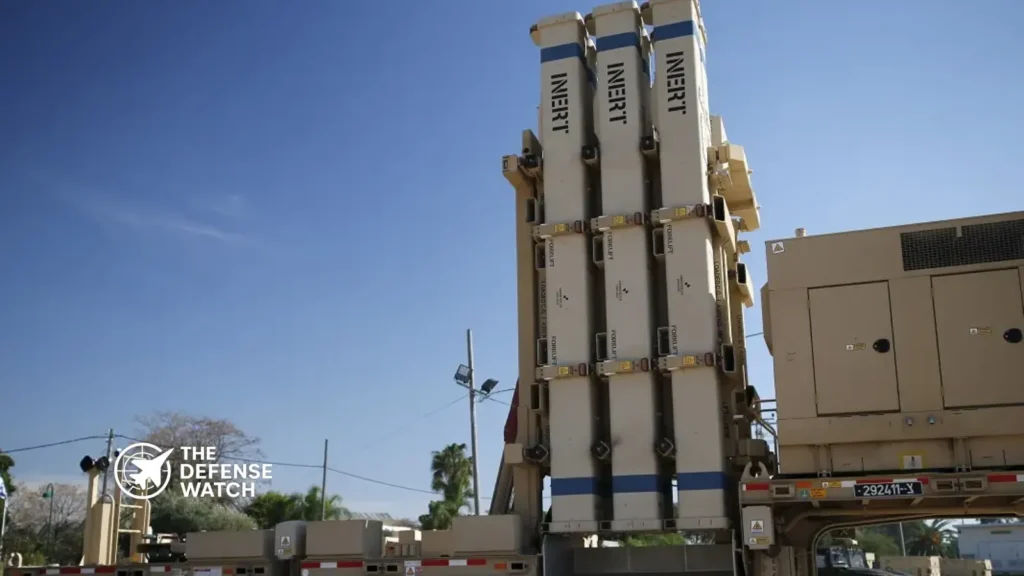
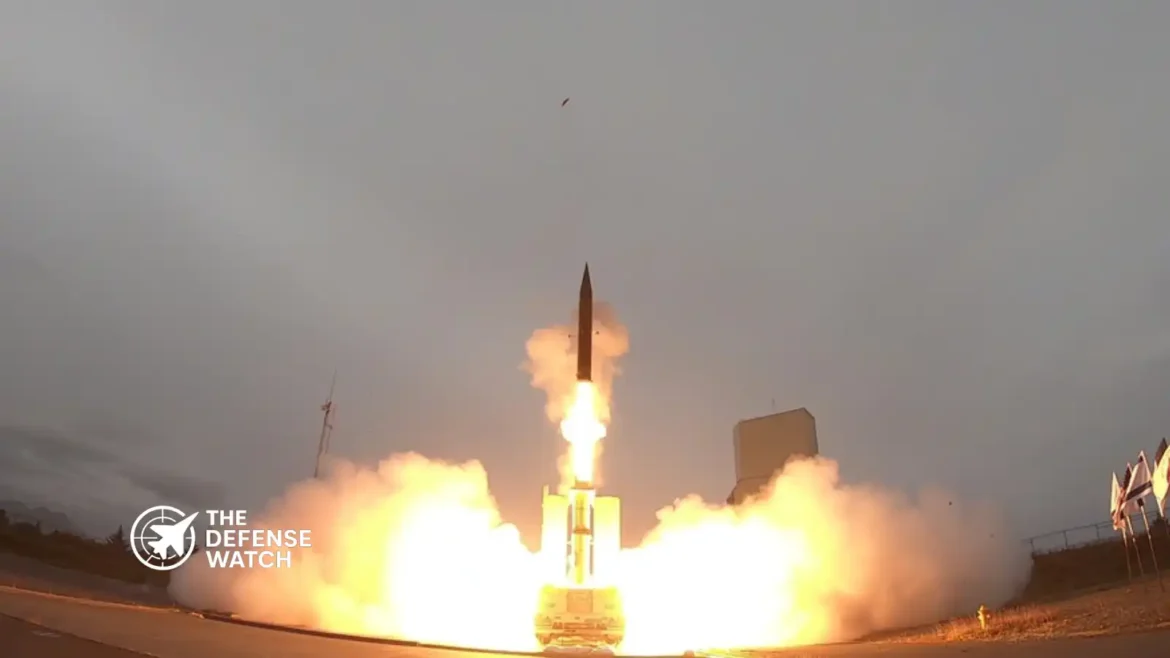
Israel’s decision to accelerate Arrow interceptor production marks a significant expansion of its missile defense posture, as the country adapts to evolving ballistic missile threats across the Middle East.
The Israeli Ministry of Defense has approved measures to increase manufacturing output of the Arrow interceptor family, a key component of the country’s layered air defense architecture. The move comes amid heightened regional tensions and a growing emphasis on preparedness for sustained, high-intensity conflict.
According to official statements and defense industry reporting, the acceleration effort focuses on boosting inventory levels and ensuring rapid replenishment capacity. This reflects lessons learned from recent conflicts, where high interceptor consumption rates have underscored the importance of industrial scalability.
- Israel approved accelerated production of Arrow missile interceptors to strengthen national air defense capacity.
- The decision reflects growing concerns over ballistic missile threats from Iran and regional actors.
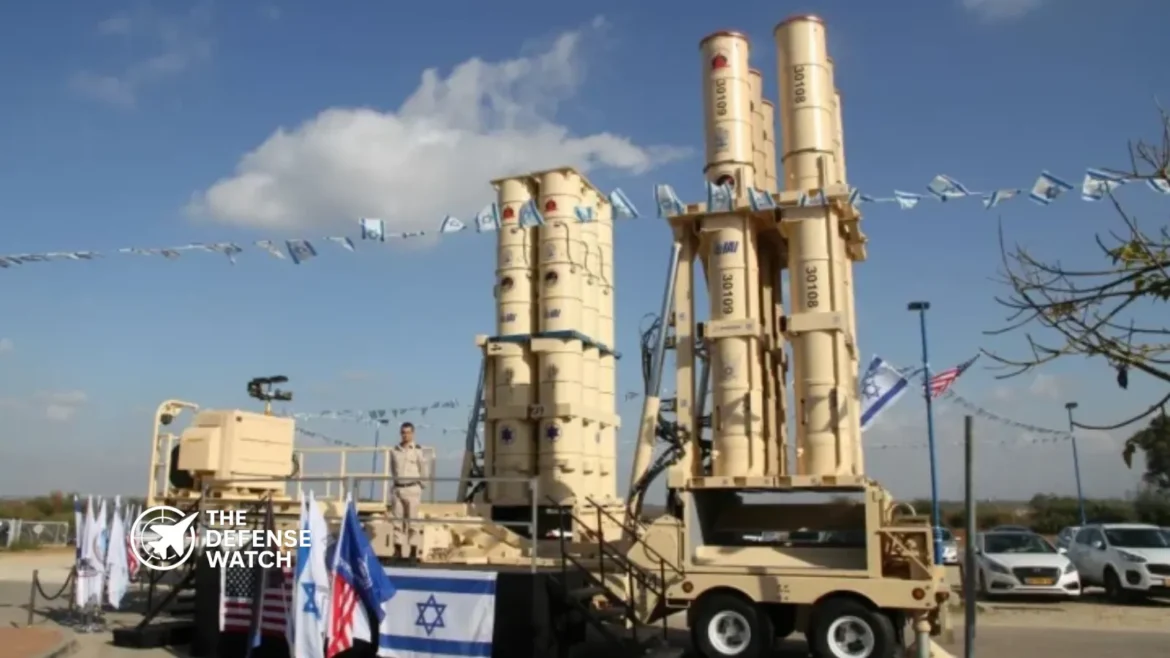
- Arrow systems are designed to intercept long-range ballistic missiles outside the atmosphere.
- The move aims to ensure sustained operational readiness during prolonged high-intensity conflict scenarios.
- The program is jointly developed with U.S. support, reinforcing strategic defense cooperation.
Strategic Response To Expanding Missile Threats
The Arrow interceptor system is specifically designed to counter long-range ballistic missiles, including threats that travel outside the Earth’s atmosphere before reentry. This capability places it at the top tier of Israel’s multi-layered defense network, complementing systems like David’s Sling and Iron Dome.
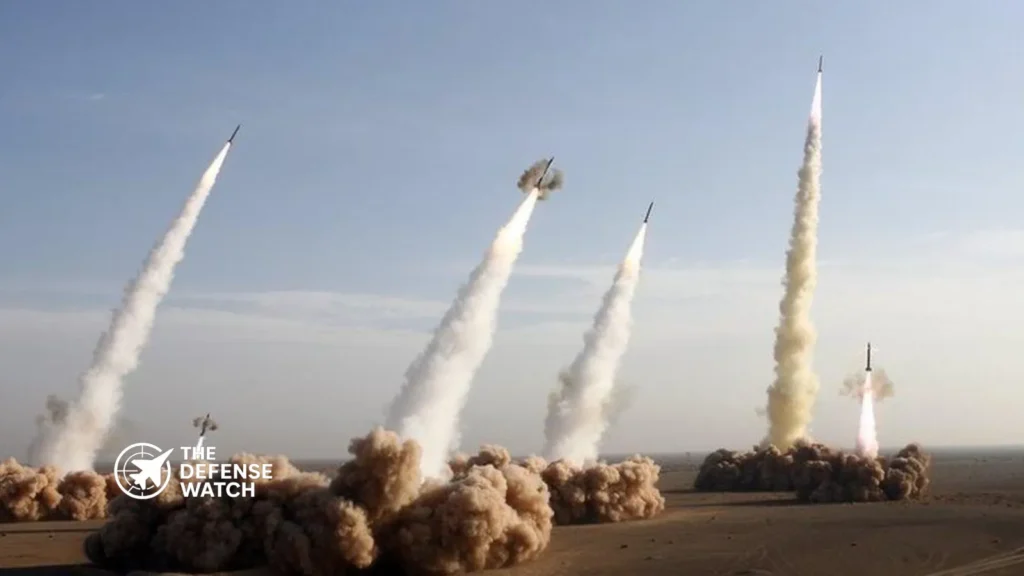
The decision to expand Arrow production is widely viewed as a response to Iran’s advancing missile capabilities. Tehran has continued to develop and field increasingly sophisticated ballistic systems, including longer-range and more precise variants. These developments have shifted regional threat calculations, prompting Israel to prioritize strategic missile defense.
Defense analysts note that interceptor availability is as critical as system capability. In a prolonged conflict scenario, even advanced systems can face operational strain if interceptor stockpiles are insufficient. By accelerating production, Israel is aiming to mitigate this risk and maintain sustained defensive coverage.
Industrial Surge And U.S. Cooperation
The Arrow program is a joint initiative between Israel and the United States, with significant funding and technological collaboration from Washington. This partnership has enabled continuous upgrades to the system, including improvements in interception range, accuracy, and reliability.
Accelerating production will likely involve expanded industrial activity across Israel’s defense sector, particularly among key contractors responsible for missile manufacturing and system integration. While specific production figures have not been disclosed, the emphasis is clearly on increasing throughput and reducing delivery timelines.
From a strategic perspective, the move also aligns with broader U.S. concerns about missile proliferation in the Middle East. Strengthening allied missile defense capabilities is seen as a critical element of regional stability, particularly in deterring escalation.
Operational Implications For Future Conflicts
The expansion of Arrow interceptor production carries direct operational implications. In a high-threat environment, such as a multi-front conflict involving ballistic missile salvos, the ability to sustain interception rates becomes decisive.
Recent conflicts have demonstrated that missile defense systems can be overwhelmed if faced with large-scale, coordinated attacks. By increasing interceptor availability, Israel aims to maintain a credible defense against saturation tactics.
Additionally, the move signals a shift toward long-duration readiness. Rather than preparing for short, limited engagements, Israel is positioning its defense infrastructure for extended operations, where logistics and supply chains play a central role.
This approach reflects a broader trend in modern warfare, where industrial capacity and resilience are increasingly recognized as key components of military power.
Broader Regional And Strategic Context
The acceleration of Arrow interceptor production comes at a time of intensifying geopolitical competition in the Middle East. Iran’s missile development, combined with the proliferation of missile and drone technologies among non-state actors, has created a complex threat environment.
Israel’s response highlights the importance of layered defense systems capable of addressing a wide spectrum of threats, from short-range rockets to intercontinental ballistic missiles. The Arrow system, as the upper layer, plays a critical role in this architecture.
At the same time, the move underscores the growing importance of defense industrial policy. Ensuring rapid production and replenishment is no longer a secondary consideration, but a central element of national security planning.



- ► Operation Roaring Lion launched to deliver munitions and military equipment to the IDF.
- ► First cargo aircraft landed in Israel within 24 hours of launch.
- ► Operation coordinated by IMOD Defense Procurement Directorate and international missions.
- ► Airlift expected to scale up in coming days, alongside maritime deliveries.
- ► Move aims to bolster Israel’s strategic endurance amid potential regional escalation.
Operation Roaring Lion Airlift Accelerates IDF Resupply
Operation Roaring Lion airlift is now underway, with the first cargo aircraft landing in Israel carrying munitions and military equipment for the Israel Defense Forces. The rapid delivery marks the beginning of a broader aerial and maritime resupply effort led by the Israel Ministry of Defense.
According to the ministry, the operation was prioritized by Defense Minister Israel Katz and Director General Maj. Gen. Amir Baram, Res., to strengthen Israel’s strategic endurance and maintain uninterrupted operational readiness. The announcement comes as Israel prepares for the possibility of escalation across additional fronts.
Coordinated Defense Logistics Effort
The Operation Roaring Lion airlift is being managed by the Ministry’s Defense Procurement Directorate through its International Shipping Division. It is coordinated with Israel’s missions in the United States and Germany, along with the IDF Planning Directorate, the Israel Airports Authority, and the Israel Civil Aviation Authority.

Such multi agency coordination suggests a sustained logistics pipeline rather than a single emergency shipment. While the ministry did not disclose specific munitions types, similar past resupply efforts have included precision guided munitions, air defense interceptors, and ground force ordnance.
The inclusion of maritime transport indicates that high volume or heavy equipment deliveries may follow by sea, which typically supports longer term sustainment needs rather than immediate tactical requirements.
Strategic Significance
The Operation Roaring Lion airlift highlights the central role of logistics in modern conflict. Air superiority and precision strike capabilities depend not only on platforms but on a steady supply of guided munitions and spare parts.
Israel’s defense doctrine has long emphasized rapid mobilization and high operational tempo. In prolonged operations, stockpile management becomes critical. Aerial resupply allows Israel to quickly replenish expended munitions, maintain sortie rates, and preserve deterrence credibility.
The decision to activate both air and maritime channels signals preparation for a potentially extended operational environment. Airlift ensures immediate readiness. Sealift supports depth and endurance.
Defense analysts often note that wars are sustained by industrial capacity and logistics resilience as much as battlefield tactics. Operation Roaring Lion appears designed to secure that logistical backbone early.
International Dimension
The involvement of Israel’s defense missions in the United States and Germany underscores the international supply chain behind the effort. Both countries play significant roles in global defense manufacturing and procurement networks.
While the ministry did not detail supplier nations, Israel maintains long standing defense procurement relationships with the United States and European partners. These ties are governed by formal agreements, export controls, and strategic cooperation frameworks.
The rapid activation of the Operation Roaring Lion airlift suggests that pre existing procurement channels and contingency planning were already in place.
Operational Readiness And Escalation Risks
Officials framed the operation as a measure to ensure uninterrupted readiness amid potential escalation across multiple fronts. Israel faces security challenges from state and non state actors in the region, requiring flexibility across air, land, and maritime domains.
By securing munitions flows early, Israeli planners reduce the risk of operational pauses due to supply shortages. That, in turn, strengthens deterrence by signaling sustained capacity.
At the same time, large scale resupply operations often reflect assessments of future demand. While no specific scenario was outlined, the scale up language indicates planning beyond immediate short term needs.
- ► The United States has deployed 12 F-22 Raptor fighter jets to southern Israel.
- ► The F-22 is the U.S. Air Force’s primary air superiority and stealth fighter platform.
- ► Export of the aircraft is prohibited under U.S. federal law, making overseas deployments highly sensitive.
- ► The move signals elevated deterrence and operational readiness amid regional tensions.
- ► The deployment represents one of the most visible U.S. airpower signals in the region in recent years.
U.S. Deploys 12 F-22 Raptors To Southern Israel In Strategic Signal Of Air Dominance
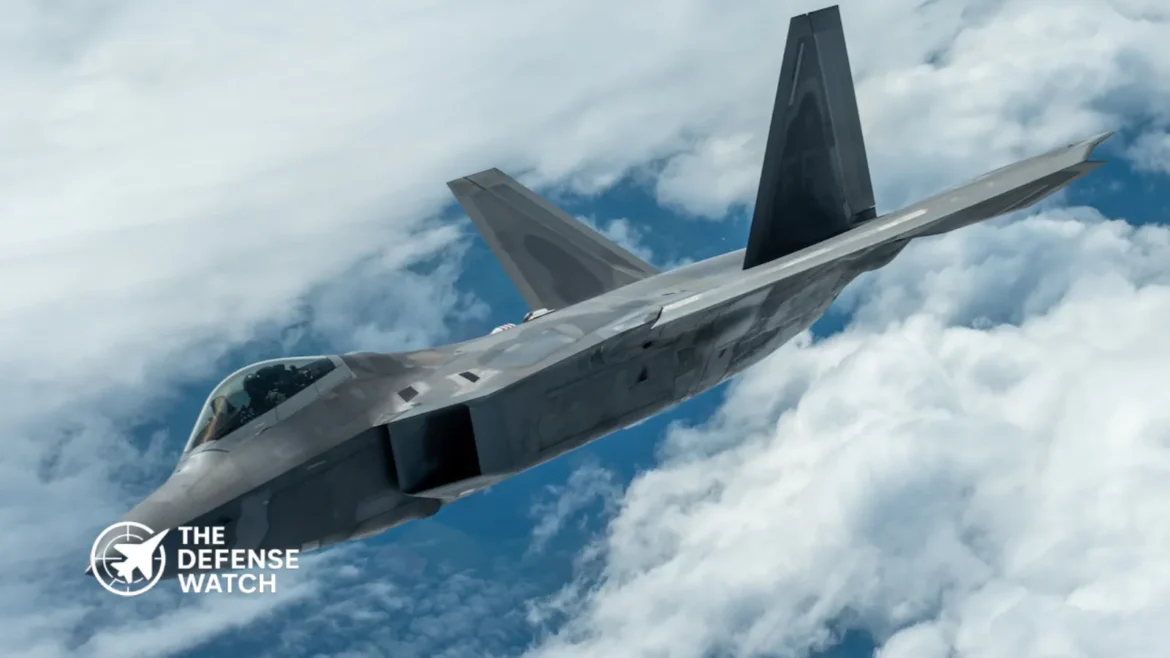
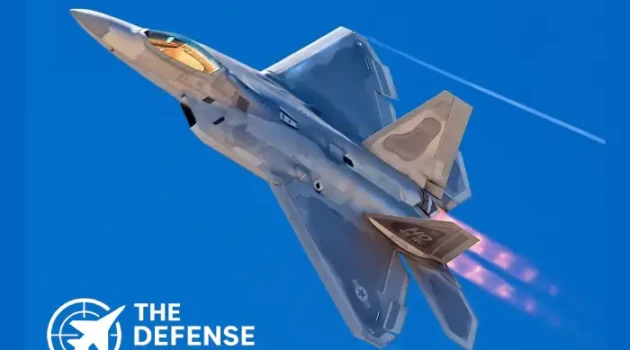
The United States has deployed 12 F-22 Raptors to southern Israel, marking a rare and strategically significant forward positioning of its most advanced air superiority fighter.
According to U.S. defense officials, the aircraft were repositioned as part of broader force posture adjustments aimed at reinforcing deterrence and maintaining rapid response capability in the region. The move comes amid elevated tensions across the Middle East.
The F-22 Raptor, developed by Lockheed Martin for the United States Air Force, remains the cornerstone of American air dominance strategy. Designed for stealth, high-end air combat, and precision strike missions, it combines low observable characteristics with advanced avionics and sensor fusion.
Why The F-22 Deployment Matters
Forward basing F-22 aircraft outside the continental United States is always deliberate. The platform was built primarily to counter near-peer air threats and establish uncontested control of contested airspace.
Its deployment to southern Israel signals three clear objectives:
First, it enhances regional air superiority coverage. The F-22’s advanced radar, electronic warfare suite, and beyond visual range missile capability allow it to detect and engage adversaries before being detected.
Second, it strengthens deterrence. The visible presence of fifth-generation fighters complicates adversary planning and raises the operational threshold for escalation.
Third, it reassures regional partners. Forward positioning high-end assets demonstrates sustained U.S. commitment to allied defense arrangements.
The F-22 is also unique in one key respect. Unlike the F-35 Lightning II, it has never been exported. Congress banned foreign sales of the aircraft in 1998 to protect sensitive technologies. As a result, every overseas deployment carries strategic weight.
Operational Capabilities
The F-22 was designed during the Cold War to defeat advanced Soviet aircraft. It combines stealth shaping, supercruise capability, thrust vectoring, and an advanced AN/APG-77 radar system.
It can carry AIM-120 AMRAAM air to air missiles internally, preserving its low observable profile. Its ability to operate without afterburners at supersonic speed gives it extended reach and faster response time compared to legacy fighters.
While originally optimized for air dominance, the platform has also evolved to support limited precision ground attack missions.
Regional Context
The Middle East has seen recurring periods of escalation involving state and non state actors, missile threats, and drone operations. U.S. air assets routinely rotate through regional bases, but the deployment of 12 F-22s represents a notable concentration of top tier capability.
The United States maintains a longstanding security partnership with Israel, including integrated air and missile defense cooperation. U.S. Central Command regularly coordinates with Israeli defense forces on regional contingency planning.
Though officials have not detailed specific mission sets, analysts assess that the deployment primarily serves a deterrent and contingency response function rather than signaling imminent offensive operations.
Strategic Signaling And Deterrence
In modern force posture strategy, presence is policy. Deploying the F-22 communicates readiness without issuing formal ultimatums.
Unlike carrier strike groups, which are highly visible symbols of naval power, stealth fighters operate with strategic ambiguity. Their survivability and first strike capacity make them particularly effective for crisis stabilization and escalation management.
At the same time, forward deployments carry logistical and sustainment demands. The F-22 fleet is relatively small, with approximately 180 operational aircraft in the inventory. Committing 12 aircraft overseas represents a meaningful allocation of high end air combat power.
What Comes Next
Defense officials have not specified the duration of the deployment. Historically, F-22 rotations to Europe and the Pacific have lasted several weeks to months, depending on regional conditions.
The presence of the F-22 in southern Israel underscores a broader U.S. objective: maintaining air dominance as the foundation of deterrence strategy in contested regions.
As tensions evolve, the forward deployment of America’s premier stealth fighter will remain a closely watched indicator of Washington’s strategic posture in the Middle East.
- ► Israeli officials assess Iran could possess up to 5,000 ballistic missiles by 2027.
- ► Iran fields short and medium range ballistic missiles capable of reaching Israel and U.S. bases in the Gulf.
- ► Israel operates a layered missile defense network including Iron Dome, David’s Sling, and Arrow systems.
- ► U.S. forces in the Middle East rely on Patriot and THAAD batteries to defend key installations.
- ► Iranian missile production has continued despite sanctions and export control regimes.
- ► Large scale missile salvos pose saturation risks to existing regional missile defense systems.
Israel Iran Ballistic Missile Threat: A Growing Strategic Challenge
The Israel Iran ballistic missile threat is entering a new phase as Israeli officials warn that Tehran could field up to 5,000 ballistic missiles by 2027.
(adsbygoogle = window.adsbygoogle || []).push({});The warning reflects more than a raw number. It signals a shift in regional military balance, particularly for Israel’s layered missile defense architecture and for U.S. forces deployed across the Gulf.
Iran has steadily expanded its ballistic missile inventory over the past decade, despite international sanctions. Its arsenal now includes short range and medium range systems such as the Shahab and Sejjil families, along with precision guided variants that improve targeting accuracy. Israeli assessments suggest production capacity, not just stockpile size, is accelerating.
For Israel and its U.S. partners, the issue is no longer whether Iran has missiles. It is whether existing defensive systems can absorb sustained, large scale salvos.
Operational Impact: Stress Testing Missile Defense
Israel’s air and missile defense network is built around layered interception.
The lowest tier is the Iron Dome, designed primarily for short range rockets. Above it sits David’s Sling, intended for medium range threats. At the top tier is the Arrow system, developed with U.S. support to intercept longer range ballistic missiles outside the atmosphere.
This structure has proven effective against limited salvos from Gaza and sporadic launches from regional actors. A potential inventory of 5,000 Iranian ballistic missiles presents a different challenge.
(adsbygoogle = window.adsbygoogle || []).push({});Ballistic missile defense is constrained by interceptor inventory and reload time. Even high success rates can be strained if dozens or hundreds of missiles are launched in waves. Each interceptor carries significant cost, often in the millions of dollars per round.

For the United States, the operational concern centers on forward deployed forces. U.S. installations in Qatar, Bahrain, Kuwait, and the United Arab Emirates host air assets, logistics hubs, and command nodes. Many rely on the MIM-104 Patriot and THAAD for protection.
Those systems were designed to counter limited missile threats from state actors. A surge in Iranian production shifts the problem from capability to capacity.
Regional Security Context
Iran’s missile doctrine emphasizes deterrence through volume and survivability. Lacking a modern air force comparable to Israel or the United States, Tehran has invested heavily in ballistic and cruise missiles as asymmetric tools.
Over the past decade, Iran has demonstrated the ability to strike regional targets, including U.S. positions in Iraq in 2020. That strike highlighted improvements in accuracy and coordination.
If the projected growth materializes, the Israel Iran ballistic missile threat will not be confined to Israel. Gulf states hosting U.S. forces would also fall within range of large portions of Iran’s inventory.
(adsbygoogle = window.adsbygoogle || []).push({});This dynamic complicates coalition planning. It increases the demand for integrated air and missile defense, data sharing, and coordinated early warning across the region.
Industrial And Budget Dimensions
Missile defense is expensive on both sides of the equation.
Iran’s production of solid fuel ballistic missiles suggests a growing domestic industrial base. Solid fuel systems reduce launch preparation time and increase survivability.
On the defensive side, interceptors are costly and production lines are finite. U.S. budget documents from recent fiscal years show continued funding for Patriot and THAAD modernization, as well as support for Israeli systems through joint programs.
If threat assessments drive increased interceptor procurement, Congress will face tradeoffs. Resources allocated to missile defense may affect funding for other priorities such as next generation aircraft or naval modernization.
For Israel, sustained high interceptor usage in a major conflict would require rapid resupply, likely with U.S. assistance. That creates a direct linkage between U.S. industrial capacity and Israeli homeland defense.
Comparison With Competitors
Other regional actors face missile threats, but few match the scale projected for Iran.
North Korea maintains a significant ballistic missile force, though its focus is oriented toward Northeast Asia and the United States. Russia and China field larger arsenals, but their strategic focus lies elsewhere.
What differentiates Iran is the combination of geographic proximity to Israel and Gulf bases, growing missile numbers, and the potential use of proxy groups to complicate defense planning.
The Israel Iran ballistic missile threat is therefore distinct in its regional density. Distances are short, warning times are limited, and saturation attacks are feasible.
Strategic Assessment
The projected expansion of Iran’s missile arsenal has direct implications for regional power balance.
First, it reinforces deterrence through the threat of mass retaliation. Even if Israeli and U.S. defenses intercept a high percentage of incoming missiles, a small number penetrating defenses could inflict significant damage.
Second, it pressures defense budgets. Sustaining sufficient interceptor stocks requires steady procurement and industrial readiness. That benefits defense contractors involved in missile defense programs, but it also strains fiscal planning.
Third, it strengthens the case for deeper U.S. and regional integration. Shared radar networks, joint exercises, and coordinated command structures become more critical as missile numbers grow.
(adsbygoogle = window.adsbygoogle || []).push({});Fourth, escalation risks increase. In a crisis, preemptive strikes against missile launchers could be seen as necessary by one side and escalatory by the other. The speed of ballistic missile exchanges leaves limited room for diplomatic intervention once hostilities begin.
Finally, the signal to allies and adversaries is clear. Missile capability is central to modern deterrence in the Middle East. Airpower alone no longer defines regional superiority.
What happens next will depend on three factors: the pace of Iranian production, the scale of Israeli and U.S. interceptor procurement, and whether regional states move toward a more unified air and missile defense architecture.
Why This Matters Now
This issue matters now because timelines are compressing. A projected 2027 benchmark is within current defense budget cycles.
Procurement decisions made in Washington and Jerusalem over the next two years will determine whether defensive capacity keeps pace with offensive growth.
For the United States, the question is not only about defending Israel. It is about protecting U.S. forces and preserving freedom of action in the Gulf.
(adsbygoogle = window.adsbygoogle || []).push({});For Iran, expanding missile inventories enhances leverage without crossing the nuclear threshold.
For Israel, maintaining credible deterrence depends on proving that even a large scale missile campaign would fail to achieve strategic objectives.
The Israel Iran ballistic missile threat is therefore not just a numbers game. It is a test of industrial capacity, alliance cohesion, and the credibility of layered missile defense under stress.

US Approves Foreign Military Sale of Joint Light Tactical Vehicles to Israel
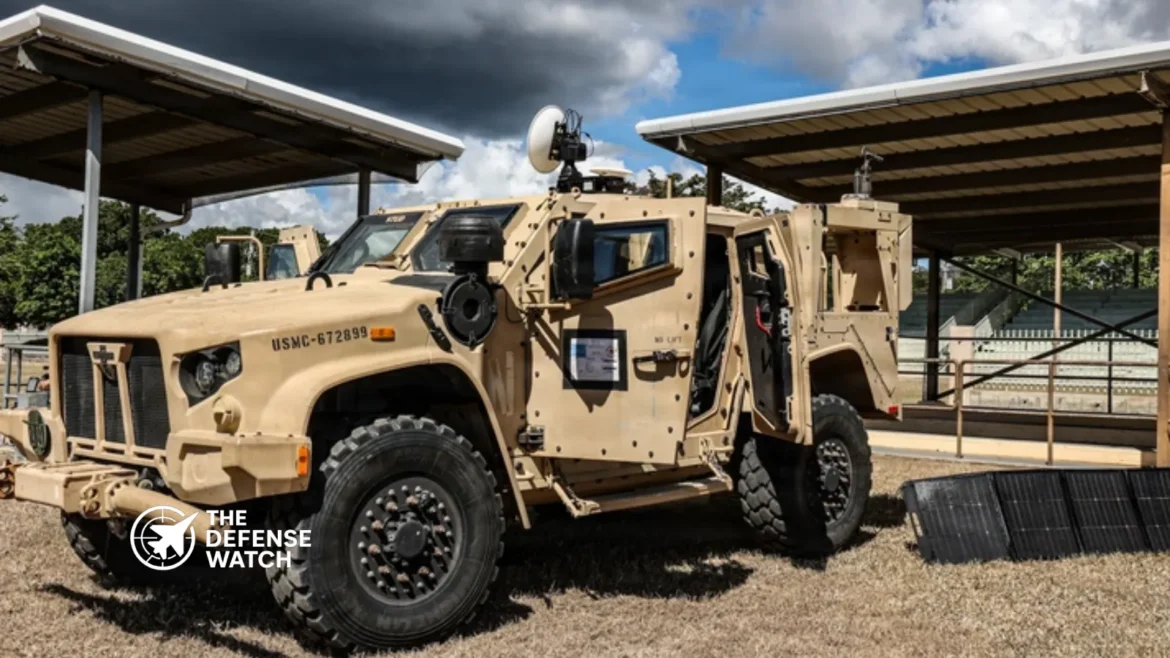
The United States State Department has approved a proposed sale of Joint Light Tactical Vehicles (JLTVs) and related equipment to Israel under Foreign Military Sales procedures, with an estimated value of $1.98 billion, according to a Defense Security Cooperation Agency (DSCA) press release issued January 30, 2026.
(adsbygoogle = window.adsbygoogle || []).push({});Washington delivered the required notification to Congress under Section 36(b) of the Arms Export Control Act on behalf of the Government of Israel. The sale, transmittal number 25-87, covers 3,250 JLTVs in multiple variants plus logistics and support gear.
What’s Included in the JLTV Package
The proposed sale would supply Israel with a range of JLTV variants:
- Utility JLTV M1279A1/A2/A3
- Heavy Guns Carrier JLTV M1278A1/A2/A3
- Close Combat Weapons Carrier JLTV M1281A1/A2/A3
- General Purpose JLTV M1280A1/A2/A3
Non-major defense equipment items include remote weapon stations, cargo trailers, command and control gear, vehicle kits, protection and vision systems, spare parts, technical manuals, trainers, and fielding support.
Strategic and Operational Rationale
The notification states the sale will support US foreign policy and national security by strengthening a key partner in the Middle East. The JLTVs are intended to improve mobility for Israeli ground forces across current and future operations, aiding secure personnel movement and logistics. Absorption into Israeli defense forces is assessed as feasible without major hurdles.
Officials also noted that the sale would not alter the basic military balance in the region. Implementation is expected to require assignment of additional US government and contractor personnel to Israel over a period of up to six years to provide fielding, training, and logistics support.
Contractor and Support
AM General LLC, based in Auburn Hills, Michigan and Mishawaka, Indiana, is the principal contractor for the JLTVs. No offset agreements were reported at the time of notification.
Congressional Notification and Oversight
The DSCA notification starts a 15-day period for potential congressional review. Under US law, Congress can block or modify a proposed Foreign Military Sale through a joint resolution during this window. In 2025, lawmakers introduced a resolution aimed at disapproving certain defense sales to Israel, highlighting persistent oversight interest in major FMS cases.
Why JLTVs Matter
The JLTV program was developed to replace legacy light tactical vehicles with a platform that balances protection, payload, and mobility for modern combat environments. JLTVs offer improvements over older systems in blast resistance, off-road performance, and digital integration, and are used broadly by the US Army and Marine Corps.
(adsbygoogle = window.adsbygoogle || []).push({});For Israel, fielding thousands of JLTVs would expand protected mobility for mechanized units, logistic convoys, and command elements, complementing existing transport and combat platforms.
Context: Broader US-Israel Defense Ties
The JLTV proposal forms part of continuing defense cooperation between the US and Israel. In recent years, Israel has received a range of US defense equipment through FMS and direct commercial sales, including rotary wing aircraft, munitions, and integrated air defense systems. (See also related FMS announcements from 2025).
Israeli Defense Procurement Failures Detailed in State Probe
A state investigation into the so-called Submarine Affair has found systemic failures in Israeli defense procurement, concluding that political leaders made critical security decisions without clear strategic policy or proper oversight. The probe highlights risks in defense dealings and calls for major reforms to procurement and force planning.
Findings From the Grunis Committee
The five-member committee, led by retired Supreme Court President Asher Grunis, released its findings January 25 after examining defense acquisition decisions made between 2009 and 2017, including the purchase of Dolphin-class submarines from Germany.
The report said successive governments avoided setting a clear, long-term security policy. Instead leaders made ad hoc decisions that failed to address broader strategic needs, undermining coherent defense planning.
Cabinet members reportedly described their role in shaping force structure as limited, functioning largely as a rubber stamp for defense establishment proposals, the committee noted.
Strategic and Procedural Weaknesses
The investigation cited several areas of concern:
- Lack of documented procedures for handling sensitive weapons sales by allied nations to third parties. Contacts and outcomes with foreign entities often went undocumented.
- National Security Council gaps in its advisory role, at times overstepping authority and blurring implementation responsibilities.
- Israeli Navy conduct issues, including ties with commercial entities, presentation of misleading data to decision-makers, and unauthorized political engagement.
The committee recommended that the military’s chief of staff review naval culture and update regulations governing officer interactions with political leadership.
High-Profile Warnings and Allegations
Warning letters have been issued to key figures including Prime Minister Benjamin Netanyahu, Mossad chief and former National Security Council head Yossi Cohen, and former Defense Minister Moshe Ya’alon.
The probe also noted claims that Netanyahu and Cohen authorized a German submarine sale to Egypt without informing Israel’s defense establishment, a decision that could have significant security implications.
Recommendations for Reform
The committee issued thirteen recommendations aimed at preventing future procurement failures. These include:
- Requiring a structured process for force planning in which the government ranks threats and the military prepares multi-year capability plans.
- Creating a permanent professional advisory committee to guide political leaders on force structure and major acquisitions.
Officials have said past inquiries also identified similar weaknesses, but prior recommendations were not fully implemented. The committee emphasized that orderly defense decision-making is essential in the current security environment, especially after the October 7, 2023 Hamas attacks that reshaped Israeli defense priorities.
Strategic Context
The report comes amid ongoing tensions in the region and sustained focus on Israel’s defense posture following the prolonged conflict with Hamas and broader security pressures. Improvements to procurement and defense planning could affect future arms deals and interoperability with allied militaries.
CENTCOM Chief Israel Visit Signals Heightened U.S. Military Posture in Middle East
The CENTCOM chief Israel visit is set to take place this Saturday, underscoring Washington’s deepening military engagement in the Middle East as tensions rise across multiple fronts.
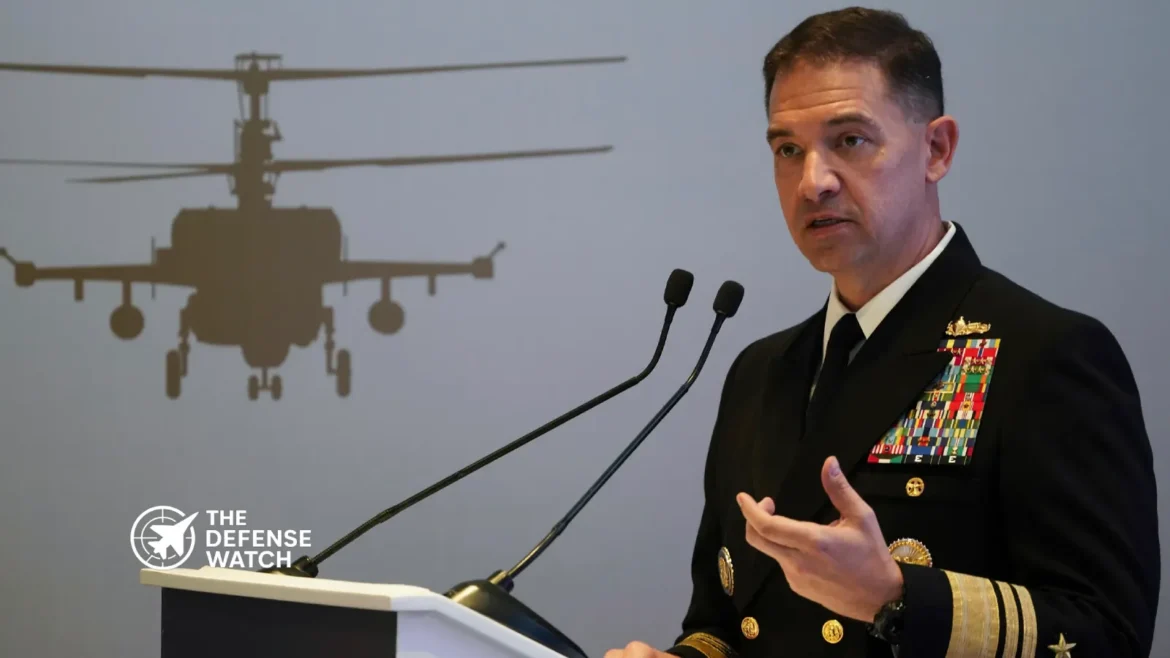
According to Israeli media reports, U.S. Central Command (CENTCOM) commander Adm. Brad Cooper is scheduled to arrive in Israel for high-level security talks with senior Israeli defense officials. The visit comes amid an expanding U.S. military buildup in the region, driven by concerns over Iran, proxy threats, and broader regional instability.
The trip reflects the growing urgency of U.S.-Israeli coordination as American forces continue to reposition major combat assets, reinforce air and missile defense coverage, and enhance deterrence across the CENTCOM area of responsibility.
High-Level Talks Amid Escalating Regional Threat Environment
During his visit, Adm. Cooper is expected to meet with Israel Defense Forces (IDF) Chief of Staff Lt. Gen. Eyal Zamir and Israeli Air Force Commander Maj. Gen. Tomer Bar, focusing on shared threat assessments, operational coordination, and regional contingency planning.
Israeli defense officials have reportedly raised growing concerns about the risk of a potential Iranian preemptive strike, as well as possible U.S.-led military action targeting Iranian military or nuclear infrastructure.
Israeli Channel 12 reported that Israel’s air force remains on elevated alert status, reflecting heightened readiness across multiple operational theaters.
This latest CENTCOM chief Israel visit follows a series of intensive U.S.-Israeli defense engagements aimed at strengthening combined preparedness and ensuring rapid operational coordination should tensions escalate.
U.S. Military Buildup Across CENTCOM Theater
The visit coincides with a broader U.S. military buildup across the Middle East, involving naval deployments, air power repositioning, and enhanced missile defense integration.
In recent months, the Pentagon has deployed additional naval strike groups, long-range bombers, and air defense assets across strategic locations in the Gulf, Red Sea, and Eastern Mediterranean. These deployments are designed to bolster deterrence, protect U.S. forces and allies, and maintain freedom of navigation in critical maritime corridors.
Senior U.S. defense officials have emphasized that these moves are defensive in nature, aimed at countering threats from Iran and its network of regional proxies, including Hezbollah, the Houthis in Yemen, and various militia groups in Iraq and Syria.
See also: U.S. Expands Naval Presence in Red Sea to Counter Houthi Missile Threats
Deepening U.S.-Israel Defense Integration
Since Israel’s inclusion under CENTCOM’s operational umbrella, U.S.-Israeli military coordination has expanded significantly. The integration has enabled closer real-time intelligence sharing, joint air defense planning, and coordinated operational responses across multiple domains.
Recent exercises have focused on integrated air and missile defense, counter-drone operations, and joint strike planning, reflecting the evolving complexity of regional threats.
The CENTCOM chief Israel visit highlights Washington’s strategic emphasis on maintaining Israel’s qualitative military edge while strengthening coalition defense architecture involving Gulf partners.
Defense analysts note that CENTCOM’s engagement with Israel now plays a central role in shaping U.S. regional posture, particularly as concerns grow over Iran’s missile capabilities, UAV programs, and proxy warfare strategy.
Iran Factor Driving Strategic Calculations
Iran remains at the center of U.S. and Israeli strategic planning. Western intelligence agencies continue to monitor Tehran’s missile development, drone production, and nuclear program, all of which factor heavily into CENTCOM’s operational priorities.
Israeli security officials fear that Iran could attempt a preemptive regional escalation in response to mounting international pressure, sanctions, and covert operations targeting its strategic infrastructure.
At the same time, Washington seeks to balance deterrence with crisis management, attempting to prevent localized conflicts from spiraling into full-scale regional war.
Strategic Implications for Middle East Stability
The timing of the CENTCOM commander’s visit underscores growing uncertainty across the Middle East, where overlapping crises — from Gaza and Lebanon to Yemen and the Gulf — continue to strain regional security.
By reinforcing military coordination and maintaining forward-deployed combat power, the United States aims to preserve deterrence while reassuring allies of its long-term commitment to regional stability.
For Israel, the visit reinforces the depth of U.S. security backing at a moment when multi-front operational planning has become increasingly complex.
Outlook
As regional tensions remain elevated, the CENTCOM chief Israel visit is expected to produce renewed operational alignment between U.S. and Israeli defense leadership, particularly in air defense, missile interception, and contingency planning.
Further U.S. force posture adjustments across the CENTCOM theater remain possible, depending on developments involving Iran and its regional allies.
Israel Missile Defense Systems Explained, How Lasers Missiles and Radar Protect Against Iran Threats
Israel Missile Defense Systems Face Growing Iran Threat
Israel missile defense systems are once again under global focus as tensions with Iran remain high across the Middle East. Iranian ballistic missiles cruise missiles and long range drones present a complex and evolving threat. To counter this risk Israel has built one of the worlds most advanced multi layer air and missile defense networks combining radar interceptors and emerging laser weapons.
The system is designed to detect track and destroy incoming threats at different ranges and altitudes. This layered approach gives Israeli decision makers multiple chances to intercept an attack before it reaches population centers or critical military infrastructure.
(adsbygoogle = window.adsbygoogle || []).push({});Recent analysis by international media has highlighted how Israel would respond if attacked by Iran using missiles and drones. According to reporting by WION News Israels defensive shield relies on a combination of early warning radar interceptor missiles and directed energy weapons to blunt large scale strikes.
A Layered Missile Defense Architecture
Early Warning and Radar Networks
At the core of Israel missile defense systems is an extensive radar and sensor network. Long range radars such as the Green Pine system detect ballistic missile launches hundreds of kilometers away. These sensors provide early warning data to command centers allowing rapid engagement decisions.
Radar data is fused with intelligence inputs and satellite tracking to build a real time picture of incoming threats. This integration is critical when facing Iranian ballistic missiles that could reach Israel in minutes.
Arrow System for Ballistic Missile Defense
The Arrow interceptor family forms Israels top tier defense against long range ballistic missiles. Arrow Two and Arrow Three are designed to engage threats outside the atmosphere or in the upper atmosphere.
Arrow Three in particular is optimized to destroy ballistic missiles in space reducing the risk of debris falling over populated areas. This capability is considered essential against Iranian medium and intermediate range missiles.
(adsbygoogle = window.adsbygoogle || []).push({});Mid Range Defense with Davids Sling
Davids Sling fills the gap between Arrow and short range systems. It is designed to intercept cruise missiles heavy rockets and some ballistic threats at medium ranges.
The system uses advanced radar seekers and hit to kill technology. Davids Sling adds flexibility to Israel missile defense systems by addressing threats that fall outside the engagement envelope of Iron Dome or Arrow.
Iron Dome and Short Range Protection
Iron Dome remains the most well known component of Israels air defense. It is optimized to intercept short range rockets artillery shells and drones launched from nearby territories.
Iron Dome uses battle management software to determine which incoming projectiles pose a threat to populated areas. Only those threats are intercepted conserving interceptor missiles during sustained attacks.
Lasers as the Next Defensive Layer
Iron Beam Directed Energy Weapon
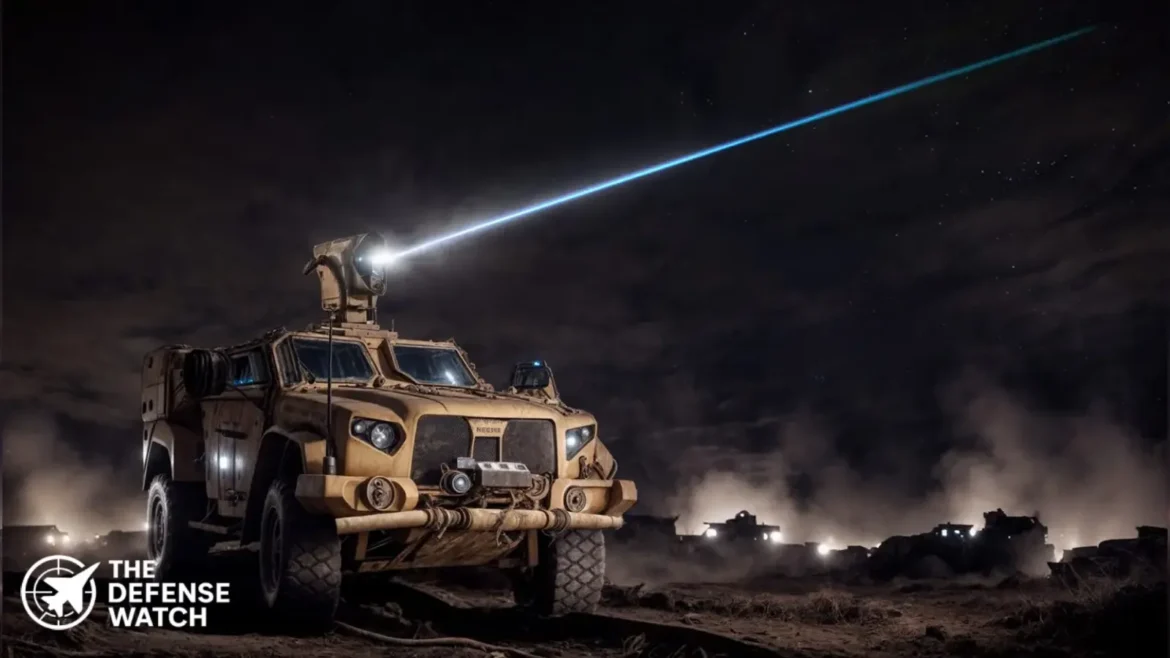
One of the most significant developments in Israel missile defense systems is the introduction of high energy laser technology. Known publicly as Iron Beam this system is designed to destroy rockets drones and mortars using directed energy.
Lasers offer several advantages. Each engagement costs far less than firing a missile interceptor. They also allow rapid repeat engagements as long as power is available. This is especially important in scenarios involving mass drone or rocket attacks.
Israeli defense officials have stated that laser systems will initially complement missile interceptors rather than replace them. Weather limitations and line of sight constraints mean lasers work best as part of a broader defensive network.
Defending Against Iranian Drones and Cruise Missiles
Iran has invested heavily in long range drones and cruise missiles capable of flying at low altitudes. These weapons are harder to detect and intercept than ballistic missiles.
Israel missile defense systems counter this threat through a mix of radar electro optical sensors and interceptor missiles. Iron Dome Davids Sling and future laser systems are expected to play a major role in neutralizing drone swarms and low flying cruise missiles.
(adsbygoogle = window.adsbygoogle || []).push({});Electronic warfare and cyber capabilities also support air defense operations by disrupting guidance systems and command links.
Strategic Context and Regional Implications
A Deterrence Focused Defense Strategy
Israel views missile defense as a defensive and deterrent tool rather than a substitute for offensive power. By reducing the effectiveness of Iranian missile attacks Israel aims to deny adversaries strategic leverage.
However missile defense is not foolproof. Large scale salvos could overwhelm interceptors. This reality drives Israels emphasis on layered defenses and continuous technological upgrades.
Implications for Regional Security
Israels missile defense systems influence military planning across the Middle East. Gulf states and NATO partners closely study Israels experience with integrated air and missile defense.
The deployment of lasers in particular could reshape future air defense doctrines by lowering costs and improving sustainability during prolonged conflicts.
FAQs
How effective are Israel missile defense systems against Iran?They are designed to intercept a wide range of threats including ballistic missiles drones and rockets but no system offers complete protection.
What is the role of lasers in Israels air defense?Lasers provide low cost rapid engagement against short range threats and complement missile interceptors.
Can Iron Dome stop Iranian ballistic missiles?No Iron Dome is optimized for short range threats Ballistic missiles are handled by Arrow and Davids Sling.
Is Israel the first country to deploy laser air defense?Israel is among the first to operationalize high energy lasers as part of an integrated national defense network.
Pentagon Awards Boeing $8.6B Contract for F-15IA Jets for Israel
The Pentagon has awarded Boeing an $8.6 billion contract for the F-15IA jets for Israel, covering design, production, and delivery of 25 advanced fighter aircraft with an option for 25 additional jets under the U.S. Foreign Military Sales program, the Pentagon said in a statement.
The contract announcement follows a recent meeting between U.S. President Donald Trump and Israeli Prime Minister Benjamin Netanyahu in Florida. Work on the F-15IA jets for Israel program will be carried out in St. Louis, Missouri, with deliveries and related activities scheduled through December 2035.
Contract Details
- Pentagon awarded Boeing a hybrid cost-plus-fixed-fee and firm-fixed-price contract for the F-15IA jets for Israel.
- Scope includes design, integration, instrumentation, testing, production, and delivery of 25 aircraft, with option for 25 more.
- The contract is executed under the U.S. Foreign Military Sales (FMS) mechanism.
- Initial obligation at award was $840 million.
- Expected completion date is listed as December 31, 2035.
The F-15IA is an advanced variant of Boeing’s F-15EX, tailored for the Israeli Air Force to meet specific operational requirements. The FMS route means Israel funds the purchase, while the Pentagon administers the sale on behalf of the U.S. government.
Strategic Context
The U.S. remains the principal supplier of major weapons systems to Israel, and this contract reinforces the long-standing security partnership between the two countries. The deal comes amid ongoing regional tensions and debate in U.S. domestic politics over American arms sales to Middle East partners.
U.S. Industrial Impact
The award maintains production work for Boeing’s aerospace workforce in St. Louis and underscores the continued international demand for fourth-generation fighter platforms. The F-15 series has a long service record and ongoing upgrades aimed at modern combat roles.