

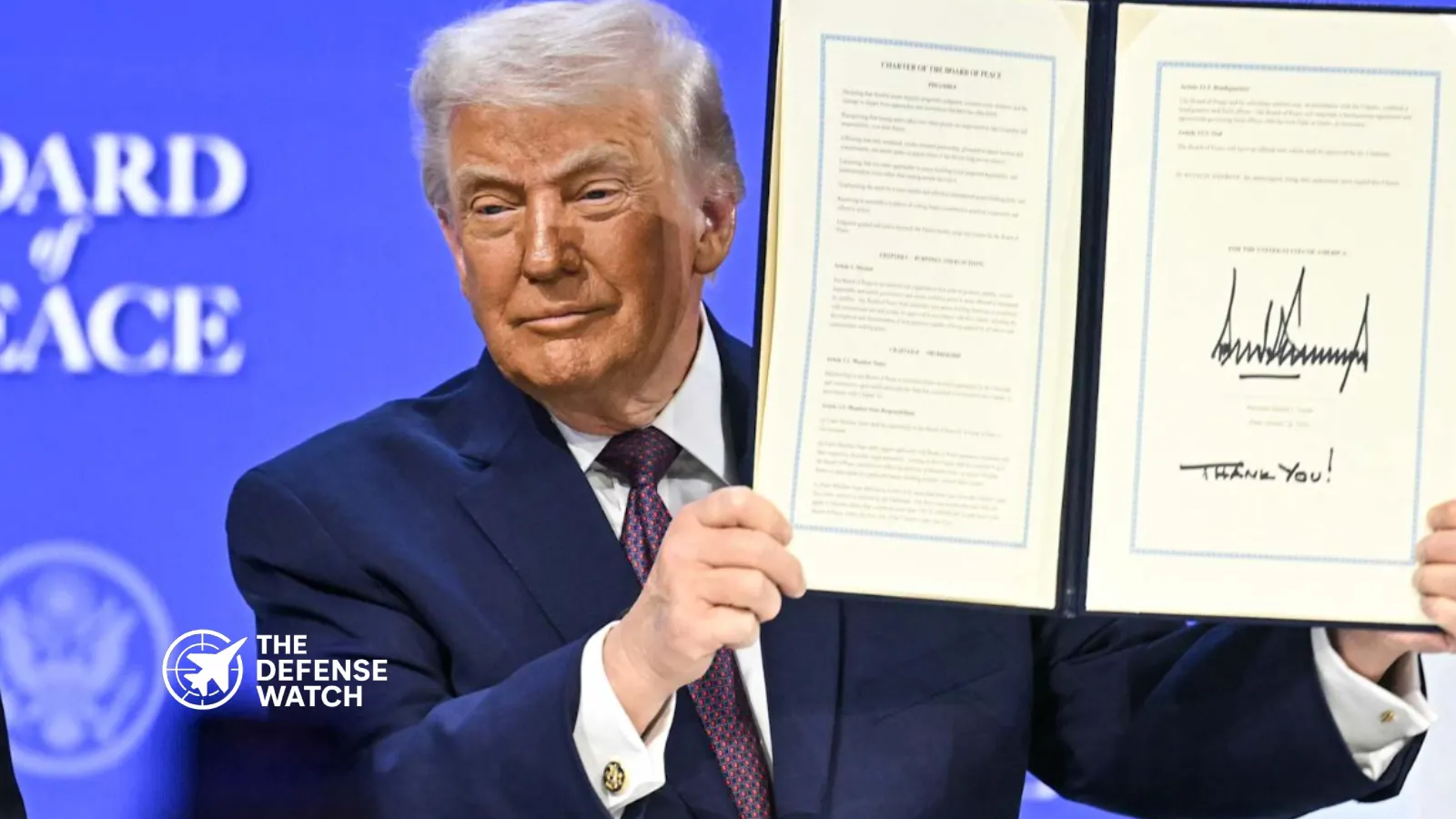
Germany and Italy Reject Participation in Trump’s Board of Peace
German Chancellor Friedrich Merz and Italian Prime Minister Giorgia Meloni have announced they cannot join U.S. President Donald Trump’s newly launched Board of Peace, citing constitutional constraints and governance concerns.
Merz stated in Rome on January 23 that while Germany is willing to support peace efforts, it cannot accept the current structure of the board. He said, “In the form in which the peace board is currently set up, we cannot accept its governance structures in Germany for constitutional reasons.” Merz added that alternative cooperative frameworks with the United States could be explored, not limited to Gaza but potentially including other conflict zones such as Ukraine.
Meloni echoed Merz’s concerns, highlighting Italy’s constitutional requirement for equal participation in international organizations. She has requested amendments to the board’s terms to address these issues. The current charter grants Trump extensive executive powers, which both leaders view as incompatible with European legal frameworks.
EU Raises Broader Concerns
The European Union’s foreign policy arm has also flagged the board’s governance structure as problematic. In a confidential analysis dated January 19, the European External Action Service warned that concentrating authority in Trump’s hands conflicts with EU constitutional principles and undermines member states’ organizational autonomy.
EU Council President Antonio Costa noted that several elements of the board’s charter, including its scope and governance, are not fully compatible with the United Nations framework. Costa stressed that the EU is ready to collaborate on Gaza peace efforts but prefers a transitional administration under UN oversight rather than Trump’s lifetime-led board.
Board Structure and Funding
The Board of Peace, officially launched on January 22 during the World Economic Forum in Davos, is chaired for life by Trump. Its initial focus is the Gaza conflict, with plans to expand to other global disputes. Member states are limited to three-year terms unless they contribute $1 billion for permanent membership. Trump defended the structure, stating it would operate in conjunction with the UN and allow broad operational autonomy once fully formed.
Some EU nations, including France and Spain, have already declined participation. Canada was disinvited after Prime Minister Mark Carney refused to fund a permanent seat. EU diplomats criticized provisions allowing the chairman to approve each member’s level of participation, calling it undue interference with state autonomy.
Looking Ahead
Merz and Meloni’s stance signals potential hurdles for U.S.-led multilateral peace initiatives in Europe. While both leaders support peace efforts, they emphasize that constitutional and governance safeguards remain non-negotiable. The outcome of ongoing discussions will likely shape the board’s future structure and its ability to gain broader international participation.
