

Executive Summary:
ASELSAN is expanding its operational presence in Bucharest as Romania continues to modernize its armed forces and strengthen NATO eastern flank defenses. The Turkish defense company is promoting a portfolio of combat-proven systems ranging from air defense and electronic warfare to naval and communications technologies.
ASELSAN Expands Romanian Defense Presence
Turkish defense company ASELSAN is increasing its presence in Romania as the country accelerates military modernization programs tied to NATO security requirements and regional deterrence efforts.
The move comes amid rising defense spending across Eastern Europe following continued instability in the Black Sea region and the broader security environment shaped by the war in Ukraine. Romania has emerged as one of NATO’s key eastern flank states, investing heavily in air defense, surveillance, communications, and electronic warfare capabilities.
According to the company, ASELSAN is positioning itself as a long-term industrial and technology partner for the Romanian Armed Forces by offering a range of combat-proven defense systems already deployed by several military operators.
The company stated that its expanded Bucharest presence is intended to improve local engagement, industrial cooperation opportunities, and direct support for Romanian defense modernization initiatives.
Focus On NATO-Compatible Systems
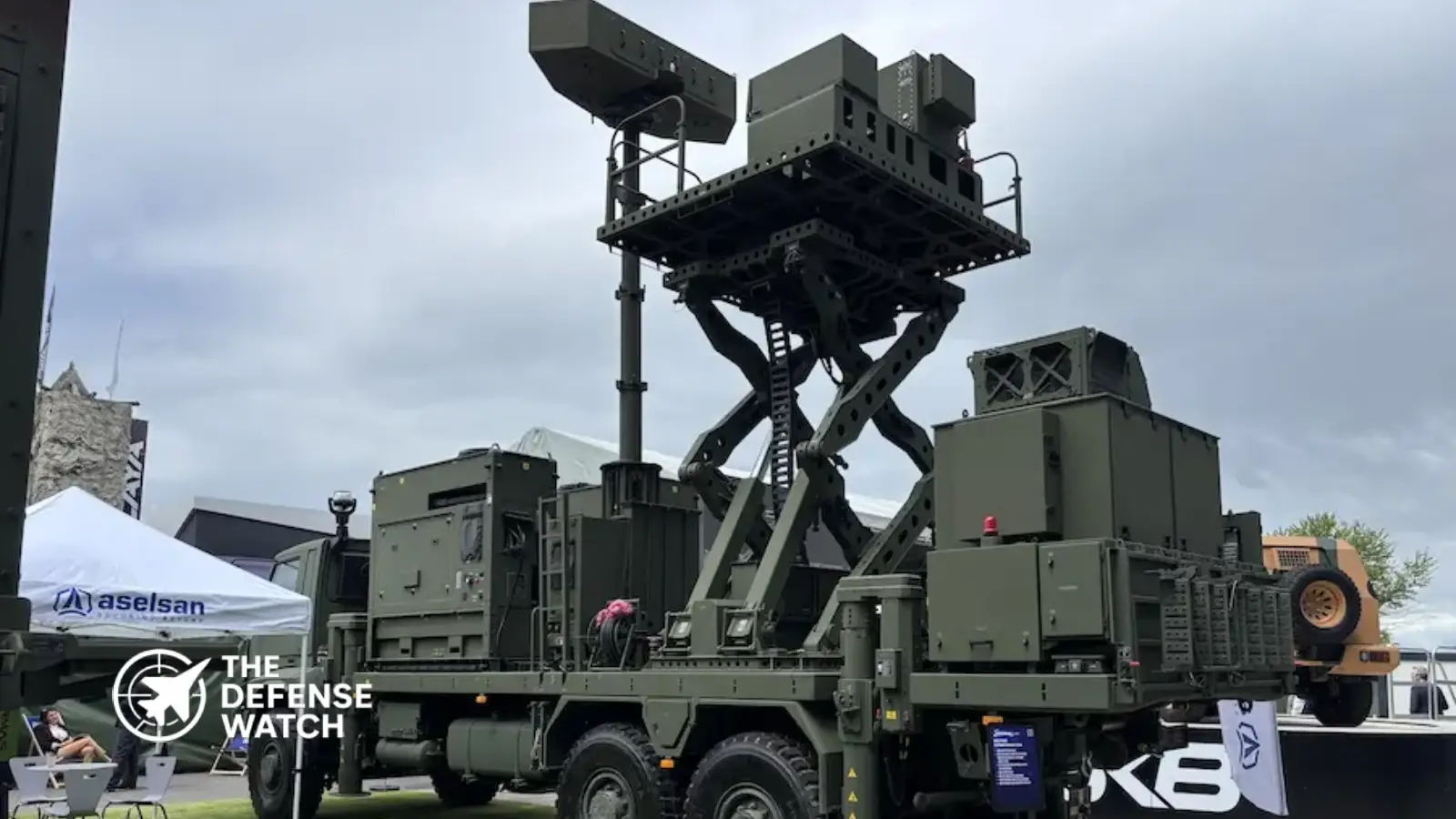
ASELSAN’s portfolio includes command-and-control systems, radar technologies, electro-optical sensors, electronic warfare platforms, naval combat systems, and short-range air defense solutions.
Many of these systems have been tested under operational conditions in recent regional conflicts, a factor increasingly influencing procurement decisions across Europe. NATO member states are prioritizing mature, rapidly deployable technologies capable of integrating into alliance networks and multi-domain operations.
Romania has significantly expanded its defense budget in recent years, surpassing NATO’s 2% GDP spending benchmark and committing additional funding toward strategic procurement programs. Bucharest is also seeking to strengthen domestic industrial participation through technology transfer and local partnerships.
ASELSAN’s emphasis on localized cooperation aligns with broader European trends where governments increasingly demand industrial participation and sovereign sustainment capabilities alongside hardware acquisitions.
Romania’s Strategic Importance Continues To Grow
Romania’s geographic position on the Black Sea has elevated its strategic importance within NATO planning. The country hosts allied forces, missile defense infrastructure, and expanded multinational military exercises aimed at deterring regional threats.
Defense companies across the United States, Europe, Israel, and Turkey are competing for access to Romanian modernization programs covering air defense, armored systems, ISR networks, naval platforms, and battlefield communications.
ASELSAN’s growing footprint reflects Turkey’s broader defense export strategy, which has gained momentum through increased international demand for relatively lower-cost but operationally tested systems.
The company has expanded exports across Europe, the Middle East, Asia, and Africa over the past several years, particularly in electronic warfare, unmanned systems support technologies, and battlefield communications.
Competition Intensifies Across Eastern Europe
Romania’s modernization drive has become part of a wider regional defense buildup across Eastern Europe. Countries bordering Russia or the Black Sea are accelerating procurement timelines as governments seek to close capability gaps exposed by the Ukraine conflict.
For defense manufacturers, Romania represents both a growing market and a strategic gateway into NATO-aligned defense integration efforts.
ASELSAN’s approach appears focused on combining operational credibility with industrial cooperation. That strategy may resonate in regional markets where governments increasingly balance cost, delivery timelines, interoperability, and domestic industry participation.
At the same time, competition remains intense. Major Western defense firms continue to dominate high-value procurement sectors including integrated air and missile defense, combat aircraft, and advanced armored systems.
Still, mid-tier defense suppliers with flexible production capacity and combat-tested systems are gaining visibility as European militaries seek faster procurement cycles and diversified supply chains.
Broader Implications For Regional Defense Industry
ASELSAN’s expansion into Romania also reflects the continuing globalization of defense supply networks within NATO-aligned markets.
Turkey’s defense sector has evolved rapidly over the past decade, supported by sustained government investment and export-driven growth. Companies such as ASELSAN are increasingly targeting European opportunities once dominated almost exclusively by U.S. and Western European contractors.
For Romania, expanding the supplier base may help accelerate modernization while improving procurement flexibility and industrial competition.
The development also underscores how Black Sea security dynamics are reshaping defense relationships across Europe. Nations in the region are prioritizing layered air defense, resilient communications, electronic warfare protection, and integrated command networks as part of long-term deterrence planning.
