Executive Summary:
The United States has approved the transfer of Bell 505 training helicopters to the Philippine Air Force to expand pilot training capacity. The move supports Manila’s ongoing military modernization and addresses growing demand for trained aircrew amid regional security pressures.
US Approves Bell 505 Helicopters For Philippine Air Force Training Expansion
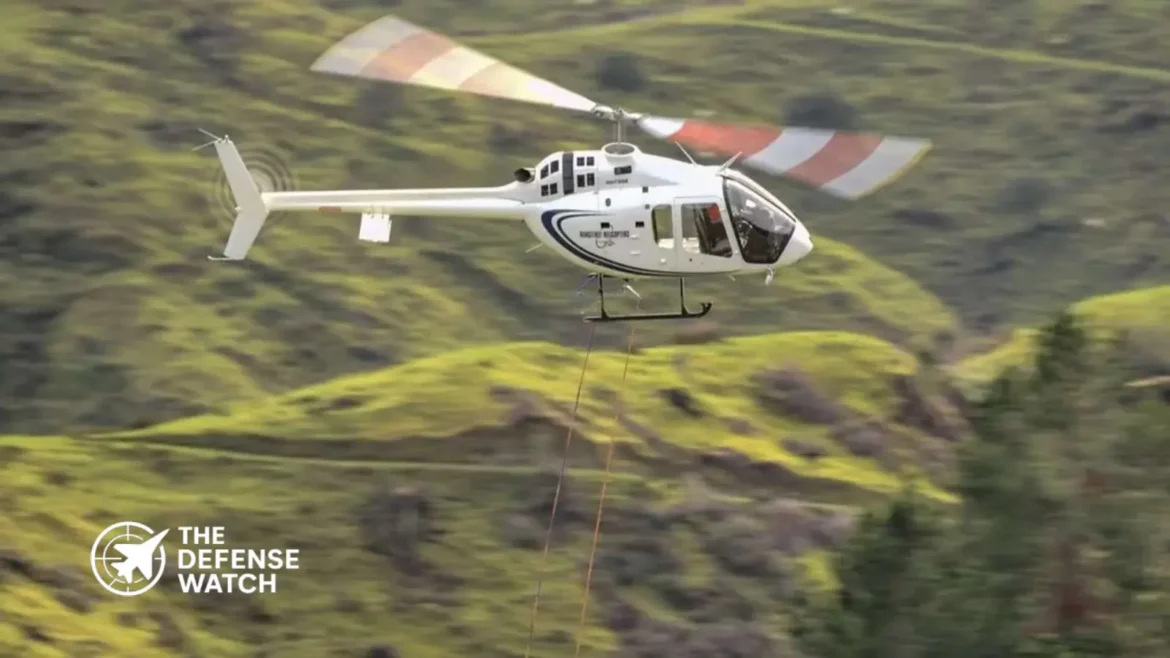
The Bell 505 helicopters Philippines program marks a significant step in strengthening the Philippine Air Force’s pilot training pipeline, as Washington authorizes the transfer of light training helicopters produced by Bell Textron.
The approval supports Manila’s broader effort to modernize its air capabilities while addressing a persistent shortage of trained rotary-wing pilots. The Bell 505, a lightweight, single-engine helicopter, is widely used for basic and advanced flight training due to its modern avionics and cost efficiency.
Addressing A Critical Training Bottleneck
The Philippine Air Force training expansion comes at a time when the service is increasing its operational tempo across multiple mission sets, including maritime security, disaster response, and counterinsurgency.
Training capacity has emerged as a limiting factor. Even as the Philippines acquires new aircraft, pilot production has struggled to keep pace. The Bell 505 fleet is expected to ease this bottleneck by providing a reliable, modern training platform.
The aircraft features a fully digital glass cockpit and advanced flight controls, allowing trainee pilots to transition more easily to frontline platforms. Compared to legacy trainers, the Bell 505 reduces maintenance demands while improving training efficiency.
From an operational perspective, this investment reflects a shift from platform acquisition alone toward building sustainable human capital in aviation units.
Strategic Context: Modernization Amid Regional Pressure
The Bell 505 helicopters Philippines deal aligns with Manila’s ongoing military modernization program, which has gained urgency amid rising tensions in the South China Sea.
While the helicopters themselves are not combat assets, their impact is strategic. Increasing the number of qualified pilots directly enhances the Philippine Air Force’s ability to deploy and sustain operations across its archipelagic territory.
The United States has steadily expanded defense cooperation with the Philippines in recent years, including increased access to bases under the Enhanced Defense Cooperation Agreement (EDCA). This approval reinforces that partnership through practical capability development rather than high-profile weapons systems.
In this context, training platforms like the Bell 505 serve as force multipliers, enabling more effective use of existing and future aircraft.
Technical Overview Of The Bell 505 Platform
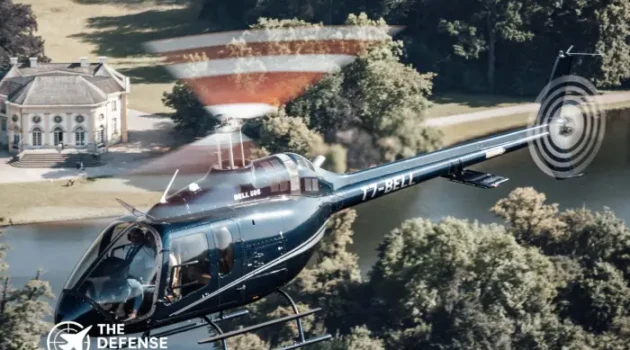
The Bell 505, also known as the Jet Ranger X, is designed for versatility and ease of operation. Key features include:
- Single-engine configuration optimized for training and light utility missions
- Garmin G1000H NXi avionics suite for advanced pilot instruction
- High visibility cockpit, improving situational awareness for trainees
- Low operating costs compared to larger training helicopters
These characteristics make the Bell 505 particularly suitable for nations seeking to scale pilot training without significantly increasing sustainment burdens.
For the Philippine Air Force, the platform bridges the gap between basic flight instruction and transition to more complex helicopters used in operational roles.
Operational Impact And Long-Term Benefits
The Philippine Air Force training expansion enabled by the Bell 505 is expected to deliver several long-term benefits:
First, it increases annual pilot output, reducing reliance on limited training slots and shortening qualification timelines.
Second, it standardizes training using modern avionics, aligning pilot skills with contemporary aircraft systems.
Third, it enhances readiness across multiple mission areas by ensuring a steady pipeline of qualified aircrew.
From a defense planning perspective, investments in training infrastructure often yield higher returns than additional platform acquisitions alone. Without trained personnel, new aircraft cannot be effectively utilized.
Analysis: Training As A Strategic Enabler
The approval of the Bell 505 helicopters Philippines program highlights a broader trend in U.S. security assistance: prioritizing capacity building over purely hardware-focused transfers.
Rather than supplying high-end combat systems, Washington is enabling partner nations to strengthen foundational capabilities. In the Philippine case, pilot training directly supports:
- Maritime domain awareness operations
- Rapid disaster response in a typhoon-prone region
- Distributed air operations across island chains
This approach also improves interoperability with U.S. forces, as pilots trained on modern systems can integrate more easily into joint exercises and missions.
At the same time, the relatively low-profile nature of training helicopter transfers reduces escalation risks in sensitive regions, offering a pragmatic balance between capability enhancement and geopolitical stability.
Conclusion
The Bell 505 helicopters Philippines approval underscores the importance of training infrastructure in modern military capability development. By expanding pilot training capacity, the Philippine Air Force is positioning itself to better utilize current and future aviation assets.
For the United States, the move reinforces a strategy focused on sustainable partner capacity rather than short-term capability boosts. As regional dynamics continue to evolve, investments in training platforms like the Bell 505 may prove as critical as frontline systems in shaping long-term defense readiness.
KAAN Fighter Jet Awaits US Approval For F110 Engines
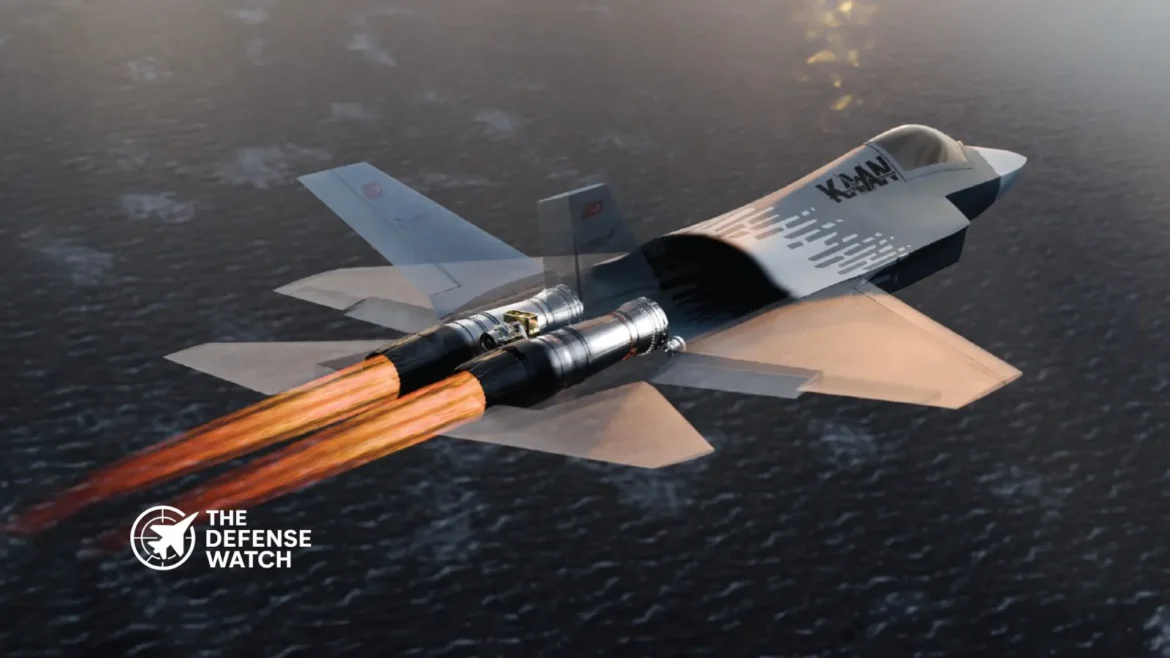
The KAAN fighter jet program is nearing a key milestone as Türkiye expects the United States to approve exports of the F110 GE 129E turbofan engine for early production aircraft.
According to Turkish Aerospace Industries, approval for the U.S.-made engines could come in February or March 2026. The engines will power the first serial production batches of the KAAN Block 10 and Block 20 aircraft.
(adsbygoogle = window.adsbygoogle || []).push({});TUSAŞ General Manager Mehmet Demiroğlu said the company does not anticipate delays in the engine approval process, citing ongoing coordination between U.S. and Turkish officials.
Ten Engines Already In Hand
Demiroğlu confirmed that TUSAŞ already holds ten F110 engines. These are sufficient for prototype aircraft currently in development.
He stated that the company has faced no issues in the development phase related to propulsion. The existing engines support flight testing and system integration as the KAAN fighter jet moves through its early operational evaluation cycle.
The F110 GE 129E engine is produced by GE Aerospace and is widely used in advanced fourth generation fighters, including variants of the F 16. The engine provides high thrust output suitable for twin engine configurations such as KAAN.
Final Approval Stage Underway
TUSAŞ is now in what Demiroğlu described as the final stage of U.S. export approval. The authorization would allow the F110 engines to be installed in the first batch of KAAN Block 10 and Block 20 aircraft intended for operational service.
Based on discussions with both governments, TUSAŞ expects no disruption in deliveries. Approval could be issued within weeks.
(adsbygoogle = window.adsbygoogle || []).push({});The export decision follows established U.S. defense trade procedures. Such transfers require clearance under U.S. export control regulations and coordination between industry and government authorities.
First Delivery Set For 2029
The first KAAN fighter jet delivery to the Turkish Air Force is scheduled for early 2029.
Block 10 and Block 20 aircraft will rely on the F110 engine as an interim propulsion solution. These early blocks are expected to focus on core air dominance capabilities while additional systems mature.
The KAAN program represents Türkiye’s effort to field a domestically developed fifth generation fighter aircraft. The platform is designed to incorporate stealth shaping, advanced sensors, network centric warfare features, and internal weapons carriage.
The aircraft conducted its maiden flight in 2024, marking a significant milestone in Türkiye’s military aviation ambitions.
Transition To A National Engine By 2033
While early production models will use U.S. engines, TUSAŞ plans to equip the KAAN Block 30 aircraft with an indigenous powerplant.
Demiroğlu said the first test of the national engine is targeted for 2032, with final delivery planned for 2033. This shift would reduce reliance on foreign propulsion systems and strengthen domestic aerospace capabilities.
Engine development is a complex and resource intensive effort. It involves advanced materials, turbine blade technology, and high temperature performance engineering. Few nations maintain the industrial base required for fifth generation fighter engines.
(adsbygoogle = window.adsbygoogle || []).push({});Türkiye has been investing heavily in defense industrial self sufficiency over the past decade, particularly in aerospace, unmanned systems, and missile technology.
Strategic Context
The KAAN fighter jet plays a central role in Türkiye’s long term air power strategy. The program gained additional urgency aFter Ankara’s removal from the F 35 program in 2019.
Since then, Turkish defense planners have emphasized indigenous development across air, naval, and land systems.
The F110 export approval would signal continued defense industrial cooperation between Washington and Ankara, despite periodic political tensions.
The engine decision also carries operational significance. Without timely approval, serial production timelines could face adjustments. However, TUSAŞ leadership has publicly stated that current indicators point toward a smooth authorization process.
(adsbygoogle = window.adsbygoogle || []).push({});Program Outlook
With prototypes flying and engine supplies secured for testing, the KAAN fighter jet remains on track for initial operational delivery at the end of the decade.
Upcoming milestones include expanded flight testing, avionics integration, weapons certification, and low rate initial production planning.
As the program advances, propulsion remains a key focus area. The transition from the F110 engine to a domestically produced alternative will mark a critical phase in Türkiye’s effort to field a fully sovereign fifth generation combat aircraft.
For now, industry officials appear confident that U.S. approval for the F110 GE 129E engines will arrive within the expected timeframe.

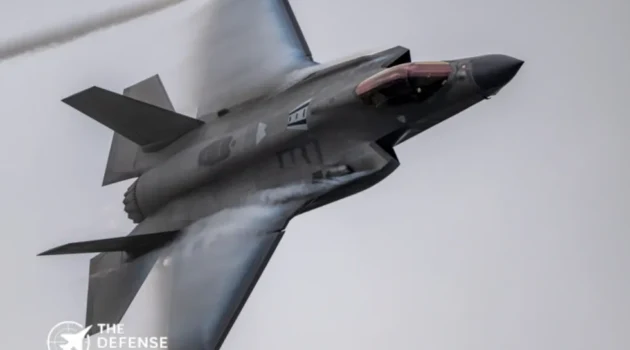

Peru F 16V Block 70 Fighter Deal Signals Strategic Shift
Peru is set to acquire 24 F 16V Block 70 fighter jets, overturning a previous tender that selected Sweden’s Saab Gripen, according to multiple defense and government sources. The decision marks a significant shift in Lima’s defense procurement strategy, emphasizing long term logistics support, financing flexibility, and closer military ties with the United States over upfront acquisition cost.
An official announcement is expected after Peru’s 2026 general elections, with the total value of the program estimated at approximately 7 billion dollars.
Peru Reverses Gripen Decision
Peru’s original fighter competition favored Saab’s Gripen E, largely due to its lower acquisition cost and competitive operating expenses. However, senior defense and government officials have since reassessed the broader implications of the selection, particularly in terms of sustainment, interoperability, and strategic alignment.
The revised decision reflects growing interest in a comprehensive US backed package that extends beyond aircraft delivery. The F 16V Block 70 offer reportedly includes long term logistics support, training pipelines, weapons integration, and access to Foreign Military Financing options unavailable under the Swedish proposal.
Defense analysts note that lifecycle support and fleet availability have become decisive factors for air forces facing aging inventories and constrained maintenance infrastructure.
Strategic Weight of the F 16V Block 70
The F 16V Block 70 represents the most advanced new production variant of the Fighting Falcon, featuring the AN APG 83 active electronically scanned array radar, advanced mission computers, and a modernized electronic warfare suite. The platform is already in service or on order with multiple US partners, including Taiwan, Slovakia, Bulgaria, and Morocco.
For Peru, the selection offers immediate interoperability with US and regional partners, access to a global sustainment ecosystem, and compatibility with a wide range of US and NATO standard munitions. While Peru is not a NATO member, alignment with US operated systems significantly reduces long term operational risk.
The aircraft would replace Peru’s aging MiG 29 and Mirage 2000 fleets, both of which face increasing maintenance challenges and limited upgrade paths.
Financing and Logistics Drive the Decision
Despite Gripen’s lower sticker price, officials involved in the process have emphasized that the US offer provides stronger financing mechanisms, predictable sustainment, and deeper institutional support. Foreign Military Sales structures typically include long term training, spare parts pipelines, and upgrade access that smaller suppliers struggle to match at scale.
The United States also offers political backing and continuity across decades, a factor increasingly valued by air forces seeking to avoid supply chain disruptions and platform orphaning.
Industry observers point out that several Latin American air forces have recently prioritized proven platforms with established logistics networks over newer but less widely supported alternatives.
Major Non NATO Ally Status Looms
The move aligns with expectations that Peru may soon be designated a Major Non NATO Ally of the United States, a status that would formalize defense cooperation and expand access to US military technology, financing, and training programs.
Such a designation would further reinforce the logic behind selecting a US built fighter and could open the door to additional cooperation in intelligence sharing, joint exercises, and regional security initiatives.
While Peruvian officials have not formally confirmed the timeline, defense sources indicate the designation is actively under consideration in Washington.
Regional and Geopolitical Implications
Peru’s decision adds to a growing trend of Latin American air forces deepening defense ties with the United States amid rising concerns over fleet readiness, regional security, and long term sustainment costs.
The acquisition would position Peru among the most capable air forces in South America, improving air policing, maritime strike, and deterrence capabilities. It also reinforces US influence in a region where European and non Western suppliers have sought to expand their footprint.
For Saab, the reversal underscores the challenges European manufacturers face when competing against US backed strategic packages rather than standalone aircraft offers.
What Comes Next
Final contract negotiations and congressional notifications are expected to follow Peru’s 2026 elections. If approved, aircraft deliveries would likely begin in the late 2020s, subject to production slots and training timelines.
Until a formal announcement is made, both governments are expected to remain cautious in public statements. However, defense and industry sources view the outcome as largely settled.