(adsbygoogle = window.adsbygoogle || []).push({});Executive Summary:
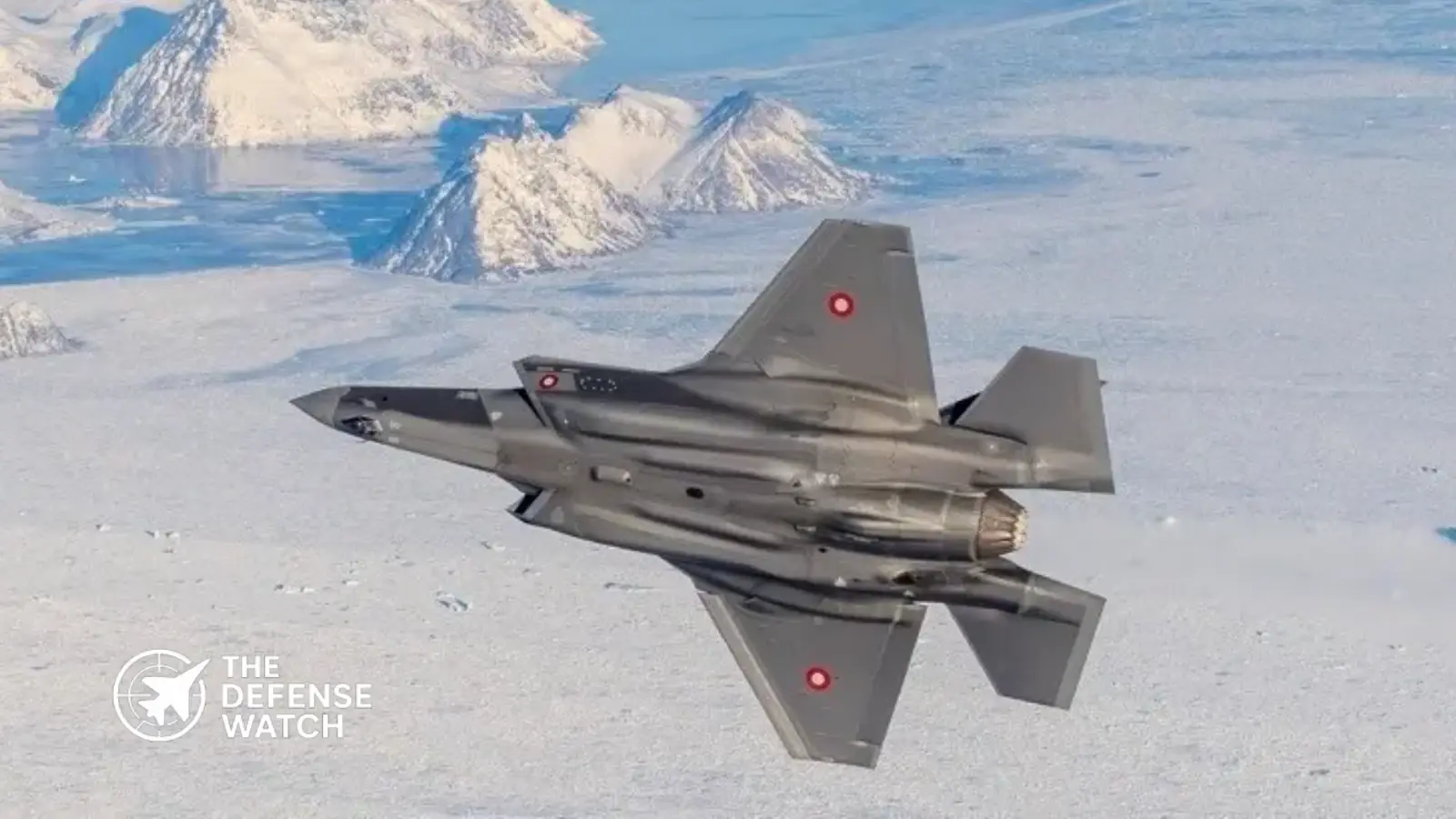
Denmark’s F35 procurement program has exceeded initial cost estimates by approximately 2 point 2 billion dollars, according to a national audit review. The report points to rising acquisition and long term sustainment expenses tied to the Lockheed Martin built fighter fleet. The findings raise fresh concerns over lifecycle affordability and defense budget planning.
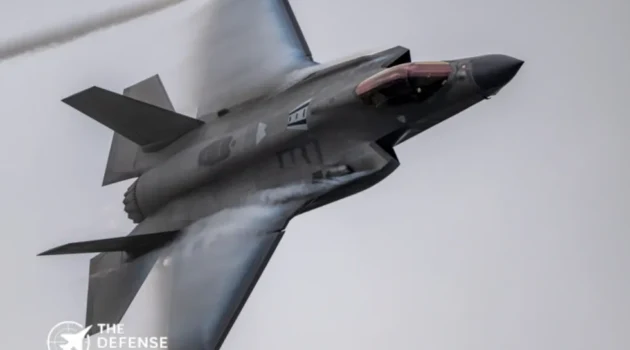
Denmark F35 costs have increased significantly, with new audit findings showing a multi billion dollar rise in the country’s fighter acquisition program led by Lockheed Martin and the F35 Lightning II fleet. The report, published by the Danish National Audit Office, highlights higher than expected expenses across procurement and long term sustainment, underscoring broader challenges in managing next generation combat aircraft programs.
The findings arrive as European NATO members continue expanding fifth generation capabilities while facing inflationary pressure on defense budgets and supply chain constraints.
Rising Costs in Denmark’s F35 Program
A national audit review in Denmark found that total expected costs for the F35 program have increased by roughly 2 point 2 billion dollars compared to earlier projections. The review was conducted by the Danish National Audit Office, which tracks public spending and defense procurement performance.
The increase is attributed to a combination of factors including updated lifecycle estimates, infrastructure requirements, and long term maintenance assumptions tied to operating a fifth generation stealth fighter fleet.
(adsbygoogle = window.adsbygoogle || []).push({});While the initial procurement phase remains on schedule, long term sustainment is emerging as the primary cost driver.
What Is Driving the Cost Increase
The audit identifies several structural pressures affecting the program:
First, sustainment costs for advanced stealth aircraft are higher than early planning models anticipated. The F35 fleet requires specialized maintenance facilities, secure software updates, and continuous systems integration.
Second, inflation in defense supply chains has increased the cost of parts, logistics, and training infrastructure.
Third, Denmark’s expansion of operational readiness requirements has led to additional investments in basing and support systems.
Together, these factors have created a wider gap between initial procurement estimates and full lifecycle cost projections.
(adsbygoogle = window.adsbygoogle || []).push({});Strategic Role of the F35 Fleet
Denmark is transitioning from legacy fourth generation aircraft to the F35 Lightning II platform as part of its NATO modernization commitments. The aircraft is designed for multirole operations including air superiority, strike missions, and intelligence collection.
The F35 program is central to Denmark’s long term defense posture, ensuring interoperability with allied NATO forces and enhancing participation in joint operations across Europe and the North Atlantic.
However, the rising cost profile highlights the broader challenge facing multiple NATO members that have adopted the platform, balancing capability gains against long term affordability.
(adsbygoogle = window.adsbygoogle || []).push({});Broader NATO Procurement Pressure
The Danish case reflects a wider trend across Europe and NATO allies investing in fifth generation airpower. Several countries have reported upward revisions in total program costs as fleets mature and sustainment phases expand.
Defense analysts note that while platforms like the F35 deliver advanced stealth and sensor fusion capabilities, they also introduce long term financial commitments that extend decades beyond initial purchase contracts.
This creates pressure on defense ministries to adjust long term budgeting strategies and procurement planning models.
(adsbygoogle = window.adsbygoogle || []).push({});Operational Impact for Denmark
Despite rising costs, Denmark continues to move forward with its F35 transition. The aircraft is expected to form the backbone of its combat air capability for decades, replacing older fighter platforms and integrating into NATO air policing and rapid response missions.
The audit does not indicate program cancellation risk, but it emphasizes the importance of clearer long term cost forecasting and improved budget transparency.
For planners, the key challenge is ensuring sustained funding for readiness, training, and upgrades without compromising other defense priorities.
Analysis
The findings come from an official audit authority, providing a high level of credibility and transparency in public defense spending analysis. The data aligns with broader international assessments of fifth generation aircraft lifecycle costs.
Programs like the F35 Lightning II continue to be central to Western airpower strategy, but also highlight the growing complexity of defense acquisition in an era of advanced systems integration and long term sustainment dependency.

(adsbygoogle = window.adsbygoogle || []).push({});Executive Summary:
Finland’s Ministry of Defence announced that national defense and security related spending will surpass NATO’s proposed 1.5% benchmark in 2026. The move reflects Helsinki’s accelerated military modernization efforts and the growing importance of Nordic security following Russia’s war in Ukraine.
Finland Defense Spending Set To Surpass NATO Benchmark
Finland defense spending is expected to exceed NATO’s proposed 1.5% security and defense related target in 2026, according to the Finnish Ministry of Defence. The announcement signals Helsinki’s continued commitment to strengthening national and regional security following its accession to NATO in 2023.
The ministry stated that Finland’s broader defense and security expenditures will rise above the alliance’s additional spending guideline currently under discussion among NATO members. The benchmark is separate from NATO’s long standing goal of allocating at least 2% of gross domestic product to core defense spending.
Finnish officials emphasized that the country’s security environment has fundamentally changed since Russia’s full scale invasion of Ukraine. Finland shares a roughly 1,340 kilometer border with Russia, the longest border between any NATO member and Russia.
The announcement also reflects the growing trend among European governments to increase defense budgets, expand military readiness, and accelerate procurement programs.
NATO Members Increase Pressure For Higher Security Spending
The debate over NATO spending targets has intensified ahead of upcoming alliance discussions focused on collective deterrence, industrial capacity, and long term military readiness.
Several NATO governments are now considering broader security related expenditures beyond traditional military budgets. These categories can include cyber defense, border security, critical infrastructure protection, intelligence capabilities, and civil preparedness programs.
Finland’s Ministry of Defence said its projected spending level demonstrates the country’s readiness to support NATO’s evolving strategic posture.
(adsbygoogle = window.adsbygoogle || []).push({});The policy direction aligns with wider European defense trends. Countries across Northern and Eastern Europe have increased investments in ammunition production, air defense systems, military mobility infrastructure, and reserve force readiness since 2022.
Finland has emerged as one of NATO’s most active new members in terms of rapid integration and force modernization. Helsinki has expanded participation in alliance exercises and strengthened defense cooperation with Nordic partners including Sweden and Norway.
Finland Accelerates Military Modernization Programs
Finland defense spending has steadily increased in recent years as Helsinki modernizes key military capabilities across land, air, and maritime domains.
One of the country’s largest defense programs remains the acquisition of the Lockheed Martin F-35A Lightning II fighter aircraft. Finland selected the platform in a multibillion dollar procurement intended to replace its aging fleet of F/A-18 Hornets.
The Finnish Defence Forces are also investing heavily in long range precision fires, surveillance systems, naval modernization, and integrated air defense capabilities.
Finland maintains one of Europe’s largest wartime reserve forces relative to population size. The country’s defense doctrine continues to emphasize territorial defense, rapid mobilization, and high readiness reserve formations.
Military analysts increasingly view Finland as a key contributor to NATO’s northern flank due to its geographic position and established defense infrastructure.
The expansion of Finnish security spending may also strengthen the country’s domestic defense industrial base. European governments are under growing pressure to improve production capacity for ammunition, armored vehicles, and advanced military systems amid sustained demand linked to the war in Ukraine.
Nordic Security Cooperation Continues To Expand
Finland’s NATO membership has accelerated defense integration across Northern Europe. The addition of both Finland and Sweden to the alliance has significantly altered the strategic balance in the Baltic Sea region.
Joint operations, intelligence sharing, and cross border military planning between Nordic states have expanded rapidly over the past two years.
The Arctic and High North are also becoming increasingly important in NATO defense planning. Finland’s investments in infrastructure resilience, surveillance, and mobility are expected to support alliance operations across northern Europe.
(adsbygoogle = window.adsbygoogle || []).push({});From a strategic perspective, Finland’s decision to exceed NATO’s proposed spending benchmark carries political significance beyond budget figures alone. It demonstrates that smaller European states bordering Russia are preparing for a prolonged period of elevated security competition.
The move may also increase pressure on larger NATO members that continue to face criticism for failing to meet alliance spending commitments.
Broader Strategic Implications For Europe
Finland defense spending increases reflect a broader transformation underway across Europe’s security architecture.
Before 2022, many European governments treated defense spending increases as politically difficult and economically secondary. Russia’s invasion of Ukraine fundamentally changed that calculation.
Today, defense budgets are increasingly tied to industrial policy, energy security, cybersecurity, and national resilience planning.
Finland’s approach illustrates how NATO members are redefining security spending as a whole of government effort rather than a narrowly military issue.
(adsbygoogle = window.adsbygoogle || []).push({});That shift is likely to shape future alliance negotiations as NATO seeks to adapt to long term geopolitical competition with Russia while also addressing emerging threats in cyber and critical infrastructure domains.

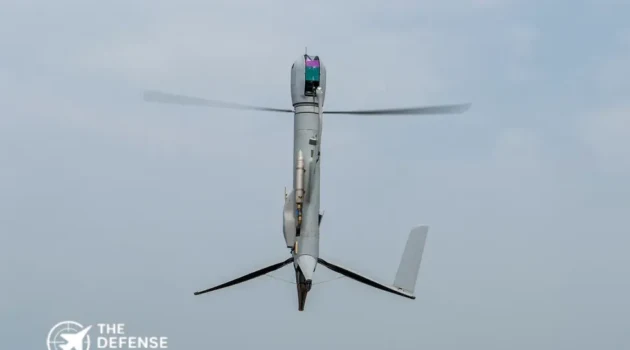
The U.S. Department of War (DoW) unveiled a new procurement initiative under the banner Drone Dominance Program (DDP), committing US$1 billion to rapidly acquire hundreds of thousands of low-cost kamikaze drones. The program is designed to order approximately 340,000 small UAS (unmanned aerial systems) for combat units over a two-year period.
The DoW expects an initial order of 30,000 drones to be delivered by July 2026, with aims to purchase over 200,000 drones by 2027, and a total of more than 300,000 by early 2028.
Context: Why the Push for Kamikaze Drones
Small “suicide” or loitering drones — often called kamikaze drones — have emerged as a decisive factor on modern battlefields. Conflicts such as the one in Ukraine have demonstrated how mass-produced, inexpensive drones equipped with explosive payloads can inflict significant damage on armored vehicles, artillery, and infrastructure, even when individually less capable than conventional air-delivered munitions.

This proliferation of drone-based threats has prompted a shift in U.S. military thinking. In a July 2025 memorandum, War Department leadership made clear that small UAS will now be treated more like consumable munitions (akin to grenades or rockets) rather than traditional “aircraft,” facilitating faster procurement.
Accompanying this shift is a broader strategy to revitalize America’s domestic drone manufacturing base — favoring low-cost, mass-production capable firms, including start-ups and non-traditional defense contractors.
Program Details: How Drone Dominance Will Work
According to the publicly released Request for Information (RFI) by the DoW:
- The $1 billion will finance fixed-price orders under existing federal procurement laws (10 U.S.C. 4022).
- Acquisition is organized over four phases across two years. Each phase begins with a “Gauntlet challenge event” and ends in delivery of production-quality small UAS.
- The first phase (Feb–July 2026) will involve roughly 12 vendors producing 30,000 drones at about US$5,000 per unit (totaling roughly $150 million).
- As the phases progress, the number of vendors will be reduced — ultimately down to five vendors by the final phase scheduled between August 2027 and January 2028.
- With scaling and competition, the projected unit cost is expected to drop to ~US$2,300.
- The drones will undergo operational testing by military operators under realistic mission scenarios — including a likely 10 km strike in open terrain and a 1 km strike in simulated urban terrain using a dummy payload of at least 2 kg.
- The program calls for significant improvements in production capacity, supply-chain security, and logistical support to enable rapid scaling.
The Driving Rationale: Speed, Mass, and Deterrence
The rationale for this procurement sprint is rooted in evolving contemporary threats. As laid out in the July 2025 memo accompanying the broader drone policy shift: “Drones are the biggest battlefield innovation in a generation.” According to the memo, U.S. units had lagged behind because of bureaucratic red tape that made small drones hard to deploy at scale — a disadvantage in conflicts where adversaries flood the skies with low-cost, mass-produced drones.
By redefining small UAS as consumables and streamlining procurement to enable direct purchasing and deployment by lower-level commanders, the DoW aims to replicate the “swarming” and asymmetric tactics that have had disruptive battlefield effects recently.
Simultaneously, supporting a stable drumbeat of acquisitions — rather than single, one-off purchases — is intended to incentivize American industry to build enduring manufacturing capacity, reduce costs, and expand supply-chain resiliency.
Expert and Policy Perspective
Defense-industry analysts say the DDP is a marked departure from decades of incremental drone procurement, which favored expensive, high-end UAVs over large numbers of small, expendable drones. The new high-low procurement posture — combining a few expensive, capable systems with large quantities of basic, disposable ones — represents a significant doctrinal shift.
Some observers argue that this shift is driven in part by lessons learned from recent conflicts, especially in Eastern Europe, where relatively unsophisticated drones proved devastatingly effective when deployed en masse.
Still, doubts remain about whether the U.S. industrial base can scale fast enough, or whether funding and contracting bottlenecks could delay deliveries or restrict quantities. The DoW is betting that this stable multi-year procurement plan will draw in investment, expand production capacity, and produce supply-chain security sufficient to meet its ambitious targets.
What This Means — And What Comes Next
If implemented as outlined — 340,000 small, low-cost kamikaze drones in two years — the Drone Dominance Program could drastically change the U.S. military’s tactical options on future battlefields. Infantry units across the services could gain access to one-way offensive drones that can strike enemy armor, fortifications, or personnel from standoff distances — potentially reducing reliance on heavy artillery, air strikes or armored support.
Industry selection begins soon: the first competition under the program is slated to start February 16, 2026, with 25 invited vendors. Meanwhile, success — or failure — of the program will likely influence how the Pentagon invests in small UAS production capacity, supply chain resilience, and procurement policy in years to come.

Pentagon Launches ‘Calculated Risk’ Culture to Transform Weapons Buying
The U.S. Department of Defense has unveiled a major overhaul of its acquisition system, introducing a “calculated risk” culture aimed at accelerating weapons procurement and empowering acquisition leaders to make faster, mission-focused decisions.
Senior officials said the initiative is part of a wider effort to shift from a compliance-heavy bureaucracy to one that rewards informed risk-taking and flexibility. The policy reform, announced Monday, reflects the Pentagon’s growing recognition that rigid processes often delay urgently needed technologies.
Background: A Push to Modernize Procurement
The Pentagon’s acquisition system has long faced criticism for inefficiency and excessive oversight, with weapons programs frequently suffering from years-long delays and cost overruns.
This reform is part of the department’s continuing attempt to modernize its acquisition framework to respond to evolving threats and rapid technological change. The initiative draws lessons from recent procurement challenges, including emerging hypersonic systems, next-generation aircraft, and integrated command-and-control programs that struggled to transition from development to fielding.
Empowering Portfolio Acquisition Executives
A central feature of the reform is the creation of Portfolio Acquisition Executives (PAEs)—senior officials who will oversee groups of programs rather than single projects.
These executives will have greater authority to shift budgets and modify requirements within their portfolios, allowing them to redirect resources to the most urgent priorities.
Michael Duffey, the Pentagon’s Under Secretary for Acquisition and Sustainment, described the change as a move toward “delegating decision authority to those closest to the mission.”
“We’re emphasizing speed, not mandating it,” Duffey said. “Program leaders must have the judgement to know when 85 percent capability delivered now is better than 100 percent delivered too late.”
From Compliance to Calculated Risk
The DoD’s new approach replaces rigid compliance with a culture of calculated risk-taking.
In practical terms, program managers will be encouraged to accept partial capability—what Duffey referred to as “the 85 percent solution”—if it means faster delivery of weapons to the field.
This shift also empowers leaders to use more flexible contracting tools, such as Other Transaction Authorities (OTAs), and streamlines reporting requirements for smaller programs.
Legislative Support: SPEED and FoRGED Acts
Two legislative measures—the SPEED Act (HR 3838) and the FoRGED Act (S 5618)—have been incorporated into the upcoming National Defense Authorization Act (NDAA).
These acts are designed to cut red tape in procurement, allowing acquisition executives to bypass traditional regulatory hurdles for smaller or emerging technologies. They also authorize broader experimentation with rapid prototyping, digital engineering, and commercial off-the-shelf technologies.
Together, these legislative updates form the backbone of the Pentagon’s new acquisition doctrine, institutionalizing a faster, more adaptive system that mirrors private-sector innovation cycles.
Industry and Policy Perspectives
Industry advocates, including the Aerospace Industries Association (AIA), have long pressed the Pentagon to reform its acquisition regulations. In June 2025, AIA urged the removal of more than 50 redundant requirements that delay contract execution and discourage smaller suppliers from competing.
Policy analysts see the Pentagon’s reform as an acknowledgment that the United States can no longer afford decade-long acquisition timelines in an era defined by rapid technological evolution and near-peer competition.
By allowing acquisition leaders to make risk-based decisions, the DoD aims to bridge the capability gap faster—particularly in domains such as space, electronic warfare, and missile defense—where adversaries like China and Russia are advancing quickly.
Leadership Continuity and Accountability
The reform also emphasizes leadership continuity, calling for program executives to remain in their positions longer to ensure consistent oversight and accountability.
Historically, frequent personnel changes in acquisition management have led to fragmented decision-making and inconsistent program direction. Retaining experienced leaders for extended tenures aims to improve execution stability and performance outcomes.
What Comes Next
The success of this reform will hinge on implementation. Analysts expect the Pentagon to begin applying its “calculated risk” model across select pilot programs in early 2026, focusing on mid-tier weapons systems where flexibility can yield faster results without jeopardizing major investments.
The DoD will also monitor whether acquisition executives use their new authorities effectively—and whether the new model genuinely accelerates fielding timelines without inflating costs or compromising quality.
If successful, this policy could mark the most significant shift in U.S. weapons procurement culture in decades, potentially redefining how the Pentagon manages innovation, oversight, and delivery across its multibillion-dollar acquisition portfolio.