• Home
  • About
  • Defense Systems
  • Manufacturer
  • Comparisons
  • Compare 
  • Tools
TheDefenseWatch.com
  • Aerospace & Aviation
  • Military & Ordnance
  • Naval & Maritime
  • Cyber & Space Defense
  • Policy & Strategy
  • Global News
  • Tools Library
    • Smart Calculator
    • Drone Flight Time Calculator
    • Drone Range Calculator
    • Counter-Drone Jammer Effective Range Calculator
    • Counter-Battery Radar Detection Calculator
    • Artillery Fire Correction Calculator
    • Thermal Camera Detection Range Calculator
    • Missile Range & Time-of-Flight Calculator
    • Radar Detection Range Calculator
    • FPV Strike Drone Payload vs Range Calculator
    • Loitering Munition Endurance Calculator
    • Sniper Ballistic Drop & Windage Calculator
    • Bullet Drop Calculator
    • U.S. Army Combat Fitness Test (ACFT) Calculator
    • Military Pension Calculator
    • Military Retirement Calculator
    • Military Pension Calculator
    • Large Number Calculator
Font ResizerAa

TheDefenseWatch.com

The Defense Watch | U.S. & Global Defense News, Analysis & Military Updates

Search
  • Home
  • About
  • Defense Systems
  • Manufacturer
  • Comparisons
  • Compare 
  • Tools

Stay Updated

Get the latest update

Subscribe

Explore

  • Drone
  • Fighter Jets & Military Aircraft
  • Hypersonic Weapons
  • Aircraft Carriers
  • Strategic History & Missions
  • Tools Library
Home » Iran Missile And Drone Attacks Condemned In Joint Statement By US And Gulf Allies
Middle East Defense & Security

Iran Missile And Drone Attacks Condemned In Joint Statement By US And Gulf Allies

Kaleem Sheikh | Regional Defense Correspondent
Last updated: March 2, 2026 10:17 am
Kaleem Sheikh | Regional Defense Correspondent
Share
6 Min Read
Iran missile and drone attacks
SHARE
■ KEY FACTS AT A GLANCE
  • ► Seven governments and the United States jointly condemn Iran missile and drone attacks across multiple Middle East states.
  • ► Strikes reportedly targeted sovereign territory in Bahrain, Iraq including the Kurdistan Region, Jordan, Kuwait, Oman, Qatar, Saudi Arabia, and the UAE.
  • ► Governments cite violations of sovereignty and risks to civilians and civilian infrastructure.
  • ► Air and missile defense cooperation credited with limiting casualties and physical damage.
  • ► Signatories reaffirm right to self defense and commitment to regional security.

Iran Missile And Drone Attacks Condemned By US And Regional Allies

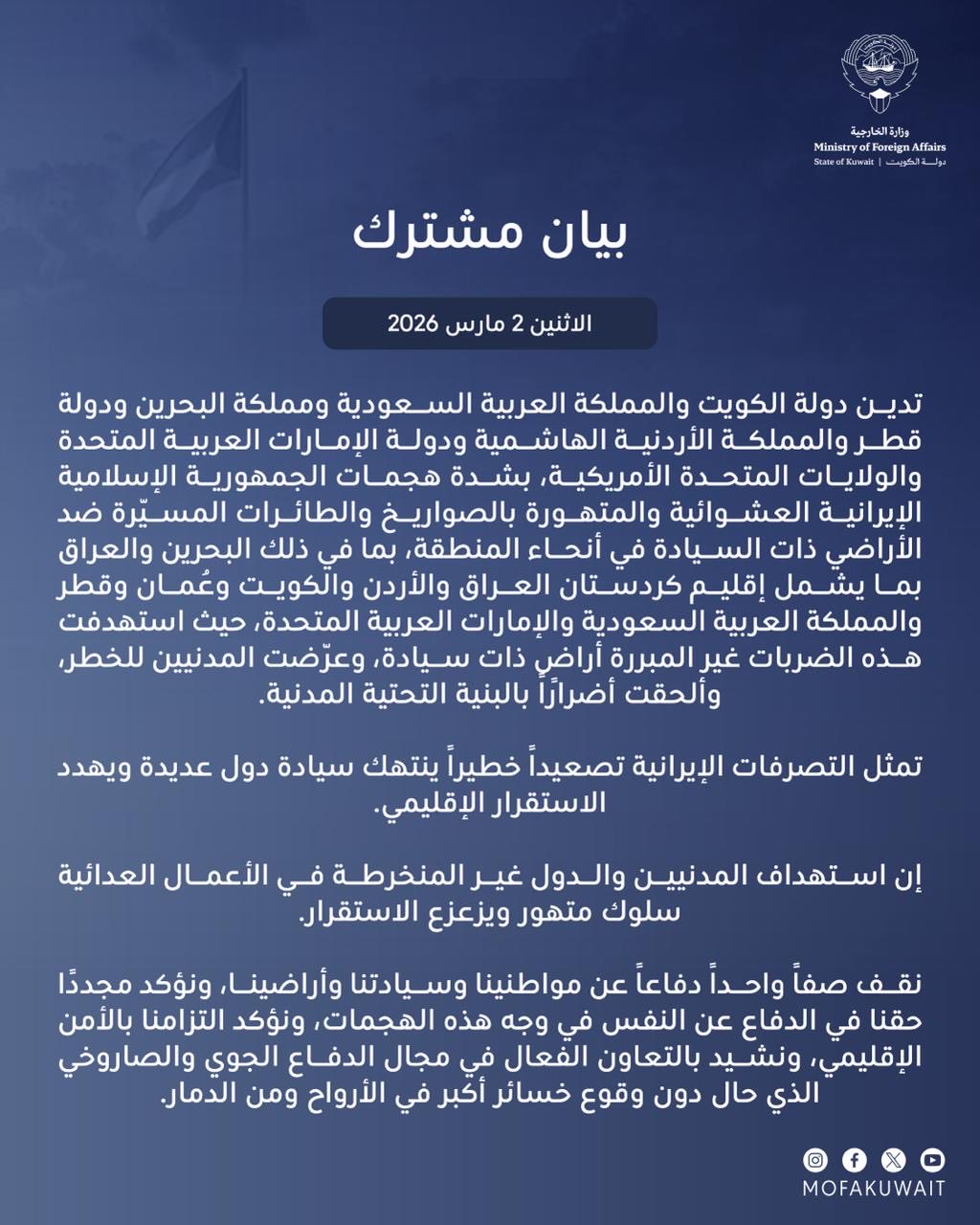
Iran missile and drone attacks across the Middle East drew a coordinated diplomatic response Monday, as the United States of America and six Arab states issued a joint statement condemning what they described as indiscriminate strikes against sovereign territory.

Contents
  • Iran Missile And Drone Attacks Condemned By US And Regional Allies
  • Coordinated Diplomatic And Military Messaging
  • Strategic Implications For Regional Missile Defense
  • Legal Framing And Sovereignty Concerns
  • What Comes Next

The statement was released by the State of Kuwait, the Kingdom of Saudi Arabia, the Kingdom of Bahrain, the State of Qatar, the Hashemite Kingdom of Jordan, the United Arab Emirates, and Washington.

The governments said missiles and drones launched by the Islamic Republic of Iran struck or targeted Bahrain, Iraq including the Kurdistan Region, Jordan, Kuwait, Oman, Qatar, Saudi Arabia, and the UAE. They described the attacks as unjustified and warned that such actions threaten regional stability.

The joint statement emphasized the right to self defense and praised coordinated air and missile defense efforts that officials say prevented wider casualties and infrastructure damage.

- Advertisement -

Coordinated Diplomatic And Military Messaging

The Iran missile and drone attacks mark one of the broadest multi state condemnations in recent years. By issuing a single joint statement, Washington and Gulf partners signaled alignment not only on the legal framing of sovereignty violations but also on practical defense cooperation.

Officials described the strikes as reckless and said they endangered civilians and non combatant states. While casualty figures were not detailed in the statement, the emphasis on civilian infrastructure suggests attempted or actual impacts on energy, transport, or population centers.
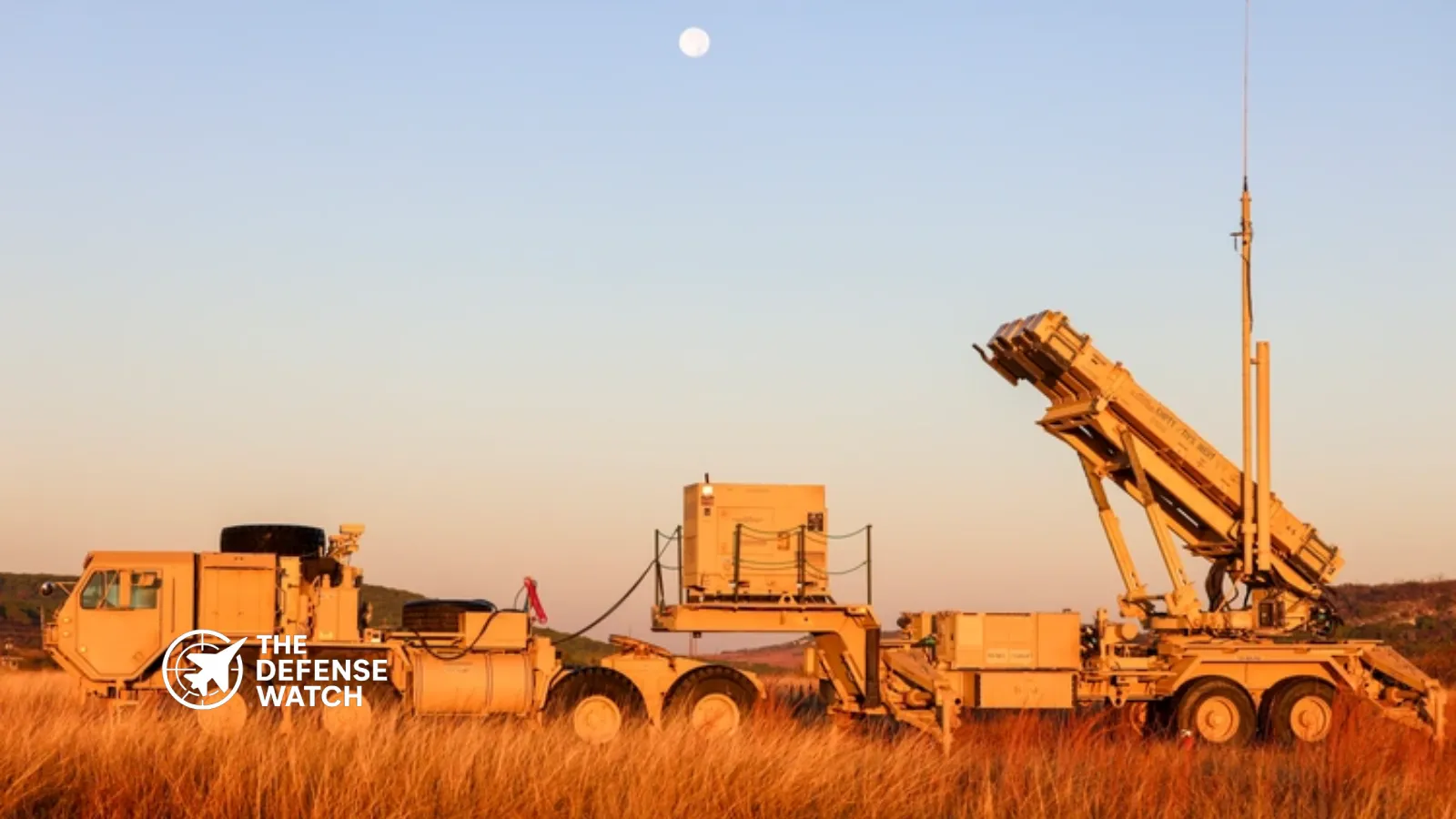
Iran missile and drone attacks

The coordinated response reflects a pattern that has emerged since earlier regional missile crises. Gulf Cooperation Council members have steadily expanded integrated air defense discussions with the United States. According to past reporting by the US Department of Defense and Congressional Research Service, Gulf states operate layered systems that include Patriot and other surface to air interceptors, alongside early warning radars and US provided command and control support.

The reference to effective cooperation in air and missile defense indicates that intercept operations likely occurred across multiple jurisdictions. In previous incidents, US Central Command has confirmed cross border tracking and data sharing among partner nations.

Strategic Implications For Regional Missile Defense

From a military standpoint, the Iran missile and drone attacks underscore the continued relevance of integrated air and missile defense across the Gulf.

Iran maintains a large inventory of ballistic missiles, cruise missiles, and armed unmanned aerial systems, as documented in assessments by the US Defense Intelligence Agency. The use of mixed salvos, combining drones and missiles, is designed to complicate detection and interception.

The joint statement suggests that defensive systems performed as intended in limiting casualties. That outcome reinforces arguments in Washington and Gulf capitals for deeper interoperability, shared radar coverage, and potentially expanded procurement of advanced interceptors.

For regional planners, the key issue is sustainability. Interceptor stocks are finite and expensive. A prolonged exchange would test logistics chains and readiness levels. This reality may accelerate ongoing discussions about burden sharing and regional production partnerships.

- Advertisement -

Legal Framing And Sovereignty Concerns

The language in the joint statement focuses heavily on sovereignty. By characterizing the strikes as violations of sovereign territory, the signatories frame the Iran missile and drone attacks as breaches of international law, not just bilateral disputes.

This framing has implications for future diplomatic engagement at the United Nations and other multilateral forums. It also reinforces the legal basis for collective self defense under Article 51 of the UN Charter.

Notably, the statement avoids detailing specific counter measures. That restraint keeps escalation options open while maintaining a unified political front.

What Comes Next

The immediate question is whether the Iran missile and drone attacks represent a one time escalation or the start of a sustained campaign.

If attacks continue, expect further integration of air defense networks and potentially visible US force posture adjustments in the Gulf. Past crises have seen rapid deployment of additional fighter aircraft, air defense units, and naval assets to reassure partners and deter follow on strikes.

At the same time, diplomatic channels remain active. Regional governments have historically balanced deterrence with back channel engagement to prevent wider war.

For now, the joint statement signals unity. It also sends a clear message that future attacks will meet coordinated political and military responses.


TAGGED:Gulf securityIranMiddle East conflictMissile DefenseUS foreign policy
Share This Article
Facebook Copy Link Print
ByKaleem Sheikh | Regional Defense Correspondent
Follow:
Kaleem Sheikh is a regional defense correspondent at TheDefenseWatch.com covering defense and security developments across Asia and the Middle East, including military operations, procurement, and regional security issues.
Leave a Comment

Leave a Reply Cancel reply

Your email address will not be published. Required fields are marked *

Latest Defense Systems

  • John F. Kennedy Aircraft Carrier John F. Kennedy Aircraft Carrier
  • Voyager Tanker Voyager Tanker
  • YU-20 Tanker YU-20 Tanker
  • China KJ-500 Aircraft China KJ-500 Aircraft
  • SPY-6 Radar SPY-6 Radar
  • Boeing VC-25B Presidential Aircraft Boeing VC-25B Presidential Aircraft
  • SM-3 Block IB Missile SM-3 Block IB Missile
  • USS Abraham Lincoln Aircraft Carrier USS Abraham Lincoln Aircraft Carrier
  • M142 HIMARS M142 HIMARS

Recent Compares

  • Tejas vs Gripen: Key Differences and Capabilities Tejas vs Gripen: Key Differences and Capabilities View Comparison →
  • Tejas vs MiG-21 Bison: How India Replaced Its Iconic Supersonic Fighter Tejas vs MiG-21 Bison: How India Replaced Its Iconic Supersonic Fighter View Comparison →
  • F-35 vs F-16: Stealth, Sensors and Combat Roles F-35 vs F-16: Stealth, Sensors and Combat Roles View Comparison →
  • Tejas Fighter Jet vs F-16 Fighting Falcon: Capability Compared Tejas Fighter Jet vs F-16 Fighting Falcon: Capability Compared View Comparison →
  • Rafale Fighter Jet vs F-16 Fighting Falcon : Which Fighter Has the Edge? Rafale Fighter Jet vs F-16 Fighting Falcon : Which Fighter Has the Edge? View Comparison →
  • Su-57 Fighter Jet vs J-20 Fighter Jet: Stealth and Air Combat Compared Su-57 Fighter Jet vs J-20 Fighter Jet: Stealth and Air Combat Compared View Comparison →
  • Mirage 2000 vs Tejas Mk1A: Legacy Combat Power vs Indigenous Modernization Mirage 2000 vs Tejas Mk1A: Legacy Combat Power vs Indigenous Modernization View Comparison →
  • Rafale Fighter Jet vs F-22 Raptor: Which Air Dominance Fighter Has the Edge? Rafale Fighter Jet vs F-22 Raptor: Which Air Dominance Fighter Has the Edge? View Comparison →
  • Tejas Fighter Jet vs. Rafale Fighter Jet: India’s Indigenous Fighter Meets France’s Proven Multirole Combat Aircraft Tejas Fighter Jet vs. Rafale Fighter Jet: India’s Indigenous Fighter Meets France’s Proven Multirole Combat Aircraft View Comparison →
  • F-22 Raptor vs. F-35 Joint Strike Fighter: Which Fifth Generation Fighter Has the Edge? F-22 Raptor vs. F-35 Joint Strike Fighter: Which Fifth Generation Fighter Has the Edge? View Comparison →

Recent Posts

  • Lockheed Martin Invests $300 Million in Texas Munitions Expansion, Plans 6,000 U.S. Jobs
  • Lockheed Martin Taps Avio for ER GMLRS and PrSM Rocket Motor Production
  • Lockheed Martin Wins $16.1 Million Contract Modification for F-35 Processor Support
  • Lockheed Martin Wins $74.3 Million Contract Modification for AN/SLQ-32(V)6 Electronic Warfare Systems
  • Hegseth Says Autonomous Warfare Has Long Been the Pentagon’s End Goal

You Might Also Like

U.S. Navy warship operating near the Strait of Hormuz during maritime security operations amid ongoing Iran ceasefire negotiations.
Naval & MaritimeNaval Strategy & Maritime Security

Hegseth Moves To Maintain Iran Naval Blockade As Trump Weighs 60-Day Ceasefire Extension

September 7, 2026
U.S. one way attack sea drones
Naval & MaritimeNaval Strategy & Maritime Security

U.S. Uses One Way Attack Sea Drones To Expand Maritime Strike Capability Against Iran

September 17, 2026
U.S. Navy guided-missile destroyer USS Spruance monitoring the disabled Iranian-flagged cargo vessel M/V Touska in the Arabian Sea following a maritime interdiction operation, April 2026.
Global News

US Central Command Facilitates Repatriation of M/V Touska Crew via Pakistan

September 7, 2026
Raytheon SM-2 SM-6 contract
Artillery & Missile SystemsMilitary & Ordnance

Raytheon Secures $59M U.S. Navy Contract for SM-2 and SM-6 Support in FMS Deal

January 21, 2026

Logo

Copyright © 2026 TheDefenseWatch.com

Helpful Links

  • Home
  • About Us
  • Privacy Policy
  • Terms of Use / Disclaimer
  • U.S. Privacy Notice – CCPA Compliance

Defense Systems

  • Defense Systems
  • Comparisons 
  • Manufacturer
  • Tactical Calculators

Popuplar

Which 5 Air Forces Possess the Costliest Fighter Jet Fleets in the World
Evolving Strategic Value: Carrier Strike Groups in the Indo-Pacific’s Future Security Architecture
Autonomous Weapon Systems Spark U.S. Ethics Debate Amid Rapid Military AI Integration

We report on developments involving military forces, governments, defense companies, research organizations, and security institutions around the world. 

Welcome Back!

Sign in to your account

Username or Email Address
Password

Lost your password?