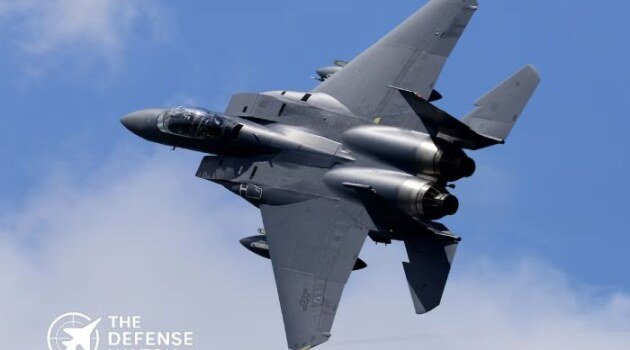
US Fighter Jet Shot Down Over Iran Triggers Search Operation
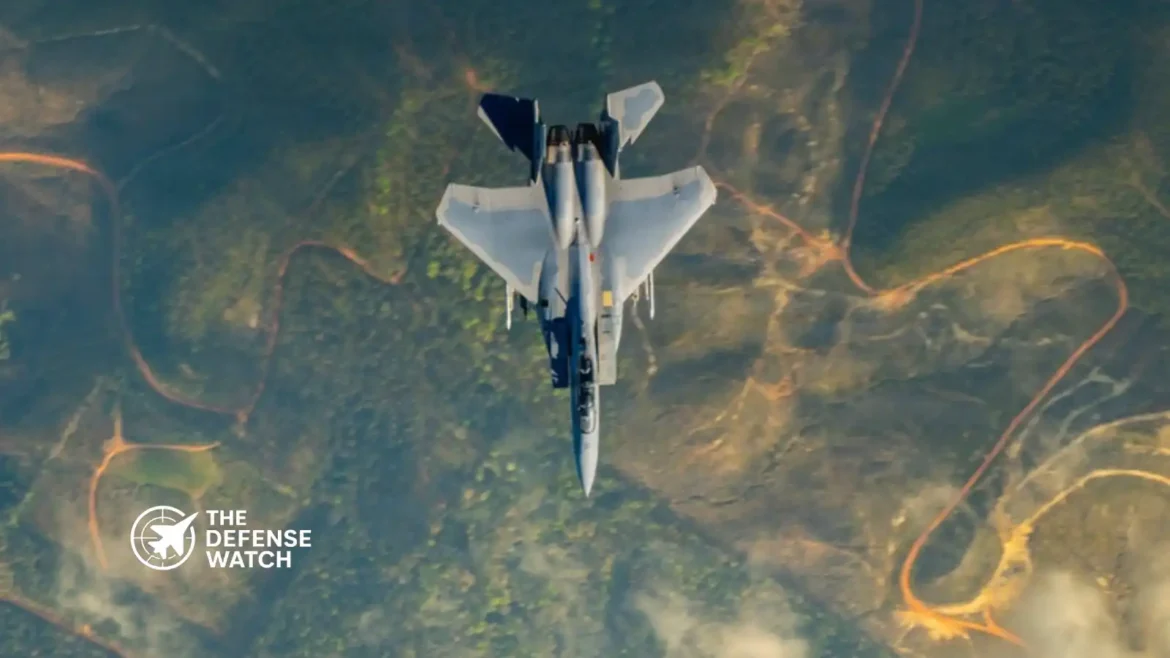
A US fighter jet shot down over Iran has prompted an urgent search and rescue mission, according to a US official cited by Reuters, marking a serious escalation in an already volatile regional environment.
The official confirmed that the aircraft went down inside Iranian territory, and efforts are ongoing to locate and recover the crew. No immediate details were released regarding the number of personnel on board, their condition, or the exact location of the crash site.
The US fighter jet shot down over Iran represents a rare and sensitive incident, particularly given the longstanding tensions between Washington and Tehran. While aerial incidents involving drones and surveillance platforms have occurred in recent years, the loss of a manned combat aircraft raises the stakes significantly.
- A US fighter jet was shot down over Iran, according to a US official cited by Reuters.
- Search and rescue operations are underway to locate the aircraft’s crew.
- The incident marks a rare direct loss of a US combat aircraft in Iranian territory.
- Details about the aircraft type and mission remain undisclosed.
- The event risks escalating already heightened tensions between Washington and Tehran.
Limited Details, High Strategic Impact
Authorities have not disclosed the type of aircraft involved, the mission profile, or whether the jet was operating in contested airspace. This lack of clarity reflects both operational security concerns and the political sensitivity surrounding the event.
Historically, incidents involving US aircraft near Iranian airspace have been tightly controlled in terms of public disclosure. The ambiguity surrounding this case suggests the Pentagon is still assessing the situation and coordinating a response.
From an operational perspective, a US fighter jet shot down over Iran could indicate either an engagement by Iranian air defenses or a technical failure under contested conditions. However, without official confirmation, attributing the cause remains premature.
Search and Rescue Challenges
Conducting a search and rescue operation inside or near Iranian territory presents significant logistical and political challenges. The US military typically relies on rapid response forces, aerial surveillance, and coordination with regional allies for personnel recovery.
In this case, the presence of Iranian forces and air defense systems complicates any recovery effort. If the crew survived ejection, their recovery becomes a time-sensitive priority, as survival windows in hostile environments are limited.
The US fighter jet shot down over Iran also raises concerns about the potential capture of personnel, which could further escalate tensions and trigger diplomatic or military responses.
Regional and Geopolitical Implications
The incident comes amid ongoing friction between the United States and Iran over regional security issues, including maritime activity in the Gulf, proxy conflicts, and military posturing.
A US fighter jet shot down over Iran could have several immediate consequences. First, it may prompt the United States to reassess its air operations in the region, including flight routes and engagement rules. Second, it could lead to increased military readiness or force posture adjustments in nearby theaters.
For Iran, the incident may serve as a demonstration of its air defense capabilities, whether intentional or incidental. Iranian systems have evolved in recent years, incorporating both domestically developed and imported technologies designed to counter advanced aircraft.
Risk of Escalation
The broader concern is escalation. Even in the absence of deliberate confrontation, incidents like a US fighter jet shot down over Iran can quickly spiral due to misinterpretation or retaliatory pressure.
Defense analysts note that the situation requires careful management to avoid unintended conflict. Both sides have historically used backchannel communications to prevent escalation following military incidents.
At the same time, domestic political pressures in both countries may influence how the event is publicly framed and responded to.
What Comes Next
In the near term, the focus remains on locating the crew and securing any sensitive equipment or materials from the crash site. The US military is likely conducting parallel intelligence assessments to determine the cause of the incident.
Further official statements are expected as more information becomes available. Until then, the US fighter jet shot down over Iran remains a developing story with significant operational and geopolitical implications.
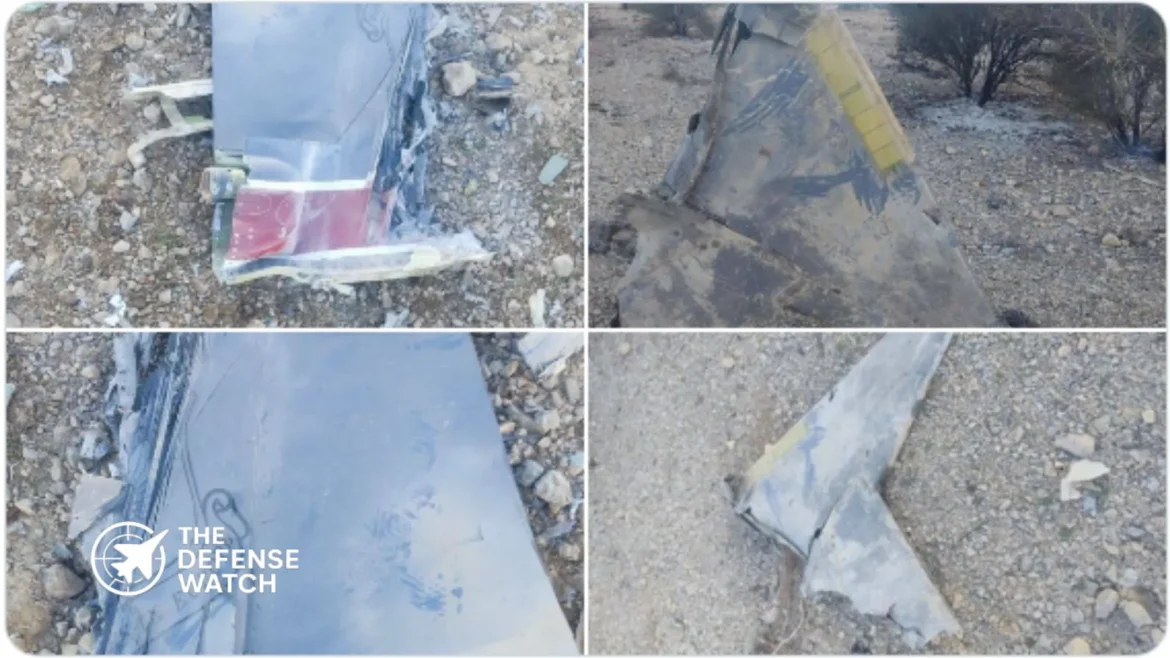
Iran Claims Shootdown Of US F-35 Fighter Jet
Iran’s reported F-35 shootdown claim has surfaced amid heightened regional tensions, with Tehran asserting that its air defenses downed a US stealth fighter in central Iranian airspace.
According to Iranian state-linked media and statements attributed to the Islamic Revolutionary Guard Corps (IRGC), the aircraft was engaged and destroyed during what it described as an intrusion into national airspace. The claim marks what Iran describes as a second incident involving a US F-35 fighter jet.
- Iran claims it shot down a US F-35 fighter jet in central airspace, according to state-affiliated media.
- The Islamic Revolutionary Guard Corps says the aircraft was engaged over central Iran.
- No information has been released regarding the pilot’s status.
- Iranian media suggests the pilot may not have ejected due to an onboard explosion.
- US Central Command has not confirmed or responded to the claim.
However, US Central Command (CENTCOM) has not issued any confirmation or response at the time of publication, leaving the claim unverified.
Limited Details, No Independent Confirmation
Details surrounding the alleged incident remain sparse. Iranian outlets report that the F-35 was struck in midair, with no confirmed information on the pilot’s fate. Some reports suggest a possible onboard explosion prevented ejection, though no evidence has been presented.
There has been no independent verification from Western defense officials, satellite imagery providers, or open-source intelligence analysts. In past incidents involving high-end military platforms, confirmation has typically relied on multiple sources, including ISR data, wreckage imagery, or official acknowledgment.
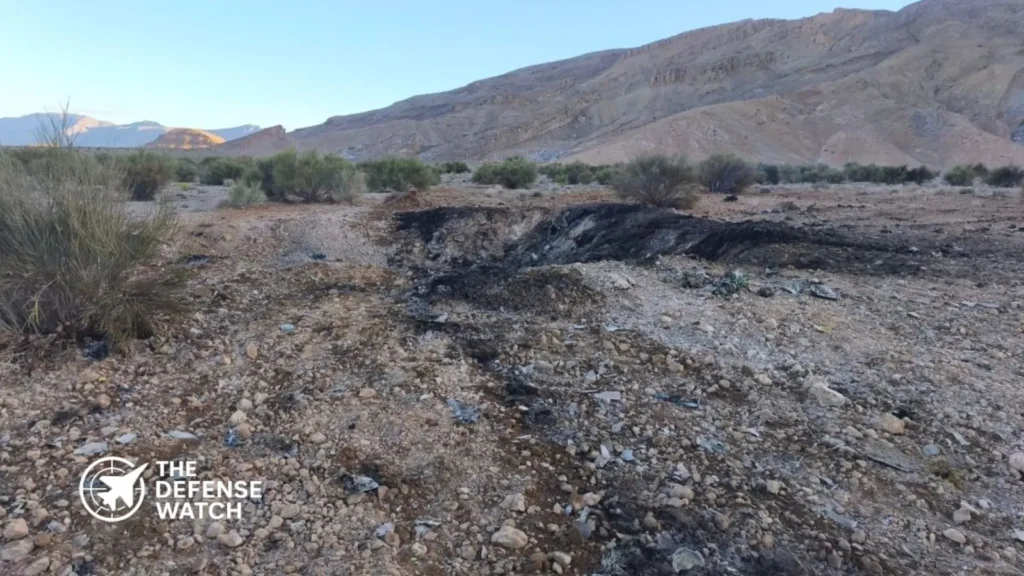
The absence of such corroboration raises questions about the operational context and credibility of the claim.
F-35 Survivability And Operational Context
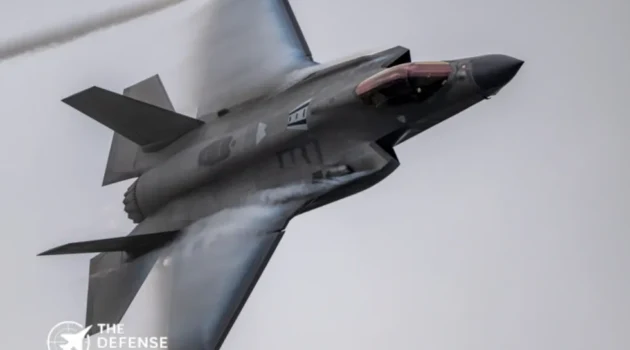
The F-35 Lightning II is widely regarded as one of the most advanced multirole stealth fighters in service. Designed with low observable features, advanced electronic warfare systems, and sensor fusion capabilities, the aircraft is intended to operate in contested environments with reduced detection risk.
For an F-35 to be successfully engaged, several conditions would likely need to align. These could include:
- Detection by advanced radar systems, potentially operating in low-frequency bands
- Integration of layered air defense networks
- Use of infrared search and track (IRST) or passive detection systems
- Engagement within a favorable range envelope
Iran has invested in indigenous and imported air defense systems, including upgrades to its radar network and integration of systems such as the Bavar-373. Tehran has also emphasized counter-stealth capabilities in recent years.
That said, publicly available data does not indicate a confirmed operational kill of an F-35 by any air defense system globally.
Information Warfare And Strategic Messaging
Claims of high-profile shootdowns often carry strategic messaging value beyond the tactical level. For Iran, asserting the ability to down a fifth-generation fighter supports deterrence narratives and signals confidence in its air defense capabilities.
At the same time, the US military typically maintains strict control over information related to aircraft losses. In previous confirmed incidents involving F-35 crashes, such as those due to mechanical failure or training accidents, the Pentagon has released detailed statements.
The lack of such acknowledgment in this case suggests one of several possibilities:
- The incident did not occur as described
- The aircraft involved may not have been an F-35
- Information is being withheld pending verification
Regional Implications
If verified, an F-35 shootdown would represent a significant development in modern air warfare, potentially reshaping assumptions about stealth survivability in contested airspace.
It would also have immediate implications for US force posture in the Middle East, where F-35s are deployed for deterrence, surveillance, and rapid strike missions.
For regional actors, including Israel and Gulf states operating or acquiring F-35 platforms, such an event would likely prompt reassessment of operational tactics, electronic warfare integration, and air defense suppression strategies.
Assessment
At present, the Iran F-35 shootdown claim remains unconfirmed and should be treated with caution. The absence of supporting evidence, combined with no response from US Central Command, limits the ability to assess the incident’s validity.
Defense analysts will likely monitor for additional indicators, including satellite imagery, communications intercepts, or official statements, to determine whether the claim reflects a real engagement or forms part of broader information operations.
Libya Haftar Combat Drones Signal Growing Airpower Shift
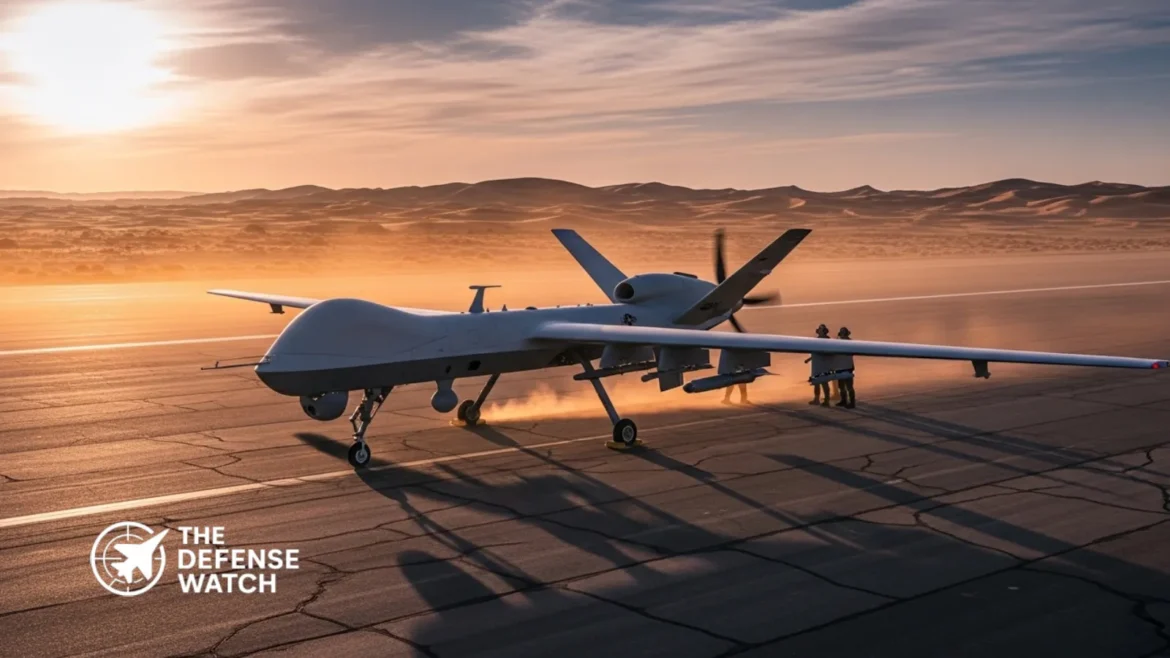
Libya Haftar combat drones are reshaping the military balance in the country, as eastern-based forces continue to expand their unmanned aerial capabilities despite longstanding United Nations restrictions.
Forces aligned with Khalifa Haftar have recently acquired additional combat drones, underscoring persistent violations of the UN arms embargo imposed in 2011. The embargo was intended to limit the flow of weapons into Libya following the سقوط of Muammar Gaddafi, yet enforcement has remained inconsistent.
The newly acquired drones are expected to support both surveillance and precision strike missions, giving Haftar’s Libyan National Army a more flexible and lower-risk operational toolset in a fragmented security environment.
- Libya’s eastern forces led by Khalifa Haftar have reportedly acquired new combat drones despite a UN arms embargo.
- The drones are believed to enhance reconnaissance and strike capabilities across contested regions.
- The UN embargo on Libya has been in place since 2011 but faces repeated violations by multiple actors.
- External suppliers and covert logistics networks continue to sustain Libya’s fragmented military landscape.
- The development reflects a broader regional trend of increased UAV use in irregular and proxy conflicts.
Expanding UAV Capabilities In A Fragmented Battlespace
The Libya Haftar combat drones development reflects a broader shift toward unmanned warfare in irregular conflicts. UAVs offer a cost-effective alternative to traditional airpower, particularly in regions where air force infrastructure is limited or degraded.
In Libya, where rival governments and militias control different territories, drones have become central to maintaining situational awareness and conducting targeted operations. Haftar’s forces have previously relied on foreign-supplied UAVs, including systems believed to originate from regional backers.
The latest acquisitions suggest a continued effort to modernize capabilities despite diplomatic constraints. Analysts note that drones allow forces to project power without exposing pilots or requiring advanced airbases, a key advantage in Libya’s contested terrain.
Persistent Weaknesses In UN Arms Embargo Enforcement
The Libya Haftar combat drones case highlights ongoing challenges in enforcing the UN arms embargo. Multiple UN reports over the past decade have documented violations by various international actors, including covert arms transfers and logistical support networks.
These supply chains often operate through third countries, private contractors, or unofficial channels, complicating attribution and accountability. As a result, both eastern and western factions in Libya have continued to access advanced weaponry.
Reuters cited UN experts who have repeatedly warned that the embargo lacks sufficient enforcement mechanisms. Maritime monitoring and aerial surveillance have improved, but gaps remain, particularly in land-based smuggling routes.
From a strategic perspective, this erosion of embargo effectiveness has allowed localized conflicts to escalate into proxy battlegrounds influenced by external powers.
Strategic Implications For Regional Security
The expansion of Libya Haftar combat drones carries implications beyond Libya’s borders. North Africa and the broader Middle East have seen rapid adoption of UAV technologies, driven by affordability and operational success in conflicts such as those in Yemen, Syria, and Nagorno-Karabakh.
In Libya, drones have already played a decisive role in past offensives, including the 2019–2020 battle for Tripoli. The renewed buildup suggests that unmanned systems will remain central to future military planning.
From an operational standpoint, drones enhance intelligence, surveillance, and reconnaissance capabilities while enabling precision strikes with limited collateral risk when properly employed. However, their proliferation also increases the likelihood of miscalculation and escalation.
The continued flow of such systems into Libya raises concerns about long-term stability, particularly as political reconciliation efforts remain fragile.
Drone Proliferation And The Future Of Libyan Conflict
The Libya Haftar combat drones acquisition reflects a deeper trend of technological diffusion in modern warfare. As UAV systems become more accessible, non-state actors and semi-regular forces are increasingly able to field capabilities once limited to advanced militaries.
This shift is reshaping conflict dynamics. Instead of large-scale conventional engagements, forces can rely on persistent surveillance and targeted strikes, often with deniability.
For Libya, this means that even in the absence of major offensives, the conflict can remain active at a lower intensity but with sustained tactical engagements. The presence of drones also complicates ceasefire monitoring and enforcement.
Ultimately, the continued buildup of unmanned systems underscores the limitations of existing international control mechanisms and highlights the need for updated frameworks addressing emerging technologies.

Swedish Ammunition Plant Estonia Signals Major Capacity Expansion
The Swedish ammunition plant Estonia initiative marks a significant step in expanding Europe’s defense industrial base, with a major new facility planned to boost production of critical munitions for NATO forces.
The project, led by Swedish defense manufacturer Saab, reflects sustained demand for ammunition across Europe and highlights a broader shift toward localized production within NATO’s eastern flank.
- Swedish defense firm plans a major ammunition plant in Estonia to expand production capacity.
- Facility will focus on large-caliber ammunition critical for NATO ground forces.
- Project supports Europe’s push to reduce reliance on external munitions supply chains.
- Construction timeline and investment scale align with long-term defense demand growth.
- Estonia strengthens its role as a frontline NATO logistics and defense hub.
The Big Picture
European defense planners are accelerating efforts to rebuild ammunition stockpiles after years of underinvestment and high consumption rates driven by the war in Ukraine.
NATO countries have faced persistent shortages of artillery shells and other munitions, exposing structural weaknesses in production capacity. Governments across Europe have since prioritized industrial expansion to ensure long-term readiness.
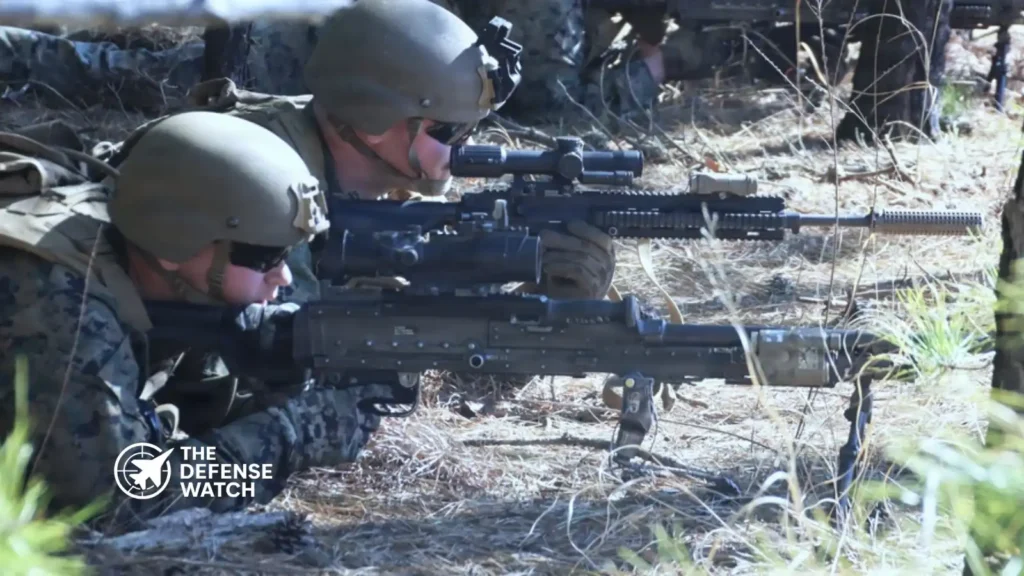
The Swedish ammunition plant Estonia project fits directly into this strategy. By positioning manufacturing closer to NATO’s eastern front, the alliance improves both supply resilience and operational responsiveness.
What’s Happening
Saab confirmed plans to establish a large-scale ammunition production facility in Estonia, focusing on producing munitions used by modern land forces.
The plant will manufacture large-caliber ammunition, a category that includes artillery shells widely used in high-intensity conflict scenarios.
Estonia’s government is supporting the project as part of its broader defense industrial strategy. The facility is expected to strengthen domestic capabilities while contributing to NATO-wide supply chains.
While exact production volumes and timelines have not been fully disclosed, the initiative reflects long-term planning aligned with sustained European demand.
Why It Matters
The Swedish ammunition plant Estonia project addresses a critical bottleneck in NATO’s defense posture: ammunition availability.
Modern warfare, particularly in Ukraine, has demonstrated that high-intensity conflicts consume vast quantities of artillery rounds. Western stockpiles have struggled to keep pace with this demand.
By expanding production capacity within Europe, Saab’s new facility helps reduce dependence on external suppliers and mitigates risks tied to global supply disruptions.
The move also supports interoperability across NATO forces by ensuring consistent access to standardized munitions.

Strategic Implications
The decision to build the plant in Estonia carries clear strategic weight.
Estonia sits on NATO’s eastern flank, bordering Russia. Locating production there shortens supply lines to potential operational theaters and enhances logistical efficiency.
The facility also strengthens deterrence by signaling long-term industrial commitment to regional defense. It reinforces NATO’s ability to sustain prolonged operations if required.
From an industrial perspective, the project contributes to a more distributed manufacturing network, reducing the vulnerability of centralized production hubs.
Competitor View
Russia is likely to interpret the Swedish ammunition plant Estonia initiative as part of NATO’s broader effort to reinforce its eastern defenses.
Moscow has consistently criticized NATO’s military buildup near its borders. Increased ammunition production capacity in Estonia may be viewed as a step toward sustained operational readiness in the region.
At the same time, the move aligns with NATO’s defensive posture and reflects lessons learned from ongoing conflicts rather than signaling immediate escalation.
What To Watch Next
Construction timelines and production milestones will be key indicators of how quickly the Swedish ammunition plant Estonia becomes operational.
Observers should watch for:
New contracts tied to the facility’s output
Integration into NATO procurement frameworks
Expansion of similar projects across Europe
Government funding commitments for sustained production
Future announcements may also clarify production capacity and the range of munitions manufactured at the site.
Capability Gap
The Swedish ammunition plant Estonia aims to close a critical gap in artillery ammunition supply across NATO.
European forces have struggled to maintain adequate stockpiles for high-intensity operations. Existing production lines have proven insufficient for sustained conflict scenarios.
However, scaling up production takes time. Even with new facilities, workforce development, raw material sourcing, and industrial coordination remain limiting factors.
The plant improves long-term capacity but does not provide an immediate solution to short-term shortages.
The Bottom Line
The Swedish ammunition plant Estonia represents a strategic investment in NATO’s long-term readiness, strengthening Europe’s ability to sustain high-intensity warfare.
Iran Claims MQ-9 Reaper Shootdowns In Operation Epic Fury
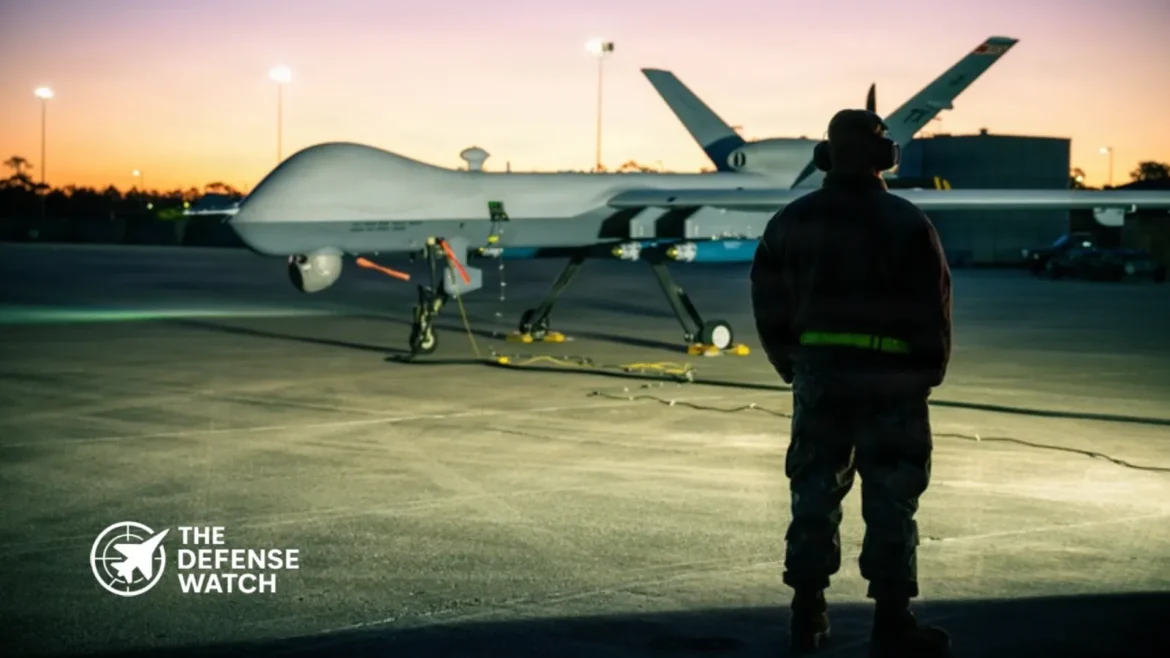
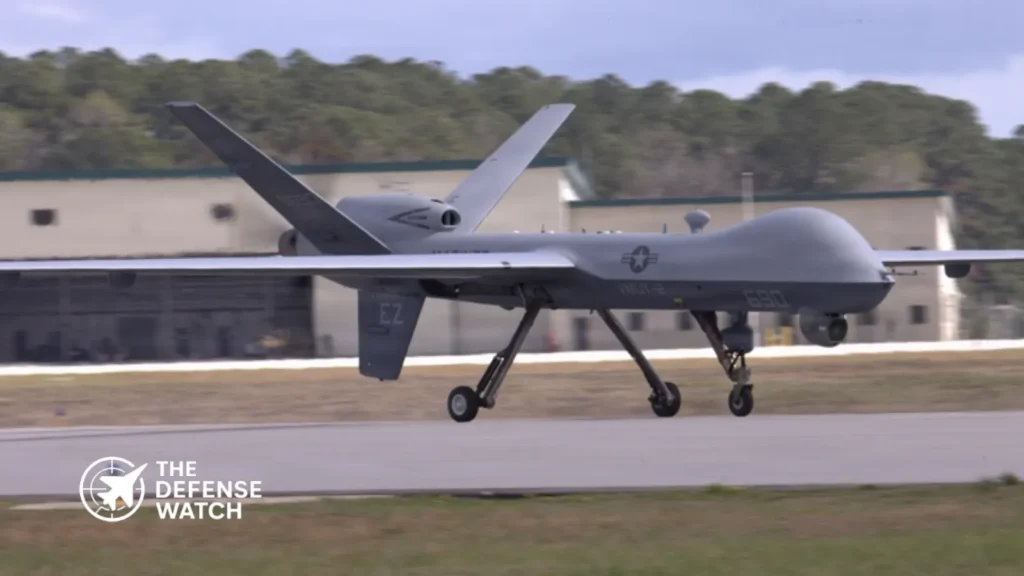
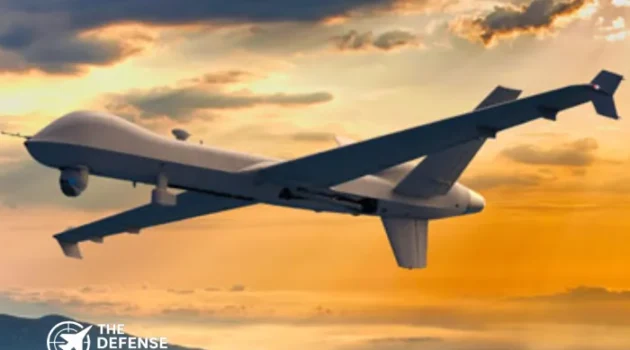
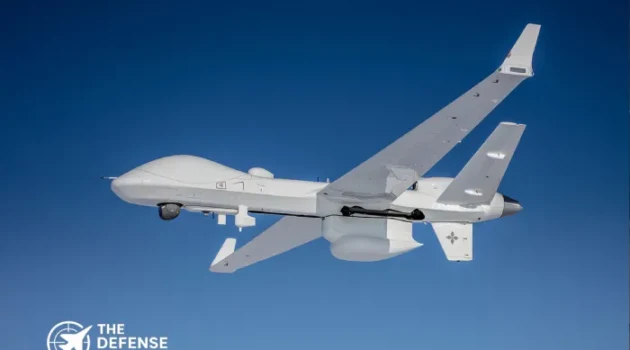
Iran MQ-9 Reaper shootdown claims are drawing renewed attention to the survivability of U.S. unmanned systems in contested airspace, following Tehran’s assertion that it downed 16 drones during what it described as Operation Epic Fury.
Iranian officials said their air defense forces successfully intercepted multiple U.S. MQ-9 Reaper unmanned aerial vehicles during recent operations. The MQ-9, produced by General Atomics Aeronautical Systems, is widely used by the United States for intelligence, surveillance, reconnaissance, and precision strike missions.
If accurate, the scale of the reported losses would mark one of the most significant single-episode attrition events involving U.S. unmanned systems in recent years.
However, U.S. officials have not publicly confirmed the figures, and independent verification remains limited. Analysts note that such claims often require corroboration through satellite imagery, wreckage evidence, or official acknowledgment.
- Iran claims it shot down 16 U.S. MQ-9 Reaper drones during Operation Epic Fury.
- The reported losses are valued at approximately $1.82 billion based on unit costs.
- MQ-9 Reaper drones are a core U.S. ISR and strike platform used across the Middle East.
- Iran has invested heavily in layered air defense systems and counter-UAV technologies.
- Independent confirmation of the claims remains limited as of reporting.
Strategic Implications For U.S. Drone Operations
The Iran MQ-9 Reaper shootdown narrative highlights a broader shift in the operational environment for medium-altitude, long-endurance drones. Systems like the MQ-9 were originally designed for permissive or lightly contested airspace, where advanced air defenses are limited.
Iran’s evolving integrated air defense network complicates that model.
Tehran has invested in a mix of domestically developed and imported systems, including radar-guided surface-to-air missiles, electronic warfare capabilities, and short-range air defenses optimized for counter-UAV missions. These systems are increasingly tailored to detect and engage slow-moving, high-signature platforms such as the MQ-9.
From an operational standpoint, repeated or large-scale losses could force adjustments in how and where U.S. forces deploy unmanned systems. This may include greater reliance on stealthier platforms, stand-off operations, or increased use of electronic warfare support.
Cost And Capability Considerations
Each MQ-9 Reaper is estimated to cost tens of millions of dollars depending on configuration and support systems. A loss of 16 aircraft, if confirmed, would represent a substantial financial and operational impact.

Beyond cost, the MQ-9 plays a critical role in persistent surveillance and targeted strike missions. Its ability to loiter for extended periods provides commanders with real-time intelligence and rapid response options.
Losing multiple platforms in a short timeframe could degrade situational awareness in key theaters, particularly in regions where drone coverage is central to counterterrorism and force protection missions.
Evolving Air Defense Versus UAV Dynamics
The reported Iran MQ-9 Reaper shootdown claims reflect a wider trend seen in recent conflicts, where air defense systems are adapting quickly to counter drones of all sizes.
From Eastern Europe to the Middle East, militaries are deploying layered defenses that combine radar, infrared tracking, electronic warfare, and kinetic interceptors. This multi-layered approach increases the probability of detecting and neutralizing UAVs that were once considered difficult targets.
For the United States, this trend reinforces the need to evolve drone doctrine. Future systems are expected to emphasize reduced radar signatures, autonomous operations, and networked survivability.
Information Gaps And Verification Challenges
As with many conflict-related claims, the Iran MQ-9 Reaper shootdown reports must be viewed in context. Public information remains incomplete, and both state and non-state actors often use information operations to shape narratives.
Defense analysts typically look for corroborating indicators such as imagery, official acknowledgments, or third-party intelligence assessments before confirming such incidents.
Until then, the claims remain part of an ongoing information environment shaped by strategic messaging as much as battlefield realities.
U.S. Approves AIM-260A Missile Sale To Strengthen Australia’s Airpower
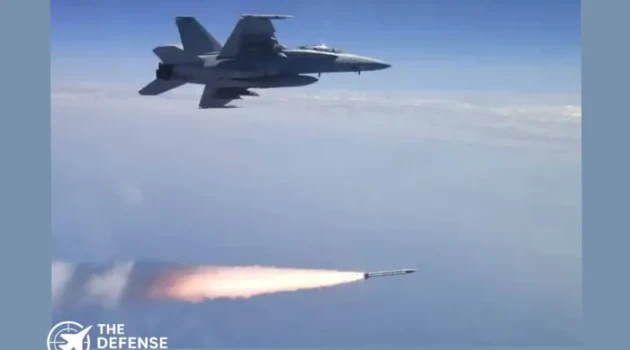
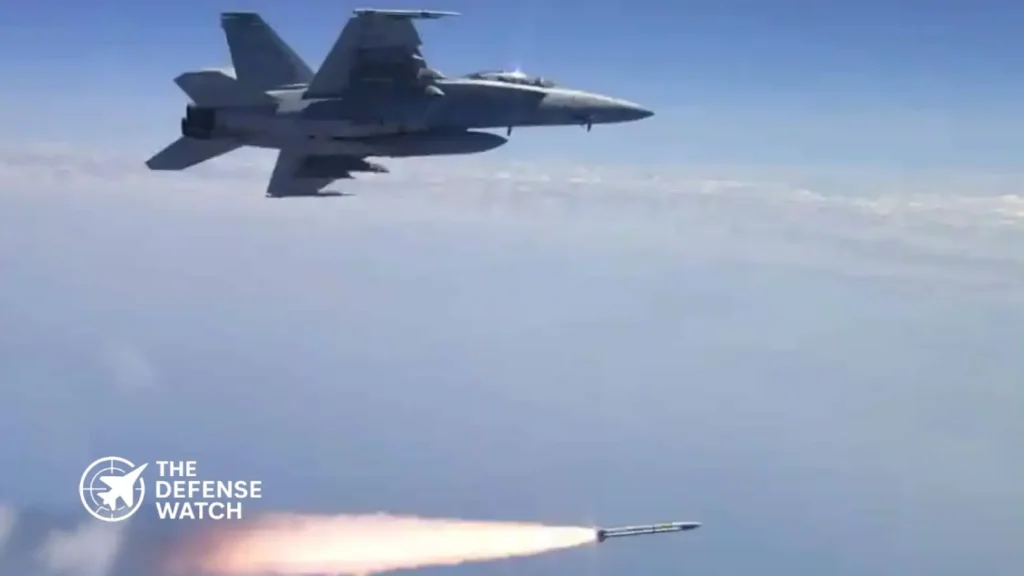
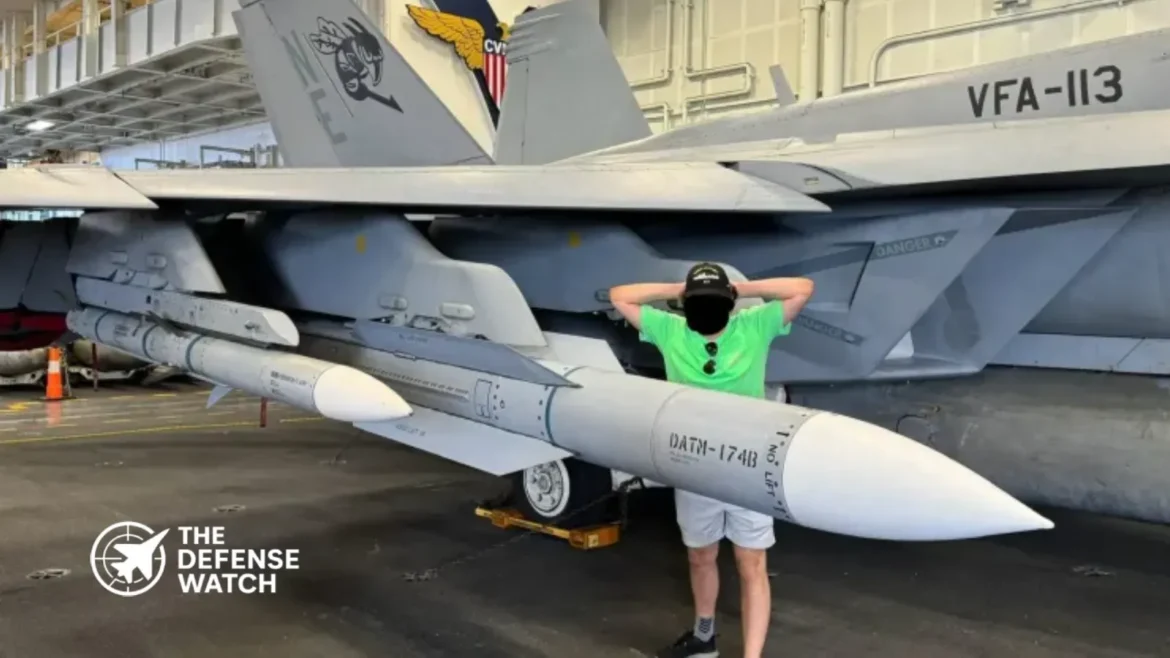
The AIM-260A missile Australia approval marks a significant step in strengthening allied air combat capability in the Indo-Pacific, as Washington clears the transfer of up to 450 next-generation air-to-air missiles to Canberra.
According to defense reporting and regional security sources, the approval centers on the AIM-260A Joint Advanced Tactical Missile, a program led by the U.S. Air Force to address emerging capability gaps against near-peer adversaries.
The missile is intended to replace the widely used AIM-120 AMRAAM, offering greater range and improved resistance to jamming in contested environments.
- The United States has approved the potential sale of up to 450 AIM-260A long-range air-to-air missiles to Australia.
- The AIM-260A, also known as the Joint Advanced Tactical Missile, is designed to replace the AIM-120 AMRAAM.
- The missile offers extended range and improved survivability against advanced electronic warfare environments.
- The acquisition supports Royal Australian Air Force platforms including F-35A and F/A-18F fighters.
- The move reflects growing U.S.-Australia defense cooperation amid rising Indo-Pacific tensions.
A Next-Generation Air Combat Capability
The AIM-260A missile Australia package is expected to provide a step change in beyond-visual-range engagement capability for the Royal Australian Air Force.
While official specifications remain classified, U.S. defense officials have indicated that the AIM-260A is designed to outperform current air-to-air systems in both range and survivability. Analysts widely assess that the missile was developed in response to advanced Chinese long-range air-to-air systems such as the PL-15.
The integration of the missile with platforms like the F-35A Lightning II and F/A-18F Super Hornet will allow Australian forces to engage threats at longer distances, reducing exposure to enemy air defenses.
This shift is critical in modern air warfare, where detection and engagement ranges increasingly determine combat outcomes.
Strategic Context In The Indo-Pacific
The AIM-260A missile Australia approval comes amid rising strategic competition across the Indo-Pacific region.
The United States has been accelerating efforts to strengthen allied capabilities as part of a broader deterrence strategy. Australia, as a key partner under frameworks such as AUKUS and long-standing bilateral defense agreements, plays a central role in this posture.
From a strategic standpoint, long-range air-to-air missiles are becoming a decisive factor in potential high-end conflict scenarios. Control of the air domain depends not only on stealth and sensors, but also on the ability to strike first at extended distances.
AIM-260A Joint Advanced Tactical Missile By equipping Australia with the AIM-260A, Washington is effectively extending its own air combat network, enabling greater interoperability and shared operational reach.
Closing The Capability Gap
One of the primary drivers behind the AIM-260A missile Australia decision is the need to close a growing capability gap.
Regional competitors have invested heavily in long-range missile technology, supported by advanced radar systems and electronic warfare capabilities. This has raised concerns within U.S. defense circles about the effectiveness of legacy systems like the AIM-120 in future conflicts.
The AIM-260A addresses these concerns by offering:
- Increased engagement range
- Enhanced resistance to electronic countermeasures
- Compatibility with fifth-generation aircraft
- Improved lethality against high-speed and maneuvering targets
This aligns with Pentagon modernization priorities, which emphasize survivability and lethality in contested environments.
Operational Impact For Australia
For Australia, the acquisition significantly enhances its ability to project airpower across vast distances.
The Royal Australian Air Force operates in one of the largest areas of responsibility in the world, covering expansive maritime and airspace regions. Longer-range missiles reduce the need for forward basing and allow aircraft to operate from safer distances.
This also improves Australia’s contribution to coalition operations, particularly in scenarios involving joint U.S. and allied forces.
In practical terms, the AIM-260A missile Australia deployment will allow Australian pilots to engage adversary aircraft before entering contested zones, increasing survivability and mission success rates.
Industrial And Defense Cooperation
The approval further reinforces defense industrial ties between the United States and Australia.
Although the AIM-260A program remains tightly controlled, the sale highlights Washington’s willingness to share advanced capabilities with trusted allies. This is consistent with recent trends in U.S. defense exports, where interoperability and alliance integration are prioritized.
The deal also signals confidence in Australia’s role as a long-term security partner in the Indo-Pacific.
Broader Implications
Beyond immediate military benefits, the AIM-260A missile Australia decision carries broader geopolitical implications.
It sends a clear signal about U.S. commitment to maintaining a favorable balance of power in the region. At the same time, it underscores the accelerating pace of military modernization among Indo-Pacific nations.
As air combat evolves, missiles like the AIM-260A are likely to play a central role in shaping future engagements.
The focus is no longer just on aircraft performance, but on the entire kill chain, including sensors, data links, and long-range precision weapons.
 ¦ KEY FACTS AT A GLANCE
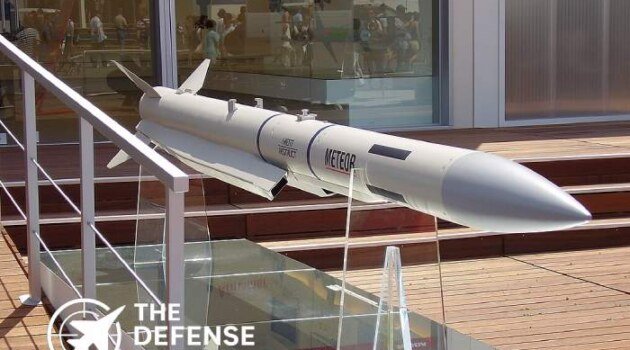
- The United Kingdom and France have launched early work on a successor to the Meteor beyond-visual-range air-to-air missile.
- The project is part of long-term efforts to maintain European air combat superiority against advanced threats.
- The Meteor missile, developed by MBDA, is currently one of the most capable BVRAAM systems in service.
- The successor missile is expected to support future combat aircraft programs including FCAS and Tempest.
- Early-stage development signals growing urgency to counter next-generation adversary air capabilities.
¦ KEY FACTS AT A GLANCE- The United Kingdom and France have launched early work on a successor to the Meteor beyond-visual-range air-to-air missile.
- The project is part of long-term efforts to maintain European air combat superiority against advanced threats.
- The Meteor missile, developed by MBDA, is currently one of the most capable BVRAAM systems in service.
- The successor missile is expected to support future combat aircraft programs including FCAS and Tempest.
- Early-stage development signals growing urgency to counter next-generation adversary air capabilities.
UK And France Meteor Successor Missile Program Gains Momentum
The Meteor successor missile program has officially entered early development, as the United Kingdom and France move to sustain their edge in beyond-visual-range air combat.
The initiative builds on the success of the current Meteor missile, widely regarded as one of the most advanced BVRAAM systems in operational service. Developed by European missile manufacturer MBDA, Meteor is fielded on platforms such as the Eurofighter Typhoon, Dassault Rafale, and Saab Gripen.
Officials in London and Paris are now looking beyond Meteor’s capabilities, recognizing that evolving threats from peer adversaries demand a new generation of air-to-air weapons with greater range, survivability, and network integration.
Why A Meteor Replacement Is Already Underway
Although the Meteor missile remains highly capable, defense planners are working years ahead of operational timelines. Modern air combat is rapidly shifting due to advances in stealth aircraft, electronic warfare, and long-range sensors.
The Meteor successor missile program reflects a broader strategic trend. Western air forces are preparing for contested environments where adversaries may deploy advanced fighters, including fifth- and sixth-generation platforms, supported by sophisticated air defense systems.
By starting early, the UK and France aim to avoid capability gaps as current systems approach obsolescence in the 2030s and beyond.
This approach mirrors U.S. efforts to develop next-generation air dominance capabilities and long-range missile systems designed to operate in denied environments.
Link To Future Combat Air Systems
A key driver behind the Meteor successor missile program is its expected integration with next-generation combat aircraft.
Europe is currently pursuing two major sixth-generation fighter initiatives. The UK-led Global Combat Air Programme, often associated with the Tempest fighter, and the Franco-German-Spanish Future Combat Air System (FCAS).
Both programs emphasize networked warfare, sensor fusion, and long-range engagement capabilities. A new air-to-air missile will need to match these requirements, offering enhanced data-link connectivity, improved targeting flexibility, and resistance to electronic countermeasures.
The successor to Meteor is therefore not just a replacement weapon, but a core component of future air combat ecosystems.
Industrial And Strategic Implications
The development effort is also significant for Europe’s defense industrial base. MBDA, the consortium behind Meteor, is expected to play a central role in the new program.
Sustaining indigenous missile development capabilities is a priority for both the UK and France, particularly as geopolitical tensions underscore the importance of strategic autonomy in defense manufacturing.
The Meteor successor missile program reinforces long-standing defense cooperation between the two countries, building on previous joint initiatives under frameworks such as the Lancaster House Treaties.
It also highlights Europe’s intent to remain competitive with U.S., Russian, and Chinese missile technologies, especially in the high-end air combat domain.
What The Next-Generation Missile Could Deliver
While specific technical details remain undisclosed, the Meteor successor missile is likely to focus on several key capability areas:
- Extended engagement range beyond current BVRAAM limits
- Improved propulsion systems for sustained high-speed performance
- Advanced seekers capable of operating in contested electronic environments
- Enhanced two-way data links for real-time targeting updates
- Greater compatibility with unmanned and optionally manned platforms
These features align with emerging operational concepts where aircraft act as nodes within a wider combat network, sharing targeting data across multiple platforms.
Strategic Analysis: Preparing For High-End Air Warfare
The timing of the Meteor successor missile program underscores a growing recognition among Western defense planners. Air superiority can no longer be taken for granted.
Potential adversaries are investing heavily in long-range air-to-air missiles, stealth aircraft, and integrated air defense systems designed to challenge NATO air dominance.
In this context, incremental upgrades are no longer sufficient. Instead, a generational leap in missile capability is required to maintain operational advantage.
The UK and France appear to be aligning their efforts with this reality, ensuring that their future air forces are equipped to operate in increasingly contested and complex battlespaces.
Conclusion
The launch of the Meteor successor missile program marks a critical step in Europe’s long-term air combat strategy.
By initiating early development, the United Kingdom and France are positioning themselves to counter emerging threats and support next-generation fighter programs well into the mid-21st century.
As the security environment continues to evolve, the success of this program will play a key role in shaping the balance of air power in future conflicts.
¦ KEY FACTS AT A GLANCE- Polish authorities detained two individuals linked to an arson attack on a Czech drone factory.
- The incident targeted a facility involved in drone production, a critical sector in modern defense supply chains.
- Investigators are examining potential sabotage motives, including foreign interference.
- The attack highlights vulnerabilities in Europe’s rapidly expanding unmanned systems industry.
- Authorities continue cross-border cooperation between Poland and the Czech Republic.
Poland Drone Factory Arson Raises Security Concerns Across Europe
Poland drone factory arson investigations intensified this week after authorities detained two individuals suspected of involvement in an arson attack targeting a drone production facility in the Czech Republic, according to reporting by Reuters.
Polish officials confirmed the detentions as part of a broader probe into what is increasingly being viewed as a potential act of sabotage against Europe’s defense industrial base. The targeted facility is linked to the production of unmanned aerial systems, a sector that has seen rapid expansion amid growing demand driven by modern conflict environments.
The incident underscores mounting concerns about the physical security of drone manufacturing infrastructure across Europe, particularly as unmanned systems become central to both NATO and partner nation defense strategies.
Cross-Border Investigation Signals Wider Threat Concerns
Authorities in Poland and the Czech Republic are coordinating closely as the investigation develops. While officials have not publicly confirmed a specific motive, the possibility of organized sabotage is being examined.
According to Reuters, the arrests were reported by Polish state media, citing intelligence-linked findings. The nature of the attack, involving arson at a strategic production site, has raised concerns about whether the incident could be part of a broader pattern targeting critical defense capabilities.
European security services have increasingly warned about hybrid threats, including sabotage, cyber operations, and disinformation campaigns aimed at undermining defense readiness and industrial output.
Drone Industry Emerging As Strategic Target
The Poland drone factory arson case highlights a key shift in modern security dynamics. Drone production facilities, once considered secondary assets, are now high-value targets due to their direct role in supplying frontline capabilities.
Unmanned aerial systems have become indispensable in surveillance, reconnaissance, and strike missions. Their widespread use in recent conflicts has elevated the importance of maintaining uninterrupted production and supply chains.
As a result, any disruption, even localized, can have ripple effects across defense planning and operational readiness.
From an industrial perspective, the attack illustrates how adversaries may seek to exploit vulnerabilities outside traditional military targets. Manufacturing hubs, logistics nodes, and supply chain infrastructure are increasingly part of the broader battlespace.
Growing Pressure On European Defense Infrastructure Protection
The incident comes at a time when European nations are scaling up defense production to meet rising demand. Governments have been investing heavily in expanding drone manufacturing capacity, both for domestic use and export.
However, security measures have struggled to keep pace with this rapid expansion. Facilities that were previously low-profile are now critical nodes within national defense ecosystems.
This creates a challenge for policymakers. Protecting these sites requires not only physical security upgrades but also enhanced intelligence coordination and counter-sabotage capabilities.
The Poland drone factory arson investigation may serve as a catalyst for broader policy adjustments across Europe, particularly within NATO-aligned countries.
Strategic Implications For NATO And Allies
From a strategic standpoint, the attack reflects the evolving nature of competition in the defense domain. Rather than direct confrontation, adversaries may increasingly target industrial capacity to degrade military effectiveness indirectly.
For NATO and its partners, this reinforces the need to integrate industrial security into overall defense planning. Protecting production capabilities is now as critical as safeguarding operational assets.
The Poland drone factory arson case also highlights the importance of cross-border cooperation. Defense supply chains are deeply interconnected, meaning vulnerabilities in one country can impact multiple partners.
¦ KEY FACTS AT A GLANCE- The Royal Air Force has taken over NATO’s enhanced Air Policing mission in Romania.
- RAF Typhoon fighter jets are deployed to secure NATO airspace along the eastern flank.
- The mission operates from Mihail Kogălniceanu Air Base near the Black Sea.
- The deployment aims to deter potential airspace violations and reassure NATO allies.
- The rotation underscores NATO’s sustained focus on eastern Europe amid ongoing regional tensions.
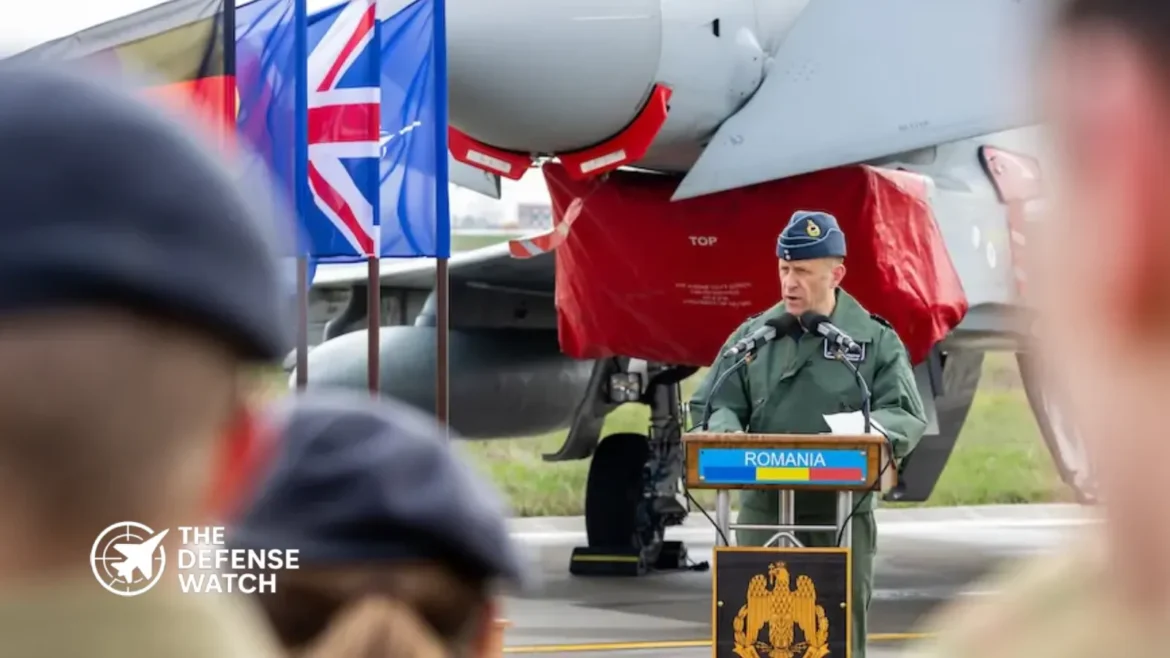
RAF NATO Air Policing Romania Mission Strengthens Eastern Flank Defense
The RAF NATO air policing Romania mission has officially transitioned to the United Kingdom, reinforcing NATO’s eastern flank as alliance members continue to respond to heightened security pressures near the Black Sea.
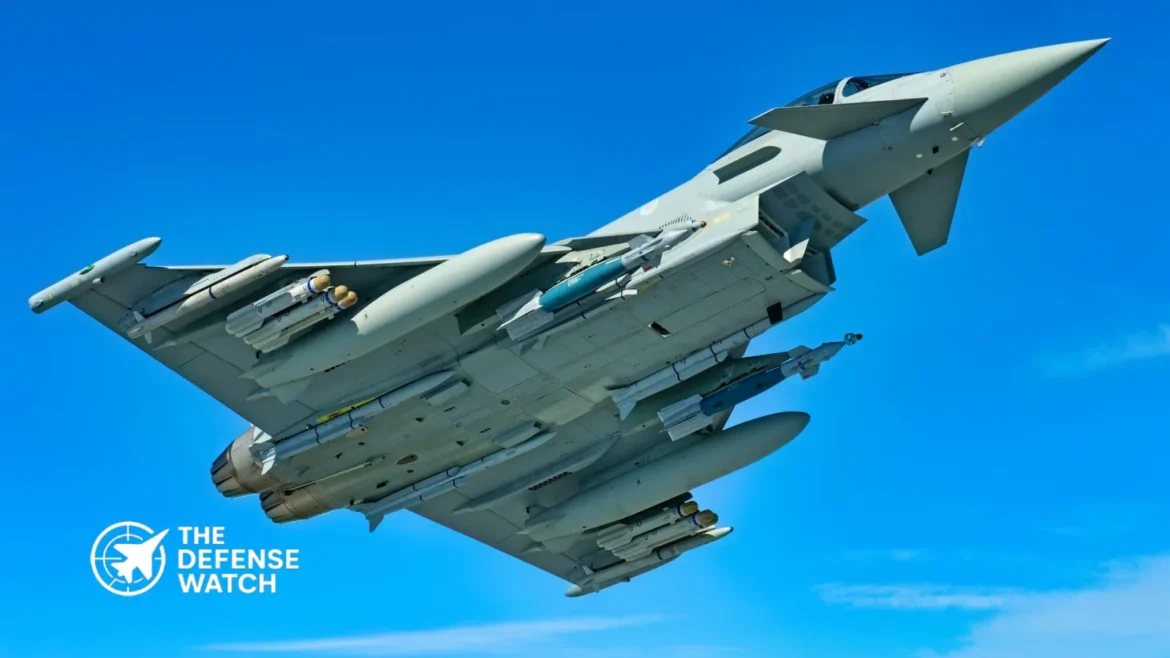
The deployment, led by the Royal Air Force, involves advanced Eurofighter Typhoon jets operating under NATO command to secure Romanian airspace and deter potential incursions.
Operating from Mihail Kogălniceanu Air Base, the RAF contingent replaces previous allied rotations as part of NATO’s enhanced Air Policing framework. The mission ensures rapid response capability to unidentified or non-compliant aircraft approaching alliance airspace.
Strategic Context: NATO’s Eastern Flank Under Pressure
The RAF NATO air policing Romania mission reflects a broader strategic shift by NATO to maintain persistent air defense coverage along its eastern perimeter.
Since Russia’s invasion of Ukraine in 2022, NATO has significantly expanded its forward presence across Eastern Europe. Romania, located on the Black Sea and bordering Ukraine, has emerged as a critical node in the alliance’s defensive architecture.
Air policing missions, while not new, have taken on increased operational importance. These deployments now serve not only as deterrence but also as a visible signal of alliance unity and readiness.
From an operational standpoint, RAF Typhoons provide quick reaction alert capabilities, meaning aircraft can be scrambled within minutes to intercept potential threats. This includes unidentified aircraft, military probes, or civilian planes deviating from flight plans.
RAF Typhoon Capability and Mission Role
The RAF NATO air policing Romania mission leverages the Typhoon’s multirole capabilities, particularly its air superiority and interception strengths.
Equipped with advanced radar systems and beyond-visual-range missiles, the Typhoon is optimized for quick interception missions. Its ability to operate in contested environments makes it suitable for NATO’s current threat landscape.
In Romania, the aircraft operate under strict NATO rules of engagement. Missions typically include:
- Airspace surveillance and patrol
- Identification of unknown aircraft
- Interception and escort operations
- Coordination with Romanian and NATO air defense networks
This layered approach ensures that NATO maintains a continuous and credible air defense posture in the region.
Operational Impact on Regional Security
The RAF NATO air policing Romania mission contributes directly to regional stability, particularly in the Black Sea area, where air and naval activity has increased in recent years.
Romania’s geographic position places it at the intersection of several strategic concerns, including proximity to Crimea and key maritime routes. As a result, maintaining secure and monitored airspace is critical.
From a deterrence perspective, the presence of RAF fighters complicates any adversary’s operational planning. It raises the cost and risk of airspace violations while ensuring rapid NATO response.
At the same time, these missions provide reassurance to frontline NATO states. For countries like Romania, visible allied deployments reinforce collective defense commitments under Article 5.
Alliance Integration and Interoperability
Another key dimension of the RAF NATO air policing Romania mission is interoperability. RAF personnel work closely with Romanian forces and other NATO allies to ensure seamless coordination.
This includes joint training, shared command structures, and integrated air defense systems. Such cooperation enhances overall readiness and reduces response times during real-world incidents.
Rotational deployments also allow NATO members to distribute operational burden while maintaining a continuous presence. The UK’s participation highlights its ongoing commitment to European security despite evolving geopolitical dynamics.
Analysis: A Persistent Mission With Growing Importance
While air policing missions have long been part of NATO’s toolkit, their role has evolved significantly. The RAF NATO air policing Romania mission is no longer a routine rotation but a frontline deterrence measure.
Three key trends stand out:
First, frequency and scale have increased. NATO is sustaining more continuous deployments across multiple eastern locations, including the Baltic states and southeastern Europe.
Second, missions are becoming more integrated with broader defense strategies. Air policing is now linked with ground forces, missile defense systems, and intelligence networks.
Third, the geopolitical signaling value has grown. Deployments like this send a clear message to both allies and adversaries about NATO’s readiness to defend its airspace.
In this context, the RAF’s role in Romania is part of a larger pattern of sustained vigilance rather than a temporary response.
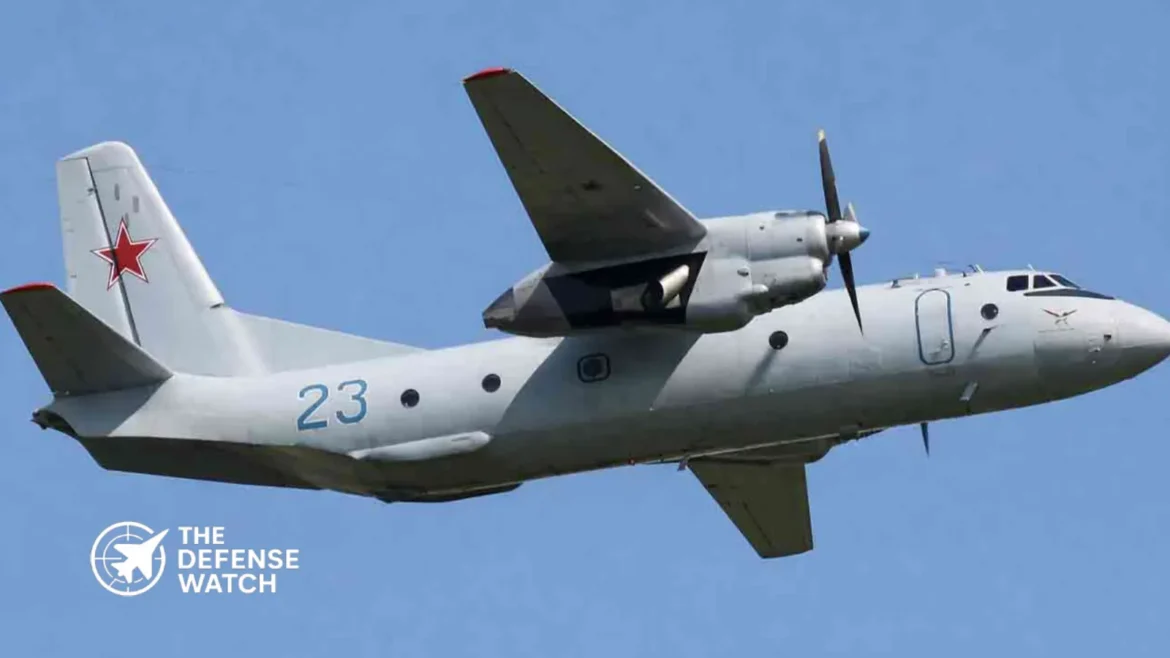
¦ KEY FACTS AT A GLANCE- A Russian Antonov AN-26 military transport aircraft crashed in Crimea on March 31, 2026, killing all 29 people aboard — 23 passengers and 6 crew members.
- Contact with the aircraft was lost at approximately 6:00 PM Moscow time during a scheduled flight over the Crimean Peninsula, according to Russia’s Defense Ministry via TASS.
- Rescue teams located the wreckage after the aircraft struck a cliff in Crimea’s mountainous terrain near the Black Sea coast.
- Russian officials stated there was no evidence of external damage — ruling out missile, drone, or bird strike — with technical malfunction cited as the preliminary cause.
- The Russian Air Force operates approximately 150 AN-26 aircraft. The type has been involved in multiple fatal crashes over the past decade due to age and maintenance concerns.
Russian AN-26 Military Transport Crashes In Crimea, Killing All 29 — No Signs Of External Attack
A Russian AN-26 military transport aircraft crashed in Crimea on March 31, 2026, killing all 29 people on board, in what Russian defense officials are calling a probable technical failure. The loss represents one of the deadliest single aviation accidents involving Russian military personnel in recent years, drawing renewed attention to the aging Soviet-era airframes still operating within the Russian Air Force.
Contact Lost, Cliff Strike Confirmed
Contact with the AN-26 was lost at approximately 6:00 PM Moscow time on March 31 while the aircraft was conducting a scheduled flight over the Crimean Peninsula, according to Russia’s Defense Ministry as quoted by TASS.
Search and rescue teams were dispatched and later located the crash site, confirming that none of the passengers or crew survived. A source at the scene reported that the aircraft struck a cliff.
The Russian Defense Ministry confirmed six crew members and 23 passengers perished in the crash, adding that preliminary information indicates a technical malfunction caused the accident, with no hostile fire targeting the aircraft.
The crash site is located in the mountainous interior of the Crimean Peninsula, a terrain that complicates both search operations and the recovery of flight data recorders. Russian authorities have indicated that investigators are working to recover the aircraft’s black box to determine the definitive cause of the disaster.
The AN-26: A Workhorse Well Past Its Prime
The AN-26 is an Antonov tactical transport that has served as a mainstay of the Russian Air Force for decades. According to Cirium, an aviation analytics firm, approximately 360 AN-26s remain in service globally with 105 in storage — the vast majority operated within Russia. The Russian Air Force alone holds roughly 150 of these aircraft in its inventory.
The AN-26 is a light tactical military transport capable of carrying cargo and up to 40 passengers over short and medium distances. First introduced in the late 1960s, the aircraft is now over five decades old in design and has accumulated a troubled safety record in recent years.
The type has been involved in a number of deadly crashes over the last decade. A Ukrainian AN-26 crashed during a technical flight in Zaporizhzhia in 2022. Another went down on a training flight in northeastern Ukraine in 2020, killing all but one of 27 people aboard. Eight individuals — including five Russians — were killed when an AN-26 crashed in South Sudan in 2020.
The recurring pattern of AN-26 losses raises important questions about the Russian Air Force’s fleet maintenance standards, parts availability under ongoing international sanctions, and the broader sustainability of operating Soviet-era platforms under wartime operational tempo.
Crimea: A Strategically Sensitive Crash Zone
Crimea was annexed by Russia from Ukraine in 2014. The peninsula is characterized by sweeping mountains leading down to the Black Sea coast — terrain that played a direct role in this accident, with the aircraft apparently colliding with elevated terrain after losing altitude or navigational control.
The crash comes in a broader context of ongoing conflict over the peninsula. Ukraine’s military intelligence directorate (HUR) previously destroyed two Russian AN-26 transport aircraft in a drone attack on occupied Crimea in September 2025 as part of ongoing efforts to eliminate high-value Russian assets on the peninsula.
As recently as March 24, Ukrainian forces destroyed a Zircon hypersonic missile launcher in occupied Crimea during an overnight strike, according to Ukraine’s military intelligence agency.
Despite the active threat environment, Russian officials were unambiguous in their preliminary assessment: the Russian state news agency TASS quoted the Defense Ministry as stating there was no impact on the aircraft, implying that objects such as missiles, drones, or birds were not involved. The conclusion — at least officially — is one of mechanical failure, not enemy action.
Analysis: Sanctions, Age, and Operational Stress
The loss of this AN-26 in Crimea cannot be viewed in isolation. Russia’s military aviation sector has faced compounding pressures since the February 2022 invasion of Ukraine: international sanctions have severely restricted access to Western avionics, spare parts, and maintenance technology. Russian operators have been forced to cannibalize aircraft, extend service intervals, and rely increasingly on domestic or limited third-party supply chains.
For a platform like the AN-26 — originally designed in the Soviet era and never intended for sustained high-tempo operations across a contested theater — these pressures are particularly acute. The aircraft type has no modern replacement currently in widespread Russian service for the tactical transport mission it fulfills. The Ilyushin Il-112V, intended as a successor, has faced years of development delays and its own crash during a test flight in 2021.
The operational context in Crimea further amplifies risk. The peninsula has been an active theater for Ukrainian strike operations, requiring Russian military air traffic to operate with increased urgency and reduced predictability in scheduling and routing. Whether such pressures contributed to maintenance shortcuts or crew fatigue in this specific incident remains to be established through the formal investigation.
What is clear is that the Russian Air Force’s continued reliance on aging Soviet-designed transports carries real and measurable human cost — and that each loss of an AN-26 further degrades Russia’s intra-theater logistics and troop movement capacity at a time when those capabilities are under significant strain.
Investigation Status
Russian authorities have launched a formal investigation into the crash. Recovery of the flight data recorder and cockpit voice recorder will be critical to establishing whether the loss was caused by mechanical failure, crew error, adverse weather, or some combination of factors. No timeline has been provided for the completion of the inquiry.