A September 15 naval collision in the Arabian Sea has triggered simultaneous diplomatic protests from India and Pakistan, with the two governments offering conflicting accounts of the encounter.
Takeaways
India and Pakistan have both lodged diplomatic protests following a September 15 naval collision in the North Arabian Sea, but the two governments disagree over how and where the incident occurred.
India Pakistan Naval Collision Triggers Mutual Protests
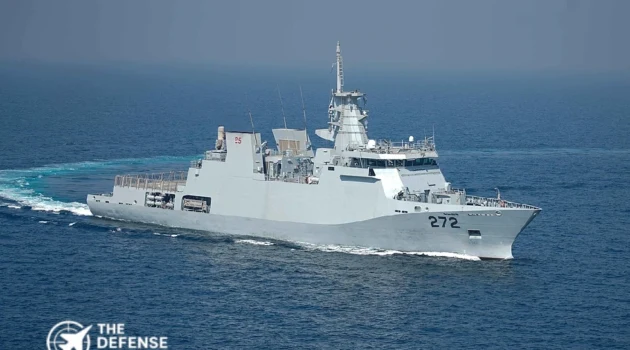
The India Pakistan naval collision in the North Arabian Sea has triggered diplomatic protests from both governments after an Indian Navy warship and Pakistan Navy vessel PNS Hunain came into contact on September 15, 2026. India and Pakistan have issued conflicting accounts of the circumstances surrounding the incident.
The incident occurred against a backdrop of heightened tensions between the two nuclear-armed neighbors. According to the Associated Press, Pakistan said the encounter occurred inside its Exclusive Economic Zone during a naval exercise, while India said the collision took place in international waters.
Neither side has accepted the other’s account.
What Happened Between The Two Naval Vessels?
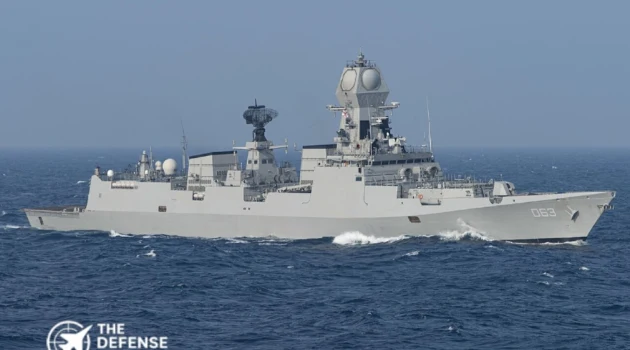
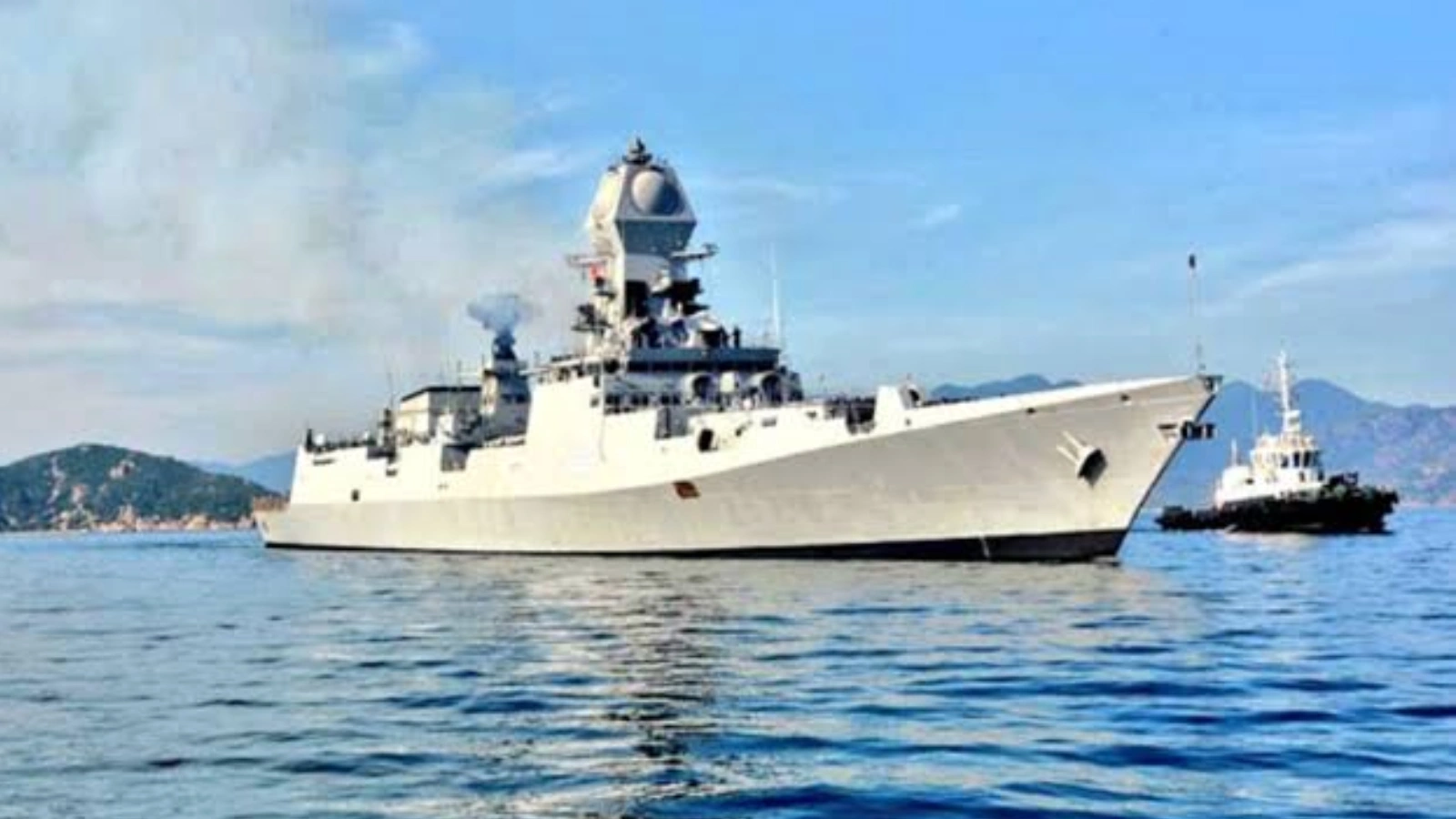
Pakistan identified the Indian warship involved as INS Kolkata, a Kolkata-class guided-missile destroyer.
Pakistan’s Foreign Office said INS Kolkata was operating near Pakistani naval units participating in the SEASPARK-26 exercise. Islamabad accused the Indian warship of conducting dangerous maneuvers and said the vessel eventually came into contact with PNS Hunain.
Pakistan said the Indian ship’s actions were provocative and violated international law as well as the bilateral agreement governing military activities between India and Pakistan.
India has presented a substantially different account.
Indian officials said PNS Hunain approached an Indian Navy frontline warship at high speed and maneuvered unsafely, resulting in a minor collision. India said its warship was conducting a routine surveillance mission and was operating in international waters.
Indian reporting said the encounter occurred approximately 120 nautical miles from the Gulf of Oman. It also reported that the Indian vessel was not damaged and continued its mission, while PNS Hunain sustained damage and returned toward a Pakistani port.
Pakistan Lodges Protest Over INS Kolkata
Pakistan’s Foreign Office summoned India’s chargé d’affaires in Islamabad following the incident.
Islamabad described the Indian vessel’s reported conduct as highly provocative and unacceptable. Pakistan said the Indian Navy had repeatedly attempted to enter the area where Pakistani naval forces were conducting SEASPARK-26.
Pakistan’s Foreign Office said the Indian vessel’s movements near Pakistani ships created a serious risk of escalation. It also argued that the incident represented a breach of the 1991 India-Pakistan military agreement.
Pakistan said it would also convey its protest through its diplomatic mission in New Delhi.
India Also Summons Pakistan’s Diplomat
India responded by summoning Pakistan’s chargé d’affaires in New Delhi and lodging a formal protest.
India described the conduct of Pakistani naval units as unacceptable and unprofessional. New Delhi said the Pakistani vessel approached an Indian warship at high speed and failed to maintain safe separation, resulting in the collision.
India also directed its diplomatic representative in Islamabad to lodge a corresponding protest with Pakistan’s Foreign Ministry.
The reciprocal diplomatic action is significant because neither government has accepted responsibility for the incident.
Dispute Over The Location Of The Incident
One of the central disagreements concerns where the encounter occurred.
Pakistan says the incident occurred inside its Exclusive Economic Zone during the SEASPARK-26 naval exercise.
India says the collision occurred in international waters.
An EEZ gives a coastal state specific rights over natural resources and certain economic activities. It does not generally provide the same jurisdiction over navigation as territorial waters.
That distinction is important when assessing the competing claims made by the two governments.
Publicly available information does not independently establish the precise coordinates of the collision or resolve the competing claims over the vessel movements.
The 1991 Agreement Is Also Involved
Both sides have referred to the 1991 Agreement Between India and Pakistan on Advance Notice on Military Exercises, Manoeuvres and Troop Movements.
The agreement includes provisions intended to reduce the risk of accidental confrontations between Indian and Pakistani military forces.
India has cited the agreement’s naval separation provisions in its protest, while Pakistan has also argued that India’s actions breached the bilateral framework.
The agreement is particularly relevant because the incident occurred while Pakistani naval forces were conducting a major exercise.
For naval forces operating near each other, separation and communications procedures are designed to prevent routine military activity from developing into an accidental confrontation.
PNS Hunain Sustained Damage
Indian media reports said the Pakistani vessel sustained damage during the collision and subsequently headed toward a Pakistani harbor. The Indian warship was reported to have continued its surveillance mission.
The publicly available reports do not provide a detailed independent assessment of the extent of damage to PNS Hunain.
There have also been no independently verified indications in the available reporting of significant casualties resulting from the encounter.
The incident therefore appears to have remained limited to a naval collision and its subsequent diplomatic consequences, although the two governments have described the conduct preceding the contact in sharply different terms.
Why The Incident Matters
The India Pakistan naval collision demonstrates the operational risks that can arise when military forces from rival states operate in close proximity.
Unlike a planned military engagement, a collision at sea can develop within seconds. Warships operating at high speed have limited time to react, particularly when several ships, aircraft and exercise areas are involved.
The incident also shows why bilateral military agreements remain important even during periods of political tension.
The 1991 agreement was created in part to reduce the possibility that military exercises or movements could produce misunderstandings between the two countries.
In this case, however, the two governments are now interpreting the same incident differently.
Pakistan’s position centers on the alleged presence and maneuvering of INS Kolkata near its naval exercise area.
India’s position centers on what it describes as the unsafe approach and maneuvering of PNS Hunain.
Those competing descriptions mean that responsibility for the collision cannot be established solely from the public statements issued by either government.
Diplomatic Fallout
The immediate response from both countries has been diplomatic rather than military.
Pakistan summoned India’s diplomatic representative and issued a formal protest. India took the same step against Pakistan’s diplomatic representative.
Reuters reported that India’s Foreign Ministry described the actions of Pakistani naval units as unacceptable and unprofessional, while Pakistan accused the Indian vessel of provocative and dangerous behavior.
The Associated Press similarly reported that the incident intensified diplomatic tensions between the two countries.
The reciprocal protests also demonstrate that both governments view the incident as serious enough to require formal diplomatic action.
What Is Known And What Remains Disputed
Several elements of the incident are established by multiple reports.
An Indian naval warship and PNS Hunain came into contact in the Arabian Sea on September 15.
Both governments subsequently summoned the other’s diplomatic representatives.
Both sides accused the other country’s naval forces of unsafe or improper conduct.
However, important details remain disputed.
Pakistan says the encounter occurred in its EEZ during SEASPARK-26 and blames INS Kolkata for dangerous maneuvering.
India says the incident occurred in international waters and blames PNS Hunain for approaching its warship at high speed.
The available public reporting does not independently establish which vessel initiated the maneuver that resulted in the collision.
For that reason, the incident should be described as a disputed naval collision, rather than as an independently established act of aggression by either country.