

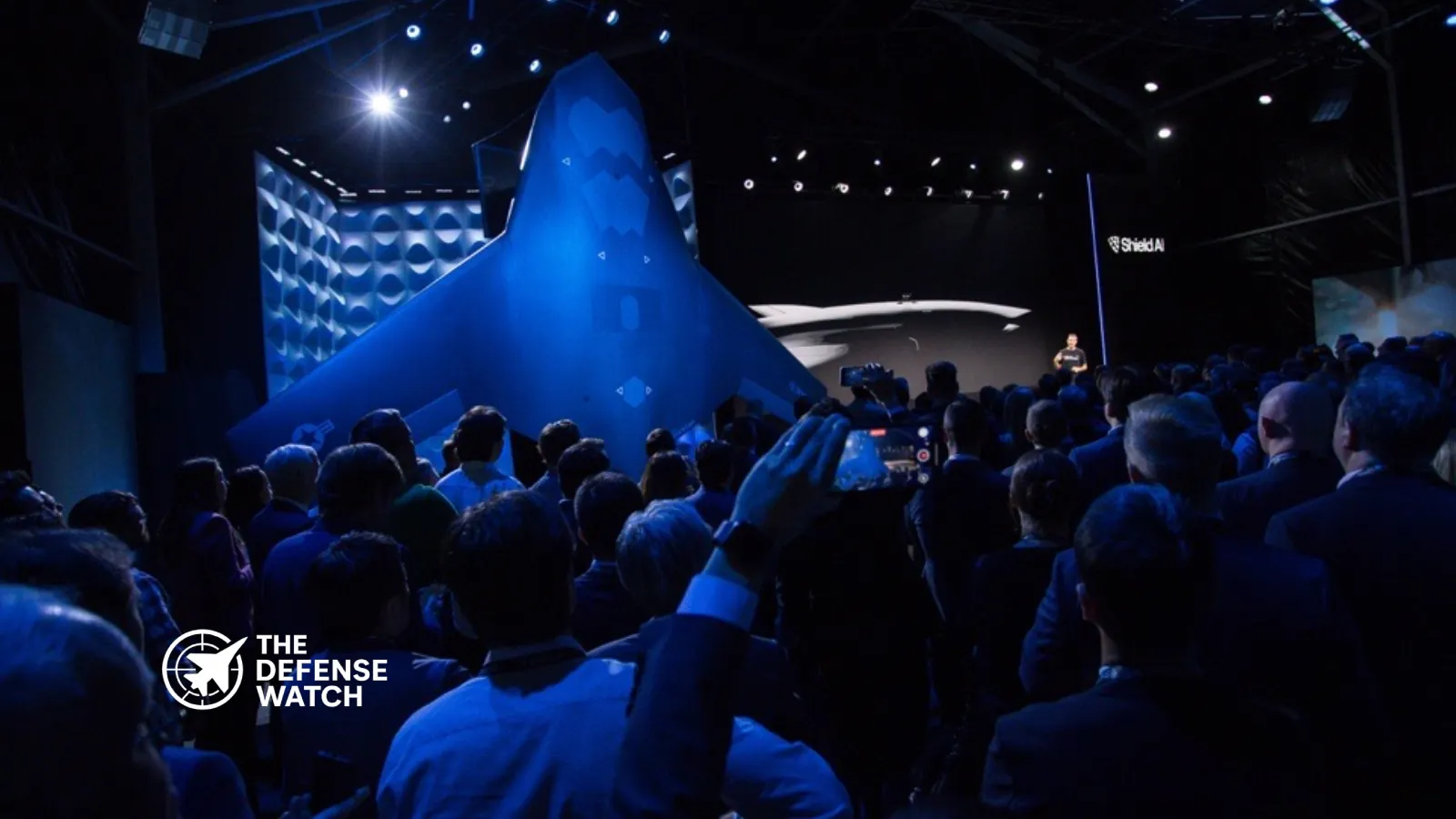
Shield AI Begins Wind Tunnel Testing on X-BAT Autonomous Fighter
Shield AI has started wind tunnel testing on its X-BAT autonomous fighter aircraft, a key engineering milestone as the company develops its runway-independent tactical jet. The testing phase is intended to refine aerodynamic performance and lower development risk before full-scale flight demonstrations.
Early Aerodynamics Validation
The wind tunnel trials involve scale models of the X-BAT concept, focusing on airflow, stability, control surfaces, and the aircraft’s vertical takeoff and landing (VTOL) design. Shield AI said the data will help engineers adjust the design and improve safety and efficiency ahead of flight tests planned later in the development cycle.
X-BAT made its public debut in October 2025 as an autonomous jet-powered aircraft built around Shield AI’s Hivemind artificial intelligence software. The system is designed to operate with reduced human intervention in contested or communications-denied environments.
Runway-Independent Design and Testing Goals
The company’s concept centers on a tail-sitting VTOL aircraft that can launch and recover without traditional runways. Wind tunnel testing aims to validate key aerodynamic behavior tied to this vertical to horizontal flight transition. Early design imagery shows a “cranked kite” wing and a compact footprint that may allow mobile launch and recovery system use.
Shield AI has signaled that VTOL flight demonstrations could begin in late 2026, followed by broader flight test and operational validation efforts as the program moves toward later stages.
What X-BAT Could Bring
Publicly released technical details from Shield AI describe X-BAT as a fighter-class jet capable of multirole missions including strike, air-to-air engagements, and intelligence tasks. The design reportedly aims to combine long range and autonomy with runway independence.
In support of propulsion development, Shield AI and GE Aerospace announced a collaboration that selected the F110-GE-129 fighter engine with thrust-vectoring to power the aircraft. GE will support testing and integration as part of the development effort.
Broader Context in Autonomous Combat Aviation
X-BAT’s development aligns with wider efforts in the U.S. defense sector to introduce autonomous and collaborative combat aircraft into future force structures. Programs such as the US Air Force’s Collaborative Combat Aircraft initiative are exploring how autonomous platforms might operate alongside manned fighters.
Shield AI’s wind tunnel testing of X-BAT represents an early but visible step toward turning an ambitious autonomous fighter concept into a tested aerospace platform. These tests will inform design choices and systems integration well before first full-scale flights.
