Air Force Budget Request Sets New Spending Record
The Air Force budget request for fiscal year 2027 would provide a record $338.8 billion to the Department of the Air Force, sharply increasing investment in combat readiness, aircraft procurement, nuclear modernization, and space operations. The proposal, released April 21, allocates $267.7 billion for the U.S. Air Force and $71.1 billion for the U.S. Space Force.
- Department of the Air Force requests $338.8 billion for FY2027.
- Funding includes F-35s, B-21 bombers, tankers, satellites, and missile warning systems.
- Space Force budget would rise 124 percent if approved.
- Proposal adds 12,700 personnel across Air Force and Space Force.
- Budget now moves to Congress for debate and approval.
If enacted, the request would represent a $92.5 billion increase over current funding levels, one of the largest single-year jumps in recent memory. U.S. officials said the increase is intended to meet immediate threats while sustaining long-term technological advantage.
The Big Picture
The request reflects a broader shift in U.S. defense planning. Washington is attempting to rebuild munitions stockpiles, accelerate next-generation systems, strengthen nuclear deterrence, and prepare for competition in the Indo-Pacific and other contested theaters.
Air power remains central to U.S. military strategy. Long-range strike aircraft, aerial refueling fleets, intelligence assets, and stealth fighters would be essential in any high-end conflict involving a peer adversary. At the same time, military planners increasingly view space as a frontline operational domain rather than a support function.
That dual requirement explains why both the Air Force and Space Force see major growth in this budget cycle.
What’s Happening
The Air Force portion of the proposal funds several marquee programs:
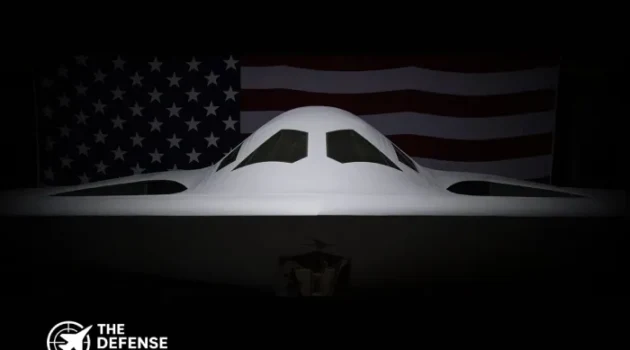
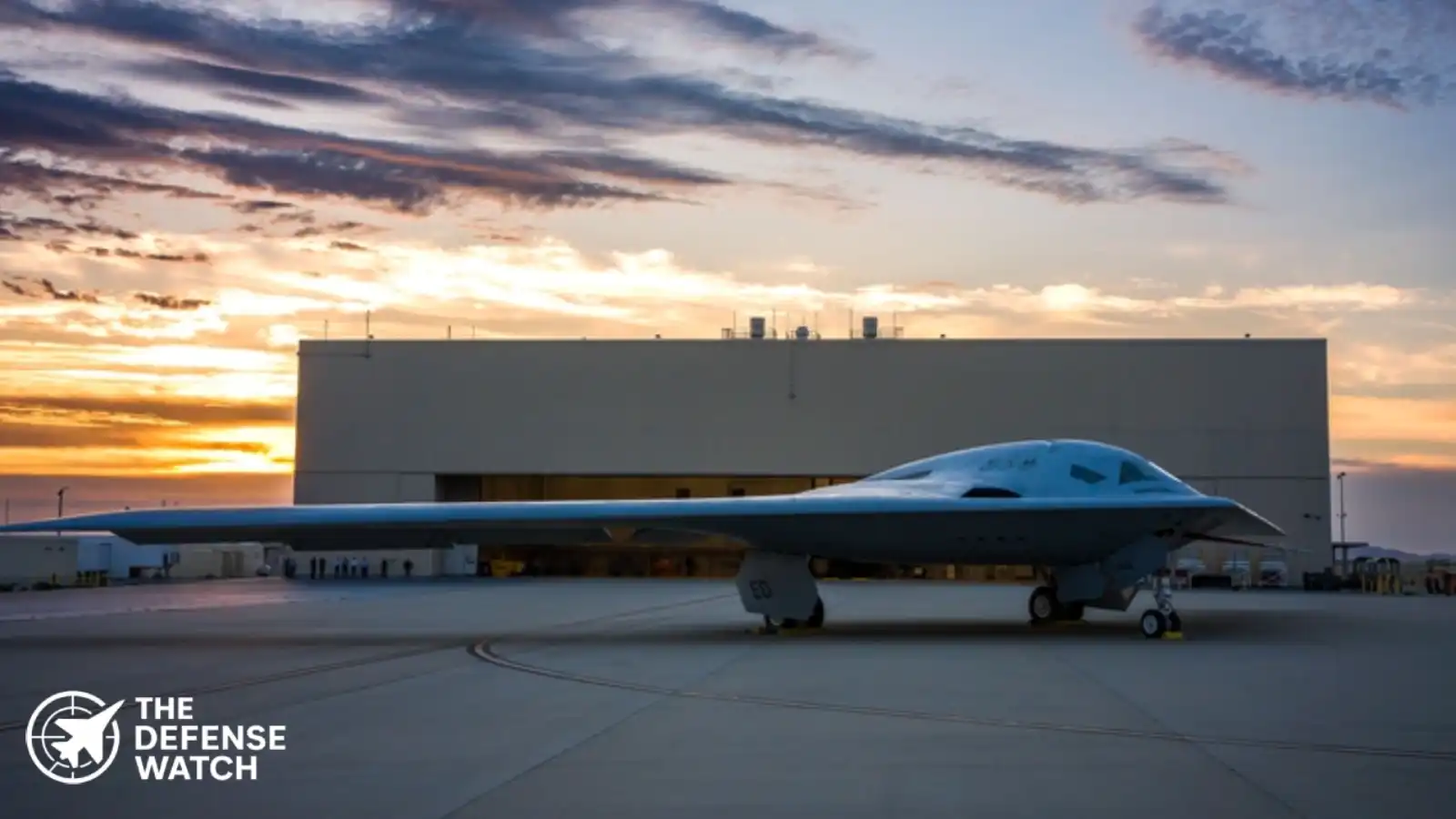
- $7 billion for the B-21 Raider bomber program
- $7.4 billion to buy 38 F-35 Lightning II fighters
- $3.9 billion for 15 KC-46A Pegasus tankers
- $2.7 billion for Collaborative Combat Aircraft, semi-autonomous wingman drones
- Additional funding for the LGM-35A Sentinel nuclear deterrent program
- $600 million for affordable mass munitions
The budget also includes $2 billion for exercises and training, signaling concern over readiness after years of high operational demand.
Why It Matters
This request attempts to solve a recurring Pentagon problem: choosing between readiness today and modernization tomorrow.
Past budgets often prioritized one over the other. Aircraft flew fewer training hours, maintenance backlogs grew, and modernization timelines slipped. This proposal tries to fund both simultaneously.
That matters because modern aircraft are only effective if crews are trained, spare parts are available, and logistics systems can sustain operations in wartime.
Space Force Sees Explosive Growth
The Space Force would receive $71.1 billion, a 124 percent increase over current levels.
Major items include:
- $6.7 billion for secure satellite communications
- $6.8 billion for missile warning and missile tracking systems
- $21.6 billion for space control systems
- $500 million for cyber protection of satellites
- Funding for 22 national security launches
This signals that U.S. planners increasingly expect future conflicts to include attacks on satellites, communications networks, and orbital surveillance assets.
Strategic Implications
A stronger Air Force improves U.S. deterrence in Europe, the Pacific, and the Middle East by sustaining rapid strike and global mobility capacity.
A stronger Space Force improves resilience for GPS, missile warning, command networks, and targeting systems used by all U.S. military branches.
Together, these investments indicate Washington wants to preserve freedom of action across both the air and space domains.
Competitor View
China is likely to focus on the Space Force increases, especially spending tied to missile tracking and space control. Beijing has invested heavily in anti-satellite systems and long-range missile forces.
Russia may view bomber and nuclear modernization accounts, including Sentinel and B-21 funding, as a sign the U.S. remains committed to strategic deterrence despite competing budget pressures.
Iran and regional actors may pay closer attention to tanker fleets, precision munitions, and readiness funding, all of which support sustained regional air campaigns.
What To Watch Next
Congress now reviews the proposal, and lawmakers may alter procurement quantities, personnel increases, or Space Force growth rates.
Watch for debates over:
- Whether the spending increase is sustainable
- Fighter procurement priorities
- Space Force mission expansion
- Nuclear modernization costs
- Industrial base capacity to deliver aircraft and missiles on schedule
Capability Gap
The budget aims to close several gaps:
- Aging tanker and bomber fleets
- Limited munitions stockpiles
- Vulnerable satellite networks
- Slow aircraft modernization timelines
- Readiness shortfalls in maintenance and training
Its biggest limitation may be execution. Large budgets do not automatically translate into delivered capability if production lines, labor shortages, or supply chains lag demand.
The Bottom Line
The record Air Force budget request shows the United States is trying to rebuild immediate combat readiness while accelerating long-term competition in both the skies and space.