
Missile Tests Coming Soon: Global Strategic Impact
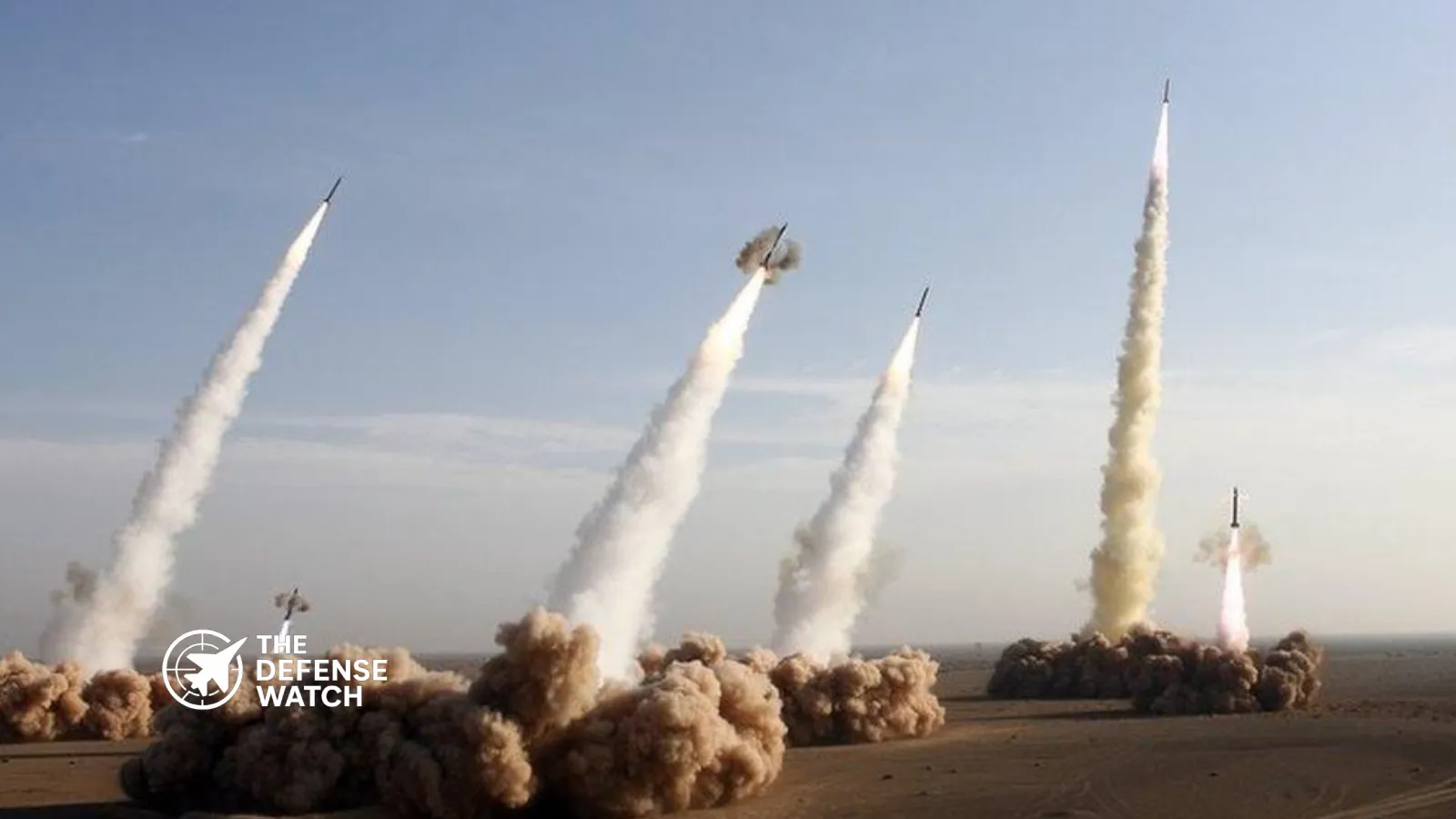
Missile tests coming soon are more than scheduled launches. They are controlled demonstrations used to measure missile performance, validate reliability, collect flight data and assess the readiness of the wider military system supporting the weapon. The Missile Defense Advocacy Alliance, or MDAA, maintains resources tracking missile threats and testing, while its current material shows how missile development has expanded across ballistic, cruise, hypersonic and counter-missile systems.
- Missile Tests Coming Soon: Global Strategic Impact
- Key Takeaways
- Why Missile Tests Matter
- Missile Tests Coming Soon and Strategic Deterrence
- What a Modern Missile Test Measures
- The Changing Global Missile Environment
- Recent Missile Testing Shows the Broader Trend
- Missile Tests and Missile Defense
- Why Test Announcements Matter
- Challenges in Interpreting Missile Tests
- The Next Phase of Missile Competition
- Conclusion
Key Takeaways
Saab’s A3-001 concept points toward a future Swedish combat air architecture in which crewed and uncrewed aircraft operate together across a range of missions.
One important qualification is necessary: the MDAA page supplied for this article is an older resource rather than a reliable real-time launch calendar. It should therefore be treated as background material on missile testing rather than as confirmation that every test listed there remains scheduled in 2026.
That distinction matters because missile testing has become a central part of strategic competition. In 2026, the United States has continued operational testing of its nuclear deterrent, China has conducted long-range ballistic missile activity in the Pacific, and European states are expanding their interest in longer-range strike capabilities.
Why Missile Tests Matter
A missile test can examine far more than whether a rocket leaves its launcher.
Modern flight trials can collect data on:
- Propulsion performance
- Guidance and navigation
- Reentry vehicle behavior
- Flight stability
- Terminal maneuvering
- Sensor performance
- Communications and command systems
- Launcher reliability
- Accuracy and impact-point prediction
- Crew procedures and operational readiness
For strategic missiles, testing also provides evidence about whether the complete weapon system remains reliable over time.
The U.S. Air Force’s 2026 Minuteman III testing illustrates this point. Global Strike Command described the March GT 255 launch as part of a long-running test program designed to validate system performance and reliability. The service said the program has involved more than 300 similar tests.
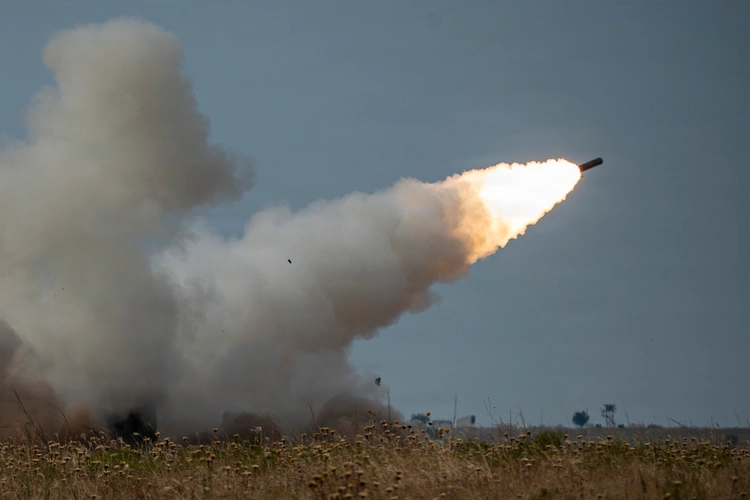
The May 2026 GT 256 launch followed the same basic principle. The unarmed Minuteman III was launched from Vandenberg Space Force Base as an operational test rather than as a response to a particular geopolitical event.
Missile Tests Coming Soon and Strategic Deterrence
Missile testing has an important relationship with deterrence.
A country can possess a large missile inventory, but the credibility of that force depends partly on whether its missiles, launch infrastructure, command systems and crews can perform as expected.
Testing helps establish that confidence.
For the United States, this applies to the nuclear triad as well as conventional precision weapons and missile-defense interceptors. For potential adversaries, testing can demonstrate technological progress, signal strategic intent and provide engineers with data for subsequent upgrades.
China’s 2026 missile activity demonstrates how testing can also have a major geopolitical effect.
On July 6, China launched a ballistic missile from a nuclear-powered submarine into the Pacific. Chinese authorities described the launch as a routine military training activity involving a dummy warhead. The launch nevertheless attracted attention from the United States, Japan, Australia, New Zealand and Taiwan because of its range and the limited advance notification provided to Washington.
Reuters subsequently reported that the test offered valuable insight into China’s developing sea-based nuclear deterrent and the complex command, control and communications requirements associated with submarine-launched ballistic missiles.
What a Modern Missile Test Measures
Propulsion
Rocket motors must generate predictable thrust throughout the planned flight profile. Engineers examine acceleration, burn characteristics and overall propulsion performance.
Solid-fuel systems can provide important operational advantages because they generally require less preparation than older liquid-fueled designs.
Guidance and Navigation
Modern missiles use combinations of inertial navigation, satellite navigation, terrain references, seekers and other sensors depending on the mission.
Testing provides an opportunity to verify that these systems remain accurate throughout the flight.
Reentry and Terminal Performance
For ballistic missiles, reentry represents one of the most demanding phases of flight. A reentry vehicle must withstand extreme aerodynamic heating while maintaining its intended trajectory.
Terminal maneuvering can make the defensive problem considerably more complicated because an interceptor cannot assume that the incoming weapon will follow a simple ballistic path.
Command and Control
Strategic missile testing also examines the people and infrastructure surrounding the weapon.
This includes:
- Launch crews
- Communications
- Command networks
- Targeting procedures
- Safety systems
- Launch authorization processes
- Range instrumentation
The objective is to test the weapon as a complete operational system rather than simply measuring the missile itself.
The Changing Global Missile Environment
The strategic environment surrounding missile tests is becoming more complicated.
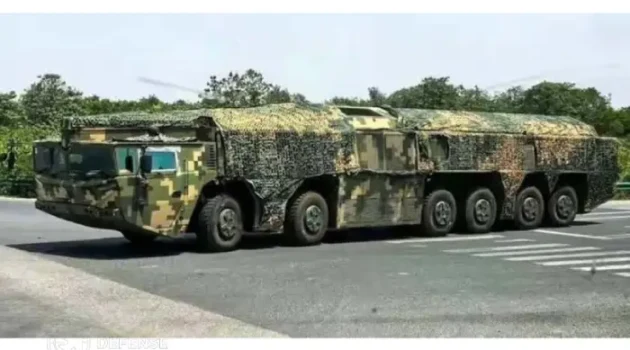
The U.S. Department of Defense has described China’s People’s Liberation Army Rocket Force as operating a broad inventory of short, medium and intermediate-range ballistic missiles, ground-launched cruise missiles and hypersonic systems. The Pentagon’s reporting identifies systems including the DF-17, DF-21, DF-26 and DF-27 across different mission categories.
China’s missile modernization is particularly important to U.S. and allied planners because many of these weapons are designed to operate within the broader anti-access and area-denial architecture of the People’s Liberation Army.
That means missile tests increasingly have implications beyond the missile itself. They can affect:
- Airbase survivability
- Naval operations
- Carrier strike groups
- Logistics networks
- Regional command centers
- Missile-defense planning
- Nuclear deterrence
- Space-based warning systems
Recent Missile Testing Shows the Broader Trend
The United States continues to conduct routine strategic missile tests, while China is demonstrating increasingly sophisticated long-range capabilities.
Europe is also becoming more interested in ballistic and long-range strike systems.
Germany, for example, successfully tested an Israeli-made LORA ballistic missile in the North Atlantic in September 2026. Reuters reported that the missile has a range of up to approximately 500 kilometers and that the test represented a significant step for Germany’s long-range strike and deterrence planning.
This development is significant because Germany traditionally has relied heavily on cruise missiles rather than ballistic missiles for long-range conventional strike.
Missile Testing Data Summary
Category Typical Test Objective Strategic Importance ICBM Reliability, accuracy, reentry performance Nuclear deterrence SLBM Missile and submarine integration Second-strike capability IRBM/MRBM Range, accuracy and maneuvering Regional deterrence Cruise missile Navigation, seeker and terminal attack Precision strike Hypersonic weapon High-speed flight and maneuvering Penetration of defenses Interceptor Detection, tracking and hit assessment Missile defense Ballistic missile target Simulates hostile missile threat Defensive testing Conventional ballistic missile Precision and operational reliability Long-range strike Missile Tests and Missile Defense
Missile testing and missile defense are closely connected.
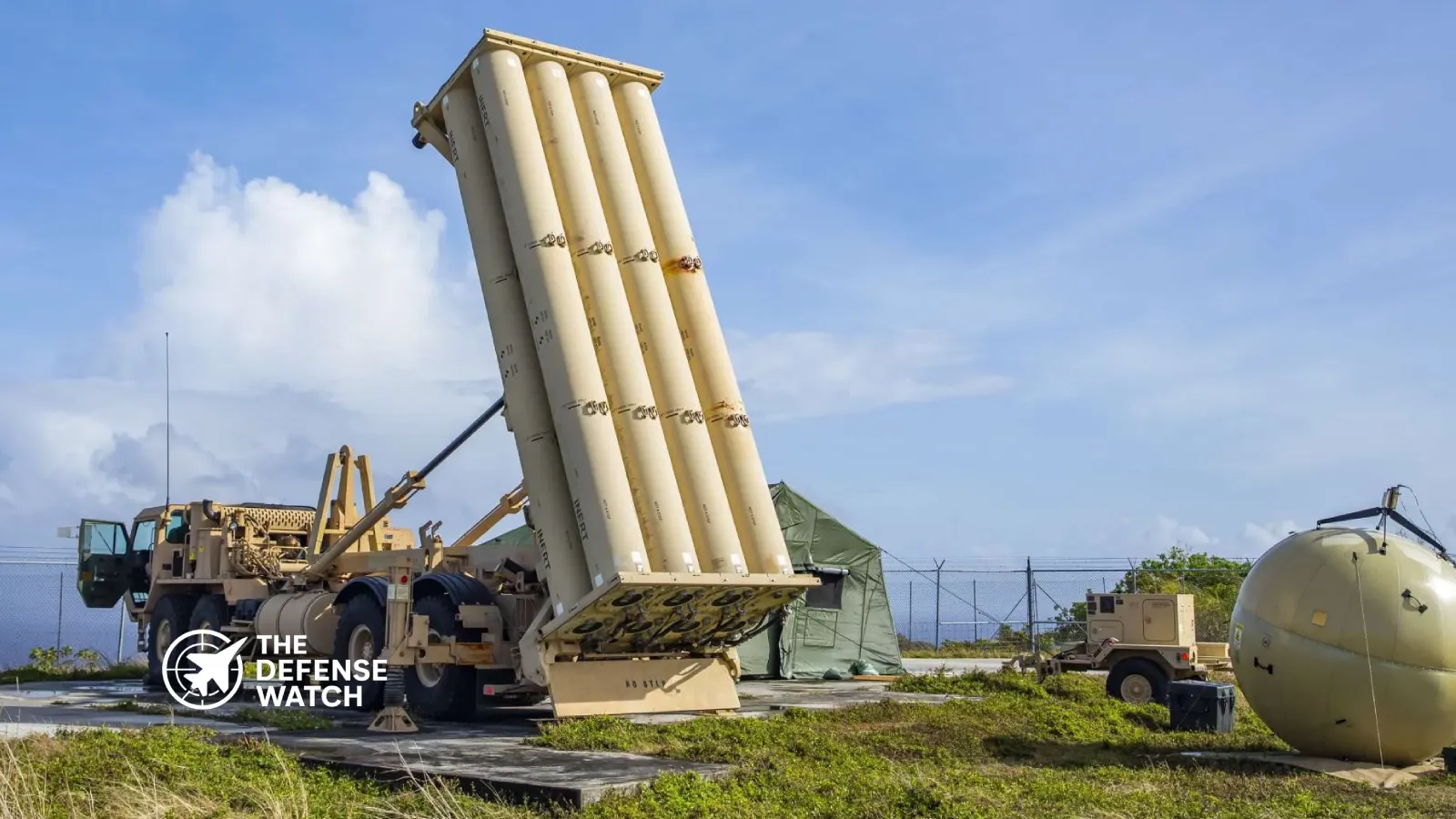
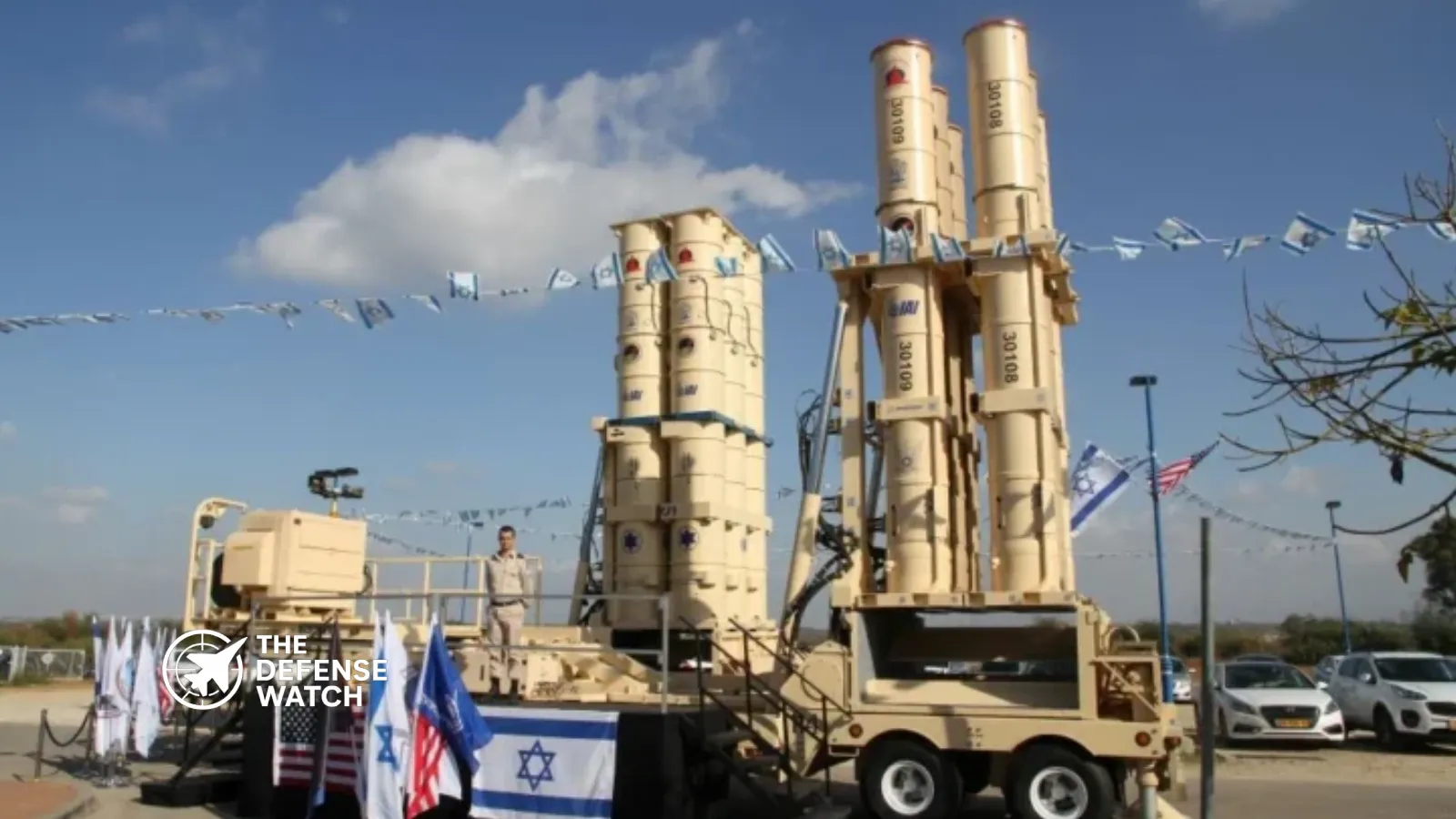
A missile defense system must understand the performance characteristics of the threats it is expected to defeat. Target missiles are therefore used in developmental and operational testing to reproduce portions of realistic threat profiles.
The U.S. Missile Defense Agency continues to conduct testing involving sensors, command systems and interceptors. In March 2026, the agency and Japan Maritime Self-Defense Force conducted live target tracking events using the SPY-7 radar as part of integration testing for Japan’s Aegis System Equipped Vessel program. The events used live targets and generated data for the Aegis system integration effort.
This illustrates a key point: modern missile defense is not simply an interceptor-versus-missile problem.
It is a network involving:
Sensors → Tracking → Command and Control → Fire Control → Interceptor → Battle Damage Assessment
A weakness in any part of this chain can reduce overall defensive effectiveness.
Why Test Announcements Matter
The announcement of a missile test can itself become part of strategic signaling.
Governments may provide advance notification to reduce the risk of miscalculation, especially when missiles are launched over international waters or through heavily traveled air and maritime regions.
The July 2026 Chinese submarine missile launch demonstrated the importance of this issue. Washington criticized Beijing for providing only limited notice before the launch, while China described the activity as routine military training.
This creates an important distinction between technical testing and strategic signaling.
A test may be technically routine but politically significant.
Challenges in Interpreting Missile Tests
Missile tests should not automatically be interpreted as evidence of an imminent attack.
A successful test can have several purposes:
- Routine reliability verification
- Technology development
- Crew training
- Accuracy assessment
- Validation of modernization
- Strategic signaling
- Demonstration of deterrence
- Development of missile-defense countermeasures
Similarly, a failed test does not necessarily mean a missile program has collapsed. Developmental programs often use failures to identify weaknesses and modify future designs.
The best analysis therefore considers test frequency, test profile, missile type, launch platform, stated objective, flight performance and subsequent deployment activity together.
The Next Phase of Missile Competition
The future of missile testing will increasingly involve more complex systems.
Several trends deserve close attention:
Hypersonic Weapons
High-speed maneuvering weapons are creating additional challenges for early warning and interception. Their combination of speed, trajectory and maneuverability can reduce the time available to defensive systems.
Longer-Range Conventional Strike
Countries are increasingly developing conventional weapons capable of striking targets hundreds or thousands of kilometers away. This can allow military planners to attack high-value targets without immediately relying on tactical aircraft entering heavily defended airspace.
Sea-Based Deterrence
Submarine-launched ballistic missiles remain among the most important strategic weapons because submarines can provide a survivable launch platform.
China’s 2026 Pacific missile test highlights the growing importance of this capability.
Integrated Missile Defense
The expansion of offensive missile capabilities is driving investment in sensors, interceptors, command networks and potentially directed-energy technologies.
The competition is therefore no longer simply about building a missile with greater range.
It is increasingly about building an integrated offense-defense ecosystem.
Conclusion
The significance of missile tests coming soon extends well beyond individual launches. Every credible test can provide technical information about propulsion, guidance, reentry, accuracy and reliability while also revealing how a military intends to operate its broader strike architecture.
The 2026 testing environment demonstrates the breadth of this competition. The United States continues systematic testing of its strategic forces, China is demonstrating increasingly sophisticated sea-based and long-range missile capabilities, and European powers are reassessing the role of ballistic and long-range strike systems.
For defense professionals, the most useful approach is therefore to treat missile tests as data points within larger modernization programs, rather than isolated launch events.
The real strategic question is not simply whether a missile can fly.
It is whether the complete system can reliably detect, launch, navigate, survive defensive countermeasures, reach its intended target and integrate with the command architecture supporting the force.