Lockheed Martin MH-60R Radar Upgrade Advances Navy Helicopter Fleet
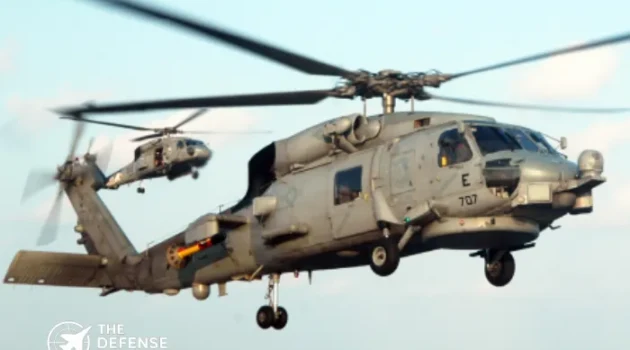
The MH-60R radar upgrade program moved forward after Lockheed Martin was awarded a $99,481,601 cost-plus-fixed-fee order to modernize the AN/APS-153 radar system installed on the MH-60R Seahawk. The award supports both domestic U.S. Navy aircraft and export variants sold through Foreign Military Sales channels.
According to the Pentagon contract announcement, the work includes design, development, integration, and testing of a radar data processor technology refresh. That indicates the focus is not merely maintenance, but deeper electronics modernization intended to keep the system effective against evolving maritime threats.
- Lockheed Martin received a $99.48 million U.S. Navy contract for MH-60R radar modernization.
- The work covers design, development, integration, and testing of a radar data processor technology refresh.
- The upgrade applies to the MH-60R AN/APS-153 radar system for U.S. and Foreign Military Sales variants.
- Work will be completed in New York and Connecticut through April 2031.
- Contracting authority is Naval Air Systems Command, Patuxent River, Maryland.
The order was issued under a previously established basic ordering agreement and was not openly competed.
Why The MH-60R Radar Upgrade Matters
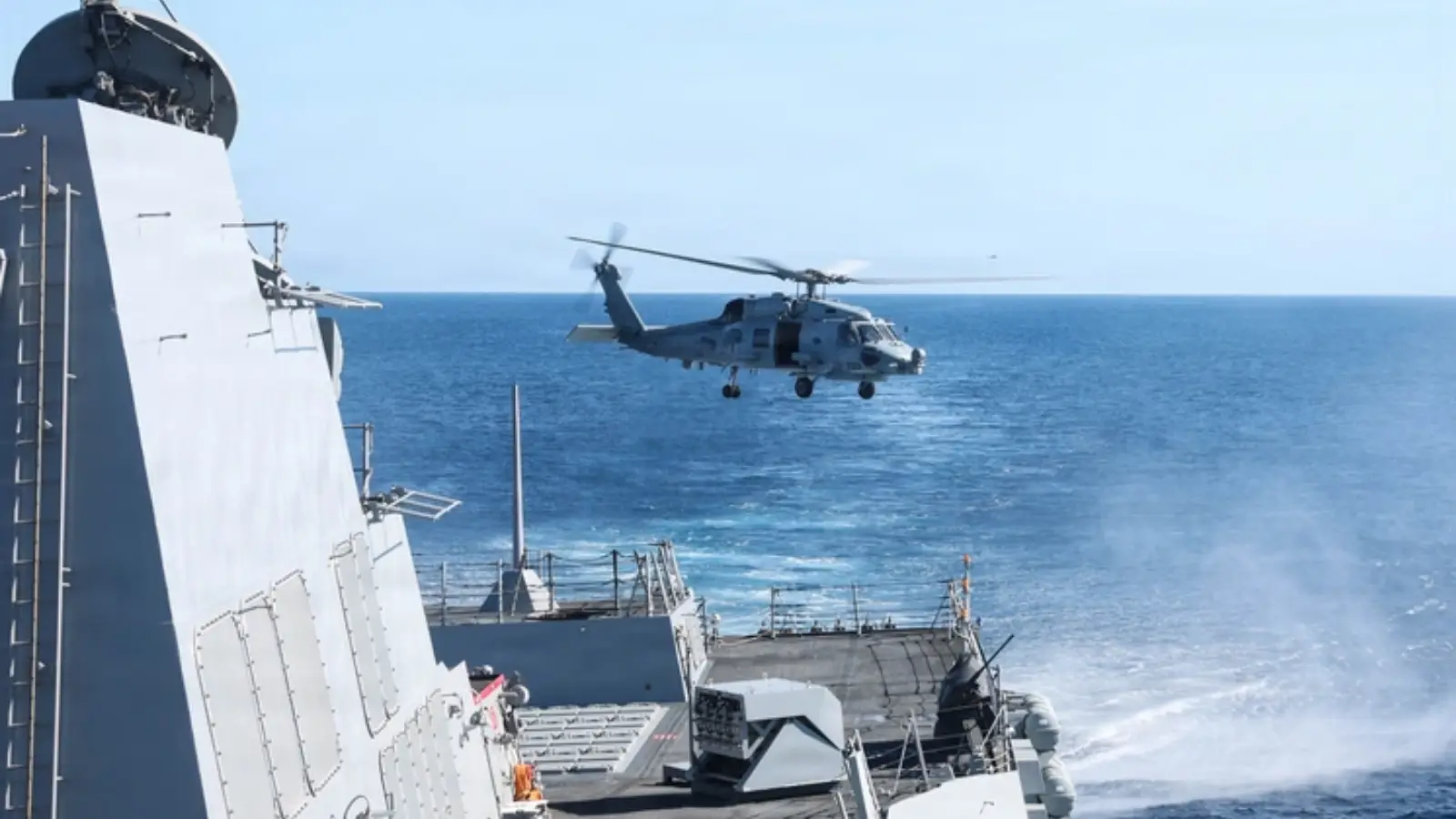
The MH-60R Seahawk is one of the U.S. Navy’s most important multi-mission helicopters. It performs anti-submarine warfare, anti-surface warfare, surveillance, search and rescue, and fleet support operations from destroyers, cruisers, frigates, and shore bases.
Its AN/APS-153 radar plays a central role in detecting ships, small surface contacts, weather patterns, and navigation hazards. In contested waters, radar processing speed and reliability can directly affect mission success.
Refreshing the radar data processor likely brings three practical benefits:
- Faster target tracking and data handling
- Better reliability and lower sustainment burden
- Improved compatibility with future software upgrades
That matters because many U.S. military platforms now rely on incremental electronics refreshes rather than entirely new airframes. It is often cheaper and faster to modernize sensors than replace fleets.
Strategic Value For U.S. Navy And Allies
The contract also includes Foreign Military Sales variants, highlighting continued international demand for the MH-60R Seahawk. Countries operating the aircraft increasingly need common standards, spare parts support, and updated mission systems.
This approach helps allied navies remain interoperable with U.S. forces during coalition maritime operations. Shared radar architecture can simplify training, logistics, and software support over time.
For Washington, export support also strengthens long-term defense relationships while reducing per-unit sustainment costs across a broader user base.
Where The Work Will Be Done
Contract performance will take place in:
- Farmingdale, New York (68%)
- Owego, New York (31%)
- Stratford, Connecticut (1%)
The project is expected to run through April 2031, showing the scale and technical depth of the modernization effort.
Funding Breakdown
At the time of award, the Navy obligated:
- $6.5 million in Fiscal Year 2026 Navy research, development, test and evaluation funds
- $14.5 million in Foreign Military Sales funds
None of those funds expire at the end of the current fiscal year, allowing longer execution timelines.
Broader Defense Trend
The MH-60R radar upgrade reflects a wider Pentagon trend: extending proven platforms through sensor, processor, and software modernization. Rather than waiting years for next-generation aircraft, the military is improving fielded systems now.
For naval aviation, that means helicopters already deployed worldwide can remain relevant in increasingly crowded and contested maritime environments.
Get real time update about this post category directly on your device, subscribe now.