U.S. Missile Defense Production Enters A New Expansion Phase
The U.S. missile defense production base is set for another major expansion after the Department of War announced seven-year framework agreements with General Dynamics Ordnance and Tactical Systems and Lockheed Martin to increase output supporting the Patriot PAC-3 Missile Segment Enhancement and Terminal High Altitude Area Defense programs. The Aug. 31 announcement sets production objectives of tripling PAC-3 MSE capacity and quadrupling THAAD capacity.
- U.S. Missile Defense Production Enters A New Expansion Phase
- Takeaways
- What The New Agreements Cover
- PAC-3 MSE Is The Lower-Tier Layer
- THAAD Provides A Higher-Altitude Layer
- Lockheed Martin Has Already Begun Scaling Production
- Why The Supply Chain Matters
- A Broader 2026 Missile Defense Industrial Push
- What The Expansion Means For U.S. Missile Defense
- The Main Challenge Is Scaling Without Creating New Bottlenecks
- Bottom Line
Takeaways
The U.S. Department of War is using seven-year procurement agreements to expand the industrial capacity supporting PAC-3 MSE and THAAD interceptors.
The agreements are part of a broader effort to expand domestic missile interceptor manufacturing rather than relying only on increases at prime contractor final assembly facilities. The Department of War said the new arrangements will also accelerate production of specialized components and provide suppliers with longer-term demand visibility.
The move follows several major procurement and industrial-base actions involving Lockheed Martin and suppliers across the PAC-3 MSE and THAAD supply chains during 2026.
What The New Agreements Cover
The Department of War said General Dynamics will support a rapid increase in specialized interceptor component production. The targeted components include motor cases, seeker housings and midsections, and shroud deployment systems.
These components are important because interceptor production is dependent on multiple manufacturing stages and supplier networks. Increasing final assembly capacity without expanding constrained upstream components can create bottlenecks that limit the number of completed missiles delivered to the military.
The latest framework therefore represents a supply-chain approach to missile production. The department said the agreements are intended to allow General Dynamics and lower-tier suppliers to invest in additional workers, bulk material purchases and facility upgrades based on more predictable demand.
Program Production Objective Key Industrial Focus PAC-3 MSE Triple production capacity Interceptor output and critical components THAAD Quadruple production capacity Interceptor output and supporting components PAC-3 MSE components Expanded production Motor cases, seeker housings and midsections THAAD components Expanded production Motor cases, seeker housings and deployment systems Procurement period Seven years Long-term industrial planning The Department of War also emphasized that the agreements do not remove the need for congressional appropriations. Funding remains subject to annual appropriations, while the framework provides industry with longer-term procurement expectations.
PAC-3 MSE Is The Lower-Tier Layer
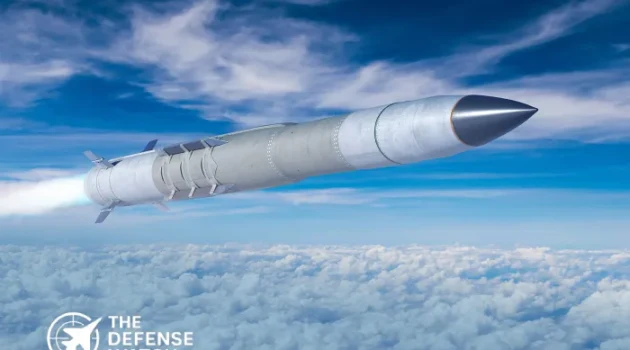
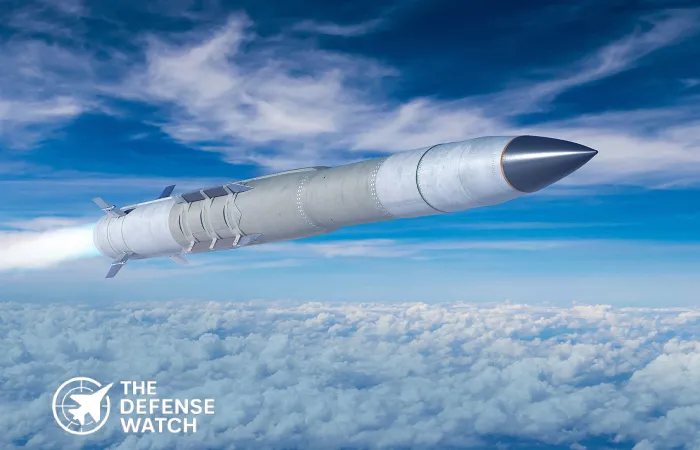
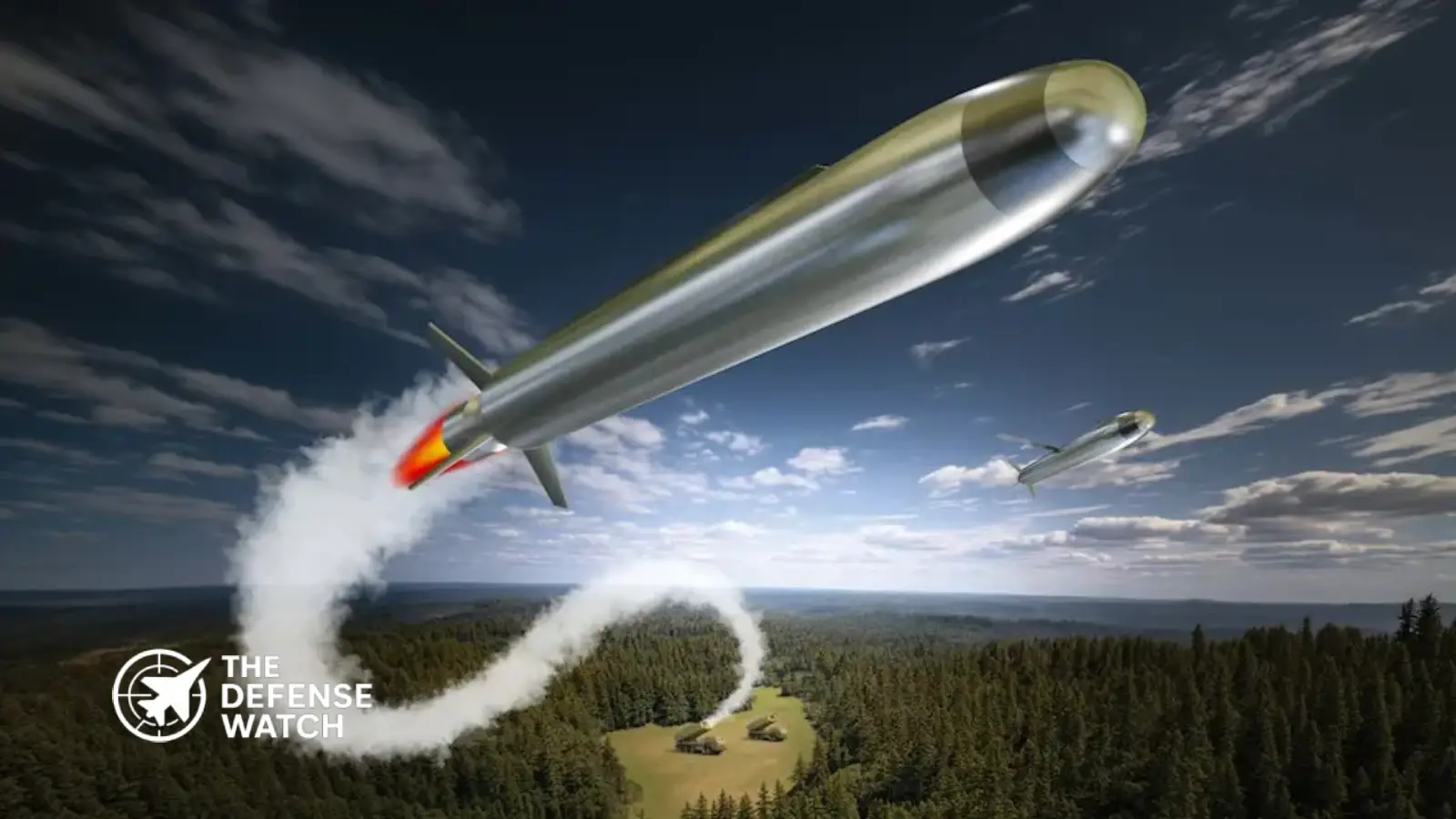
The PAC-3 MSE is a hit-to-kill interceptor used with the Patriot air and missile defense system. The Missile Defense Agency describes Patriot as a lower-tier element of the U.S. missile defense architecture, capable of defending against short- to medium-range missile threats and other aerial threats.
PAC-3 MSE uses kinetic hit-to-kill technology rather than relying on a conventional explosive warhead to destroy the incoming target. The Army identifies the interceptor as capable of engaging tactical ballistic missiles, cruise missiles, unmanned aerial systems and other air-breathing threats.
The interceptor is also integrated into a wider missile defense architecture. MDA says Patriot and THAAD can operate together to create overlapping terminal-phase defenses, allowing different interceptors and sensors to contribute to an engagement depending on the threat and engagement geometry.
That relationship gives the PAC-3 MSE production increase importance beyond the number of missiles manufactured. More available interceptors can increase the depth and endurance of the lower-tier layer, particularly when units must manage repeated engagements or protect multiple defended assets.
THAAD Provides A Higher-Altitude Layer
THAAD occupies a different position in the layered defense architecture. The Missile Defense Agency describes it as a rapidly deployable system capable of intercepting ballistic missiles inside or just outside the atmosphere during the terminal phase of flight.
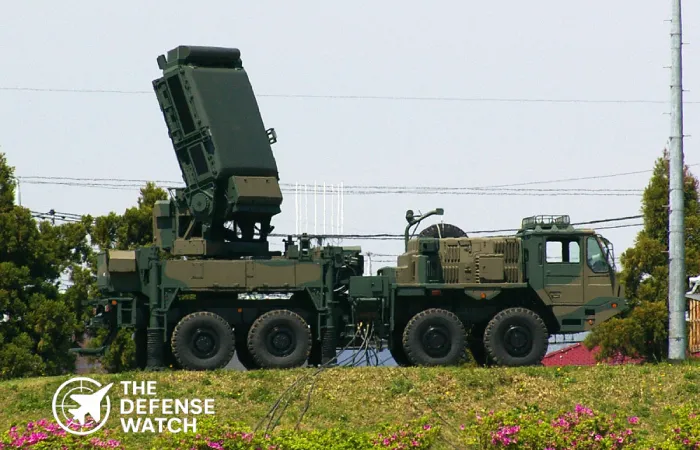
A THAAD battery combines mobile launchers, interceptors, an AN/TPY-2 radar and fire-control equipment. Each launcher can carry eight THAAD interceptors, according to MDA.
The system’s high-altitude engagement capability complements Patriot. MDA has demonstrated interoperability between the two systems, including tests in which THAAD sensors provided tracking information to Patriot and PAC-3 MSE interceptors.
This layered approach is significant because missile defense is not based on a single interceptor or sensor. Detection, tracking, discrimination, command and control, launch systems and interceptor availability all contribute to the probability of defeating an incoming threat.
Lockheed Martin Has Already Begun Scaling Production
The latest announcement builds on substantial procurement actions involving Lockheed Martin.
In July, the U.S. government awarded Lockheed Martin a seven-year undefinitized contract action modification worth up to $53.86 billion for PAC-3 MSE interceptors. Including a $4.7 billion first-year award announced in April, Lockheed Martin said the total multiyear contract value reached $58.62 billion.
Lockheed Martin said the program is intended to increase PAC-3 MSE capacity to approximately 2,000 interceptors per year from a previous capacity of about 600. The company has also said the expanded program is expected to support additional employment and manufacturing investment in Camden, Arkansas.
The company has separately received a seven-year agreement worth up to $35 billion to quadruple THAAD interceptor production. Lockheed Martin has identified a production target of about 400 THAAD interceptors annually, compared with approximately 96 previously.
These figures show that the Aug. 31 framework is not an isolated procurement action. It forms part of a broader effort to expand the capacity of both major interceptor programs while addressing production constraints throughout their supplier networks.
Why The Supply Chain Matters
The most important aspect of the latest agreement may be its focus on components rather than simply finished interceptors.
A modern interceptor contains numerous specialized assemblies that must meet demanding structural, propulsion, guidance and environmental requirements. If one supplier cannot increase output at the same pace as final assembly, overall missile production can become constrained even when the prime contractor has additional assembly capacity.
General Dynamics has longstanding involvement in PAC-3 component manufacturing. Company material notes production of PAC-3 MSE motor cases, midsections and seeker housings, with thousands of related components delivered over the history of the program.

The new agreements therefore target a part of the industrial base that is less visible than final missile assembly but directly affects how quickly production can scale.
The Department of War said the seven-year arrangements provide minimum annual procurement quantities that can give companies and lower-tier suppliers greater confidence when making capital investments.
A Broader 2026 Missile Defense Industrial Push
The General Dynamics agreement follows several other industrial-base actions this year.
In April, the Department of War announced a seven-year framework agreement involving Boeing and Lockheed Martin to triple PAC-3 MSE seeker production. The department said the agreement was designed to support an increase in PAC-3 MSE all-up-round production.
In March, the department announced a framework agreement with BAE Systems and Lockheed Martin to quadruple THAAD seeker production. The move was intended to address another critical component within the THAAD supply chain.
The department also announced agreements with L3Harris in July to expand propulsion production supporting PAC-3 MSE and THAAD, followed by agreements with Northrop Grumman in August covering additional missile-interceptor components.
Taken together, the sequence indicates a procurement strategy centered on expanding capacity across multiple tiers of the supply chain rather than depending on a single production increase at the prime contractor.
What The Expansion Means For U.S. Missile Defense
The immediate objective is straightforward: increase the number of interceptors that can be manufactured and delivered.
The strategic significance is broader. PAC-3 MSE and THAAD occupy different but complementary positions within the U.S. terminal missile defense architecture, and both systems are also used by U.S. partners and allies.
The Army’s fiscal year 2027 budget documentation illustrates the scale of planned procurement. It identifies funding for 2,798 PAC-3 MSE missiles and 857 THAAD interceptors across discretionary and mandatory funding categories.
Higher production rates can help replenish inventories after operational use, support new units and foreign military sales, and provide greater depth for sustained missile defense operations. But production capacity alone does not guarantee immediate inventory growth because completed interceptors must still pass manufacturing, testing, acceptance and delivery processes.
There is also a long lead time associated with expanding a specialized industrial workforce. New facilities, equipment, tooling, raw materials and qualified personnel must be brought online without compromising quality or reliability.
That makes the seven-year structure important. Rather than treating production expansion as a short-term surge, the agreements seek to create conditions for sustained manufacturing investment.
The Main Challenge Is Scaling Without Creating New Bottlenecks
Tripling or quadrupling output is not simply a matter of adding assembly lines.
The supply chain must scale at multiple points, including propulsion, structures, seekers, guidance equipment, electronics and specialized manufacturing processes. Testing capacity, quality assurance and supplier qualification must also keep pace.
The Department of War’s decision to pursue agreements covering individual components suggests that officials recognize this constraint. Earlier 2026 agreements targeting PAC-3 MSE seekers, THAAD seekers and propulsion demonstrate the same approach.
For the U.S. military, the measure of success will ultimately be sustained delivery of reliable interceptors rather than announced capacity alone.
The new seven-year agreements provide a framework for reaching that objective. Their effectiveness will depend on annual funding, supplier execution, workforce growth, facility expansion and the ability of the industrial base to maintain quality as production accelerates.
Bottom Line
The Department of War’s latest agreements with General Dynamics and Lockheed Martin mark another major step in the U.S. effort to expand missile interceptor manufacturing.
The stated targets are substantial: triple PAC-3 MSE production capacity and quadruple THAAD production capacity. The agreements also place greater emphasis on critical components and lower-tier suppliers, addressing one of the central challenges in rapidly expanding a complex defense production network.
For U.S. missile defense, the significance extends beyond factory output. PAC-3 MSE and THAAD form complementary layers of terminal missile defense, and expanding their production capacity can strengthen the ability to replenish stocks, equip additional forces and support allied requirements.
The next test will be execution. The seven-year procurement framework establishes the demand signal, but annual appropriations and industrial performance will determine how quickly the announced capacity becomes actual interceptor deliveries.