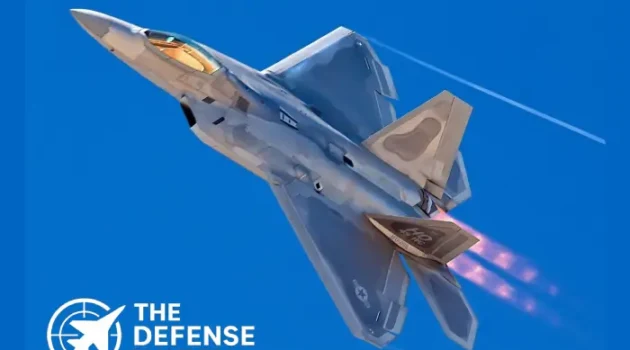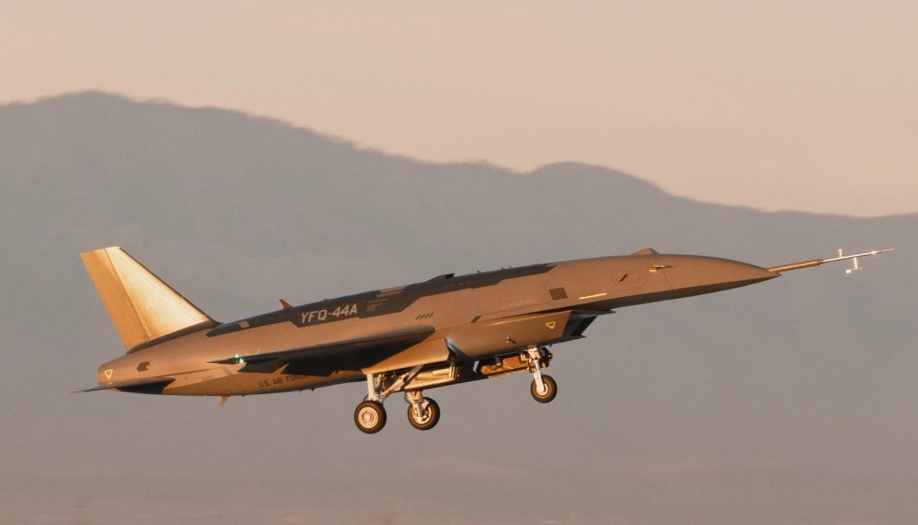
The U.S. Air Force is moving toward a combat model in which crewed fighters can work with uncrewed aircraft, combining human decision-making with autonomous flight and mission systems. A FlightGlobal report published in October 2026 describes an F-22 Raptor taking control of an Anduril YFQ-44A Fury, a development that points to the growing importance of aircraft-to-aircraft control and coordination in future air combat.
The full FlightGlobal report could not be independently accessed during preparation of this article. The precise test configuration, control architecture and demonstrated functions therefore remain unverified here. The broader program, however, has already progressed through flight testing, weapons integration and operational experimentation documented by the U.S. Air Force.
From autonomous aircraft to coordinated air combat
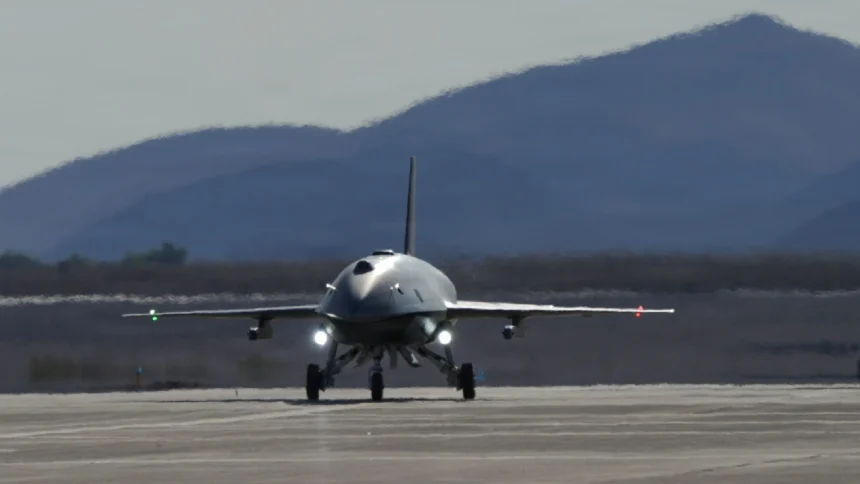
The YFQ-44A Fury is one of two production-representative aircraft selected for the Air Force’s Collaborative Combat Aircraft program. Developed by Anduril Industries, it is intended to demonstrate how uncrewed aircraft can operate alongside crewed fighters.
The other aircraft is the YFQ-42A, developed by General Atomics Aeronautical Systems. The Air Force assigned both designations in March 2025, establishing the aircraft as competing platforms within its effort to develop a new class of uncrewed combat aircraft.
The reported F-22 control milestone matters because aircraft autonomy involves more than flying without a pilot aboard. A useful combat system must also receive commands, exchange information, respond to changing mission requirements and coordinate its actions with other aircraft.
A crewed fighter exercising control over an uncrewed aircraft could help establish that relationship. The exact capabilities demonstrated in the reported F-22 and YFQ-44A test, however, should not be inferred from the headline alone.
Why the F-22 is relevant to the test
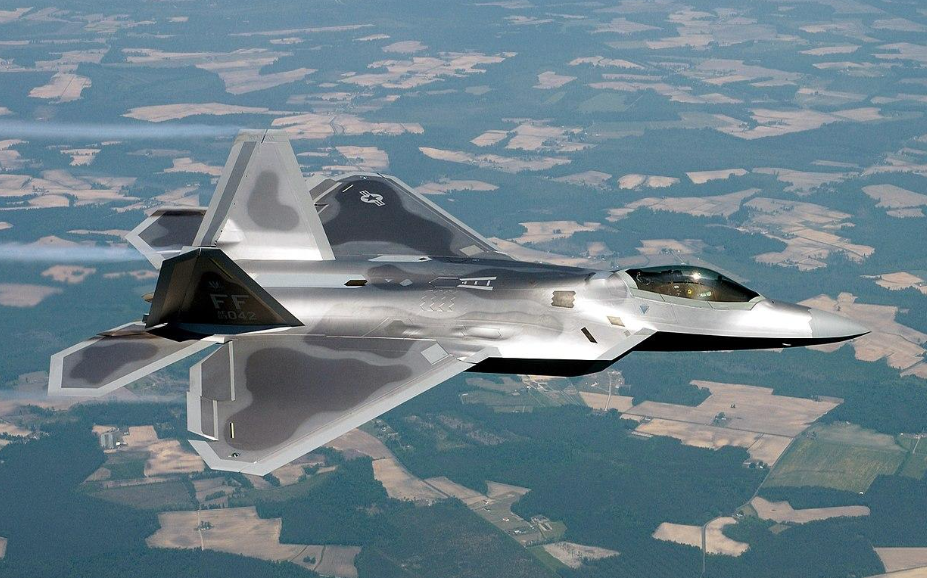
The F-22 Raptor was designed primarily for air superiority. Its combination of stealth, sensor integration and air-to-air combat capability makes it a relevant platform for evaluating how advanced crewed fighters might work with uncrewed aircraft.
Under a collaborative combat concept, an uncrewed aircraft could potentially extend a formation’s reach, carry additional sensors or provide another weapons platform. These are possible mission roles for the wider CCA concept, not confirmation that the YFQ-44A performed each function during the reported test.
The operational objective is to make the overall formation more capable without requiring a human pilot in every aircraft. That could give commanders more options when operating against integrated air defenses or other threats that make crewed aircraft exposure particularly costly.
The F-22 test is also relevant to the question of how existing fighters might interact with emerging autonomous systems. Integrating an uncrewed platform into the mission workflow of an operational fighter is a different challenge from demonstrating that the uncrewed aircraft can fly independently.
The Air Force has already tested the YFQ-44A with weapons

Image : Anduril The reported F-22 control event follows earlier publicly documented milestones in the CCA program.
On July 15, 2026, the Department of the Air Force announced that a YFQ-44A had conducted a live-fire test involving an AIM-120 air-to-air missile and a digital target over the Mojave Desert. According to the service, the test followed earlier captive-carry evaluations and checks of the data link between the aircraft and weapon system.
The distinction between those tests is important. Weapons integration establishes whether an aircraft can carry and employ a weapon under defined test conditions. Control by a crewed fighter addresses a separate question: how the uncrewed aircraft receives and executes mission direction within a larger formation.
Together, these areas of testing address different elements of a future combat system. They do not, by themselves, establish that the aircraft is ready for operational deployment or that every planned autonomous function has been validated.
The Air Force has also tested the platforms in settings intended to inform real-world operating procedures. In July 2026, its Collaborative Combat Aircraft Experimental Operations Unit conducted exercises at Creech Air Force Base, Nevada, involving the YFQ-44A and YFQ-42A. The service said the activity focused on operational procedures, logistics, deployment and integration with crewed aircraft.
What the control milestone could mean for future air combat
The central challenge for collaborative combat aircraft is integrating several independent elements into a functioning formation. Flight autonomy, mission control, communications, sensor data and weapons employment must work together under the conditions in which the aircraft are expected to operate.
Three issues will shape the practical value of the approach.
Command and control: Pilots need a workable way to direct uncrewed aircraft without becoming overloaded by additional tasks. The balance between direct commands, predefined mission objectives and autonomous responses will influence how many aircraft a crew can manage effectively.
Communications resilience: Aircraft-to-aircraft coordination depends on reliable exchanges of information. In a contested environment, electronic warfare and disrupted communications could complicate that process. Public information available for this article does not establish how the reported test addressed degraded or denied communications.
Human oversight: Greater autonomy does not automatically mean that an aircraft can independently make every tactical decision. The level of authority delegated to an uncrewed platform, especially for weapons employment, remains an important operational and policy question.
The Air Force’s February 2026 announcement on its government-owned Autonomy Government Reference Architecture described an effort to support a modular, open approach across multiple CCA platforms. Such an architecture is intended to help the service integrate and update autonomy software without relying entirely on a single aircraft manufacturer’s proprietary solution.
Air Force Training Command
That approach could help separate the development of aircraft hardware from the software used to control missions. It also makes interoperability a central requirement rather than an issue to address only after individual platforms have matured.
Testing is not the same as operational readiness
The Air Force’s CCA program is intended to introduce uncrewed aircraft that complement, rather than simply replace, crewed combat aircraft. The YFQ-44A is one part of that effort, alongside the YFQ-42A and the development of mission autonomy software.
In June 2026, the Department of the Air Force announced contracts covering CCA Increment 1 aircraft and autonomy software from multiple vendors. The procurement approach is designed to support competition and the development of capabilities across the program rather than treating the aircraft as isolated projects.
For the F-22 and YFQ-44A, the important question is whether the reported control capability can be developed into a repeatable, reliable operational function. A successful demonstration is evidence of progress, but it does not establish how the system will perform across different mission types, communications conditions or combat scenarios.
The available evidence supports a measured conclusion: the Air Force is testing the technical and operational foundations of crewed and uncrewed teaming. The exact significance of the F-22 control event will depend on what control functions were demonstrated, how reliably they operated and whether the service can apply them across its planned CCA force.